

Deck Shade Ideas for Windy Areas: 5 Essential Solutions for Ultimate Protection


Creating a comfortable outdoor living space on your deck can be challenging when you’re dealing with strong winds that constantly threaten to disrupt your relaxation time. Finding effective deck shade ideas for windy areas isn’t just about aesthetics—it’s about creating a functional space that withstands the elements while providing the comfort you deserve. Many homeowners make the mistake of choosing beautiful shade solutions that look perfect in catalogs but fail spectacularly when the first gust of wind arrives, leaving them with damaged structures and wasted investments. The right deck shade ideas for windy areas should combine durability, flexibility, and smart design to create a space that feels like a true extension of your home, regardless of weather conditions. This comprehensive guide will walk you through proven strategies and innovative solutions specifically tailored for challenging wind conditions. We’ll explore materials that hold up against gusts, installation techniques that provide stability, and design approaches that maximize protection without sacrificing style. Whether you’re dealing with coastal breezes, mountain winds, or suburban gusts, these deck shade ideas for windy areas will transform your outdoor space into a protected oasis where you can enjoy meals, entertain guests, or simply relax with a good book without worrying about your shade structure taking flight. Understanding how wind interacts with different materials and shapes is crucial to making informed decisions that will last for years to come.
Wind-Resistant Deck Shade Solutions: Structural Foundations
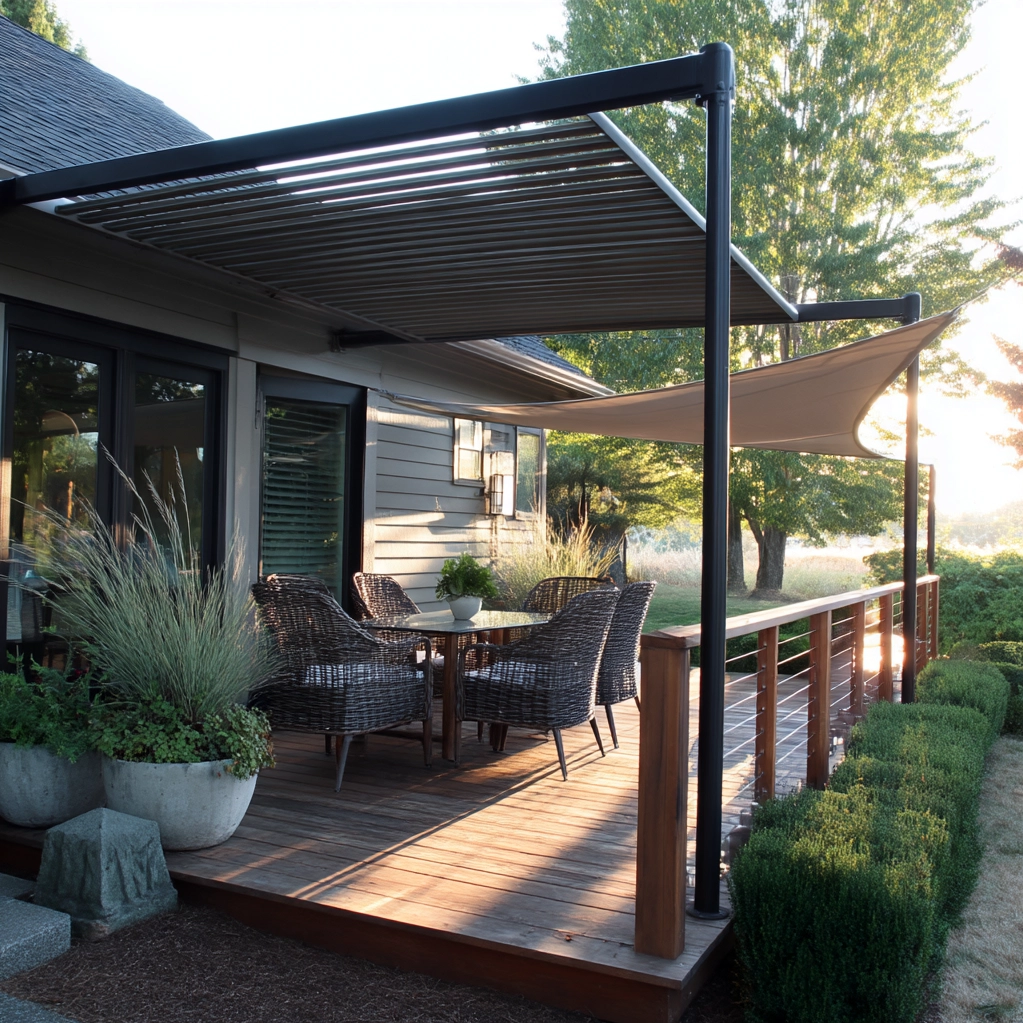
When considering deck shade ideas for windy areas, the structural foundation of your shade solution is paramount. Wind doesn't just push against surfaces—it creates lift, suction, and dynamic pressure that can test even well-built structures. Start by evaluating your deck's existing framework and determining whether it can support additional wind loads. Many modern decks are built with standard residential codes that might not account for the extra stress of shade structures in windy conditions. For permanent solutions like pergolas or solid roofs, consider consulting with a structural engineer to ensure proper anchoring and support. Temporary or semi-permanent options like tensioned shade sails require different approaches: proper corner hardware, reinforced attachment points, and appropriate tensioning systems that can handle wind fluctuations. One effective strategy is to incorporate wind-permeable materials that allow air to pass through rather than creating a solid barrier. For example, louvered systems or slatted roofs provide shade while reducing wind resistance significantly. When installing any deck shade in windy areas, pay special attention to fasteners and connections—stainless steel hardware with proper corrosion resistance will maintain integrity over time. The orientation of your shade structure relative to prevailing winds also matters significantly; positioning it to minimize direct wind impact can extend its lifespan dramatically. Remember that proper installation isn't just about immediate stability—it's about creating a system that can handle seasonal wind patterns and occasional storms without constant maintenance or repair.
Material Choices for Deck Shade in Windy Environments
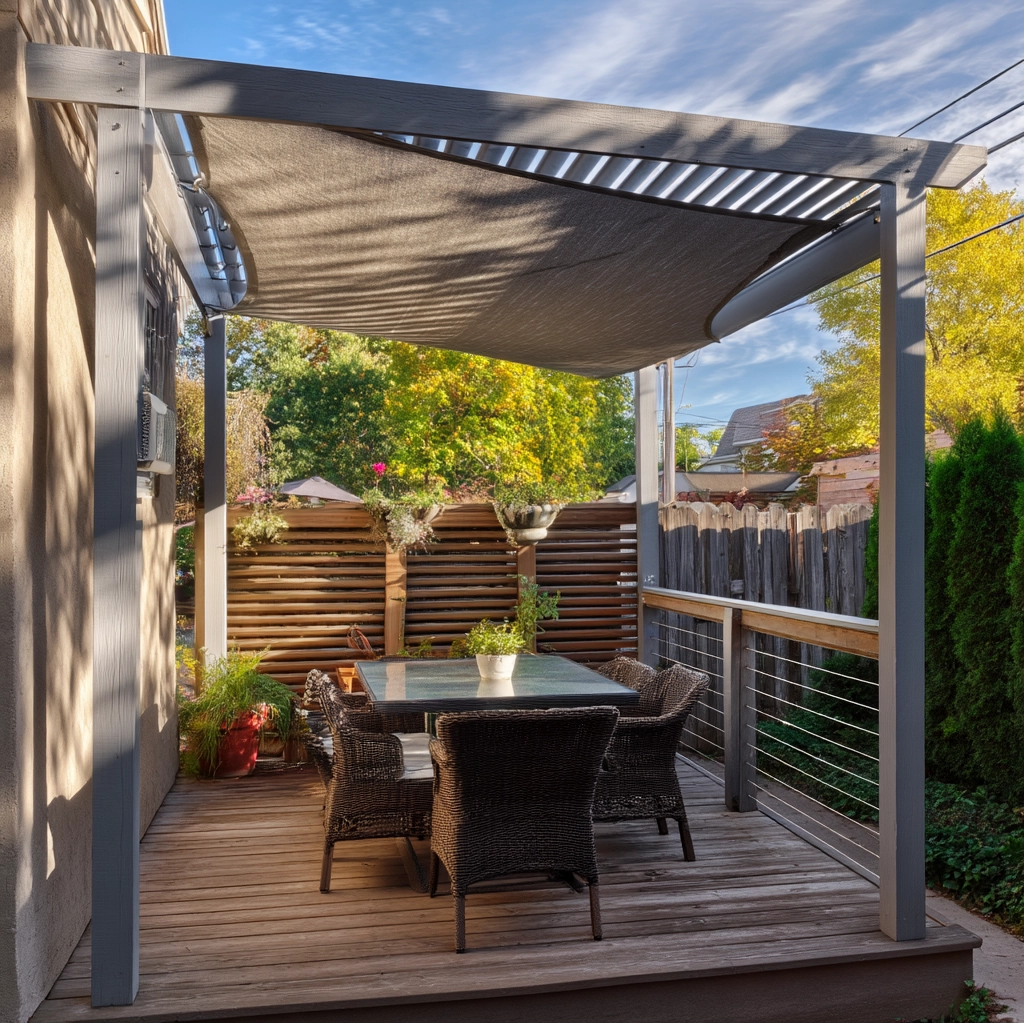
Selecting the right materials is crucial when implementing deck shade ideas for windy areas. Traditional canvas and lightweight fabrics often fail in sustained windy conditions, tearing or stretching beyond repair. Instead, consider high-performance fabrics specifically engineered for outdoor use in challenging environments. Marine-grade acrylic fabrics offer excellent UV protection while maintaining flexibility in wind, and many are treated with water-repellent coatings that don't compromise breathability. For more permanent structures, aluminum and powder-coated steel provide durability with relatively lightweight profiles that resist corrosion from salty coastal winds. Composite materials have also emerged as excellent choices for deck shade in windy areas, combining the strength of traditional materials with enhanced weather resistance. When choosing materials, consider their weight-to-strength ratio—lighter materials need more sophisticated anchoring systems, while heavier materials might require additional structural support on your deck. Transparency and opacity also affect wind performance; solid materials create more wind resistance while translucent or perforated materials allow air to pass through more easily. For shade sails and tensioned systems, look for fabrics with reinforced edges and corner patches that distribute stress evenly. Many manufacturers now offer fabrics with specific wind ratings, taking the guesswork out of material selection. Don't forget about hardware materials as well—stainless steel D-rings, carabiners, and turnbuckles should be standard for any deck shade installation in windy areas. These components experience constant stress and movement, so investing in quality hardware can prevent catastrophic failures. Regular maintenance of materials is also essential; even the best fabrics and metals need occasional inspection and care in windy environments where debris and salt spray can accelerate wear.
Practical Deck Shade Ideas for Windy Areas: Installation and Maintenance
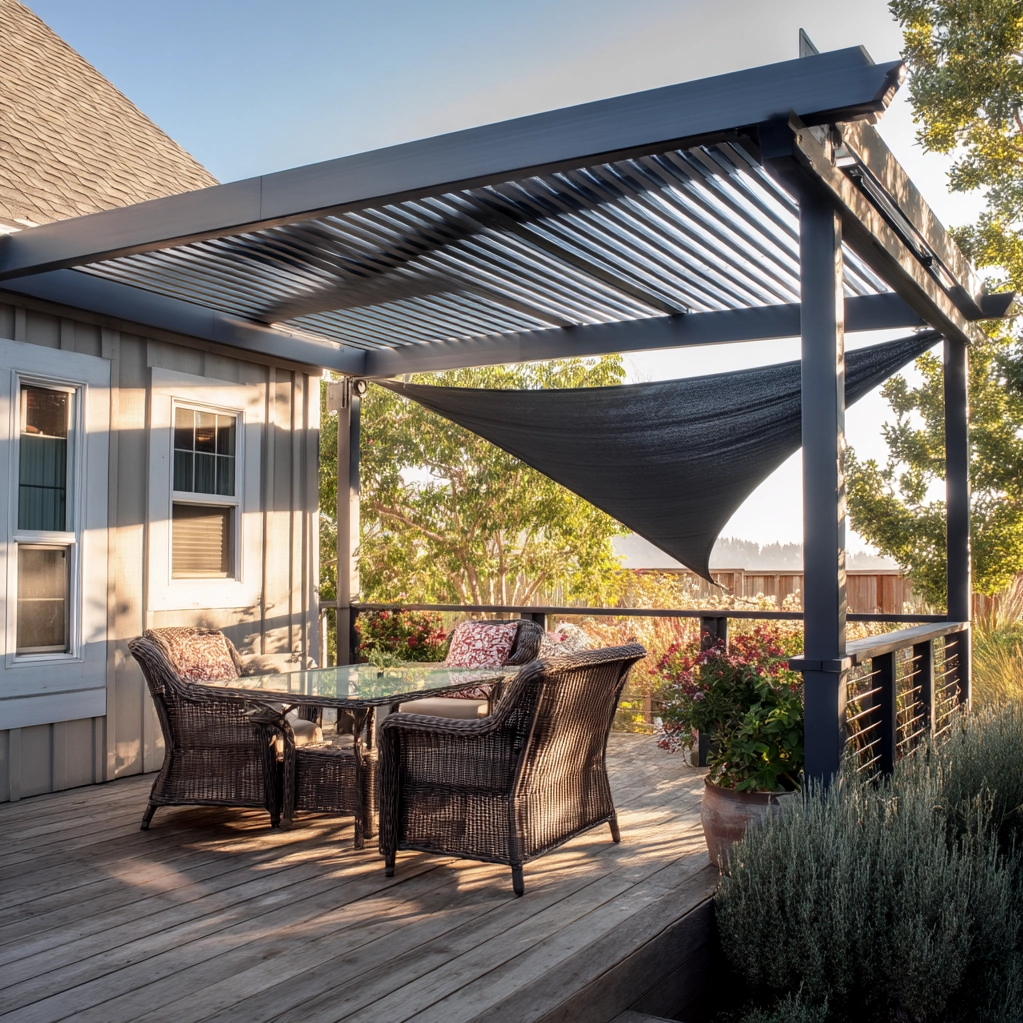
Implementing effective deck shade ideas for windy areas requires careful installation and ongoing maintenance practices. Begin by thoroughly assessing your specific wind conditions—document wind direction, average speeds, and seasonal variations over several weeks if possible. This data will inform everything from structural design to material selection. During installation, always follow manufacturer specifications for windy conditions, which often include additional reinforcement requirements. For tension-based systems like shade sails, proper initial tensioning is critical; too loose and they'll flap violently in wind, too tight and they might tear or damage attachment points. Consider using professional-grade tensioning devices that allow for seasonal adjustments as temperature changes affect material elasticity. One innovative approach involves creating modular shade systems that can be easily removed or adjusted based on weather forecasts—retractable awnings with wind sensors, for example, automatically retract when winds exceed safe limits. For permanent structures, incorporate drainage systems that handle wind-driven rain effectively, preventing water accumulation that adds weight and stress. Regular maintenance for deck shade in windy areas should include monthly inspections of all connections, hardware, and material integrity. Look for signs of wear at stress points, corrosion on metal components, and UV degradation on fabrics. Clean surfaces regularly to prevent debris buildup that can create additional wind resistance or trap moisture. During seasonal windstorms, consider temporarily removing or securing movable elements. Many homeowners find that creating a maintenance checklist specific to their deck shade system helps them stay on top of necessary care. Document any repairs or adjustments made, as patterns might emerge that indicate design flaws or installation issues. Proper maintenance not only extends the life of your deck shade but also ensures safety—a compromised structure in windy conditions can become hazardous. For comprehensive guidance on outdoor maintenance, check out this excellent resource from Better Homes & Gardens on weatherproofing outdoor spaces.
Conclusion
Creating effective deck shade in windy areas requires a thoughtful approach that balances aesthetics with practical wind-resistance strategies. Throughout this guide, we've explored how proper structural foundations, appropriate material choices, and diligent installation and maintenance practices can transform your windy deck into a comfortable, protected outdoor living space. The key takeaway is that successful deck shade ideas for windy areas don't rely on a single solution but rather on a comprehensive system that addresses wind from multiple angles—through permeable designs, reinforced structures, and adaptable systems. As climate patterns continue to evolve and extreme weather events become more frequent, investing in wind-resistant deck shade becomes not just a matter of comfort but of practical home improvement that protects your investment. Looking forward, we can expect to see continued innovation in materials and designs specifically tailored for challenging environments, with smart technology integration making shade systems more responsive to changing conditions. Whether you're planning a complete deck renovation or simply adding shade to an existing space, remember that the most beautiful solution is one that stands up to reality. Start by assessing your specific wind conditions, then build your shade system with flexibility and durability in mind. For more inspiration on creating beautiful outdoor spaces that withstand the elements, explore our guide to weather-resistant patio furniture at https://uk.chicaurahome.com/weather-resistant-patio-furniture-guide. Your windy deck doesn't have to be a problem to solve—it can become your favorite sheltered retreat with the right approach to deck shade design.
Frequently Asked Questions
Q: What are the most wind-resistant materials for deck shade structures?
The most wind-resistant materials for deck shade in windy areas include marine-grade acrylic fabrics, which are specifically engineered for outdoor durability and flexibility under wind stress. Aluminum and powder-coated steel offer excellent strength-to-weight ratios for permanent structures, while composite materials provide enhanced weather resistance. For tensioned systems like shade sails, look for high-density polyethylene (HDPE) fabrics with reinforced edges and UV stabilization. All hardware should be stainless steel to prevent corrosion. The key is choosing materials that either allow wind to pass through (like perforated metals or slatted designs) or are specifically rated for high-wind environments with proper anchoring systems.
Q: How often should I inspect my deck shade in windy conditions?
For deck shade in windy areas, conduct thorough inspections at least monthly during peak wind seasons and after any significant weather events. Check all connection points, hardware, and material surfaces for signs of wear, stress, or corrosion. Look specifically at corner attachments on shade sails, pivot points on retractable systems, and foundation connections on permanent structures. Additionally, perform seasonal inspections when preparing for changing weather patterns—tighten any loose components before winter storms or summer thunderstorm seasons. Document any issues you find and address them promptly, as small problems can quickly become major failures in sustained windy conditions. Regular cleaning to remove debris also helps maintain optimal performance.
Q: Can I install deck shade in windy areas myself, or should I hire a professional?
While some basic deck shade installations might be suitable for confident DIYers, windy areas typically require professional installation for safety and longevity. Professionals understand how to assess wind loads, install proper anchoring systems that comply with local building codes, and tension materials correctly to withstand gusts. They also have access to commercial-grade materials and hardware that might not be available to consumers. If you do choose to install deck shade yourself in windy conditions, thoroughly research wind-resistant techniques, use manufacturer-recommended materials specifically rated for high-wind areas, and consider having a structural engineer review your plans. Improper installation in windy environments can lead to property damage or safety hazards, so when in doubt, professional installation is worth the investment.

