

Kitchen Remodel Ideas: 12 Brilliant Transformations to Elevate Your Space


Are you dreaming of a kitchen that not only functions flawlessly but also reflects your personal style? Embarking on a kitchen remodel can feel daunting, yet it’s one of the most rewarding home projects you can undertake. A well-planned renovation not only enhances your daily cooking and entertaining experience but can significantly boost your home’s value and aesthetic appeal. This guide is packed with practical kitchen remodel ideas designed to inspire your transformation, whether you’re planning a minor update or a complete overhaul. We’ll explore innovative layouts, smart storage solutions, and timeless design elements that can turn your existing space into the heart of your home. From maximizing efficiency to creating a welcoming atmosphere, these ideas will help you navigate the exciting journey of redesigning your kitchen. Remember, a successful remodel balances beauty with functionality, ensuring your new kitchen works as hard as it impresses. For those considering a major renovation, it’s wise to consult with professionals who can help bring your vision to life while ensuring structural integrity and compliance with local building codes. Let’s dive into 12 transformative approaches that can make your dream kitchen a reality.
Innovative Layout Kitchen Remodel Ideas
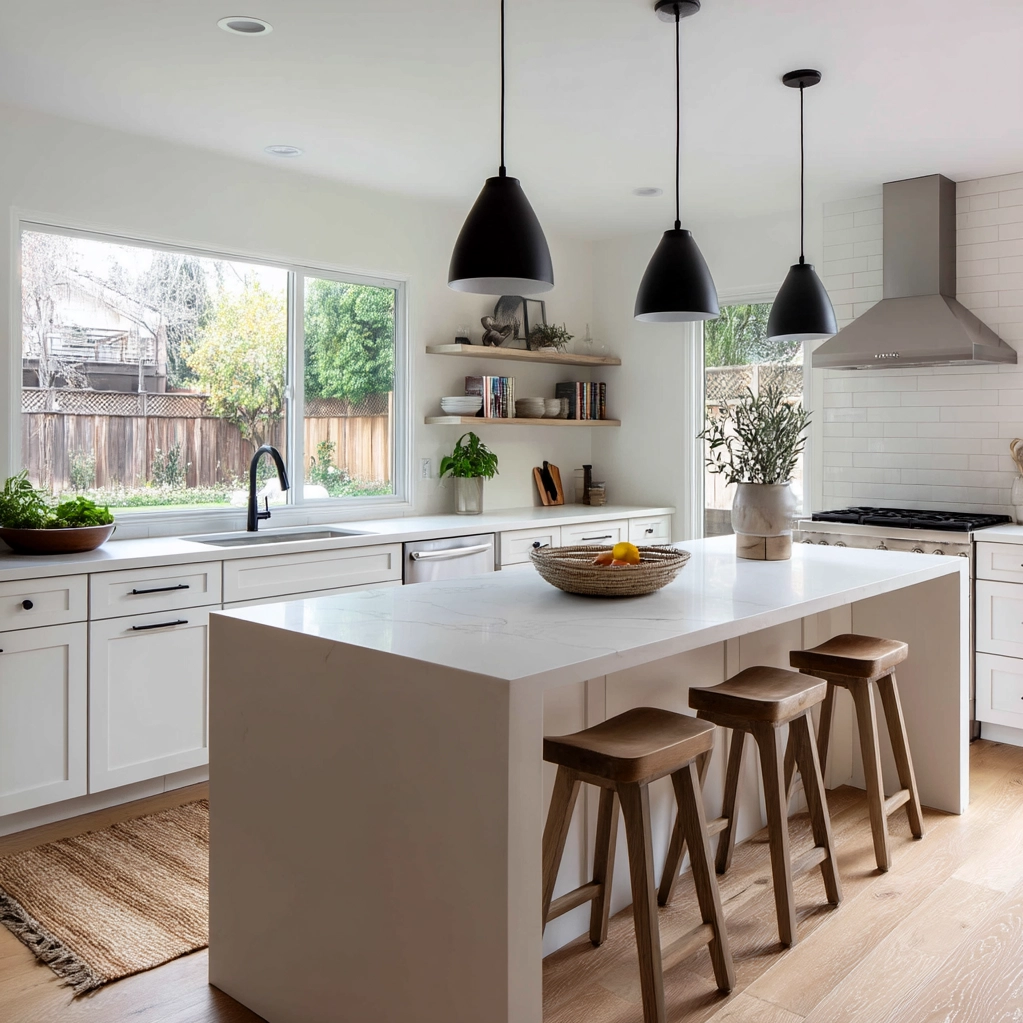
One of the most impactful kitchen remodel ideas involves rethinking your space's fundamental layout. The traditional work triangle—connecting sink, stove, and refrigerator—remains a cornerstone of efficient kitchen design, but modern approaches offer even more flexibility. Consider an open-concept design that integrates your kitchen with living or dining areas, creating a seamless flow perfect for entertaining. For smaller spaces, a galley layout maximizes every inch with parallel countertops and efficient workflow. If you have the square footage, an island or peninsula can serve multiple functions: additional prep space, casual dining area, and storage hub. When planning your layout, prioritize natural traffic patterns and ensure adequate clearance between appliances and cabinets—typically 42 to 48 inches for main walkways. Don't forget about the 'zoning' concept: create distinct areas for prep, cooking, cleaning, and storage to minimize movement and increase efficiency. For inspiration on modern layouts, explore the National Kitchen & Bath Association's guidelines on their official blog. Incorporating smart storage solutions within your chosen layout, such as pull-out pantries or corner carousels, can dramatically enhance functionality without compromising style.

Budget-Friendly Kitchen Remodel Ideas
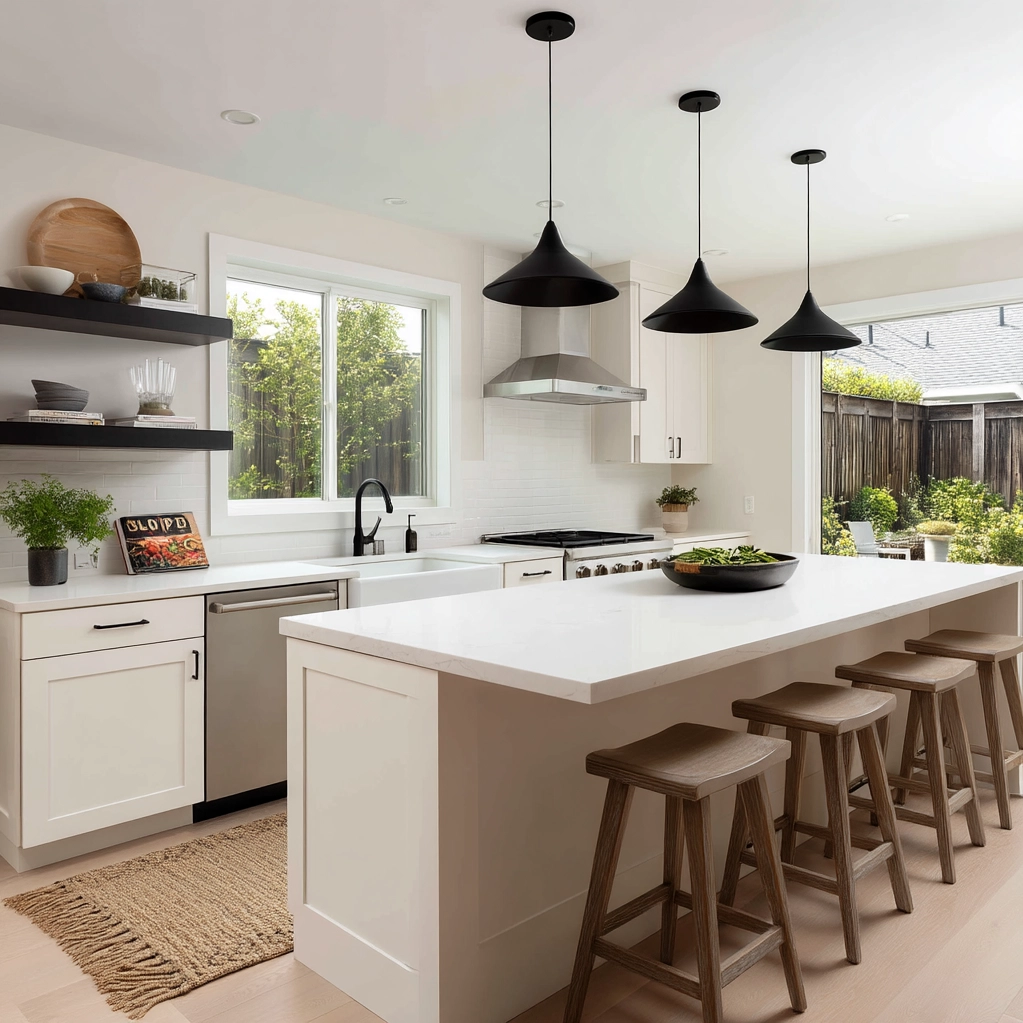
Transforming your kitchen doesn't have to break the bank. Numerous cost-effective kitchen remodel ideas can deliver significant visual impact without a full-scale renovation. Start with cabinet refacing or painting instead of replacement—this can save thousands while giving your space a fresh, updated look. Opt for open shelving on one wall to create an airy feel and display attractive dishware, which is often cheaper than upper cabinets. Upgrading hardware, such as drawer pulls and faucets, offers an instant style boost for minimal investment. Consider laminate or luxury vinyl plank flooring instead of pricier hardwoods or tiles; modern options are durable and convincingly mimic natural materials. For countertops, butcher block or quartz composites provide elegance at a fraction of granite or marble costs. Lighting is another area where small changes yield big results: install under-cabinet LED strips for task lighting and swap outdated fixtures for contemporary pendants or recessed lights. Don't overlook the power of a new backsplash; peel-and-stick tiles or paint can create a focal point without professional installation. For more budget tips, check out our guide on affordable home upgrades at https://uk.chicaurahome.com/diy-projects. Remember, prioritizing updates that align with your daily needs—like improving storage or enhancing workflow—ensures your investment pays off in both enjoyment and potential resale value.
Sustainable Kitchen Remodel Ideas
Incorporating eco-friendly elements into your kitchen remodel ideas not only benefits the environment but can also improve your home's efficiency and air quality. Start with energy-efficient appliances bearing the ENERGY STAR label, which use less electricity and water, reducing utility bills over time. Choose sustainable materials like bamboo for flooring or cabinets, recycled glass for countertops, or reclaimed wood for accents—these options are durable and add unique character. Opt for low-VOC (volatile organic compound) paints and finishes to maintain better indoor air quality during and after renovation. Consider water-saving fixtures, such as aerated faucets and dual-flush dishwashers, which conserve resources without sacrificing performance. Maximize natural light with strategically placed windows or skylights to reduce reliance on artificial lighting during the day; complement this with LED fixtures for evening use. For ventilation, install a range hood that vents outside to remove pollutants and moisture efficiently. Don't forget about waste management: include dedicated recycling and compost bins in your cabinetry design to encourage sustainable habits. These green choices not only align with environmental values but often qualify for rebates or tax incentives, making your remodel both conscientious and cost-effective in the long run.
Conclusion
Embarking on a kitchen remodel is an exciting opportunity to create a space that truly reflects your lifestyle and aesthetic preferences. From innovative layouts that enhance workflow to budget-friendly updates and sustainable choices, these kitchen remodel ideas offer a roadmap for transforming your cooking and gathering area. Remember, the most successful renovations balance practicality with personal style, ensuring your new kitchen is as functional as it is beautiful. As you plan, prioritize elements that address your specific needs—whether that's more storage, better lighting, or improved energy efficiency. Don't hesitate to mix and match ideas; perhaps combine an open-concept layout with eco-friendly materials and cost-saving upgrades for a truly customized result. Looking ahead, kitchens continue to evolve with smart technology and flexible designs, so consider incorporating features that allow for future adaptability. Start by creating a detailed plan, setting a realistic budget, and gathering inspiration from reliable sources. Your dream kitchen is within reach, ready to become the heart of your home for years to come.
Frequently Asked Questions
Q: What is the average cost of a kitchen remodel?
The cost of a kitchen remodel varies widely based on scope, materials, and location. Minor updates like painting cabinets and replacing hardware might cost $5,000 to $15,000, while a mid-range renovation with new appliances and countertops typically ranges from $25,000 to $50,000. Major overhauls involving layout changes and high-end finishes can exceed $75,000. Factors influencing cost include square footage, labor rates in your area, and material choices. To manage expenses, prioritize essential upgrades, obtain multiple quotes from contractors, and consider phased renovations if needed. Setting a contingency fund of 10-20% is wise for unexpected issues.
Q: How long does a typical kitchen renovation take?
A kitchen remodel timeline depends on the project's complexity. A cosmetic refresh might take 2 to 4 weeks, while a full renovation with structural changes can span 8 to 12 weeks or more. Key phases include planning and design (2-4 weeks), demolition (1-2 weeks), installation of plumbing/electrical (1-2 weeks), cabinet and countertop fitting (2-3 weeks), and finishing touches like painting and flooring (1-2 weeks). Delays can occur due to material backorders, permit approvals, or unforeseen issues like plumbing or electrical problems. Working with experienced professionals and ordering materials in advance helps streamline the process. For larger projects, consider setting up a temporary kitchen to minimize disruption.
Q: What are the most important elements to consider in a kitchen remodel?
When planning a kitchen remodel, focus on functionality, workflow, and durability. Key elements include: 1) Layout—ensure an efficient work triangle between sink, stove, and refrigerator; 2) Storage—incorporate solutions like deep drawers, pull-out shelves, and pantry organizers to maximize space; 3) Lighting—combine ambient, task, and accent lighting for safety and ambiance; 4) Ventilation—install a quality range hood to remove odors and moisture; 5) Materials—choose durable, easy-clean surfaces for countertops and flooring; 6) Appliances—select energy-efficient models that suit your cooking habits. Also consider traffic flow, accessibility (e.g., for aging in place), and how the space integrates with adjacent rooms. Balancing these practical aspects with aesthetic choices like color schemes and finishes ensures a kitchen that's both beautiful and highly functional.