
Canning Storage Ideas: Ingenious Solutions for Your Organized Pantry

As a home canner, you’ve poured love and effort into preserving seasonal bounty—jars of vibrant tomatoes, crisp pickles, and sweet jams that capture summer’s essence. But once the canning process is complete, a new challenge arises: storing these precious jars efficiently. Without thoughtful canning storage ideas, your pantry can quickly become a cluttered maze of mismatched jars, risking breakage and making it hard to find what you need. This isn’t just about tidiness; it’s about protecting your hard work and ensuring your preserved foods remain safe and accessible throughout the year. Proper storage extends shelf life by keeping jars in cool, dark conditions, prevents spoilage by maintaining organization, and transforms your pantry into a functional showcase of your efforts. In this article, we’ll explore practical, creative strategies to maximize space, enhance safety, and bring order to your canning endeavors. Whether you’re a seasoned preserver or just starting out, these tips will help you create a storage system that’s as beautiful as it is useful, turning chaos into calm with smart canning storage ideas.
Essential Canning Storage Ideas for Small Spaces
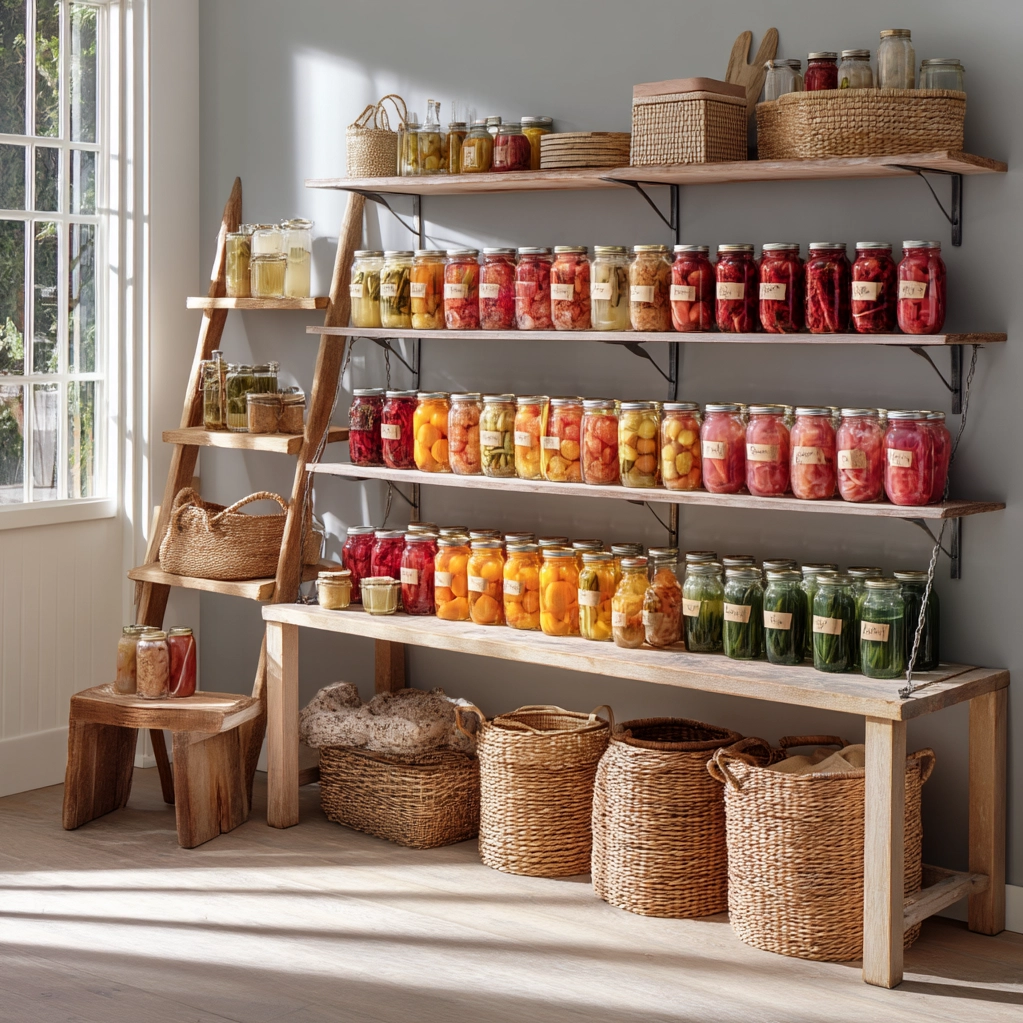
Limited space doesn't mean you have to sacrifice your canning hobby. With clever canning storage ideas, even the tiniest pantry or kitchen can accommodate dozens of jars. Start by utilizing vertical space: install sturdy wire shelving or adjustable racks that allow you to stack jars safely without overcrowding. For underutilized areas, consider pull-out drawers in base cabinets—these make it easy to access jars at the back without straining. Door-mounted racks are another game-changer, perfect for holding smaller jars of jams or pickles. If you're tight on cabinet space, freestanding shelving units with deep shelves can be placed in a garage or basement, as long as the environment is cool and dry. Label each shelf by contents and date to avoid confusion. Rotate older jars to the front to ensure they're used first, reducing waste. For apartments or homes with minimal storage, decorative crates or baskets can corral jars on countertops while adding a rustic charm. Remember, the key is to keep jars off the floor to prevent moisture damage and in a dark spot to preserve color and nutrients. These small-space solutions prove that with a bit of creativity, anyone can enjoy organized canning storage ideas.

Creative Canning Storage Ideas for Aesthetic Appeal
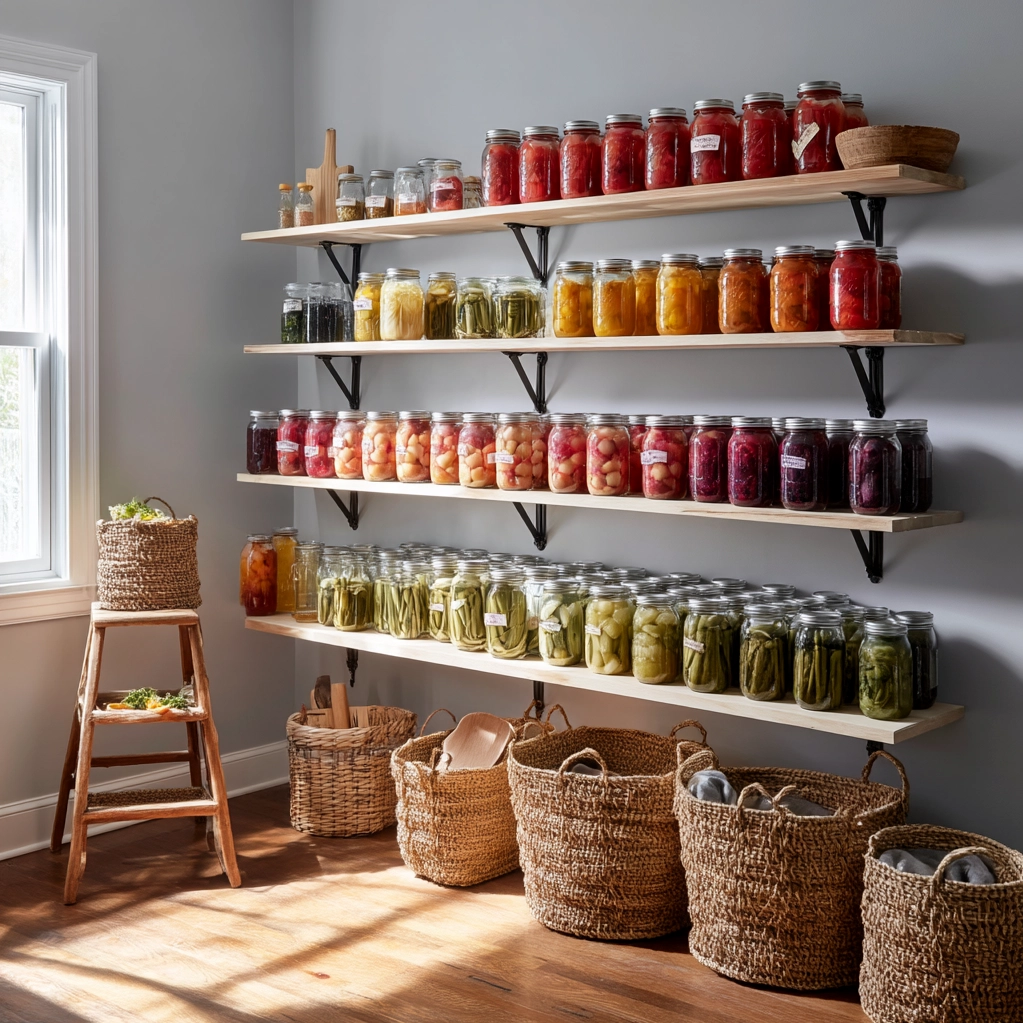
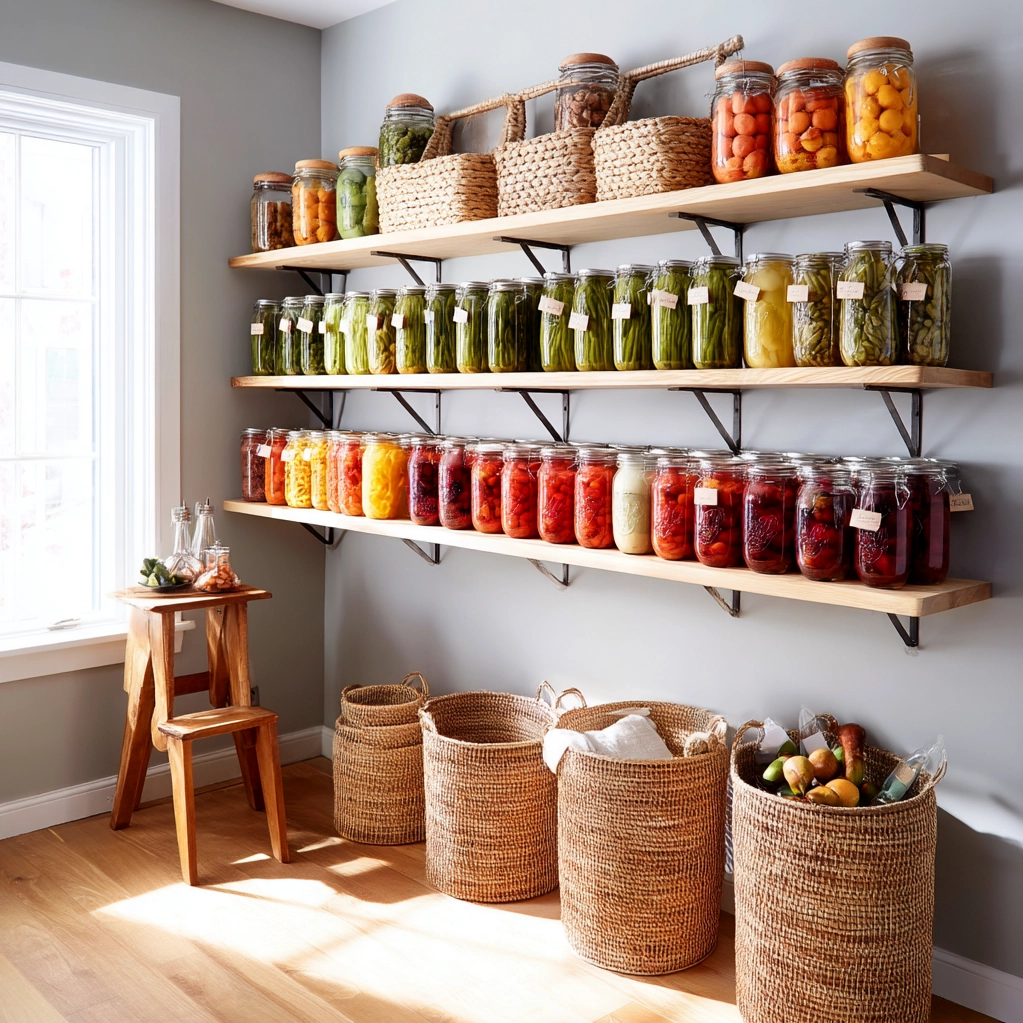
Who says storage has to be boring? Integrating canning storage ideas into your home decor can turn functional necessities into stunning displays. Open shelving in a kitchen or dining area allows you to showcase colorful jars of preserves, creating a visual feast that celebrates your efforts. Arrange jars by hue—think red tomatoes, green beans, and golden peaches—for an eye-catching gradient effect. For a cohesive look, use uniform jars like Mason jars, and add custom labels with dates and contents for a personal touch. Repurpose vintage items like wooden crates, antique cupboards, or metal lockers to store jars; these not only add character but also protect contents from light. If you prefer hidden storage, install cabinet inserts with pull-out shelves that keep jars neatly tucked away yet accessible. In living spaces, a dedicated canning cupboard with glass doors can serve as both storage and decor, allowing you to admire your preserves without exposure to direct sunlight. Incorporate lighting, such as LED strips under shelves, to highlight your collection during gatherings. For outdoor or garden sheds, use weather-resistant shelving to store excess jars, ensuring they're kept in a cool, stable environment. By blending practicality with style, these creative canning storage ideas enhance your home's ambiance while keeping your preserves in perfect condition. Check out this guide from a high-authority blog for more inspiration on aesthetic pantry organization.
Practical Canning Storage Ideas for Safety and Accessibility
Safety and ease of access are paramount when implementing canning storage ideas. Improper storage can lead to broken jars, spoiled food, or even accidents. Always store jars in a cool, dark place—ideally between 50-70°F—to maintain quality and prevent spoilage. Basements, cellars, or interior closets are excellent choices, but avoid areas with temperature fluctuations like garages in extreme climates. Use sturdy, weight-bearing shelves rated for heavy loads; a single quart jar can weigh over 3 pounds when full. Space jars with a little room between them to prevent chipping and allow for air circulation. For high shelves, install a secure step stool or library ladder to safely reach upper levels—never stack jars precariously. Organize by category: group all jams together, pickles in another section, and so on, using clear bins or dividers to keep things tidy. Label each jar with contents and canning date, and maintain a digital or paper inventory to track what you have. Rotate stock regularly, moving older items to the front for use first. If storing in bulk, consider climate-controlled units for long-term preservation. These practical canning storage ideas not only protect your investment but also make daily meal prep smoother. For more tips on safe food storage, explore our internal resource on pantry essentials at https://uk.chicaurahome.com/.
Conclusion
Mastering canning storage ideas transforms the often-overlooked task of organization into a rewarding part of your preserving journey. From maximizing small spaces with vertical solutions to blending storage with home decor, the strategies we've covered offer something for every home and style. By prioritizing safety through proper shelving and climate control, you ensure your hard work pays off with jars that remain intact and flavorful. Remember, an organized pantry isn't just about neatness—it's about efficiency, reducing waste, and enjoying the fruits of your labor with ease. As you implement these ideas, consider starting small: tackle one area at a time, perhaps by installing a new rack or labeling your existing jars. Looking ahead, innovations in storage products continue to emerge, making it easier than ever to customize systems to your needs. Embrace the process as an ongoing project, adjusting as your canning collection grows. With these insights, you're well on your way to a clutter-free, functional space that celebrates the art of preservation. Happy organizing, and may your pantry always be stocked with memories in a jar!
Frequently Asked Questions
Q: What are the best conditions for storing home-canned goods?
Home-canned goods thrive in cool, dark, and dry environments. Ideal temperatures range from 50°F to 70°F (10°C to 21°C), as excessive heat can spoil contents and cold may cause jars to crack. Avoid places with direct sunlight or humidity, like near windows or in damp basements, which can degrade food quality and labels. A consistent climate helps preserve flavor and safety, so aim for interior spaces like pantries or closets away from appliances that generate heat.
Q: How can I prevent jars from breaking during storage?
To prevent breakage, use sturdy, weight-rated shelves and avoid overloading them. Leave a small gap between jars to prevent them from knocking together, which can cause chips or cracks. Store jars on flat, even surfaces—never on uneven flooring or wobbly racks. When accessing high shelves, use a stable step stool instead of straining, and handle jars gently. Regularly inspect shelves for damage and rotate stock to avoid leaving heavy jars in one spot for too long, which can stress the glass.
Q: Can I store canned goods in a garage or outdoor shed?
Storing canned goods in a garage or shed is possible but requires caution. These areas often experience temperature swings and humidity, which can compromise jar seals and food quality. If you must use them, ensure the space is insulated, dry, and protected from extreme temperatures. Use sealed containers or cabinets to shield jars from dust and pests, and monitor conditions regularly. For long-term storage, a climate-controlled environment is safer to maintain optimal preservation.