Vintage Walk In Closet Dressing Rooms: Timeless Design Secrets for Ultimate Elegance


Step into a world where fashion meets history and organization becomes an art form. Vintage walk in closet dressing rooms are more than just storage spaces—they’re personal sanctuaries that blend nostalgia with functionality, creating environments that celebrate both your wardrobe and your personal style. In today’s fast-paced world of disposable fashion and minimalist trends, these carefully curated spaces offer a refreshing alternative that honors craftsmanship, history, and individual expression. The resurgence of vintage aesthetics in home design has brought these dressing rooms back into the spotlight, transforming them from mere utility areas into statement spaces that reflect personality and taste. Imagine opening doors to a room where every element tells a story—from the rich wood paneling that whispers of decades past to the carefully arranged accessories that showcase your most cherished pieces. These spaces aren’t just about storing clothes; they’re about creating an experience. The rustle of silk dresses hanging from ornate hooks, the gleam of polished brass fixtures catching morning light, the comforting scent of cedar lining custom-built drawers—these sensory details transform daily routines into moments of joy. A well-designed vintage walk in closet dressing room becomes a retreat within your home, a place where you can escape the modern world’s chaos and surround yourself with beauty that has stood the test of time. The importance of these spaces extends beyond aesthetics. They encourage mindfulness in consumption, as vintage pieces often represent quality over quantity. They teach us to value what we own and to create systems that make our possessions accessible and appreciated. In an era of overflowing closets and fast-fashion waste, these dressing rooms offer a sustainable approach to wardrobe management that aligns with both environmental consciousness and personal style. Whether you’re working with a spacious room or transforming a cozy corner, the principles of vintage walk in closet dressing rooms can adapt to any space, creating environments that feel both luxurious and lived-in. This isn’t about recreating a museum; it’s about building a functional, beautiful space that serves your daily needs while connecting you to design traditions that prioritize craftsmanship and character.

Essential Elements of Vintage Walk In Closet Dressing Rooms
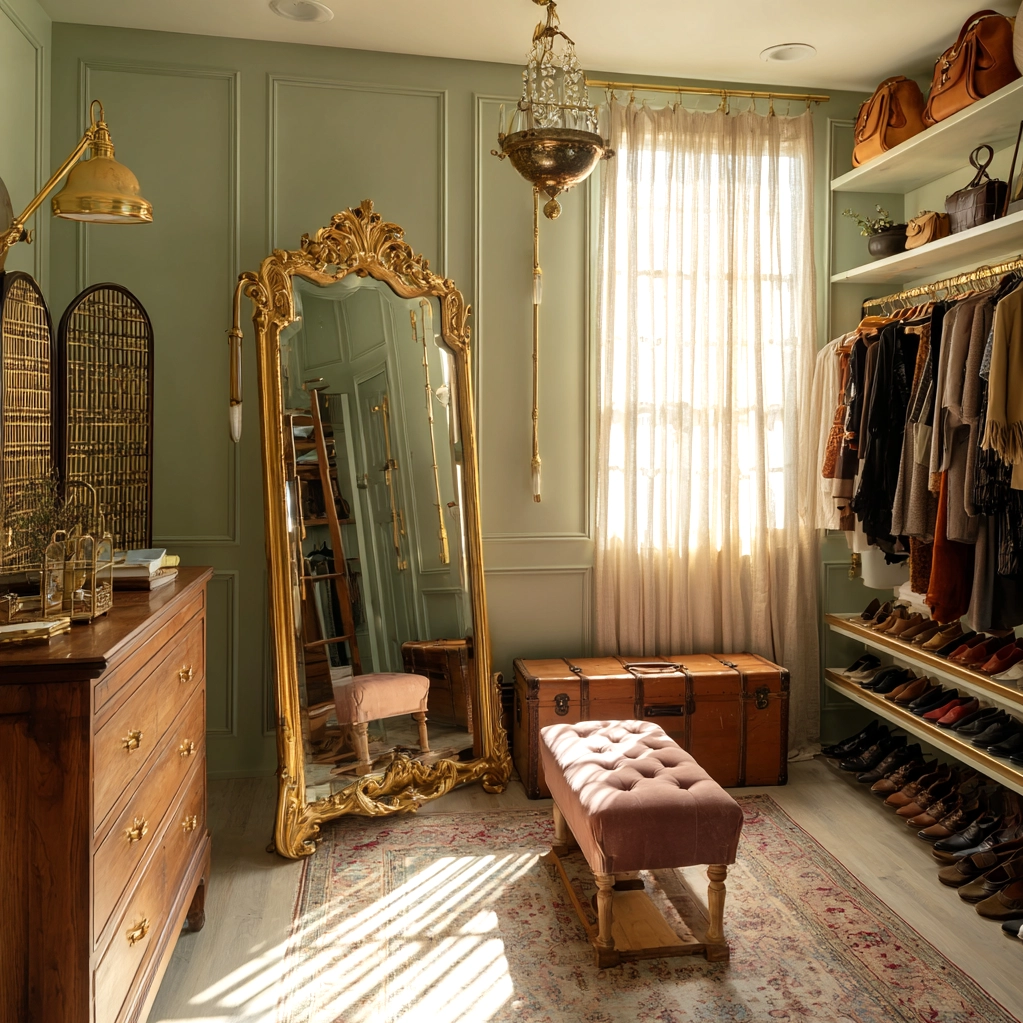
Creating an authentic vintage walk in closet dressing room begins with understanding the key elements that define this timeless style. The foundation lies in materials that age beautifully—think rich hardwoods like oak, walnut, or mahogany for cabinetry and shelving. These woods develop character over time, with natural variations and patinas that synthetic materials can't replicate. Look for furniture with traditional joinery techniques like dovetail drawers and mortise-and-tenon construction, which not only ensure durability but also reflect the craftsmanship of bygone eras. Storage solutions should prioritize visibility and accessibility. Glass-front cabinets allow you to showcase special items while keeping them dust-free, while open shelving with decorative brackets creates display opportunities for handbags, hats, and accessories. Don't forget about specialized storage—a vintage jewelry armoire with velvet-lined compartments, a hat stand with individual hooks, or a scarf rack with smooth wooden rods can transform organization from chore to pleasure. Lighting plays a crucial role in vintage walk in closet dressing rooms. Avoid harsh overhead fluorescents in favor of layered lighting that creates warmth and dimension. A central chandelier with crystal accents or a brass fixture with milk glass shades provides ambient light, while task lighting like swing-arm sconces or adjustable library lamps illuminates specific areas like dressing mirrors or accessory displays. Consider adding picture lights above artwork or shelving to highlight decorative elements. The finishing touches truly bring vintage walk in closet dressing rooms to life. Hardware should feel substantial in your hand—think crystal knobs, brass pulls with intricate patterns, or porcelain handles with floral motifs. Incorporate seating that serves both form and function: a tufted velvet bench for trying on shoes, a delicate slipper chair for contemplation, or an ottoman with storage inside. Textiles add softness and pattern; consider a vintage rug with muted colors, velvet drapery that frames a window, or embroidered liners for drawers. Mirrors deserve special attention—a large standing cheval mirror with ornate framing, or multiple vintage wall mirrors arranged artfully can make the space feel larger while adding decorative interest. Finally, don't underestimate the power of scent and sound. A discreet cedar lining in drawers protects delicate fabrics naturally, while a vintage-inspired diffuser with lavender or sandalwood creates a calming atmosphere. The gentle tick of an analog clock or the soft rustle of a silk curtain in the breeze completes the sensory experience, making your vintage walk in closet dressing room feel like a true retreat from the modern world.

Design Principles for Authentic Vintage Walk In Closet Dressing Rooms
Designing vintage walk in closet dressing rooms requires balancing historical authenticity with modern functionality. The first principle is proportion and scale—vintage spaces often feature higher ceilings and more generous dimensions than contemporary designs. If you're working with standard ceiling heights, create the illusion of height through vertical elements: floor-to-ceiling shelving, tall armoires, or drapery that hangs from ceiling rods. Maintain clear pathways at least 24 inches wide for comfortable movement, and consider the "golden triangle" layout where frequently used items form an efficient triangle between hanging space, drawers, and dressing area. Color palettes in vintage walk in closet dressing rooms typically favor muted, sophisticated tones rather than bold primaries. Think of colors that would have been available in natural dyes or early synthetic pigments: sage green, dusty rose, navy blue, cream, taupe, or charcoal gray. These hues create a calming backdrop that allows your clothing and accessories to shine. For accents, consider metallics like aged brass, pewter, or copper that develop patina over time. Wall treatments can enhance the vintage feel—wainscoting, beadboard, or textured wallpaper with subtle patterns add depth without overwhelming the space. The arrangement of items follows logical hierarchies in well-designed vintage walk in closet dressing rooms. Group clothing by type, season, or color, using consistent hangers (wooden or padded) for a cohesive look. Heavier items like coats and formalwear belong on sturdy rods with proper support, while delicate pieces benefit from padded hangers and breathable garment bags. Shoes should be stored with care—open shelving allows air circulation, while individual cubbies or clear boxes protect special pairs. Accessories deserve thoughtful display: scarves folded in open baskets, belts hung on dedicated racks, jewelry arranged in tiered trays or hung on decorative hooks. Incorporate vintage elements that serve practical purposes. A library ladder on a tracking system provides access to high shelves while adding architectural interest. A vintage dress form not only makes a beautiful display piece but also helps with outfit planning and alterations. Antique trunks offer hidden storage for off-season items while serving as seating or side tables. Even functional elements like ventilation can be vintage-inspired—decorative grilles or transom windows maintain air flow while complementing the aesthetic. Remember that authenticity doesn't mean perfection. Vintage walk in closet dressing rooms should feel lived-in and personal. Mix pieces from different eras (Edwardian, Art Deco, Mid-Century) for eclectic charm. Include family heirlooms or flea market finds alongside reproduction pieces. Allow for some intentional "clutter"—a stack of vintage hat boxes, a collection of perfume bottles on a silver tray, framed fashion illustrations leaning against a mirror. These personal touches transform a designed space into your space, where every element has meaning and memory.

Modern Adaptations for Vintage Walk In Closet Dressing Rooms
While vintage walk in closet dressing rooms draw inspiration from the past, they must function efficiently in contemporary life. The key is integrating modern conveniences discreetly within traditional frameworks. Start with lighting upgrades that maintain vintage aesthetics while improving functionality. LED strips concealed behind crown molding or under shelves provide excellent task lighting without visible fixtures. Programmable dimmers allow you to adjust ambiance throughout the day—bright light for morning dressing, soft glow for evening browsing. Consider motion-activated lighting inside drawers or cabinets for easy access. Climate control is essential for preserving both vintage clothing and vintage elements in your walk in closet dressing rooms. A dedicated HVAC vent maintains consistent temperature and humidity, preventing damage to delicate fabrics and wood finishes. For smaller spaces, a quiet dehumidifier disguised in cabinetry or a discreet ceiling fan with vintage-style blades improves air circulation. Smart sensors can monitor conditions and alert you to changes before problems arise. Modern storage solutions can be adapted to vintage aesthetics. Pull-out racks for ties, belts, or scarves maximize space while maintaining easy access. Rotating carousels for shoes or handbags make selection effortless. Custom inserts for drawers—like velvet-lined compartments for jewelry or adjustable dividers for accessories—keep items organized without visible plastic organizers. For technology integration, consider subtle approaches: a charging station disguised in a vintage box, Bluetooth speakers hidden in decorative elements, or a tablet mounted discreetly for browsing digital lookbooks or monitoring your wardrobe inventory. Accessibility features blend seamlessly with vintage design. Lower rods or pull-down systems make high storage reachable for all users. Drawers with full-extension glides and soft-close mechanisms operate smoothly while maintaining quiet elegance. Consider varying heights for different storage types—standard hanging at 60-72 inches, double hanging at 84 inches, and shelves spaced according to item sizes. For those with mobility considerations, ensure clear turning radiuses and consider seated dressing areas with appropriate counter heights. Sustainability is a natural alignment for vintage walk in closet dressing rooms. Choose reclaimed wood for shelving or cabinetry, which carries history while reducing environmental impact. Natural materials like wool, cotton, linen, and silk for textiles and liners are biodegradable and often more durable than synthetics. Repair and restoration should be prioritized over replacement—refinishing existing furniture, reupholstering vintage seating, or having a tailor repair cherished garments extends their life and maintains authenticity. Energy efficiency can be enhanced through proper insulation, weather stripping on doors and windows, and choosing LED or halogen lighting over incandescent. Finally, consider the digital dimension of modern vintage walk in closet dressing rooms. Photography inventory systems help you track and plan outfits, while digital catalogs of your vintage pieces create a searchable database. Online communities dedicated to vintage fashion can provide inspiration and resources for maintaining and styling your collection. These technological tools enhance rather than detract from the vintage experience, helping you appreciate and utilize your wardrobe more effectively while preserving the tactile, sensory pleasures that make these spaces so special.
Conclusion
Vintage walk in closet dressing rooms represent more than a design trend—they embody a philosophy of living that values quality, history, and personal expression. By creating spaces that honor craftsmanship from previous eras while adapting to contemporary needs, we build environments that nurture both our wardrobes and our wellbeing. These dressing rooms teach us to slow down, to appreciate the stories behind our possessions, and to find joy in the rituals of dressing and self-presentation. The journey toward creating your own vintage walk in closet dressing room begins with observation and imagination. Visit antique shops, study historical interiors, and notice how vintage pieces make you feel. Start small if needed—a single vintage armoire, a collection of decorative hangers, or a framed fashion print can introduce the aesthetic without overwhelming your space. As you develop your vision, remember that authenticity comes from personal connection rather than historical accuracy. Mix pieces that speak to you, incorporate family treasures, and allow the space to evolve organically over time. Looking forward, vintage walk in closet dressing rooms will continue to gain relevance as we seek sustainable alternatives to disposable culture and crave spaces that provide respite from digital overload. The principles of these designs—thoughtful organization, quality materials, sensory richness, and personal storytelling—offer valuable lessons for all areas of home design. They remind us that our living spaces should reflect not just current trends but enduring values of beauty, functionality, and meaning. Whether you're renovating an entire room or simply reimagining a closet corner, the spirit of vintage walk in closet dressing rooms can transform how you interact with your wardrobe and your home. Take the first step today by assessing what you truly love in your collection, researching one vintage element that excites you, or simply reorganizing with more intention. Your perfect vintage sanctuary awaits—a space where past and present harmonize to create something uniquely, beautifully yours.
Frequently Asked Questions
Q: How much space do I need to create a vintage walk in closet dressing room?
Vintage walk in closet dressing rooms can adapt to various spaces, from expansive rooms to compact corners. The minimum recommended area is about 25 square feet, which allows for a dressing zone, limited hanging space, and some shelving. For a more comprehensive setup with seating, multiple storage types, and display areas, aim for 50-100 square feet. Remember that vintage design often uses vertical space effectively—tall cabinets, high shelves, and ceiling-mounted elements can maximize storage in smaller footprints. Even in limited spaces, you can incorporate vintage elements through furniture choices, lighting fixtures, and decorative details that evoke the aesthetic without requiring extensive square footage.
Q: Can I mix modern clothing storage with vintage design elements?
Absolutely! The most successful vintage walk in closet dressing rooms often blend periods and styles. Modern storage solutions like pull-out racks, adjustable shelving systems, and specialized organizers can be incorporated discreetly within vintage-style cabinetry or behind traditional doors. The key is maintaining visual coherence through consistent materials, colors, and hardware. For example, use modern acrylic dividers inside vintage wood drawers, or install contemporary lighting inside antique armoires. Many companies now offer custom cabinetry that combines vintage aesthetics with modern functionality, including soft-close mechanisms, full-extension drawers, and integrated lighting. The goal is creating a space that functions efficiently for your contemporary wardrobe while evoking the charm and craftsmanship of vintage design.
Q: How do I maintain and clean a vintage walk in closet dressing room?
Proper maintenance preserves both your vintage elements and your wardrobe. For wood surfaces, use gentle cleaners specifically formulated for antique furniture—avoid harsh chemicals that can strip finishes. Dust regularly with a soft, dry cloth, and consider using museum-grade wax annually to protect and nourish wood. For textiles like vintage rugs or upholstery, vacuum gently with appropriate attachments and address spills immediately with mild solutions. Metal hardware benefits from occasional polishing with appropriate products for the specific metal (brass, nickel, etc.). Climate control is crucial: maintain consistent temperature (65-72°F) and humidity (40-50%) to prevent wood warping, fabric damage, or metal corrosion. Use cedar blocks or lavender sachets for natural moth protection rather than chemical alternatives. Regularly inspect for signs of pests, moisture, or wear, and address issues promptly to prevent damage. For valuable vintage clothing items, follow care instructions carefully, use proper hangers, and consider professional cleaning for delicate pieces.