Shabby Chic Aesthetic: Timeless Charm and Effortless Elegance


The shabby chic aesthetic is more than just a design trend—it’s a heartfelt celebration of beauty in imperfection, comfort in nostalgia, and warmth in simplicity. Rooted in the idea that worn, weathered, and well-loved pieces can tell a story, this style transforms spaces into havens of relaxed elegance. It’s about embracing the charm of faded fabrics, chipped paint, and vintage finds to create a home that feels both lived-in and lovingly curated. In a world that often prioritizes sleek, modern minimalism, the shabby chic aesthetic offers a refreshing alternative. It invites you to slow down, appreciate the patina of time, and surround yourself with items that carry history and character. This approach to decor isn’t about perfection; it’s about authenticity. It blends soft pastels, distressed woods, and floral patterns to craft interiors that are cozy, inviting, and utterly personal. Whether you’re decorating a cottage, a city apartment, or a cozy nook, the shabby chic aesthetic provides a versatile framework. It encourages creativity, allowing you to mix heirlooms with thrift store treasures and DIY projects. The result is a space that feels uniquely yours, filled with soul and serenity. In this article, we’ll explore how to master this beloved style, from its core principles to practical tips for bringing it into your own home.
Embracing the Shabby Chic Aesthetic: Core Principles and Origins
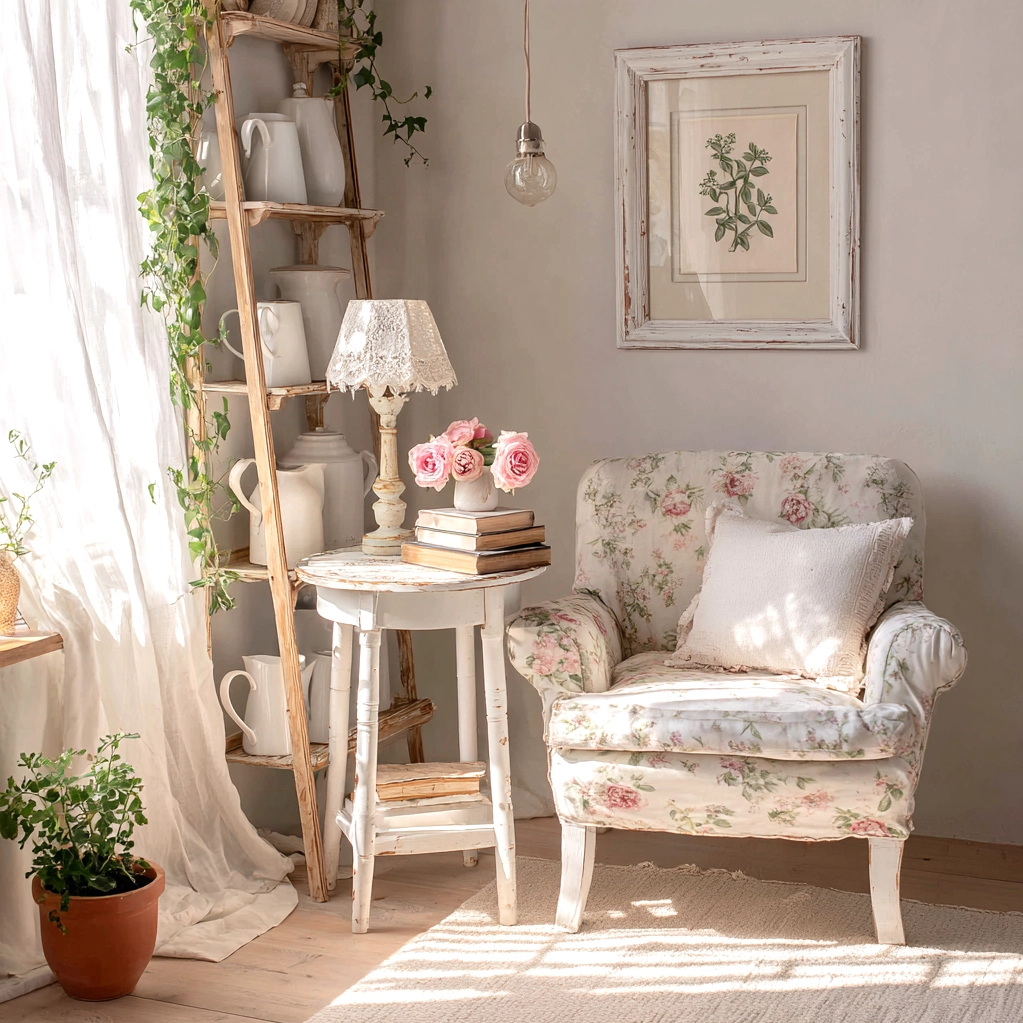
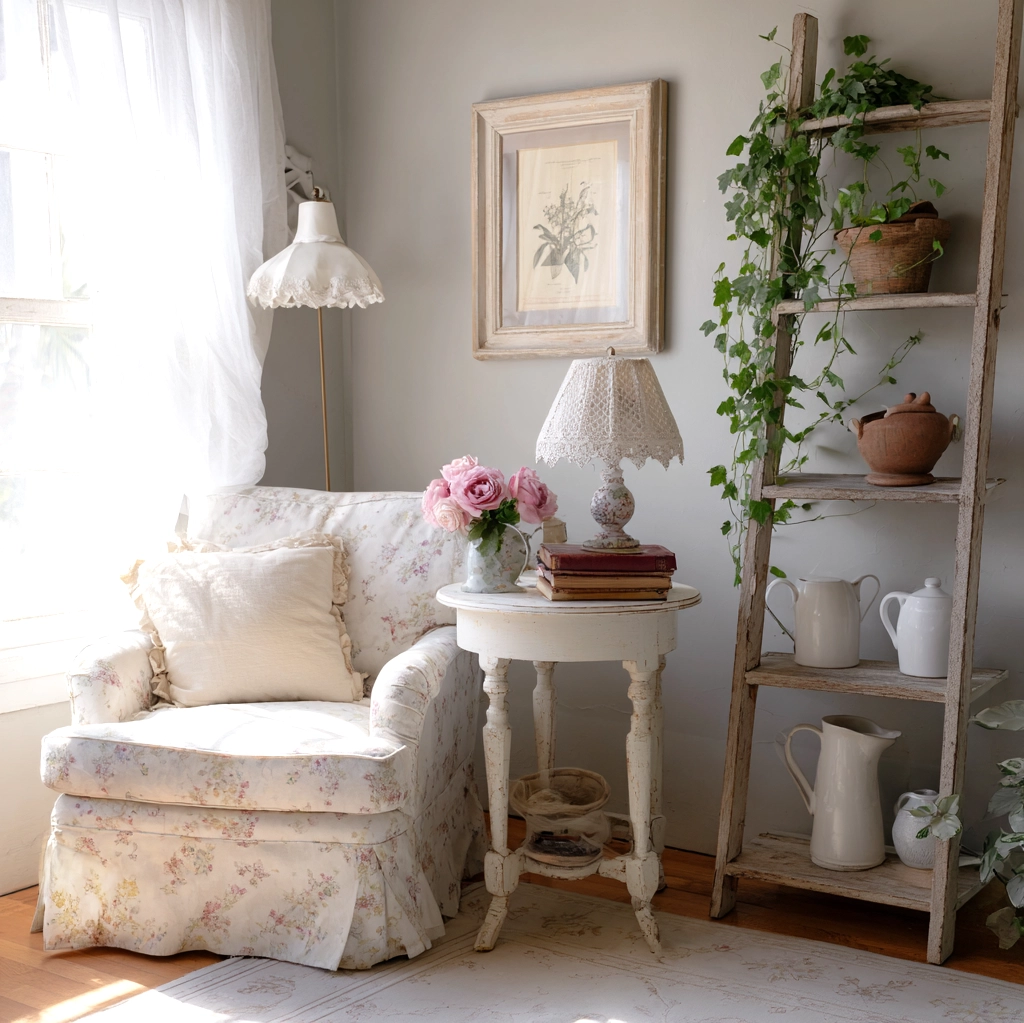
The shabby chic aesthetic emerged in the 1980s, popularized by designers like Rachel Ashwell, who championed the beauty of worn, vintage items in comfortable, livable spaces. At its heart, this style is defined by a few key principles: a love for all things aged and imperfect, a palette of soft, muted colors, and an emphasis on comfort and functionality. Think of peeling paint on a wooden dresser, a slightly frayed linen sofa, or a chandelier with a touch of tarnish—these elements aren’t flaws but features that add depth and character. The color scheme typically includes whites, creams, pastels like blush pink and powder blue, and subtle earthy tones. These hues create a light, airy feel that makes rooms appear larger and more serene. Fabrics play a crucial role, with materials like cotton, linen, and lace adding texture and softness. Floral patterns, toile prints, and delicate embroidery are common, evoking a sense of rustic romance. Furniture in the shabby chic aesthetic often showcases distressed finishes, curved lines, and vintage silhouettes. Pieces might be painted and then lightly sanded to reveal layers beneath, creating a timeworn look. The goal is to achieve a balance between elegance and ease, where nothing feels too precious or formal. This style also values sustainability, as it encourages repurposing and upcycling old items rather than buying new. By understanding these foundations, you can start to incorporate the shabby chic aesthetic into your home in a way that feels authentic and inviting.
Creating a Cozy Space with the Shabby Chic Aesthetic: Room-by-Room Tips
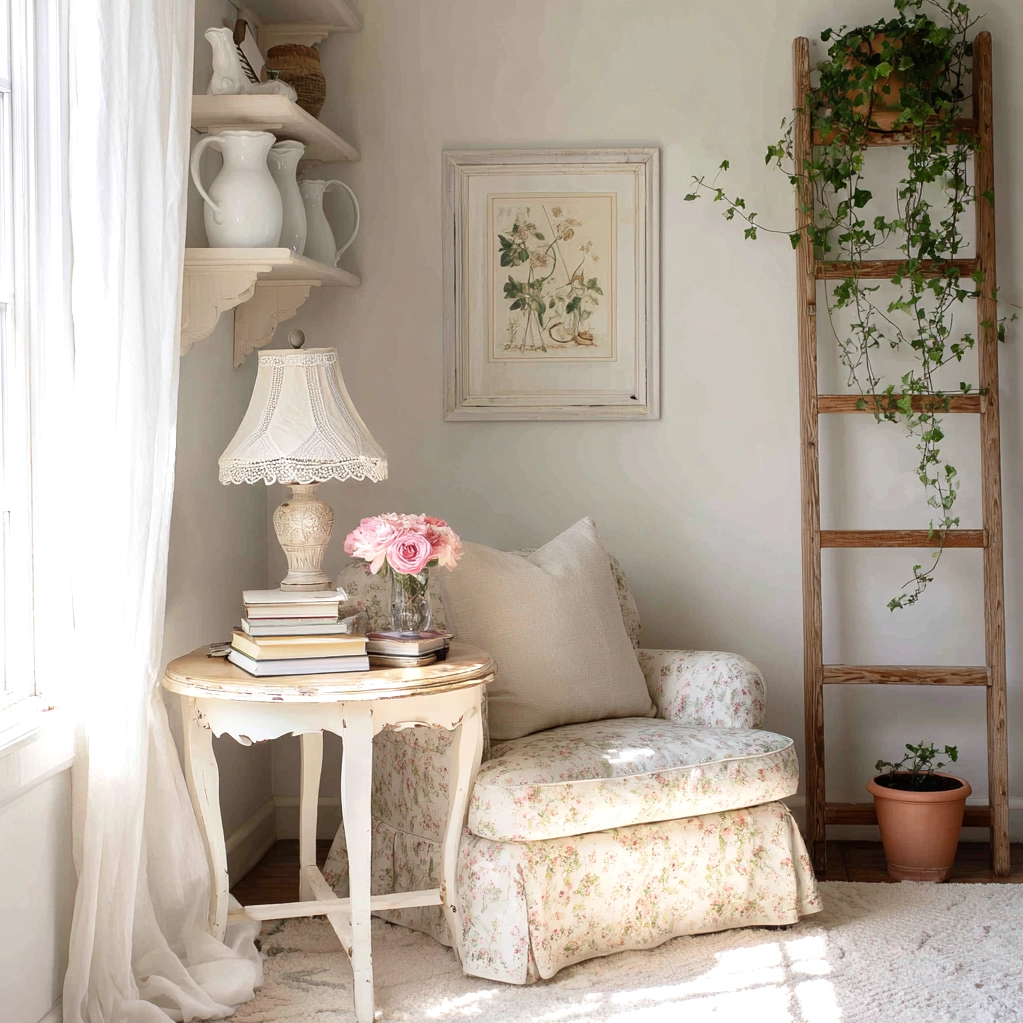
Bringing the shabby chic aesthetic into different areas of your home is easier than you might think, and it doesn’t require a full renovation. Start with the living room, the heart of many homes. Focus on comfortable, slipcovered furniture in neutral tones, accented with throw pillows in floral or lace patterns. Add a distressed coffee table or a vintage trunk as a centerpiece, and layer rugs for extra warmth. Soft lighting from table lamps with fabric shades or a crystal chandelier can enhance the cozy ambiance. In the bedroom, aim for a dreamy, retreat-like feel. A wrought-iron or wooden bed frame with a painted, distressed finish sets the tone. Dress it in layered linens—think white or pastel sheets, a quilted coverlet, and a knitted throw. Incorporate vintage nightstands, a weathered dresser, and mirrors with ornate frames. Wall decor might include botanical prints, framed embroidery, or a simple wreath of dried flowers. For the dining area, a farmhouse table with mismatched chairs creates an inviting, collected-over-time look. Use china with delicate patterns, mason jars as vases, and linen napkins to complete the setting. In smaller spaces like bathrooms or entryways, focus on details: a vintage ladder as a towel rack, a painted cabinet for storage, or a bouquet of fresh flowers in a milk jug. Remember, the shabby chic aesthetic thrives on personal touches. Don’t be afraid to mix eras and styles—a modern lamp can sit beside an antique frame if the colors and textures harmonize. The key is to keep things soft, layered, and lived-in, ensuring every room feels like a peaceful sanctuary.
Sourcing and DIY Projects for the Shabby Chic Aesthetic
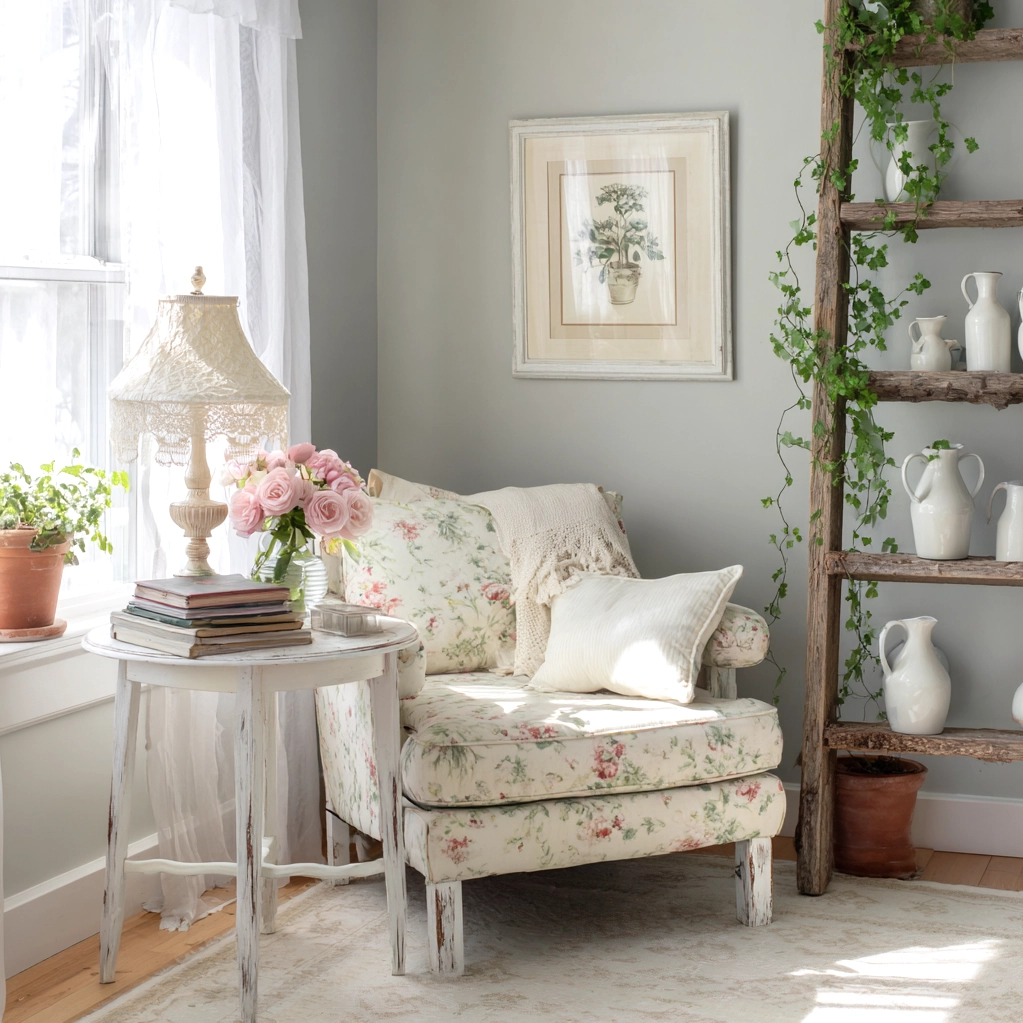
One of the joys of the shabby chic aesthetic is that it doesn’t demand a big budget; with a little creativity, you can find or make beautiful pieces that fit the style. Start by hunting for treasures at thrift stores, flea markets, and estate sales. Look for items with good bones—solid wood furniture, vintage mirrors, or ceramic dishes—that can be refreshed with a bit of paint or polish. When selecting pieces, prioritize those with interesting shapes, details, or a natural wear that adds charm. For DIY projects, painting is a simple way to transform items. Use chalk paint or milk paint in soft colors, then lightly sand edges to create a distressed effect. You can also reupholster chair seats with floral fabric or add lace trim to curtains for a feminine touch. Another idea is to create your own decor, such as framing pressed flowers, making a wreath from dried lavender, or painting vintage-style signs. When it comes to textiles, sew simple pillow covers or table runners using linen or cotton fabrics with subtle patterns. If you’re not crafty, focus on arranging found objects: stack old books, display a collection of white pitchers, or hang a vintage quilt on a wall. The shabby chic aesthetic also embraces natural elements, so incorporate dried branches, seashells, or potted herbs for a fresh, organic feel. Remember, the goal isn’t perfection but personality. Each project or find adds to the narrative of your home, making it a true reflection of your tastes and experiences. By mixing sourced items with handmade touches, you’ll build a space that’s uniquely yours and full of warmth.
Conclusion
The shabby chic aesthetic is more than just a passing trend; it’s a timeless approach to home decor that celebrates authenticity, comfort, and beauty in the everyday. By embracing worn finishes, soft colors, and vintage finds, you can create a home that feels both elegant and effortlessly lived-in. This style encourages you to slow down, appreciate the stories behind your belongings, and cultivate a space that nurtures relaxation and joy. Whether you’re starting from scratch or refreshing a few corners, remember that the shabby chic aesthetic is flexible—it adapts to your lifestyle and evolves with your tastes. Look to the future with an eye for sustainability, as this style naturally aligns with repurposing and cherishing what you have. As you continue to explore, don’t be afraid to experiment. Mix old and new, add personal mementos, and let your space tell your story. In a fast-paced world, a home styled with the shabby chic aesthetic offers a sanctuary of calm and charm, reminding us that true beauty often lies in the imperfect and the well-loved. So, take inspiration from these ideas, trust your instincts, and enjoy the process of making your house a heartfelt home.
Frequently Asked Questions
Q: What colors are best for achieving the shabby chic aesthetic?
The shabby chic aesthetic typically features a soft, muted color palette to create a calm and airy feel. Whites and creams are foundational, providing a neutral backdrop. Pastel shades like blush pink, powder blue, mint green, and lavender add gentle pops of color. Earthy tones such as beige, taupe, and soft gray can also be incorporated for warmth. Avoid bright or harsh colors; instead, focus on hues that feel weathered or faded, as if softened by time. These colors work well on walls, furniture, and textiles, helping to unify the space with a cohesive, serene look.
Q: Can I mix modern elements with the shabby chic aesthetic?
Yes, blending modern elements with the shabby chic aesthetic can create a dynamic and personalized space. The key is to maintain balance and harmony. For example, you might pair a sleek, contemporary sofa with a distressed wooden coffee table or add modern lighting fixtures to a room filled with vintage decor. Stick to the soft color palette and textured fabrics characteristic of shabby chic to tie everything together. The goal is to avoid a clash—choose modern pieces with clean lines and neutral colors that complement, rather than overpower, the worn, romantic vibe. This mix can make the style feel fresh and relevant to today’s lifestyles.
Q: How do I distress furniture to fit the shabby chic aesthetic?
Distressing furniture is a simple DIY technique that adds character to pieces for the shabby chic aesthetic. Start by cleaning and lightly sanding the item to ensure paint adheres well. Apply a base coat of chalk paint or milk paint in a soft color, such as white or pastel. Once dry, use sandpaper to gently rub edges, corners, and raised areas where natural wear would occur, revealing the wood or an underlying paint layer. For a more aged look, you can apply a darker wax or glaze over the paint before sanding. Always work in thin layers and test on a small area first. Finish with a clear sealant if desired, but leaving it unsealed can enhance the rustic feel. This process creates that beloved timeworn appearance central to the style.