Pastel Room Decor: Transform Your Space with Effortless Charm


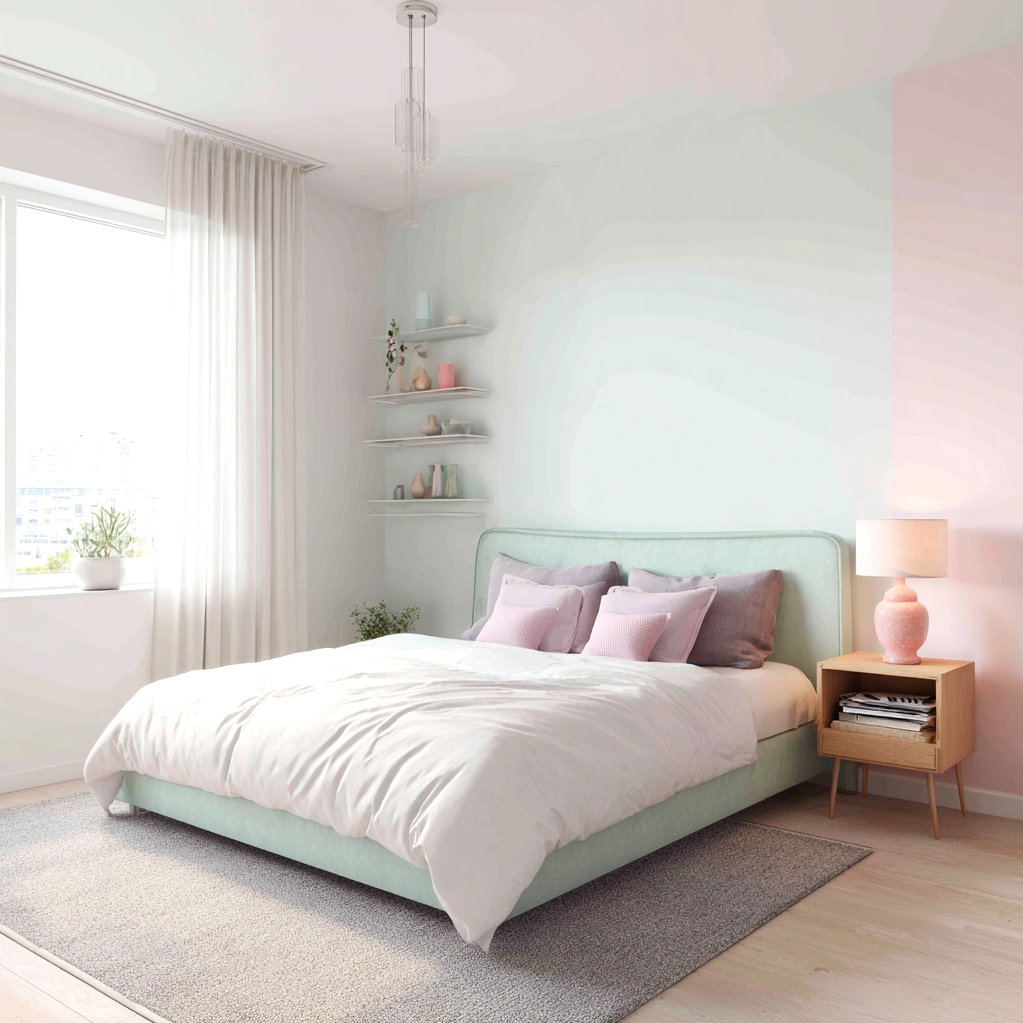
Imagine walking into a room that instantly soothes your senses, where soft hues blend seamlessly to create an atmosphere of calm and creativity. Pastel room decor offers exactly this transformative experience, turning ordinary spaces into serene sanctuaries that reflect both style and personality. Unlike bold, high-contrast color schemes that can overwhelm, pastels provide a gentle backdrop that invites relaxation and inspiration. Whether you’re decorating a bedroom, living area, or home office, incorporating pastel tones can elevate your environment in subtle yet impactful ways.
Pastel room decor isn't just about aesthetics; it's about creating a mood. Research shows that colors influence our emotions and behaviors, with soft shades like blush pink, mint green, and baby blue promoting feelings of tranquility and focus. This makes pastel decor particularly valuable in today's fast-paced world, where our homes serve as retreats from daily stress. By choosing pastel elements, you're not just decorating a room—you're crafting an experience that supports well-being and personal expression.
Moreover, pastel room decor offers incredible versatility. These colors work beautifully across various design styles, from minimalist Scandinavian interiors to bohemian eclectic spaces. They pair effortlessly with different textures, materials, and accent colors, allowing for endless customization. Whether you're starting from scratch or refreshing an existing space, pastel decor provides a foundation that grows with your evolving taste. In this guide, we'll explore practical ways to incorporate pastel room decor into your home, helping you create spaces that are both beautiful and functional.
Choosing the Perfect Pastel Room Decor Palette
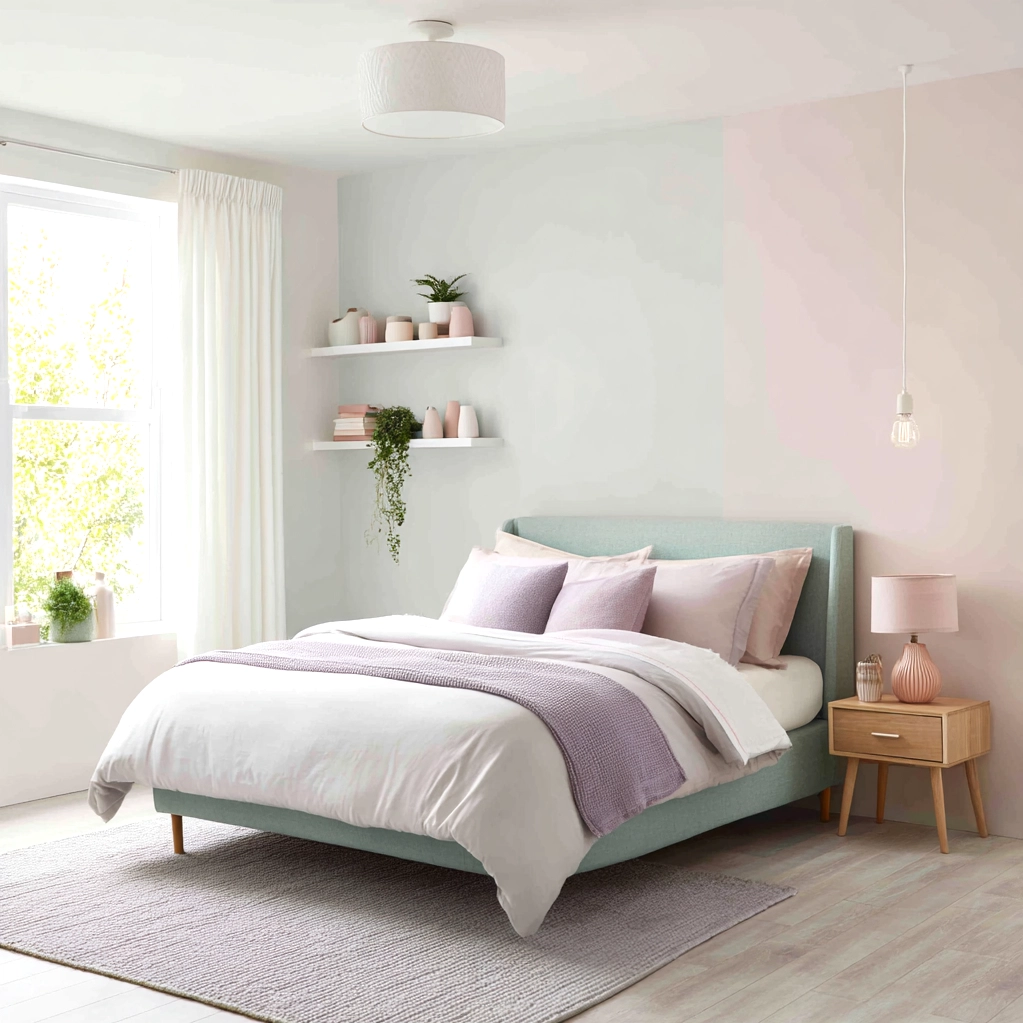
Selecting the right pastel room decor palette is the first step toward creating a harmonious space that reflects your personal style. Pastels encompass a wide spectrum of soft hues, each with its own character and mood. Lavender and lilac shades bring a touch of romance and creativity, making them ideal for bedrooms or creative studios. Mint green and seafoam tones evoke freshness and tranquility, perfect for bathrooms or reading nooks. Soft peach and blush pink create warmth and coziness, excellent for living areas where comfort is key.
When building your pastel room decor palette, consider the room's natural light. North-facing rooms with cooler light benefit from warmer pastels like buttery yellow or coral, which add warmth to the space. South-facing rooms with abundant sunlight can handle cooler pastels like powder blue or sage green without feeling chilly. Test paint samples on different walls at various times of day to see how colors shift with changing light. Remember that pastels appear more intense in larger areas, so a pale blue that looks subtle on a swatch might feel more pronounced on an entire wall.
Balance your pastel room decor with neutral anchors to prevent the space from feeling overly sweet or childish. White, cream, gray, and natural wood tones provide grounding elements that allow pastels to shine without overwhelming. For example, pair a soft lavender accent wall with crisp white trim and light oak flooring. Add texture through materials like linen, cotton, wool, and rattan to create visual interest and depth. Metallic accents in gold, brass, or chrome can add sophistication, while matte finishes keep the look soft and approachable. By thoughtfully combining pastels with neutrals and textures, you create a layered, sophisticated space that feels both fresh and timeless.
Essential Pastel Room Decor Elements and Arrangements
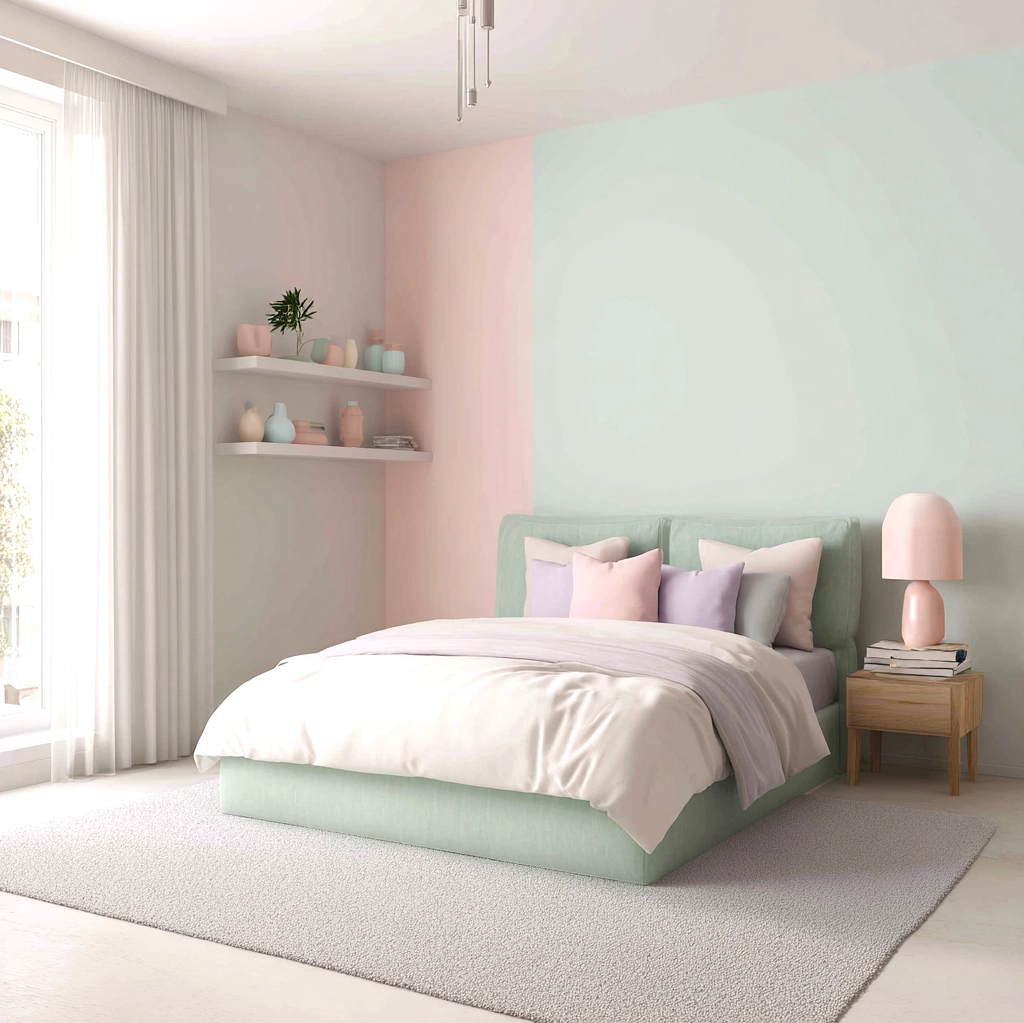
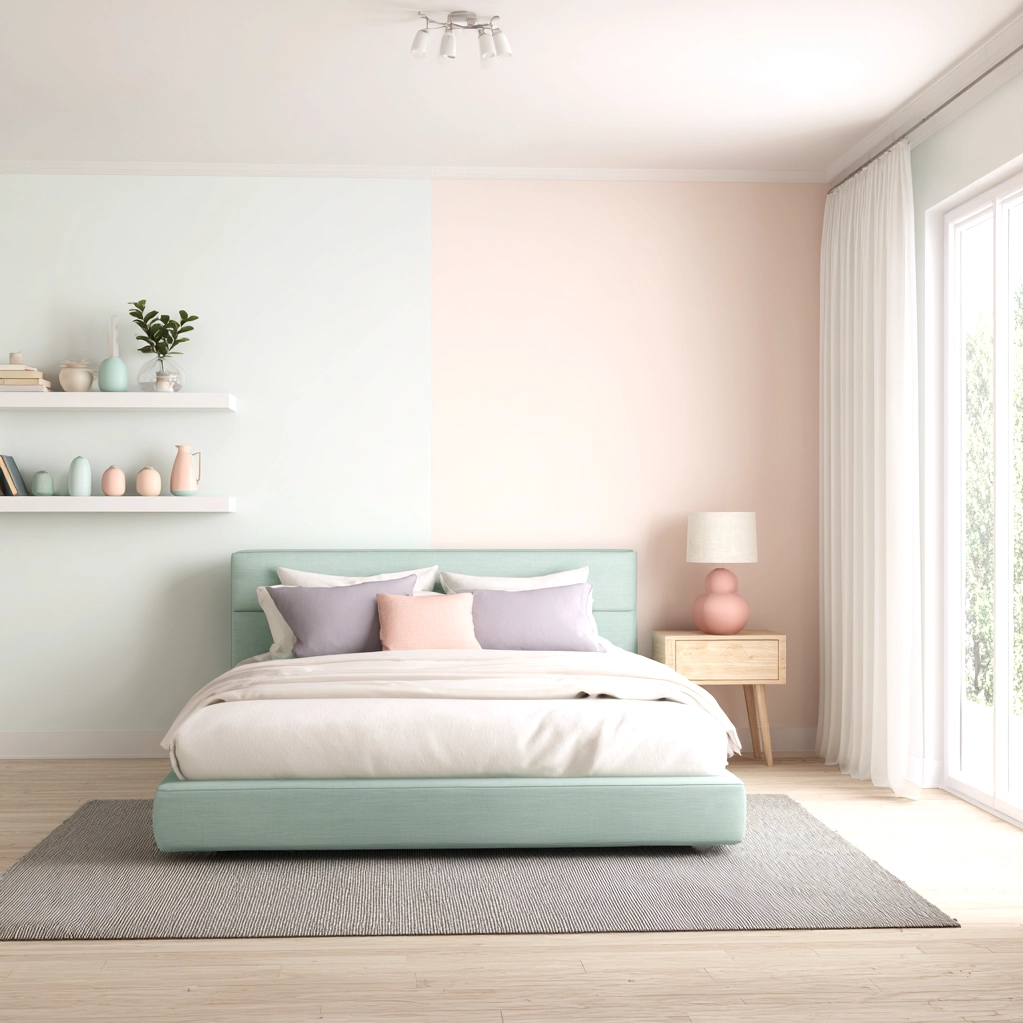
Incorporating pastel room decor involves more than just wall color; it's about strategically placing elements that enhance both function and beauty. Start with larger pieces that set the tone for the space. A pastel-colored sofa or bed frame serves as a focal point, while pastel area rugs define zones within a room. For walls, consider pastel wallpaper with subtle patterns or textured paint finishes that add dimension without being overwhelming. Window treatments in soft hues filter natural light beautifully, creating a gentle glow throughout the day.
Furniture placement in pastel room decor should prioritize both aesthetics and practicality. Arrange seating to encourage conversation and relaxation, with pastel accent chairs positioned near natural light sources. Floating shelves in pale colors display books and decorative items while maintaining an airy feel. Storage solutions like pastel cabinets or baskets keep clutter hidden while contributing to the color scheme. Remember to leave adequate walking space between furniture pieces—pastel decor feels most effective in uncluttered, flowing layouts that allow the colors to breathe.
Accessories complete your pastel room decor with personal touches. Layer pastel throw pillows and blankets on sofas and beds for comfort and visual interest. Choose artwork with pastel tones or framed in light-colored wood. Ceramic vases, glassware, and decorative objects in complementary pastel shades add finishing touches. Lighting plays a crucial role—pastel lampshades diffuse light softly, while string lights with pastel bulbs create magical evening ambiance. Live plants with green foliage provide natural contrast against pastel backgrounds, bringing vitality to the space. By thoughtfully selecting and arranging these elements, you create a cohesive pastel room decor scheme that feels intentional and inviting.
Maintaining and Refreshing Your Pastel Room Decor
Pastel room decor requires thoughtful maintenance to keep colors looking fresh and vibrant over time. Regular cleaning preserves the delicate appearance of pastel surfaces. Dust pastel walls and furniture weekly with a soft microfiber cloth to prevent buildup that can dull colors. For fabric items like pastel upholstery or curtains, follow manufacturer cleaning instructions—many pastel fabrics benefit from gentle vacuuming with an upholstery attachment and occasional professional cleaning. Address stains promptly with appropriate cleaners tested on inconspicuous areas first, as some pastel dyes may be sensitive to harsh chemicals.
Seasonal updates keep your pastel room decor feeling current without complete redesigns. Rotate pastel accessories with the seasons—lighter mint and lavender tones work well for spring and summer, while warmer peach and buttercream shades feel cozy in fall and winter. Swap out pastel pillow covers, throws, and small decorative items to reflect seasonal moods. Incorporate seasonal natural elements like pastel-colored dried flowers in spring or pale pinecones in winter. These subtle changes refresh the space while maintaining your core pastel room decor theme.
As your style evolves, your pastel room decor can adapt gracefully. If you want to introduce deeper colors, add them gradually through artwork, rugs, or single accent walls while keeping pastels dominant. Update hardware like drawer pulls and light fixtures to modern finishes that complement your pastel palette. Consider repainting in slightly different pastel shades if you want a change—many paint brands offer pastel collections with coordinating colors that work together seamlessly. Most importantly, listen to how the space makes you feel and adjust accordingly. Pastel room decor should evolve with you, creating a personal sanctuary that remains comforting and inspiring through life's changes.
Conclusion
Pastel room decor offers more than just visual appeal—it creates environments that nurture well-being, creativity, and personal expression. Through careful palette selection, thoughtful arrangement of elements, and regular maintenance, you can transform any space into a serene retreat that reflects your unique style. The soft, calming nature of pastels makes them particularly valuable in our often chaotic world, providing homes with peaceful atmospheres where we can truly unwind and recharge.
Looking ahead, pastel room decor continues to evolve with design trends while maintaining its timeless charm. Expect to see innovative applications like pastel-colored sustainable materials, smart home integrations with pastel interfaces, and textured pastel finishes that add depth to minimalist spaces. The growing emphasis on mental well-being in interior design ensures pastels will remain relevant, as their psychological benefits become increasingly recognized. Whether through bold pastel accent walls or subtle pastel accessories, these gentle hues offer endless possibilities for personalization.
As you implement pastel room decor in your own home, remember that perfection matters less than personal connection. Start with one pastel element you love—a piece of artwork, a throw pillow, or a painted furniture item—and build gradually from there. Notice how different pastel shades make you feel throughout the day, and adjust accordingly. Your home should be a reflection of you, and pastel room decor provides a beautiful, flexible foundation for creating spaces that are both aesthetically pleasing and emotionally supportive. Embrace the process, trust your instincts, and enjoy the tranquil beauty that pastels bring to your living environment.
Frequently Asked Questions
Q: Do pastel room decor colors work in small spaces?
Absolutely! Pastel room decor can actually make small spaces feel larger and more open. Light pastel colors reflect natural light better than dark shades, creating an airy, expansive feeling. In small rooms, use pastels on walls, ceilings, and larger furniture pieces to maximize this effect. Stick to one or two coordinating pastel shades to maintain visual cohesion without overwhelming the limited space. Pastel room decor in small areas works particularly well when paired with mirrors and strategic lighting to enhance the sense of openness.
Q: How do I incorporate pastel room decor without making it look too childish?
Creating sophisticated pastel room decor involves careful balancing with mature elements. Choose pastel shades with subtle gray or beige undertones rather than bright, candy-like colors. Pair pastels with natural materials like wood, stone, and linen, and incorporate metallic accents in gold, brass, or chrome. Use pastels in textured applications—think matte paint finishes, woven fabrics, or ceramic pieces rather than glossy plastics. Limit pastel patterns to subtle geometric or organic designs rather than cartoonish prints. By combining pastels with sophisticated textures, materials, and neutral bases, you achieve elegant pastel room decor suitable for any age.
Q: What lighting works best with pastel room decor?
Lighting significantly impacts how pastel room decor appears. Natural daylight shows pastels in their truest form, so maximize window access with sheer pastel curtains that filter light gently. For artificial lighting, choose warm white bulbs (2700K-3000K color temperature) rather than cool white, as warm light enhances the softness of pastel tones. Layer different light sources: overhead fixtures with pastel lampshades, wall sconces with soft diffusion, and accent lighting that highlights pastel artwork or architectural features. Dimmer switches allow you to adjust lighting intensity throughout the day, maintaining the perfect ambiance for your pastel room decor.