Palette Decoração: Your Essential Guide to Creating Captivating, Cohesive Spaces


When embarking on any interior design project, one element stands above all others in determining success: your palette decoração. This foundational aspect of decorating isn’t just about picking colors you like—it’s about creating a harmonious language that speaks throughout your entire space. Your palette serves as the visual thread that ties rooms together, establishes mood and atmosphere, and ultimately defines how your home feels to both residents and guests. Many people make the mistake of decorating piece by piece, resulting in disjointed spaces that lack cohesion. By starting with a carefully considered palette, you ensure every design decision aligns with your overall vision. The right palette can make small spaces feel larger, dark rooms appear brighter, and chaotic areas transform into peaceful retreats. Whether you’re refreshing a single room or redesigning your entire home, understanding how to develop and implement a color palette is the most crucial skill you can develop. It’s the difference between a collection of pretty items and a truly unified, beautiful living environment. This guide will help you master the art of palette decoração, providing practical steps to create spaces that not only look stunning but feel perfectly balanced and intentional.
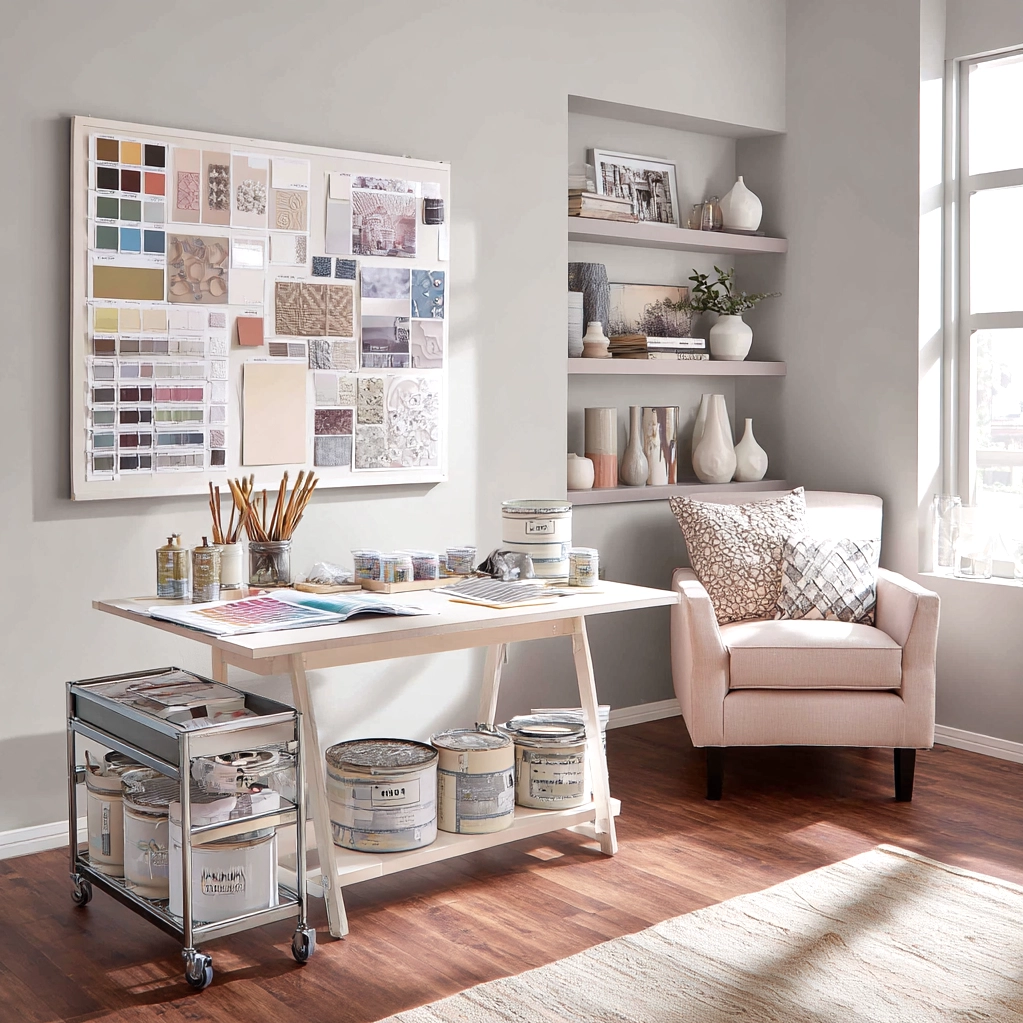
Understanding the Fundamentals of Palette Decoração
Before diving into specific color combinations, it's essential to understand what constitutes a palette decoração and why it matters so much in interior design. A palette is more than just a selection of colors—it's a carefully curated collection of hues, tones, and shades that work together to create visual harmony. Your palette should typically include a primary color, secondary colors, and accent colors, along with neutral tones that provide balance. The primary color serves as the dominant hue in your space, usually appearing on larger surfaces like walls or major furniture pieces. Secondary colors complement the primary color and help establish depth and interest. Accent colors provide pops of contrast and personality, while neutrals create breathing room and prevent visual overload. Beyond just colors, your palette decoração should also consider textures, materials, and finishes. A matte finish versus glossy, wood versus metal, smooth versus textured fabrics—all these elements contribute to your overall palette. Understanding color psychology is also crucial. Warm colors like reds, oranges, and yellows tend to create cozy, energetic spaces, while cool colors like blues and greens promote calm and serenity. Neutral palettes offer versatility and timelessness. When developing your palette, consider the room's natural light, size, and function. North-facing rooms with limited light often benefit from warmer tones, while south-facing spaces can handle cooler colors. Small rooms appear larger with light, monochromatic palettes, while large spaces can accommodate bolder, more complex combinations. Your palette should reflect both the architectural features of your space and your personal aesthetic preferences.
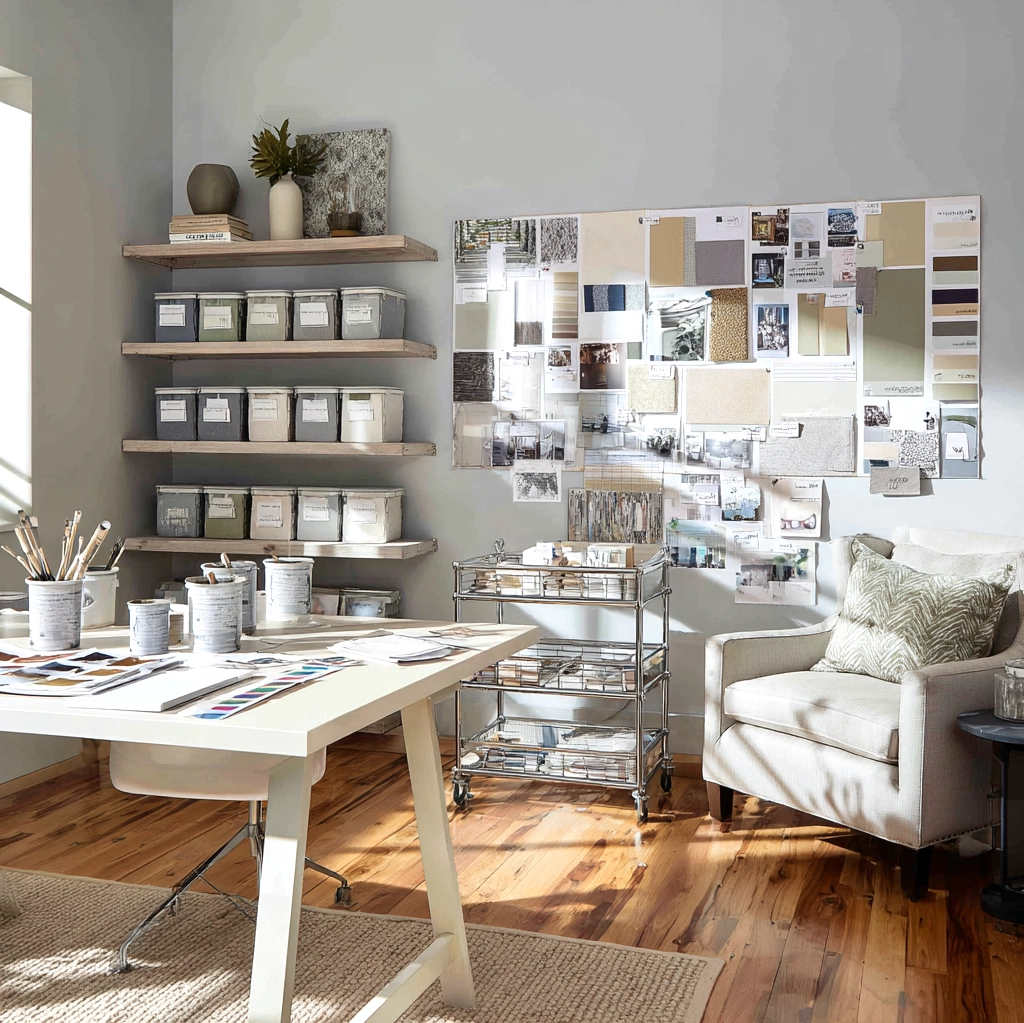
Practical Steps to Develop Your Perfect Palette Decoração
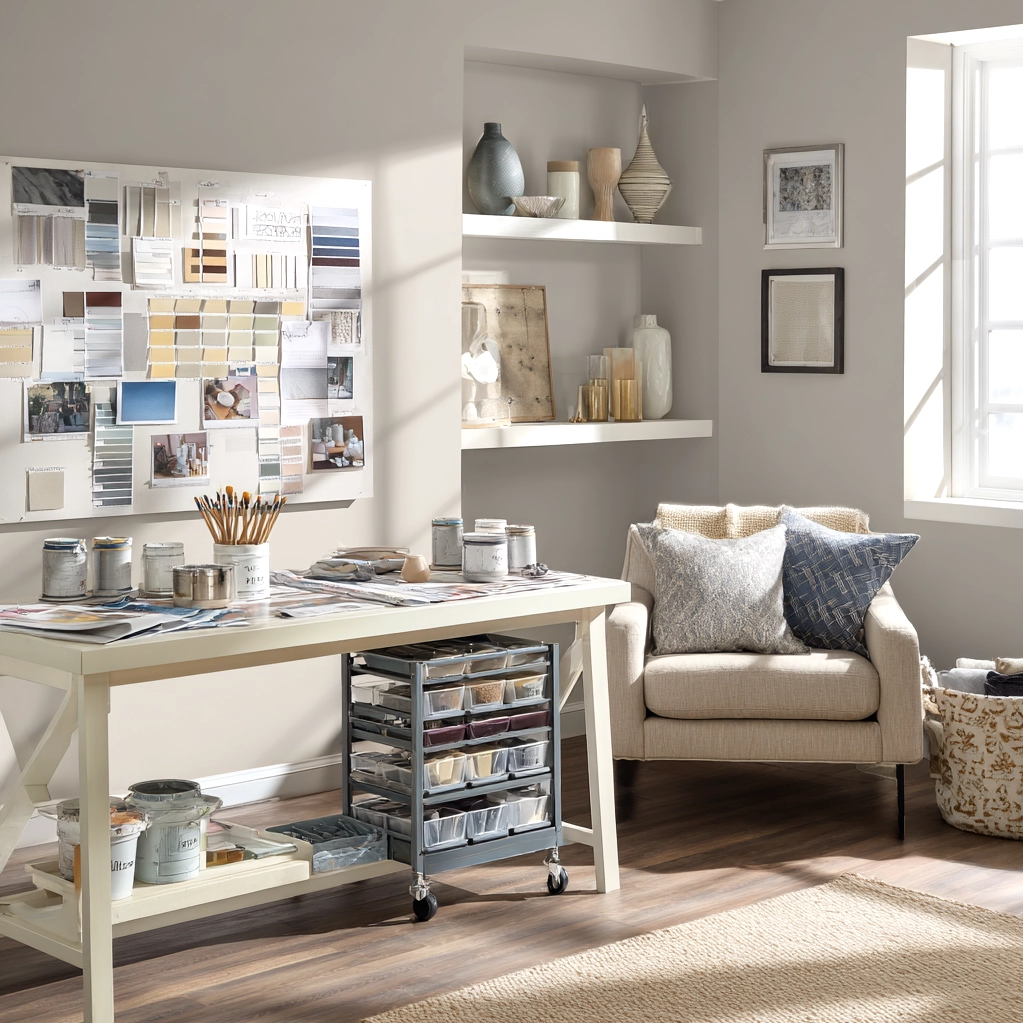
Creating your ideal palette decoração doesn't require professional training—just a systematic approach and attention to detail. Start by gathering inspiration from various sources: interior design magazines, Pinterest boards, nature, artwork, or even a favorite piece of clothing. Look for patterns in what attracts you—do you consistently gravitate toward earthy tones, bright jewel colors, or soft pastels? Once you've identified your aesthetic preferences, create a physical or digital mood board. Collect paint chips, fabric swatches, and images that represent your desired look. This visual collection will help you see how different elements work together before making any purchases. Next, select your anchor piece. This could be a rug with a complex pattern, a piece of artwork you love, or a statement furniture item. Use this piece as the foundation for your entire palette decoração, pulling colors directly from it to ensure perfect harmony. If you're starting from scratch, choose your wall color first—it's typically the largest surface area and will influence all other decisions. When selecting specific colors, follow the 60-30-10 rule: 60% of your space should be your dominant color (usually walls and large furniture), 30% should be your secondary color (upholstery, curtains, rugs), and 10% should be accent colors (throw pillows, artwork, accessories). Test your palette in the actual space before committing. Paint large swatches on multiple walls and observe how the color changes throughout the day as light shifts. Live with fabric samples in the room for several days to ensure you're happy with how they look in context. Remember that your palette decoração should flow from room to room in open floor plans, creating a cohesive journey through your home.
Common Mistakes and Solutions in Palette Decoração
Even with careful planning, many people encounter challenges when implementing their palette decoração. One of the most common mistakes is choosing colors in isolation. A paint chip that looks perfect in the store can appear completely different on your walls due to lighting conditions, surrounding colors, and room proportions. The solution? Always test colors in the actual space before making final decisions. Another frequent error is neglecting the importance of neutrals. While accent colors add personality, neutrals provide necessary balance and prevent visual fatigue. If your palette feels overwhelming, introduce more neutral tones in fabrics, flooring, or accessories. Many decorators also forget about texture when developing their palette decoração. A monochromatic scheme can feel flat without varied textures to add depth and interest. Incorporate different materials—wood, metal, glass, fabric—to create dimension within your color story. Another pitfall is being too matchy-matchy. Your palette should coordinate, not perfectly match. Slight variations in tone and shade create visual interest and sophistication. Avoid using the exact same color on walls, furniture, and accessories—instead, choose colors from the same family with subtle differences. Lighting considerations often get overlooked in palette planning. Artificial lighting can dramatically alter how colors appear. Warm incandescent bulbs enhance reds and yellows, while cool LED lights emphasize blues and greens. Test your palette under both natural and artificial light at different times of day. Finally, many people change their palette decoração too frequently, resulting in a disjointed home. While it's natural to want to refresh spaces, maintaining some consistency—particularly in open floor plans—creates harmony. If you want to experiment, do so in smaller, closed-off rooms or with easily changeable elements like pillows and artwork.
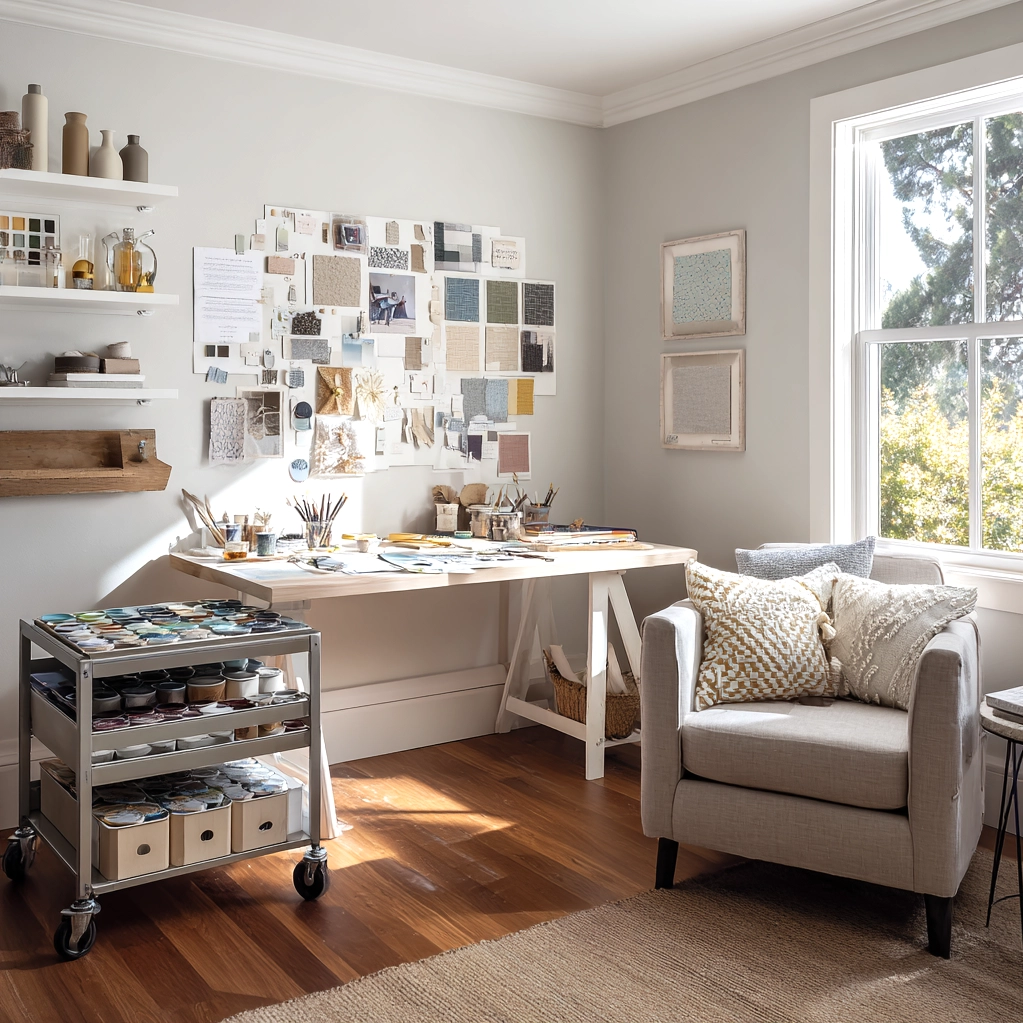
Advanced Techniques for Elevating Your Palette Decoração
Once you've mastered the basics of palette decoração, you can explore more sophisticated techniques to create truly exceptional spaces. Consider implementing color layering—using multiple shades of the same color family to create depth and richness. For example, instead of using just one blue, incorporate navy, sky blue, and powder blue throughout the room. This creates visual interest while maintaining cohesion. Another advanced technique is creating contrast through value rather than just hue. Pair light and dark versions of the same color for a sophisticated, monochromatic look that has plenty of visual impact. Don't be afraid to incorporate unexpected colors into your palette decoração. A touch of an unusual hue—like mustard yellow in a blue room or burgundy in a green space—can elevate an ordinary scheme to something extraordinary. Consider the psychological impact of your palette beyond just aesthetics. Certain color combinations can influence mood and behavior. For example, blues and greens promote relaxation in bedrooms, while yellows and oranges stimulate conversation in dining areas. Pay attention to how colors transition between rooms in open-concept spaces. Your palette decoração should create a visual flow that guides the eye naturally from one area to another. Use consistent elements—like wood tones or metal finishes—to tie different color schemes together. Finally, remember that your palette extends beyond just wall colors and fabrics. Consider how natural materials like wood grain, stone patterns, and plant foliage contribute to your overall color story. Even everyday items like books, ceramics, and decorative objects should align with your palette to maintain visual harmony throughout your space.
Conclusion
Mastering the art of palette decoração transforms interior design from a guessing game into a deliberate, satisfying process. As we've explored, your color palette serves as the foundation for every decorating decision, creating harmony, establishing mood, and ensuring cohesion throughout your living spaces. By understanding the fundamentals, following practical steps, avoiding common mistakes, and eventually incorporating advanced techniques, you can develop palettes that not only look beautiful but feel perfectly suited to your lifestyle and aesthetic preferences. Remember that the most successful palettes balance consistency with flexibility—providing enough structure to create unity while allowing room for personal expression and evolution over time. As you continue to refine your approach to palette decoração, consider how your color choices might evolve with changing seasons, life stages, or design trends. The beauty of a well-planned palette is that it provides a framework that can accommodate updates without requiring complete overhauls. Looking forward, the most exciting development in color palettes is the increasing emphasis on personalization and emotional connection. Rather than following strict rules or trends, the most compelling spaces will be those where the palette authentically reflects the people who inhabit them. Start small if needed—perhaps with a single room—and gradually expand your palette decoração skills throughout your home. With practice and attention to detail, you'll develop the confidence to create spaces that are not just decorated, but truly designed.
Frequently Asked Questions
Q: How many colors should I include in my palette decoração?
A balanced palette typically includes 3-5 main colors plus neutrals. Follow the 60-30-10 rule: 60% dominant color (walls, large furniture), 30% secondary color (upholstery, curtains), and 10% accent colors (accessories, artwork). This creates harmony without monotony. Your palette should also include various textures and materials that complement your color choices. Remember that neutrals count as colors in your palette—they provide essential breathing room and balance. The exact number depends on your space and personal style, but starting with 3-5 colors ensures enough variety without overwhelming the senses.
Q: Can I use different palettes in different rooms of my home?
Yes, you can use different palettes in different rooms, but they should connect visually, especially in open floor plans or adjacent spaces. Maintain some consistent elements like wood tones, metal finishes, or a recurring accent color to create flow. For example, if your living room features blue and gray, your dining room might use gray and green, with the gray serving as the connecting element. In completely separate, closed-off rooms, you have more freedom to experiment with contrasting palettes. The key is to ensure that moving from one space to another feels intentional rather than jarring.
Q: How do I choose a palette decoração if I'm starting from scratch with no existing furniture?
When starting from scratch, begin with inspiration gathering. Create a mood board with images, colors, and textures that appeal to you. Consider the room's function, natural light, and architectural features. Choose your wall color first since it covers the largest area. Then select an anchor piece—this could be artwork, a rug, or even a fabric you love—and build your palette around it. Test paint samples on your walls and observe them at different times of day. Purchase key furniture pieces in neutral colors initially, then layer in color with easily changeable items like pillows, curtains, and accessories. This approach allows flexibility as your style evolves.