Wainscoting in Kitchen Ideas: Essential Inspirations for a Stunning Transformation


Are you dreaming of a kitchen that feels both timeless and fresh? Wainscoting in kitchen ideas might be the perfect solution to elevate your space beyond the ordinary. This classic wall treatment, often associated with formal dining rooms or historic homes, has found a brilliant new home in modern kitchens, offering both beauty and practicality. In a room where function reigns supreme, wainscoting adds an unexpected layer of elegance, creating a visual anchor that grounds the entire design.
Imagine walls that tell a story. Wainscoting provides texture, depth, and architectural interest where plain drywall falls flat. It can define zones in an open-concept layout, protect walls from daily wear and tear near counters and sinks, and introduce a sophisticated backdrop for your cabinetry and decor. Whether your style leans toward farmhouse cozy, minimalist sleek, or traditional grandeur, there's a wainscoting approach that aligns perfectly.
This isn't just about aesthetics; it's about creating a kitchen that feels intentional and complete. The right wainscoting design can make a small kitchen feel taller, a large kitchen feel cozier, and any kitchen feel uniquely yours. As we explore various ideas, you'll discover how this simple element can become the cornerstone of your kitchen's character, blending durability with undeniable charm to craft a space you'll love for years to come.
Wainscoting in Kitchen Ideas: Choosing the Perfect Style for Your Home
Selecting the right wainscoting style is crucial for achieving your desired kitchen look. The most popular options each bring a distinct personality to the space. Raised panel wainscoting offers a formal, traditional feel with its recessed center panels and sculpted edges, ideal for classic or colonial-style kitchens. It adds significant depth and shadow lines, creating a rich, layered appearance that pairs beautifully with detailed cabinetry and ornate hardware.
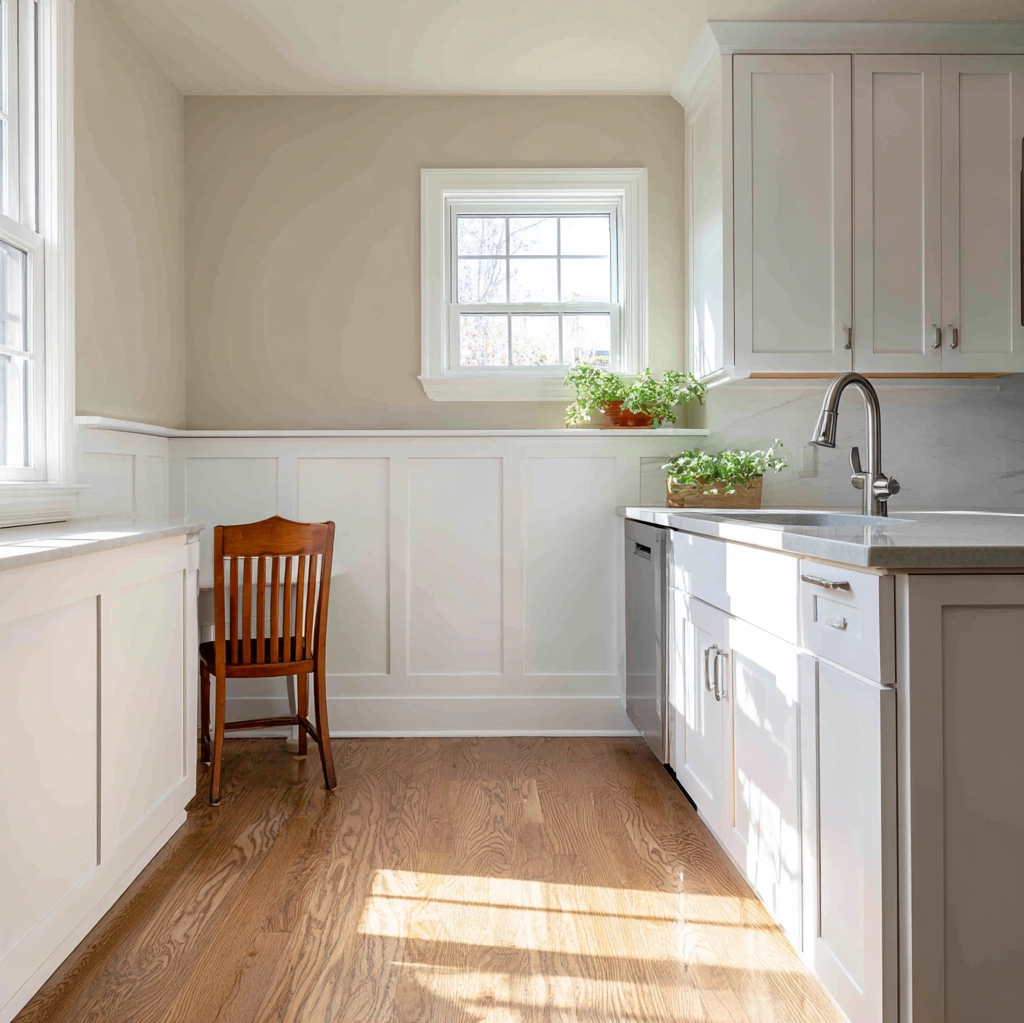
For a cleaner, more contemporary vibe, flat panel or shaker-style wainscoting is an excellent choice. This style features simple, recessed panels within a clean grid framework, offering subtle texture without overwhelming the space. It works wonderfully in modern farmhouse or transitional kitchens, where it provides a crisp, structured backdrop that lets other elements, like bold backsplashes or statement lighting, take center stage.
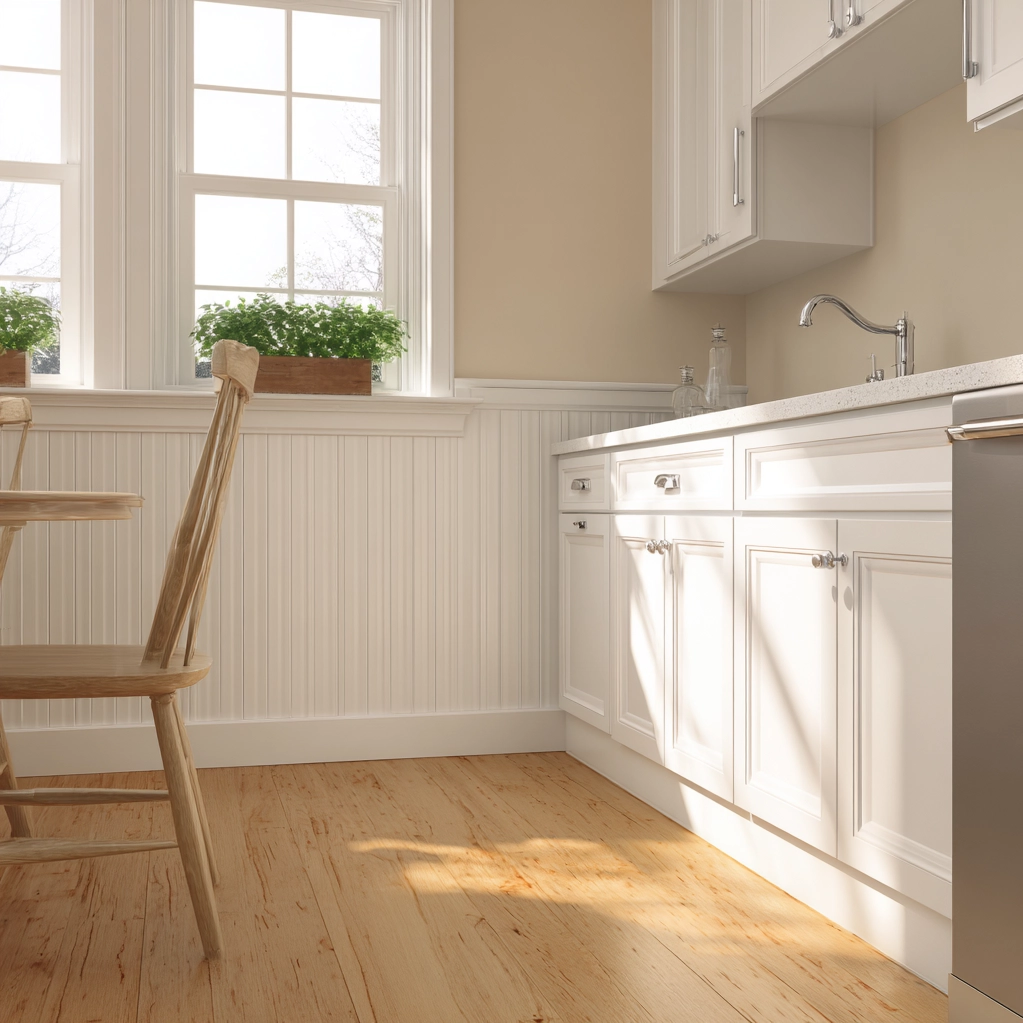
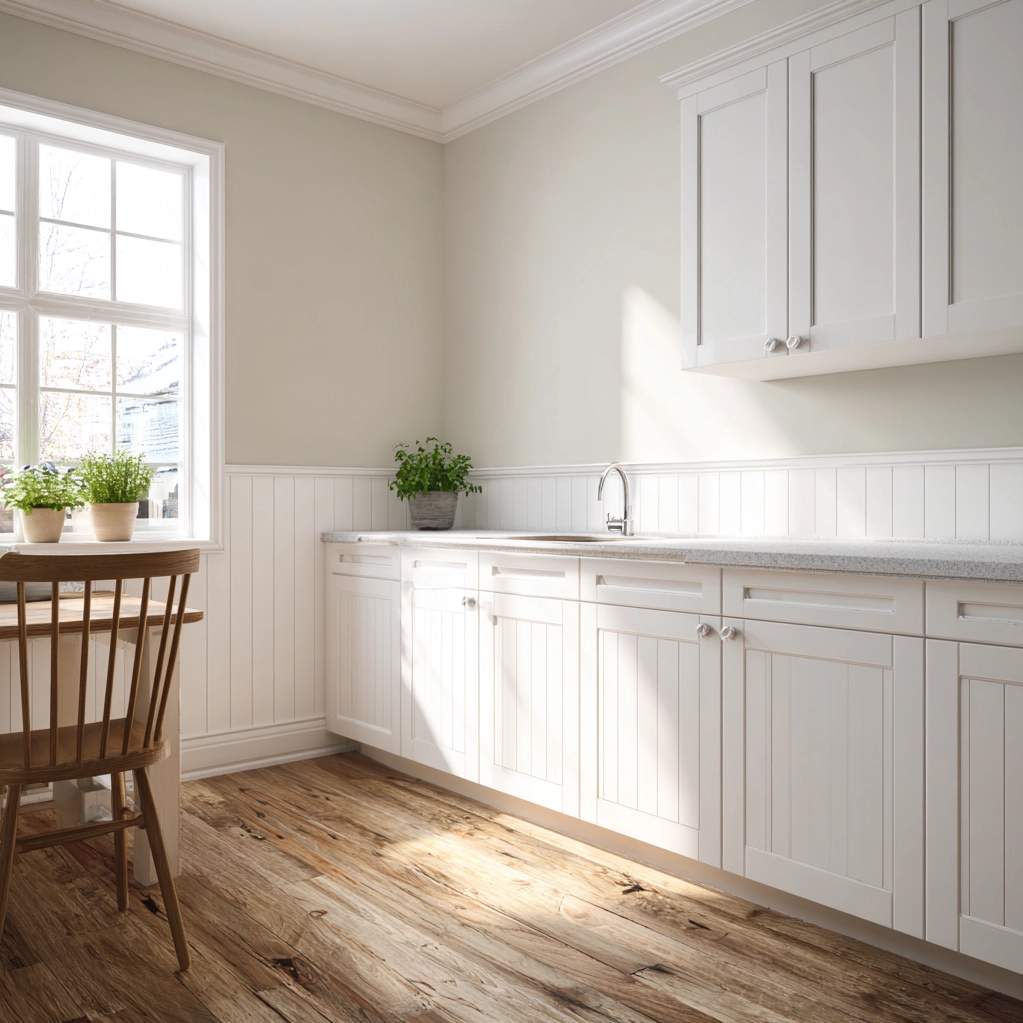
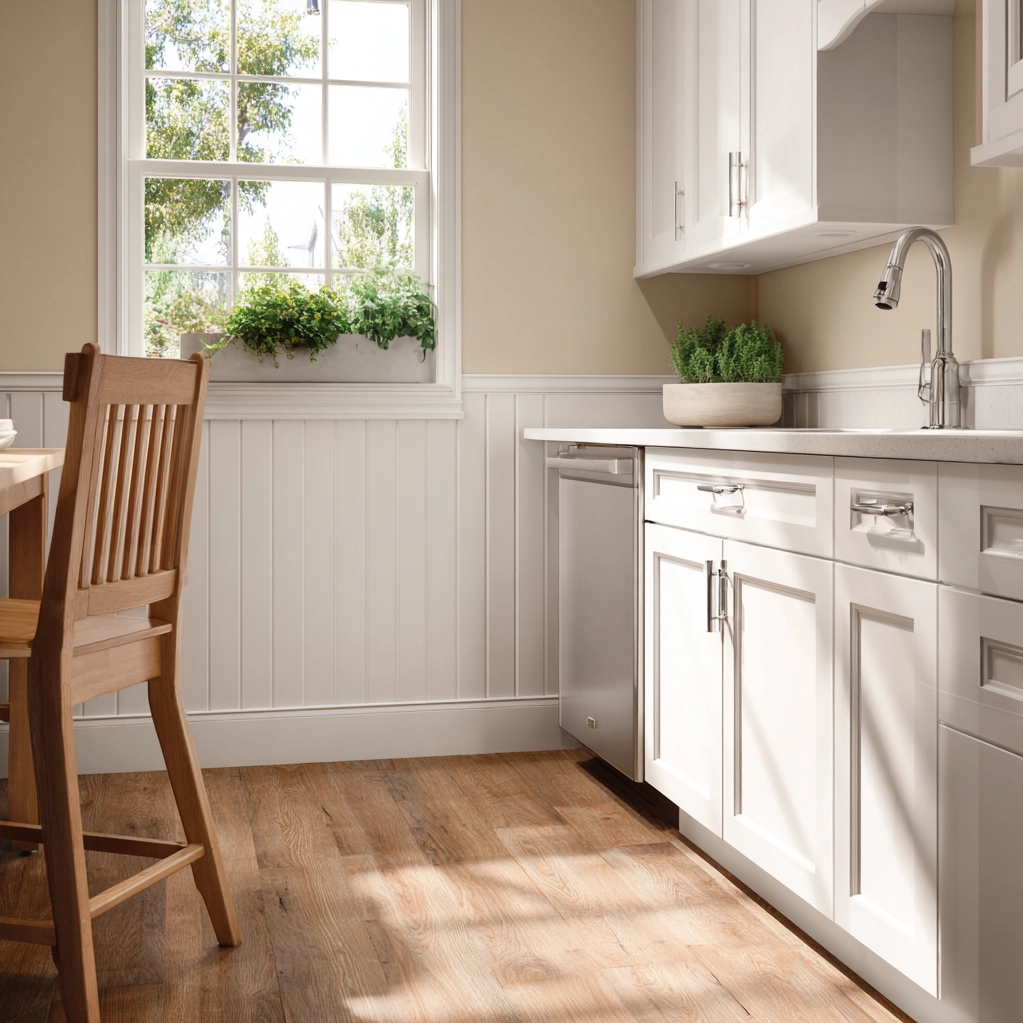
Beadboard wainscoting brings casual charm and vertical interest with its distinctive grooved panels. Often associated with cottage or coastal styles, it can make a kitchen feel brighter and more relaxed. Installing it vertically can heighten the room, while horizontal placement can widen it visually. Board and batten offers another rustic yet refined option, with its alternating wide boards and narrow strips creating a rhythmic pattern that's both sturdy and stylish.
Consider your kitchen's overall aesthetic, ceiling height, and color scheme when choosing. Lighter finishes keep spaces feeling open, while painted or stained wood can add warmth. Mixing materials, like pairing beadboard with a chair rail, can also create custom looks. Remember, the goal is harmony; your wainscoting should complement, not compete with, your existing design elements.
Practical Wainscoting in Kitchen Ideas for Function and Durability
Beyond beauty, wainscoting serves essential functional purposes in the kitchen. One of its primary benefits is protection. The lower portions of kitchen walls endure significant abuse from chairs scraping, pots bumping, and food splatters. A sturdy wainscoting installation, especially using materials like PVC, MDF, or moisture-resistant wood, creates a durable barrier that's easy to clean and maintain. Simply wipe down painted or sealed surfaces with a damp cloth, and they look new again.
Strategic placement maximizes this practicality. Focus on high-impact areas: along the perimeter where counters meet walls, behind dining nooks or islands with seating, and around sinks or prep zones. This not only safeguards drywall but also defines functional zones within an open layout. For example, wainscoting can subtly separate a cooking area from an eating area without the need for walls, enhancing flow while adding structure.
Material choice directly impacts longevity. In humid environments near sinks or dishwashers, opt for water-resistant options like PVC or tile wainscoting to prevent warping or mold. For dry areas, painted wood or MDF offers affordability and versatility. Proper installation is key—ensure panels are securely fastened and seams are well-sealed to withstand daily kitchen activities.
Consider integrating storage or organizational elements into your wainscoting design. Some styles allow for shallow shelving on top of the panels or hooks for hanging utensils or towels, blending form and function seamlessly. By prioritizing durability alongside design, you create a kitchen that's not only stunning but also built to last through years of meals, gatherings, and memories.
Creative Wainscoting in Kitchen Ideas to Elevate Your Space
Unleash your creativity with wainscoting to make your kitchen truly unique. Color plays a transformative role; while classic white remains popular, don't shy away from bold hues. Painting wainscoting a deep navy, forest green, or charcoal gray creates dramatic contrast with lighter upper walls, adding modern sophistication. For a cohesive look, match it to your cabinetry or island color. Two-tone designs, where the wainscoting and upper wall are different shades, can visually raise ceilings or expand small spaces.
Experiment with height for dramatic effect. Standard wainscoting typically rises one-third of the wall height, but full-height or two-thirds installations make a powerful statement, especially in kitchens with tall ceilings. This approach turns wainscoting into a dominant design feature, perfect for highlighting architectural details or creating a library-like ambiance in a kitchen with open shelving.
Mix materials for custom flair. Combine beadboard with a wood cap rail for texture, or use tile wainscoting in backsplash areas for a seamless, easy-clean surface. Metallic accents, like copper or brass inlays between panels, can introduce subtle glamour. In modern kitchens, consider sleek, flat-panel wainscoting in unexpected materials like stained concrete or lacquered wood for an industrial-chic vibe.
Don't forget lighting integration. Installing LED strip lights along the top edge of wainscoting provides ambient glow that enhances texture and creates a warm, inviting atmosphere during evening hours. For open shelves above, ensure the wainscoting design supports their weight and style. By thinking beyond tradition, you can tailor wainscoting to reflect your personal taste, turning functional walls into focal points that inspire every time you enter the room.
Conclusion
Wainscoting in kitchen ideas offers a remarkable blend of aesthetic appeal and practical benefits, transforming ordinary walls into extraordinary features. Throughout this exploration, we've seen how different styles—from raised panel to beadboard—can set the tone for your space, while smart material choices ensure durability against daily kitchen demands. The creative possibilities, from bold color choices to mixed-material designs, empower you to craft a kitchen that's uniquely yours, balancing timeless elegance with personal expression.
As you plan your kitchen update, remember that wainscoting isn't just a decorative afterthought; it's an investment in your home's character and functionality. It protects your walls, defines your layout, and adds a layer of sophistication that elevates the entire room. Whether you're undertaking a full renovation or a simple refresh, incorporating wainscoting can yield dramatic results without overwhelming your budget or timeline.
Looking ahead, the trend toward personalized, multi-functional kitchens continues to grow. Wainscoting adapts beautifully to this evolution, offering both classic charm and modern versatility. Start by assessing your space, considering your lifestyle needs, and sketching out ideas that resonate with your vision. With careful planning and a touch of creativity, you can implement wainscoting in kitchen ideas that not only enhance your daily life but also create a lasting impression for years to come. Your dream kitchen awaits—let the walls tell your story.
Frequently Asked Questions
Q: What is the best material for wainscoting in a kitchen?
The best material depends on your kitchen's conditions and style. For areas prone to moisture, such as near sinks, PVC or tile wainscoting is ideal due to its water resistance and easy cleaning. MDF (medium-density fiberboard) is a budget-friendly option for dry areas and can be painted smoothly, but it may swell if exposed to water. Solid wood, like pine or oak, offers classic beauty and durability, especially when sealed properly, though it can be more expensive. Consider durability, maintenance, and aesthetic alignment with your cabinetry when choosing.
Q: How high should wainscoting be installed in a kitchen?
Standard wainscoting height is typically one-third of the wall height, which often ranges from 32 to 42 inches in kitchens. This placement aligns well with countertops and chairs, providing protection without overwhelming the space. For a more dramatic effect, especially in rooms with high ceilings, consider installing it at two-thirds height or even full height. This can make the kitchen feel cozier and more elegant. Always measure your space and consider visual balance with cabinets and windows to determine the optimal height for your design.
Q: Can wainscoting be installed over existing kitchen walls?
Yes, wainscoting can often be installed directly over existing drywall or plaster walls, making it a relatively straightforward update. Ensure the wall surface is clean, smooth, and free of major imperfections. Use construction adhesive and nails or screws to secure the panels firmly. For uneven walls, shimming may be necessary to achieve a level installation. It's advisable to remove any outlet covers or trim beforehand and plan for electrical adjustments if needed. If you're unsure, consulting a professional can ensure a seamless and secure finish.