Fall Embroidery Ideas: Transform Your Home with Cozy, Creative Stitching


As autumn arrives with its crisp air and golden landscapes, our homes transform into cozy sanctuaries. Fall embroidery ideas offer the perfect creative outlet to capture this seasonal magic and infuse warmth into every corner. This timeless craft allows you to create personalized decor that celebrates nature’s most colorful transition, from vibrant leaves to harvest motifs. Whether you’re an experienced stitcher or just beginning your embroidery journey, these projects provide both relaxation and stunning results. Embracing fall embroidery isn’t just about decoration—it’s about creating meaningful art that connects you to the season’s beauty. The tactile pleasure of needle and thread combined with autumn’s rich color palette creates pieces that become family heirlooms. As days grow shorter and evenings longer, these projects offer comforting activities that yield beautiful, functional art. From wall hangings to table linens, each stitch tells a story of the season. This guide will inspire you with practical, beautiful ideas that make your home feel truly autumnal through the power of creative stitching.
Essential Fall Embroidery Patterns for Cozy Decor
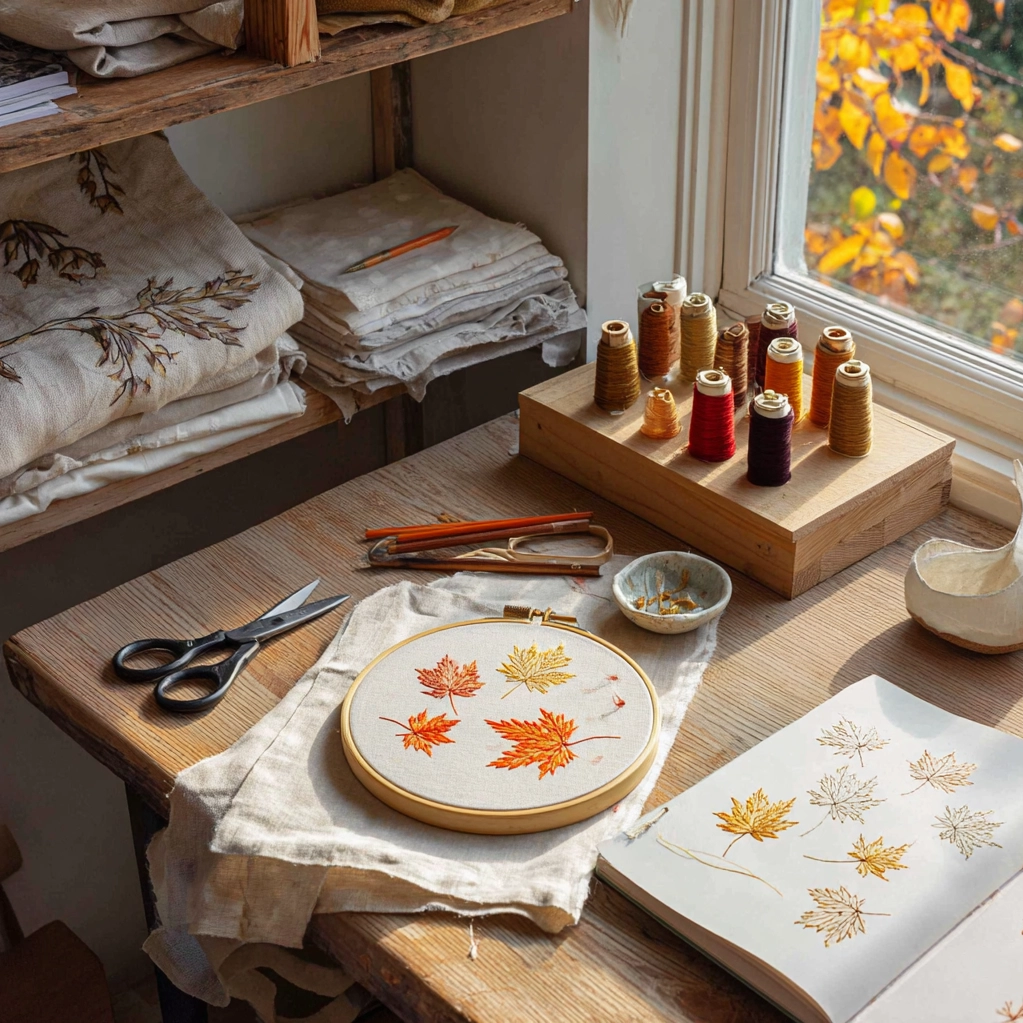
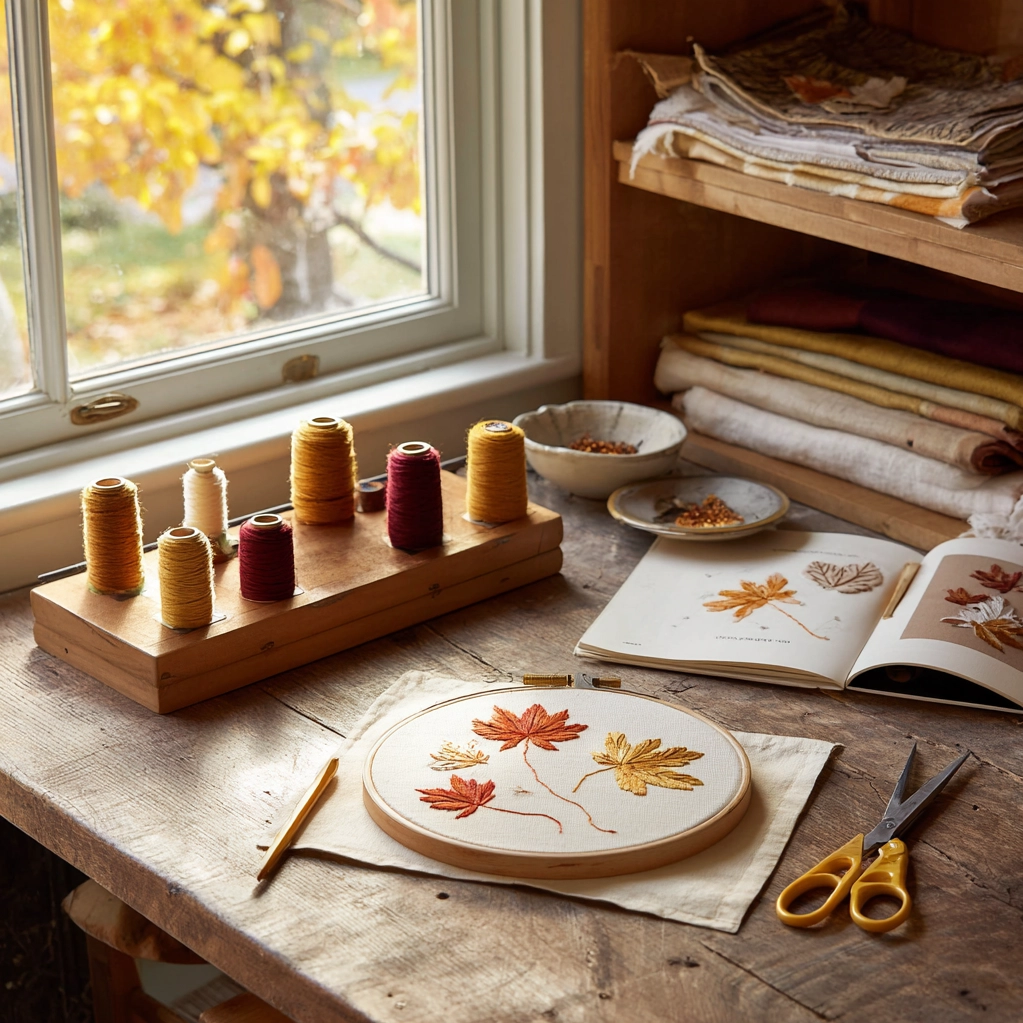
Discovering the perfect fall embroidery patterns begins with nature's inspiration. Maple leaves, acorns, pumpkins, and harvest moons provide classic motifs that instantly evoke autumn's spirit. These designs work beautifully on pillow covers, creating cozy additions to your living room or bedroom. Consider stitching a wreath of autumn leaves on a neutral linen pillow for subtle seasonal charm. For table decor, embroider simple pumpkin motifs on placemats or napkins to elevate everyday meals into festive occasions. Don't overlook wall art—hoop embroidery featuring detailed oak leaves or abstract autumn landscapes makes stunning displays. The key to successful fall embroidery patterns lies in choosing colors that mirror the season: burnt orange, deep red, golden yellow, and earthy browns. These hues work harmoniously together, creating depth and warmth in your finished pieces. When selecting patterns, consider both traditional and modern interpretations. Classic botanical designs offer timeless appeal, while geometric autumn patterns provide contemporary flair. Remember that simpler patterns often have the greatest impact, especially when executed with attention to texture and color variation in your threads.
Creative Fall Embroidery Techniques for Textured Masterpieces
Mastering creative fall embroidery techniques elevates your projects from simple crafts to textured masterpieces. Start with basic stitches like satin stitch for smooth pumpkin surfaces or French knots for realistic acorn textures. These foundational stitches create dimension that brings autumn motifs to life. Experiment with thread weight variation—using thicker threads for bold outlines and finer threads for delicate details adds professional polish. Consider incorporating mixed media by combining embroidery with fabric appliqué. Cut felt leaves and stitch them onto your background fabric, then add embroidered veins for realistic texture. This approach creates stunning dimensional pieces perfect for autumn wall hangings. Another creative technique involves using variegated thread that shifts through autumn colors within a single strand. This creates natural-looking gradients on leaves and pumpkins without changing threads. For advanced stitchers, stumpwork techniques allow you to create three-dimensional elements like raised acorns or curling leaves that literally pop off the fabric. Don't forget about fabric choice—textured linens, wool blends, and burlap provide perfect backdrops for fall designs. Each fabric interacts differently with thread, creating unique visual effects. Practice these techniques on small projects first, then incorporate them into larger pieces as your confidence grows.
Practical Fall Embroidery Projects for Every Room
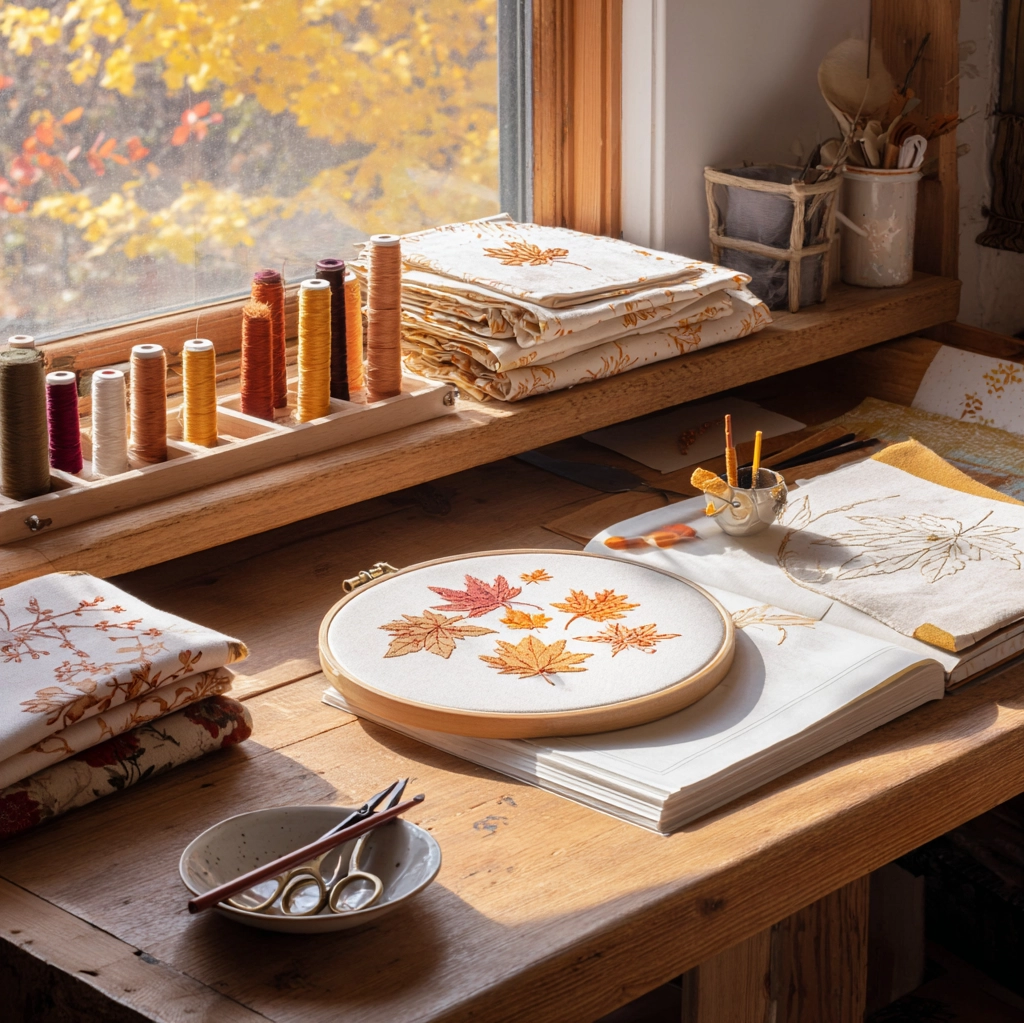
Implementing practical fall embroidery projects transforms your entire home with seasonal charm. Begin with functional items that serve both decorative and practical purposes. Embroidered tea towels featuring autumn motifs like falling leaves or harvest baskets add festive cheer to your kitchen while remaining useful. Create coordinating oven mitts with simple pumpkin designs for a cohesive look. In the living room, consider embroidering a throw blanket's border with repeating leaf patterns. This large-scale project provides hours of relaxing stitching while creating a centerpiece for cozy evenings. For bedroom decor, stitch delicate autumn foliage along pillowcase edges or create a framed embroidery piece for your nightstand. Don't neglect smaller spaces—embroider autumn motifs on storage baskets or create seasonal coasters for your coffee table. Outdoor spaces benefit from weather-resistant fall embroidery projects too. Create durable pillow covers for patio furniture using outdoor fabric and UV-resistant thread. These withstand autumn's changing conditions while adding seasonal style. When planning practical projects, consider maintenance—choose fabrics and threads that can withstand regular use and cleaning. Pre-wash fabrics to prevent shrinkage, and use quality threads that maintain color through washing. Each project should balance beauty with functionality, creating pieces you'll enjoy using throughout the season and beyond.
Color Palettes and Materials for Authentic Fall Embroidery
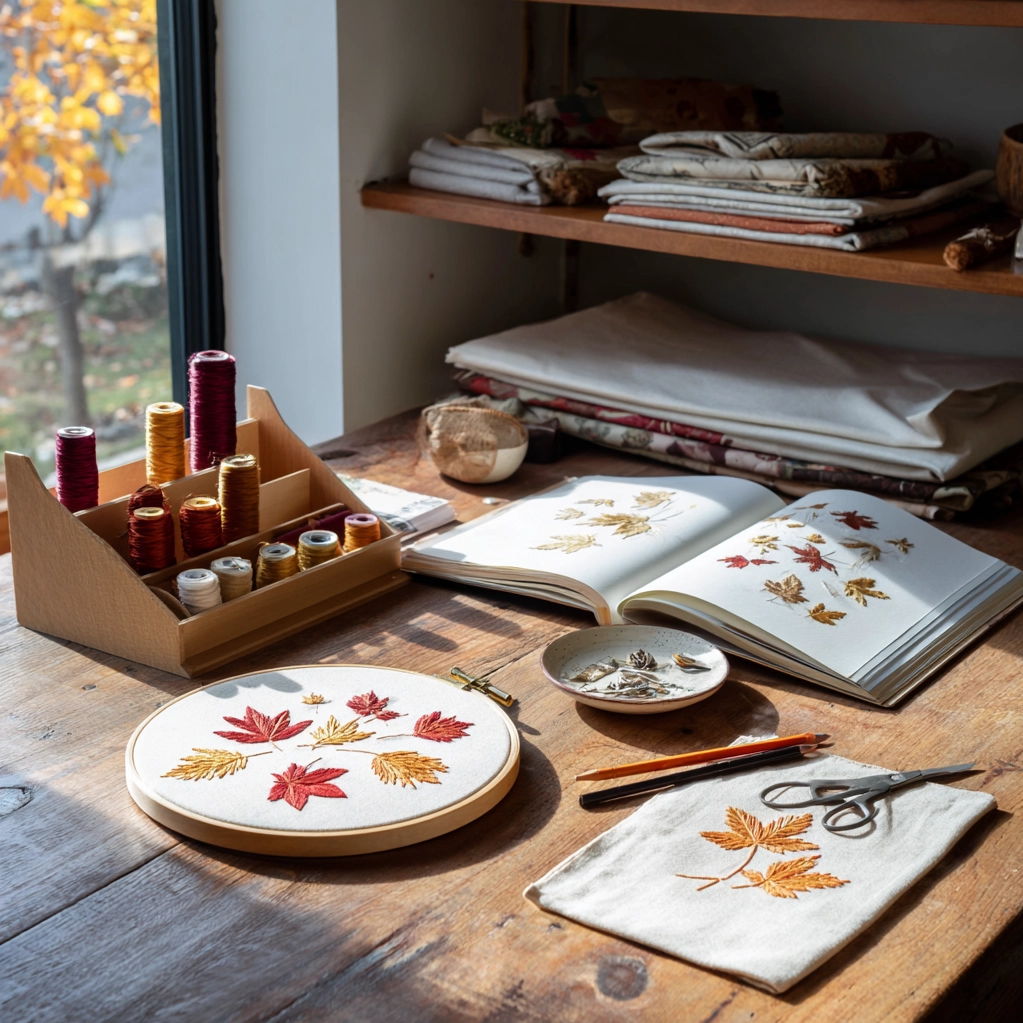
Selecting the right color palettes and materials ensures your fall embroidery projects capture autumn's authentic essence. Begin with a foundation of earthy neutrals—cream, taupe, and soft gray fabrics provide perfect canvases for autumn colors to shine. These backgrounds allow your embroidery to take center stage without overwhelming your decor. When choosing thread colors, gather inspiration from nature itself. Collect fallen leaves and observe their color transitions from green to gold to crimson. Purchase threads in these shades, plus complementary colors like deep plum and forest green for contrast. Quality materials make significant differences in your finished pieces. Opt for embroidery-specific threads like stranded cotton or silk blends that offer rich color saturation. These threads separate easily for varying thicknesses and maintain vibrancy over time. For fabric, natural fibers like linen, cotton, and wool felt work best with autumn themes. Their textures enhance the organic feel of fall designs. Consider incorporating specialty materials like metallic threads for moonlight effects or wool yarn for textured tree trunks. Proper hoops and needles complete your toolkit—wooden hoops provide tension for even stitching, while embroidery needles with larger eyes accommodate multiple thread strands. Store your materials organized by color family to streamline your creative process. As you work, notice how different materials interact—silk threads shimmer on matte fabrics, while matte threads provide subtle texture on shiny surfaces. This attention to materials elevates your fall embroidery from craft to art.
Conclusion
Fall embroidery offers more than seasonal decoration—it provides a creative connection to autumn's fleeting beauty. Through these projects, you transform simple materials into cherished pieces that warm your home and spirit. The process itself becomes a mindful practice, slowing down to appreciate each stitch as leaves fall outside your window. As you develop your skills, you'll discover endless variations on autumn themes, from traditional harvest motifs to abstract interpretations of changing light. Remember that imperfection adds character to handmade items, telling stories of cozy afternoons spent creating. Looking forward, consider expanding your fall embroidery practice into a year-round tradition. Document seasonal changes through stitching, creating a visual diary of nature's cycles. Share your creations with friends and family, perhaps starting a seasonal stitching circle. Most importantly, continue experimenting with new techniques and materials as your confidence grows. Each autumn brings fresh inspiration—different leaf colors, changing light patterns, new decorative needs in your home. Let these natural variations guide your creative journey. Whether you complete one small project or several elaborate pieces, your fall embroidery will become part of your seasonal traditions, creating warmth that lasts long after the last leaf has fallen.
Frequently Asked Questions
Q: What are the best fabrics for beginner fall embroidery projects?
For beginners starting fall embroidery, choose medium-weight cotton or linen fabrics with visible weave patterns. These fabrics provide stability for stitching while allowing needles to pass through easily. Cotton blends with slight texture work particularly well for autumn themes, as they resemble natural materials. Avoid very thick fabrics like denim or very thin fabrics like silk until you've mastered basic stitches. Pre-wash your fabric to prevent shrinkage, and use a medium-sized embroidery hoop (6-8 inches) for comfortable handling. These materials offer forgiveness for beginners while producing beautiful results.
Q: How do I choose autumn colors for my embroidery threads?
Select autumn embroidery thread colors by observing nature directly. Collect leaves, acorns, and other seasonal items from your area. Notice how colors transition—green fading to yellow, orange deepening to red, browns with purple undertones. Purchase threads in these observed shades rather than relying on preconceived ideas of 'fall colors.' Include contrasting colors like deep blue or plum to make warm tones pop. Start with a basic palette of 5-7 colors, then expand as needed. Variegated threads that shift through autumn hues can simplify color selection while creating natural gradients in your work.
Q: Can I create fall embroidery without traditional patterns?
Absolutely! Creating fall embroidery without traditional patterns encourages unique artistic expression. Begin by sketching simple autumn shapes freehand on fabric with water-soluble pens. Observe real leaves and translate their shapes and vein patterns into stitches. Experiment with abstract interpretations of autumn light or landscape elements. Use different stitches to represent textures—chain stitch for branches, French knots for seed heads, satin stitch for smooth pumpkin surfaces. This approach develops your personal style while capturing autumn's essence authentically. Remember that nature itself provides the best inspiration, so take your embroidery outside and stitch what you see around you.