Room Ideas Aesthetic: 14 Transformative Secrets for Stunning Spaces

Creating a beautiful living space goes beyond mere decoration—it’s about crafting an environment that reflects your personality, enhances your mood, and transforms how you experience your home. The quest for the perfect room ideas aesthetic has become more important than ever as we spend increasing amounts of time in our personal spaces. Whether you’re starting from scratch with a blank canvas or looking to refresh an existing room, understanding aesthetic principles can make all the difference between a space that simply exists and one that truly inspires. This journey isn’t just about following trends—it’s about discovering what resonates with you personally and creating a harmonious environment that supports your lifestyle. Many people struggle with where to begin when approaching room design, feeling overwhelmed by choices or unsure how to translate inspiration into reality. The truth is that every great space begins with intentional choices about color, texture, lighting, and arrangement. By focusing on these fundamental elements, you can create rooms that not only look beautiful but also feel genuinely comfortable and functional. In this guide, we’ll explore practical approaches to developing your unique aesthetic vision, breaking down complex design concepts into manageable steps that anyone can apply. Whether you prefer minimalist serenity, cozy maximalism, or something in between, the key lies in understanding how different elements work together to create a cohesive whole. Your home should be your sanctuary, and with the right room ideas aesthetic approach, you can transform any space into a reflection of your best self.
Room Ideas Aesthetic: Mastering Color and Texture Harmony
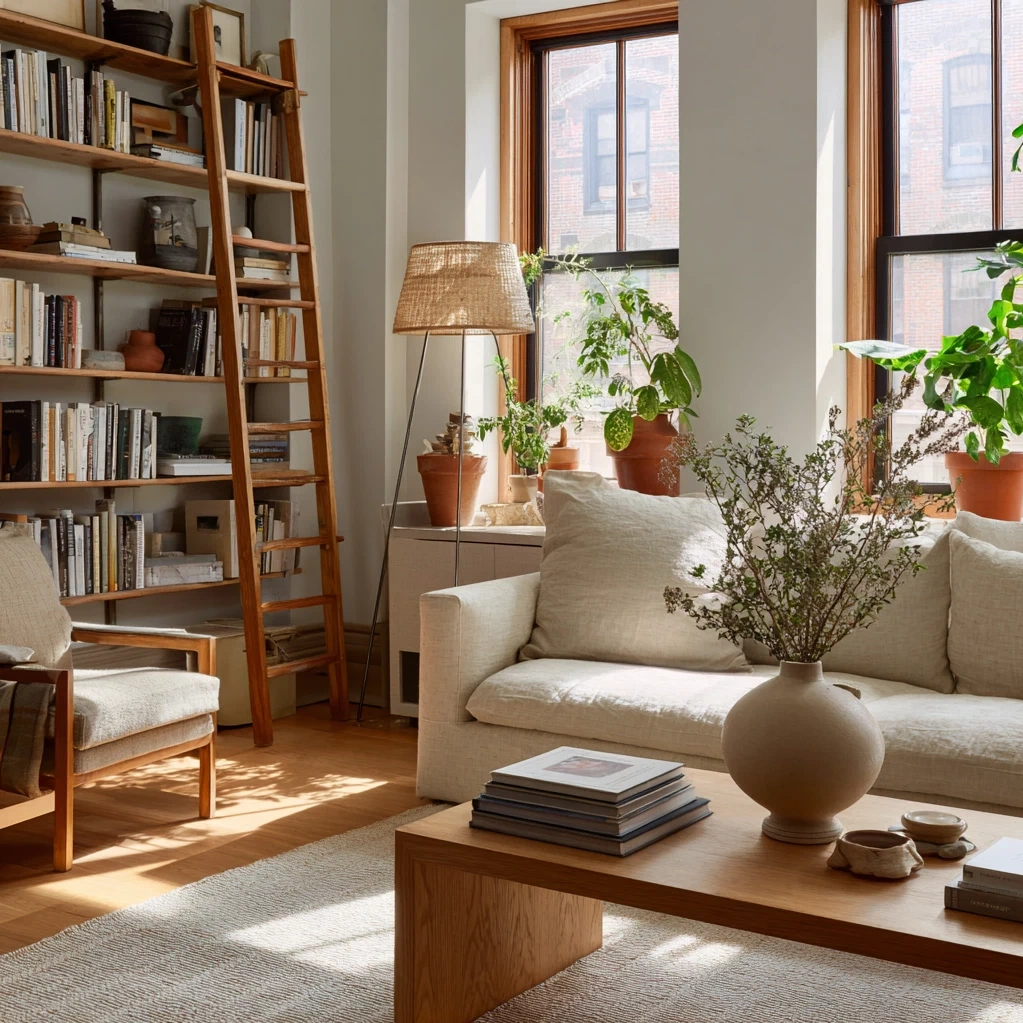
The foundation of any compelling room aesthetic begins with thoughtful color and texture selection. Color sets the emotional tone of a space, influencing how you feel every time you enter the room. Warm tones like terracotta, mustard yellow, and deep burgundy create cozy, inviting atmospheres perfect for living rooms and bedrooms. Cooler shades such as sage green, soft blue, and pale gray promote calm and concentration, making them ideal for home offices and reading nooks. When developing your room ideas aesthetic, consider not just wall colors but how different hues interact through furniture, textiles, and decorative elements. Texture adds depth and tactile interest that prevents spaces from feeling flat or sterile. Mix smooth surfaces like polished wood or glass with rougher elements such as woven baskets, knit throws, or natural stone. A velvet sofa paired with linen curtains creates visual contrast that feels both luxurious and approachable. Don't forget about scale—varying the size of textured elements keeps the eye moving through the space. For example, a large shag rug can anchor a room while smaller textured pillows add detail without overwhelming. The most successful room aesthetics achieve balance through intentional contrast, creating spaces that feel layered and lived-in rather than overly curated. Remember that natural materials like wood, stone, and wool often bring warmth that synthetic alternatives can't replicate. As you develop your color and texture palette, consider how light affects different materials throughout the day, and choose combinations that maintain their appeal in various lighting conditions.
Room Ideas Aesthetic: Furniture Arrangement and Flow Principles
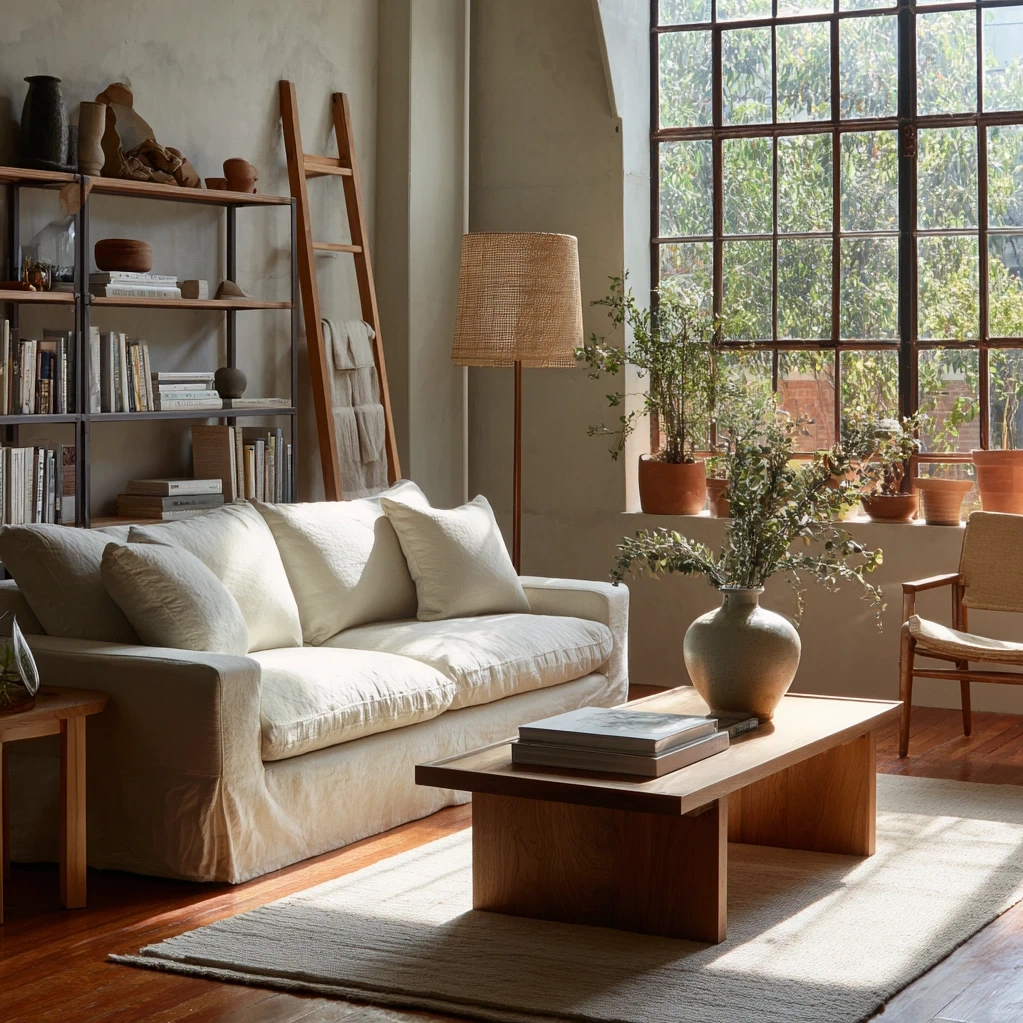
How you arrange furniture fundamentally shapes both the functionality and aesthetic appeal of any room. Proper furniture placement creates natural pathways, defines different zones within a space, and enhances the overall room ideas aesthetic you're trying to achieve. Start by identifying the room's focal point—whether it's a fireplace, large window with a view, or a striking piece of artwork—and arrange seating to highlight this feature. Avoid pushing all furniture against walls, as floating pieces in the room's center often creates more intimate conversation areas and better traffic flow. Consider the concept of negative space, which refers to the empty areas between and around objects. Strategic use of negative space prevents rooms from feeling cluttered while allowing key pieces to stand out. When working with smaller spaces, multi-functional furniture becomes essential for maintaining both aesthetics and practicality. A storage ottoman can serve as extra seating, a coffee table, and hidden storage all in one. Pay attention to scale relationships between pieces; a massive sectional might overwhelm a modest living room, while dainty chairs could get lost in a grand space. The height of furniture also matters—mixing lower-profile pieces with taller elements creates visual interest and prevents monotony. For bedrooms, ensure there's clear access to closets and windows, and consider the view from the doorway when positioning the bed. In dining areas, allow at least 36 inches between the table and walls or other furniture for comfortable chair movement. These practical considerations support your room ideas aesthetic by creating spaces that are as functional as they are beautiful.
Room Ideas Aesthetic: Lighting Strategies for Ambiance and Function
Lighting represents one of the most powerful yet frequently overlooked elements in developing a compelling room ideas aesthetic. Proper illumination transforms how colors appear, influences perceived space, and sets the entire mood of a room. A layered lighting approach combining ambient, task, and accent sources creates depth and flexibility that single-source lighting can't achieve. Ambient lighting provides general illumination through ceiling fixtures, chandeliers, or recessed lighting, establishing the room's baseline brightness. Task lighting serves specific functions, such as reading lamps beside armchairs, under-cabinet lights in kitchens, or focused desk lamps in home offices. Accent lighting highlights architectural features, artwork, or decorative elements, adding drama and dimension to your space. When planning your lighting scheme, consider both natural and artificial sources. Maximize daylight through strategic window treatments that control glare while maintaining connection to the outdoors. As evening falls, dimmer switches allow you to adjust artificial lighting to match different activities and moods. The color temperature of bulbs significantly impacts your room's aesthetic—warmer tones (2700K-3000K) create cozy, intimate atmospheres perfect for living rooms and bedrooms, while cooler daylight bulbs (3500K-5000K) enhance concentration in workspaces. Don't neglect decorative lighting elements themselves as part of your aesthetic. A statement chandelier can serve as a room's focal point, while sculptural floor lamps add artistic interest. Consider how light interacts with different surfaces—glass and metallic finishes reflect and amplify light, while matte surfaces absorb it. By thoughtfully combining these lighting elements, you can create a room ideas aesthetic that adapts beautifully to different times of day and various activities.
Room Ideas Aesthetic: Personalization Through Art and Accessories
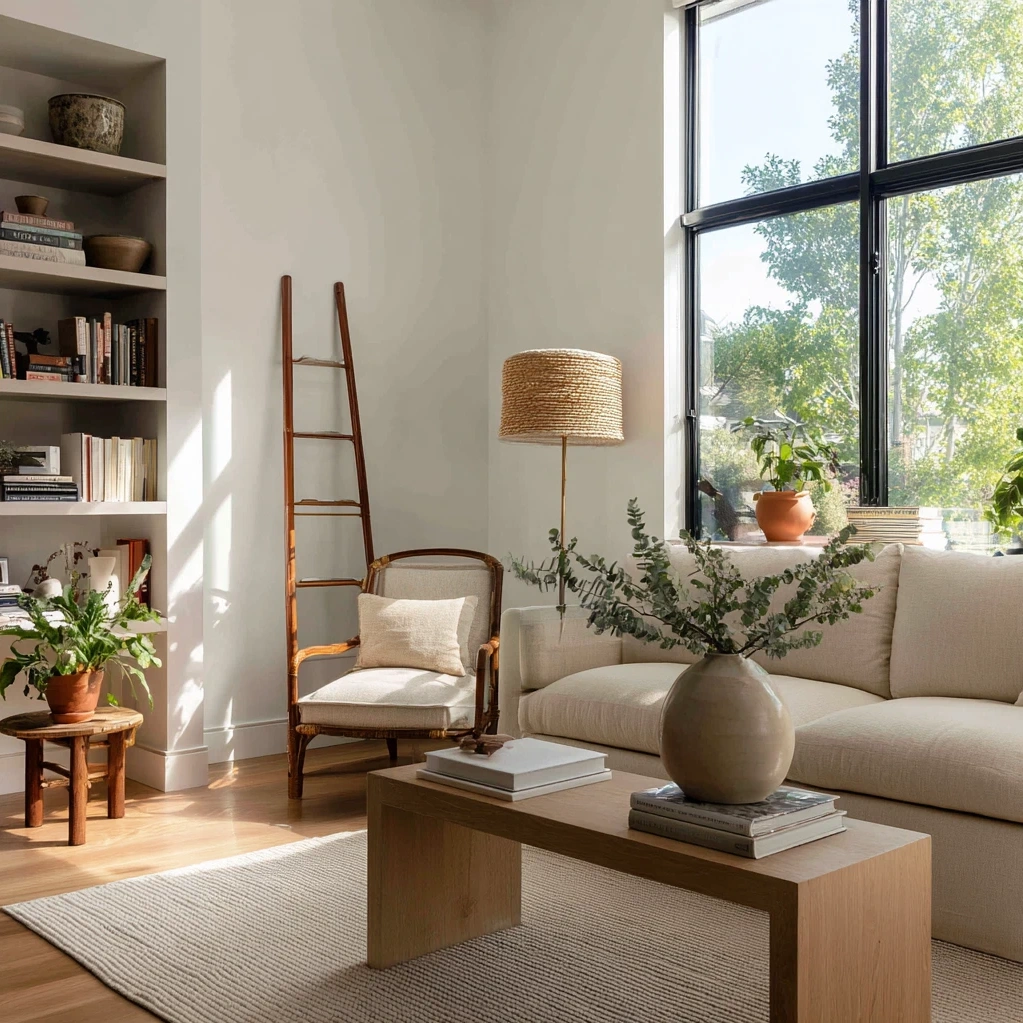
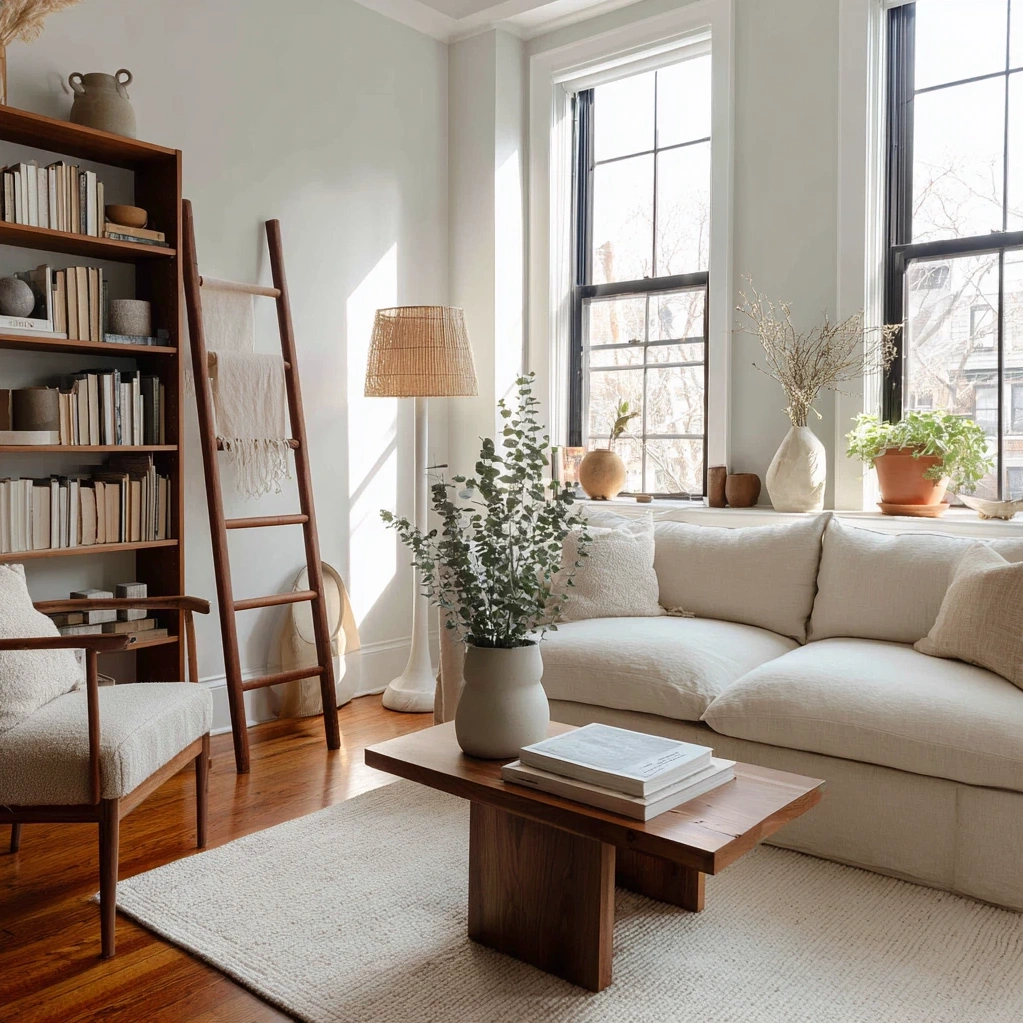
The final layer in crafting your perfect room ideas aesthetic comes through personal touches that transform generic spaces into reflections of your unique personality. Art, accessories, and collected objects inject character and tell your personal story in ways that furniture and paint colors alone cannot achieve. When selecting artwork, consider both scale and placement—a single large piece can anchor a wall, while gallery-style arrangements of smaller works create dynamic visual interest. Mix different art mediums like paintings, photographs, and textiles to add depth to your display. Don't feel constrained by traditional frames; leaning artwork on shelves or mantels creates a casual, collected-over-time aesthetic. Accessories represent opportunities to introduce color, texture, and personality in manageable doses. Books stacked on coffee tables, curated collections displayed on shelves, and thoughtfully arranged decorative objects all contribute to your room's narrative. Plants deserve special mention in any discussion of room aesthetics, as they bring life, color, and improved air quality to interiors. Consider both the plants themselves and their containers as design elements—a dramatic fiddle-leaf fig in a woven basket creates a different effect than succulents in minimalist ceramic pots. Textiles like throw pillows, blankets, and rugs offer easily changeable ways to update your aesthetic with seasons or changing tastes. When arranging accessories, employ the rule of odd numbers for visual appeal, and vary heights to create pleasing compositions. Remember that editing is as important as adding—clutter distracts from your carefully curated aesthetic. Periodically reassess your accessories, keeping only those that truly bring you joy or serve a purpose. This personal layer completes your room ideas aesthetic, transforming designed spaces into truly lived-in homes that tell your unique story.
Conclusion
Creating your ideal room aesthetic is a journey of self-discovery as much as it is a design process. Throughout this exploration of color, furniture arrangement, lighting, and personalization, we've uncovered how intentional choices in these areas can transform ordinary spaces into extraordinary environments that reflect your personality and enhance daily living. The 14 principles discussed here—from mastering color harmony to strategic lighting approaches—provide a comprehensive framework for developing spaces that are both beautiful and functional. Remember that the most successful room ideas aesthetic evolves naturally over time, incorporating elements that hold personal meaning while maintaining visual cohesion. Don't feel pressured to implement everything at once; great spaces often develop gradually as you discover what truly resonates with you. As you move forward with your design journey, stay open to experimentation and adaptation. Your tastes may change, and your spaces should have the flexibility to grow with you. Consider keeping a design journal or digital folder to collect inspiration, track what works in your space, and note ideas for future projects. The ultimate goal isn't perfection but creating environments that support your wellbeing and bring you genuine joy every day. Whether you're refreshing a single room or reimagining your entire home, these principles will serve as your guide toward spaces that not only look stunning but feel authentically yours. Your home should be your sanctuary, and with thoughtful attention to aesthetic details, you can create exactly that.
Frequently Asked Questions
Q: How do I choose a cohesive room ideas aesthetic when I like multiple styles?
Many people struggle with combining different aesthetic preferences, and the solution often lies in finding common threads rather than forcing a single style. Start by identifying elements that appear across your favorite inspirations—perhaps you notice recurring color palettes, similar textures, or consistent lighting moods. Create a mood board with images representing your various interests, then look for connections. You might discover that while you love both minimalist and bohemian styles, they share an appreciation for natural materials and organic shapes. Another approach is to designate different aesthetics to different rooms or zones within larger spaces. Your living room might lean toward mid-century modern while your bedroom embraces cozy cottage charm. As long as transitions between spaces feel intentional rather than jarring, mixing styles can create dynamic, personalized environments. Focus on maintaining consistent elements like color stories, material quality, or lighting approaches to create cohesion across varied aesthetics.
Q: What are common mistakes people make when trying to achieve a specific room ideas aesthetic?
Several common pitfalls can undermine even well-intentioned design efforts. First, many people overlook scale and proportion, choosing furniture that's either too large or too small for their space. Always measure your room and existing pieces before purchasing new items. Second, inadequate lighting planning creates spaces that are either too dim for functionality or harshly overlit. Implement the layered lighting approach discussed in this article. Third, people often neglect the importance of negative space, overcrowding rooms with too many decorative elements. Edit your accessories regularly, keeping only those that serve a purpose or bring genuine joy. Fourth, matching everything too perfectly creates sterile, hotel-like environments rather than lived-in homes. Intentionally incorporate some variation in texture, color, or style to add character. Finally, many design efforts fail because they prioritize trends over personal preference. Your room ideas aesthetic should reflect your lifestyle and tastes, not just current popularity. By avoiding these common mistakes, you'll create spaces that are both beautiful and authentically yours.
Q: How can I update my room ideas aesthetic without completely redecorating?
Refreshing your aesthetic doesn't require starting from scratch or breaking your budget. Begin with small, impactful changes that deliver maximum visual impact. Switching out throw pillows, blankets, and other textiles can instantly transform a color scheme or introduce new textures. Rearranging furniture costs nothing but can completely change a room's flow and feel. Update lighting fixtures or simply change bulbs to warmer or cooler temperatures to alter the mood. Introduce plants—they add life, color, and improved air quality while being relatively inexpensive. Consider painting just one accent wall rather than the entire room for dramatic effect. Swap out artwork or create new displays using items you already own arranged in fresh ways. Change cabinet hardware, switch plates, or other small fixtures for quick updates that add polish. If you have built-in shelves, reorganize them with intentional styling. Sometimes simply editing and decluttering can reveal your space's best features. These gradual changes allow your aesthetic to evolve naturally while keeping the process manageable and enjoyable.