Small Sitting Rooms: Transform Your Cozy Space with Genius Design Solutions

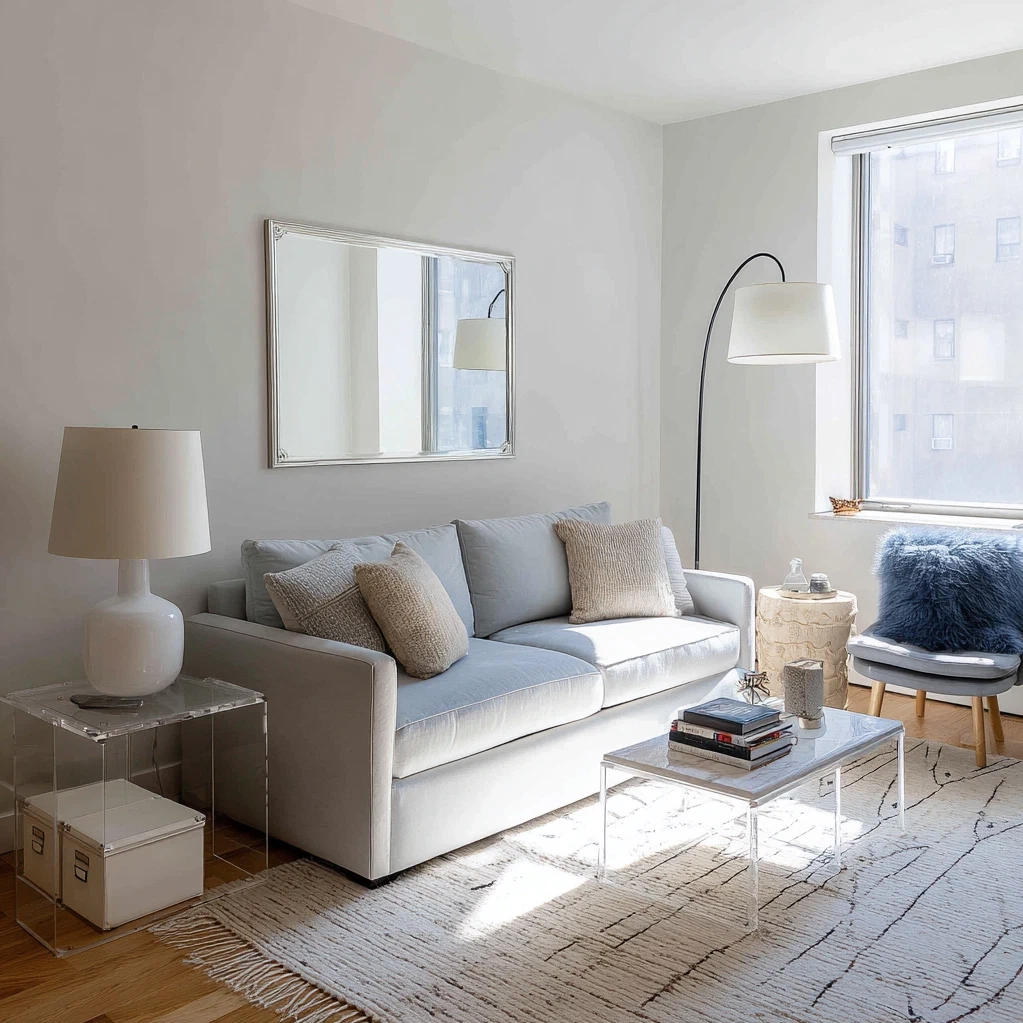
Small sitting rooms often get a bad reputation for feeling cramped and impractical, but they hold incredible potential to become the most inviting spaces in your home. In today’s urban living environments where square footage comes at a premium, mastering the art of designing compact sitting areas has never been more valuable. These intimate spaces force us to think creatively about how we use every inch, leading to solutions that are not only functional but often more thoughtful and personalized than larger rooms. The challenge of a small sitting room becomes an opportunity to create something truly special—a sanctuary that reflects your style while serving multiple purposes. When approached with intention, these compact areas can offer everything from cozy reading nooks to elegant entertaining spaces. This guide will show you how to maximize your small sitting room’s potential, proving that size limitations don’t have to mean compromising on comfort or style. With smart planning and strategic choices, your small sitting room can become your favorite spot in the house. Let’s explore how to make the most of every square foot while creating a space that feels both functional and fabulous.
Smart Furniture Choices for Small Sitting Rooms
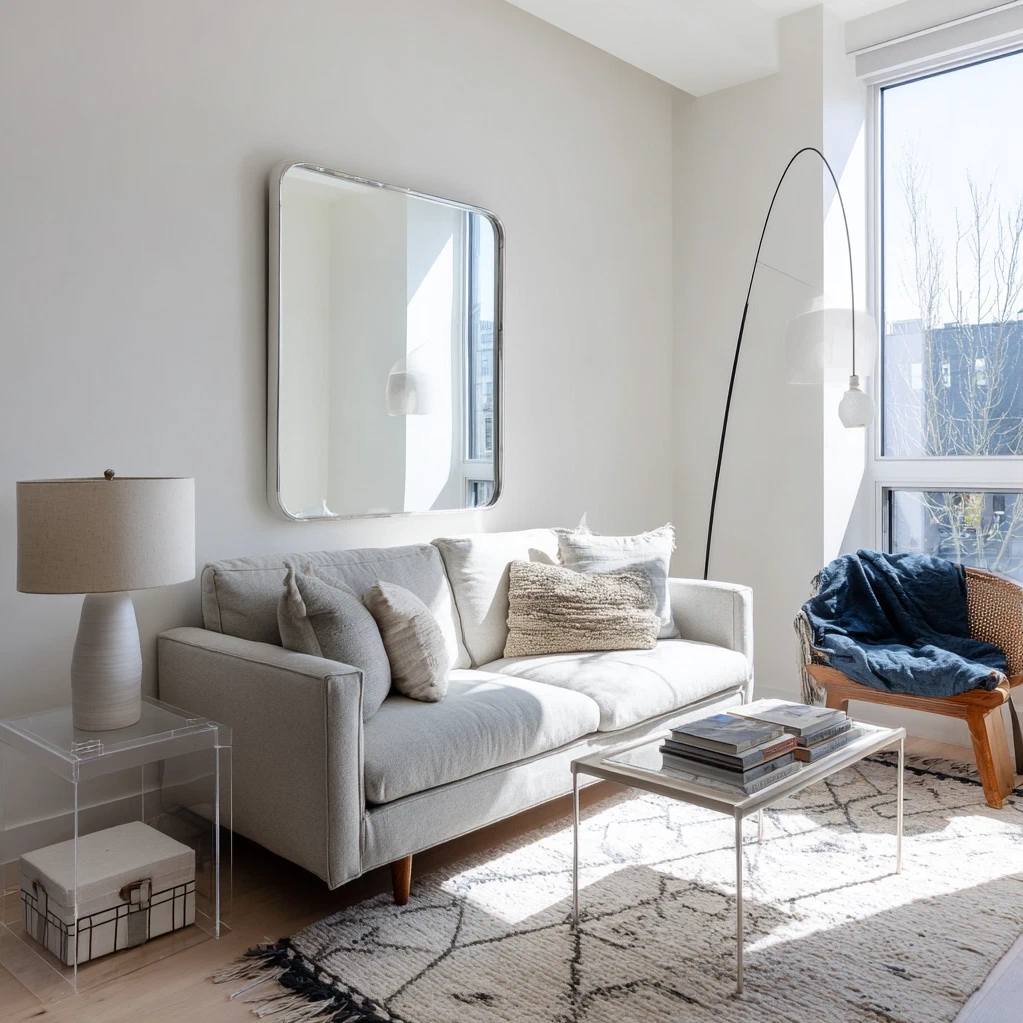
Selecting the right furniture is the foundation of any successful small sitting room design. The key lies in choosing pieces that serve multiple functions without overwhelming the space. Start with a compact sofa or loveseat instead of a full-sized sectional—consider apartment-sized options that maintain comfort while reducing footprint. Nesting tables offer flexible surface space that can be expanded when needed and tucked away when not in use. Look for furniture with built-in storage, like ottomans that open to reveal hidden compartments or coffee tables with drawers. Transparent furniture pieces, such as acrylic or glass coffee tables, create the illusion of more space by allowing light to pass through and views to extend. Consider wall-mounted shelves instead of bulky bookcases, and floating consoles that don't touch the floor, creating visual breathing room beneath. When arranging furniture in small sitting rooms, think about flow and accessibility. Place the largest piece (usually the sofa) against the longest wall, and create conversation areas by positioning chairs at angles rather than straight lines. Leave adequate pathways—at least 18 inches between furniture pieces—to ensure the room feels navigable rather than cramped. Remember that furniture legs can make a big difference: pieces with exposed legs create an airy feel by showing more floor space. Every piece you bring into your small sitting room should earn its place through both function and form.
Lighting Strategies That Enhance Small Sitting Rooms
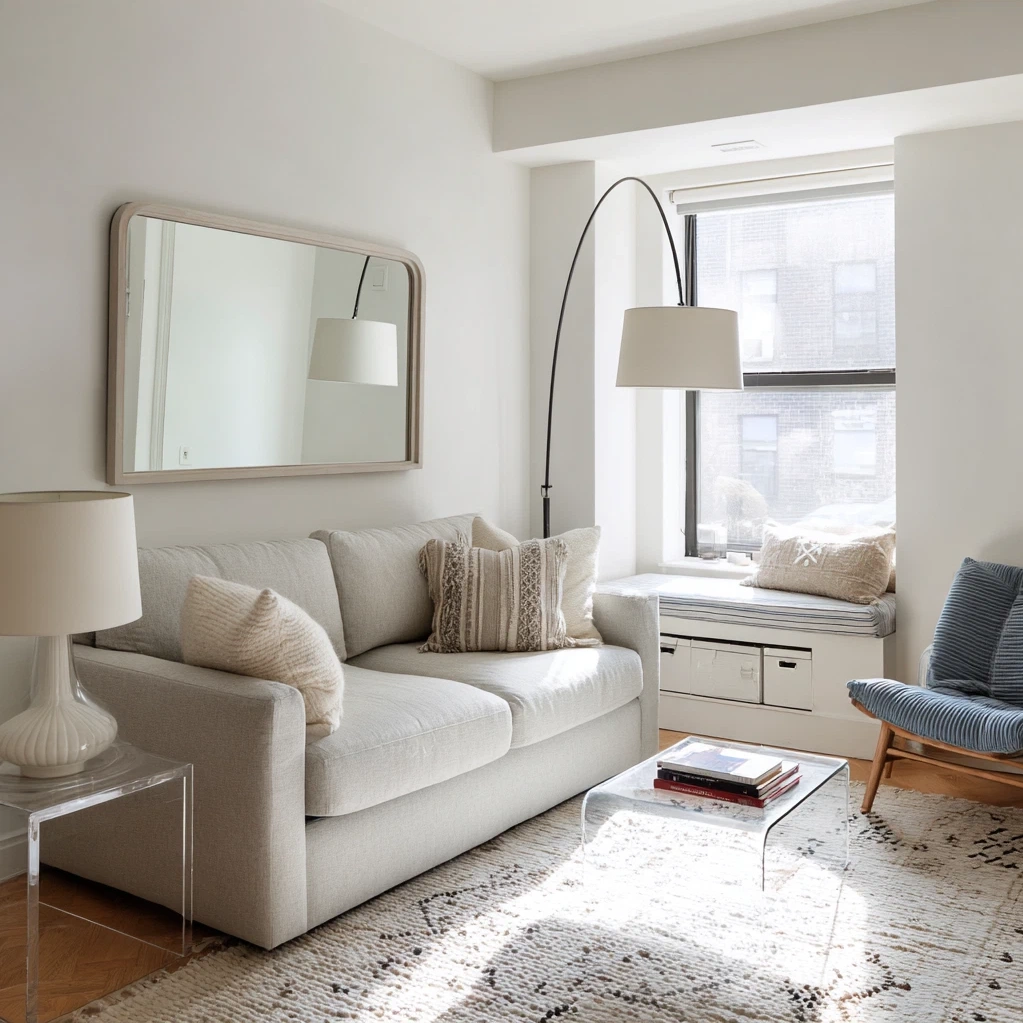
Proper lighting can transform the perception of space in small sitting rooms, making them feel larger, brighter, and more inviting. Layered lighting is essential—combine ambient, task, and accent lighting to create depth and dimension. Start with ambient lighting: ceiling-mounted fixtures or recessed lights provide overall illumination. For small sitting rooms, consider flush-mount or semi-flush mount fixtures that don't hang too low, preserving vertical space. Task lighting comes next: table lamps on side tables or floor lamps in corners provide focused light for reading or other activities. Choose slender floor lamp designs that don't take up visual space, and consider wall-mounted swing-arm lamps that can be positioned exactly where needed. Accent lighting adds the final layer: LED strip lights under shelves, picture lights above artwork, or small spotlights highlighting architectural features. Mirrors strategically placed opposite light sources can double the effect by reflecting light throughout the room. In small sitting rooms, natural light is your best friend. Keep window treatments minimal—sheer curtains or simple blinds that can be fully opened during the day. If privacy isn't a concern, consider leaving windows bare to maximize sunlight. Light colors on walls and ceilings help reflect both natural and artificial light, while glossy finishes can amplify this effect. Dimmers offer flexibility, allowing you to adjust lighting levels based on time of day and activity. Remember that the quality of light matters as much as quantity: warm white bulbs (2700K-3000K) create a cozy atmosphere perfect for small sitting rooms.
Color and Texture Techniques for Small Sitting Rooms
Color and texture play crucial roles in defining the character and perceived size of small sitting rooms. While conventional wisdom suggests light colors to make spaces feel larger, don't be afraid to use bold colors strategically. A monochromatic color scheme creates visual continuity that makes rooms feel more expansive. If you love dark colors, consider using them on a single accent wall or in smaller doses through accessories. Vertical stripes, whether through wallpaper or paint techniques, can make ceilings appear higher. Texture adds depth and interest without adding visual clutter. Mix different textures—a plush rug, smooth leather chairs, nubby throw pillows, and metallic accents—to create a rich, layered look. In small sitting rooms, scale matters: choose smaller patterns that won't overwhelm the space. Geometric patterns can actually make walls recede when used correctly. Mirrors are your secret weapon: a large mirror on the main wall can instantly double the perceived space. Consider mirrored furniture or accessories for subtle reflection. Window treatments should be simple and functional—roman shades or roller blinds take up minimal visual space. If using curtains, hang them high and wide to create the illusion of taller windows and more wall height. Flooring continuity helps small sitting rooms feel larger: if possible, use the same flooring material as adjacent spaces. Area rugs should be appropriately sized—too small makes the room feel disjointed, while too large overwhelms it. The rule of thumb: all furniture legs should either be completely on or completely off the rug. Remember that personal touches—artwork, photographs, collections—add character without necessarily taking up physical space.
Multi-Functional Layouts for Small Sitting Rooms
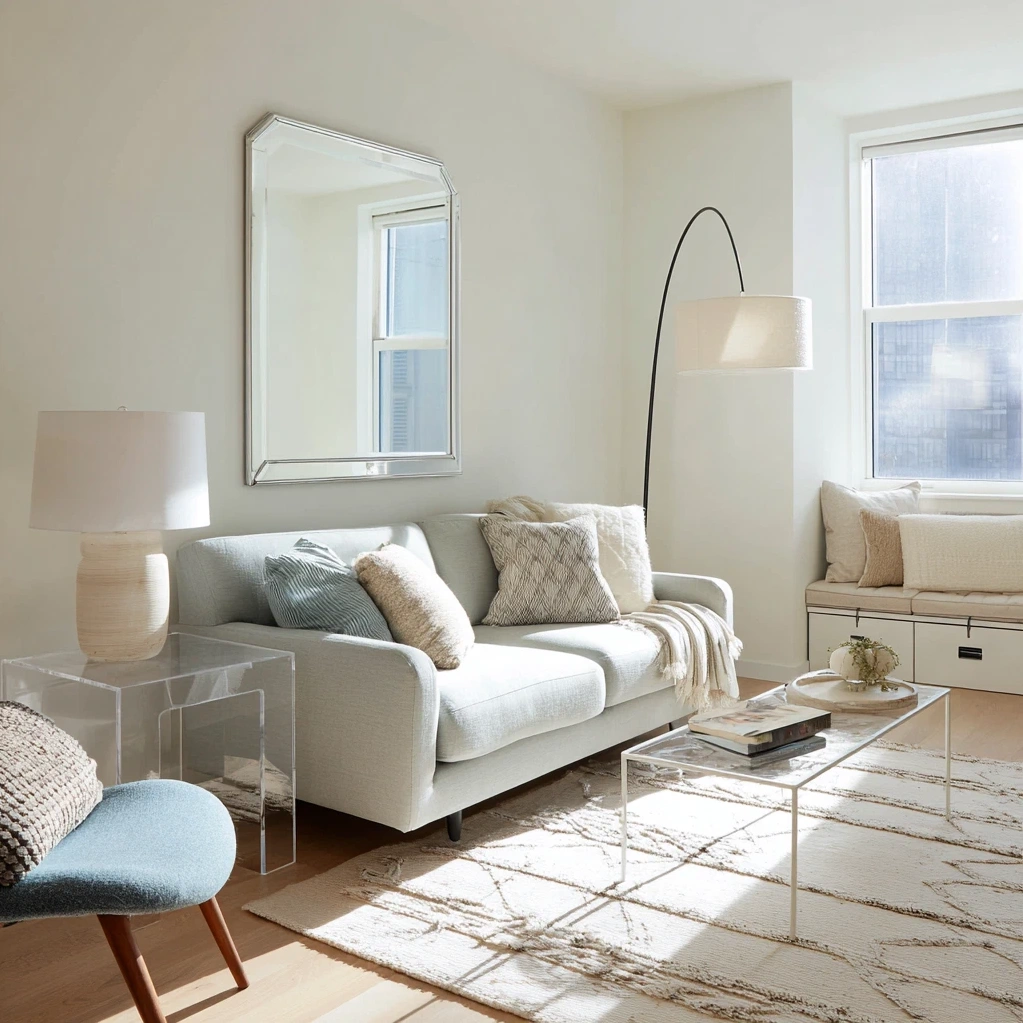
The most successful small sitting rooms serve multiple purposes without feeling cluttered or chaotic. Start by defining the room's primary functions: will it be mainly for relaxing, entertaining, working, or a combination? Once you know the priorities, you can plan accordingly. For small sitting rooms that need to double as home offices, consider a wall-mounted desk that folds down when not in use, or a console table that serves as both workspace and surface for decor. If entertaining is important, ensure there's flexible seating—floor cushions that can be stored away, or stools that tuck under tables. Built-in storage is invaluable in multi-functional small sitting rooms. Window seats with hidden compartments, shelves that reach the ceiling, and custom cabinetry that fits awkward corners all maximize space. Don't forget vertical space: walls offer storage opportunities that don't consume floor area. When arranging a multi-functional small sitting room, create zones without physical barriers. Use area rugs to define different areas, or arrange furniture to suggest separate spaces. A bookshelf placed perpendicular to a wall can create a subtle division between a sitting area and a workspace. Lighting should support each function: brighter lights for work areas, softer lighting for relaxation zones. Traffic flow is particularly important in multi-purpose small sitting rooms. Ensure there are clear pathways between different zones, and that furniture arrangements don't block access to storage or other areas. Regularly edit and rotate accessories and decor items to keep the space feeling fresh without accumulating clutter. The most effective multi-functional small sitting rooms feel intentional rather than accidental—each element serves a purpose while contributing to an overall harmonious design.
Conclusion
Designing a small sitting room presents unique challenges, but as we've explored, these challenges become opportunities for creative solutions that result in spaces that are both highly functional and deeply personal. From selecting multi-purpose furniture to implementing smart lighting strategies, each decision contributes to making the most of every square inch. Remember that small sitting rooms benefit from careful editing—every item should serve a purpose or bring joy. The intimacy of these spaces can actually work to your advantage, creating cozy environments that foster connection and relaxation. As you implement these strategies, keep flexibility in mind: your needs may change over time, and your small sitting room should be able to adapt. Don't be afraid to experiment with arrangements and elements until you find what works best for your lifestyle. Looking forward, the trend toward mindful living and space optimization will only continue to grow, making the skills you've developed here increasingly valuable. Your small sitting room isn't just a temporary solution—it's a testament to thoughtful design that prioritizes quality over quantity. Start with one change today, whether it's rearranging furniture for better flow or adding a mirror to enhance light, and watch as your compact space transforms into your favorite retreat.
Frequently Asked Questions
Q: What is the best color scheme for making a small sitting room look larger?
Light, neutral colors generally make small sitting rooms appear more spacious because they reflect light and create a sense of airiness. Opt for whites, light grays, soft beiges, or pale blues. However, you can incorporate darker colors strategically—consider using them on a single accent wall or through accessories to add depth without overwhelming the space. Monochromatic schemes (different shades of the same color) work particularly well as they create visual continuity. Remember that sheen matters too: eggshell or satin finishes reflect more light than flat paints, helping to brighten the room.
Q: How can I add storage to my small sitting room without making it feel cluttered?
Maximize vertical space with floor-to-ceiling shelves or wall-mounted units. Choose furniture with built-in storage, such as ottomans with hidden compartments, coffee tables with drawers, or benches that open up. Look for multi-functional pieces: a storage trunk can serve as both a coffee table and a place to store blankets. Use the space behind sofas for slim console tables with shelves. Don't forget about corners—corner shelves or cabinets utilize often-wasted space. The key is to keep storage organized and edited regularly to prevent accumulation of unnecessary items that contribute to clutter.
Q: What type of seating works best in a very small sitting room?
For very small sitting rooms, consider apartment-sized sofas or loveseats that are scaled appropriately. Armless chairs take up less visual space and can be tucked under tables when not in use. Benches or ottomans provide flexible seating that can be moved as needed. Stackable stools are excellent options—they can be used individually or combined to create longer seating when you have guests. Look for furniture with exposed legs rather than pieces that sit directly on the floor, as this creates the illusion of more space. When possible, choose lightweight pieces that are easy to rearrange based on your needs.