Spring Cleaning Aesthetic: Transform Your Space with Refreshing Elegance

As winter’s chill gives way to warmer days, many of us feel the urge to refresh our living spaces. But what if spring cleaning could be more than just a chore? Enter the ‘spring cleaning aesthetic’ – a holistic approach that combines practical decluttering with intentional design to create spaces that feel light, airy, and revitalized. This isn’t about mindlessly scrubbing surfaces; it’s about cultivating an environment that supports your wellbeing and reflects the renewal happening outside your windows.
The spring cleaning aesthetic recognizes that our surroundings deeply impact our mood and productivity. When done thoughtfully, this seasonal ritual can transform your home from a cluttered winter retreat into a sanctuary of clarity and calm. By focusing on both function and beauty, you create spaces that not only look clean but feel energetically refreshed. This approach bridges the gap between traditional cleaning tasks and interior design principles, resulting in homes that are both practical and inspiring.
Embracing this aesthetic means considering how every cleaning decision contributes to your overall environment. From choosing natural cleaning products that leave behind pleasant scents to organizing items in visually pleasing ways, each step becomes part of creating a cohesive, rejuvenating space. The result is a home that doesn't just appear tidy but genuinely supports your wellbeing as you transition into the brighter months ahead.
Define Your Spring Cleaning Aesthetic Vision
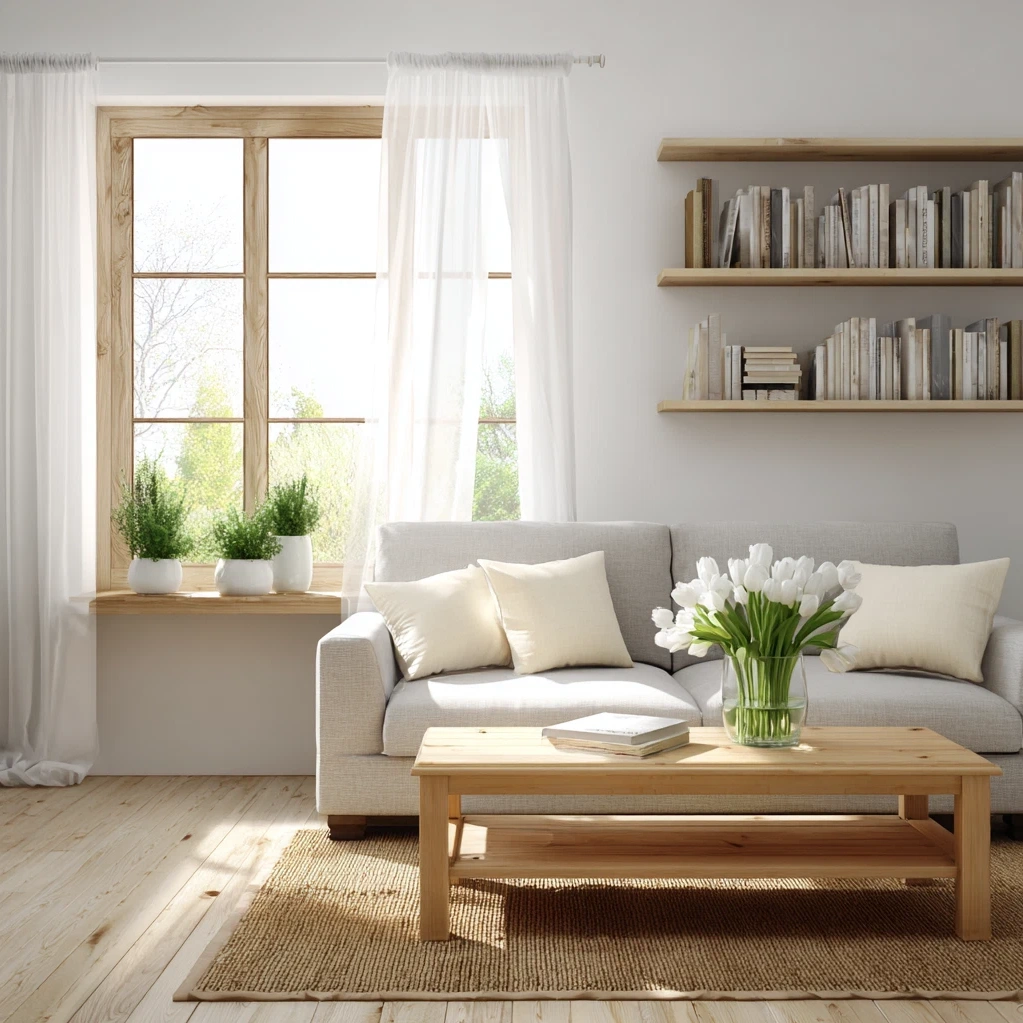
Before reaching for the vacuum, take time to envision what you want your space to feel like after your spring cleaning. The spring cleaning aesthetic begins with intention. Consider what elements make you feel most refreshed – perhaps natural light, minimal surfaces, or soothing color palettes. Look at your current space and identify what feels heavy or stagnant from winter months. Maybe it's dark curtains that block sunlight, cluttered surfaces that create visual noise, or furniture arrangements that disrupt flow.
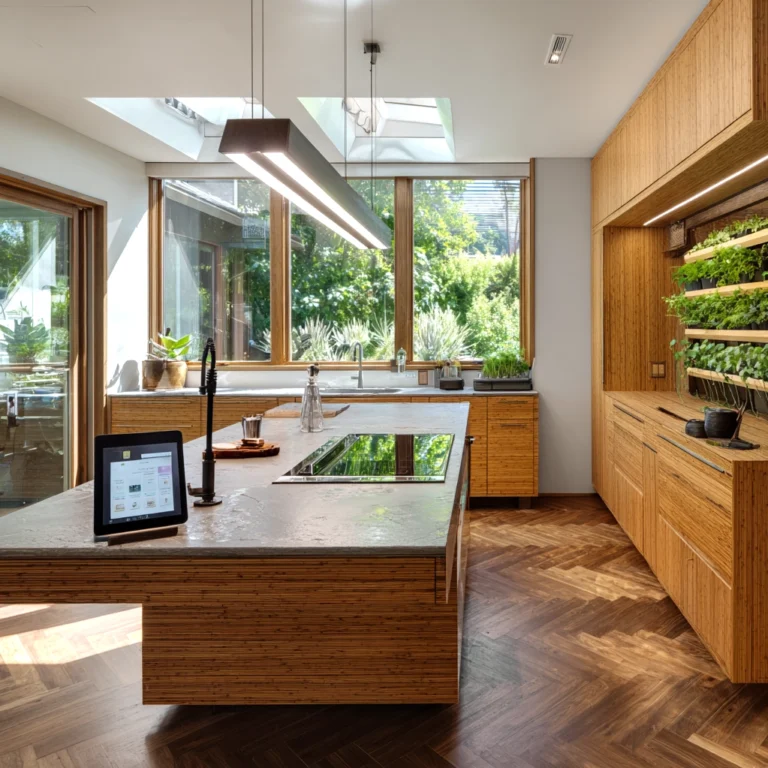
Create a simple mood board or list of aesthetic goals. Do you want your living room to feel like a sunny retreat? Your kitchen like an airy workspace? These visions will guide your cleaning and organizing decisions. For example, if you're aiming for a light and airy aesthetic, you might prioritize washing windows to maximize natural light, replacing heavy textiles with lighter fabrics, and clearing surfaces to create visual breathing room.
This planning phase transforms cleaning from a reactive task to a creative project. You're not just removing dirt; you're actively shaping your environment to support specific feelings and functions. Keep your aesthetic vision practical too – beautiful spaces should still work for your daily life. The spring cleaning aesthetic balances aspiration with reality, creating environments that are both inspiring and functional.
Essential Steps for a Spring Cleaning Aesthetic Makeover
With your vision clear, implement these key steps to achieve your spring cleaning aesthetic. Start with deep decluttering – remove items you haven't used since last spring, expired products, and anything that no longer serves you or your aesthetic goals. This creates physical and visual space for your refreshed environment. Be ruthless but thoughtful; ask if each item supports the feeling you're trying to create.
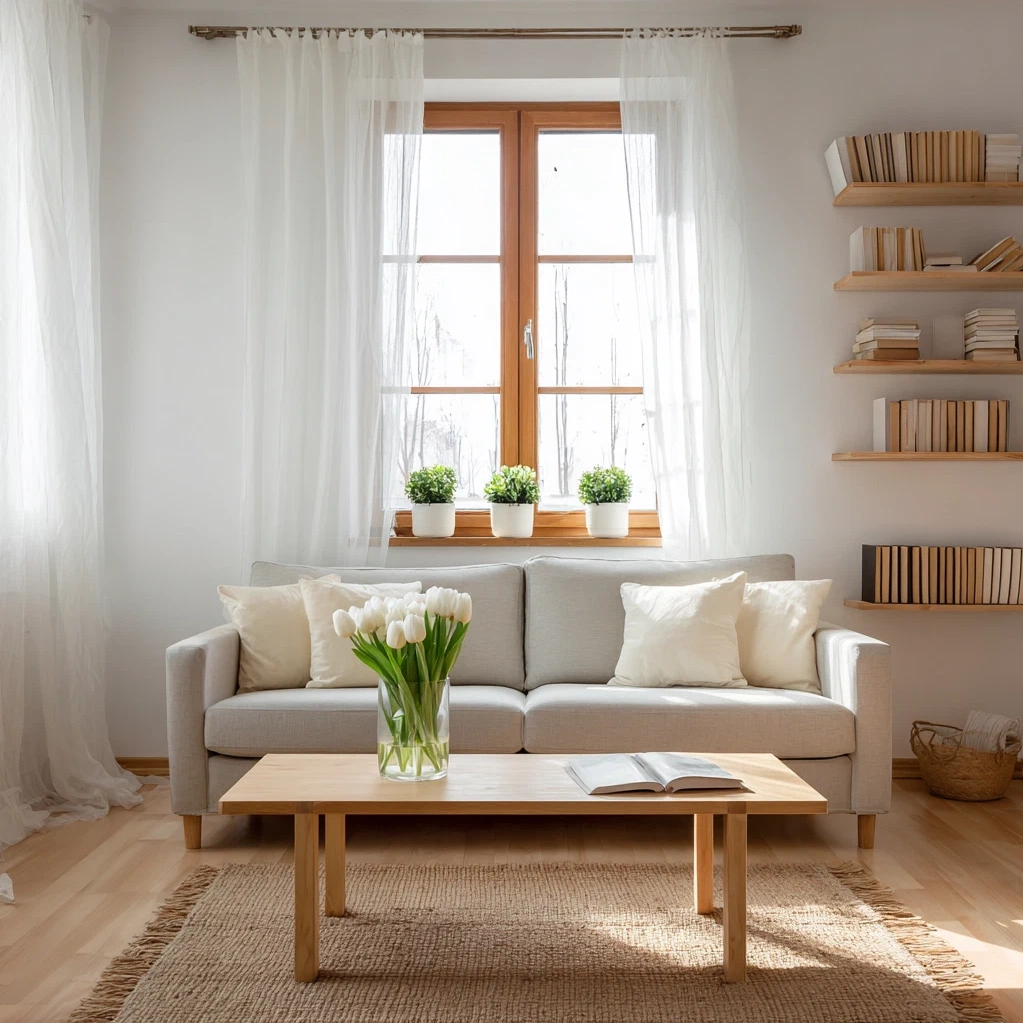
Next, clean with aesthetic awareness. Instead of just wiping surfaces, consider how cleaning contributes to your overall vision. Wash windows thoroughly to maximize light transmission. Clean floors with attention to material preservation. Dust high and low areas to ensure every surface contributes to a sense of freshness. Use natural cleaning products when possible – their subtle scents often enhance the spring-like atmosphere more than chemical alternatives.
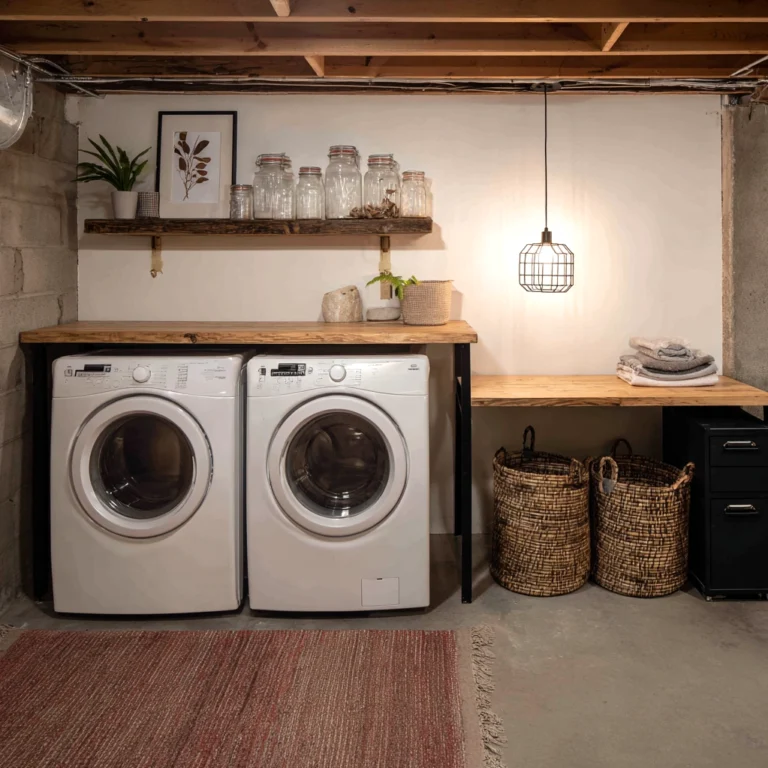
Finally, organize with intention. Storage solutions should be both functional and visually pleasing. Group similar items in attractive containers. Create designated zones for different activities. Arrange frequently used items in accessible yet aesthetically pleasing ways. The spring cleaning aesthetic extends to how things are stored – clear containers for pantry items, matching hangers in closets, and thoughtfully arranged bookshelves all contribute to the overall effect. Each organizational choice should serve both practical needs and your aesthetic vision.
Maintain Your Spring Cleaning Aesthetic Year-Round
The true beauty of the spring cleaning aesthetic lies in its sustainability. After investing time in creating your refreshed space, implement systems to maintain it. Start with daily micro-habits – making your bed each morning, clearing kitchen counters after use, and putting items back in their designated places. These small actions prevent clutter from accumulating and preserve the clean, intentional feeling you've created.
Establish weekly touchpoints for different areas of your home. Maybe Mondays are for quick surface wipes in living areas, Thursdays for bathroom refreshes, and Sundays for a quick decluttering sweep. These regular maintenance sessions keep your space from reverting to pre-spring cleaning chaos. They're much less overwhelming than waiting for another major cleaning marathon.
Seasonal adjustments help too. As summer approaches, you might swap out heavier textiles for lighter ones. Come fall, you can prepare for cozier months without losing the organized foundation you've built. The spring cleaning aesthetic becomes a living approach to home care – responsive to changing seasons and needs while maintaining core principles of clarity and intentionality. This ongoing attention prevents the 'boom and bust' cycle of major cleanings followed by gradual decline, keeping your space consistently refreshing.
Enhance Your Spring Cleaning Aesthetic with Simple Decor
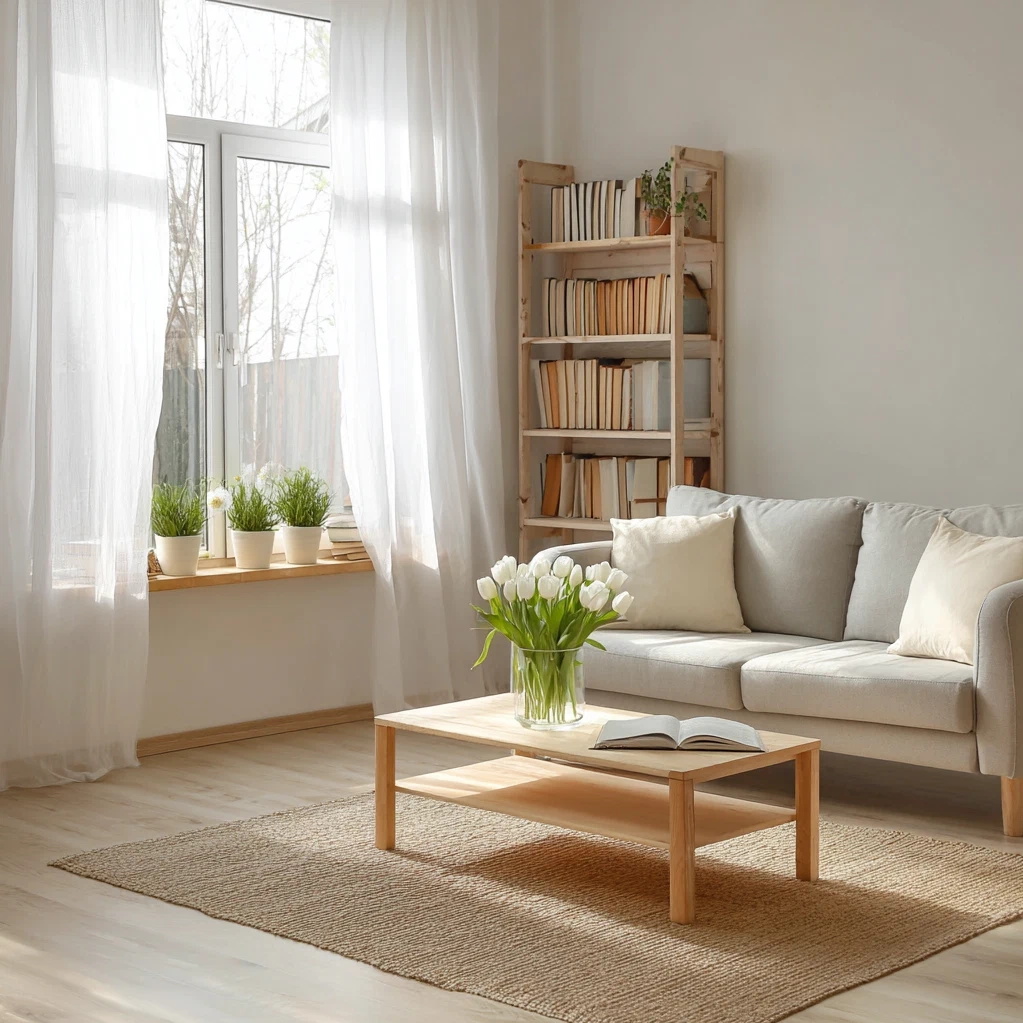
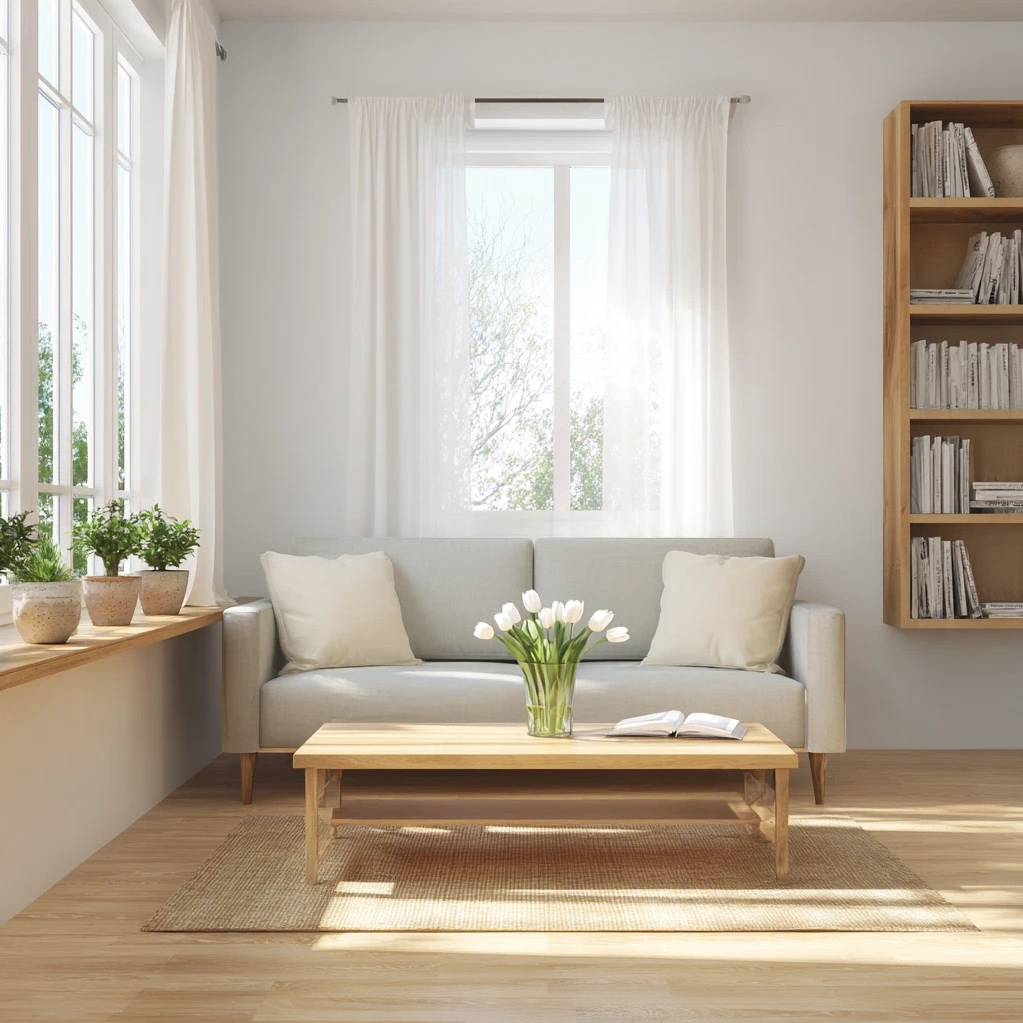
Once your space is clean and organized, subtle decor touches can elevate your spring cleaning aesthetic. Focus on elements that enhance the feelings you're cultivating. Fresh flowers or green plants bring life and color while improving air quality. Light, airy curtains maximize natural light while adding softness. A few well-chosen decorative objects on cleared surfaces can create focal points without clutter.
Consider your color palette. Spring cleaning often reveals opportunities to introduce lighter, brighter colors. A new throw pillow, fresh towels, or even repainted accent walls can reinforce the seasonal refresh. Stick to cohesive color stories that complement your existing decor rather than introducing competing elements. The goal is enhancement, not overwhelming change.
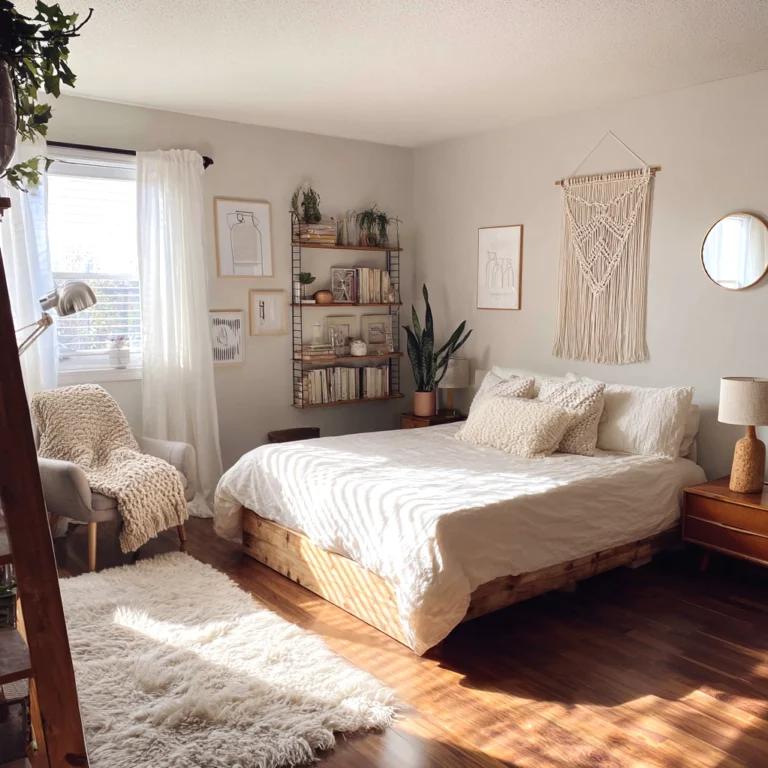
Pay attention to textures and materials. Natural fibers like cotton, linen, and wood often support a spring aesthetic better than synthetic alternatives. They feel lighter and connect your indoor space to the natural renewal happening outside. Even small changes – swapping plastic containers for woven baskets, or synthetic rugs for natural fiber options – can significantly impact how your space feels. These decor choices should feel intentional but not forced, naturally extending the clarity you've created through cleaning and organizing.
Conclusion
The spring cleaning aesthetic transforms a seasonal chore into an opportunity for meaningful home renewal. By combining practical cleaning with intentional design principles, you create spaces that don't just look tidy but genuinely support your wellbeing. This approach recognizes that our environments significantly impact our mood, productivity, and overall quality of life. When your home reflects the clarity and freshness of spring, you carry that energy into your daily routines and interactions.
Remember that achieving this aesthetic is a process, not a single event. Start with clear vision, implement thoughtful cleaning and organizing strategies, then maintain through consistent habits. The beauty of this approach is its adaptability – what works for a minimalist might differ from someone who loves collected decor, but both can achieve spaces that feel intentionally refreshed. The core principle remains the same: cleaning with awareness of how each action contributes to your desired atmosphere.
As you move forward, let your spring cleaning aesthetic evolve with your needs and seasons. What begins as a spring project can become a year-round philosophy for intentional living. Your home becomes not just a place you clean, but a space that actively contributes to your wellbeing. This ongoing relationship with your environment transforms maintenance from drudgery into a rewarding practice of self-care through space care.
Frequently Asked Questions
Q: How is the spring cleaning aesthetic different from regular spring cleaning?
Traditional spring cleaning focuses primarily on removing dirt, dust, and clutter through thorough cleaning tasks. The spring cleaning aesthetic expands this concept by integrating design principles and intentionality. It considers not just whether surfaces are clean, but how the entire space feels and functions. This approach asks questions like: Does this arrangement support clarity and calm? Do our organizational systems contribute to visual harmony? Are we using cleaning products that enhance rather than detract from the atmosphere? The aesthetic dimension transforms cleaning from a maintenance task into a creative opportunity to shape your environment according to specific feelings and functions you want to cultivate.
Q: Can I achieve a spring cleaning aesthetic in a small or cluttered space?
Absolutely. In fact, the spring cleaning aesthetic can be particularly impactful in smaller spaces where every element plays a significant visual role. Start by focusing on light and flow – even in compact areas, ensuring natural light reaches all corners and maintaining clear pathways creates a sense of spaciousness. Use multi-functional furniture and vertical storage to maximize utility without sacrificing aesthetics. In cluttered spaces, begin with ruthless decluttering before considering aesthetic enhancements. Often, simply removing excess items creates immediate visual improvement. Then implement organizational systems that are both functional and visually cohesive – matching containers, consistent labeling, and intentional arrangements can transform even crowded spaces into orderly, refreshing environments.
Q: How long does it take to establish a spring cleaning aesthetic?
The initial implementation typically requires a focused effort over several days or weekends, depending on your space size and starting condition. However, the spring cleaning aesthetic is best viewed as an ongoing practice rather than a one-time project. The deep cleaning and decluttering phase might take 2-5 days for an average home. The aesthetic refinement – organizing with intention, adding decor touches, establishing systems – often continues over several weeks as you live in the space and adjust based on what works. Most importantly, maintenance becomes integrated into daily and weekly routines, requiring minimal additional time once systems are established. Think of it as investing initial time to create systems that then make ongoing care more efficient and enjoyable.