Painting Pots Ideas: Inspiring Transformations for Your Space

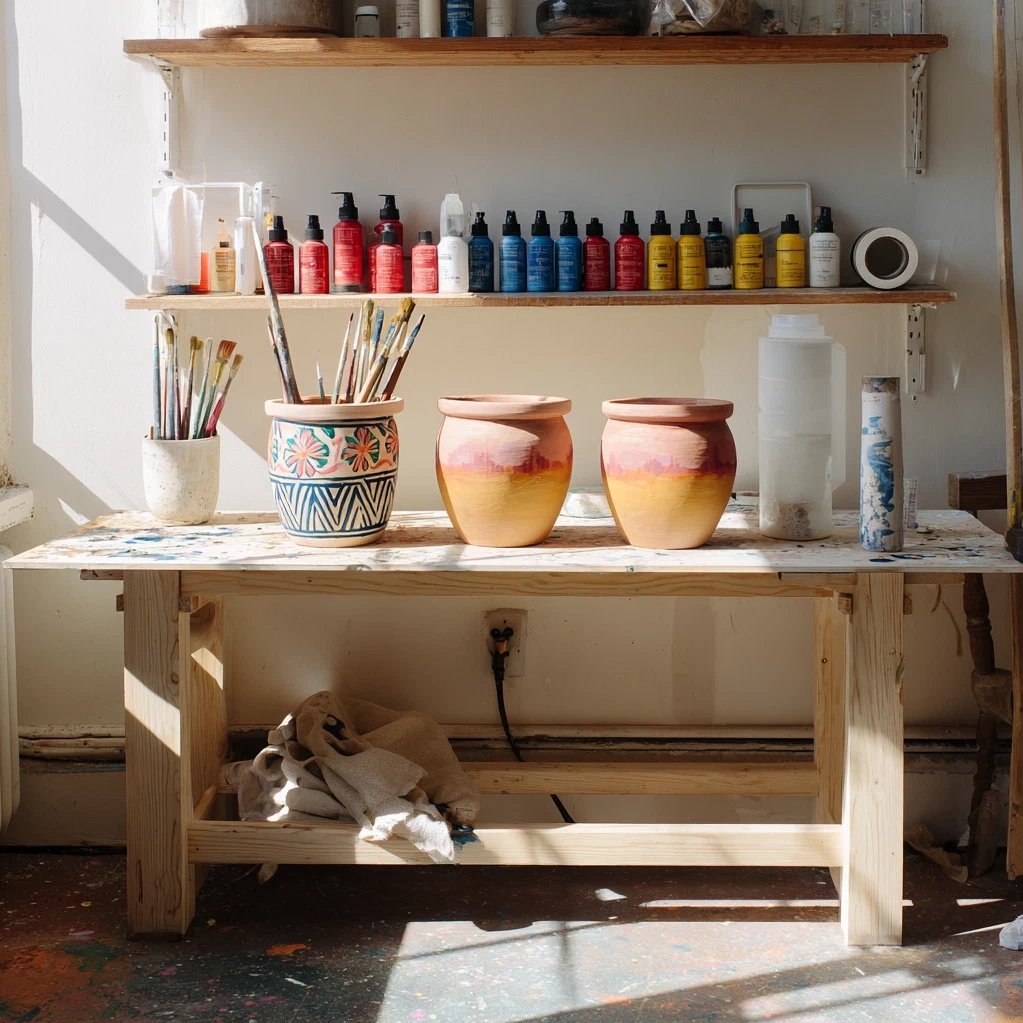
Have you ever looked at a plain, unadorned plant pot and seen untapped potential? Painting pots ideas aren’t just about adding color—they’re about infusing personality into your living spaces, creating unique decor elements, and giving new life to ordinary containers. Whether you’re a gardening enthusiast or someone looking to brighten up a windowsill, painted pots offer an accessible, creative outlet with immediate visual impact. This simple activity combines artistic expression with practical home improvement, allowing you to customize your environment without significant expense or expertise. The beauty of painting pots lies in its versatility. From minimalist geometric patterns to elaborate floral designs, the possibilities are limited only by your imagination. These personalized containers can transform how you display plants, organize spaces, and even how you feel about your home. They serve as focal points in rooms, conversation starters with guests, and satisfying projects that yield tangible results. As we explore various painting pots ideas, you’ll discover how this straightforward craft can elevate your decor while providing therapeutic benefits. The process of transforming a basic pot into something special engages both mind and hands, offering a break from digital screens and daily routines. Whether you’re working with terra cotta, ceramic, plastic, or concrete containers, each surface presents opportunities for creative expression. Let’s dive into techniques, materials, and inspirations that will help you create stunning painted pots that reflect your personal style and enhance your living environment.
Essential Painting Pots Ideas for Beginners
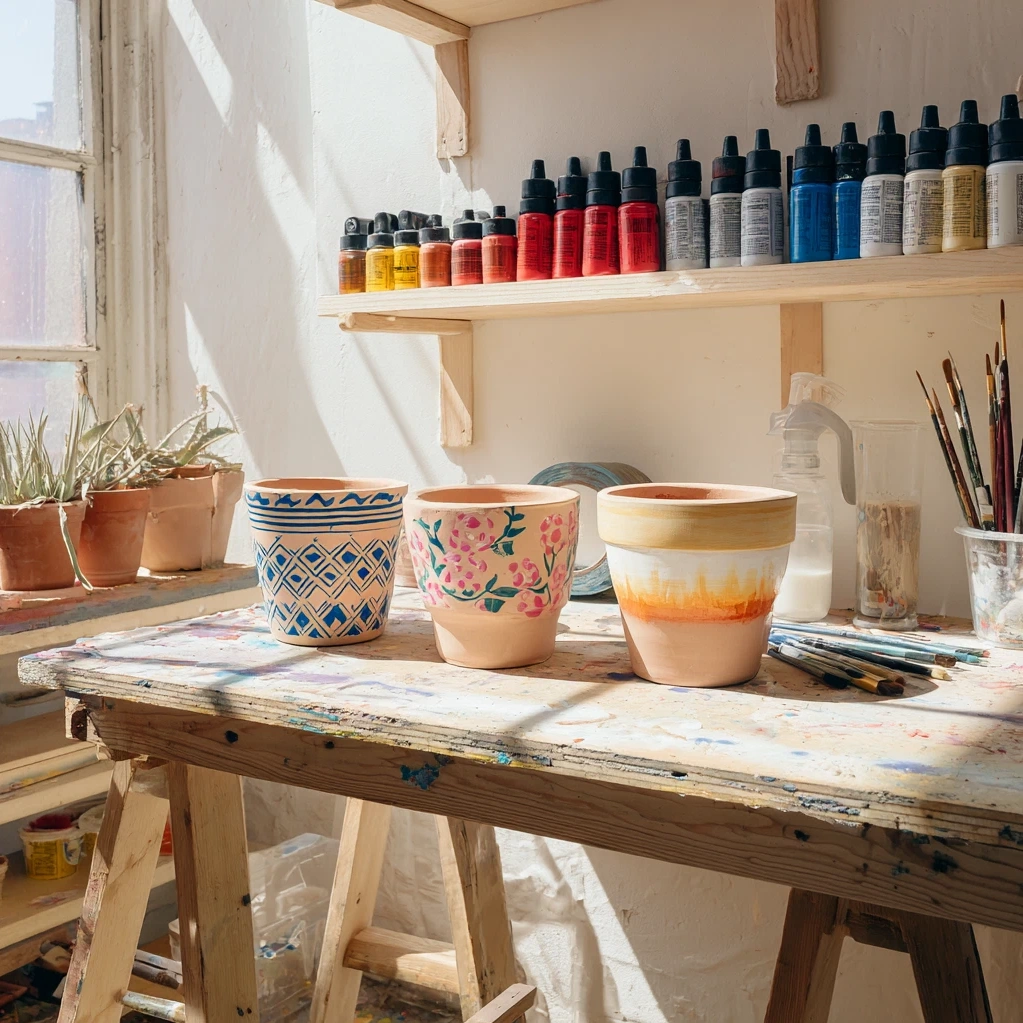
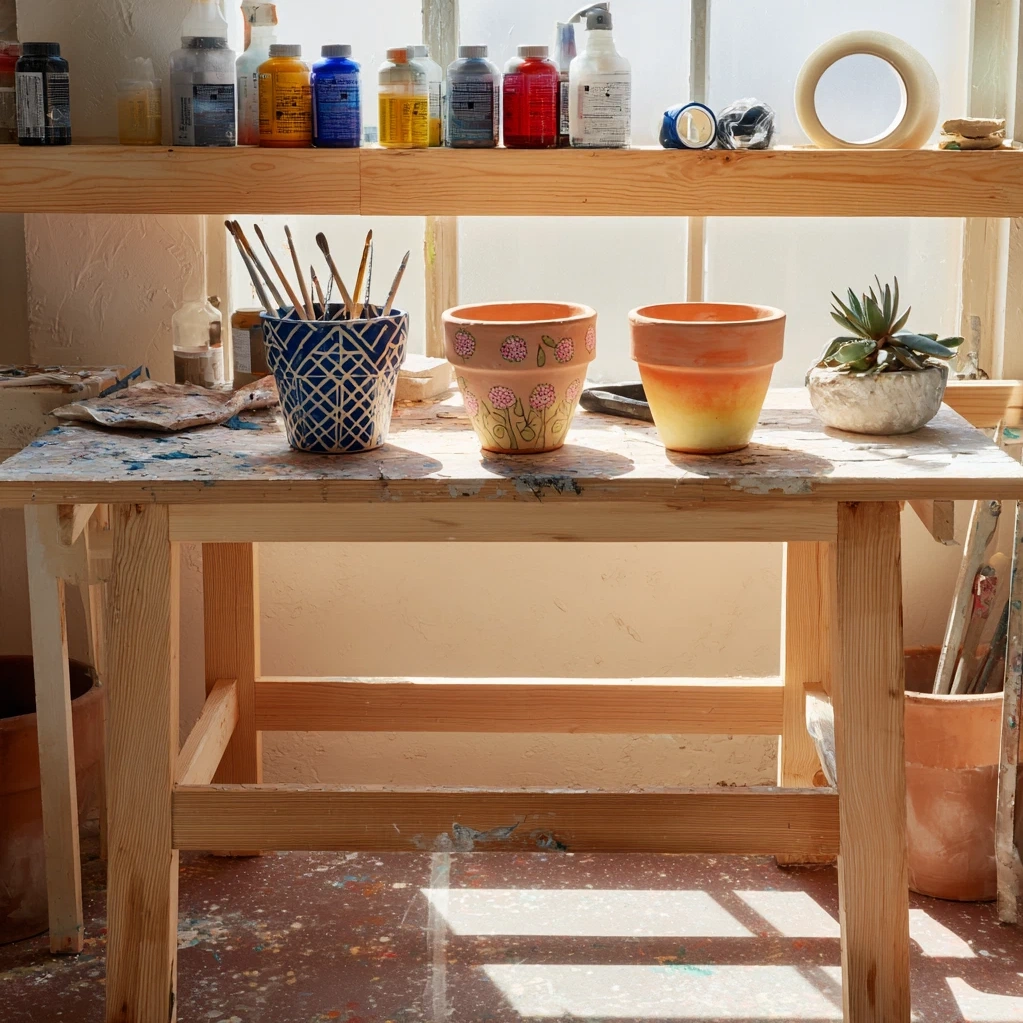
Starting with painting pots ideas doesn't require advanced artistic skills or expensive materials. Simple techniques can yield impressive results that will boost your confidence and inspire further projects. One of the most accessible approaches is solid color painting. Choose a high-quality acrylic paint that adheres well to your pot's material—terra cotta benefits from a primer coat, while ceramic may need light sanding for better adhesion. Apply two thin coats rather than one thick layer to avoid drips and achieve even coverage. For added dimension, consider using sponge painting techniques. Dip a natural sea sponge or synthetic sponge into paint, dab off excess on paper towels, then lightly press onto the pot surface. This creates subtle texture and visual interest without requiring precise brushwork. Another beginner-friendly idea is tape-resist patterns. Use painter's tape or washi tape to create geometric designs—stripes, chevrons, or simple grids—then paint over the taped areas. Once dry, carefully remove the tape to reveal crisp, clean lines. Color blocking is equally straightforward. Divide your pot into sections using tape or freehand painting, then fill each section with contrasting or complementary colors. This modern approach works particularly well with succulents and contemporary decor styles. Don't overlook the power of simple dots or dashes applied with the end of a paintbrush or cotton swab. These can create polka dot patterns, constellations, or abstract designs with minimal effort. Remember to seal your finished pots with a clear outdoor-rated sealant if they'll be exposed to weather, or use indoor sealants for decorative indoor containers. These fundamental painting pots ideas provide excellent starting points while allowing room for personalization as your skills develop.
Advanced Painting Pots Ideas with Creative Techniques
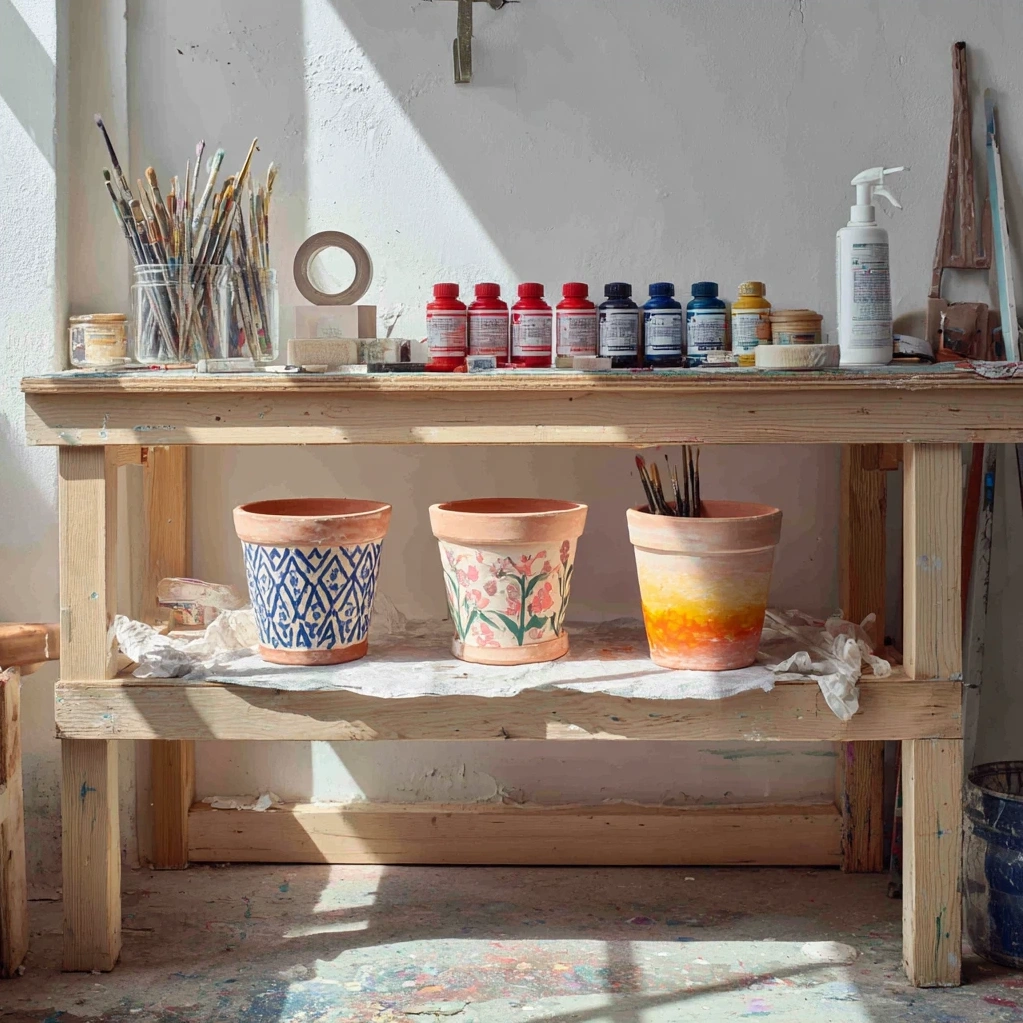
Once you've mastered basic painting pots ideas, you can explore more sophisticated techniques that create truly standout pieces. One advanced method involves using stencils for intricate designs. Purchase ready-made stencils with botanical motifs, geometric patterns, or cultural symbols, or create your own using stencil plastic or sturdy paper. Secure the stencil firmly against the pot surface, then apply paint with a stencil brush using dabbing motions rather than brushing to prevent paint from seeping underneath. Layer multiple stencils for complex compositions, allowing each layer to dry completely before adding the next. Another advanced technique is freehand painting with fine detail brushes. This approach lets you create custom illustrations—from delicate florals to abstract landscapes—directly on your pots. Practice your design on paper first, then lightly sketch it onto the pot with pencil before painting. For dimensional effects, consider using modeling paste or texture mediums mixed with paint. Apply these with palette knives to create raised patterns that catch light and create shadows. The ombré technique offers another sophisticated option. Start with your darkest color at the pot's base, gradually blending into lighter shades toward the rim. Use a damp brush to soften transitions between colors while the paint is still wet. Metallic accents can elevate simple designs dramatically. Add gold leaf details, use metallic paint pens for fine lines, or dry-brush metallic paint over textured surfaces. For truly unique painting pots ideas, experiment with mixed media. Incorporate elements like pressed flowers sealed with resin, small mosaic tiles adhered with strong glue, or even fabric scraps decoupaged onto the surface. These advanced approaches require more time and patience but result in professional-looking pieces that become cherished decor elements.
Seasonal Painting Pots Ideas for Year-Round Decor
Painting pots ideas can adapt beautifully to seasonal changes, allowing your decor to evolve throughout the year while maintaining a cohesive personal style. For spring, focus on fresh, vibrant colors and floral motifs. Paint pots in pastel shades like mint green, soft pink, or buttery yellow, then add hand-painted daisies, tulips, or cherry blossoms. Consider creating Easter-themed pots with bunny silhouettes or egg patterns using stencils or freehand techniques. These spring painting pots ideas work wonderfully with blooming bulbs or cheerful annuals. Summer calls for bright, bold approaches. Use ocean-inspired blues and greens with wave patterns or fish designs for coastal vibes. For garden parties, paint pots in citrus colors—orange, lemon yellow, lime green—with simple fruit illustrations. Terra cotta pots painted with white geometric patterns create a Mediterranean feel perfect for herb gardens. As autumn arrives, transition to warmer, earthier tones. Paint pots in burnt orange, deep red, or mustard yellow, then add leaf patterns using actual leaves as stamps—press a painted leaf against the pot surface to transfer its shape and veins. Acorn, pumpkin, or harvest moon designs complete the seasonal theme. Winter painting pots ideas often feature cooler colors and festive elements. Paint pots in icy blues, silvers, or deep greens, then add snowflake patterns, pine branches, or simple Scandinavian-inspired geometric designs. For holiday celebrations, incorporate red and gold accents with star or tree motifs. Remember that seasonal pots don't need to be stored away when the season changes—simply replant them with appropriate seasonal plants or use them as decorative containers for other items. This approach keeps your space feeling fresh and intentional throughout the year while maximizing the utility of your painted creations.
Practical Considerations for Successful Painting Pots Ideas
Beyond creative inspiration, successful painting pots ideas require attention to practical details that ensure durability and functionality. First, proper surface preparation is crucial. Clean pots thoroughly with soap and water to remove dust, dirt, and any residues. For porous materials like terra cotta, consider applying a primer or sealant before painting to prevent moisture absorption that could cause paint to peel or bubble. Allow each layer—primer, paint, sealant—to dry completely according to product instructions, typically 24 hours between coats. Material compatibility matters significantly. Use outdoor-rated paints and sealants for pots that will be exposed to weather, as these contain UV protectants and waterproofing agents. For indoor decorative pots, acrylic paints work well and come in endless color options. Consider the pot's future use when planning your design. Drainage holes should remain unobstructed—either paint around them carefully or use removable plugs during painting. If painting the interior, use plant-safe paints or limit paint to the exterior only to avoid potential chemical leaching into soil. For frequently handled pots, like those moved for watering, apply multiple sealant coats for durability against wear. Storage of painting supplies affects future projects too. Keep brushes clean and properly stored, label paint colors for touch-ups, and note successful technique combinations for reference. When displaying your finished pots, consider visual hierarchy—place statement pieces as focal points and simpler designs as supporting elements. Group painted pots with similar color schemes or themes for cohesive arrangements. These practical considerations transform painting pots ideas from temporary projects into lasting additions to your home that function beautifully while maintaining their artistic appeal season after season.
Conclusion
Exploring painting pots ideas reveals far more than just decorative techniques—it uncovers a versatile, accessible way to personalize your living spaces while engaging in meaningful creativity. Throughout this guide, we've seen how simple beginnings with solid colors and tape patterns can evolve into sophisticated stencil work, dimensional textures, and seasonal adaptations that keep your decor feeling fresh year-round. The true value of these projects lies in their dual nature: they serve as both artistic expressions and functional home elements that organize, display, and enhance your environment. As you continue developing your painting skills, remember that each pot tells a story—of the techniques you've mastered, the seasons you've celebrated, and the personal style you've cultivated. These painted containers become more than plant holders; they transform into conversation pieces, mood-lifters, and tangible reminders of creative accomplishments. Looking forward, consider how painting pots ideas might expand into broader home decor projects. The same techniques can refresh other household items—from vases and storage boxes to furniture accents—creating cohesive, personalized spaces throughout your home. Share your creations with friends as gifts that carry personal meaning, or host painting sessions that turn individual projects into social experiences. Most importantly, maintain the joy of experimentation. Not every design needs to be perfect; sometimes the most charming pots come from happy accidents or spontaneous ideas. Keep a journal of inspirations, color combinations, and techniques you want to try next. As you build confidence, you'll likely find that painting pots becomes less about following specific ideas and more about trusting your creative instincts—a rewarding progression that makes your home truly your own.
Frequently Asked Questions
Q: What type of paint works best for painting pots?
Acrylic paint is generally the best choice for painting pots due to its versatility, quick drying time, and wide color availability. For outdoor pots exposed to weather, use outdoor-rated acrylic paints that contain UV protectants and waterproofing agents. For terra cotta pots, applying a primer before painting helps prevent moisture absorption and ensures better paint adhesion. Ceramic and glazed pots may require light sanding for the paint to stick properly. Always finish with a clear sealant appropriate for your pot's location—indoor sealants for decorative pots, outdoor sealants for weather-exposed containers. Test paints on a small area first to ensure compatibility with your pot material.
Q: How do I make my painted pots last longer outdoors?
To ensure painted pots withstand outdoor conditions, follow these steps: First, clean pots thoroughly and let them dry completely. Apply a primer designed for outdoor use, especially on porous materials like terra cotta. Use high-quality outdoor-rated acrylic paints, applying multiple thin coats rather than one thick layer, allowing each coat to dry fully. Most importantly, apply 2-3 coats of clear outdoor sealant, making sure to cover all surfaces evenly. Choose a sealant specifically formulated for outdoor use with UV protection. Reapply sealant annually or when you notice wear. Place pots in partially shaded areas when possible to reduce sun exposure, and elevate them with pot feet to prevent water accumulation that could damage paint from beneath.
Q: Can I paint pots that already have plants in them?
It's possible but not ideal to paint pots with plants already in them. For best results, remove the plant temporarily. Gently tip the pot to slide out the plant with its root ball intact, placing it in a temporary container with some soil. If the plant is firmly rooted, you might carefully paint around it, but this limits design options and risks paint getting on the plant. Cover the soil surface completely with plastic or paper to protect it from paint drips. Work in a well-ventilated area, and use quick-drying paints to minimize the plant's time out of its pot. For extensive designs or multiple colors, removing the plant is strongly recommended to ensure thorough, even coverage and prevent potential harm from paint fumes or chemicals.