Orange Oak Cabinet Makeover: Revitalize Your Kitchen with These Creative Solutions

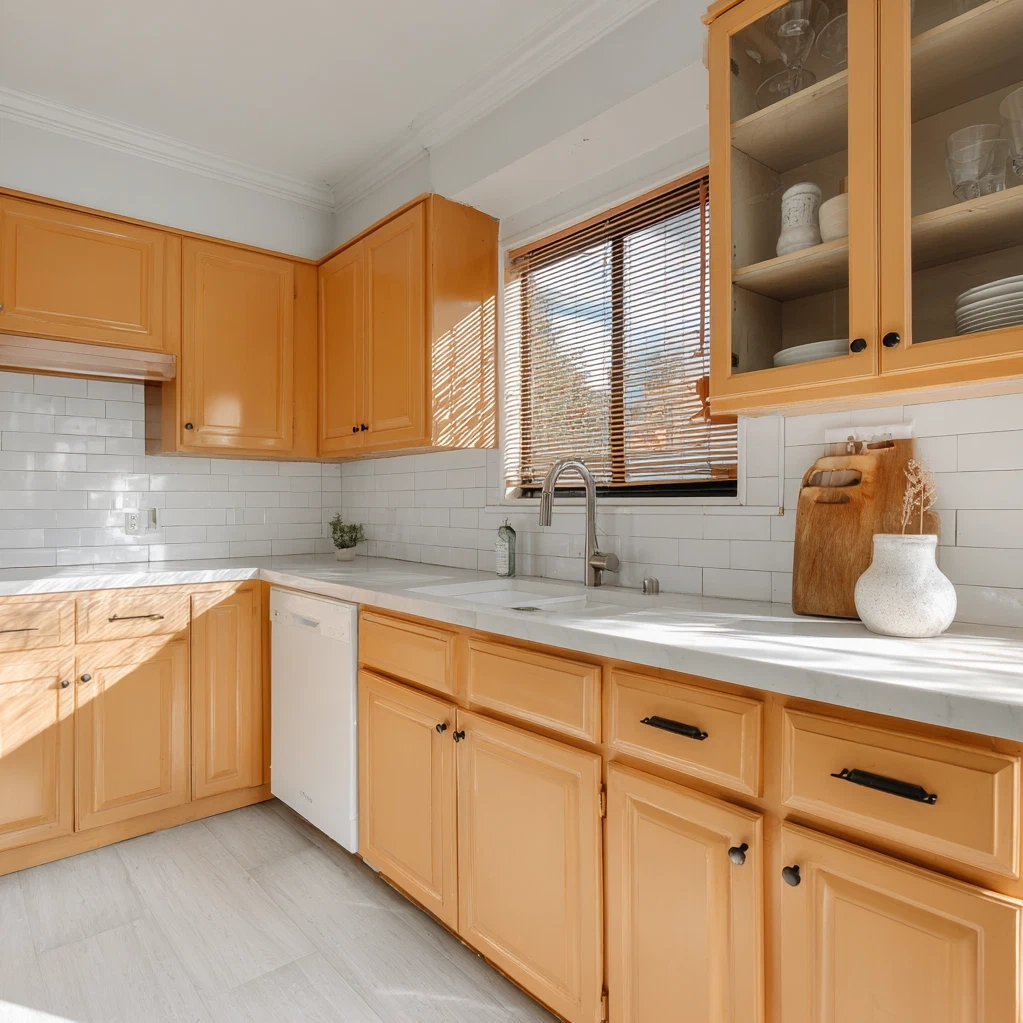
If you’re living with outdated orange oak cabinets, you know the struggle. That warm, honey-toned wood that was so popular in the 80s and 90s can now feel dated and overwhelming in modern kitchens. But before you consider the costly route of full cabinet replacement, there’s a better solution: a strategic orange oak cabinet makeover. Transforming these cabinets can completely revitalize your kitchen’s aesthetic without breaking the bank. Many homeowners feel stuck with their orange oak cabinets, believing their only options are to live with them or undertake an expensive renovation. This misconception keeps people from enjoying the kitchen of their dreams. The truth is, orange oak cabinets offer a solid foundation for transformation. Their sturdy construction and timeless wood grain make them perfect candidates for creative updates. A thoughtful orange oak cabinet makeover can bridge the gap between your current kitchen and your ideal space. Whether you’re looking to modernize, brighten, or completely change the style of your kitchen, there are multiple approaches to consider. From simple painting techniques to more involved refinishing methods, the possibilities are endless. This guide will walk you through practical, beautiful solutions that respect your budget while delivering dramatic results. You’ll discover that those orange oak cabinets you’ve been tolerating could actually become the highlight of your kitchen with the right approach. Let’s explore how to turn dated oak into contemporary elegance through strategic design choices and proven techniques.
Planning Your Orange Oak Cabinet Makeover: Essential First Steps
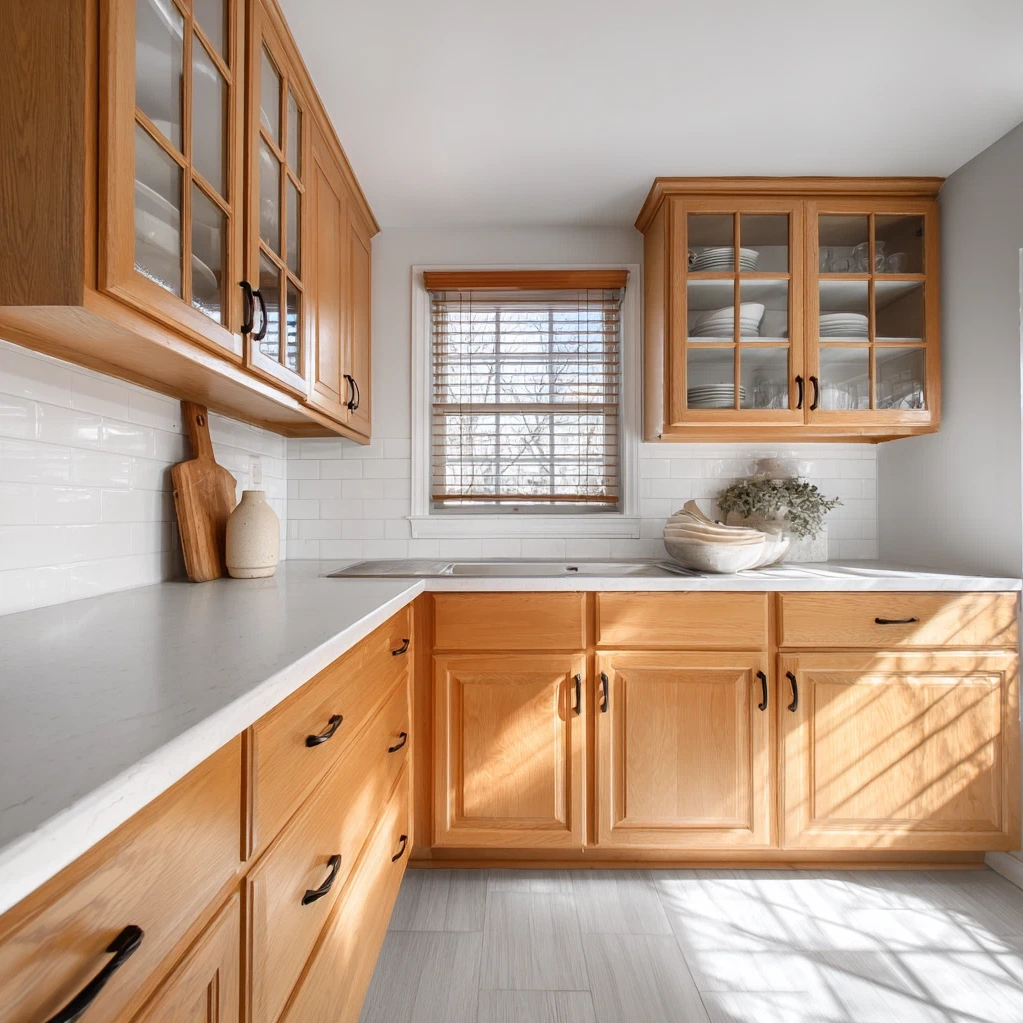
Every successful orange oak cabinet makeover begins with careful planning. Before you touch a brush or buy supplies, assess your cabinets' current condition. Check for structural issues like loose hinges, damaged frames, or warped doors. These repairs should happen before any cosmetic work. Next, consider your desired outcome. Are you aiming for a light, airy modern kitchen? Or perhaps a cozy, traditional feel? Your goal will determine which makeover approach works best. For those wanting to preserve the wood grain while lightening the tone, staining might be the answer. If you prefer complete color transformation, painting offers more dramatic change. Budget considerations are crucial too. A DIY orange oak cabinet makeover can cost significantly less than replacement, but you'll need to factor in materials, tools, and your time investment. Research shows that proper preparation accounts for 70% of a successful cabinet transformation. This includes thorough cleaning to remove grease and grime, followed by careful sanding to create a surface that will properly accept new finishes. Don't underestimate this stage – skipping proper prep can lead to peeling, chipping, or uneven results. Finally, gather inspiration. Create a mood board with colors, hardware styles, and kitchen designs that appeal to you. This visual reference will keep you focused throughout your orange oak cabinet makeover project. Remember, good planning prevents costly mistakes and ensures you achieve the kitchen transformation you envision.
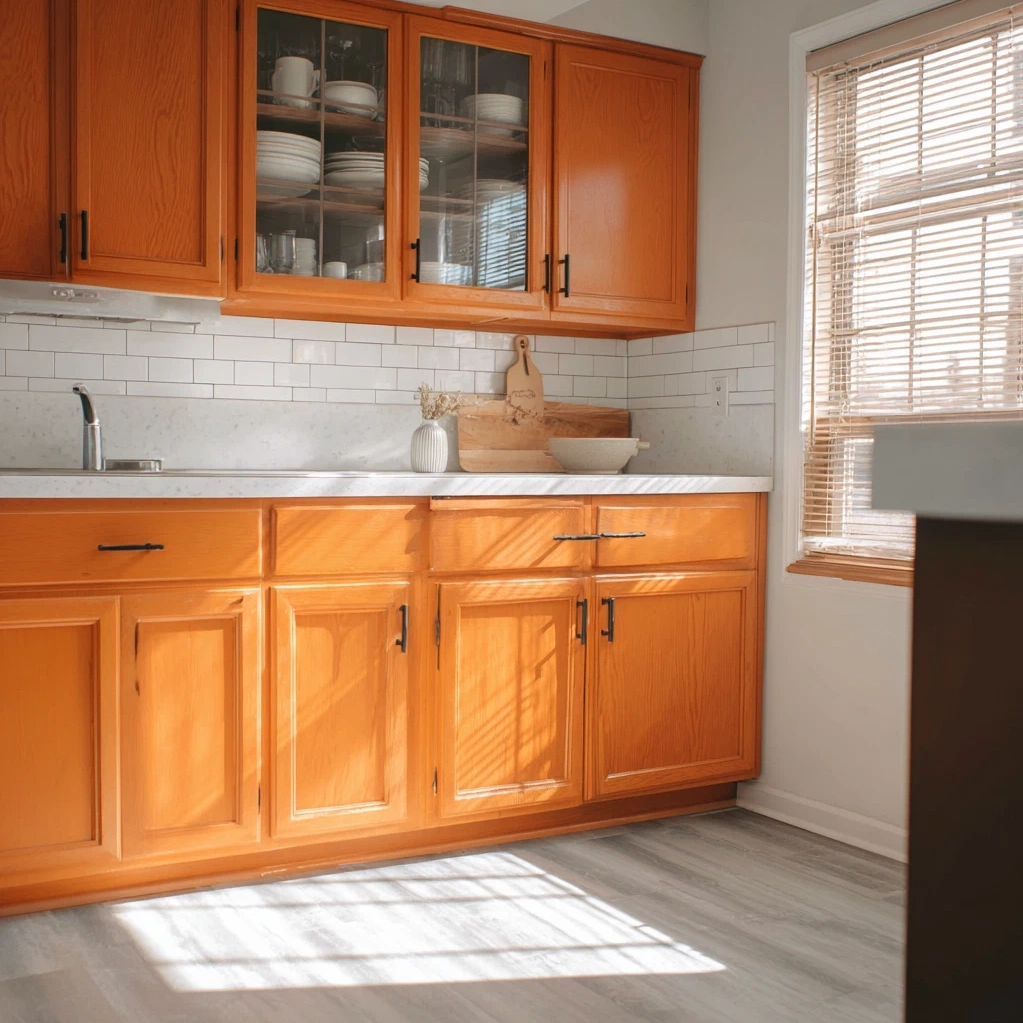
Transformation Techniques: Painting vs. Staining Your Orange Oak Cabinets
When approaching your orange oak cabinet makeover, the biggest decision is whether to paint or stain. Each method offers distinct advantages depending on your desired outcome. Painting provides the most dramatic transformation, completely covering the orange tone with your chosen color. This approach works beautifully for creating light, bright kitchens or making bold style statements. Modern paint formulations adhere well to wood surfaces when properly prepared. For an orange oak cabinet makeover using paint, consider popular choices like soft whites, warm grays, or navy blues. These colors complement various design styles while effectively neutralizing the orange undertones. The painting process requires thorough preparation: cleaning, sanding, priming with a stain-blocking primer (essential for preventing orange bleed-through), then applying multiple thin coats of quality cabinet paint. On the other hand, staining offers a different approach to your orange oak cabinet makeover. This technique works with the existing wood rather than covering it completely. Specialized wood toners and gel stains can modify the orange hue toward more contemporary tones like gray, brown, or even whitewashed effects. Staining preserves the wood's natural grain while altering its color, which appeals to those who appreciate wood's organic beauty but want to update its appearance. The staining process involves cleaning, light sanding, applying the stain evenly, and sealing with a protective topcoat. Some homeowners combine techniques, painting cabinet frames while staining doors for a mixed-material look. Consider your kitchen's lighting, existing elements, and personal style when choosing between painting and staining for your orange oak cabinet makeover. Both methods can yield stunning results when executed properly.
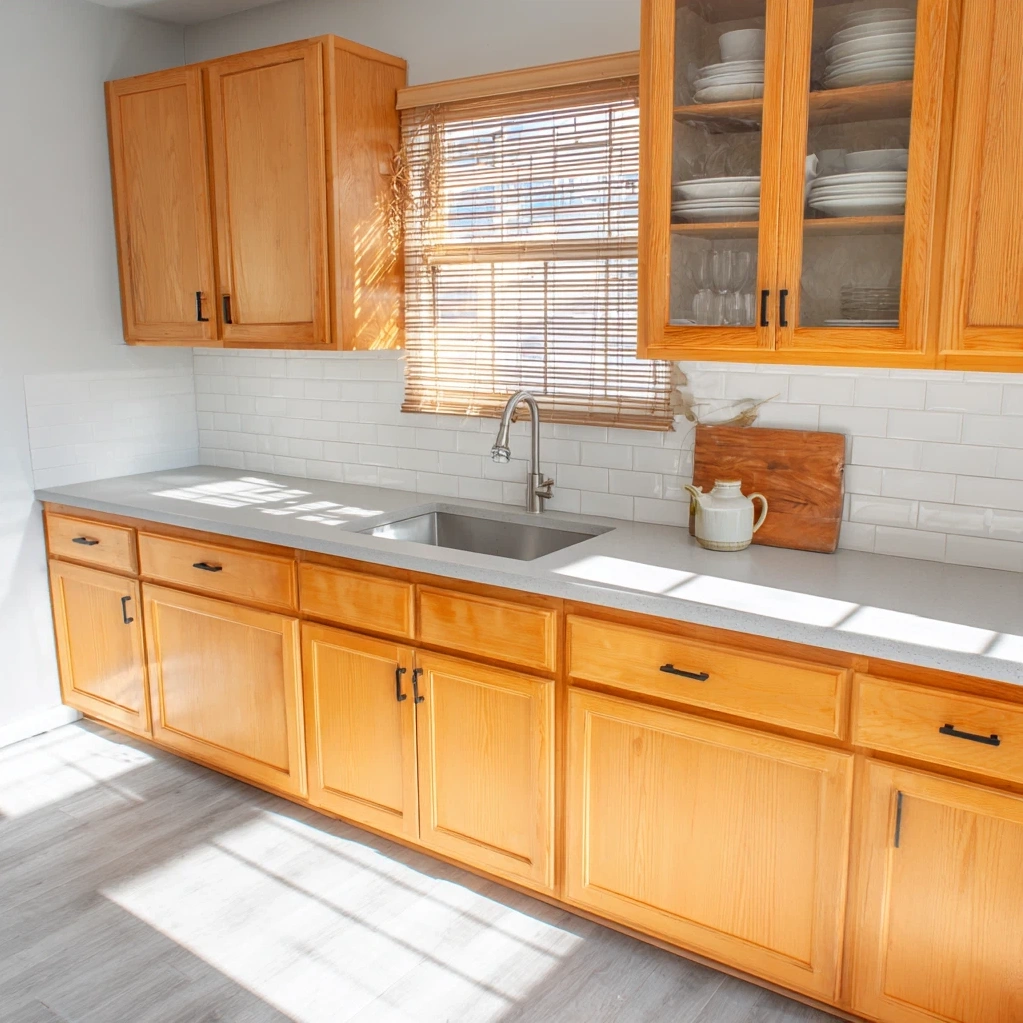
Hardware and Details: Finishing Your Orange Oak Cabinet Makeover
The final touches make all the difference in your orange oak cabinet makeover. Once you've transformed the cabinet surfaces, attention turns to hardware and details that complete the look. Cabinet hardware serves as both functional element and design accent. For a modern orange oak cabinet makeover, consider sleek bar pulls in matte black, brushed nickel, or brass. These contemporary options contrast beautifully with painted or stained surfaces. Traditional kitchens might benefit from bin pulls or cup handles in antique finishes. When selecting hardware, consider scale and proportion. Larger cabinets typically need longer pulls, while smaller drawers work with knobs. The placement matters too – centered hardware creates symmetry, while offset placement can add visual interest. Beyond hardware, consider other details that enhance your orange oak cabinet makeover. Adding crown molding to the top of cabinets creates a finished, custom look. Installing under-cabinet lighting brightens workspaces and highlights your transformed surfaces. Glass door inserts can break up solid cabinet fronts and display decorative items. For painted cabinets in your orange oak cabinet makeover, consider adding subtle texture through techniques like distressing or glazing. These finishes add depth and character, especially in traditional or farmhouse-style kitchens. Don't overlook the interior – painting or lining cabinet interiors with contact paper or thin wood veneer creates a pleasant surprise when doors open. Finally, consider how your transformed cabinets interact with other kitchen elements. Your orange oak cabinet makeover should coordinate with countertops, backsplashes, and flooring for a cohesive look. These finishing details transform your project from a simple update to a professionally designed space that reflects your personal style and enhances daily kitchen experiences.
Conclusion
An orange oak cabinet makeover represents one of the most cost-effective ways to transform your kitchen's appearance. As we've explored, these dated cabinets offer tremendous potential for creative reinvention. Whether you choose painting for complete color transformation or staining to modify the wood tone while preserving its grain, the results can be stunning. The key lies in proper planning, thorough preparation, and attention to finishing details. Your orange oak cabinet makeover doesn't just update aesthetics – it can completely change how you experience your kitchen. A brighter, more contemporary space can make meal preparation more enjoyable and increase your home's overall appeal. As you embark on this transformation journey, remember that patience and proper technique yield the best results. Rushing through preparation or skipping steps can compromise the durability and appearance of your finished cabinets. Looking forward, consider how your orange oak cabinet makeover might inspire other updates in your home. The skills and confidence gained from this project could lead to additional improvements throughout your living spaces. Most importantly, this transformation proves that you don't need to settle for dated elements in your home. With creativity and effort, even the most stubborn design challenges can become opportunities for beautiful renewal. Your revitalized kitchen will serve as a daily reminder that thoughtful updates can dramatically enhance your living environment.
Frequently Asked Questions
Q: Can I paint orange oak cabinets without sanding them first?
While there are 'no-sand' primer products available, thorough sanding is strongly recommended for any orange oak cabinet makeover. Orange oak has a pronounced grain and often contains tannins that can bleed through paint. Sanding creates a slightly rough surface that helps primer and paint adhere properly. It also removes any existing finish that might prevent proper bonding. For best results, sand with 120-150 grit sandpaper, clean thoroughly to remove dust, then apply a high-quality stain-blocking primer specifically designed for knotty or tannin-rich woods. This preparation ensures your paint job will be durable and long-lasting.
Q: How long does an orange oak cabinet makeover typically take?
The timeline for an orange oak cabinet makeover depends on several factors: the size of your kitchen, the chosen technique, and whether you're working full-time or on weekends. For an average kitchen with 20-30 cabinet doors and frames, a painting project typically takes 5-7 days from start to finish. This includes 1-2 days for preparation (cleaning, repairing, sanding), 1 day for priming, 2-3 days for painting (allowing proper drying time between coats), and 1 day for reinstallation and hardware attachment. Staining projects may take slightly less time since they often require fewer coats. Remember that proper drying time between steps is crucial for quality results, so rushing can compromise the finish.
Q: What's the most budget-friendly approach to an orange oak cabinet makeover?
The most cost-effective approach to an orange oak cabinet makeover is a DIY painting project using quality but affordable materials. Instead of replacing doors, work with what you have. Choose a reliable cabinet paint available at home improvement stores rather than specialty brands. Invest in good brushes and rollers rather than spray equipment to save on rental costs. For hardware, consider updating only the most visible pieces like drawer pulls rather than replacing every hinge and knob. Another budget-friendly option is to paint just the cabinet frames and leave existing doors in place with their current finish – this creates a two-tone look that's currently popular. Whatever approach you choose, proper preparation remains essential even on a budget, as skipping this step can lead to costly do-overs.