Deck Stain Colors: Unlock the Stunning Potential of Your Outdoor Space

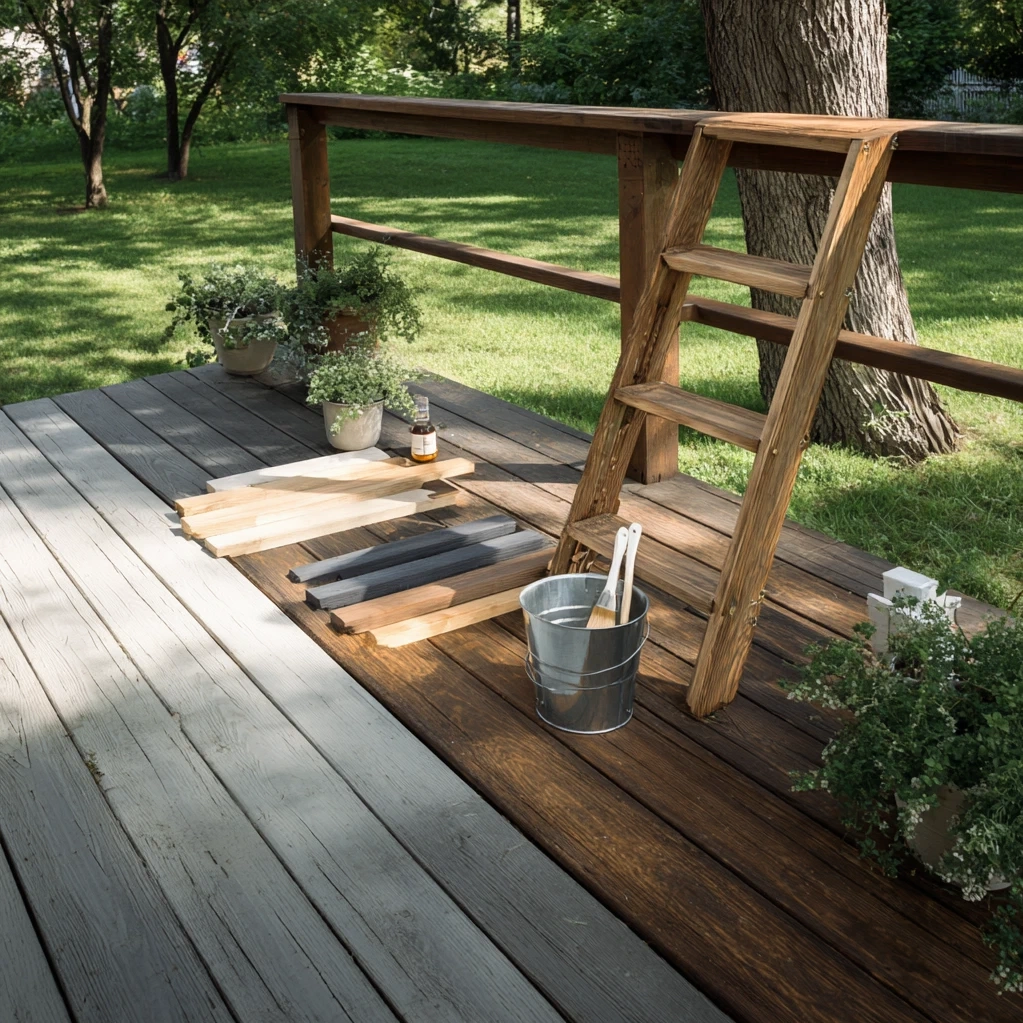
Your deck is more than just a wooden platform—it’s an extension of your living space, a place for relaxation, entertainment, and connection with nature. But without proper protection and aesthetic enhancement, even the most well-built deck can become weathered, faded, and uninviting. This is where deck stain colors come into play, transforming your outdoor area from functional to fabulous. Choosing the right stain color isn’t just about aesthetics; it’s about preserving your investment, enhancing your home’s curb appeal, and creating an environment that reflects your personal style. The power of color psychology in outdoor spaces is profound—warm tones can create cozy, intimate gathering spots while cool hues promote calm and serenity. Yet many homeowners feel overwhelmed by the sheer number of options available, from transparent stains that showcase wood grain to solid colors that completely transform the surface. Understanding how different deck stain colors interact with your specific wood type, architectural style, and regional climate can make the difference between a deck that looks tired and one that looks timeless. In this comprehensive guide, we’ll explore how the perfect stain color can elevate your outdoor experience while providing essential protection against sun, moisture, and wear.
How to Choose Deck Stain Colors That Complement Your Home
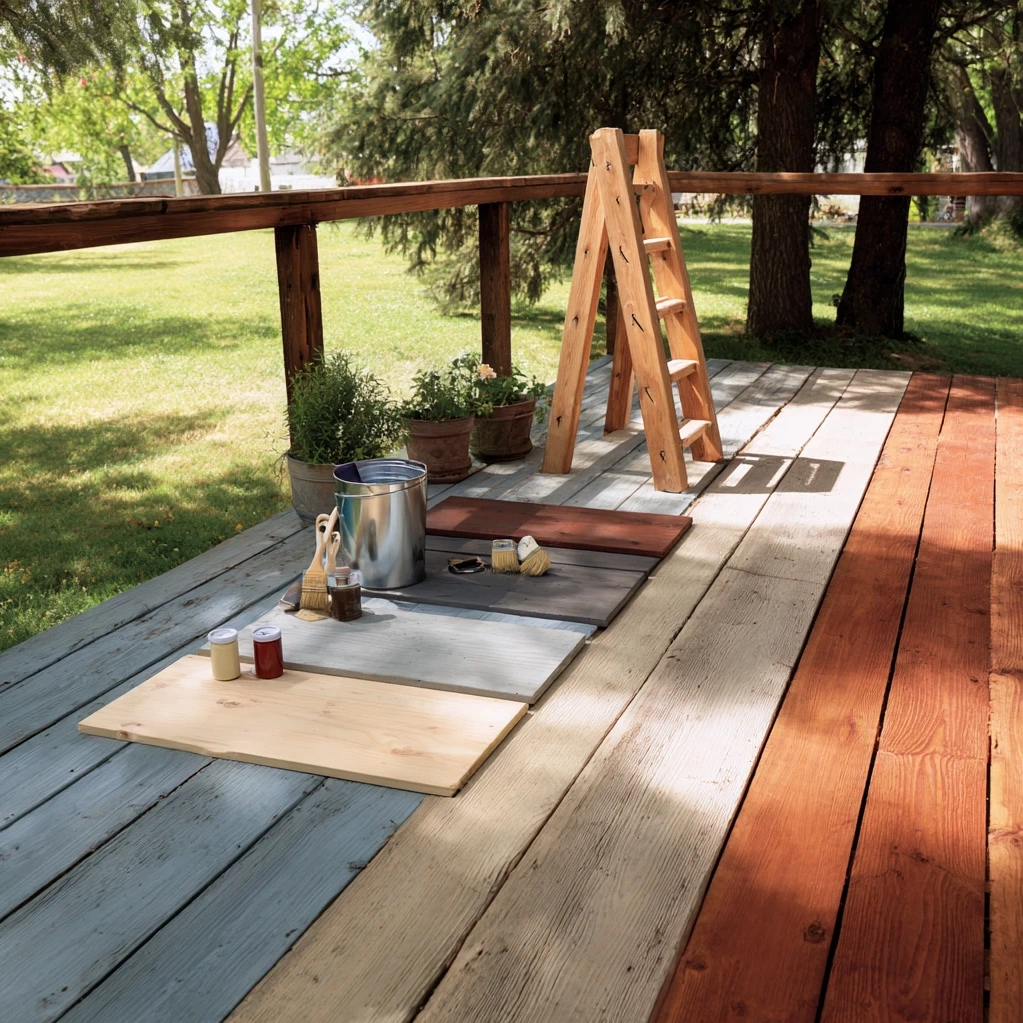
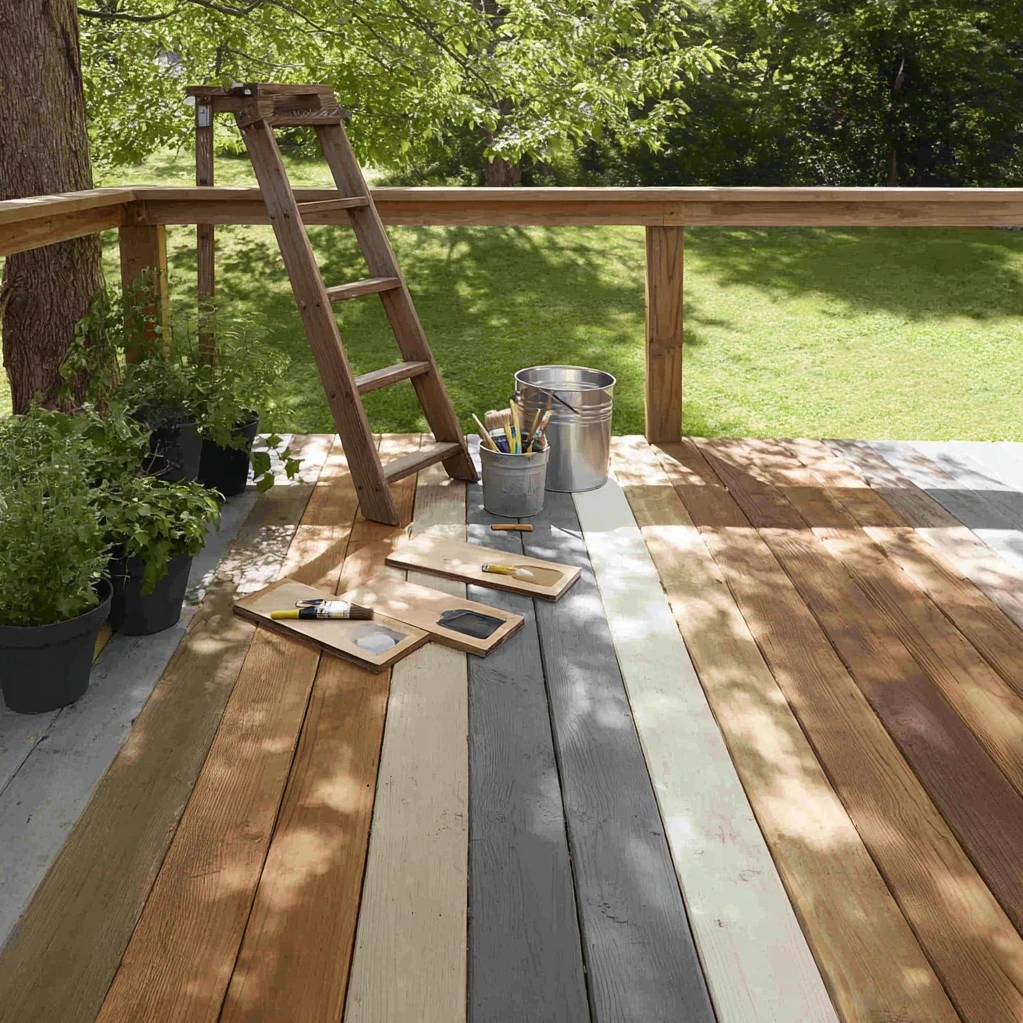
Selecting deck stain colors that harmonize with your home's exterior requires careful consideration of several factors. First, assess your home's existing color palette—look at siding, trim, roofing, and brick or stone accents. Your deck stain should complement rather than clash with these elements. For traditional homes with neutral exteriors, rich browns and deep grays can add sophistication, while for modern homes with bold architectural features, contrasting stains in darker shades often work well. Consider the surrounding landscape too—if you have lush greenery, natural wood tones or light stains might enhance the connection with nature, while in desert climates, earthy terracotta or warm amber stains can blend with the environment. The type of wood also influences color outcome—cedar and redwood have natural red undertones that interact with stains differently than pressure-treated pine. Test samples on multiple boards and observe them at different times of day, as sunlight dramatically affects how colors appear. Think about maintenance preferences too—darker deck stain colors typically show less dirt and wear but may absorb more heat, while lighter colors can make spaces feel larger and cooler but might require more frequent cleaning. Finally, consider your personal style and how you use the space—if you entertain frequently, choose colors that create a welcoming atmosphere, while for private retreats, soothing hues might be preferable.
Popular Deck Stain Colors and Their Visual Impact
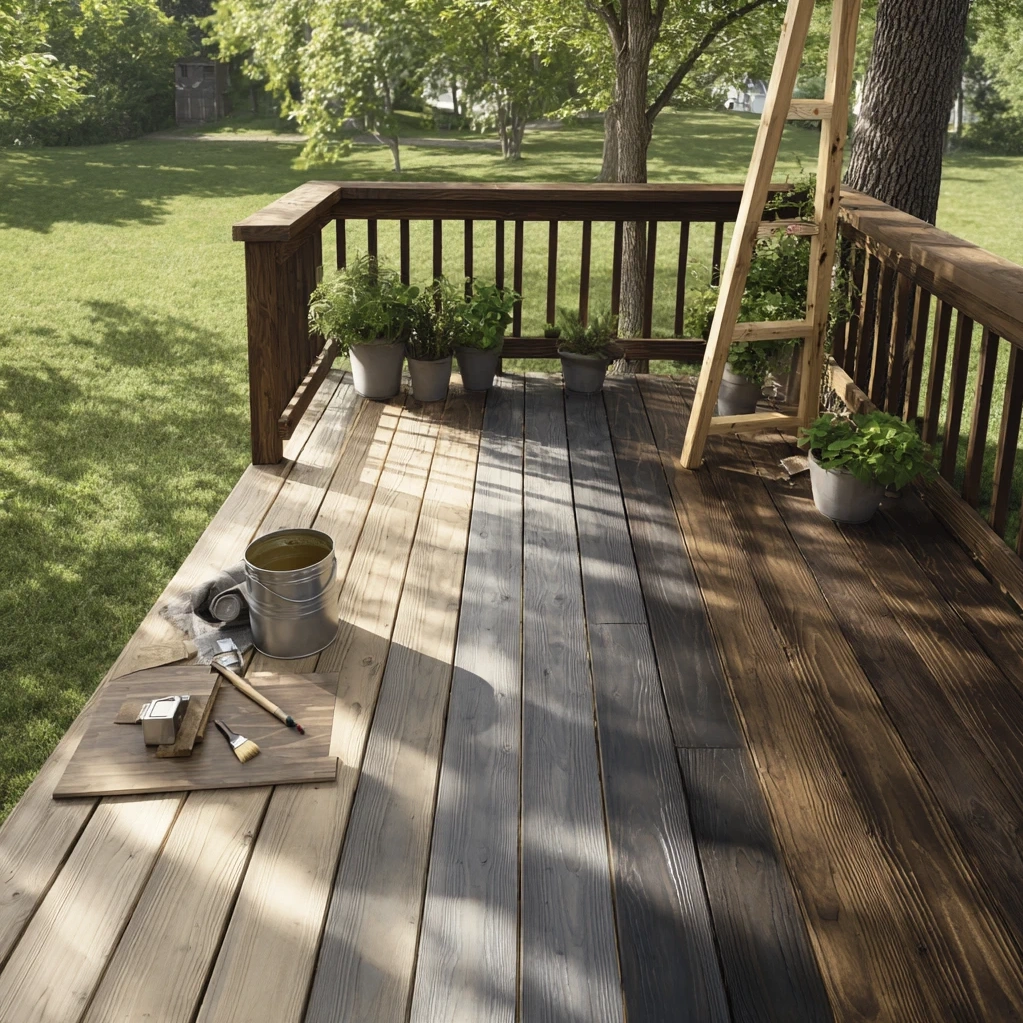
The world of deck stain colors offers an incredible range from subtle to dramatic, each creating distinct visual effects. Natural wood tones remain perennially popular—these transparent or semi-transparent stains enhance the wood's grain while adding subtle color. Cedar tones bring out warm red undertones, golden oak creates sunny, inviting spaces, and walnut adds rich depth without hiding natural texture. For those seeking more dramatic transformations, gray deck stain colors have surged in popularity—from light weathered grays that mimic aged wood to charcoal shades that create modern sophistication. Gray stains work particularly well with contemporary architecture and can make greenery pop in surrounding gardens. Brown deck stain colors range from light honey shades to deep espresso—medium browns like pecan or chestnut offer classic appeal that complements most home styles. For bold statements, consider colored stains—soft blues create coastal vibes, green stains blend with natural surroundings, and even black stains make dramatic contemporary statements. The opacity level also affects appearance—transparent stains show maximum wood grain, semi-transparent offers more color while still revealing texture, and solid stains provide complete coverage for uniform color. Remember that stains change over time—UV exposure causes fading, so choose products with UV protection and understand how colors will evolve. The visual impact extends beyond the surface—light deck stain colors can make small decks appear larger, while dark colors create intimate, defined spaces.
Application Tips for Perfect Deck Stain Colors
Achieving beautiful, long-lasting results with deck stain colors requires proper preparation and application techniques. Start with thorough cleaning—remove dirt, mildew, and old finishes using appropriate cleaners and a pressure washer on low setting. Allow the wood to dry completely—typically 48 hours depending on weather—as applying stain to damp wood leads to poor adhesion and uneven color. Sand any rough areas and repair damaged boards before staining. Choose the right weather conditions—apply stain when temperatures are between 50-90°F with no rain forecast for 24-48 hours. Test your chosen deck stain colors on scrap wood or inconspicuous areas to confirm the final appearance. Use high-quality brushes for railings and detailed areas, while rollers or sprayers work well for large flat surfaces—always follow the wood grain. Apply stain in manageable sections to maintain wet edges and prevent lap marks. Most deck stain colors require two coats for optimal protection and color depth—wait the manufacturer's recommended time between coats. Pay special attention to end grains and joints where moisture absorption is highest. After application, allow proper drying time before placing furniture or walking on the surface. Regular maintenance extends the life of your deck stain colors—clean annually with appropriate cleaners and consider reapplication every 2-3 years for semi-transparent stains or 3-5 years for solid stains depending on wear. Proper application ensures your chosen colors look their best while providing maximum protection against the elements.
Long-Term Considerations for Your Deck Stain Colors
Choosing deck stain colors involves thinking beyond immediate appearance to long-term performance and maintenance. Different colors and formulations have varying durability—darker pigments often provide better UV protection but may show fading differently than lighter shades. Consider your climate—in areas with intense sun, stains with higher UV resistance prevent premature fading, while in wet regions, mold and mildew resistance becomes crucial. The wood type affects longevity—softer woods may absorb more stain initially but might require more frequent reapplication. Think about future maintenance—some deck stain colors show dirt and wear more obviously than others. Lighter natural tones might show less fading but more staining from spills or organic matter. Plan for seasonal changes—how will your chosen colors look in different lighting conditions throughout the year? Some stains that look perfect in summer sun might appear different in winter's softer light. Consider resale value—neutral deck stain colors typically appeal to broader audiences, while bold custom colors might limit future buyer appeal. Budget for ongoing maintenance—higher quality stains with better pigments and additives might cost more initially but last longer, reducing long-term expenses. Environmental factors matter too—some stains contain volatile organic compounds (VOCs) that affect air quality, while low-VOC or plant-based options offer eco-friendly alternatives. Finally, think about how your needs might change—if you plan to add outdoor furniture, rugs, or planters, choose colors that will coordinate with potential future additions. A well-considered choice ensures your deck remains beautiful and functional for years to come.
Conclusion
Your deck deserves more than just functional protection—it deserves to become a beautiful, inviting extension of your home that reflects your personality and enhances your outdoor living experience. The right deck stain colors can achieve this transformation while providing essential defense against weathering, UV damage, and wear. From natural wood tones that celebrate organic beauty to bold contemporary hues that make architectural statements, the possibilities are as diverse as the homes they adorn. Remember that successful staining involves more than just color selection—proper preparation, application, and maintenance ensure your investment pays off in both beauty and longevity. As you embark on your staining project, take time to consider how different colors interact with your specific environment, architectural style, and personal preferences. Test samples, observe colors in various lighting conditions, and don't hesitate to consult professionals if needed. Looking forward, deck stain technology continues to evolve with improved durability, eco-friendly formulations, and innovative color options that make maintenance easier and results more stunning than ever. Whether you're refreshing an existing deck or staining a new installation, the perfect color choice can transform your outdoor space into a cherished retreat that adds value to your home and joy to your daily life. Start exploring colors today—your dream deck awaits.
Frequently Asked Questions
Q: How often should I reapply deck stain colors?
The frequency of reapplication depends on several factors including stain type, climate, wood type, and deck usage. Generally, transparent and semi-transparent deck stain colors need refreshing every 2-3 years as they offer less UV protection and show wear more quickly. Solid stains typically last 3-5 years before needing reapplication. In harsh climates with intense sun or heavy rainfall, you may need to stain more frequently. Signs it's time to restain include fading color, water no longer beading on the surface, or visible wood grain through solid stains. Regular cleaning and maintenance can extend the time between applications.
Q: Can I change my deck stain colors from dark to light?
Changing from dark to light deck stain colors is possible but requires thorough preparation. You'll need to completely remove the existing dark stain through sanding, chemical stripping, or a combination of both. This can be labor-intensive, especially if the dark stain has penetrated deeply into the wood. After removal, you may need to use a wood brightener or oxalic acid to lighten any remaining pigment. Test a small area first to ensure you can achieve the desired light color. In some cases, applying a solid light stain over properly prepared dark-stained wood might work, but results vary. For significant color changes, consulting a professional ensures proper techniques and expectations.
Q: What's the difference between deck stain colors and paint?
Deck stain colors and paint serve different purposes and create distinct results. Stains penetrate the wood, enhancing or changing its color while allowing the natural grain and texture to show through to varying degrees depending on opacity. They're specifically formulated for exterior wood, providing protection while letting the wood breathe. Paint sits on top of the wood surface, creating a solid, opaque coating that completely hides the wood grain. While paint offers more color options and can be more durable on properly prepared surfaces, it's more prone to peeling and cracking on decks that experience foot traffic and weather exposure. Stains are generally preferred for deck surfaces as they're more flexible and better at handling wood movement, though paint might be suitable for railings or trim. Always use products specifically labeled for deck use.