Wood Planter Box: Unlock Stunning Garden Transformations

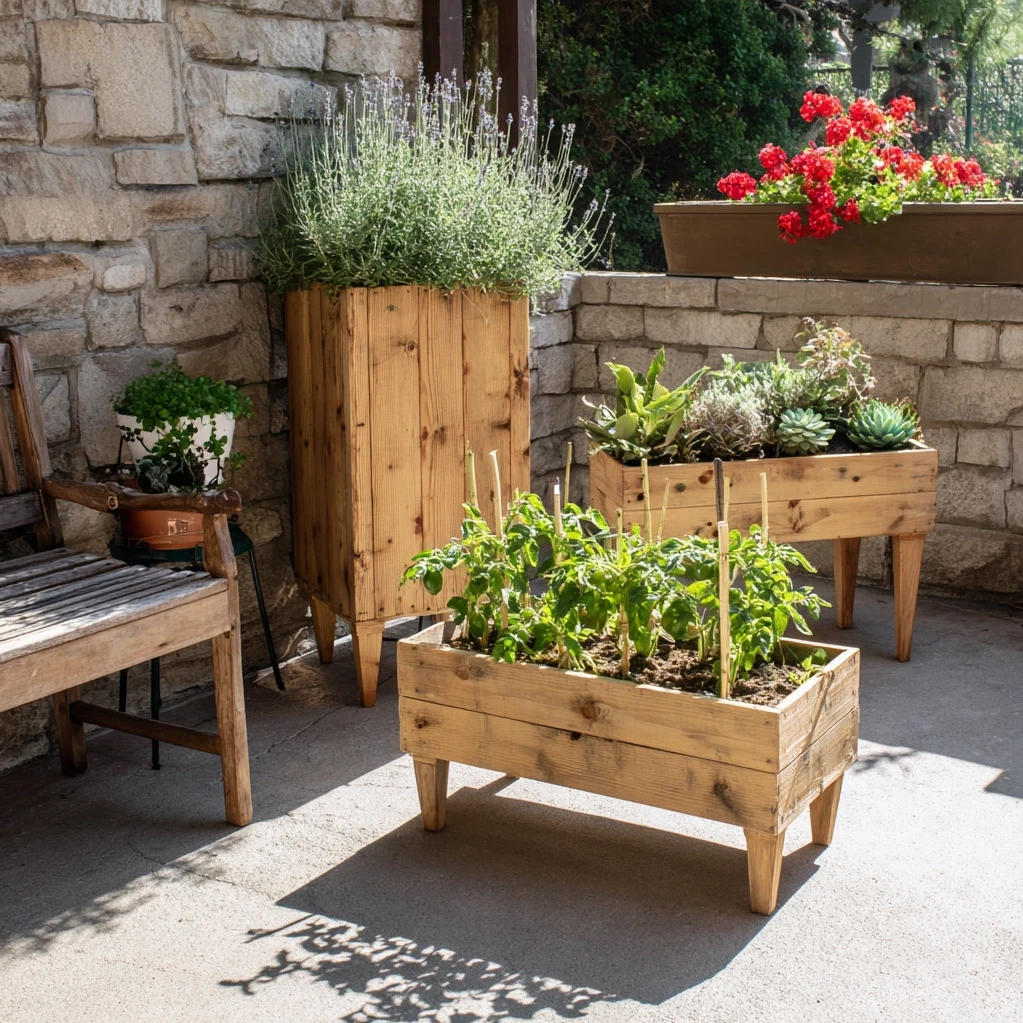
A wood planter box is more than just a container for plants—it’s a versatile design element that can completely transform your outdoor space. These beautiful, functional additions bring natural warmth and character to gardens, patios, balconies, and even indoor areas. Unlike plastic or ceramic alternatives, wooden planters offer a timeless aesthetic that ages gracefully, developing a lovely patina over time while providing excellent drainage and root protection for your plants.
Whether you're an experienced gardener or just starting your green thumb journey, a wood planter box offers practical benefits that go beyond simple decoration. These containers elevate plants to eye level, making gardening more accessible and creating visual interest in otherwise flat spaces. They allow for better soil control, help prevent invasive plants from spreading, and make it easier to manage different plant varieties in one cohesive display.
Beyond their functional advantages, wood planter boxes invite creativity. They can be stained, painted, or left natural to complement any design style—from rustic farmhouse to modern minimalist. Their modular nature means you can arrange them in countless configurations, creating living walls, defining outdoor rooms, or adding vertical interest to small spaces. As urban living becomes more common, these planters offer a solution for bringing nature into concrete environments, improving air quality and mental wellbeing through accessible greenery.
Choosing the Perfect Wood Planter Box for Your Space
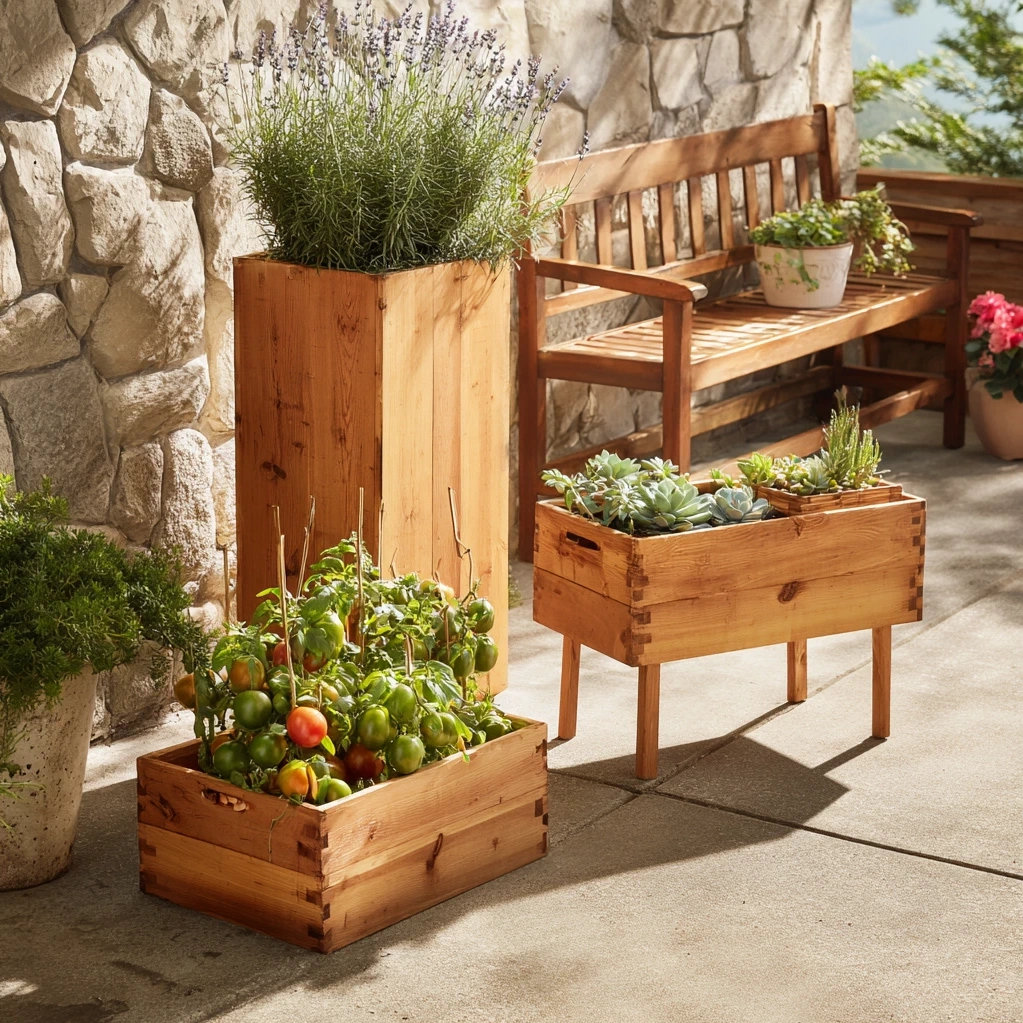
Selecting the right wood planter box begins with understanding your specific needs and environment. Consider the location first—will it be exposed to constant moisture on a patio, or protected under a covered balcony? For outdoor use, rot-resistant woods like cedar, redwood, or pressure-treated pine offer excellent durability. Cedar naturally resists decay and insects, while developing a beautiful silver-gray patina over time. Redwood offers similar benefits with a richer color initially. For indoor use, you have more flexibility with woods like pine or oak that can be finished to match your decor.
Size matters significantly when choosing a wood planter box. Consider both the plants you want to grow and the space available. Larger planters provide more soil volume, which means better moisture retention and root space for substantial plants like small trees or shrubs. Smaller boxes work well for herbs, annual flowers, or succulents. Remember to consider depth—root vegetables need deeper containers, while shallow-rooted plants thrive in shallower boxes. Also think about mobility: will you need to move the planter seasonally? Adding casters or choosing a manageable size can make maintenance much easier.
The design of your wood planter box should complement your existing aesthetic. Simple rectangular boxes offer clean lines for modern spaces, while tiered or window-box styles add traditional charm. Consider built-in features like trellises for climbing plants, or integrated benches that serve dual purposes. Don't forget practical aspects like drainage holes—essential for plant health—and liners if you're concerned about wood preservation. Many quality planters include removable liners that protect the wood while allowing for easy plant changes.
Building and Customizing Your Wood Planter Box
Creating your own wood planter box offers complete customization and can be a rewarding weekend project. Start with quality materials: untreated, rot-resistant lumber is ideal for plant safety and longevity. Basic construction requires simple tools—a saw, drill, screws, and measuring tape. The most straightforward design uses four sides and a bottom, with drainage holes drilled before assembly. For durability, use exterior-grade screws and consider adding corner braces for extra stability in larger planters.
Customization transforms a simple wood planter box into a personal statement. Staining or painting allows you to match existing outdoor furniture or create bold contrasts. Use exterior-grade finishes that won't harm plants—water-based stains and paints are generally safest. Consider adding decorative elements like routed edges, carved patterns, or contrasting wood accents. For a more polished look, add trim pieces to cover seams or create raised panel effects. These details elevate your planter from functional to focal point.
Functional customizations make your wood planter box work harder. Add casters for mobility, allowing you to follow the sun or protect plants during extreme weather. Built-in irrigation systems with drip lines can simplify watering, while removable panels make soil replacement easier. Consider adding height with legs or a stand, especially helpful for accessibility or creating visual layers in your garden. For edible gardens, lining with food-safe materials ensures healthy produce. Remember that all modifications should maintain proper drainage—the most critical factor for plant health.
Planting and Maintaining Your Wood Planter Box Garden
Proper planting starts with preparing your wood planter box correctly. Begin by ensuring adequate drainage—drill additional holes if necessary, and consider adding a layer of gravel or broken pottery pieces at the bottom before soil. Use high-quality potting mix rather than garden soil, as it provides better drainage and aeration in contained spaces. For larger planters, consider creating a false bottom with landscape fabric to reduce the amount of soil needed while maintaining proper depth for roots.
Plant selection makes all the difference in your wood planter box success. Consider the planter's location: sun-loving plants like tomatoes, peppers, and most herbs need six or more hours of direct sunlight, while shade-tolerant options like ferns, hostas, and certain lettresses thrive with less. Think about plant combinations—tall, medium, and trailing plants create beautiful layered displays. The "thriller, filler, spiller" approach works wonderfully: one dramatic centerpiece plant (thriller), several supporting plants (fillers), and trailing varieties that spill over the edges (spillers).
Regular maintenance ensures your wood planter box remains beautiful and functional. Watering needs vary by plant type and season, but generally, containers dry out faster than in-ground gardens. Check soil moisture regularly, watering when the top inch feels dry. Fertilize according to plant needs—container plants often require more frequent feeding as nutrients wash out with watering. Protect the wood itself by applying fresh sealant annually if using unfinished wood, and check for signs of rot or insect damage. In winter, either move planters to protected areas or empty them to prevent freeze-thaw damage to both plants and wood.
Creative Arrangements with Multiple Wood Planter Boxes
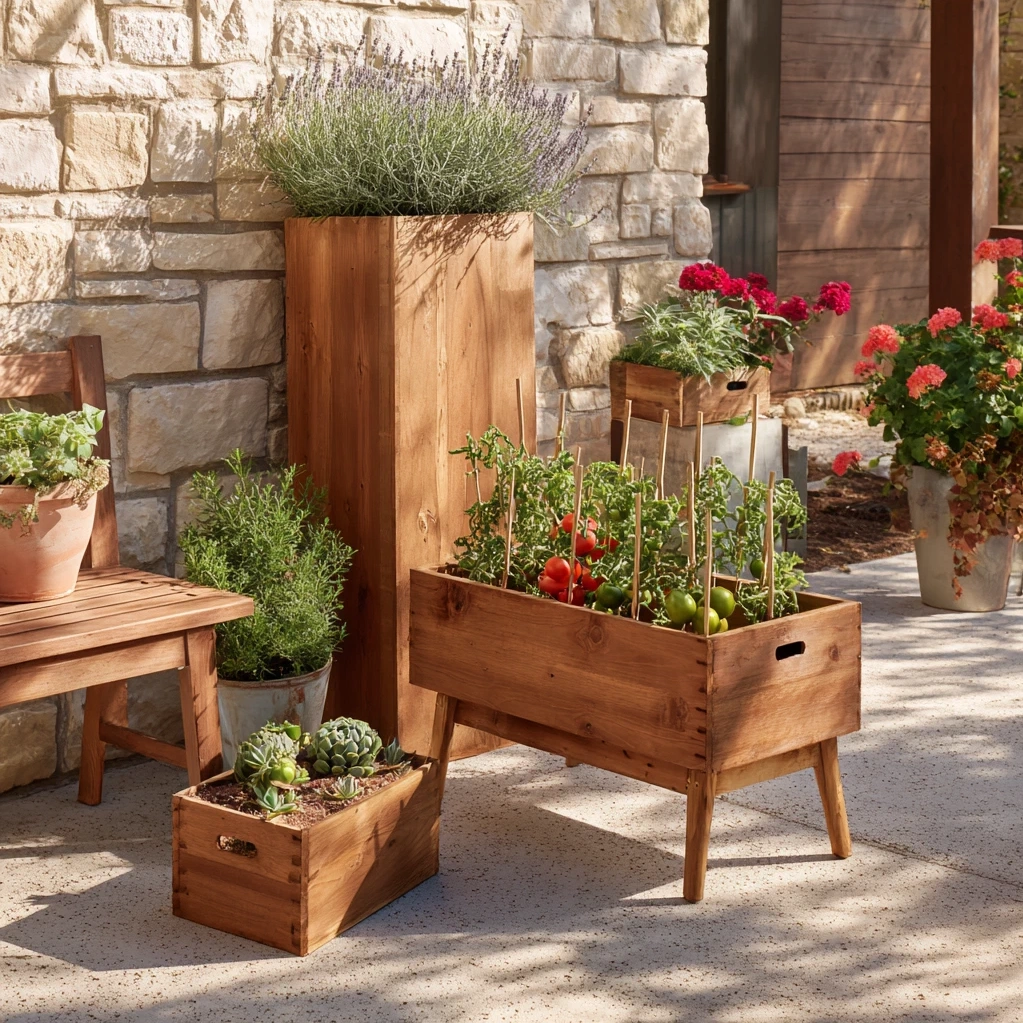
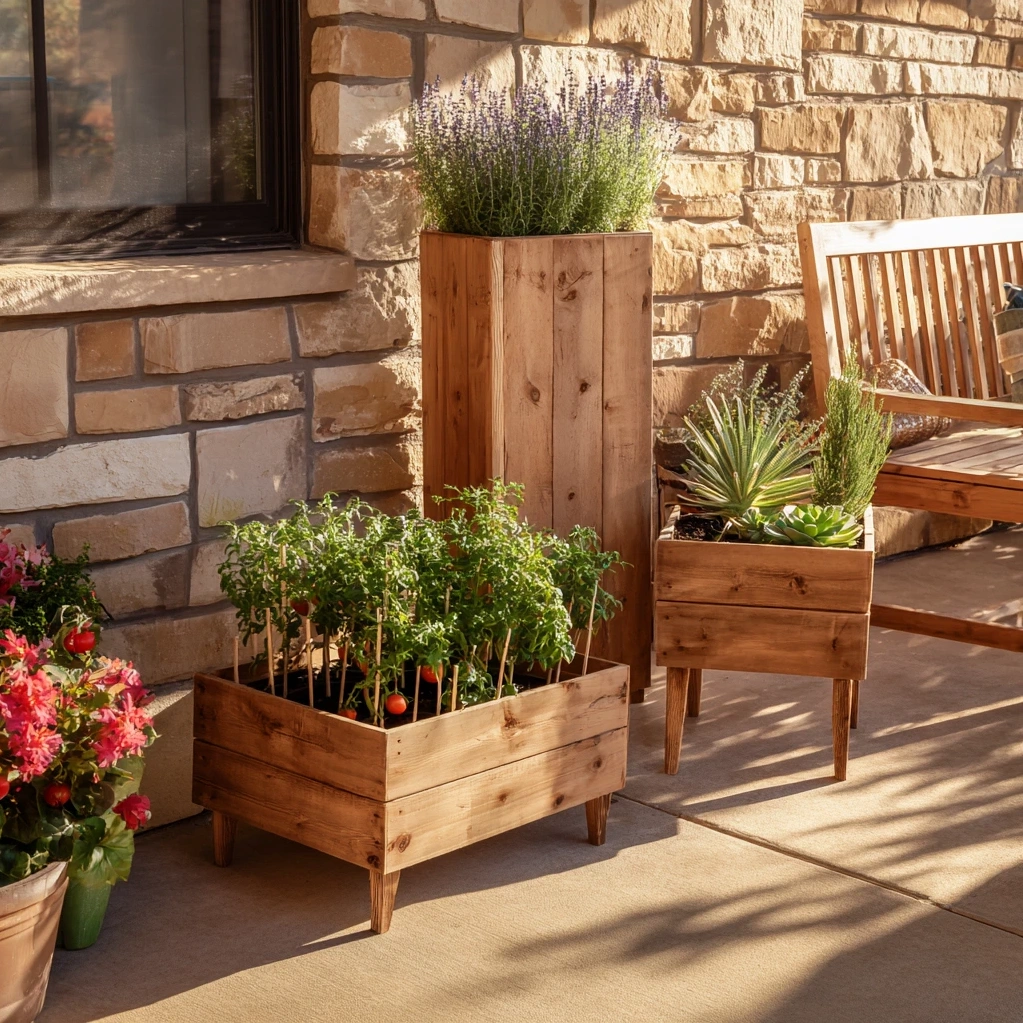
Multiple wood planter boxes offer endless design possibilities that transform ordinary spaces into extraordinary gardens. Start by considering scale and proportion—varying heights create visual interest and allow plants to receive optimal sunlight. Use taller planters as backdrops for shorter ones, or create stepped arrangements that guide the eye through your space. This layering technique works beautifully on patios, along fences, or defining garden pathways.
Grouping wood planter boxes creates cohesive garden rooms within larger spaces. Arrange identical boxes in symmetrical patterns for formal elegance, or mix sizes and styles for eclectic charm. Consider creating living walls by stacking boxes vertically against a sturdy support structure. This approach maximizes growing space in small areas while creating stunning focal points. For edible gardens, dedicate specific planters to different plant families—one for herbs, another for vegetables, and perhaps a third for cut flowers.
Seasonal transformations keep your wood planter box arrangements fresh throughout the year. In spring, focus on bulbs and early bloomers. Summer brings opportunities for lush, heat-loving plants. Autumn planters can feature ornamental grasses and late-blooming flowers, while winter arrangements might showcase evergreens and berries with decorative elements. Don't forget about nighttime appeal—adding subtle lighting among your planters extends their enjoyment into evening hours. Solar-powered LED lights tucked among plants create magical effects without complicated wiring.
The mobility of wood planter boxes allows for experimentation. Try different arrangements monthly to discover what works best for both aesthetics and plant health. Create movable garden partitions that define spaces temporarily, or arrange boxes to follow the sun's path across your space. This flexibility makes wood planters particularly valuable for renters or those who enjoy frequently refreshing their outdoor decor.
Conclusion
A wood planter box represents the perfect marriage of form and function in garden design. These versatile containers offer practical solutions for growing plants in various environments while adding natural beauty and architectural interest to any space. From simple herb gardens on apartment balconies to elaborate multi-planter arrangements in sprawling backyards, these wooden containers adapt to countless gardening scenarios.
Throughout this exploration, we've seen how choosing the right materials, customizing designs, and implementing proper planting techniques can maximize both the longevity of your planter and the health of your plants. The beauty of wood planters lies in their adaptability—they can be as simple or elaborate as your skills and vision allow. Whether purchased ready-made or crafted as a personal project, each wood planter box becomes a unique expression of your gardening style.
Looking forward, the trend toward sustainable, natural materials in home and garden design suggests wood planters will continue growing in popularity. Their environmental benefits—being biodegradable and often made from renewable resources—align with increasing ecological awareness. As urban gardening expands, these containers will play a crucial role in bringing greenery to concrete landscapes. The future may bring innovations in wood treatments for even greater durability, or modular systems that make rearranging gardens as easy as moving furniture.
Start with one well-chosen wood planter box and discover how it transforms your relationship with growing things. Notice how it changes with the seasons, how plants thrive in their elevated home, and how this simple wooden structure becomes a living piece of art in your daily environment. Your journey with wood planter boxes might begin with a single container, but it often grows into a lifelong passion for creating beautiful, living spaces.
Frequently Asked Questions
Q: What type of wood is best for outdoor planter boxes?
Cedar and redwood are excellent choices for outdoor wood planter boxes because they naturally resist rot, decay, and insect damage. These woods contain natural oils that protect against moisture without chemical treatments. Pressure-treated pine is another durable option, but ensure it's labeled for ground contact and consider lining it if growing edible plants. Teak offers exceptional longevity but comes at a higher cost. Avoid woods like standard pine or fir for permanent outdoor use unless you plan to maintain them regularly with sealants.
Q: How do I prevent my wood planter box from rotting?
Prevent rot by starting with rot-resistant wood like cedar or redwood. Ensure proper drainage with multiple holes in the bottom to prevent water from pooling. Elevate the planter slightly using feet or blocks to allow air circulation underneath. Apply a wood sealant or stain designed for exterior use, reapplying annually or as needed. Consider using a plastic liner (with drainage holes) to separate soil from direct wood contact. Avoid letting soil remain constantly soggy by using well-draining potting mix and watering appropriately for your plants.
Q: Can I grow vegetables in wood planter boxes?
Absolutely! Wood planter boxes are excellent for growing vegetables. They provide good drainage, allow for soil quality control, and can be placed in optimal sunlight locations. Use boxes at least 12 inches deep for most vegetables, with deeper containers (18-24 inches) for root vegetables like carrots or potatoes. Ensure you use untreated or food-safe treated wood, and consider lining with food-safe materials if concerned about chemical leaching. Fill with high-quality potting mix enriched with compost, and remember that containers may require more frequent watering and fertilizing than in-ground gardens.