Painted Flower Pots: Transform Your Garden with Stunning DIY Magic

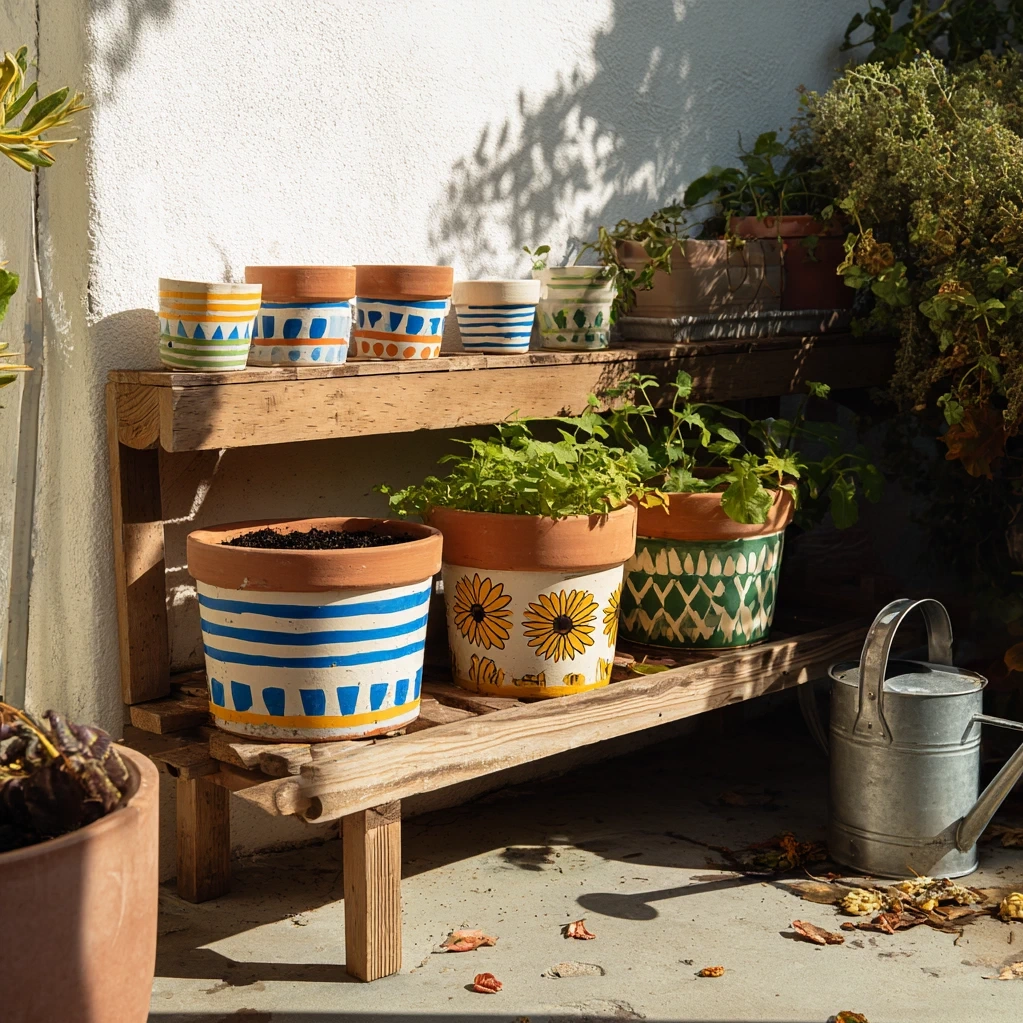
Imagine stepping into your garden and being greeted by a vibrant array of personalized containers that reflect your unique style and personality. Painted flower pots aren’t just functional vessels for your plants—they’re creative canvases that can transform any outdoor or indoor space into a living gallery of color and expression. In today’s world where mass-produced decor dominates, adding that personal touch to your gardening experience can make all the difference in creating a space that truly feels like home. The beauty of painted flower pots lies in their versatility. Whether you’re working with simple terracotta pots from the garden center or upcycling old containers, the process of transforming them with paint opens up endless possibilities for customization. You can match your home’s color scheme, create seasonal themes, or express artistic visions that commercial products simply can’t replicate. This simple DIY project offers therapeutic benefits too—the act of painting can be wonderfully meditative, allowing you to unwind while creating something beautiful. Beyond aesthetics, painted flower pots serve practical purposes as well. They help protect your plants by providing a barrier against the elements, and when properly sealed, they can extend the life of your containers. The process also encourages sustainability through upcycling, as you can breathe new life into old pots rather than discarding them. Whether you’re a seasoned gardener looking to refresh your space or a beginner wanting to add personal flair to your first plant collection, painted flower pots offer an accessible entry point into the world of creative gardening. The best part? You don’t need to be an artist to create something beautiful. With a few basic supplies and some inspiration, anyone can transform ordinary pots into extraordinary garden features. As we explore this topic, you’ll discover how these simple painted creations can elevate your entire gardening experience, making your green space more personal, more beautiful, and more reflective of your individual taste.
Essential Materials for Perfectly Painted Flower Pots
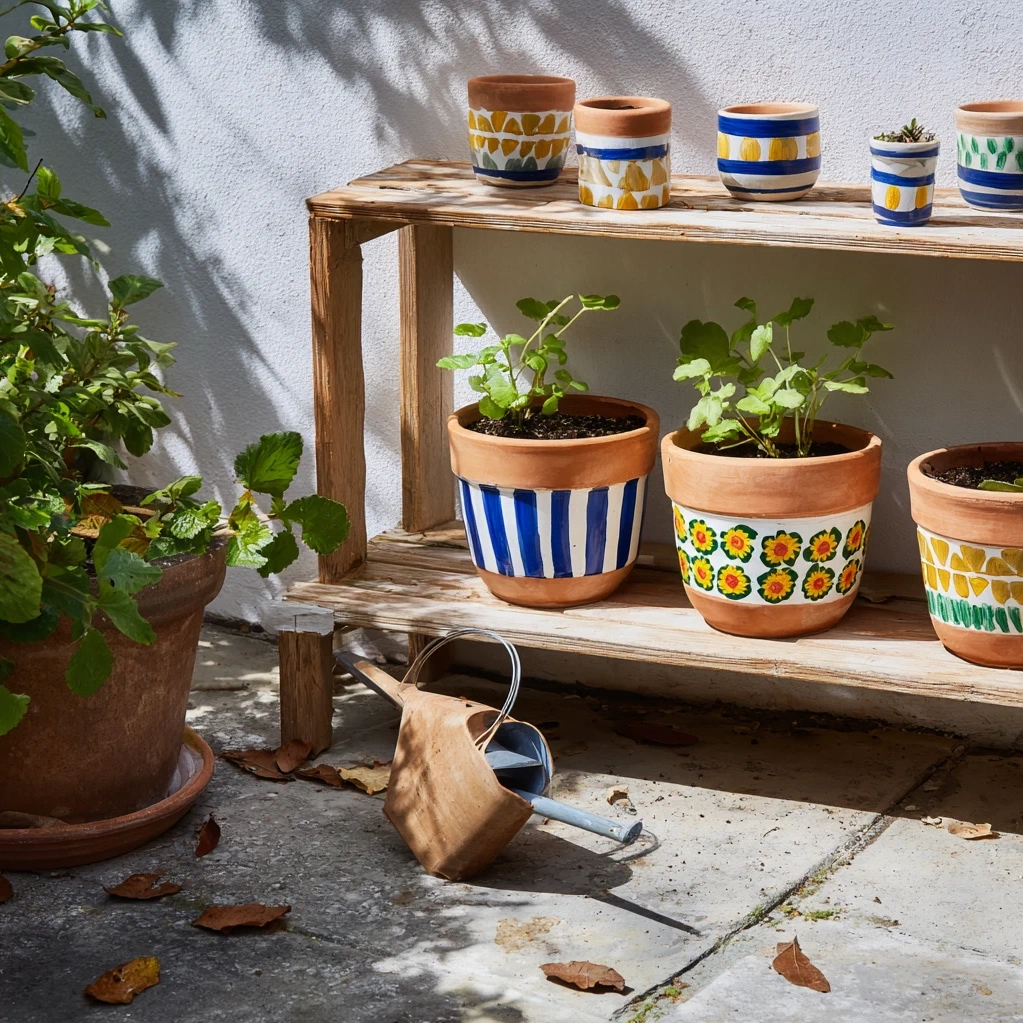
Before you begin transforming your containers, gathering the right materials is crucial for success. The foundation of any painted flower pot project starts with selecting appropriate pots. Terracotta pots are ideal for beginners—they're porous, affordable, and take paint beautifully. Ceramic and plastic pots also work well, though they may require different preparation techniques. For paint, acrylic craft paints offer excellent coverage and come in a rainbow of colors. These water-based paints are easy to work with, quick-drying, and available at most craft stores. If you're painting pots for outdoor use, consider adding outdoor-grade sealant to protect your artwork from weather elements. Don't forget quality brushes in various sizes—small detail brushes for intricate designs and larger brushes for background coverage. A primer or gesso helps create a smooth painting surface, especially on porous terracotta. Other essential supplies include painter's tape for clean lines, sandpaper for smoothing rough surfaces, and cleaning supplies to prepare your pots properly. For those wanting extra texture, consider adding decorative elements like mosaic tiles, rope, or stencils. When preparing your workspace, choose a well-ventilated area protected from wind if working outdoors. Lay down newspaper or a drop cloth to catch drips and spills. Proper preparation makes the painting process smoother and more enjoyable. Remember that investing in quality materials doesn't mean spending a fortune—many successful projects use basic supplies from local craft stores. The key is choosing materials appropriate for your specific pots and intended use. With these essentials gathered, you're ready to move from preparation to creation, transforming ordinary containers into personalized masterpieces that will enhance your garden for seasons to come.
Step-by-Step Techniques for Painting Flower Pots
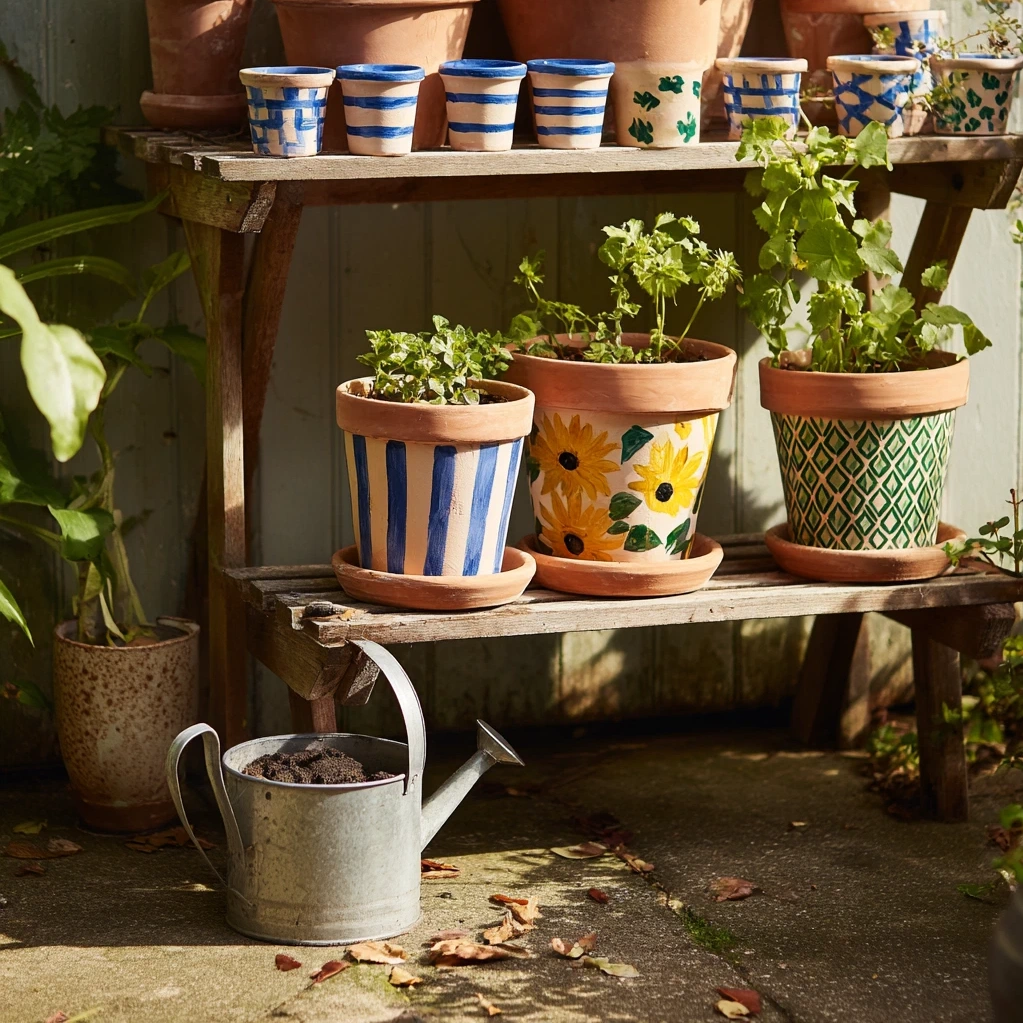
Now that you have your materials ready, let's walk through the painting process from start to finish. Begin with thorough preparation—clean your pots with soap and water to remove any dirt or debris, then let them dry completely. If working with terracotta, consider sealing the interior with a waterproof sealant to prevent moisture damage to your paint. Next, apply a base coat of primer or gesso to create an even painting surface. This step is particularly important for porous materials that might absorb too much paint. Once your primer is dry, you can start painting. For solid colors, apply thin, even coats rather than one thick layer—this prevents drips and ensures better coverage. Allow each coat to dry completely before adding another. If you're creating patterns or designs, sketch them lightly with pencil first. Use painter's tape for clean lines and geometric patterns. For more organic designs like flowers or abstract patterns, freehand painting can create beautiful, unique results. Layering techniques work wonderfully on painted flower pots—start with a base color, add patterns, then incorporate details. Don't be afraid to experiment with different brush strokes and textures. Dry brushing can create weathered or antique effects, while sponging adds interesting texture. Once your design is complete and thoroughly dry, apply a clear sealant. For outdoor pots, choose a weather-resistant sealant and apply multiple coats for maximum protection. Indoor pots can use a standard acrylic sealant. The finishing touches make all the difference—consider adding decorative elements like painted rims, contrasting colors on the pot's edge, or even small embellishments. Remember that practice improves results, so don't be discouraged if your first attempt isn't perfect. Each painted flower pot becomes part of your learning journey. Most importantly, have fun with the process. The beauty of DIY painted flower pots lies in their imperfections and personal touches that make them uniquely yours.
Creative Design Ideas for Your Painted Flower Pots
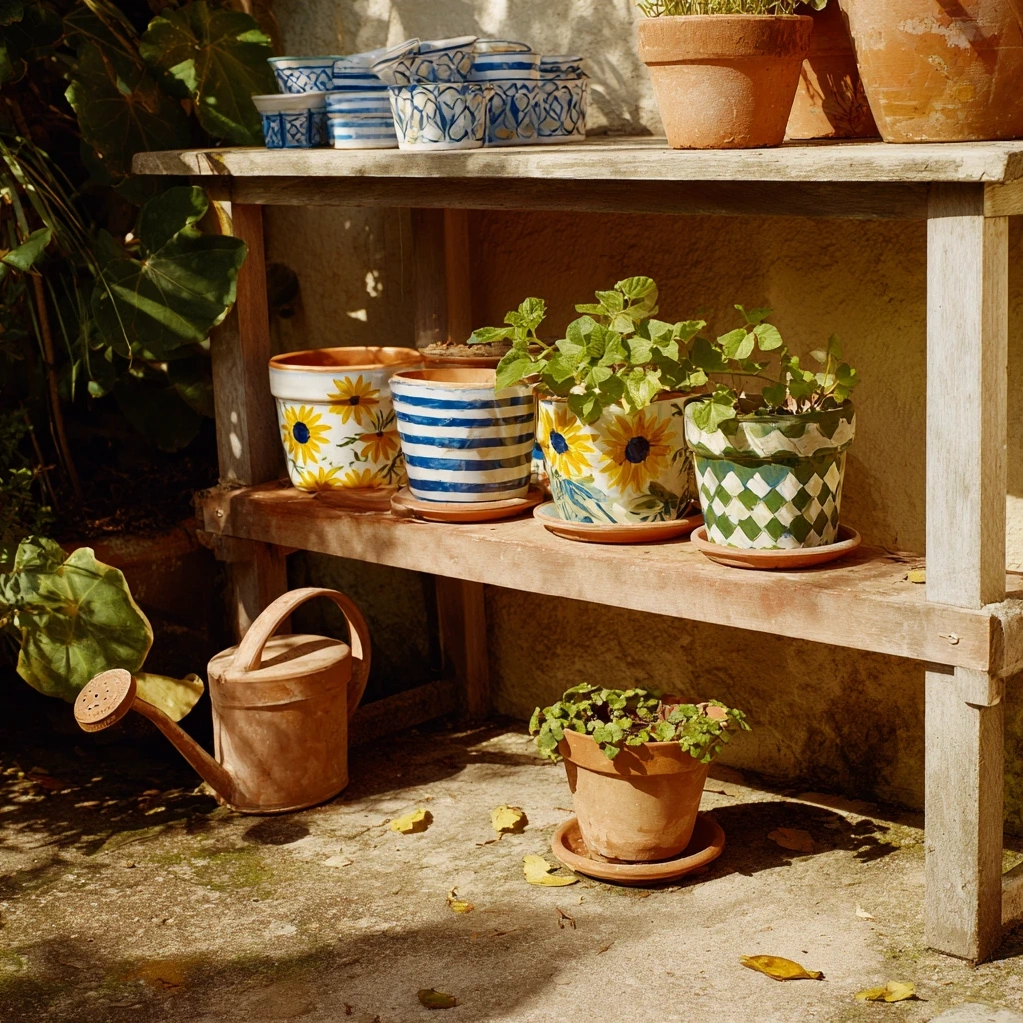
Unleash your creativity with these inspiring design concepts for painted flower pots. For a modern minimalist look, consider monochromatic schemes with geometric patterns. Clean lines, triangles, or stripes in neutral colors create sophisticated containers that complement contemporary gardens. Nature-inspired designs are perennial favorites—paint delicate flowers, leaves, or landscapes that blend seamlessly with your actual plants. You can create thematic collections for different seasons: pastel florals for spring, bright sunflowers for summer, warm oranges and browns for autumn, or icy blues and whites for winter. Upcycling enthusiasts might enjoy transforming old pots with mosaic techniques using broken tiles or glass pieces embedded in adhesive. For a playful touch, paint faces or animals on your pots—these whimsical designs are especially popular for children's gardens or indoor plant collections. Ombre effects create stunning visual impact, with colors gradually transitioning from dark to light. This technique works beautifully on tall planters where the color shift can be fully appreciated. Textured approaches like sponge painting or using specialty paints with sand or glitter additives add dimension to your creations. Don't overlook the power of words—inspirational quotes, plant names, or simple messages painted in elegant script can personalize your pots meaningfully. For those who prefer subtlety, consider painting just the rims or adding small decorative details rather than covering entire surfaces. Color coordination with your home's exterior or garden furniture creates cohesive outdoor spaces. Remember that your painted flower pots don't need to match perfectly—eclectic collections with varying designs can create charming, lived-in garden aesthetics. Consider painting pots to complement specific plants: blue pots for yellow flowers, green pots for red blooms, or neutral pots that let colorful plants take center stage. The possibilities are limited only by your imagination. As you experiment with different designs, you'll develop your unique style that makes your garden truly personal and inviting.
Conclusion
Painted flower pots represent more than just decorative containers—they're expressions of creativity that bridge the gap between gardening and art. Throughout this exploration, we've seen how these personalized creations can transform ordinary gardening into an engaging, therapeutic, and visually stunning experience. From selecting the right materials to mastering painting techniques and exploring endless design possibilities, each step in the process offers opportunities for personal expression and skill development. The true magic of painted flower pots lies in their ability to make any space feel more intentional and welcoming. Whether you're refreshing a balcony, enhancing a backyard garden, or adding charm to indoor plant collections, these customized containers create focal points that draw the eye and spark conversation. They demonstrate that gardening isn't just about plants—it's about creating environments that reflect our personalities and bring us joy. As you continue your journey with painted flower pots, remember that perfection isn't the goal. Each brushstroke tells a story, and every pot becomes a testament to your creative journey. The beauty of this DIY project is its accessibility—anyone can participate regardless of artistic experience. Looking forward, consider expanding your painted flower pot projects into community activities or gifts for fellow gardeners. Share your techniques with friends, host painting parties, or document your creations to inspire others. The world of garden customization continues to evolve, with new materials and techniques emerging regularly. Stay curious, keep experimenting, and most importantly, enjoy the process of bringing color and personality to your green spaces. Your garden is your canvas, and painted flower pots are the perfect medium for making it uniquely yours.
Frequently Asked Questions
Q: What type of paint works best for outdoor painted flower pots?
For outdoor painted flower pots, acrylic craft paints work well when properly sealed. These water-based paints are versatile, available in numerous colors, and adhere nicely to various surfaces. The key is applying a quality outdoor sealant after painting. Use a clear polyurethane or varnish designed for exterior use, applying multiple thin coats for maximum protection. For pots that will experience extreme weather conditions, consider using specialty outdoor paints or spray paints formulated for exterior surfaces. Always ensure your pots are completely clean and dry before painting, and allow adequate drying time between coats. Properly sealed acrylic paints can withstand seasonal changes while maintaining their vibrant colors.
Q: How do I prepare terracotta pots before painting them?
Preparing terracotta pots properly ensures your paint adheres well and lasts longer. Start by cleaning the pot thoroughly with soap and warm water to remove dust, dirt, and any manufacturing residues. Use a scrub brush for stubborn spots. Rinse completely and allow the pot to dry for at least 24 hours—terracotta is porous and needs time to release moisture. Once dry, consider sealing the interior with a waterproof sealant to prevent moisture from seeping through and damaging your paint job. For the exterior, applying a primer or gesso creates a smooth painting surface and reduces the pot's absorbency. Lightly sanding the surface can help the paint adhere better. Some gardeners also soak terracotta pots in water before painting to minimize initial absorption, though this requires additional drying time. Proper preparation might seem time-consuming, but it significantly improves your final results and the longevity of your painted designs.
Q: Can I use regular house paint for painting flower pots?
While regular house paint can be used for painting flower pots, it's not always the best choice. Latex house paint may not adhere well to slick surfaces like glazed ceramic or plastic pots without proper preparation. It also tends to be thicker than craft paints, which can lead to cracking or peeling over time, especially with temperature changes. If you choose to use house paint, select high-quality exterior paint and thin it slightly with water for better application. Proper surface preparation is crucial—clean thoroughly and consider using a bonding primer. The advantage of house paint is its availability in custom colors and larger quantities. However, for most DIY projects, acrylic craft paints offer better flexibility, easier application, and more reliable results for painted flower pots. They're specifically formulated for craft surfaces and provide the vibrant colors and durability needed for decorative containers.