French Toile Fabric: Exquisite Timeless Patterns That Transform Any Space

Step into any room adorned with French toile fabric, and you’ll immediately sense the timeless elegance and rich history woven into its intricate patterns. This distinctive textile, characterized by its detailed pastoral scenes, romantic figures, and delicate floral motifs printed on a light background, has captivated interior designers and homeowners for centuries. Its enduring appeal lies not just in its beauty but in its remarkable versatility and storytelling quality that can elevate any space from ordinary to extraordinary.
French toile fabric originated in the town of Jouy-en-Josas, France, in the late 18th century, where manufacturers developed copperplate printing techniques that allowed for exceptionally detailed designs. These early toiles often depicted idyllic rural scenes, historical events, or mythological tales, turning fabric into narrative art. Today, this heritage continues to influence contemporary design, with toile remaining a sophisticated choice for those seeking to infuse their homes with European charm and artistic depth.
Incorporating French toile fabric into your decor isn't just about adding pattern; it's about creating atmosphere. Whether used for curtains, upholstery, bedding, or accent pillows, toile brings a sense of refinement and continuity to interiors. Its ability to blend with various styles—from traditional French country to modern eclectic—makes it uniquely adaptable. Understanding how to work with this fabric can transform your approach to home design, offering endless possibilities for personal expression.
The Rich History and Evolution of French Toile Fabric
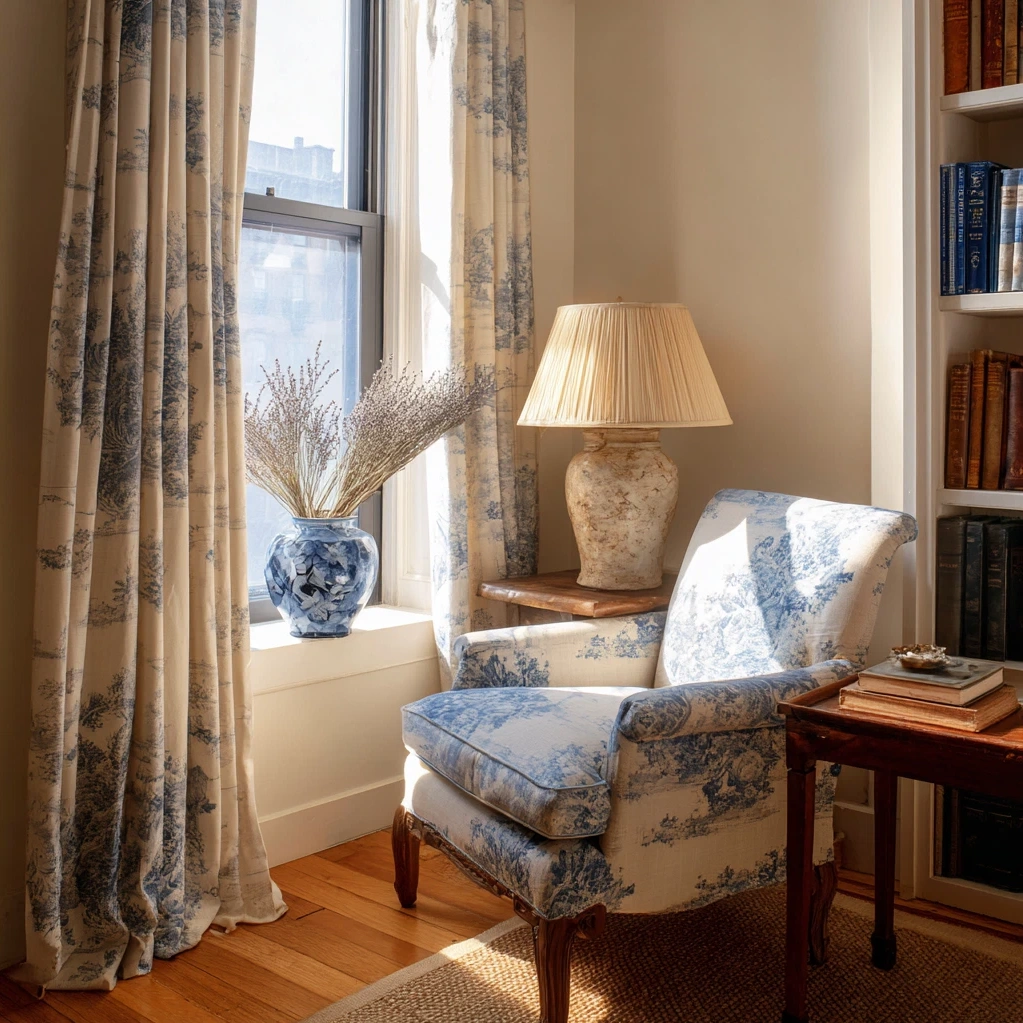
To truly appreciate French toile fabric, one must delve into its fascinating history that dates back to the late 1700s. The term 'toile de Jouy' literally means 'cloth from Jouy,' referring to the town where the Oberkampf manufactory perfected the printing techniques that made this fabric famous. Using copperplate printing, artisans could transfer incredibly detailed designs onto cotton or linen, creating scenes that told stories of love, nature, and daily life. These early patterns often featured romanticized versions of rural activities, classical mythology, or contemporary events, making them both decorative and educational.
As the Industrial Revolution progressed, roller printing replaced copperplate methods, making French toile fabric more accessible while maintaining its artistic quality. The designs evolved to include more varied themes, from exotic landscapes inspired by trade routes to floral patterns that reflected botanical discoveries. Despite these changes, the essential character of toile remained consistent: monochromatic or limited-color scenes on a light background, creating a sophisticated yet approachable aesthetic.
In modern times, French toile fabric has experienced numerous revivals, each adapting the classic patterns to contemporary tastes. Designers have introduced brighter colors, updated motifs, and experimented with scale while preserving the traditional craftsmanship. This evolution demonstrates the fabric's remarkable adaptability, ensuring its place in both heritage conservation and innovative design. Understanding this history helps decorators make informed choices, whether selecting authentic reproductions or modern interpretations for their projects.
Practical Applications of French Toile Fabric in Home Decor
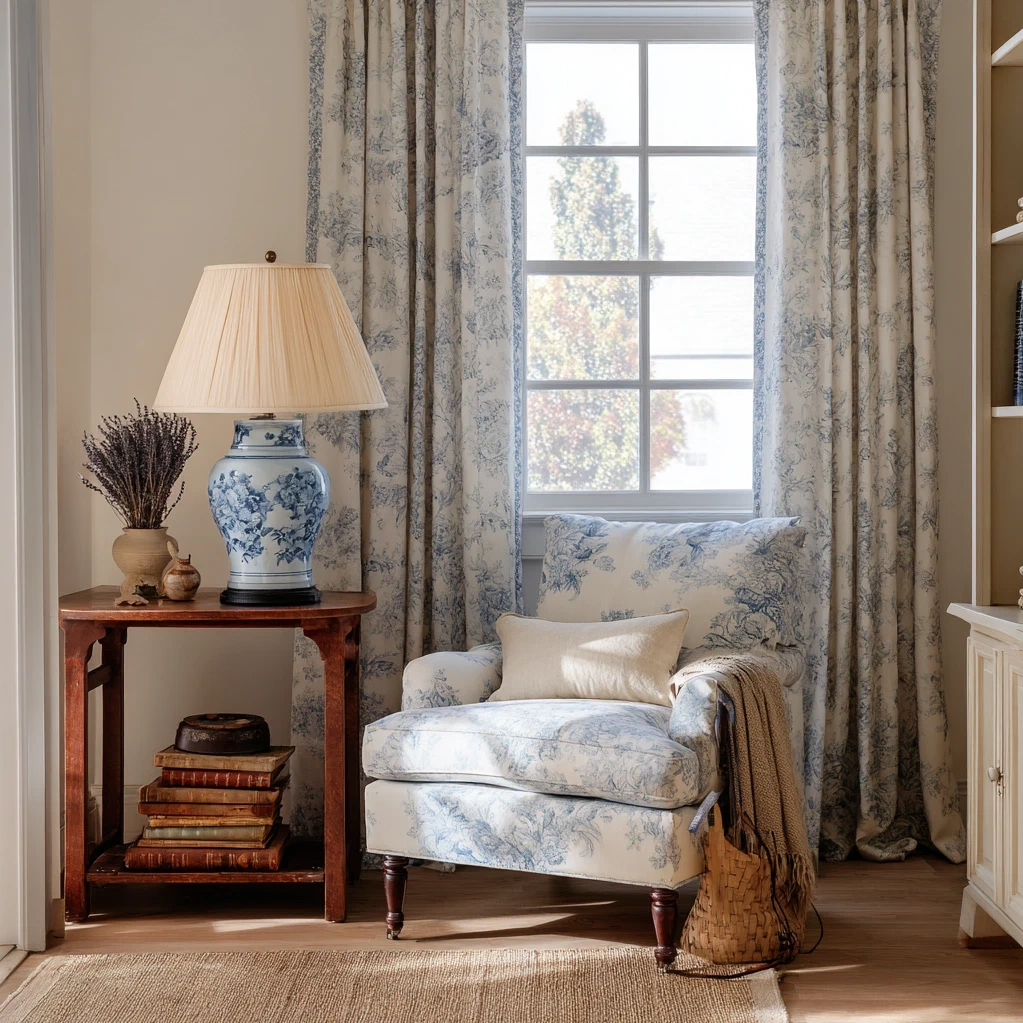
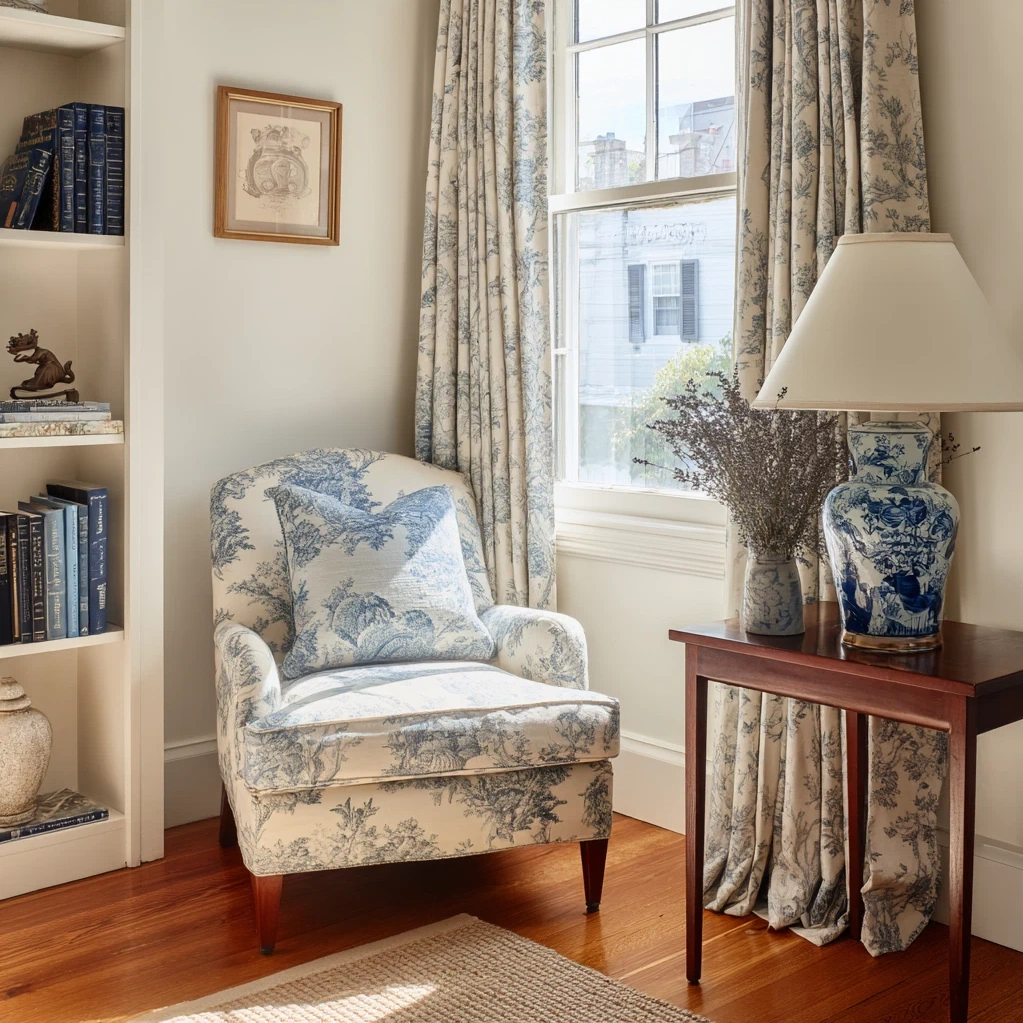
French toile fabric offers endless possibilities for enhancing your living spaces, thanks to its versatility and timeless appeal. One of the most popular applications is window treatments, where toile curtains or valances can frame a view while adding pattern and texture. The fabric's detailed scenes create visual interest without overwhelming a room, especially when paired with solid-colored walls or simple furniture. For larger windows, consider full-length panels in a classic blue or red toile to establish a focal point that draws the eye.
Upholstery represents another excellent use for French toile fabric, particularly on accent chairs, headboards, or ottomans. A toile-upholstered armchair in a living room or bedroom introduces character and comfort, serving as both functional seating and decorative art. When selecting toile for upholstery, opt for medium to heavy-weight cotton or linen blends that can withstand regular use while maintaining their vibrant prints. Mixing toile with other fabrics—like velvet for contrast or linen for texture—creates layered, sophisticated interiors.
Bedding and table linens also benefit from the charm of French toile fabric. A toile duvet cover or pillow shams can transform a bedroom into a serene retreat, especially when coordinated with complementary solids or subtle stripes. For dining areas, toile tablecloths or napkins add an instant touch of elegance to meals, whether for everyday use or special occasions. Smaller accents like throw pillows, lampshades, or even framed fabric panels allow for experimentation without commitment, making toile accessible to beginners and experts alike.
Styling Tips for Incorporating French Toile Fabric Beautifully
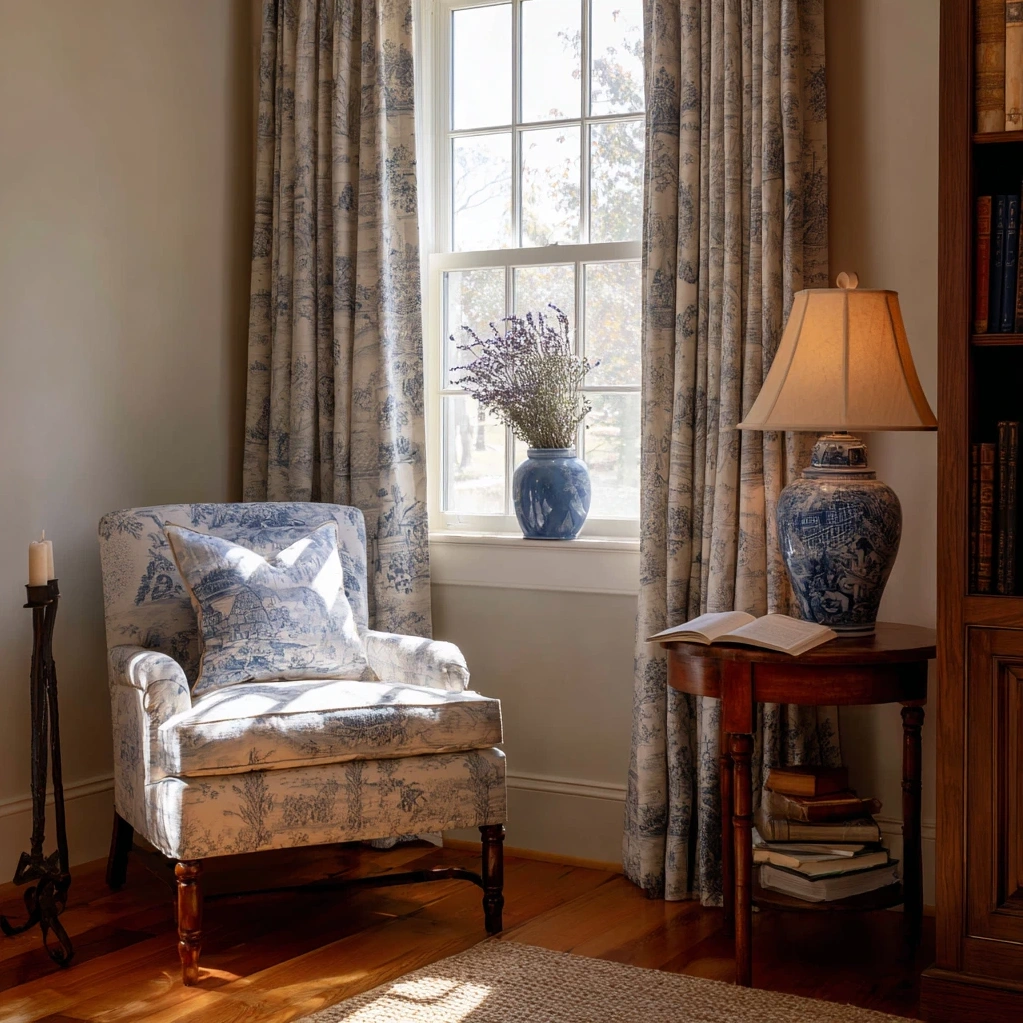
Successfully integrating French toile fabric into your decor requires thoughtful styling to balance its detailed patterns with other elements. Start by considering color schemes that complement rather than compete. Traditional toile often features single colors—like navy, burgundy, or black—on cream or white backgrounds, making it easy to pair with neutral palettes. For a cohesive look, pull one dominant color from the toile pattern and repeat it in accessories, paint, or adjacent fabrics. This creates harmony while allowing the toile to shine as the star attraction.
Scale and proportion play crucial roles when working with French toile fabric. In larger rooms, bold, oversized patterns can make a dramatic statement without feeling cramped. Conversely, smaller spaces benefit from petite-scale toile that adds detail without overwhelming. Mixing different scales of toile—such as combining a large-patterned curtain with a small-patterned pillow—adds depth and interest. Always leave some visual breathing room by balancing patterned areas with solid surfaces, like unadorned walls or simple flooring.
Layering textures enhances the sophistication of French toile fabric. Pair smooth toile cotton with nubby linen, soft velvet, or rustic wood to create tactile contrast that elevates the overall design. For example, a toile sofa cushion looks richer against a wool throw, while a toile lampshade gains warmth when placed on a wooden base. Don't shy away from mixing styles either; toile works beautifully in modern settings when used sparingly as an accent, proving its adaptability across design eras. These styling strategies ensure your toile elements feel intentional and integrated rather than outdated or overwhelming.
Conclusion
French toile fabric remains a beloved staple in interior design for good reason: its unique combination of artistry, history, and versatility makes it an invaluable tool for creating beautiful, personalized spaces. From its origins in 18th-century France to its modern adaptations, toile has consistently offered a way to infuse rooms with narrative depth and European elegance. By understanding its background, exploring practical applications, and mastering styling techniques, you can confidently incorporate this timeless textile into your home.
Looking forward, the future of French toile fabric appears bright as designers continue to reinterpret classic patterns for contemporary audiences. Expect to see more sustainable production methods, innovative color combinations, and digital printing technologies that preserve detail while reducing environmental impact. These advancements will make toile even more accessible and adaptable, ensuring its relevance for generations to come.
For your next decor project, consider starting with one small toile element—a pillow, a lampshade, or a framed swatch—to test how its charm resonates in your space. As you grow more comfortable, gradually introduce larger pieces, always balancing pattern with simplicity. Remember that the best interiors tell a story, and French toile fabric provides the perfect narrative thread to weave throughout your home, creating cohesive, inviting environments that reflect both tradition and personal style.
Frequently Asked Questions
Q: What is the best way to clean and maintain French toile fabric?
Cleaning French toile fabric depends on its fiber content and use. For cotton or linen toile used in decor items like curtains or pillows, gentle machine washing in cold water with mild detergent is often safe, especially for pre-washed fabrics. Always check care labels first. For upholstery or delicate heirloom pieces, professional dry cleaning is recommended to preserve colors and details. To maintain vibrancy, avoid direct sunlight which can fade prints over time, and rotate cushions periodically to ensure even wear. Spot clean spills immediately with a damp cloth, blotting rather than rubbing to prevent damage.
Q: Can French toile fabric work in modern or minimalist interiors?
Absolutely! French toile fabric can beautifully complement modern or minimalist spaces when used strategically. The key is to treat toile as an accent rather than the dominant pattern. For example, a single toile accent pillow on a neutral sofa adds character without clutter, or a framed toile panel on a plain wall creates artistic focus. Choose contemporary color schemes like gray-on-white or black-and-taupe toile to align with minimalist aesthetics. Pairing toile with sleek materials like metal, glass, or polished wood creates an appealing contrast between traditional pattern and modern form, proving that this classic fabric adapts effortlessly to current design trends.
Q: How do I choose the right French toile fabric pattern for my room?
Selecting the perfect French toile fabric pattern involves considering room size, existing decor, and personal style. For smaller rooms, opt for petite-scale patterns with open backgrounds to avoid overwhelming the space. Larger rooms can handle bolder, more detailed scenes. Evaluate your color scheme: traditional blue or red toile suits classic interiors, while softer hues like sage or lavender work well in relaxed settings. Look for patterns that resonate with your interests—botanical motifs for nature lovers, pastoral scenes for rustic charm, or architectural elements for structural interest. Always request samples to see how the fabric looks in your lighting and alongside other materials before making a final decision.