Backyard Grill Gazebo: Transform Your Outdoor Space with This Incredible Upgrade

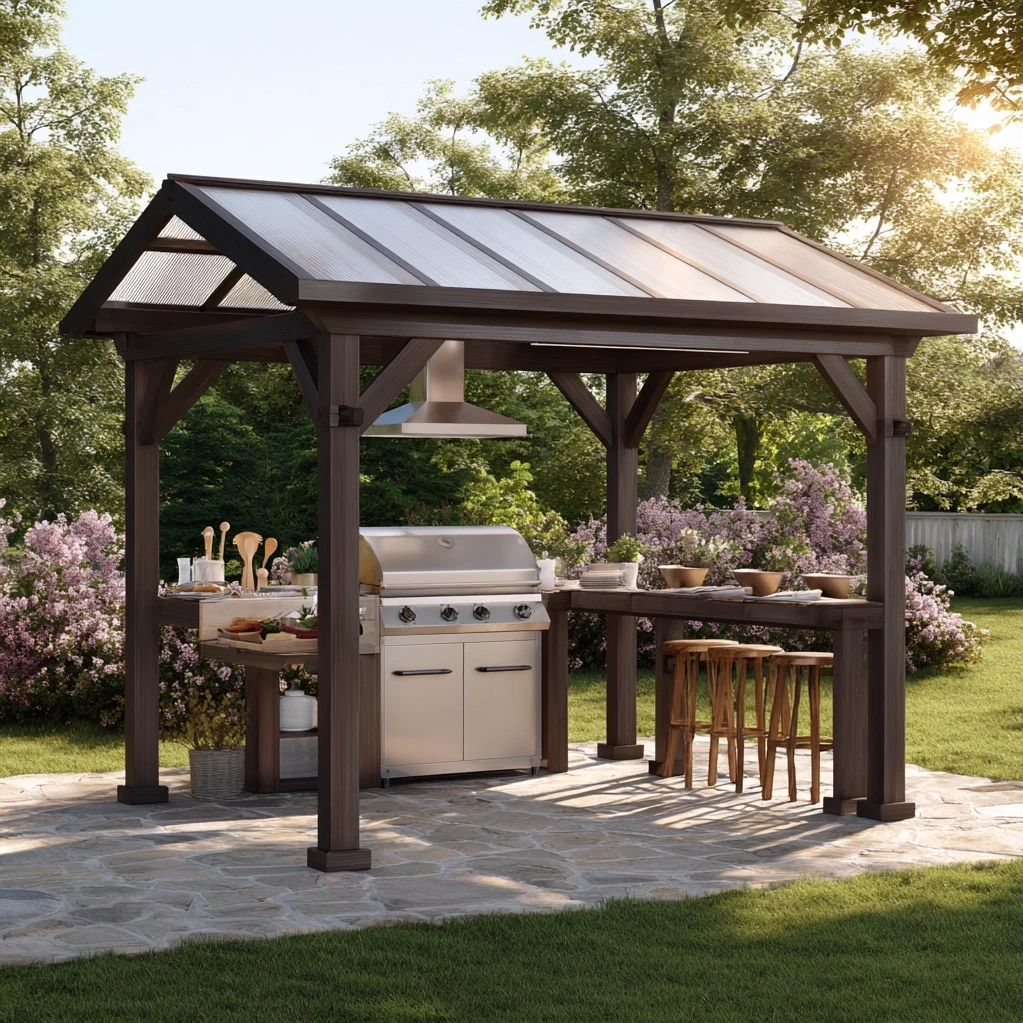
Imagine stepping into your backyard and being greeted by the perfect outdoor cooking and entertainment space. A backyard grill gazebo isn’t just another garden structure—it’s a game-changing addition that transforms how you use your outdoor living area. These versatile shelters combine the functionality of a full cooking station with the comfort of protected dining space, creating an inviting hub for family gatherings, weekend barbecues, and memorable evenings under the stars. The importance of a well-designed backyard grill gazebo extends beyond mere aesthetics. It protects your valuable grilling equipment from weather damage, extends your outdoor entertaining season, and adds significant value to your property. Whether you’re an avid grill master or simply enjoy hosting casual get-togethers, this structure creates a dedicated space that elevates your entire outdoor experience. In today’s homes, where outdoor living has become increasingly important, a backyard grill gazebo serves as the perfect bridge between indoor comfort and outdoor freedom. It provides shelter from sun and rain while maintaining that open-air feeling we all love about backyard living. This isn’t just about having a place to cook—it’s about creating an environment where memories are made, conversations flow naturally, and the simple pleasure of outdoor dining becomes part of your regular routine. The transformation happens immediately as this structure becomes the focal point of your yard, organizing your outdoor space in a way that feels both intentional and inviting.
Essential Design Features for Your Backyard Grill Gazebo
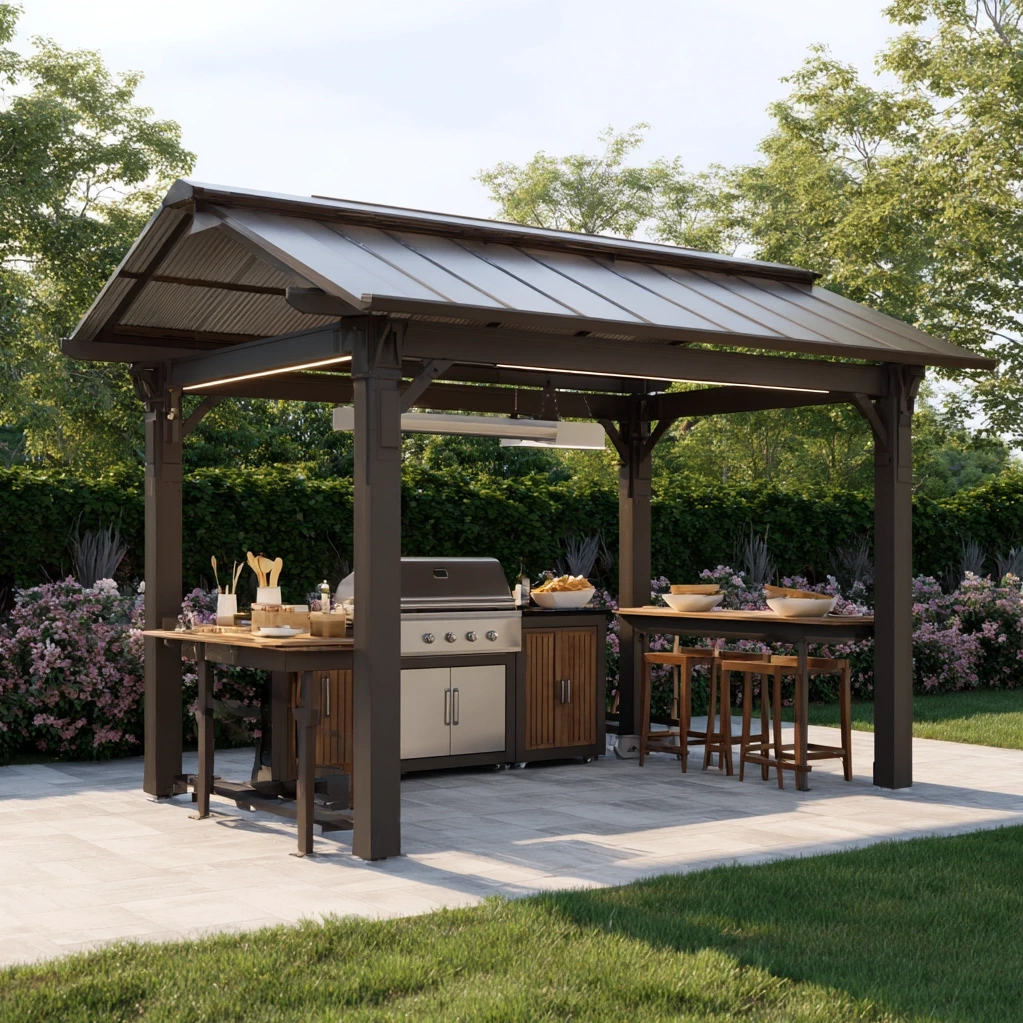
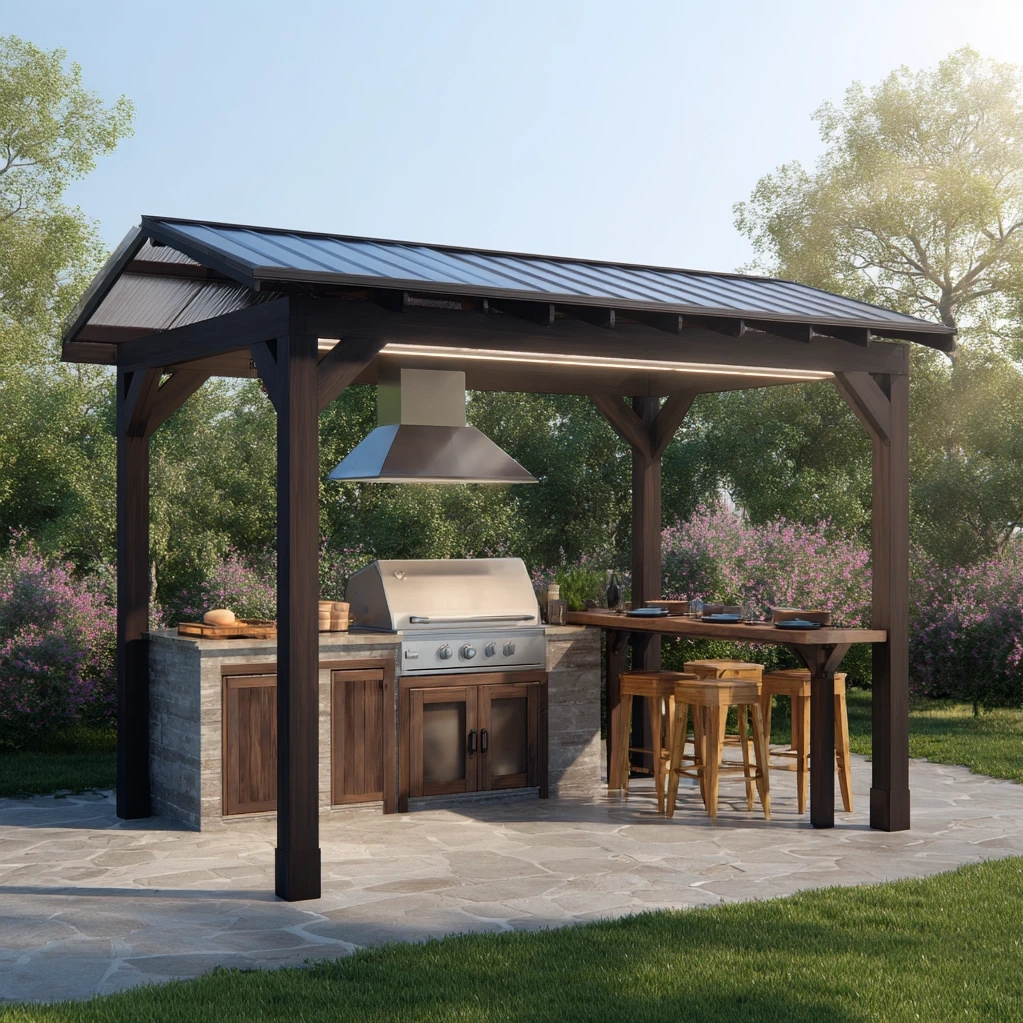
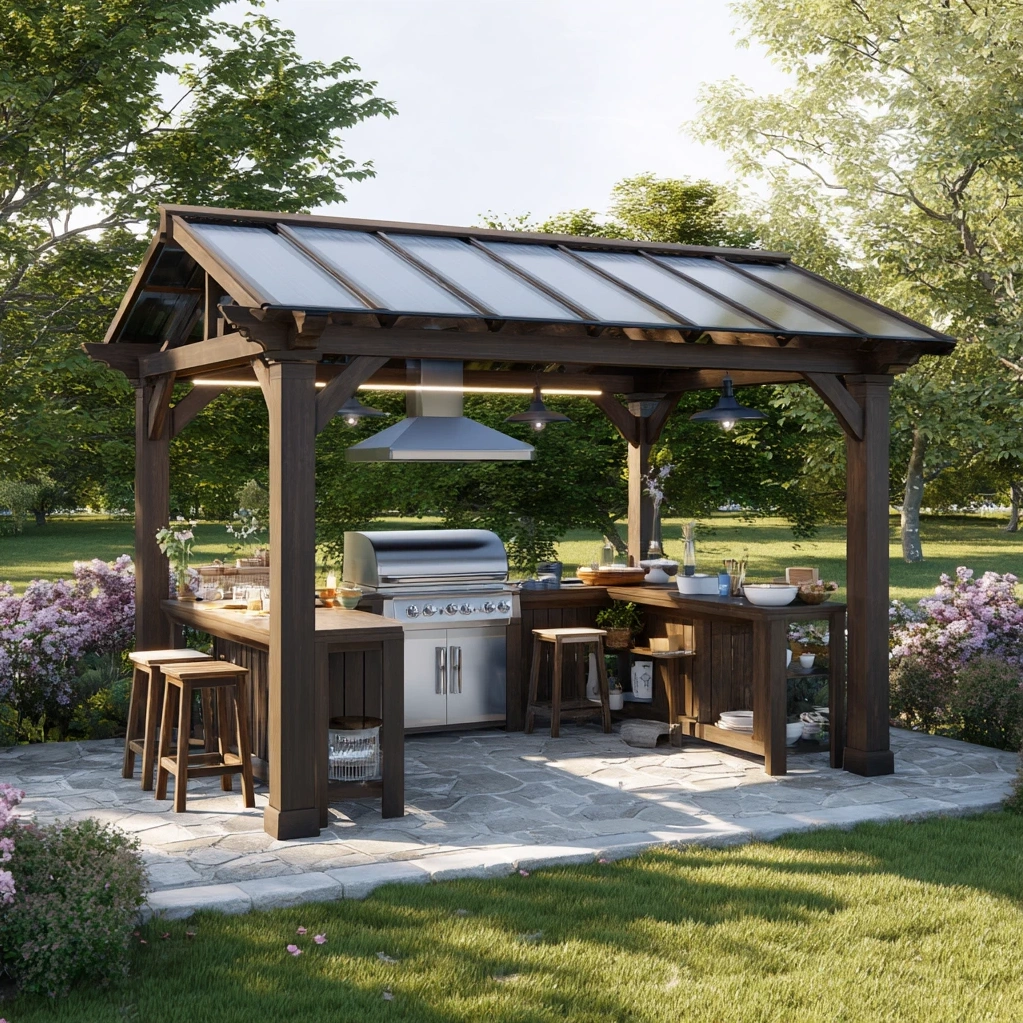
When planning your backyard grill gazebo, certain design features make the difference between a basic shelter and a truly functional outdoor kitchen. The first consideration should be ventilation—proper airflow is crucial for safe grilling operations and comfortable dining. Look for designs with open sides or strategically placed ventilation panels that allow smoke to dissipate while maintaining protection from the elements. The roofing material also plays a vital role in your backyard grill gazebo experience. Durable options like polycarbonate panels provide excellent weather protection while allowing natural light to filter through, creating a bright, inviting atmosphere. For those in hotter climates, consider shade cloth extensions or retractable canopies that offer adjustable sun protection. Storage integration is another key feature that transforms a simple gazebo into a complete outdoor cooking station. Built-in cabinets, shelves, and utensil holders keep your grilling tools organized and within easy reach. Counter space on either side of your grill provides essential prep areas, making the cooking process smoother and more enjoyable. Lighting should not be overlooked in your backyard grill gazebo design. Integrated LED strips under the roof provide excellent task lighting for evening cooking, while softer ambient lights create the perfect mood for dining. Many modern designs include electrical outlets for small appliances, making your outdoor kitchen as functional as your indoor one. Finally, consider the floor surface—durable materials like stone, tile, or composite decking provide a stable, easy-to-clean foundation that withstands heavy use and weather exposure.
Choosing the Perfect Location for Your Backyard Grill Gazebo
Selecting the right location for your backyard grill gazebo significantly impacts both its functionality and your overall enjoyment. Start by considering proximity to your home—too far away makes carrying food and supplies inconvenient, while too close might create smoke issues. A distance of 10-15 feet from your house typically works well, allowing for easy access while maintaining proper ventilation. Wind patterns in your yard deserve careful attention when placing your backyard grill gazebo. Observe which direction prevailing winds blow during different seasons, and position your structure so smoke naturally drifts away from seating areas and your home. If possible, orient the open sides of your gazebo perpendicular to common wind directions to maximize cross-ventilation while maintaining protection. Sun exposure throughout the day is another crucial factor for your backyard grill gazebo placement. Consider where shadows fall at different times—you might want morning sun for breakfast cooking but afternoon shade for comfortable evening entertaining. Many homeowners position their gazebo to capture the best views of their garden or yard, making the dining experience more enjoyable. Accessibility from multiple areas enhances the functionality of your backyard grill gazebo. Ensure clear pathways connect it to your kitchen, dining area, and any other outdoor features like pools or fire pits. This creates a natural flow that encourages movement between spaces during gatherings. Safety considerations should guide your final placement decision. Maintain proper clearance from flammable structures, trees, and overhanging branches. Check local regulations regarding distance requirements from property lines and any restrictions on permanent outdoor cooking structures. The ideal location balances all these factors while creating a natural gathering spot that feels integrated with your overall landscape design.
Maintenance Tips to Protect Your Backyard Grill Gazebo Investment
Proper maintenance ensures your backyard grill gazebo remains beautiful and functional for years to come. Regular cleaning forms the foundation of good care—different materials require specific approaches. For wooden structures, gentle washing with mild soap and water removes surface dirt without damaging the finish. Metal gazebos benefit from occasional wax applications to prevent rust and maintain their appearance. Vinyl and composite materials typically need only periodic rinsing to stay looking fresh. Grill area maintenance within your backyard grill gazebo deserves special attention. Clean grease traps and surfaces regularly to prevent buildup that can become fire hazards. Use appropriate cleaners for different surfaces—stainless steel requires different care than stone countertops. Check for any grease accumulation on the ceiling or walls above your grill, as this can create unpleasant odors and potential safety issues. Seasonal preparation protects your backyard grill gazebo from weather-related damage. Before winter, remove any detachable components like curtains or shade cloths for storage. Ensure drainage systems remain clear of leaves and debris to prevent water accumulation. In areas with heavy snow, consider temporary reinforcement or partial disassembly if your gazebo isn't rated for snow loads. Regular inspections help catch small issues before they become major problems. Check for loose fasteners, signs of rot in wooden components, or corrosion in metal parts. Examine the roof for any damage after severe weather events. Look for wear in high-traffic areas and address it promptly. Protective treatments extend the life of your backyard grill gazebo significantly. Reapply sealants to wooden surfaces as recommended by manufacturers. Touch up paint on metal components before rust develops. Consider UV-protective coatings for fabrics and plastics exposed to constant sunlight. These proactive measures keep your investment looking great while minimizing long-term repair costs.
Conclusion
A backyard grill gazebo represents more than just outdoor furniture—it's an investment in your lifestyle, your home's value, and your ability to create lasting memories with family and friends. By combining the practical benefits of protected cooking space with the aesthetic appeal of a well-designed outdoor structure, this addition transforms how you experience your backyard throughout the year. The careful consideration of design features, strategic placement, and proper maintenance ensures that your gazebo serves as a functional and beautiful centerpiece for years to come. As outdoor living continues to evolve, the backyard grill gazebo stands out as a versatile solution that adapts to changing needs and preferences. Whether you're hosting large gatherings or enjoying quiet family dinners, this structure provides the perfect setting for every occasion. The future of outdoor entertaining increasingly emphasizes multifunctional spaces that blend cooking, dining, and relaxation—exactly what a well-planned gazebo delivers. Looking ahead, consider how your backyard grill gazebo might evolve with your needs. Could you add outdoor heating for cooler months? Might you incorporate smart lighting or entertainment systems? Perhaps you'll expand the surrounding area with additional seating or decorative elements. The beauty of this investment lies in its adaptability—it grows with your family and your entertaining style. Start planning your perfect backyard grill gazebo today, and discover how this simple structure can revolutionize your outdoor living experience, creating a space where every meal becomes an occasion and every gathering feels special.
Frequently Asked Questions
Q: What size backyard grill gazebo do I need for a standard family gathering?
For most family gatherings of 4-8 people, a backyard grill gazebo measuring 10×10 feet provides ample space. This allows room for a standard-sized grill, prep counters on either side, and comfortable movement around the cooking area. If you frequently host larger groups or want to include a dining table within the gazebo, consider upgrading to a 12×12 or 12×14 foot structure. Remember to account for the grill's dimensions plus at least 3 feet of clearance on all sides for safe operation. The height should be at least 7 feet to accommodate most grills and provide comfortable headroom.
Q: Can I install a backyard grill gazebo myself, or should I hire professionals?
Many prefabricated backyard grill gazebo kits are designed for DIY installation by homeowners with basic skills. These typically include detailed instructions and all necessary hardware. However, consider professional installation if your gazebo requires electrical wiring, gas line connections for built-in grills, or permanent foundation work. Professionals also ensure proper anchoring for safety in windy areas. If your yard has significant slope or drainage issues, expert installation ensures proper leveling and water management. Always check local building codes—some areas require permits for permanent structures, which professionals can help navigate.
Q: How do I protect my backyard grill gazebo during winter months?
Winter protection for your backyard grill gazebo depends on your climate and the materials used. For permanent structures, remove detachable elements like fabric panels, curtains, or shade cloths and store them indoors. Clean all surfaces thoroughly before winter to prevent mold and mildew. Apply a protective sealant to wooden components if recommended by the manufacturer. Ensure drainage remains clear to prevent ice damage. In snowy regions, regularly remove snow accumulation from the roof to prevent structural stress. For portable gazebos, consider complete disassembly and indoor storage during harsh winter months. Always cover your grill with a weatherproof cover, and disconnect any gas connections if not in use.