
Warm White Kitchen: Transform Your Home with This Cozy, Inviting Palette

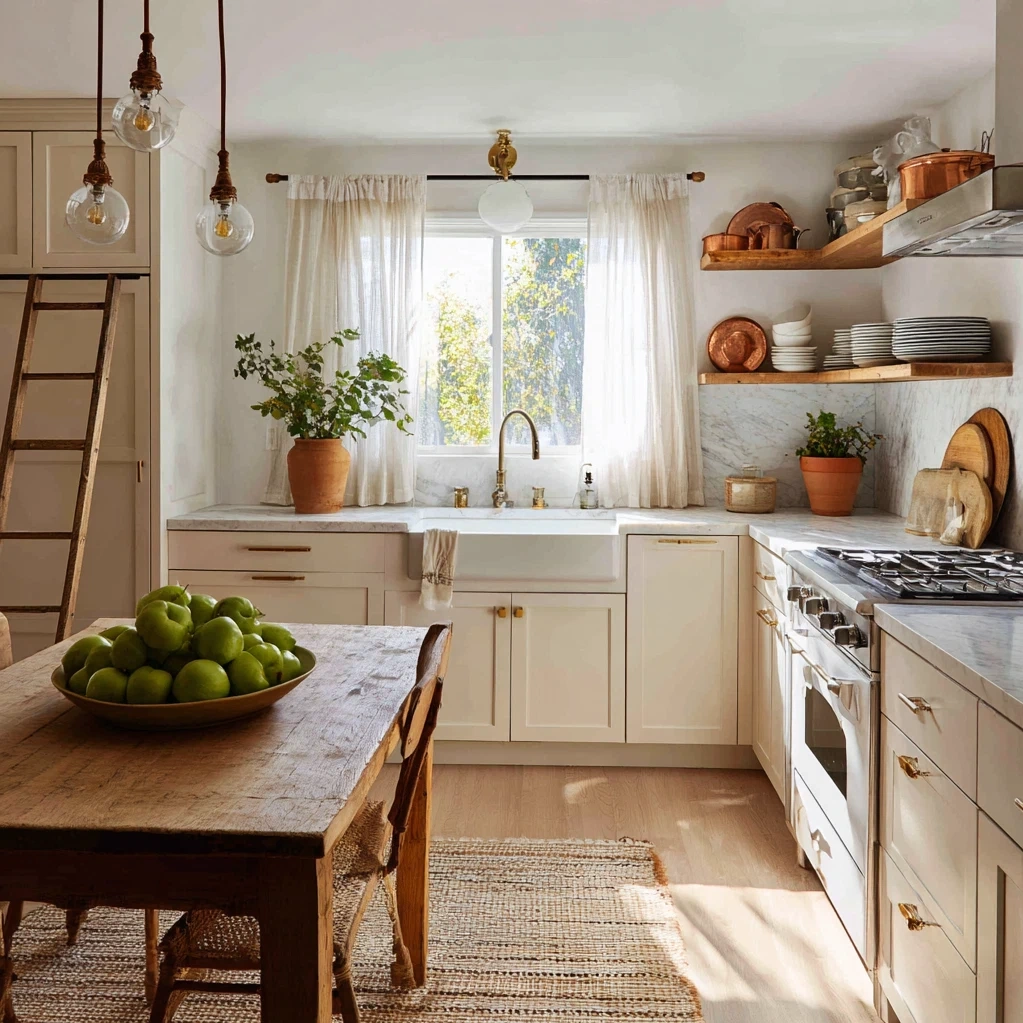
Imagine stepping into a kitchen that feels like a warm embrace at any time of day. A warm white kitchen offers exactly that—a space that combines the crisp, clean aesthetic of white with the comforting glow of gentle, golden undertones. This design choice has become increasingly popular as homeowners seek to create environments that are both functional and emotionally uplifting. Unlike stark, clinical whites that can feel cold and impersonal, warm whites introduce subtle hints of cream, beige, or soft yellow, transforming your kitchen into a sanctuary of calm and connection. The importance of this palette extends beyond mere aesthetics. In our fast-paced lives, the kitchen often serves as the heart of the home—a place for cooking, gathering, and unwinding. A warm white kitchen fosters this role beautifully by enhancing natural light, making spaces appear larger and more open, while simultaneously promoting a sense of warmth and intimacy. It’s a versatile backdrop that complements various styles, from rustic farmhouse to modern minimalism, allowing your personal touches to shine. Moreover, this color scheme can positively impact mood and well-being, creating an atmosphere that encourages relaxation and togetherness. Whether you’re planning a full remodel or a simple refresh, embracing a warm white kitchen can elevate your daily routine and transform your home into a haven of comfort and style.
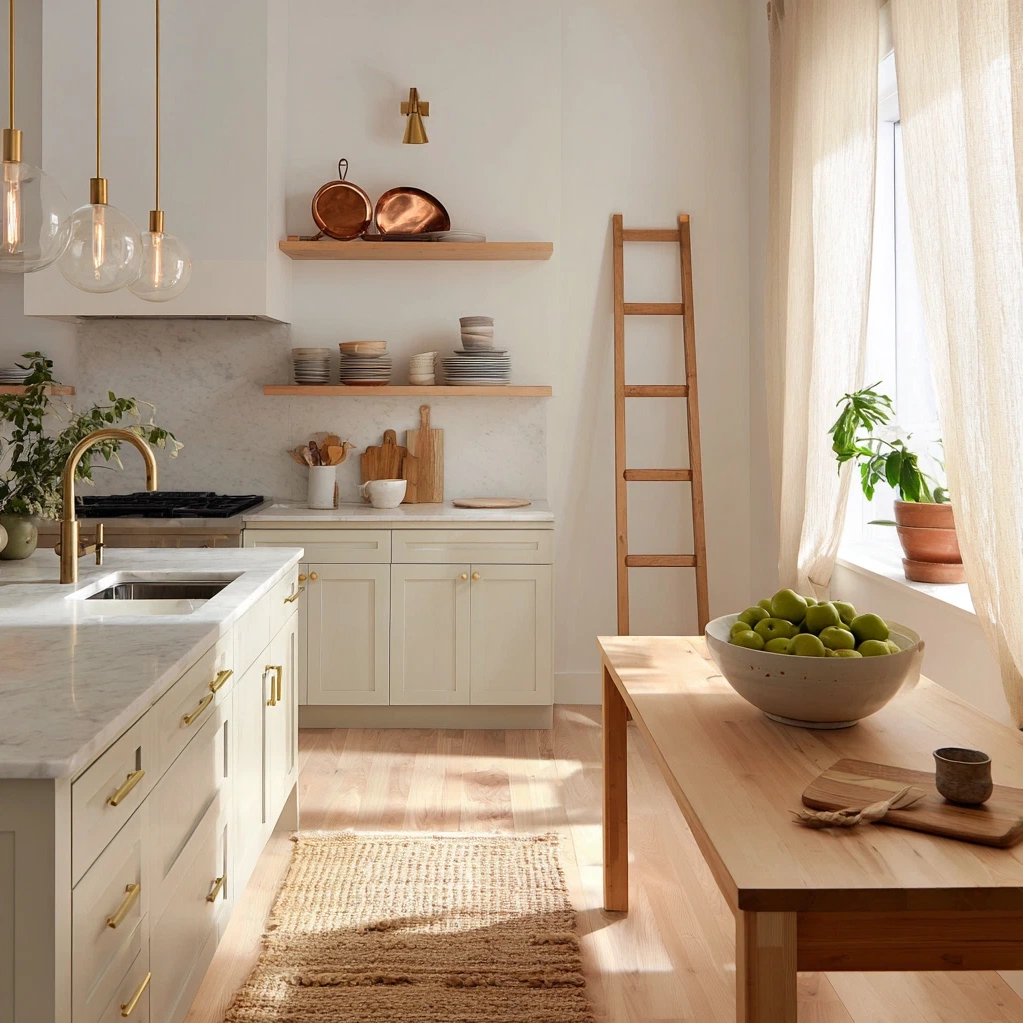
How a Warm White Kitchen Creates a Cozy Atmosphere
A warm white kitchen excels at crafting a cozy atmosphere that makes everyone feel at home. The secret lies in its subtle undertones—think creamy ivories, soft beiges, or gentle yellows—that reflect light in a way that feels inviting rather than harsh. Unlike cool whites with blue or gray bases, warm whites absorb and diffuse natural and artificial light, casting a soft, golden glow throughout the space. This effect is particularly beneficial in kitchens, where we spend hours cooking, dining, and socializing. By choosing warm white cabinetry, walls, or countertops, you can eliminate the sterile feel often associated with all-white designs. Instead, your kitchen becomes a welcoming retreat, perfect for morning coffee or evening family dinners. The cozy atmosphere is further enhanced when paired with natural materials like wood or stone, which add texture and depth. For example, warm white shaker cabinets combined with a wooden island or butcher block countertops create a harmonious blend that feels both elegant and grounded. Lighting plays a crucial role, too; consider pendant lights with warm bulbs or under-cabinet LED strips to amplify the inviting ambiance. A warm white kitchen isn’t just about color—it’s about creating an environment where memories are made and comfort is prioritized.
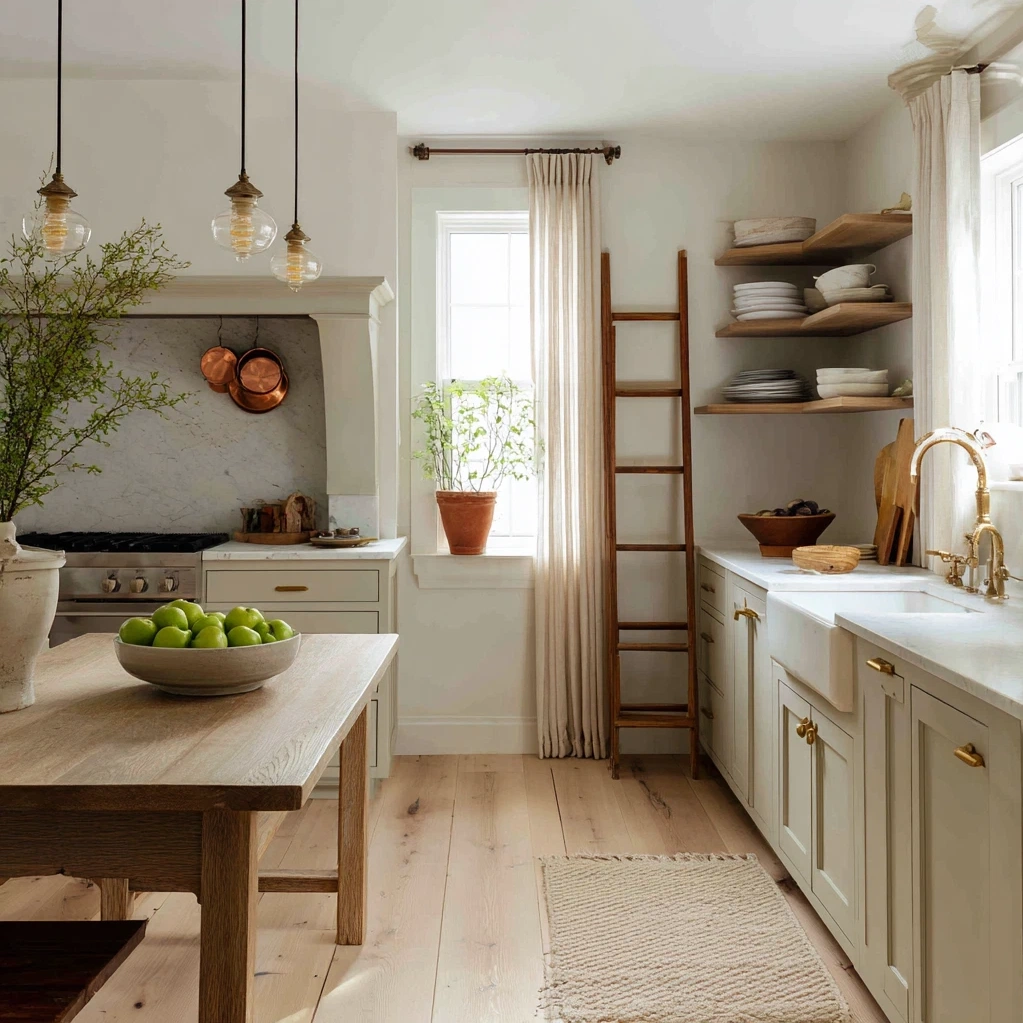
Design Elements That Enhance Your Warm White Kitchen
To maximize the appeal of a warm white kitchen, thoughtful design elements are key. Start with cabinetry: opt for warm white finishes with matte or semi-gloss textures to avoid a overly shiny look. Brands like Sherwin-Williams’ Alabaster or Benjamin Moore’s White Dove offer popular shades that provide consistency. Countertops in materials like quartz with subtle veining or honed marble can complement the palette without competing. Backsplashes offer another opportunity—consider subway tiles in warm white or patterned designs with earthy tones to add visual interest. Flooring should anchor the space; hardwood in light oak or engineered wood with warm stains works beautifully, while tile in terracotta or slate can introduce rustic charm. Hardware and fixtures, such as brass or oil-rubbed bronze handles and faucets, add warmth through metallic accents. Don’t forget lighting: layered lighting with dimmable options ensures your warm white kitchen glows softly in the evenings. Incorporate open shelving to display ceramics or plants, breaking up the monotony and adding personality. Finally, textiles like curtains or runners in neutral hues enhance coziness. By balancing these elements, your warm white kitchen becomes a cohesive, functional space that feels intentionally designed rather than bland.
Practical Tips for Maintaining a Warm White Kitchen
Maintaining a warm white kitchen is easier than you might think, with a few practical tips to keep it looking fresh and inviting. First, choose durable materials—for cabinetry, consider thermofoil or painted wood that resists stains and scratches. Clean regularly with mild, non-abrasive cleaners to prevent yellowing or grime buildup; a mixture of vinegar and water works well for most surfaces. To avoid a sterile feel, incorporate natural elements like wooden cutting boards or woven baskets, which add texture and hide minor imperfections. Lighting maintenance is also important: replace bulbs with warm white LEDs (around 2700K-3000K color temperature) to maintain the cozy glow. For high-traffic areas, use rugs or mats to protect flooring and add comfort. Organize with closed storage to reduce clutter, as a warm white kitchen shines when kept tidy. If you notice discoloration over time, touch up paint or consider professional refinishing. Embrace the lived-in look—a few well-placed items, like a ceramic vase or cookbook stack, can make the space feel homey without appearing messy. By following these tips, your warm white kitchen will remain a beautiful, functional centerpiece of your home for years to come.
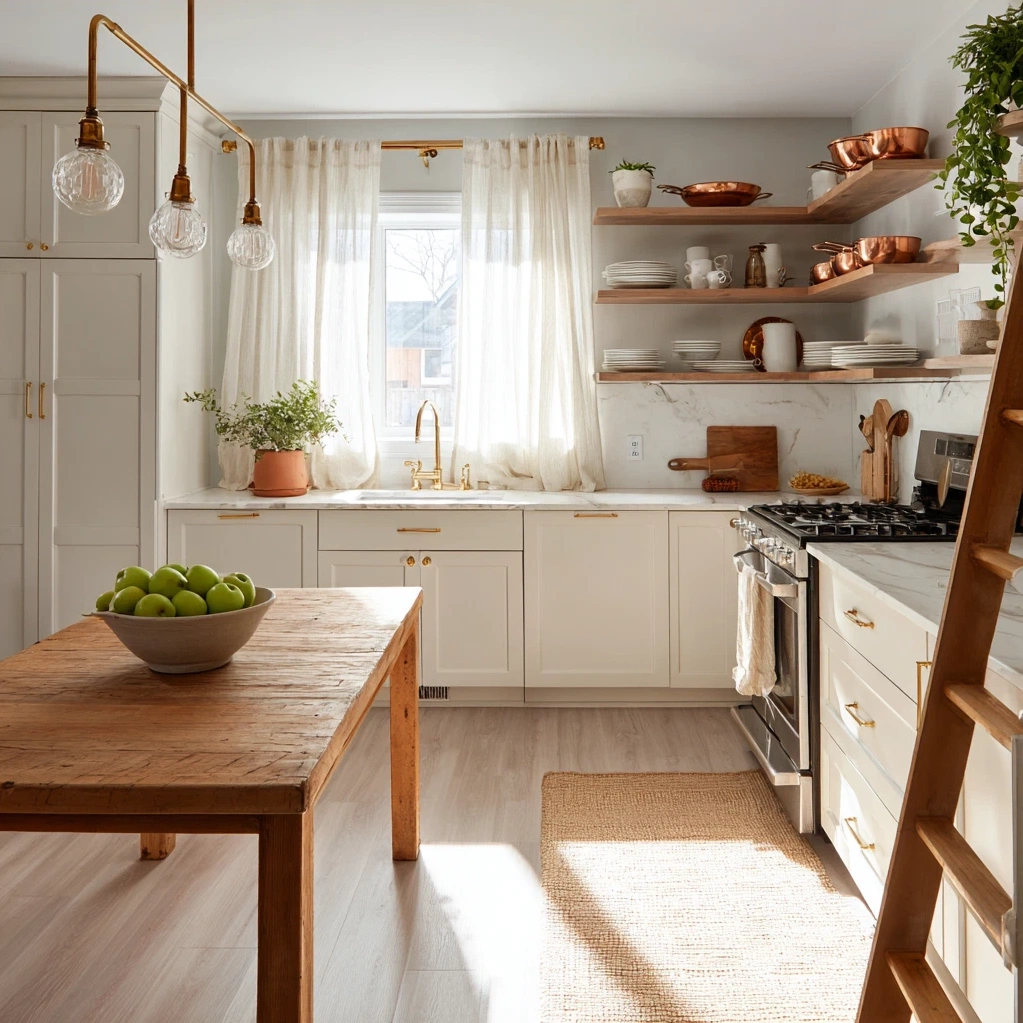
Why a Warm White Kitchen Boosts Your Home’s Value
Investing in a warm white kitchen can significantly boost your home’s value, making it a smart choice for homeowners and renovators alike. This palette appeals to a wide range of buyers because it offers timeless elegance combined with modern functionality. Unlike bold colors that may date quickly, warm white provides a neutral backdrop that allows potential buyers to envision their own style. Real estate experts often highlight kitchens as key selling points, and a warm white kitchen tends to photograph well, creating bright, spacious impressions in listings. Its versatility means it pairs effortlessly with various design trends, from industrial accents to farmhouse details, increasing market appeal. Additionally, the cozy atmosphere can make your home feel more inviting during showings, potentially leading to faster sales. From a practical standpoint, a well-maintained warm white kitchen suggests quality and care, reassuring buyers about the home’s condition. To maximize value, focus on high-impact updates like refacing cabinets in warm white or installing durable countertops. Even small changes, such as repainting walls or updating hardware, can yield a strong return on investment. Ultimately, a warm white kitchen isn’t just a personal luxury—it’s a strategic upgrade that enhances both your daily living and your property’s financial worth.
Conclusion
In summary, a warm white kitchen is more than a design trend—it’s a transformative approach to creating a home that balances beauty, comfort, and functionality. Throughout this article, we’ve explored how this palette fosters a cozy atmosphere, the design elements that bring it to life, practical maintenance tips, and its value-boosting potential. By embracing warm whites, you can craft a space that feels inviting at any hour, adapts to your lifestyle, and stands the test of time. Looking ahead, the appeal of warm white kitchens is likely to endure, as people continue to seek sanctuaries within their homes. Future innovations in materials and lighting may offer even more ways to customize this look, but the core principle remains: warmth and simplicity never go out of style. As you plan your kitchen project, remember that small choices—like the right shade of white or a well-placed light fixture—can make a big impact. Take action by starting with a mood board or consulting a designer to tailor the concept to your space. Whether you’re renovating or simply refreshing, a warm white kitchen promises to be a rewarding investment in your home’s heart and soul.
Frequently Asked Questions
Q: What paint colors are best for a warm white kitchen?
Popular warm white paint colors include Sherwin-Williams Alabaster, Benjamin Moore White Dove, and Behr Swiss Coffee. These shades have subtle yellow, cream, or beige undertones that avoid looking too cold or stark. Test samples in your kitchen’s lighting to see how they change throughout the day before committing.
Q: How do I keep my warm white kitchen from looking too bland?
Add texture and contrast to prevent blandness. Incorporate natural materials like wood or stone, use metallic accents in brass or bronze, and introduce plants or colorful accessories. Layered lighting and patterned textiles can also break up the monotony while maintaining the cozy feel of a warm white kitchen.
Q: Is a warm white kitchen suitable for small spaces?
Yes, a warm white kitchen is excellent for small spaces. It reflects light to make rooms appear larger and more open, while the warm undertones create an inviting rather than cramped atmosphere. Pair it with smart storage solutions and minimal clutter to maximize functionality without sacrificing style.