Modern Backyard Inspiration: Transform Your Space with Stunning Simplicity

Your backyard is more than just an outdoor area—it’s an extension of your home, a canvas for creativity, and a sanctuary for relaxation. In today’s fast-paced world, having a thoughtfully designed outdoor space has become essential for mental well-being and social connection. Modern backyard inspiration focuses on blending clean lines, functional elements, and natural beauty to create environments that serve multiple purposes: from tranquil retreats to entertainment hubs. Whether you have a sprawling lawn or a compact patio, modern design principles can transform any outdoor area into something truly special. This approach prioritizes simplicity over clutter, sustainability over excess, and personal expression over generic trends. By embracing modern aesthetics, you’re not just decorating a space—you’re crafting an experience that enhances daily living. The right design can turn ordinary moments into memorable ones, whether you’re enjoying morning coffee surrounded by greenery or hosting friends under string lights. As we explore key elements of modern backyard inspiration, remember that the best designs reflect your lifestyle while creating harmony between indoor and outdoor living. Let’s discover how to make your backyard a source of constant joy and modern backyard inspiration.
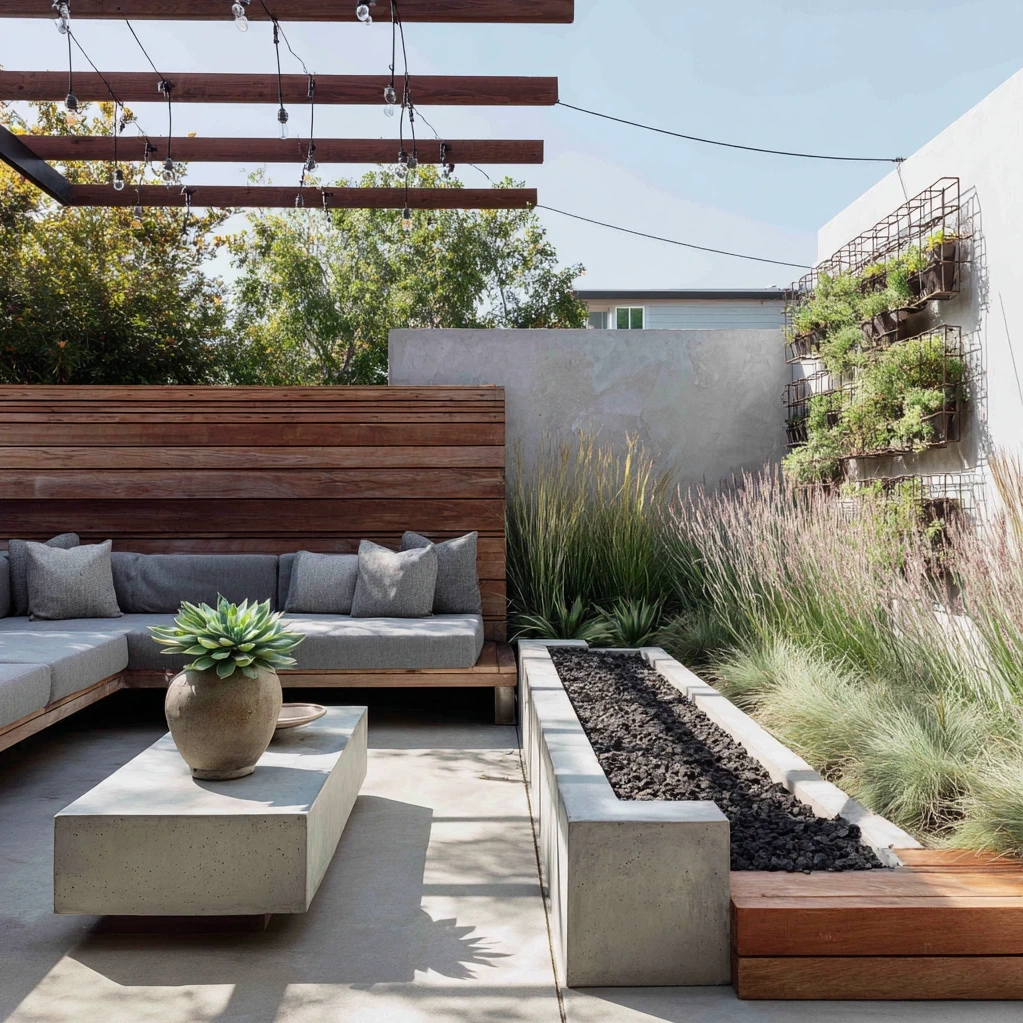
Essential Elements for Modern Backyard Inspiration
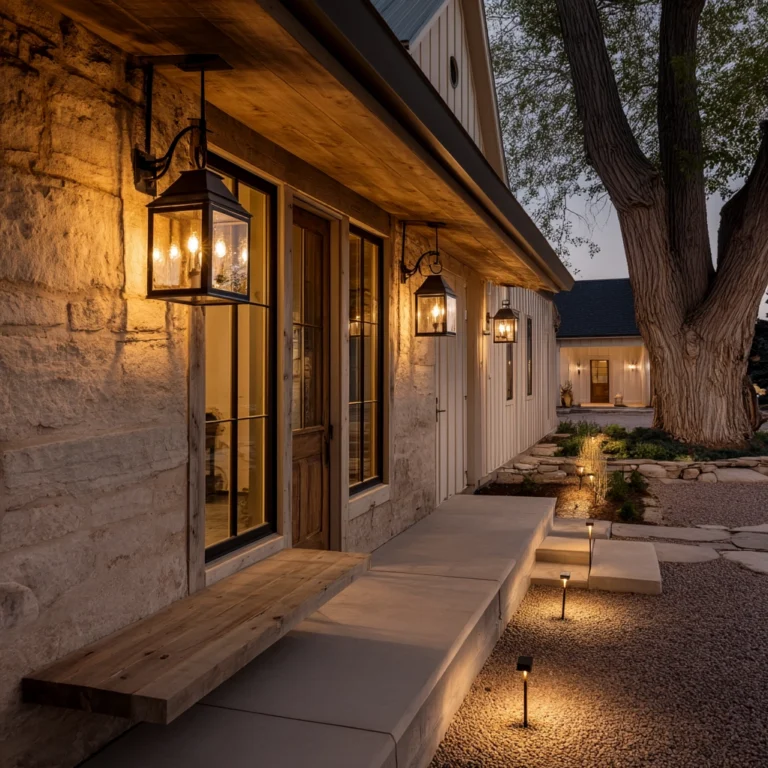
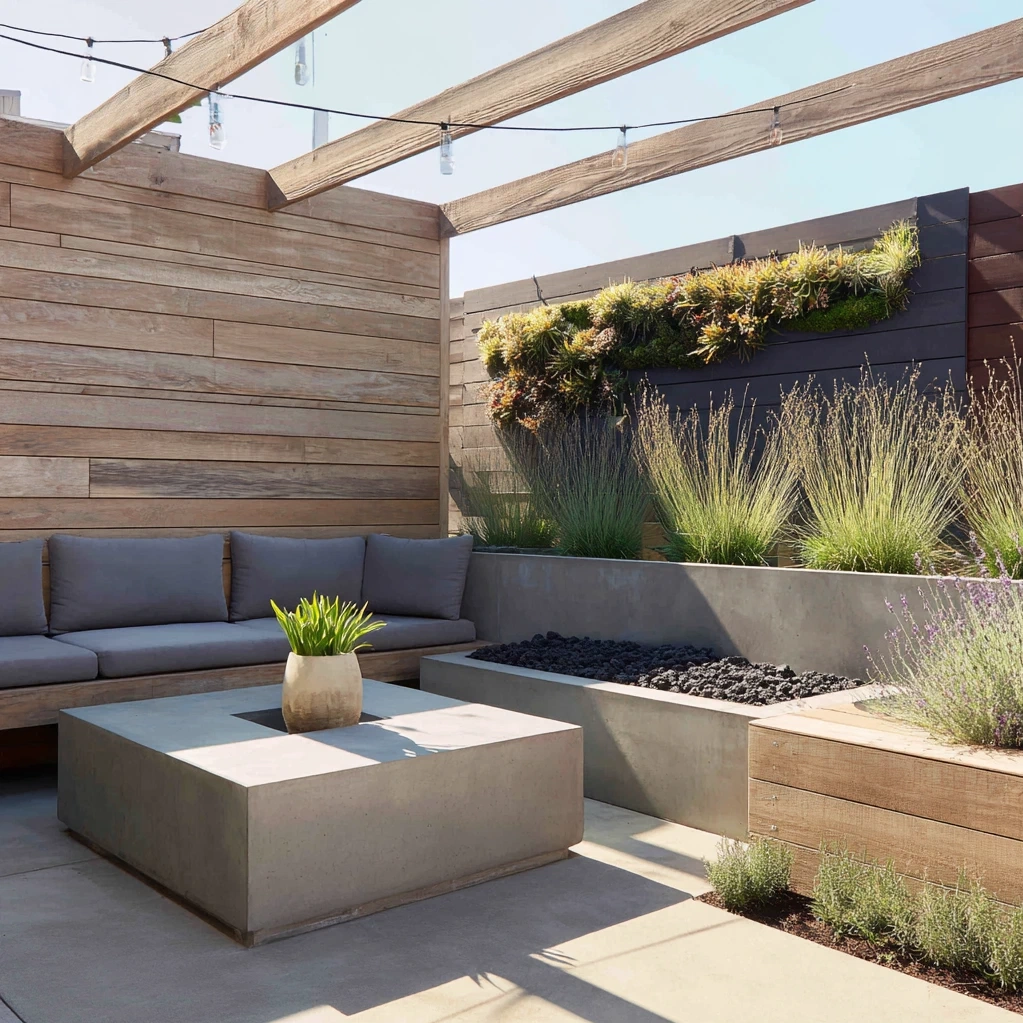
Creating a modern backyard starts with foundational elements that establish both style and function. Clean geometric shapes form the backbone of contemporary design—think rectangular pavers, circular fire pits, or linear planting beds. These structured forms provide visual order and make spaces feel intentionally designed rather than haphazard. Material selection plays a crucial role in modern backyard inspiration. Natural stones like slate or travertine offer texture while maintaining minimalist appeal, while sustainable composite decking provides durability with eco-friendly benefits. Incorporate built-in seating to maximize space and create seamless transitions between different zones. A low-profile sectional sofa with weather-resistant cushions, for example, can define a conversation area without overwhelming the landscape. Lighting is another transformative element. LED strip lights under benches, solar-powered path markers, and minimalist pendant lights over dining areas extend usability into evening hours while adding atmospheric glow. Don't overlook vertical elements—a sleek trellis with climbing vines or a living wall with succulents adds dimension without consuming precious floor space. Water features bring sensory appeal; a narrow reflecting pool or discreet fountain creates soothing sounds that mask urban noise. Remember, modern design celebrates negative space—allow areas to breathe rather than filling every corner. These essential components work together to create cohesive modern backyard inspiration that feels both curated and effortlessly livable.
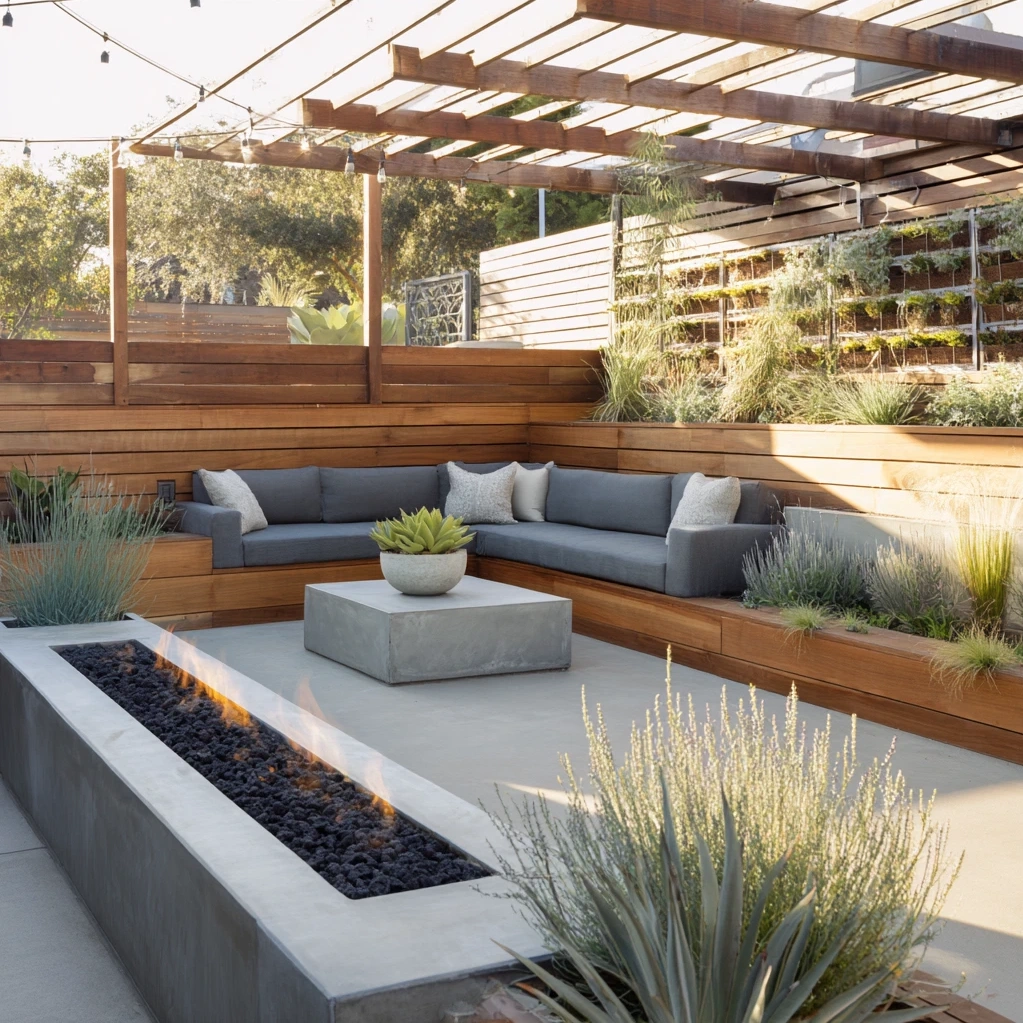
Sustainable Practices in Modern Backyard Inspiration
Modern backyard inspiration increasingly embraces sustainability as a core design principle, proving that eco-conscious choices can enhance rather than limit creativity. Start with native plantings—locally adapted species require less water, attract beneficial wildlife, and thrive with minimal intervention. Create layered planting schemes with drought-tolerant perennials, ornamental grasses, and ground covers that provide year-round interest while conserving resources. Rainwater harvesting systems can be beautifully integrated; a slim metal downspout feeding into a decorative cistern becomes both functional and sculptural. Permeable paving materials like gravel, permeable concrete, or spaced pavers allow water infiltration, reducing runoff and supporting groundwater recharge. For furniture, choose pieces made from recycled materials—plastic lumber benches or aluminum chairs with high recycled content offer durability with environmental benefits. Solar power transforms modern backyard inspiration into energy-independent spaces. Solar panels discreetly integrated into pergola roofs can power lighting, water features, and even charging stations for devices. Composting stations designed with modern aesthetics—sleek tumblers or discreet wooden bins—turn kitchen waste into nutrient-rich soil amendments. Consider edible landscaping as part of your modern backyard inspiration; raised herb beds with clean lines or espaliered fruit trees against fences blend productivity with design. These sustainable approaches create backyards that not only look contemporary but also contribute positively to their ecosystems, demonstrating that modern living and environmental responsibility can beautifully coexist.
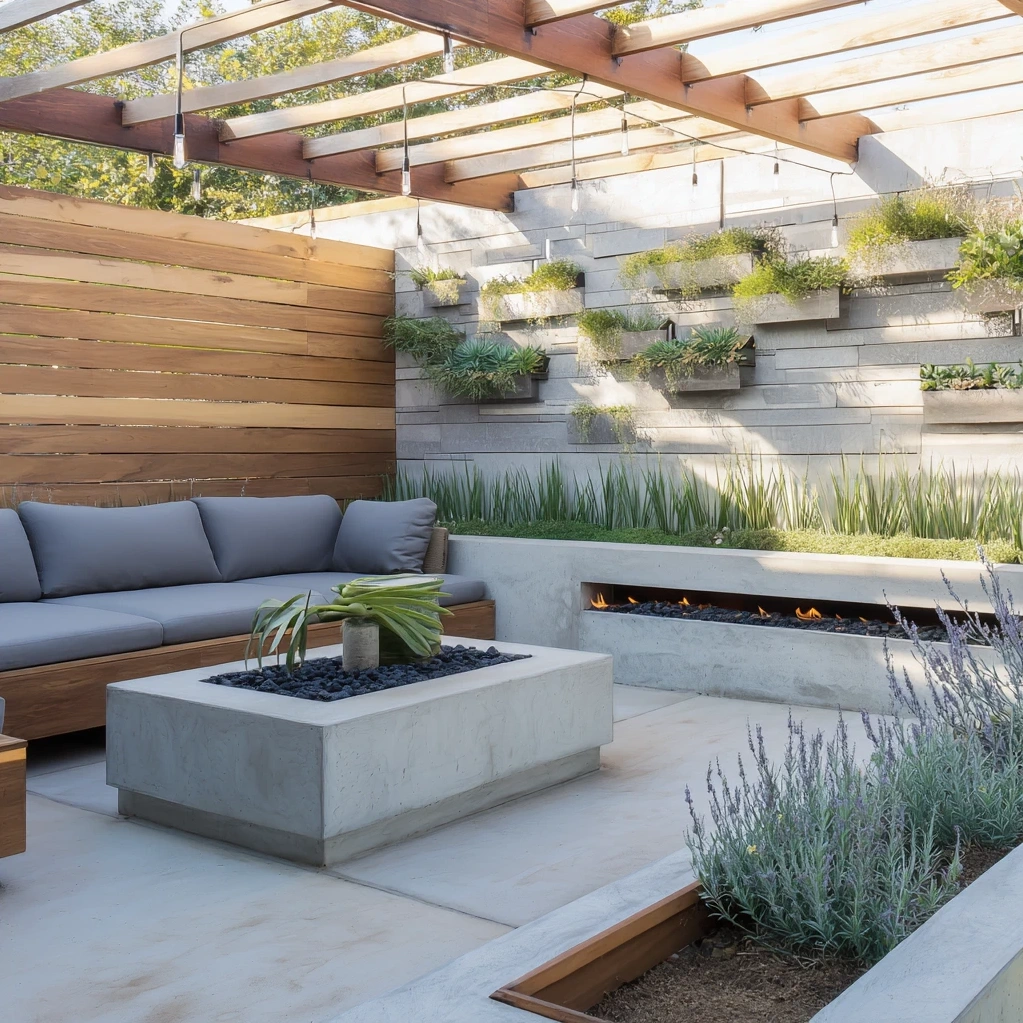
Creating Multi-Functional Zones for Modern Backyard Inspiration
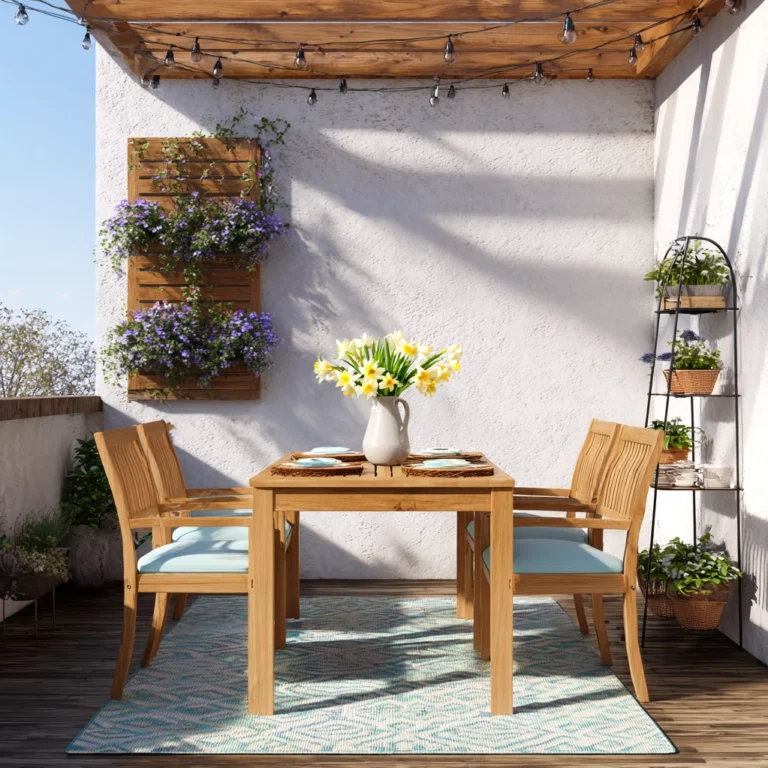
Modern backyard inspiration excels at creating versatile spaces that adapt to different needs throughout the day and seasons. The key is designing distinct zones that flow together while serving specific purposes. Start with a dining area featuring a minimalist table—perhaps concrete or powder-coated steel—paired with stackable chairs for flexible seating. Position this near the kitchen for easy serving, with overhead protection like a cantilevered pergola or retractable awning. Adjacent to dining, create a lounge zone with modular seating that can be rearranged for conversation or relaxation. Low-profile sectionals with removable cushions allow quick configuration changes. Include a dedicated cooking station as part of your modern backyard inspiration—a built-in grill with stainless steel surfaces, storage drawers, and counter space for prep work makes outdoor entertaining effortless. For quieter moments, design a contemplation corner with a single comfortable chair, side table for books or drinks, and strategic planting for privacy. If space allows, incorporate activity-specific areas: a compact putting green with artificial turf, a yoga platform with smooth decking, or a children's play space with minimalist climbing structures. Use level changes, different paving materials, or low planters to subtly define zones without visual barriers. Storage solutions should be integrated seamlessly—bench seats with lift-up lids, discreet cabinets beneath counters, or vertical shelving against fences. This zoning approach ensures your modern backyard inspiration provides endless possibilities, from lively gatherings to peaceful solitude, all within a cohesive design framework.
Conclusion
Modern backyard inspiration offers more than aesthetic appeal—it creates outdoor environments that enhance how we live, connect, and recharge. By focusing on clean design, sustainable practices, and multifunctional zones, you can transform any backyard into a personal oasis that reflects contemporary values. Remember that modern doesn't mean cold or impersonal; it's about intentional choices that prioritize both beauty and practicality. The most successful designs balance bold statements with subtle details, creating spaces that feel curated yet comfortable. As you embark on your backyard transformation, start with a clear vision of how you want to use the space daily. Don't feel pressured to implement everything at once—gradual additions often lead to more authentic results. Look for inspiration beyond traditional garden magazines; architecture, interior design, and even fashion can spark creative ideas for outdoor spaces. Consider how your backyard can evolve with your needs over time, with flexible elements that allow for easy updates. The future of outdoor living continues to embrace technology, from smart irrigation systems to integrated audio, but always keep human experience at the center. Whether you're redesigning completely or making thoughtful updates, your backyard can become a source of daily joy and modern backyard inspiration that enriches every season of your life.
Frequently Asked Questions
Q: What are the key characteristics of modern backyard design?
Modern backyard design emphasizes clean lines, geometric shapes, and minimalist aesthetics. Key characteristics include uncluttered spaces with intentional negative areas, a limited color palette often featuring neutral tones with occasional bold accents, and seamless integration of indoor and outdoor living. Functionality is paramount—every element should serve a purpose, whether practical or aesthetic. Materials are typically natural or industrial, like stone, wood, metal, and concrete, often mixed for textural interest. Lighting plays a crucial role, with strategic placement to highlight architectural features and create ambiance. Sustainability is increasingly important, incorporating native plants, water-saving systems, and eco-friendly materials. Modern backyards often feature defined zones for different activities, creating versatile spaces that adapt to various needs throughout the day and seasons.
Q: How can I create a modern backyard on a limited budget?
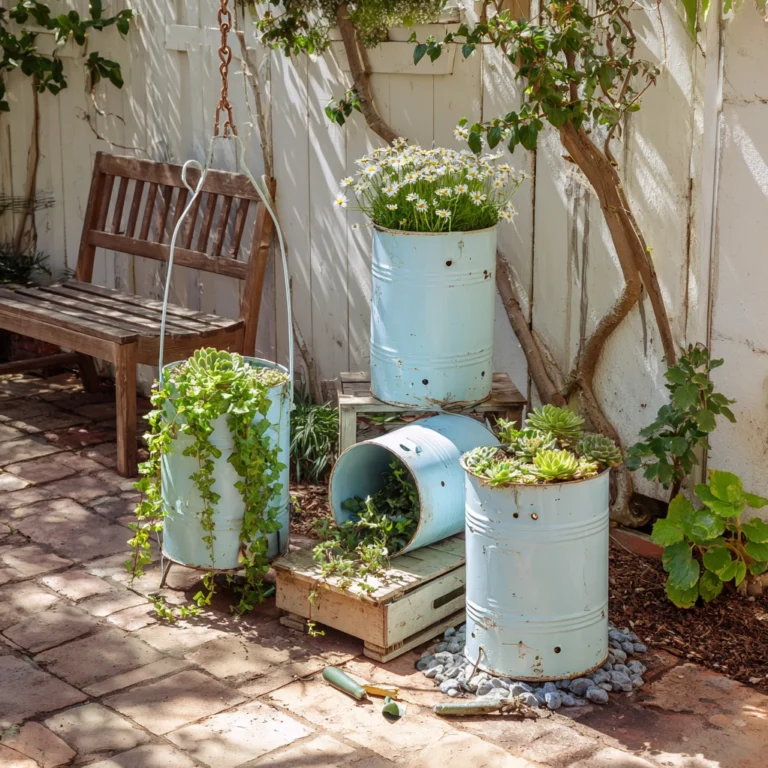
Creating a modern backyard on a budget requires strategic prioritization and creative solutions. Start by decluttering and defining your space—sometimes removing items creates immediate modern appeal. Focus on one or two key areas first, like a dining zone or seating area, rather than trying to transform everything at once. Use paint to update existing furniture or structures; a fresh coat in a neutral color can modernize old pieces. DIY projects like building simple geometric planters from affordable lumber can add custom touches without high costs. Choose multipurpose items, such as stools that serve as both seating and side tables. For landscaping, propagate plants from cuttings or choose fast-growing perennials that fill space economically. Lighting is an affordable way to create atmosphere—string lights, solar path lights, or DIY lanterns make dramatic impacts. Shop secondhand for quality furniture that can be refurbished, and look for sales on modern-style basics. Remember, modern design values simplicity, so fewer well-chosen elements often look more intentional than many cheaper items.
Q: What plants work best in a modern backyard design?
Modern backyard design favors plants with architectural forms, clean lines, and low-maintenance requirements. Ornamental grasses like miscanthus or carex provide movement and texture with their flowing shapes. Succulents and agaves offer striking geometric forms and drought tolerance—perfect for containers or ground cover. Japanese maples provide elegant structure and seasonal color changes while maintaining manageable size. Boxwood or rosemary can be trimmed into clean hedges or geometric shapes that define spaces. Bamboo creates vertical interest and privacy when contained properly in planters. For color, choose plants with simple flower forms or interesting foliage rather than overly busy blooms—think alliums, sedums, or heucheras. Ground covers like creeping thyme or moss fill spaces between pavers with soft texture. Consider plants with year-round interest, such as evergreen shrubs or trees with interesting bark. Group plants in masses or rhythmic patterns rather than scattered placements, and use repetition of key species to create cohesion. Always consider your climate and choose plants that thrive naturally in your area to reduce maintenance and resource use.