Antique Kitchen Island: Transform Your Space with Stunning Character


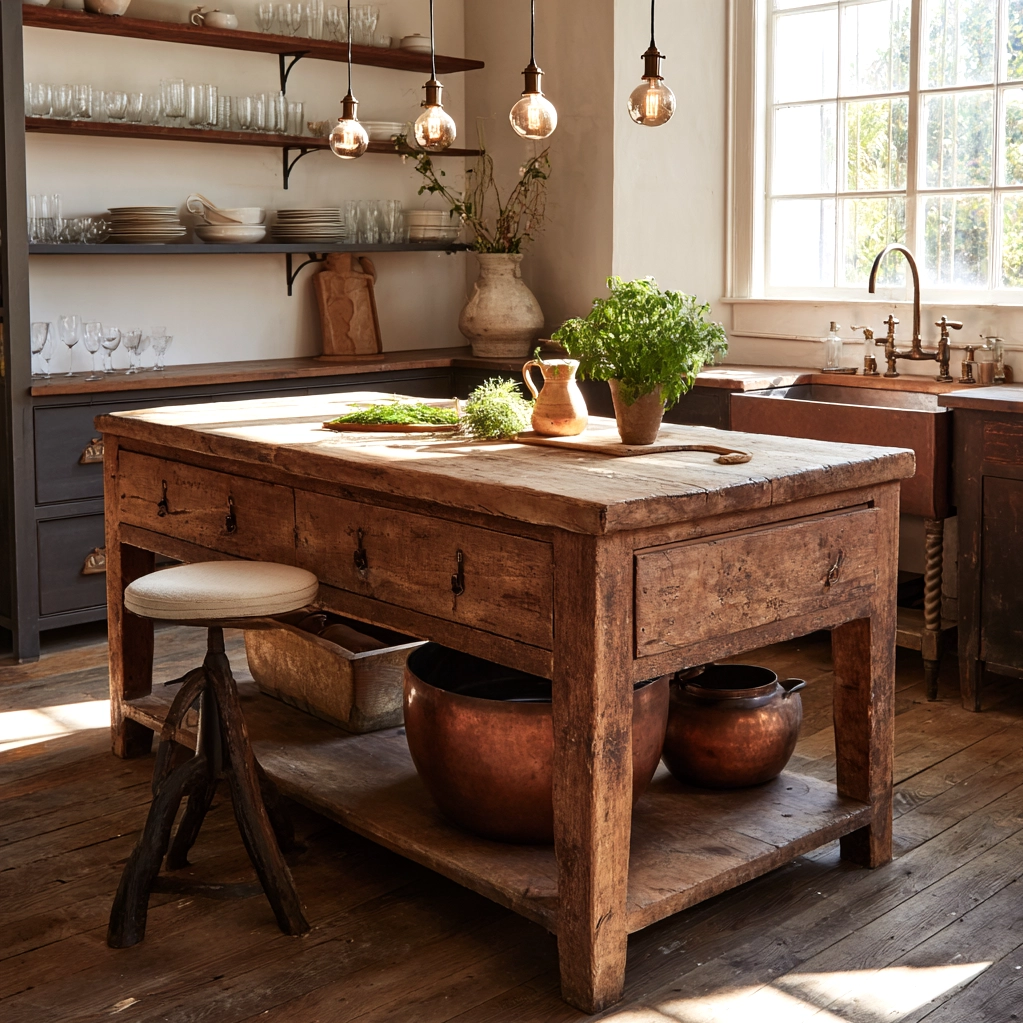
Imagine stepping into a kitchen that whispers stories of the past while serving the bustling needs of today. An antique kitchen island isn’t just a piece of furniture—it’s a centerpiece that infuses your home with warmth, history, and unparalleled charm. In modern design, where sleek lines and minimalism often dominate, incorporating an antique element like this can create a beautiful contrast that makes your space feel lived-in and loved. These islands, crafted from reclaimed wood, salvaged materials, or vintage finds, offer more than just extra counter space. They become the heart of the kitchen, where meals are prepared, conversations flow, and memories are made. Their unique patinas, intricate details, and sturdy construction tell a tale of craftsmanship that mass-produced items simply cannot replicate. Whether you’re drawn to a rustic farmhouse style, an industrial look with metal accents, or a refined vintage aesthetic, an antique kitchen island can anchor your design and elevate the entire room. It’s not just about function; it’s about creating a kitchen that reflects your personality and values sustainability through repurposing. As we explore the benefits and possibilities, you’ll see how this timeless addition can transform your cooking space into a cozy, inviting haven. Let’s dive into why an antique kitchen island might be the perfect choice for your home, blending old-world charm with modern practicality in ways that inspire daily joy.
Why Choose an Antique Kitchen Island for Your Home
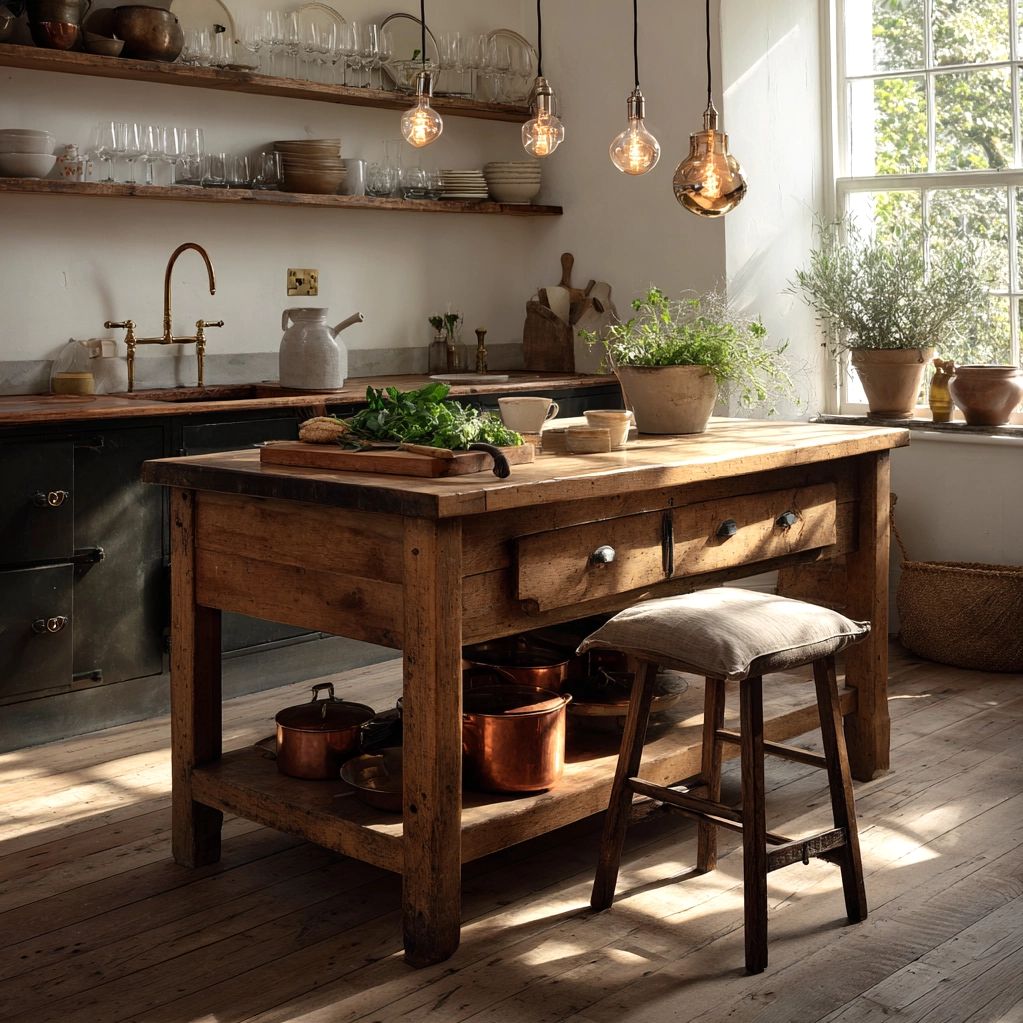
Choosing an antique kitchen island is a decision that goes beyond mere aesthetics—it's about embracing durability, sustainability, and character. These pieces are often built with high-quality materials like solid oak, pine, or reclaimed wood, which have stood the test of time and can withstand daily use in a busy kitchen. Unlike modern islands that might chip or wear quickly, antique versions develop a richer patina with age, adding to their charm. From an environmental perspective, repurposing an antique kitchen island reduces waste and supports eco-friendly practices by giving new life to old materials. This makes it a smart choice for homeowners who value sustainability without sacrificing style. Functionally, these islands offer versatile storage solutions, such as drawers, shelves, or cabinets, often with unique hardware that adds visual interest. They can serve as a prep station, a dining spot, or a display area for cookbooks and decor, making them incredibly practical. In terms of design, an antique kitchen island introduces texture and warmth that modern elements might lack, creating a cozy atmosphere that encourages gathering. It can be the focal point that ties together other vintage or rustic accents in your kitchen, from farmhouse sinks to open shelving. By integrating one, you're not just adding furniture; you're investing in a piece with history that enhances your home's story and functionality. Consider how its timeless appeal can complement both traditional and contemporary settings, offering a bridge between eras that feels intentional and inviting.
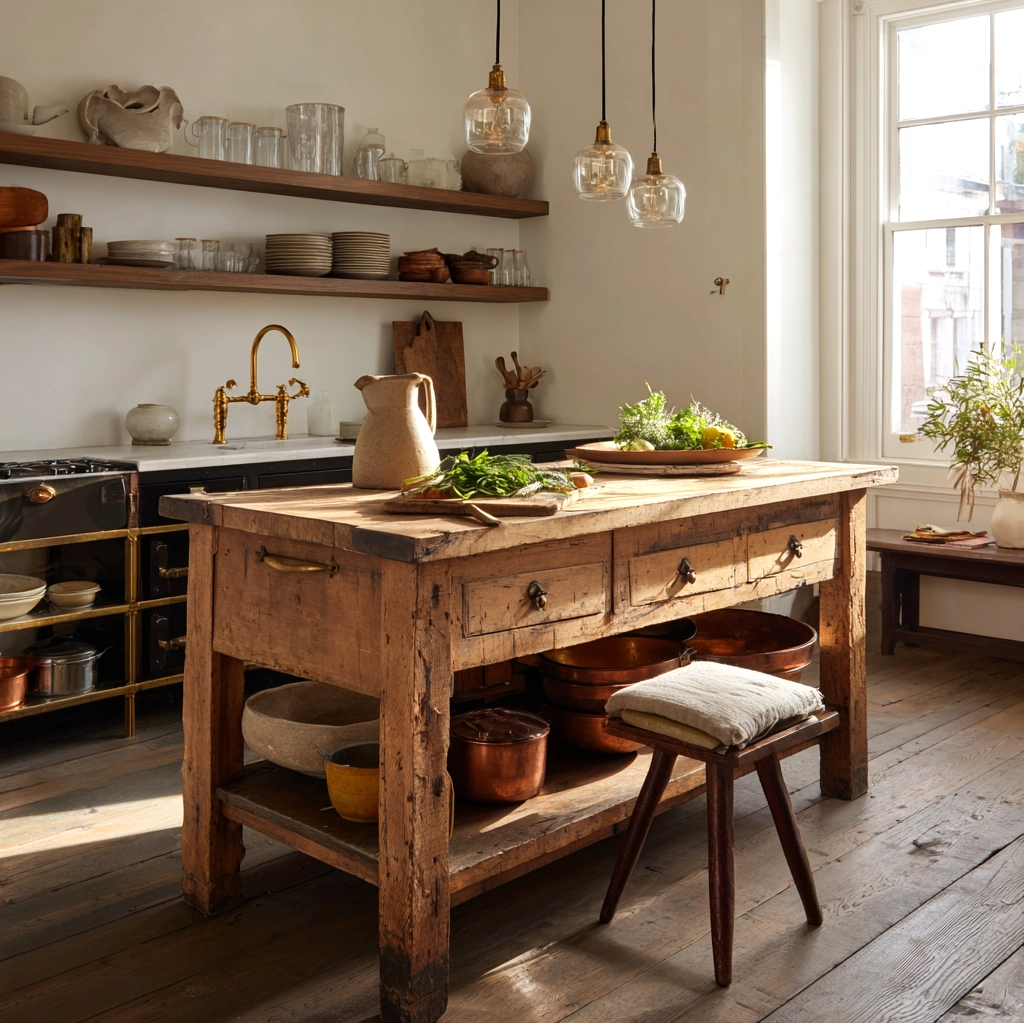
Finding the Perfect Antique Kitchen Island for Your Space
Finding the perfect antique kitchen island requires careful consideration of size, style, and condition to ensure it fits seamlessly into your kitchen. Start by measuring your space—account for clearance around the island for easy movement, typically at least 36 inches on all sides. Look for islands that match your kitchen's dimensions without overwhelming the room; a compact piece might suit smaller spaces, while a larger one can anchor an open-plan area. When it comes to style, think about the overall vibe you want. A rustic antique kitchen island with distressed wood and metal accents pairs well with farmhouse or industrial decor, whereas a more refined piece with carved details might suit a traditional or vintage-inspired kitchen. Inspect the condition thoroughly: check for structural integrity, such as stable legs and a level surface, and consider any necessary repairs or refinishing. Original finishes can be preserved for authenticity, or you might update them with a fresh coat of paint or stain to match your palette. Don't overlook functionality—ensure it has the storage and workspace you need, whether that's drawers for utensils, shelves for pots, or a butcher block top for chopping. Shopping sources include antique stores, flea markets, online marketplaces, and salvage yards, where you can often find unique pieces at various price points. Remember, patience is key; the right antique kitchen island might take time to discover, but its one-of-a-kind nature makes the search worthwhile. Once you find it, it can become a cherished centerpiece that enhances both the beauty and utility of your kitchen.
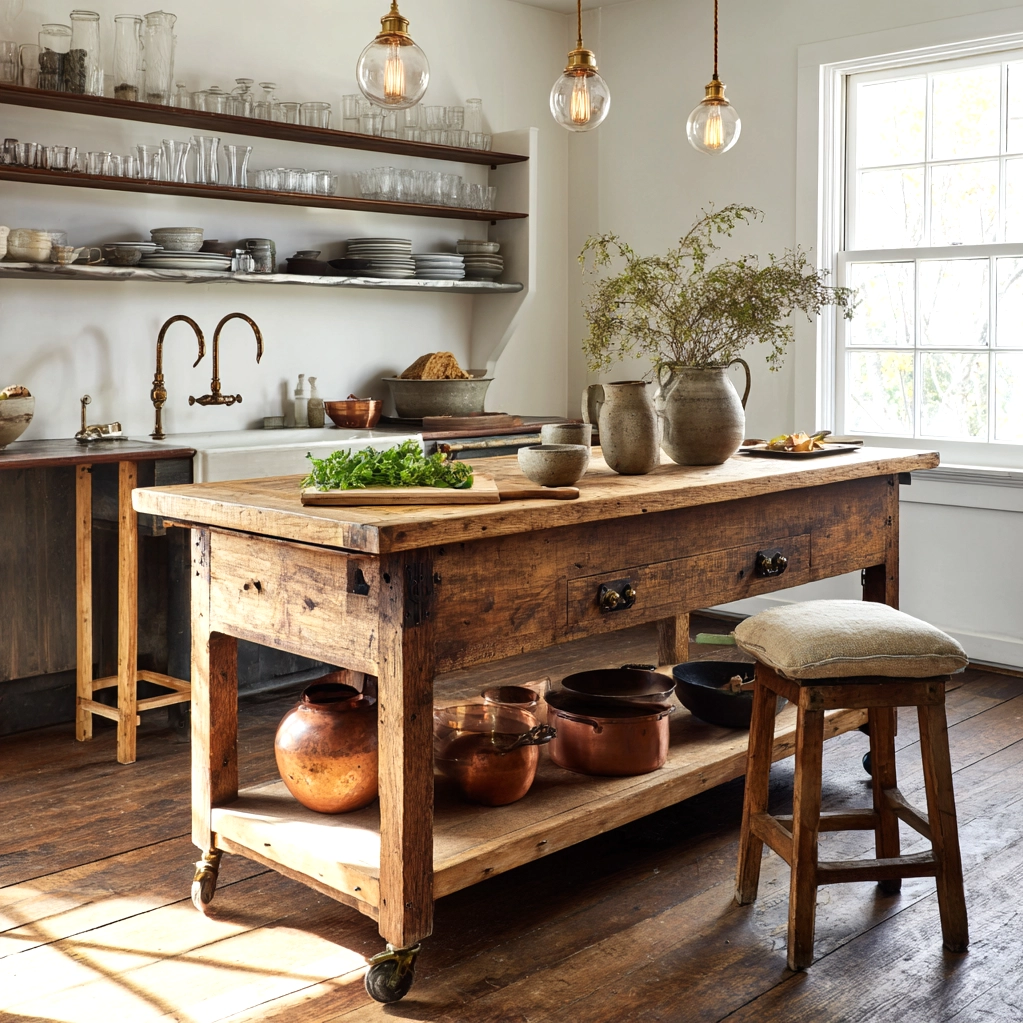
Styling and Maintaining Your Antique Kitchen Island
Styling and maintaining your antique kitchen island ensures it remains a beautiful and functional part of your home for years to come. Start by styling it to complement your kitchen's decor: use the surface to display practical items like a wooden bowl of fruit, a vase of fresh flowers, or a collection of vintage kitchen tools. This adds personality while keeping things useful. For storage, organize drawers and shelves with baskets or bins to hide clutter and maintain a tidy look. Consider adding stools or chairs around the island to create a casual dining area, choosing pieces that echo its antique charm, such as wrought iron or wooden seats. Lighting above the island can highlight its features—pendant lights with a vintage design can enhance the ambiance. When it comes to maintenance, regular care is essential to preserve its condition. Dust it weekly with a soft cloth, and clean spills promptly to prevent stains, especially on wood surfaces. Avoid harsh chemicals; instead, use gentle cleaners like a mixture of mild soap and water. For wooden islands, occasional conditioning with oils like linseed or beeswax can protect the finish and prevent drying or cracking. If your antique kitchen island has metal components, polish them as needed to prevent rust and maintain their luster. Over time, embrace any natural wear and tear as part of its character, but address significant damage, such as loose joints or deep scratches, with professional restoration if necessary. By caring for it properly, you'll ensure your island continues to tell its story while serving as a durable and stylish hub in your kitchen. This attention to detail keeps it looking great and functioning well, making it a joy to use every day.
Conclusion
In summary, an antique kitchen island is more than just a functional piece—it's a transformative element that brings history, character, and sustainability into your home. By choosing one, you invest in durability and eco-friendliness while creating a warm, inviting space that stands out from cookie-cutter designs. We've explored how to select, style, and maintain these unique islands, highlighting their versatility in various kitchen settings. Whether you opt for a rustic farmhouse find or a refined vintage piece, it can serve as the heart of your kitchen, blending old-world charm with modern practicality. Looking ahead, consider how this addition might inspire further vintage touches in your home, from antique lighting to reclaimed shelving. As trends shift toward personalized and sustainable living, an antique kitchen island offers a timeless solution that never goes out of style. Start by visiting local antique shops or online marketplaces to begin your search, and don't be afraid to envision creative ways to integrate it into your daily life. With proper care, it will not only enhance your cooking experience but also become a cherished heirloom that adds value and story to your space. Embrace the journey of finding and loving your antique kitchen island—it's a step toward a home filled with beauty, function, and a touch of the past.
Frequently Asked Questions
Q: How do I know if an antique kitchen island will fit in my kitchen?
To ensure an antique kitchen island fits, start by measuring your kitchen's available space, including walkways and clearance around appliances. Allow at least 36 inches of space on all sides for comfortable movement. Consider the island's dimensions—height, width, and depth—and compare them to your layout. You can use tape on the floor to visualize its footprint before purchasing. Also, think about functionality: if it has features like overhangs for seating, account for that extra space. Many antique islands are customizable or can be refinished to better suit your area, so don't hesitate to consult with a professional if needed.
Q: Can I modernize an antique kitchen island without losing its charm?
Yes, you can modernize an antique kitchen island while preserving its charm by focusing on subtle updates. Consider refinishing the surface with a contemporary stain or paint color that complements your kitchen's palette. Adding modern hardware, such as sleek handles or pulls, can blend old and new styles. For functionality, install features like a built-in sink or electrical outlets if the structure allows, but ensure any modifications are reversible to maintain its antique value. Avoid over-renovating; small tweaks like new lighting above or fresh sealant on the top can enhance usability without overshadowing its historic character.
Q: What should I look for when inspecting the condition of an antique kitchen island?
When inspecting an antique kitchen island, check for structural soundness first: ensure the legs are stable, the joints are tight, and the surface is level without significant warping. Look for signs of damage, such as cracks, rot, or insect infestation, especially in wooden pieces. Test drawers and doors to see if they open smoothly, and examine any hardware for rust or breakage. Assess the finish—original patina can be desirable, but heavy stains or peeling might need refinishing. Consider the weight and material; solid wood is durable but may require more maintenance. If unsure, consult an antique restorer to evaluate its condition and estimate repair costs before buying.