Bead Board Walls Laundry Room: Transform Your Space with Timeless, Practical Charm


The laundry room often sits at the bottom of the home renovation priority list, yet this utilitarian space holds incredible potential to become a functional, beautiful part of your home. Installing bead board walls in a laundry room offers more than just aesthetic appeal—it creates a durable, easy-to-clean surface that can withstand the humidity and activity typical of laundry areas. This classic wall treatment brings warmth and character to what might otherwise feel like a purely practical zone, transforming it into a space you’ll enjoy spending time in. The vertical lines of bead board can make smaller laundry rooms appear taller and more spacious, while the texture adds visual interest without overwhelming the space. Beyond looks, bead board protects your walls from splashes, detergent spills, and the general wear and tear of laundry tasks. Whether you’re folding clothes, sorting loads, or tackling stains, bead board walls create a backdrop that feels intentional and polished. This transformation doesn’t require a complete overhaul either—many homeowners successfully install bead board as a DIY project over existing walls, making it an accessible upgrade for various skill levels. The result is a laundry room that functions efficiently while reflecting your personal style, proving that even the most utilitarian spaces deserve thoughtful design. In homes where laundry rooms double as mudrooms or pet areas, bead board’s durability becomes even more valuable, offering protection against scuffs and moisture. Let’s explore how this timeless wall treatment can elevate your laundry experience from chore to delight.
Why Choose Bead Board Walls for Your Laundry Room
Selecting bead board for your laundry room walls provides both practical and aesthetic benefits that make this material particularly well-suited for this space. Unlike drywall or painted surfaces, bead board offers enhanced durability against the constant moisture and activity common in laundry areas. The tongue-and-groove construction creates a solid surface that resists dents and scratches better than many alternatives, while the vertical grooves help disguise minor imperfections that might occur over time. From a maintenance perspective, bead board walls are remarkably easy to clean—a quick wipe with a damp cloth removes detergent splatters, lint accumulation, or any spills that occur during laundry tasks. The moisture-resistant properties of properly sealed bead board make it ideal for humid environments, preventing the mold and mildew issues that can plague laundry rooms with inadequate ventilation. Visually, bead board introduces texture and depth that transforms flat walls into interesting features. The vertical lines draw the eye upward, creating an illusion of height that's particularly valuable in smaller laundry rooms or those with lower ceilings. This wall treatment works beautifully with various design styles, from classic cottage looks to modern farmhouse aesthetics, and can be painted in any color to match your home's palette. Many homeowners appreciate how bead board walls provide excellent backing for shelving and storage systems too—the solid surface offers secure mounting for heavy-duty drying racks, ironing boards, or organizational units. Unlike wallpaper that might peel in humid conditions or tile that requires grout maintenance, bead board offers lasting beauty with minimal upkeep. Whether you're renovating an existing laundry space or designing a new one, bead board walls deliver functionality that enhances your daily routine while creating a visually appealing environment.
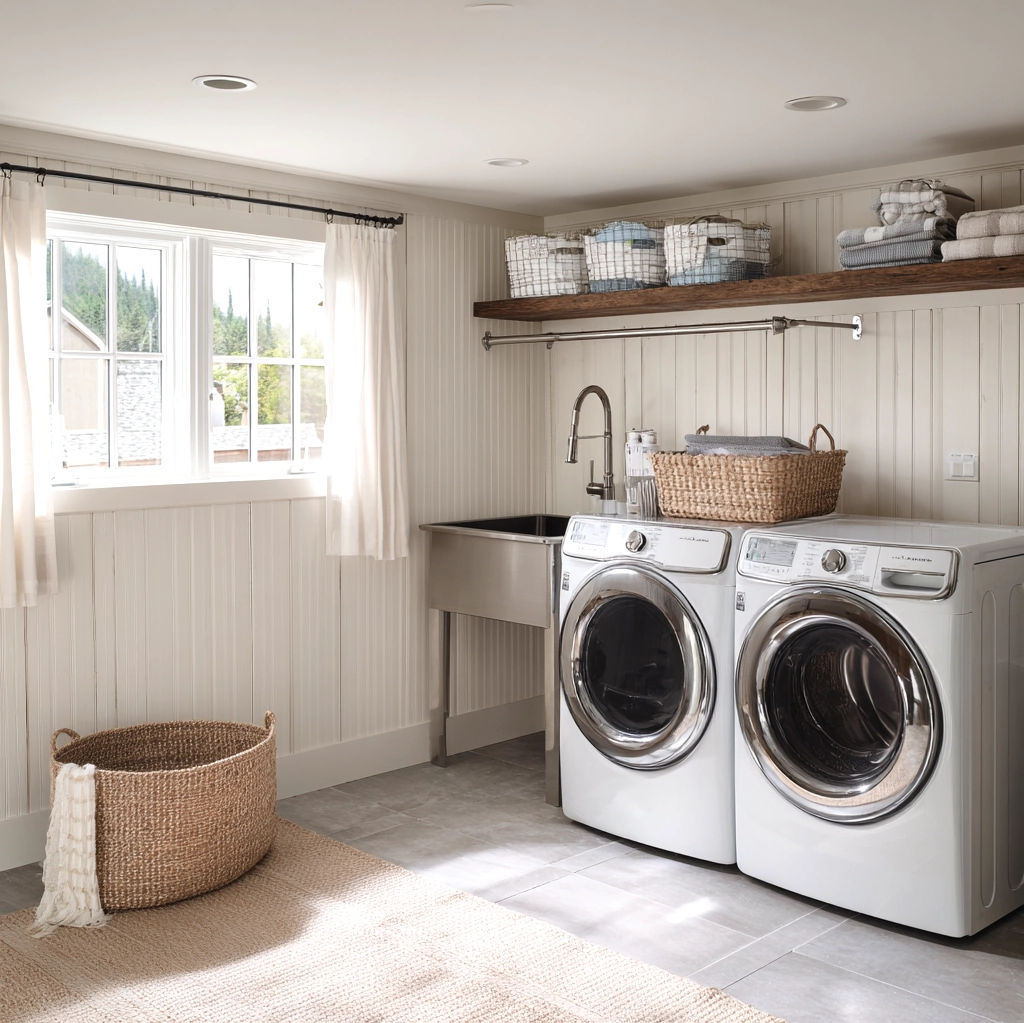
Installing Bead Board Walls in Your Laundry Room: A Step-by-Step Guide
Installing bead board walls in your laundry room can be a rewarding DIY project that dramatically transforms the space. Begin by preparing your walls—remove any existing trim, outlet covers, and light switch plates, then ensure the surface is clean, dry, and smooth. If you're working with uneven walls, consider installing furring strips to create a level surface for your bead board panels. Measure your walls carefully, accounting for outlets, windows, and doors, then purchase your bead board material. You'll typically choose between traditional tongue-and-groove boards or modern bead board panels that come in large sheets—both work well for laundry rooms, with panels offering faster installation for beginners. Cut your bead board to fit, making precise cuts around electrical boxes and plumbing fixtures using a jigsaw. When installing, start from one corner and work your way across the wall, ensuring each piece fits snugly against the next. Use construction adhesive along with finishing nails to secure the bead board firmly to the wall studs. For laundry rooms specifically, pay extra attention to areas around the washer and dryer—these zones experience the most vibration and moisture, so secure installation is crucial. Once all panels are installed, fill nail holes with wood filler, sand smooth, and apply caulk along seams and edges for a finished look. The final step involves priming and painting your bead board walls—choose a high-quality, moisture-resistant paint in a semi-gloss or satin finish for optimal durability in the laundry environment. Consider adding chair rail or crown molding to complete the look and protect the edges of your bead board installation. Throughout the process, remember that laundry rooms have unique requirements like proper ventilation and access to utilities, so plan your installation around these functional needs.
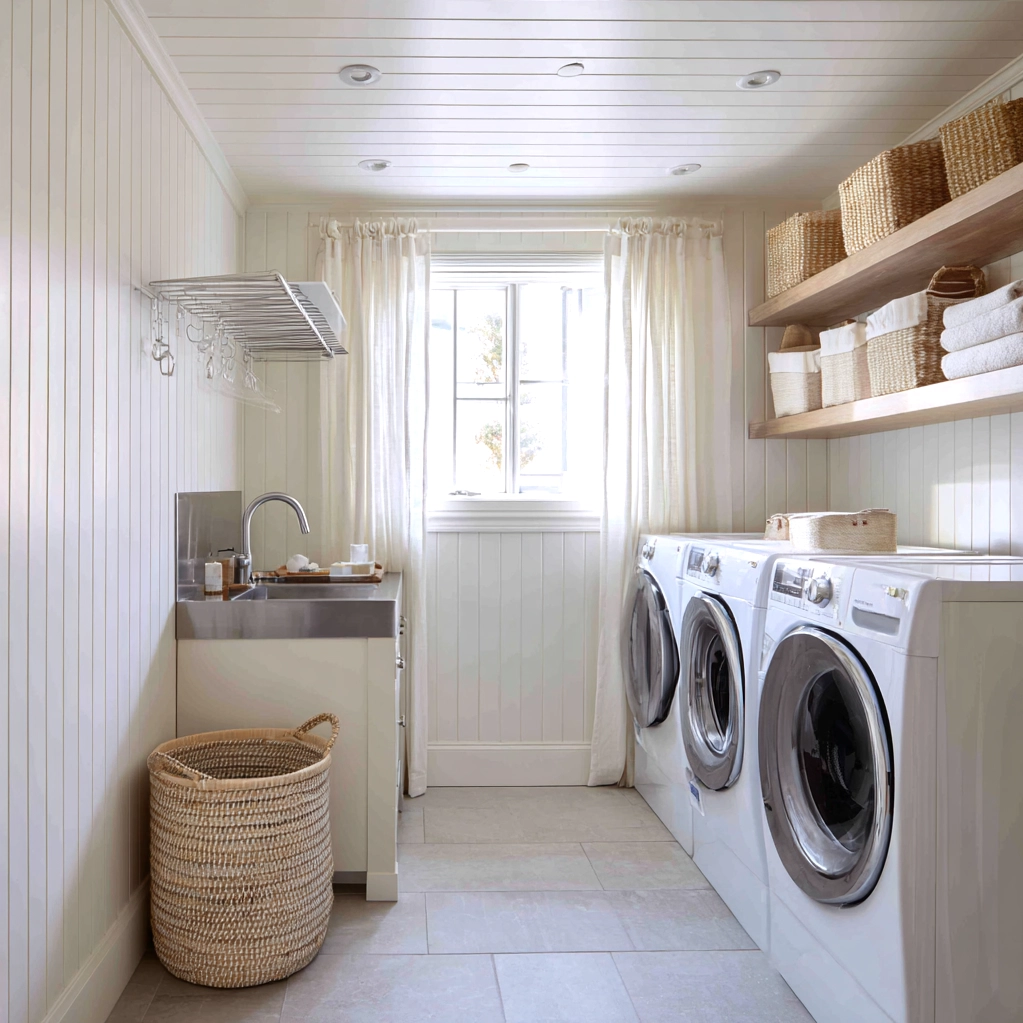
Design Ideas for Bead Board Walls Laundry Room Combinations
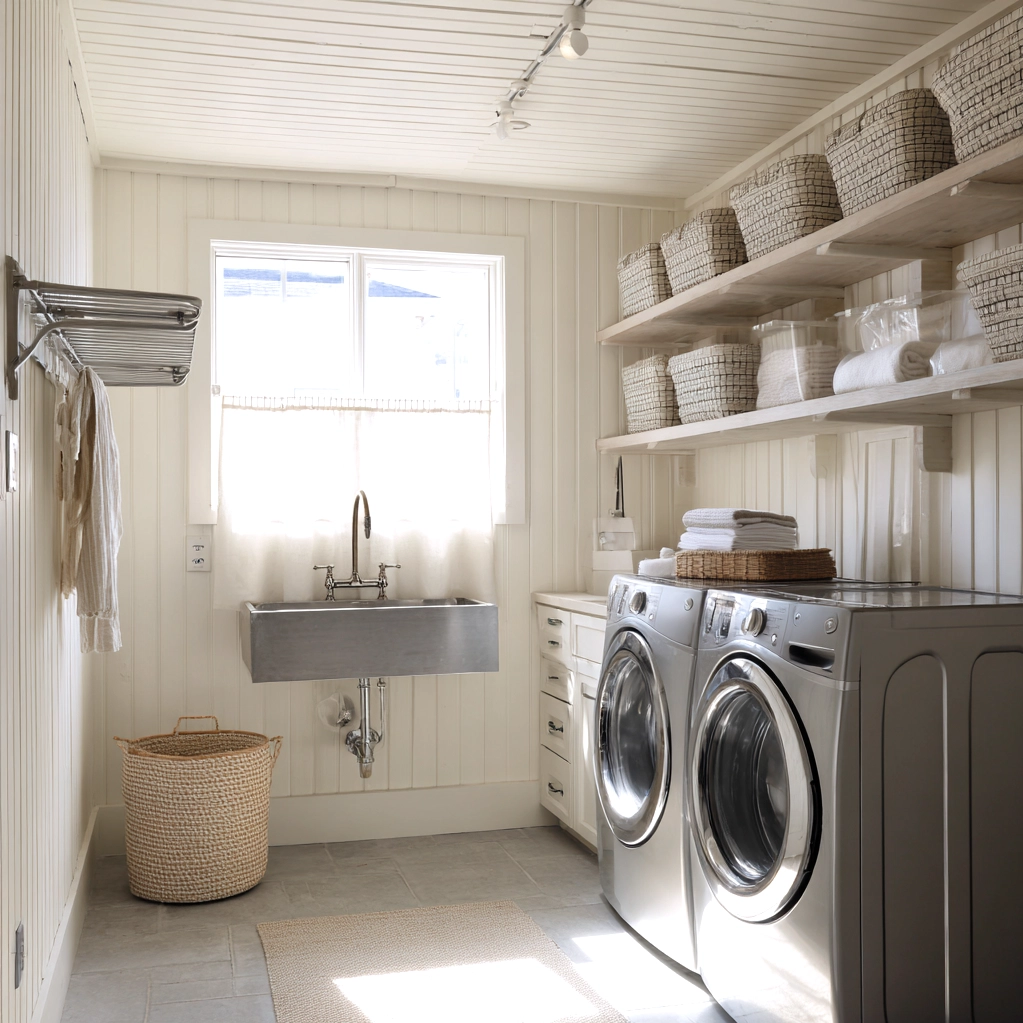
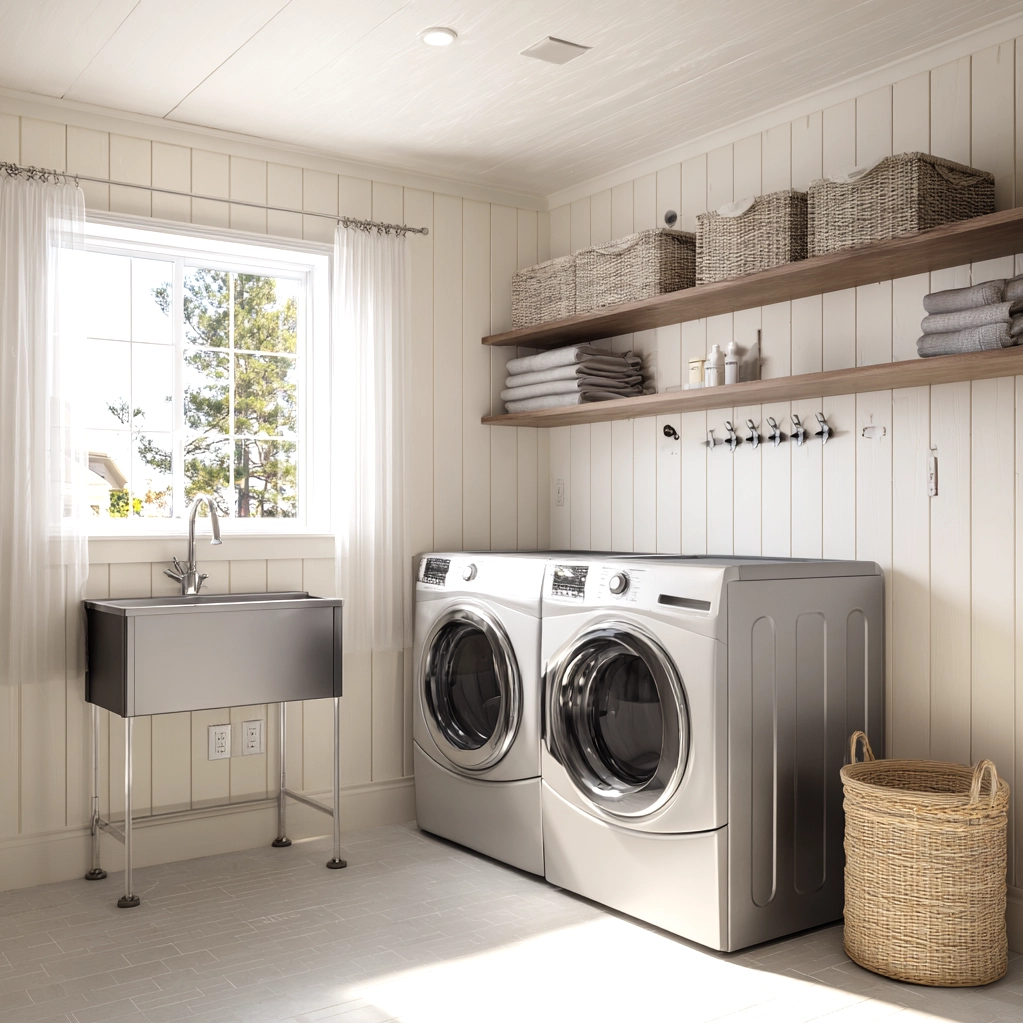
Designing with bead board walls in your laundry room opens numerous creative possibilities that balance style with practicality. For a classic look, pair white bead board with open wood shelving and vintage-inspired hardware—this combination creates a bright, airy feel that makes laundry tasks more pleasant. Consider installing bead board on the lower portion of walls with a chair rail, then painting the upper section in a complementary color; this wainscoting approach adds architectural interest while protecting walls from laundry baskets and equipment. In modern laundry rooms, try painting bead board in bold, contemporary colors like navy blue or charcoal gray, then contrast with sleek stainless steel appliances and minimalist storage solutions. For small laundry rooms, use bead board on all walls painted in light, reflective colors to maximize the sense of space while adding subtle texture. Many homeowners successfully combine bead board with other materials—for instance, installing bead board on walls while using subway tile as a backsplash behind the sink area. This layered approach creates visual depth while addressing different functional needs throughout the room. When selecting finishes, consider how bead board interacts with your laundry room's flooring; the vertical lines of bead board often complement horizontal wood-look flooring beautifully, creating balanced visual movement. Storage integration represents another design opportunity—build cabinets or shelves that align with the bead board pattern for a cohesive, built-in appearance. Lighting plays a crucial role too; sconces or pendant lights mounted against bead board walls create attractive shadows that highlight the texture. Don't forget practical elements like matching your bead board walls with coordinated trim around windows and doors, and selecting hardware that complements the overall aesthetic. Whether you prefer a crisp, clean look or a cozy, rustic vibe, bead board provides a versatile foundation for your laundry room design vision.
Conclusion
Transforming your laundry room with bead board walls represents more than just a cosmetic update—it's an investment in creating a space that functions beautifully while bringing daily joy to household tasks. The combination of durability, easy maintenance, and timeless style makes bead board an ideal choice for laundry areas that see constant use. As we've explored, this wall treatment protects against moisture and wear while adding architectural character that elevates the entire room. Looking forward, the trend toward making utilitarian spaces both beautiful and efficient continues to grow, with laundry rooms receiving more design attention than ever before. Bead board walls fit perfectly into this movement, offering a classic solution that adapts to evolving styles and needs. For homeowners considering this upgrade, remember that even small changes—like installing bead board on just one focal wall—can make a significant impact. As you plan your laundry room transformation, consider how bead board can work with your existing storage solutions, lighting, and color scheme to create a cohesive, inviting space. The result will be a laundry room that not only serves practical purposes but also reflects your personal style and attention to detail. Whether you tackle installation as a DIY project or work with professionals, bead board walls will likely become one of your favorite features, proving that thoughtful design transforms even the most functional spaces into places you genuinely enjoy. Start imagining your bead board walls laundry room today, and take the first step toward creating a space where practicality meets personality in perfect harmony.
Frequently Asked Questions
Q: How do I clean and maintain bead board walls in my laundry room?
Cleaning bead board walls in your laundry room is straightforward. For regular maintenance, dust the surface with a soft cloth or use a vacuum with a brush attachment to remove lint and debris from the grooves. For more thorough cleaning, use a mild detergent mixed with warm water and a soft sponge—avoid abrasive cleaners or scrubbing pads that might damage the finish. Wipe in the direction of the grooves to ensure proper cleaning. If your bead board is painted, periodically check for chips or wear, especially in high-traffic areas near appliances, and touch up with matching paint as needed. Proper ventilation in your laundry room helps prevent moisture buildup that could affect the wood over time.
Q: Can I install bead board over existing drywall in my laundry room?
Yes, you can absolutely install bead board directly over existing drywall in your laundry room, which makes this project accessible for many homeowners. First, ensure the drywall is in good condition—repair any cracks, holes, or water damage before proceeding. Remove outlet covers, switch plates, and any trim. You may want to install furring strips if your walls are uneven, but for most situations, bead board can be attached directly to drywall using construction adhesive and finishing nails into the wall studs. This method saves time and avoids the mess of removing existing walls. Just remember to extend electrical boxes and adjust door/window trim as needed to accommodate the added thickness of the bead board.
Q: What type of paint works best on bead board walls in a laundry room?
For bead board walls in laundry rooms, choose high-quality, moisture-resistant paint in a semi-gloss or satin finish. These finishes provide better durability against humidity, splashes, and frequent cleaning than flat or eggshell paints. Always start with a primer specifically designed for the surface—use an oil-based or shellac primer for raw wood, or a stain-blocking primer if covering knots or existing stains. For the top coats, acrylic latex paints offer excellent performance and easy cleanup. Consider mold-resistant paint formulas if your laundry room has high humidity levels. Apply at least two coats for even coverage, allowing proper drying time between coats. The slight sheen of semi-gloss or satin finishes will highlight the bead board's texture while providing a washable surface that stands up to laundry room conditions.