Beadboard Walls: Transform Your Home with Stunning, Affordable Style


Beadboard walls have become a timeless design element that can completely transform any living space. With their classic vertical grooves and clean lines, these wall panels offer a perfect blend of traditional charm and modern versatility. Whether you’re aiming for a cozy cottage feel, a fresh coastal vibe, or simply want to add character to a bland room, beadboard delivers results that far exceed its modest cost. The beauty of beadboard lies in its ability to elevate ordinary rooms into extraordinary spaces. It creates visual interest without overwhelming the eye, adds texture without clutter, and brings architectural detail to even the most basic rooms. From bathrooms and kitchens to dining areas and hallways, these panels provide a practical solution for homeowners looking to upgrade their interiors. Installation is surprisingly straightforward, making it an accessible DIY project for many. The material options range from traditional wood to modern PVC, offering durability and easy maintenance. Beadboard walls not only enhance aesthetics but can also protect walls from everyday wear and tear. They’re particularly effective at covering imperfections in older homes while adding value and personality. In today’s home design landscape, where personalization and character are highly valued, beadboard provides an affordable way to create custom-looking spaces. It serves as a beautiful backdrop for furniture, artwork, and decor, allowing your personal style to shine through. The vertical lines can even create an illusion of height in rooms with low ceilings, making spaces feel more open and airy. This classic wall treatment has stood the test of time for good reason – it simply works beautifully in almost any setting.
Beadboard Walls Installation: A Step-by-Step Guide for Homeowners
Installing beadboard walls might seem daunting, but with proper planning and the right tools, it's a manageable DIY project that yields impressive results. The process begins with careful measurement of your wall space to determine how many panels you'll need. Most beadboard panels come in standard 4×8 foot sheets, though smaller pre-cut options are available for tighter spaces. Before installation, ensure your walls are clean, dry, and free of major imperfections. If you're working in a bathroom or kitchen, consider using moisture-resistant materials like PVC beadboard, which handles humidity better than traditional wood. The installation process typically involves cutting panels to fit around windows, doors, and electrical outlets using a jigsaw or circular saw. Apply construction adhesive to the back of each panel before securing it to the wall with finishing nails. For a professional finish, use a nail set to sink nail heads slightly below the surface, then fill the holes with wood putty. The joints between panels should be carefully aligned, and any gaps can be filled with caulk for a seamless look. Once all panels are installed, add trim pieces at the top and bottom for a polished appearance. Many homeowners choose to paint their beadboard walls immediately after installation, though some prefer to stain wood panels to show off the natural grain. Properly installed beadboard should last for decades with minimal maintenance. Remember to wear safety glasses and use proper ventilation when cutting materials. Taking your time during installation ensures straight lines and tight fits that will look professional for years to come. The satisfaction of completing this project yourself adds to the charm of your newly transformed space.
Creative Design Ideas for Beadboard Walls in Every Room
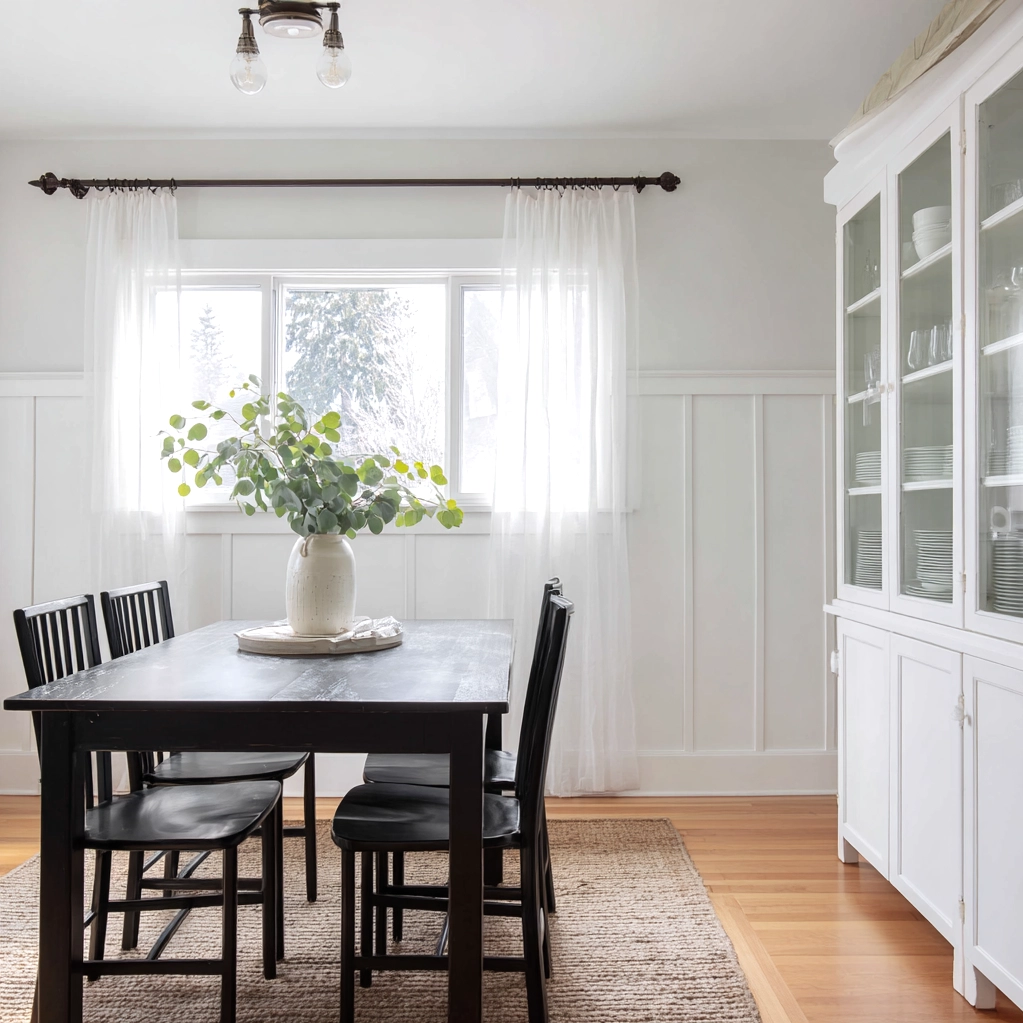
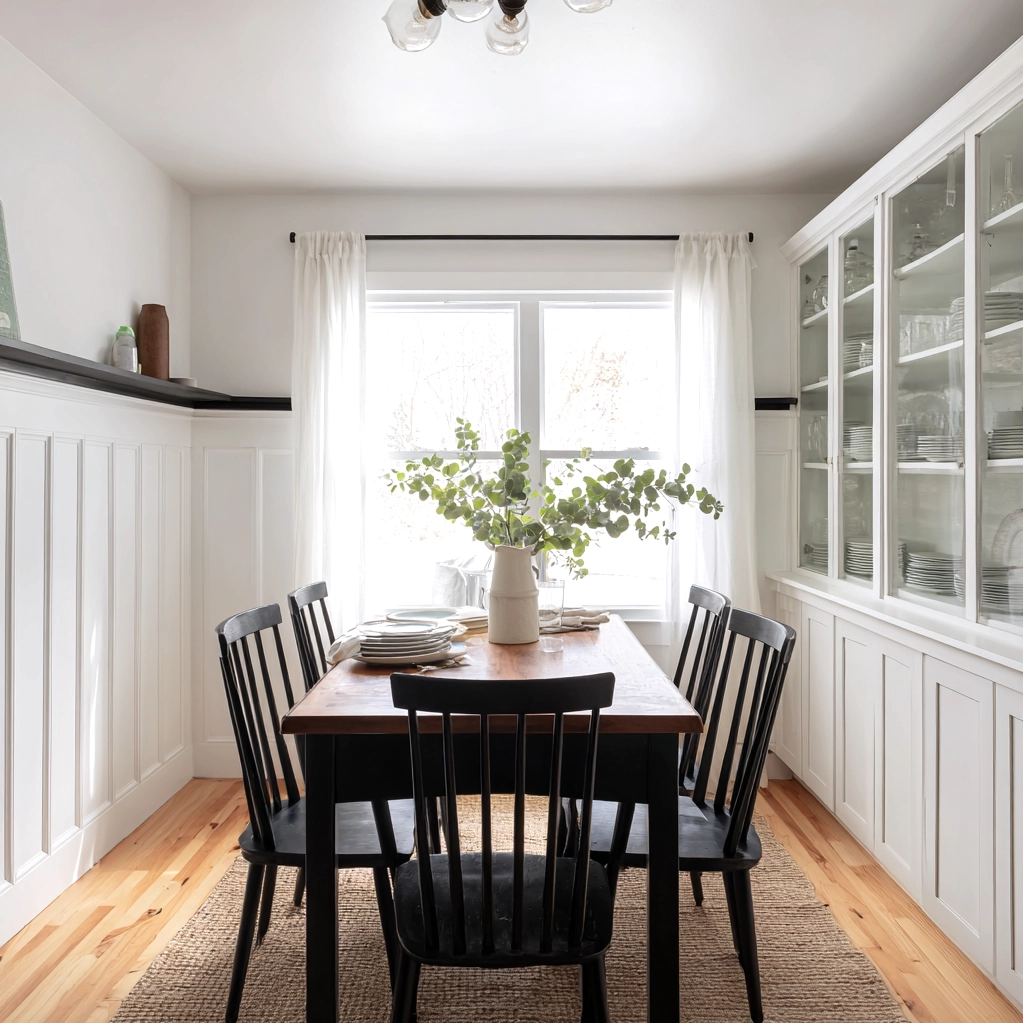
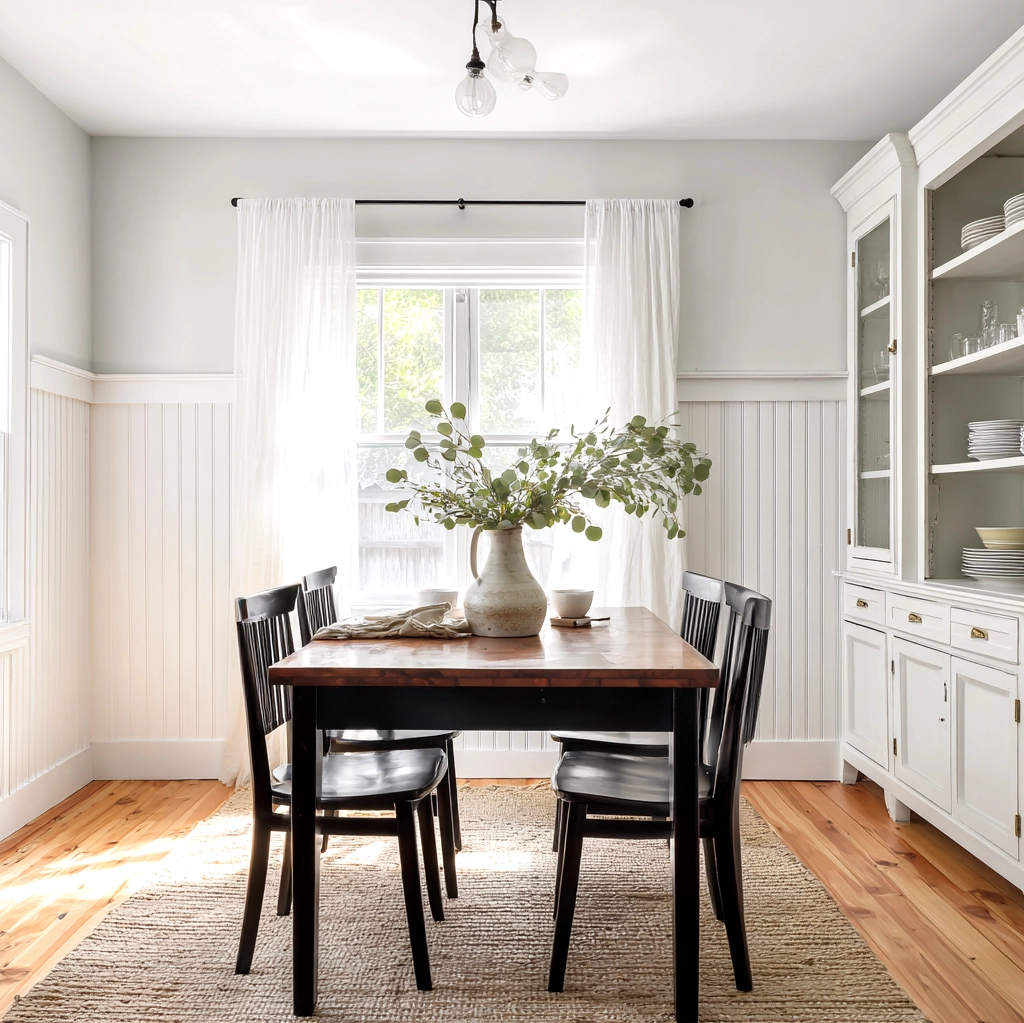
Beadboard walls offer endless design possibilities that can enhance every room in your home. In kitchens, consider installing beadboard as a backsplash or on the lower portion of walls to create a classic wainscoting effect. This approach combines durability with style, protecting walls from splatters while adding architectural interest. Pair white beadboard with open shelving and brass hardware for a fresh, modern farmhouse look. In bathrooms, beadboard walls provide excellent moisture resistance when properly sealed, making them ideal for creating spa-like atmospheres. Extend the panels from floor to ceiling for a cohesive look, or install them as wainscoting with a contrasting paint color above. For bedrooms, beadboard adds cozy character when installed behind beds as an accent wall. Consider painting it in soft, calming colors like pale blue or sage green to enhance relaxation. In living rooms, beadboard walls can frame fireplaces beautifully or create elegant paneling around built-in bookshelves. Dining areas benefit from beadboard's ability to define spaces – try installing it on the lower half of walls with a chair rail for traditional elegance. Hallways and entryways transform from plain passages to welcoming spaces with beadboard treatment. For a contemporary twist, paint beadboard walls in bold, dark colors like navy or charcoal. The vertical lines create visual height, making rooms feel more spacious. Some homeowners install beadboard on ceilings for added texture and cottage charm. Mixing beadboard with other materials like shiplap or wallpaper creates dynamic, layered looks. The key is considering your room's function and existing decor to choose the right beadboard application. These creative approaches demonstrate how versatile beadboard walls can be in achieving various design aesthetics throughout your home.
Maintaining and Caring for Your Beadboard Walls
Proper maintenance ensures your beadboard walls remain beautiful and functional for years to come. The care required depends largely on the material you've chosen. Traditional wood beadboard needs regular attention to maintain its appearance, especially in high-humidity areas. For painted wood beadboard, dust regularly with a soft cloth or vacuum with a brush attachment to prevent dirt buildup. Clean gently with a mild soap and water solution, avoiding harsh chemicals that could damage the finish. Touch up paint chips promptly to prevent moisture from penetrating the wood. If you have stained wood beadboard, use wood-specific cleaners and reapply protective finishes as needed to preserve the natural beauty. PVC and MDF beadboard options require less maintenance but still benefit from regular cleaning. These materials can typically handle stronger cleaners, making them ideal for kitchens and bathrooms where grease and soap scum may accumulate. Regardless of material, avoid excessive moisture exposure and promptly wipe up spills to prevent damage. Inspect your beadboard walls periodically for signs of wear, particularly around seams and edges where separation might occur. In cases of damage, individual panels can often be replaced without redoing entire walls. For painted surfaces, keep extra paint on hand for touch-ups that maintain a uniform appearance. Consider applying a clear protective topcoat to high-traffic areas for added durability. Seasonal changes in humidity can affect wood beadboard, so maintaining consistent indoor humidity levels helps prevent warping or cracking. With proper care, beadboard walls can last decades while maintaining their charming character. These maintenance practices not only preserve your investment but also ensure your walls continue to enhance your home's aesthetic appeal. Regular care is simple but makes a significant difference in longevity and appearance.
Choosing the Right Materials for Beadboard Walls
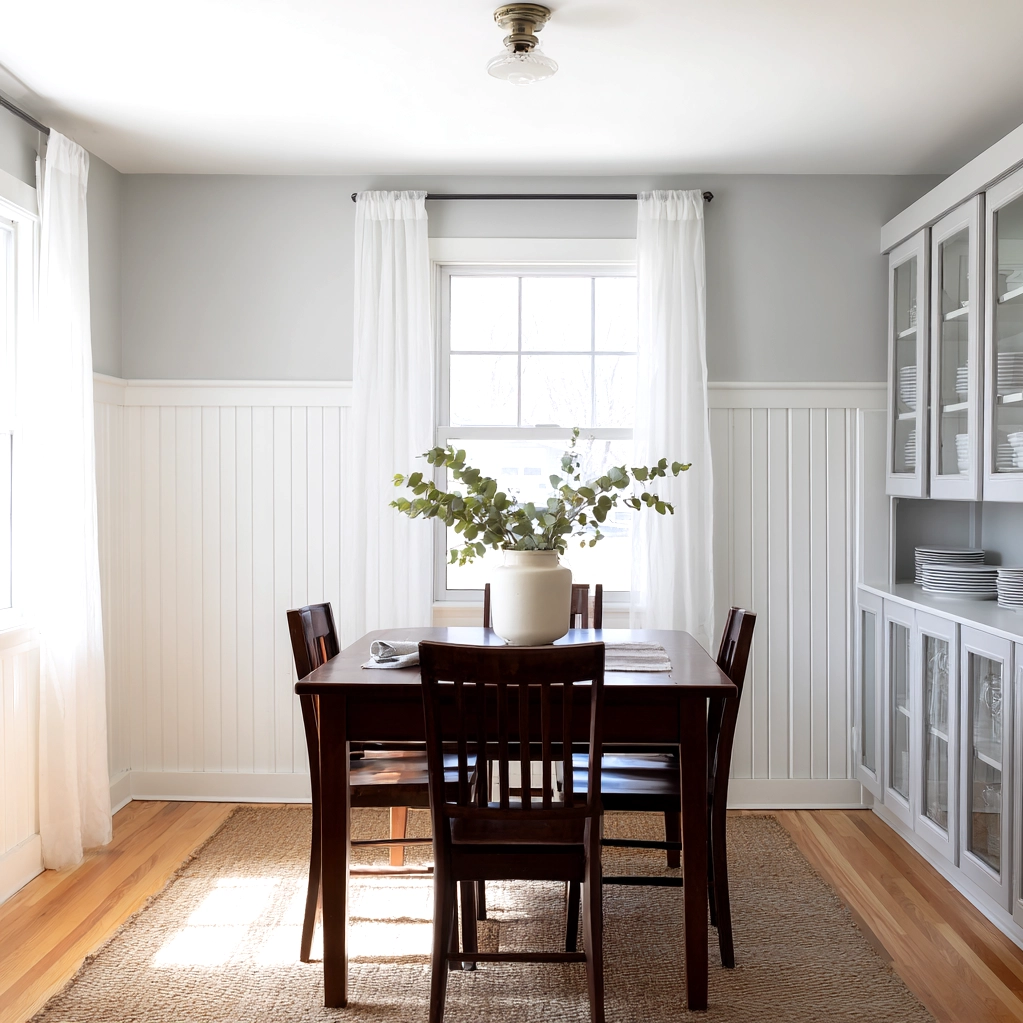
Selecting the appropriate materials for your beadboard walls is crucial for achieving both aesthetic goals and practical durability. Traditional wood remains the most popular choice, offering authentic character and the ability to be stained or painted. Pine is affordable and readily available, while harder woods like oak provide greater durability. Wood beadboard brings natural warmth to spaces but requires more maintenance than synthetic options. MDF (medium-density fiberboard) beadboard has gained popularity for its smooth surface and affordability. It paints beautifully without showing grain patterns, creating a uniform appearance. However, MDF doesn't handle moisture well, making it less suitable for bathrooms or kitchens without excellent ventilation. PVC beadboard represents the most moisture-resistant option, ideal for high-humidity areas. This synthetic material won't warp, rot, or swell, and it cleans easily with standard household cleaners. While some purists prefer wood's authenticity, PVC offers practical advantages for busy households. Pre-finished beadboard panels save time during installation, as they come primed or painted from the factory. Unfinished options allow complete customization but require more preparation work. Consider the panel thickness as well – standard 3/8-inch panels work for most applications, while 3/4-inch panels provide more substantial presence. Tongue-and-groove construction ensures tight fits between panels, creating seamless appearances. Some manufacturers offer beadboard in various groove widths, allowing you to choose between traditional narrow grooves or wider, more contemporary spacing. Your choice should balance budget, intended location, maintenance willingness, and desired aesthetic. Many homeowners combine materials, using wood in dry areas and PVC in wet spaces. Understanding these material differences helps ensure your beadboard walls not only look beautiful but also stand up to your lifestyle demands for years to come.
Conclusion
Beadboard walls represent one of the most versatile and rewarding home improvement projects available to homeowners today. Throughout this article, we've explored how these classic panels can transform spaces through proper installation, creative design applications, careful maintenance, and thoughtful material selection. The enduring appeal of beadboard lies in its ability to bridge design eras – it feels simultaneously traditional and fresh, simple yet sophisticated. Whether you're tackling a weekend DIY project or planning a comprehensive room makeover, beadboard offers an accessible path to elevated interior design. The vertical lines create rhythm and movement in otherwise static spaces, while the texture adds depth without overwhelming rooms. As home design continues to embrace personalized touches and character-rich elements, beadboard walls will likely remain a staple for those seeking affordable elegance. Looking forward, we can expect to see continued innovation in beadboard materials and applications, with sustainable options and easier installation methods becoming more prevalent. The future of beadboard walls looks bright as designers find new ways to incorporate this classic element into contemporary spaces. For anyone considering this upgrade, remember that the best results come from matching the beadboard style to your home's architecture and your personal taste. Start with a small area to build confidence, then expand to other rooms as you master the techniques. Your beadboard walls will not only enhance your daily living experience but could also increase your home's value and appeal to future buyers. This timeless wall treatment proves that sometimes the simplest design elements make the most significant impact.
Frequently Asked Questions
Q: Can beadboard walls be installed over existing drywall or plaster?
Yes, beadboard walls can typically be installed directly over existing drywall or plaster surfaces, provided they are in good condition. The surface should be clean, dry, and free of major imperfections or loose material. Use construction adhesive and finishing nails to secure the beadboard panels to the existing wall. This approach can save time and effort compared to removing old wall surfaces. However, it's important to check that your electrical outlets and switches will still be accessible, as the beadboard will add thickness to the wall. You may need to use outlet extenders to ensure proper fit. Also, consider how the added thickness will affect door and window trim – you might need to add extension jambs or adjust trim pieces for a seamless look. Installing over existing walls is one of the reasons beadboard makes such an accessible DIY project for homeowners.
Q: What is the best paint finish for beadboard walls?
Semi-gloss or satin finishes are generally recommended for beadboard walls. Semi-gloss provides excellent durability and is easy to clean, making it ideal for high-traffic areas like kitchens, bathrooms, and hallways. The slight sheen also helps highlight the beadboard's grooves and texture. Satin finish offers a softer look while still providing good cleanability, making it suitable for living rooms and bedrooms. Avoid flat or matte paints on beadboard, as they can be difficult to clean and may not hold up well to regular wiping. Always use a high-quality primer before painting, especially on new wood or MDF beadboard, to ensure proper adhesion and prevent tannin bleed-through. For a professional look, apply paint with a brush into the grooves and a roller on the flat surfaces. Two coats are typically recommended for even coverage and depth of color. The right paint finish not only enhances appearance but also protects your beadboard investment for years of enjoyment.
Q: How do I prevent moisture damage to beadboard walls in bathrooms?
Preventing moisture damage in bathrooms requires careful material selection and proper installation techniques. Choose moisture-resistant materials like PVC beadboard or properly sealed wood options specifically rated for wet areas. Ensure panels are installed with waterproof construction adhesive and all seams are thoroughly caulked with bathroom-grade silicone caulk. Pay special attention to areas around tubs, showers, and sinks where water exposure is highest. Consider installing beadboard as wainscoting rather than full-height panels in very humid bathrooms, leaving a less vulnerable surface above. Use exhaust fans during and after showers to reduce humidity levels, and wipe down walls regularly to prevent water accumulation. For wood beadboard, apply multiple coats of high-quality waterproof sealant or paint with moisture-resistant properties. Regular inspection for signs of swelling, discoloration, or mold allows for early intervention. These precautions help maintain your beadboard walls' beauty while protecting against bathroom moisture challenges.