Cattle Panel Trellis: Incredible Garden Magic for Maximum Vertical Growth

Imagine transforming your ordinary garden into a lush, productive paradise with one simple, affordable structure. A cattle panel trellis is exactly that—a gardening game-changer that offers unparalleled support for climbing plants while creating stunning visual appeal. This versatile grid panel, traditionally used in livestock fencing, has found its true calling in the hands of creative gardeners who recognize its potential to maximize growing space and simplify garden maintenance. Whether you’re growing tomatoes, cucumbers, peas, or flowering vines, a cattle panel trellis provides the sturdy framework your plants need to thrive vertically rather than sprawl across the ground. The beauty of this solution lies in its simplicity and durability. Made from heavy-duty galvanized steel, these panels can withstand years of weather and heavy plant loads without bending or breaking. They’re easy to install with basic tools, and their uniform grid pattern offers perfect spacing for plant tendrils to grasp and climb. Beyond functionality, a cattle panel trellis adds architectural interest to your garden, creating living walls of greenery that can define spaces, provide privacy, or simply delight the senses with their organized beauty. As more gardeners discover this practical innovation, it’s becoming clear that traditional wooden trellises simply can’t compete with the strength, longevity, and flexibility of cattle panel designs. This guide will show you how to harness this remarkable tool to elevate your gardening experience literally and figuratively.
Cattle Panel Trellis Benefits: Why This Simple Structure Transforms Gardens
The cattle panel trellis offers remarkable advantages that make it superior to traditional trellising methods. First and foremost is its incredible durability. Made from 4-gauge steel wire welded into 6-inch squares, these panels can support massive plant loads without sagging or collapsing. Unlike wooden structures that rot or plastic that becomes brittle, galvanized steel cattle panels withstand decades of use in all weather conditions. Their strength means you can grow heavy vegetables like winter squash or melons vertically without worry. Another significant benefit is improved plant health. By training plants up a cattle panel trellis, you create better air circulation around foliage, reducing fungal diseases that thrive in damp, crowded conditions. Fruits and vegetables stay cleaner since they're not resting on soil, and they receive more consistent sunlight for optimal ripening. The uniform grid pattern provides perfect spacing for plant tendrils to grasp, supporting natural climbing behavior without needing constant tying or training. Maintenance becomes remarkably easier too—you can access plants from both sides for pruning, harvesting, and pest inspection without stepping into garden beds. A cattle panel trellis also maximizes your growing space dramatically. By training plants vertically, you free up ground space for additional planting or easier navigation. This vertical approach is particularly valuable in small gardens or urban spaces where every square foot counts. The structure creates microclimates too—shade-loving plants can thrive beneath the trellis while sun-lovers climb above. Finally, the aesthetic appeal can't be overstated. The clean geometric pattern creates architectural interest even before plants cover it, and once filled with greenery, it becomes a living sculpture that changes with the seasons. Whether you create arched walkways, privacy screens, or organized rows, a cattle panel trellis brings both beauty and function to your outdoor space.
Building Your Cattle Panel Trellis: Simple Steps for Lasting Garden Support
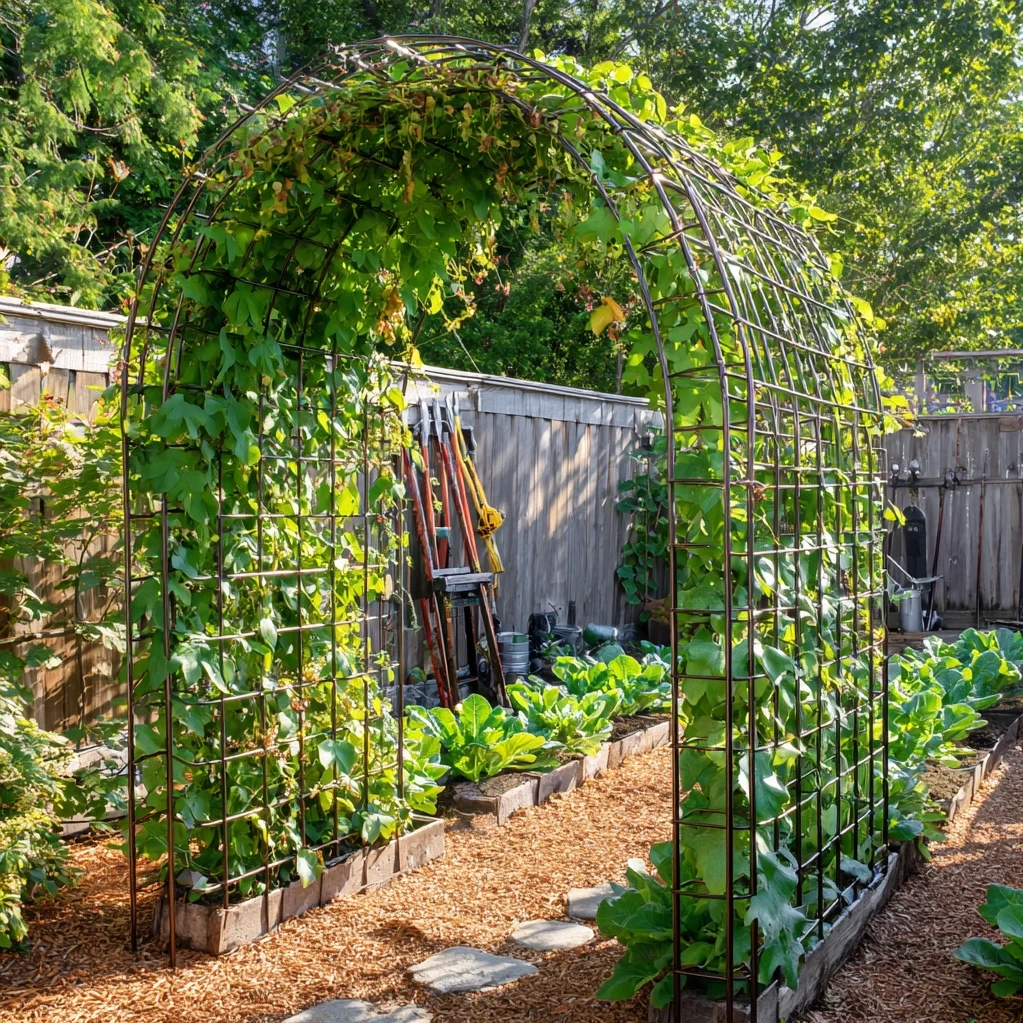
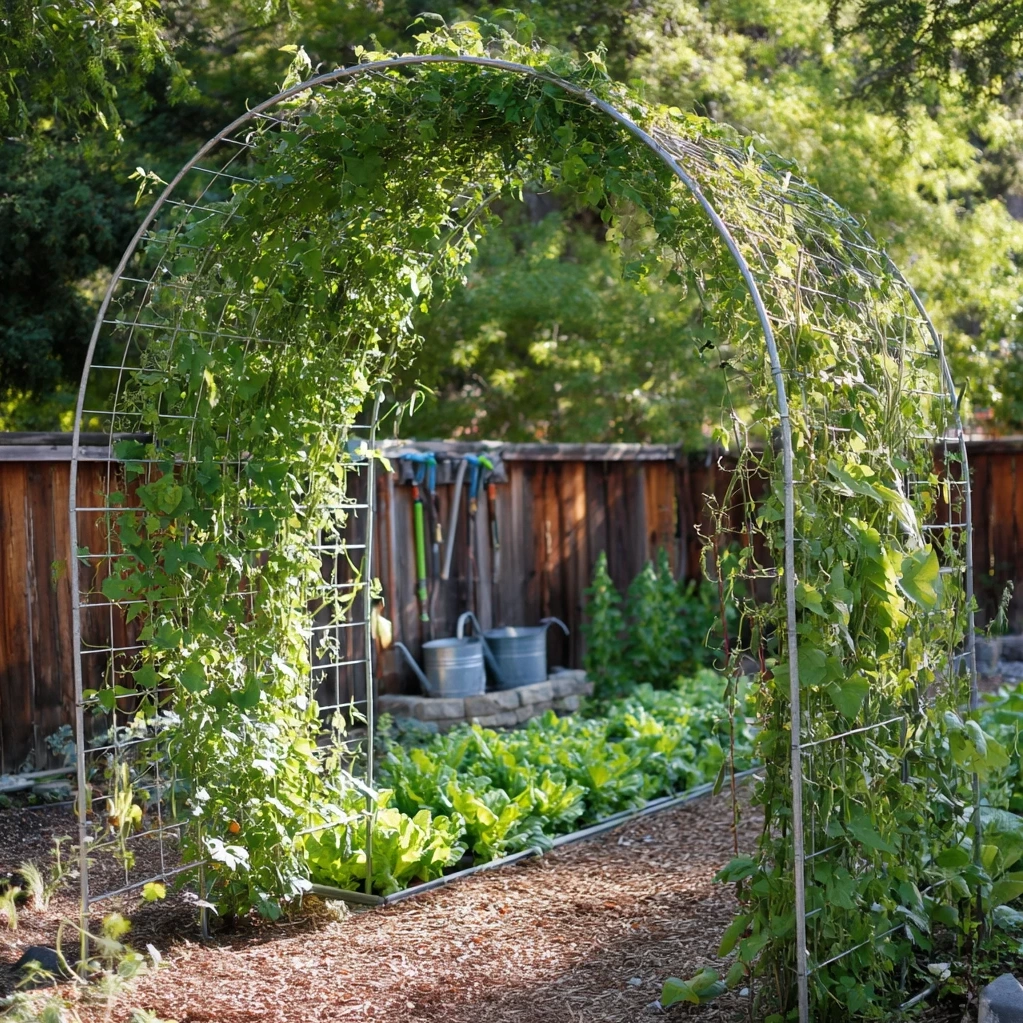
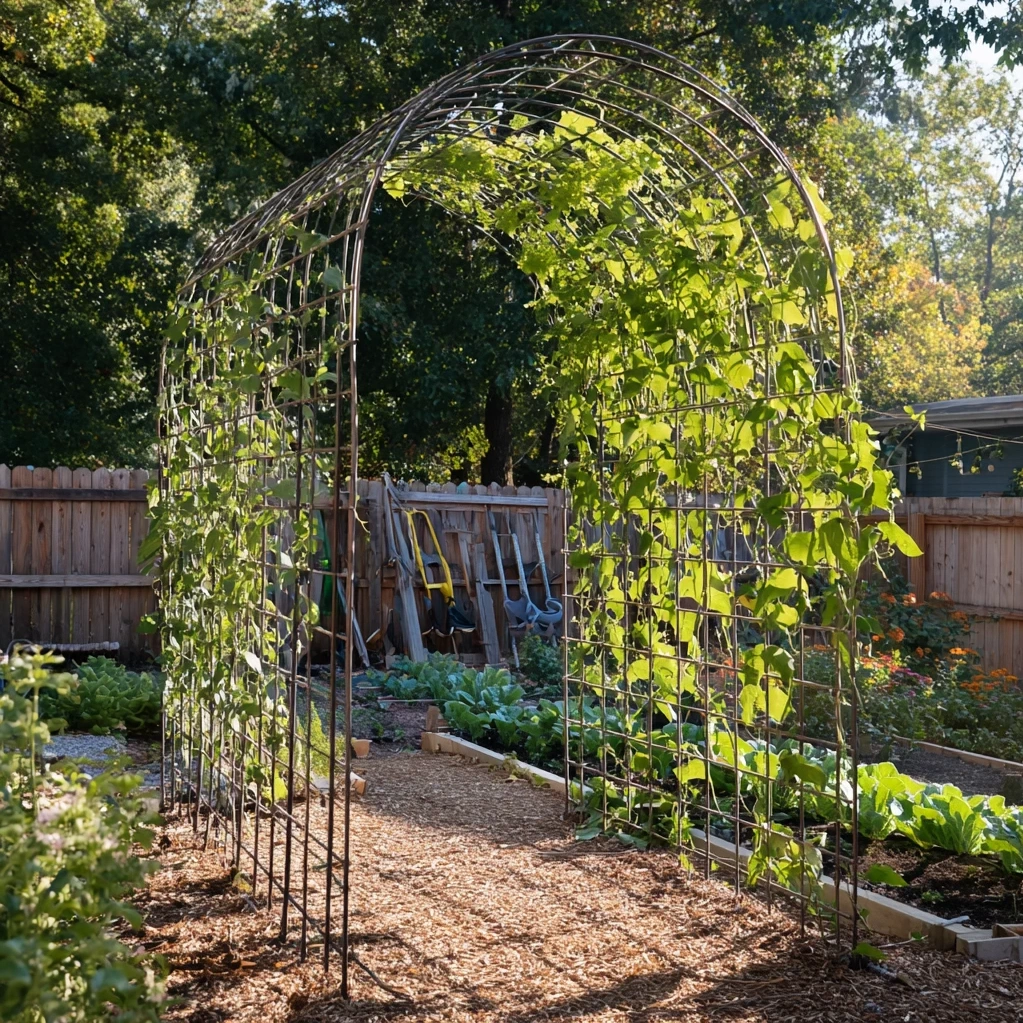
Creating a cattle panel trellis requires minimal tools and basic skills, making it accessible to gardeners of all experience levels. Start by gathering materials: a standard 16-foot cattle panel (available at farm supply stores), two to four metal T-posts (depending on your design), heavy-duty wire or zip ties for securing, and basic tools including gloves, wire cutters, and a mallet or post driver. First, decide on your trellis configuration. The simplest design involves bending the panel into an arch—this creates a beautiful tunnel effect perfect for climbing beans, peas, or flowers. To achieve this, carefully bend the panel into a gentle curve, securing each end to T-posts driven about 2 feet into the ground. For a straight vertical cattle panel trellis, position T-posts at each end and possibly one in the middle for extra stability on longer spans. Attach the panel to posts using heavy-gauge wire or durable plastic zip ties at multiple points along the height. Ensure the bottom of the panel sits just above ground level to prevent soil contact that could accelerate rusting. If creating a freestanding cattle panel trellis, consider adding cross-bracing or additional posts for stability in windy areas. For those wanting a more permanent installation, you can set posts in concrete, though this reduces flexibility to move the structure later. Safety is crucial—always wear thick gloves when handling cattle panels as cut edges can be sharp. Measure your garden space carefully before purchasing, as panels typically come in 16-foot lengths that can be cut with bolt cutters if needed. Consider sun exposure when positioning your cattle panel trellis—most climbing plants need at least six hours of direct sunlight. Finally, prepare the soil beneath with compost or fertilizer since plants growing vertically often require more nutrients to support their vigorous growth. With these simple steps, you'll have a sturdy cattle panel trellis ready to support years of abundant harvests.
Cattle Panel Trellis Plant Selection: Best Vegetables and Flowers for Vertical Gardening
Choosing the right plants for your cattle panel trellis ensures maximum productivity and visual impact. The sturdy 6-inch grid pattern supports a wide variety of climbers, but some plants perform particularly well. For vegetables, indeterminate tomatoes are ideal candidates—their vining habit makes them perfect for vertical training up a cattle panel trellis. Use soft ties to secure main stems initially, then let side branches weave through the grid. Cucumbers thrive vertically too, producing straighter fruits that are easier to harvest. Pole beans naturally climb the openings with minimal assistance, creating dense green walls. Heavier plants like winter squash, pumpkins, and melons require extra support—use slings made from fabric or netting to cradle developing fruits. Peas appreciate the early spring support, while malabar spinach creates beautiful edible coverage in hot weather. For flowering vines, consider morning glories or moonflowers for quick coverage and spectacular blooms. Sweet peas offer fragrance and color, while climbing nasturtiums provide edible flowers and leaves. Honeysuckle or jasmine add wonderful scent to garden spaces. When planting beneath your cattle panel trellis, consider companion plants that benefit from the partial shade created. Lettuce, spinach, and other cool-season greens appreciate protection from midday sun. Herbs like cilantro or parsley might last longer into summer with this light filtering. Root vegetables like radishes or carrots can grow undisturbed in the soil below. For maximum visual impact, combine plants with different textures and colors—perhaps scarlet runner beans with their bright red flowers alongside deep green malabar spinach. Consider succession planting too—start with peas in spring, followed by beans in summer, and perhaps ornamental gourds in fall. Remember that plants growing vertically may need more frequent watering since water drains faster, and they benefit from regular feeding with balanced fertilizer. By selecting appropriate plants and arranging them thoughtfully, your cattle panel trellis becomes not just functional support but a living tapestry that evolves throughout the growing season.
Creative Cattle Panel Trellis Designs: Beyond Basic Garden Structures
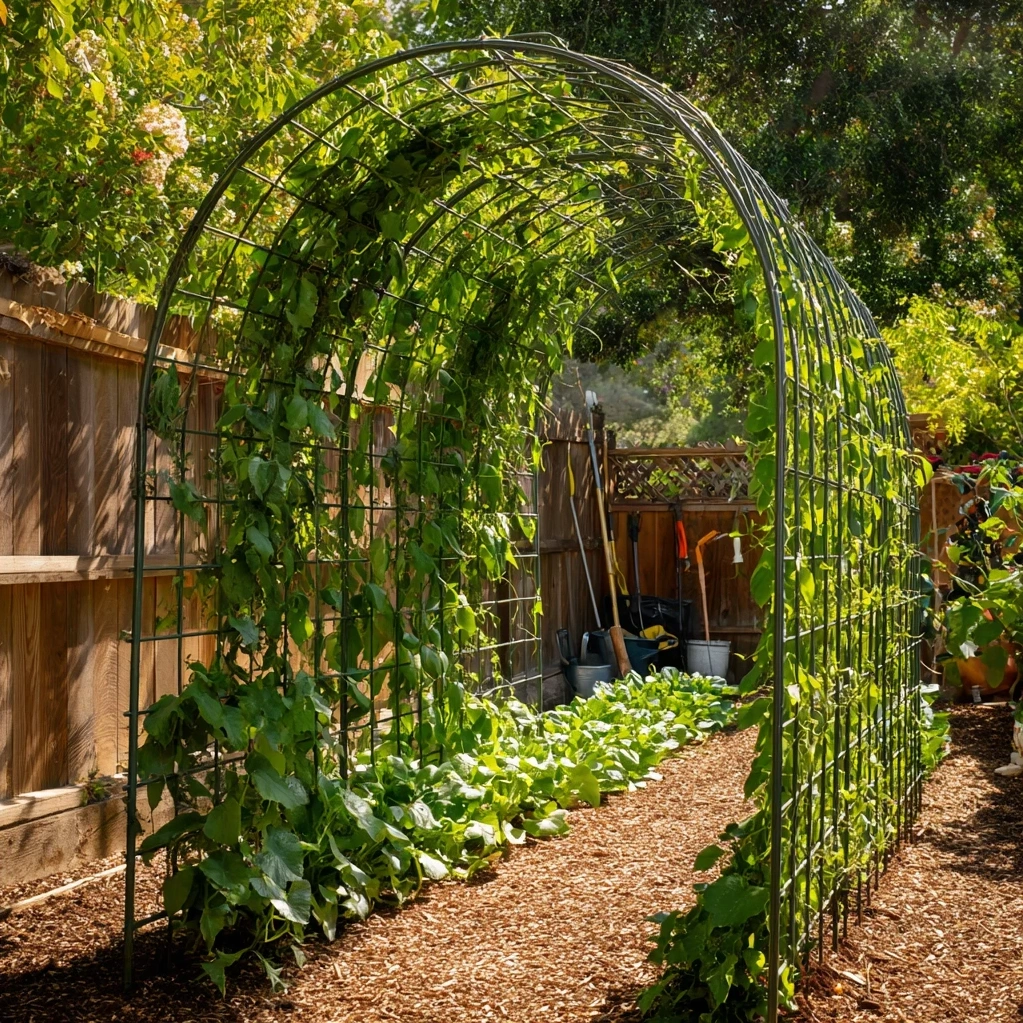
While simple arches and straight panels work beautifully, a cattle panel trellis offers endless creative possibilities for innovative garden design. Consider creating living walls by positioning multiple panels against fences or between posts—these green screens provide privacy while maximizing growing space in narrow areas. For small spaces, try a compact U-shaped cattle panel trellis that wraps around a corner, creating a productive nook. More ambitious gardeners might build entire garden rooms using multiple panels arranged in geometric patterns. A popular advanced design is the cattle panel trellis greenhouse—bend panels into hoops and cover with plastic or shade cloth for season extension. This creates a sturdy framework far stronger than typical PVC hoops. For decorative elements, weave fairy lights through the grid before plants cover it for magical evening ambiance. Create arched entryways between garden sections using two panels bent to form a tunnel—perfect for weddings or special events once covered in flowering vines. Another innovative approach: use shorter sections of cattle panel trellis as movable screens that can be repositioned as sun patterns change or as you rotate garden areas. For those with limited ground space, consider a vertical planter system by attaching pots or gutters to the panel at various heights. This works wonderfully for strawberries, herbs, or trailing flowers. If you want to incorporate seating, build a living arbor by extending panels over a bench or swing—within weeks, you'll have a shaded retreat. For practical functionality, position a cattle panel trellis to block unsightly views or define boundaries without creating visual barriers. The panels can even serve as support for outdoor curtains or shade sails when not covered with plants. During winter months when plants have died back, the structural beauty of the grid pattern creates interesting shadows and frost patterns. By thinking beyond basic utility, a cattle panel trellis becomes both functional support and artistic element in your garden design, proving that practical solutions can also be beautiful.
Conclusion
The humble cattle panel trellis represents one of gardening's most valuable innovations—transforming simple materials into structures that elevate both plants and gardening experiences. Throughout this exploration, we've seen how these sturdy panels offer unmatched durability compared to traditional trellising methods, how they improve plant health through better air circulation and sunlight exposure, and how they maximize growing space in even the smallest gardens. The installation process proves refreshingly straightforward, requiring only basic tools and materials available at most farm supply stores. Plant selection opens creative possibilities, from abundant vegetable harvests to flowering displays that change with the seasons. Most excitingly, design potential extends far beyond basic supports to include living walls, garden rooms, and decorative elements that blend function with beauty. As gardening continues evolving toward sustainable, efficient practices, the cattle panel trellis stands out for its longevity—a single installation can serve decades of gardens rather than needing replacement every few seasons. This durability makes it both economically and environmentally smart. Looking forward, we can expect even more innovative applications as gardeners share their experiments online and in communities. The future of vertical gardening shines bright with possibilities when supported by such reliable structures. Whether you're growing food for your family, creating sanctuary spaces, or simply maximizing a small balcony, incorporating a cattle panel trellis provides the sturdy foundation for your gardening dreams to climb toward the sun. Start with one simple panel this season, and discover how this unassuming grid can transform your approach to growing—proving that sometimes the most effective solutions are also the simplest.
Frequently Asked Questions
Q: How much weight can a cattle panel trellis support?
A standard 16-foot cattle panel trellis can support substantial weight when properly installed. The 4-gauge steel wire construction allows these panels to hold 50-100 pounds of plant material without sagging significantly. For heavy vegetables like winter squash, pumpkins, or watermelons, it's wise to provide additional support using fabric slings or netting cradles attached to the grid. The real limitation is usually the stability of the supporting posts rather than the panel itself. Using sturdy T-posts driven at least 2 feet into the ground, with possible cross-bracing for taller installations, ensures your cattle panel trellis remains secure even when loaded with mature plants. Proper installation matters more than the panel's inherent strength.
Q: Can I cut a cattle panel trellis to fit my space?
Yes, cattle panels can be cut to customize sizes for your garden space, though it requires proper tools and safety precautions. Use heavy-duty bolt cutters or an angle grinder with a metal cutting blade to cut through the welded wire. Always wear thick gloves, safety glasses, and protective clothing since cut ends will be sharp. Measure carefully before cutting, as mistakes cannot be reversed. After cutting, you can file down sharp edges or cover them with protective caps. Some gardeners use the cut-off sections to create smaller trellises for container gardens or to reinforce other structures. Remember that cutting may slightly reduce structural integrity at the cut points, so consider adding extra support if creating very tall or wide spans from cut panels.
Q: How do I maintain a cattle panel trellis for longevity?
Maintaining a cattle panel trellis is refreshingly simple compared to wooden structures. The galvanized steel coating provides excellent rust resistance, but inspecting annually for scratches or worn areas helps prevent corrosion. If you notice bare metal spots, clean with a wire brush and apply rust-resistant spray paint. At season's end, remove all plant material thoroughly—vines left to decompose can trap moisture against the metal. For stubborn tendrils, use a stiff brush or pressure washer on a gentle setting. Check attachment points where the panel connects to posts, tightening or replacing wires or zip ties as needed. If your cattle panel trellis remains in place year-round, consider applying a protective wax coating in autumn for additional weather resistance. With this minimal maintenance, your trellis should provide reliable service for 20 years or more, making it one of your garden's most enduring investments.