Classic Timeless Kitchen: Effortless Elegance That Lasts Forever

In the whirlwind of ever-changing design trends, the classic timeless kitchen stands as an oasis of calm and enduring beauty. Unlike fleeting fads that require constant updates, this approach to kitchen design embraces principles that have proven their worth over decades, even centuries. The importance of creating a classic timeless kitchen goes beyond mere aesthetics; it’s about building a functional, welcoming heart of the home that will serve your family beautifully for years to come without feeling dated or requiring expensive renovations every few years. A truly classic timeless kitchen combines quality materials, thoughtful layout, and design elements that transcend temporary styles, resulting in a space that feels both fresh and familiar, sophisticated yet comfortable. This isn’t about creating a museum-like replica of a historical kitchen, but rather about understanding the fundamental elements that make a kitchen work beautifully while standing the test of time. In an era of disposable trends and constant digital distraction, the classic timeless kitchen offers something increasingly rare: permanence, quality, and a sense of groundedness that makes a house truly feel like a home. Whether you’re building new, renovating, or simply looking to make updates that will last, understanding how to create a classic timeless kitchen is one of the smartest investments you can make in your living space.
The Core Elements of a Classic Timeless Kitchen
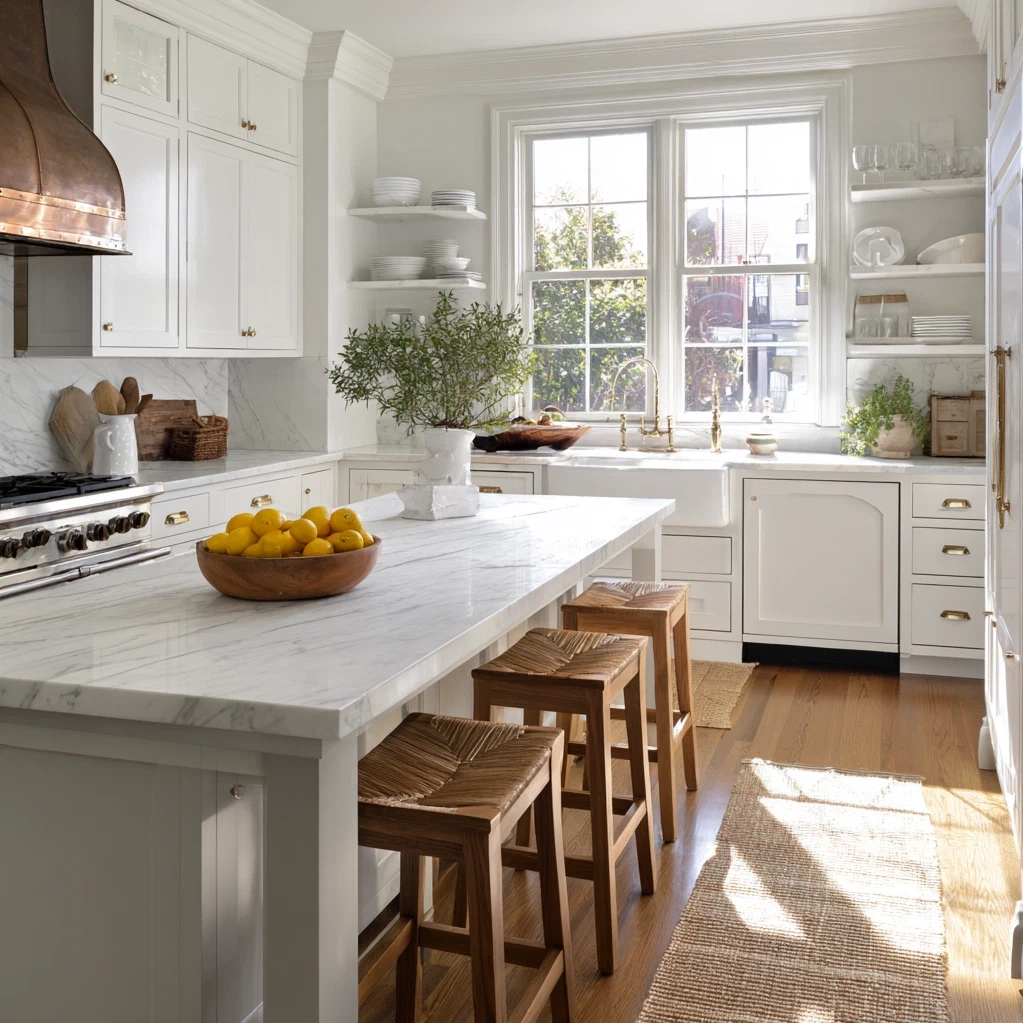
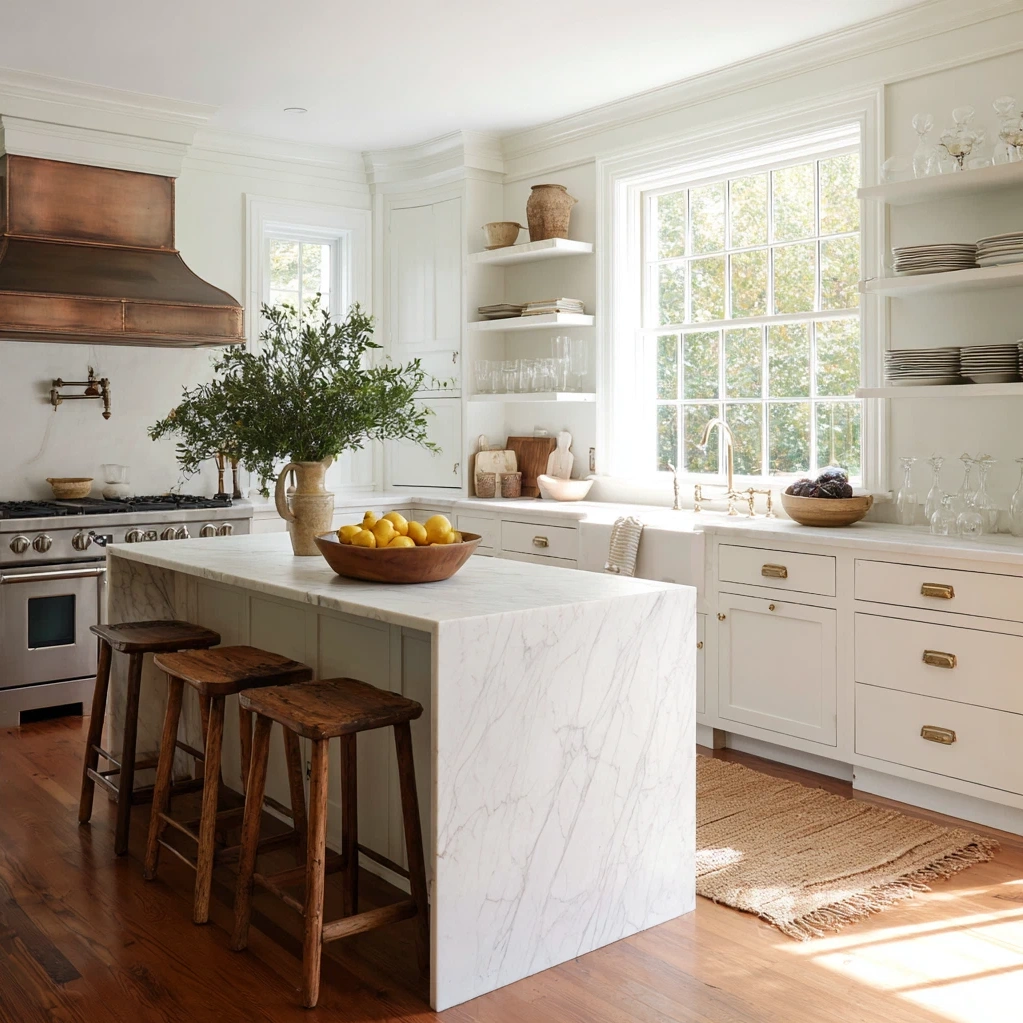
Every classic timeless kitchen begins with fundamental elements that provide both visual harmony and practical function. First and foremost is cabinetry. Shaker-style cabinets, with their clean lines and recessed center panels, have remained popular for over a century for good reason. Their simple, unadorned design works with virtually any decor style and doesn't draw attention to itself through excessive ornamentation. Quality wood like maple, cherry, or oak provides warmth and durability that synthetic materials can't match. Countertops in a classic timeless kitchen typically feature natural materials that age gracefully. Marble, while requiring some maintenance, develops a beautiful patina over time that many find enhances its character. Quartzite and soapstone offer similar elegance with greater durability. Granite remains a popular choice for its combination of beauty and resilience. The layout follows time-tested principles like the work triangle, ensuring efficient movement between refrigerator, sink, and stove. Ample storage with thoughtful organization keeps the space functional. Windows that bring in natural light and connect the kitchen to the outdoors help prevent the space from feeling closed off or purely utilitarian. These elements work together to create a foundation that can accommodate personal touches without losing its timeless quality.
Color and Material Selection for Your Classic Timeless Kitchen
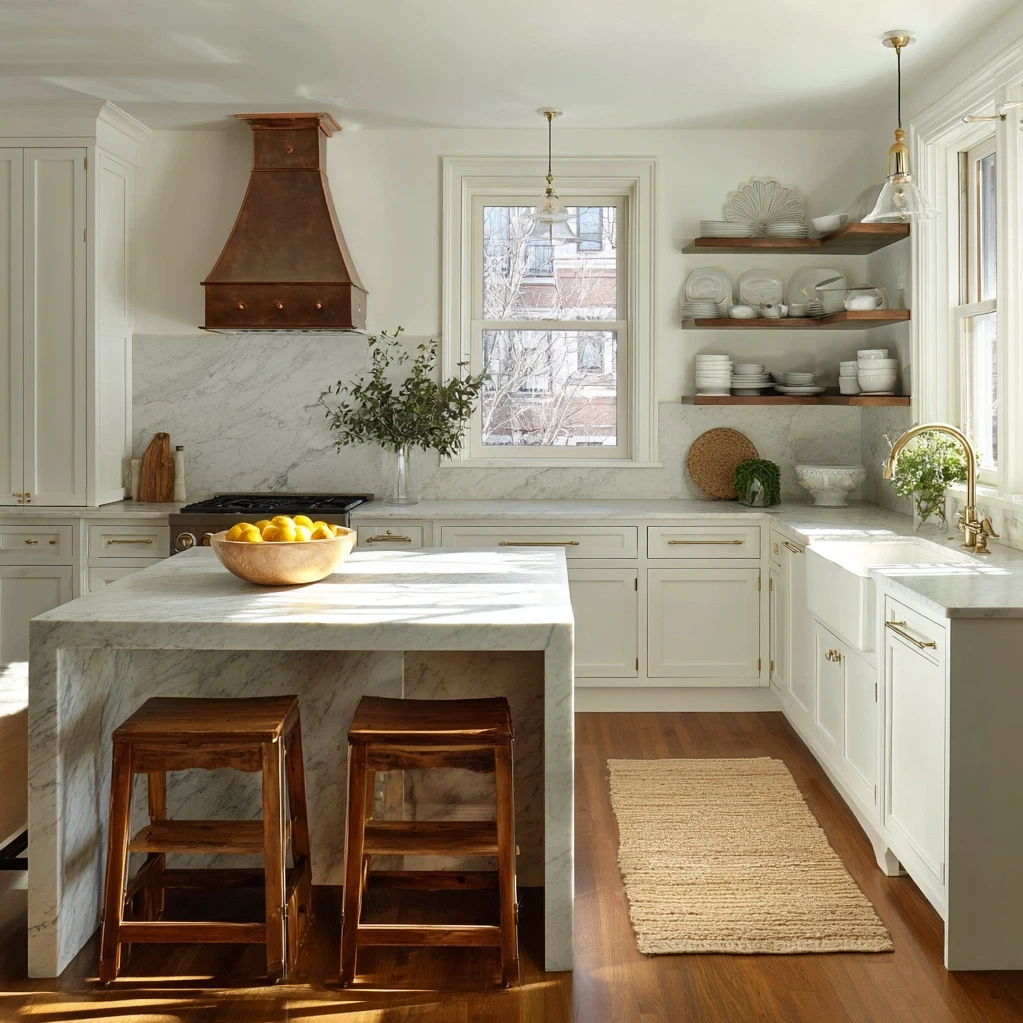
Choosing the right colors and materials is crucial for achieving a classic timeless kitchen that feels current without being trendy. Neutral color palettes form the backbone of most successful designs. White, cream, soft gray, and warm beige provide a versatile backdrop that allows other elements to shine. These colors reflect light beautifully, making the space feel larger and more inviting. For those who prefer some color, classic blues, sage greens, or deep charcoal can add personality without overwhelming the space. The key is choosing hues that have stood the test of time rather than the season's latest fashion colors. When it comes to materials, natural elements reign supreme in a classic timeless kitchen. Wood brings warmth and texture, whether in flooring, cabinetry, or open shelving. Stone countertops and backsplashes add organic beauty and durability. Metal fixtures in finishes like polished nickel, unlacquered brass, or oil-rubbed bronze develop character over time rather than looking worn. Glass-front cabinets or open shelving can break up solid surfaces while displaying beautiful dishware. Mixing materials thoughtfully creates visual interest without chaos. For example, pairing marble countertops with wood cabinets and metal hardware creates layers of texture that feel rich but not busy. The goal is to create a harmonious balance where each material complements the others rather than competing for attention.
Integrating Modern Conveniences into a Classic Timeless Kitchen
One of the most common concerns about creating a classic timeless kitchen is whether modern appliances and technology will clash with traditional aesthetics. The good news is that today's manufacturers understand this concern and offer numerous solutions. Many high-end appliance brands now create products with classic styling that conceal modern functionality. Refrigerators with panel-ready fronts can be covered with the same material as your cabinets, creating a seamless look. Induction cooktops offer precise temperature control while fitting into traditional ranges or cooktop configurations. Dishwashers with hidden controls and quiet operation maintain the peaceful atmosphere of a classic timeless kitchen. Even smart home technology can be integrated discreetly. Under-cabinet lighting with dimmable LEDs provides both task illumination and ambient mood lighting without visible cords or bulky fixtures. Built-in charging stations can be incorporated into drawers or cabinets to keep devices powered but out of sight. The key is to choose appliances and technology that serve your needs without becoming the focal point of the room. Look for products with clean lines, minimal branding, and finishes that complement your overall design. Professional-style ranges often work well in classic timeless kitchens because their substantial presence feels appropriate rather than overly sleek or futuristic. Remember that true timelessness isn't about rejecting progress but about incorporating improvements in ways that enhance rather than dominate the space.
Personalizing Your Classic Timeless Kitchen Without Sacrificing Longevity
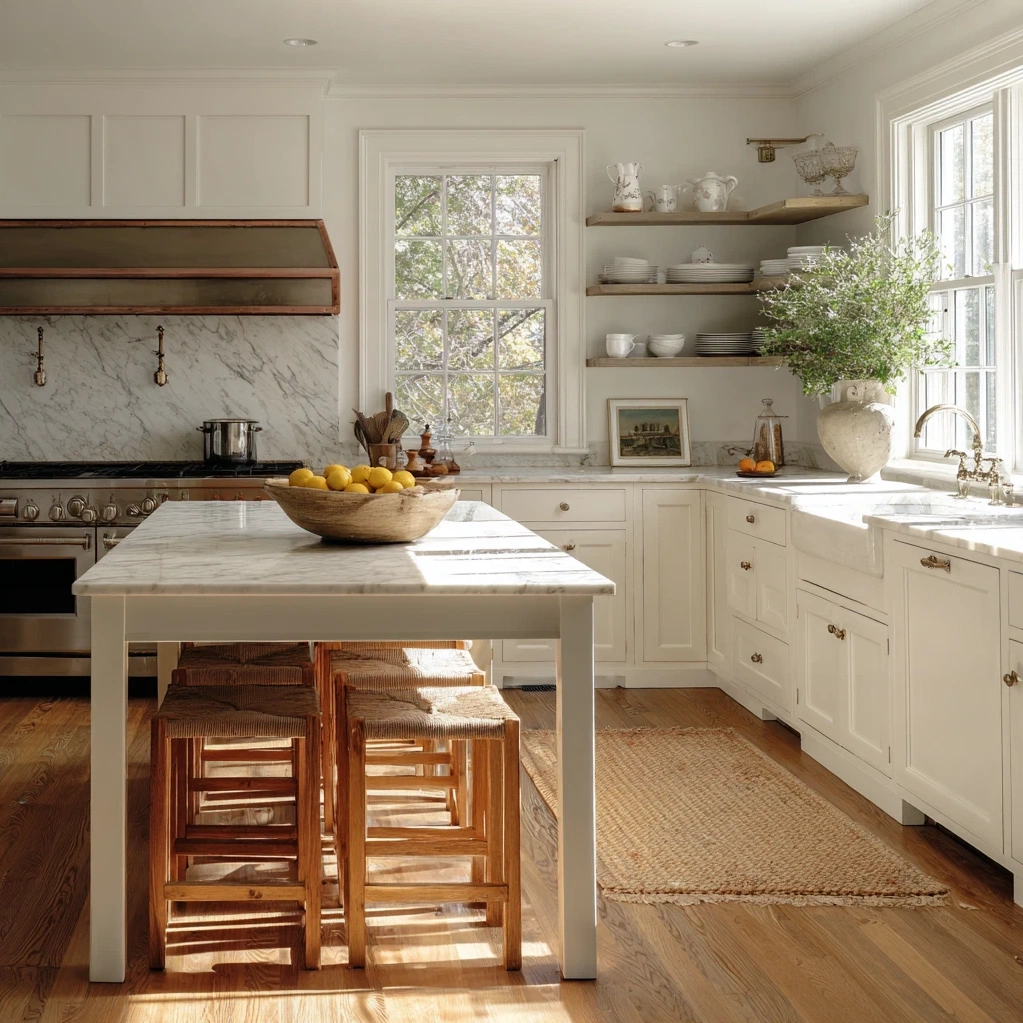
A classic timeless kitchen shouldn't feel sterile or impersonal. The beauty of this approach is that it provides a stable foundation upon which you can layer personal touches that reflect your style and needs. Start with functional elements that also serve as design statements. A beautiful farmhouse sink can become a focal point while being incredibly practical. Open shelving allows you to display favorite dishes, cookbooks, or collected items that tell your family's story. Consider incorporating a pantry with glass doors to show off beautiful food storage containers or heirloom serving pieces. For those who love to entertain, a kitchen island with comfortable seating creates a natural gathering spot. Choose barstools with classic lines and durable upholstery that will look good for years. Artwork in the kitchen is often overlooked but can add tremendous personality. Look for pieces that complement your color scheme without being too literal—botanical prints, architectural drawings, or abstract works in muted tones often work well. Window treatments should be simple and functional; Roman shades in natural fabrics or classic wooden blinds maintain clean lines while providing light control. Plants bring life and freshness to any classic timeless kitchen. Herbs in attractive pots on a windowsill or a larger statement plant in a corner adds organic beauty. The most successful personal touches are those that serve a purpose while enhancing the overall aesthetic. They should feel like natural extensions of the space rather than afterthoughts or temporary decorations.
Conclusion
Creating a classic timeless kitchen is ultimately about making thoughtful choices that prioritize longevity, quality, and genuine beauty over temporary trends. This approach saves money in the long run by reducing the need for frequent updates, while creating a space that feels welcoming and functional for years to come. The classic timeless kitchen adapts to your changing needs and tastes because its foundation is strong enough to support evolution without requiring complete overhaul. As you plan your kitchen, remember that true timelessness comes from harmony between elements rather than perfection in any single detail. Allow your space to develop character over time—the slight patina on brass fixtures, the gentle wear on wooden surfaces, the collection of meaningful objects that accumulate naturally. These are the marks of a kitchen that's truly lived in and loved. Looking forward, the principles behind classic timeless kitchen design are becoming increasingly relevant as more homeowners seek sustainable choices that reduce waste and consumption. By investing in quality materials and thoughtful design today, you're not just creating a beautiful kitchen for your current needs—you're building a foundation that future generations will appreciate and enjoy. Start with what matters most to you and your family, build slowly and intentionally, and trust that good design, like good food shared around your table, only gets better with time.
Frequently Asked Questions
Q: How can I make my existing kitchen look more classic and timeless without a full renovation?
You can achieve a more classic timeless kitchen feel through several impactful but manageable updates. Start by painting your cabinets in a neutral, timeless color like white, cream, or soft gray. Replace dated hardware with simple, classic knobs and pulls in finishes like brushed nickel, oil-rubbed bronze, or unlacquered brass. Update lighting fixtures to more traditional styles—think pendant lights over islands or classic sconces by the sink. If your budget allows, consider replacing laminate countertops with natural stone or high-quality quartz. Add open shelving to display beautiful dishware or incorporate a classic-style faucet. These changes can dramatically transform the feel of your kitchen toward timeless elegance without the cost and disruption of a complete renovation.
Q: Are all-white kitchens considered classic and timeless, or is that just a trend?
All-white kitchens have demonstrated remarkable staying power and are generally considered a classic timeless kitchen choice when executed properly. The key distinction between a timeless white kitchen and a trendy one lies in the details and materials. A timeless white kitchen typically incorporates natural materials that add texture and warmth—wood floors, marble or quartz countertops, and metal fixtures with character. It avoids overly stark, clinical whites in favor of warmer tones with subtle variation. The cabinetry usually features some detail, like Shaker-style doors, rather than completely flat, modern panels. When done well, white kitchens create a bright, clean backdrop that allows other elements to shine and can easily accommodate changes in accessories or decor over time. Their enduring popularity across decades suggests they've moved beyond trend status into classic territory.
Q: What's the biggest mistake people make when trying to create a classic timeless kitchen?
The most common mistake is confusing 'classic' with 'dated' or trying to incorporate too many different styles at once. Some people attempt to recreate a specific historical period exactly, which can result in a kitchen that feels like a museum exhibit rather than a functional, living space. Others mix too many competing elements—for example, pairing ultra-modern appliances with ornate Victorian-style cabinetry—creating visual confusion rather than harmonious timelessness. Another frequent error is choosing materials based solely on initial appearance without considering how they'll age or function over time. The best classic timeless kitchens balance traditional principles with contemporary living needs, use a cohesive color and material palette, and allow for personal touches without overwhelming the fundamental design. They feel intentionally designed rather than accidentally accumulated.