Closet Organization Ideas: 3 Amazing Solutions to Transform Your Space

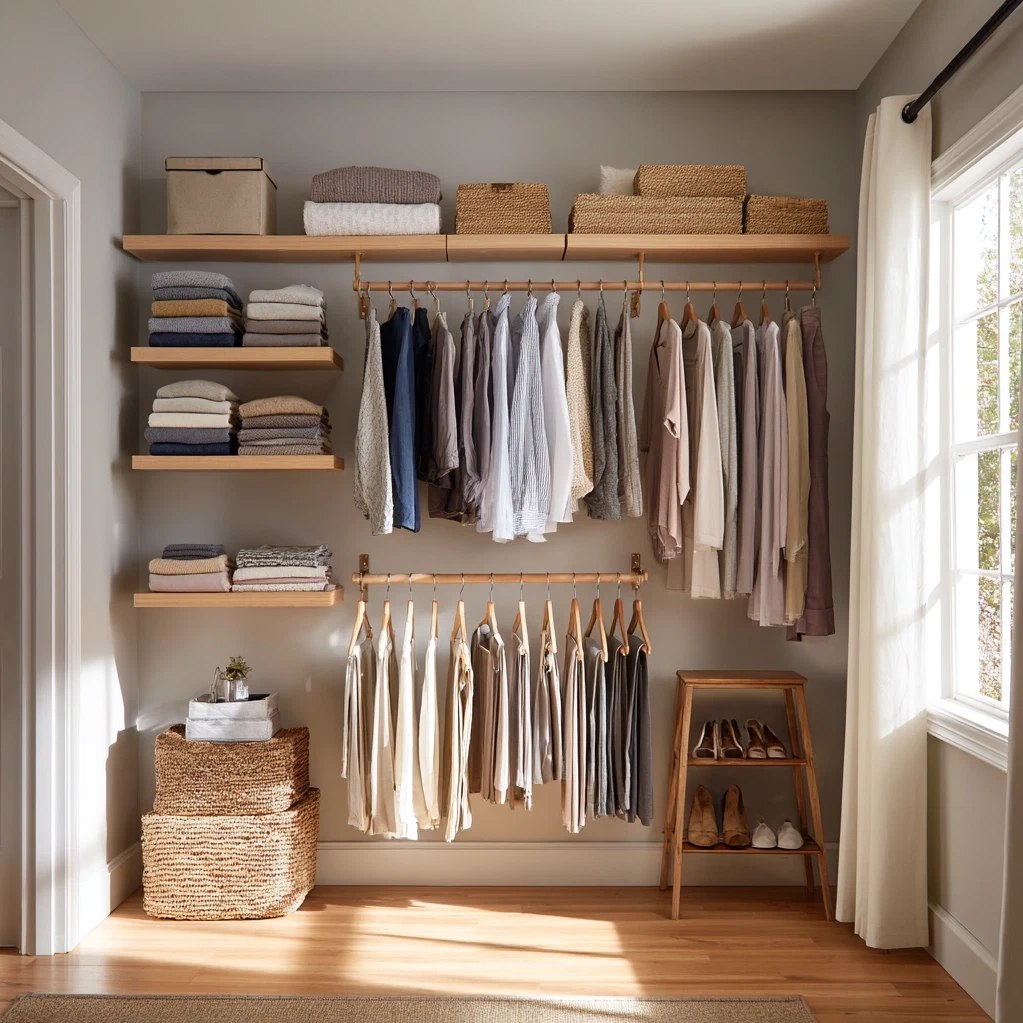
Are you tired of opening your closet door only to face a chaotic jumble of clothes, shoes, and accessories? You’re not alone. A disorganized closet can add stress to your morning routine, make it difficult to find what you need, and even cause premature wear and tear on your favorite items. The good news is that implementing smart closet organization ideas doesn’t require a complete renovation or a massive budget. With the right approach, you can transform your cluttered space into a functional, efficient storage area that works for your lifestyle. Proper organization goes beyond just tidying up—it creates a system that maintains itself over time. When everything has a designated place, you’re more likely to put things back where they belong. This simple shift can save you valuable time each day, reduce decision fatigue when getting dressed, and even help you better understand and curate your wardrobe. Many people avoid tackling their closet because the task seems overwhelming, but breaking it down into manageable steps makes all the difference. Whether you’re working with a spacious walk-in or a compact reach-in closet, there are solutions that can maximize every inch of available space. The key is to approach your closet organization ideas with both practicality and creativity in mind. Start by assessing your current situation, then implement systems that align with your daily habits. The result will be a space that not only looks better but also functions better, making your daily routine smoother and more enjoyable.
Essential Closet Organization Ideas for Small Spaces
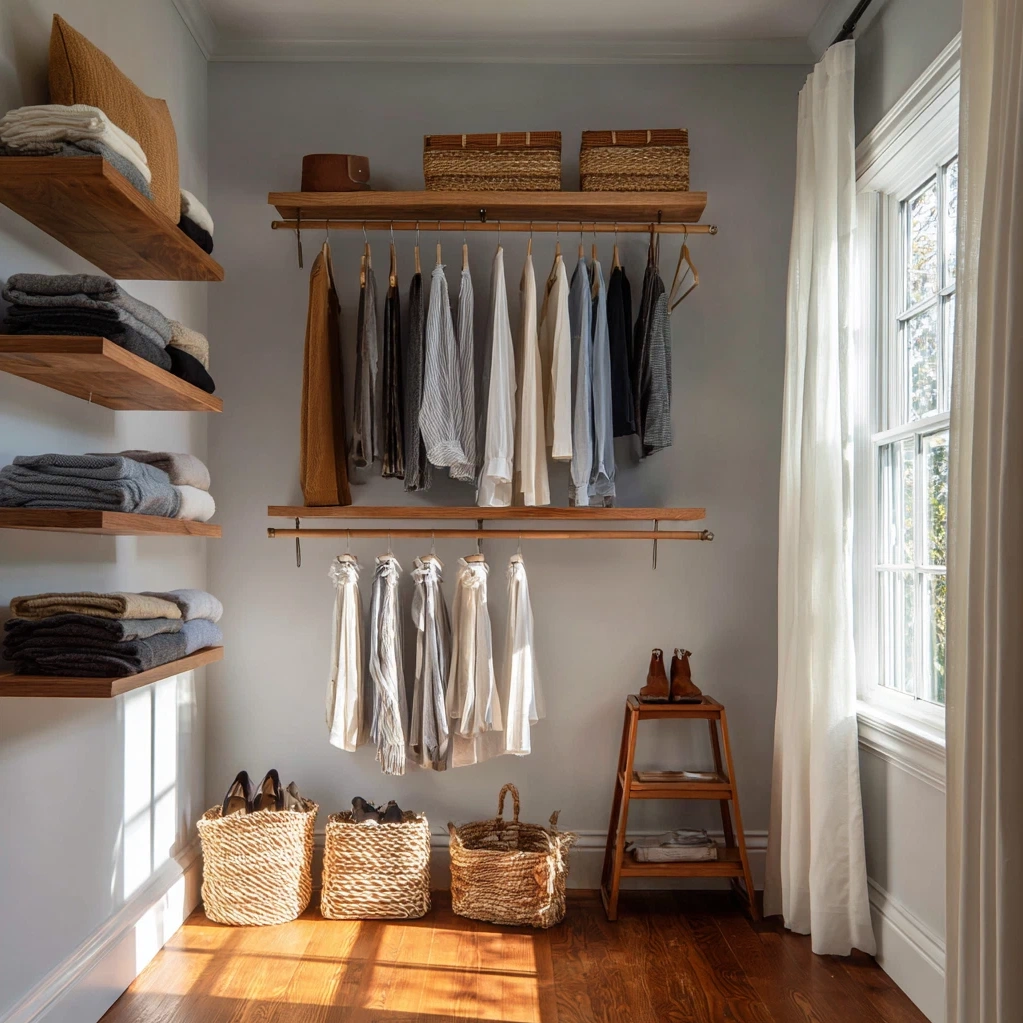
If you're working with limited square footage, every inch counts. The right closet organization ideas can help you maximize even the smallest closet efficiently. Start by evaluating your vertical space—this is often underutilized in compact closets. Install double hanging rods to create separate sections for shorter items like shirts and pants, leaving room below for additional storage. Consider slim, cascading hangers that take up minimal space while holding multiple garments. These can reduce bulk significantly compared to traditional hangers. Another smart approach is to incorporate modular storage solutions that can be customized to your specific needs. Adjustable shelving units allow you to reconfigure spaces as your wardrobe changes. Clear bins or baskets are perfect for storing seasonal items, accessories, or folded clothing while keeping everything visible. Don't forget about the back of the closet door—this valuable real estate can hold an over-the-door organizer with pockets for shoes, belts, or small items. For shoes, consider vertical racks or tiered shelves that make the most of floor space. If your closet lacks built-in shelves, freestanding units can provide additional storage without permanent installation. Remember that in small spaces, visibility is crucial. Use uniform containers with labels to maintain order and make items easy to find. Lighting also plays a key role—install battery-operated LED lights if electrical options aren't available. These small changes can dramatically increase your storage capacity without expanding your physical space. The goal is to create a system that feels spacious and accessible, even in tight quarters.
Innovative Closet Organization Ideas for Seasonal Transitions
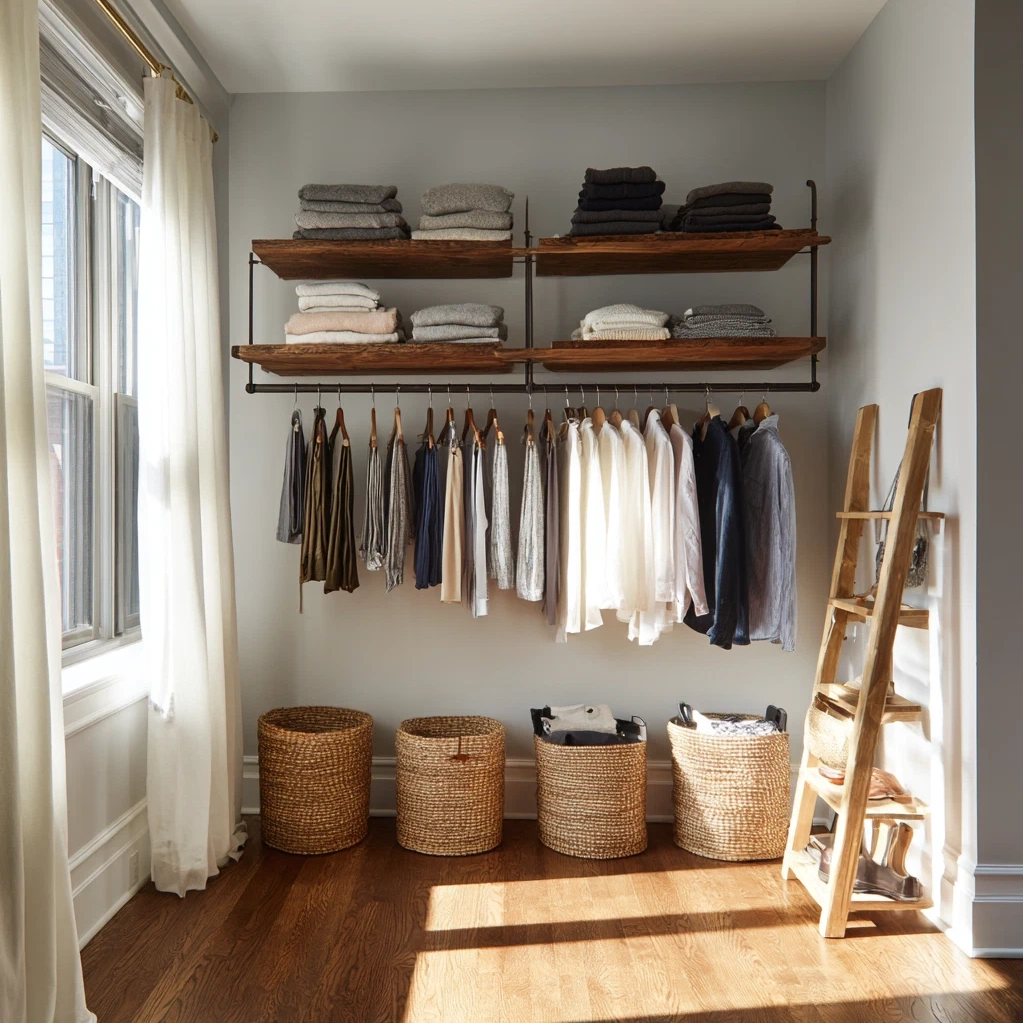
Managing seasonal wardrobe changes can be challenging, but with thoughtful closet organization ideas, you can streamline this process. The key is creating a system that allows easy rotation of items as temperatures shift. Start by designating specific zones within your closet for different seasons. You might reserve higher shelves or less accessible areas for off-season clothing, while keeping current-season items at eye level and within easy reach. Vacuum-sealed storage bags are excellent for compressing bulky winter coats or sweaters, saving significant space during warmer months. For seasonal accessories like scarves, gloves, or hats, use clear labeled containers that can be swapped out as needed. Consider implementing a color-coded system—organize clothing by season using different colored hangers or tags. This visual cue makes it simple to identify what's appropriate for the current weather. Another effective strategy is the 'one in, one out' rule when transitioning between seasons. As you bring out your spring wardrobe, take the opportunity to assess winter items and remove anything you didn't wear. This prevents accumulation and keeps your closet manageable year-round. For shoes, rotate seasonal footwear to the front of your storage system while moving off-season pairs to the back or to under-bed storage. If you have limited space, consider using rolling storage carts that can be easily moved between closet and storage areas. These mobile units are perfect for holding seasonal items that need occasional access. Regular maintenance is crucial—schedule seasonal closet reviews to keep your system functioning optimally. By implementing these closet organization ideas for seasonal transitions, you'll maintain a functional space regardless of the time of year.
Sustainable Closet Organization Ideas That Last
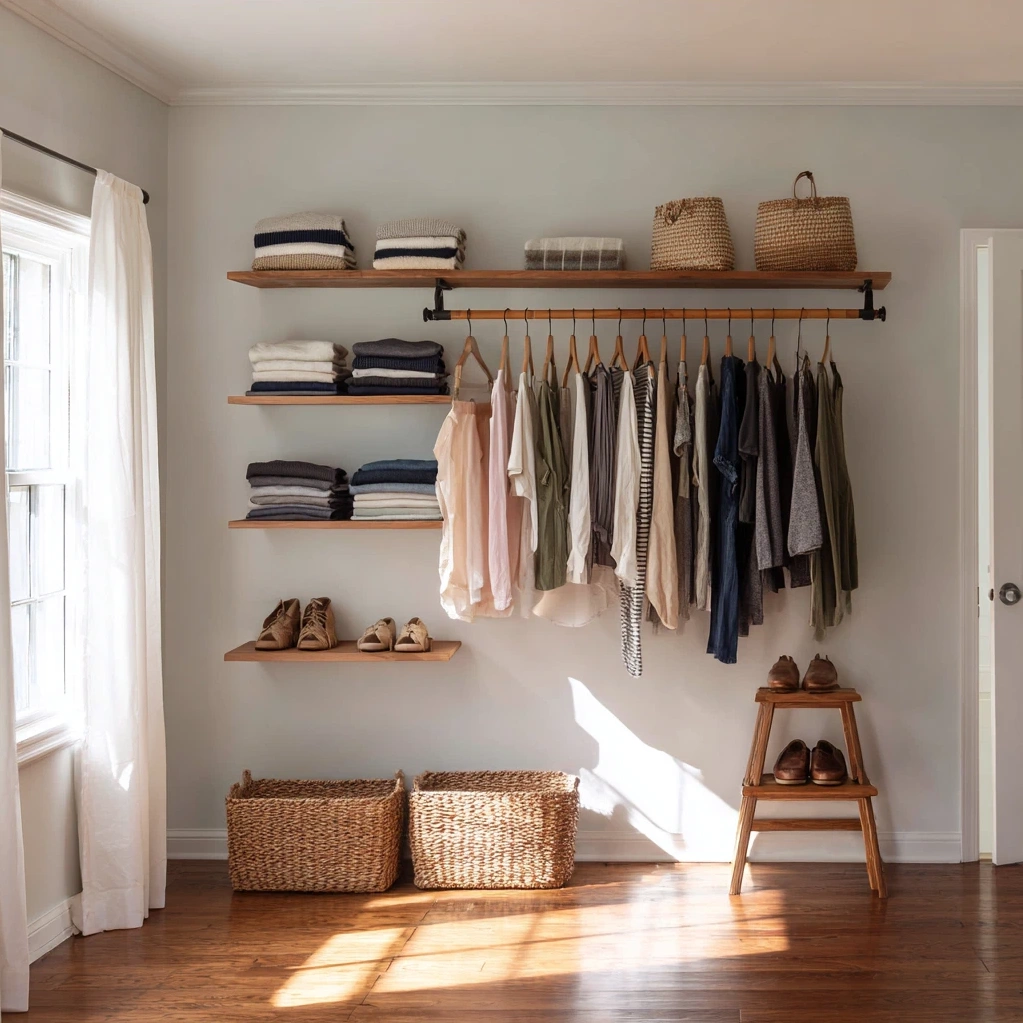
Effective closet organization isn't just about initial setup—it's about creating systems that endure. Sustainable closet organization ideas focus on building habits and structures that maintain order over time. Begin by establishing clear categories for your belongings. Group similar items together: all pants in one section, shirts in another, dresses together. This logical grouping makes it easier to find what you need and return items to their proper places. Invest in quality storage solutions that will withstand regular use. Sturdy wooden hangers, solid shelving, and durable bins may cost more initially but pay off in longevity. Avoid flimsy solutions that will need frequent replacement. Another key principle is creating accessible homes for everyday items. If you use something daily, it should be within easy reach without moving other things. Less frequently used items can occupy higher shelves or deeper storage areas. Implement a regular maintenance routine—perhaps a quick tidy at the end of each week and a more thorough review each month. This prevents small messes from becoming overwhelming problems. Consider incorporating a donation or discard basket in your closet system. When you notice items you no longer wear, place them in this container immediately rather than letting them occupy valuable space. Once the basket is full, donate or responsibly dispose of the contents. For families, create personalized zones within shared closets so each person knows exactly where their items belong. Use consistent labeling systems throughout, whether with printed labels, chalkboard tags, or color-coded markers. The most sustainable closet organization ideas are those that align with your natural habits rather than forcing you into complicated routines. By building systems that work with your lifestyle, you'll create organization that truly lasts.
Conclusion
Implementing effective closet organization ideas can transform not just your storage space, but your daily routine and overall sense of calm. As we've explored, whether you're working with limited square footage, managing seasonal transitions, or building systems that last, the principles remain consistent: assess your needs, maximize available space, and create logical systems that align with your habits. The journey toward an organized closet doesn't require perfection from day one—start with one section, implement what works, and gradually expand your systems. Remember that organization is an ongoing process rather than a one-time event. Your needs will evolve as your lifestyle changes, so remain flexible and willing to adjust your approach. Consider setting quarterly reminders to evaluate your closet systems and make necessary tweaks. This proactive maintenance prevents small issues from becoming overwhelming problems. Looking forward, the trend in closet organization is moving toward personalized, sustainable solutions that prioritize functionality and longevity over temporary fixes. More people are recognizing that well-organized spaces contribute to mental clarity and efficiency. As you continue refining your closet, focus on creating systems that not only store your belongings but also enhance your daily experience. The time invested in thoughtful organization pays dividends every morning when you can easily find what you need and start your day with less stress. Your closet should work for you, not against you—and with these ideas, you're well on your way to achieving that goal.
Frequently Asked Questions
Q: What are the most cost-effective closet organization ideas?
Several budget-friendly options can transform your closet without breaking the bank. Start with simple solutions like using matching hangers to create visual uniformity—this alone makes a significant difference. Repurpose household items: tension rods can create additional hanging space, while shoeboxes can be decorated and used for small item storage. Install inexpensive shelf dividers to keep stacks of clothing neat. Use clear zip-top bags for organizing accessories like belts or scarves. Another affordable approach is to implement a color-coding system using inexpensive tags or markers. For vertical storage, consider over-the-door organizers with multiple pockets. Regular decluttering is also cost-effective—removing items you no longer need creates more space without any expense. These solutions prove that effective organization doesn't require significant investment.
Q: How often should I reorganize my closet?
The frequency depends on your lifestyle and seasonal changes, but a good rule is to conduct a thorough reorganization at least twice yearly during seasonal transitions. This allows you to rotate clothing and assess what you've actually worn. Additionally, schedule a quick maintenance session monthly to address any developing clutter. Weekly, spend five minutes returning items to their proper places and straightening up. If you experience major life changes—such as a new job, change in climate, or significant weight fluctuation—reorganize as needed to accommodate your new requirements. Regular maintenance prevents overwhelming buildup and keeps your systems functioning smoothly with minimal time investment.
Q: What should I do with clothing I no longer wear but can't bear to discard?
This common dilemma has several practical solutions. First, implement a 'maybe' box with a time limit—place questionable items in a labeled container and store it out of sight. If you don't retrieve anything from the box within three to six months, donate the contents. For sentimental pieces you cannot wear, consider repurposing them into household items like pillow covers or quilts. Another option is to take photos of special items before letting them go, preserving the memory without keeping the physical object. If storage space allows, designate one clearly labeled container for these keepsake items with a strict limit on capacity. This approach honors sentimental attachments while maintaining functional closet organization.