Concrete Pool Deck Ideas: 6 Stunning Transformations for Ultimate Luxury

Your pool area deserves to be more than just functional—it should be an extension of your home’s living space, a personal oasis that combines beauty, durability, and comfort. When it comes to creating this perfect outdoor retreat, concrete pool deck ideas offer unparalleled versatility that can transform any backyard into a luxurious haven. Unlike traditional materials that limit your design options, concrete provides a blank canvas for creativity while delivering the practical benefits homeowners need.
Why focus on concrete? First, its durability is unmatched—properly installed and sealed concrete can withstand years of sun exposure, pool chemicals, and foot traffic without showing significant wear. Second, the design possibilities are virtually endless. From stamped patterns that mimic natural stone to polished finishes that gleam under the sun, concrete allows you to create a custom look that complements your home's architecture and your personal style. Third, concrete's thermal properties mean it stays cooler than many alternative materials, making it comfortable to walk on even during hot summer days.
Many homeowners overlook concrete's potential, thinking of it as just gray, utilitarian slabs. But modern concrete pool deck ideas have evolved dramatically, incorporating color, texture, and innovative techniques that create breathtaking results. Whether you're building a new pool area or renovating an existing space, understanding the possibilities with concrete can help you make informed decisions that balance aesthetics, functionality, and budget. In this article, we'll explore six stunning transformations that demonstrate how concrete can elevate your pool deck from ordinary to extraordinary.

Innovative Concrete Pool Deck Ideas for Modern Backyards
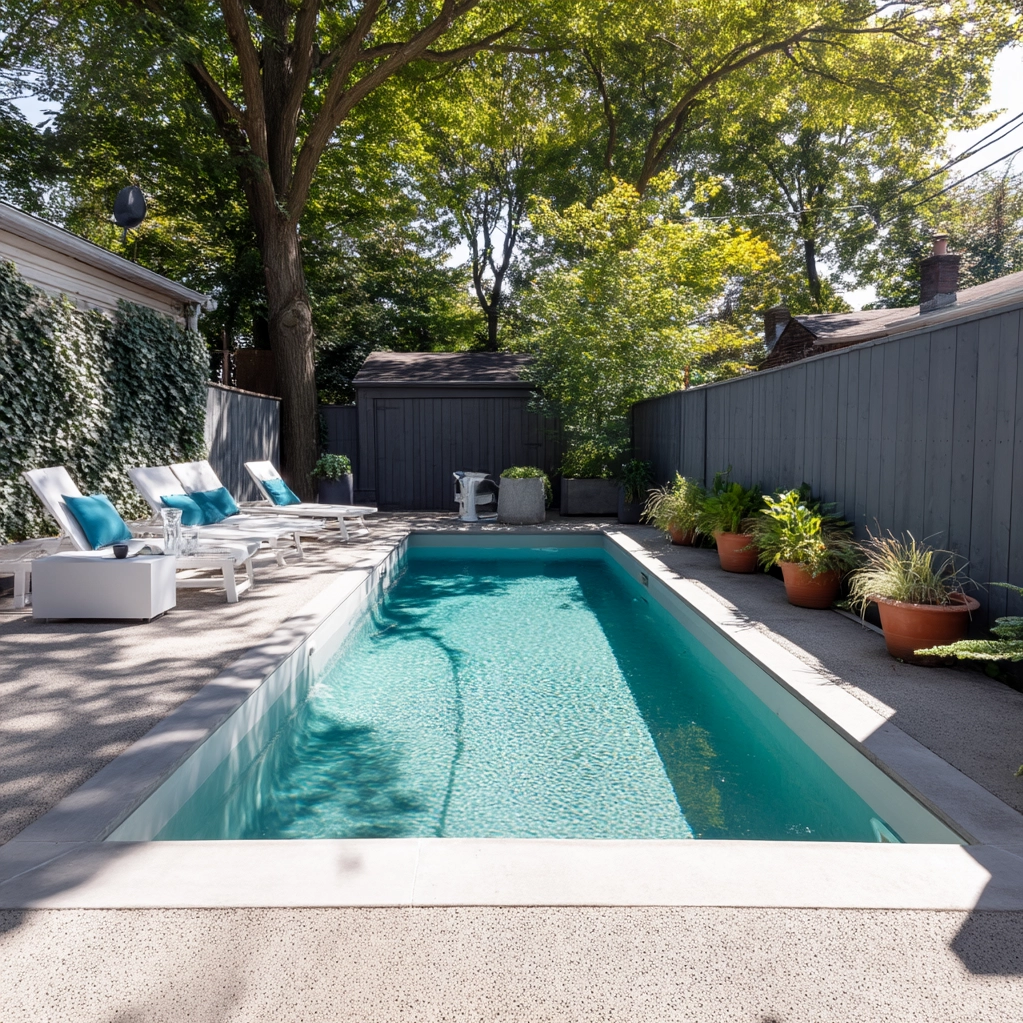
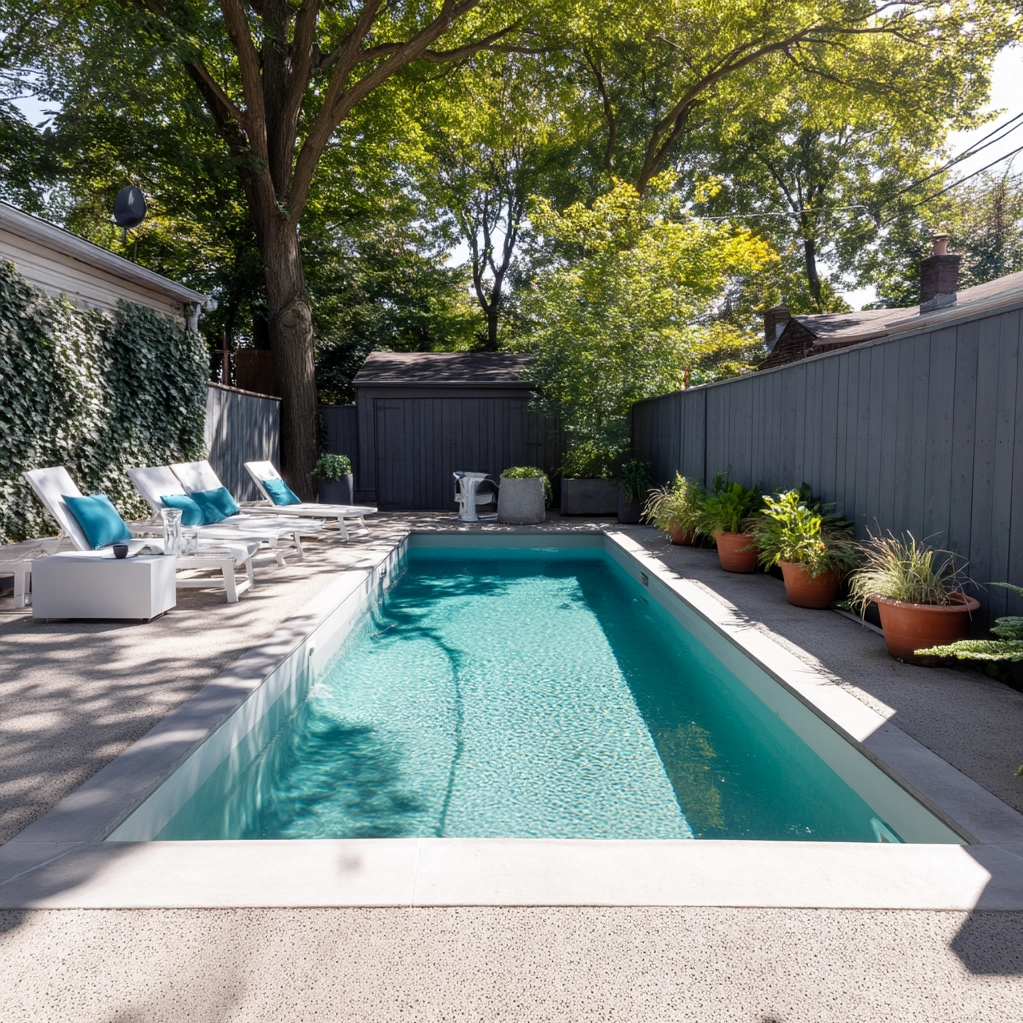
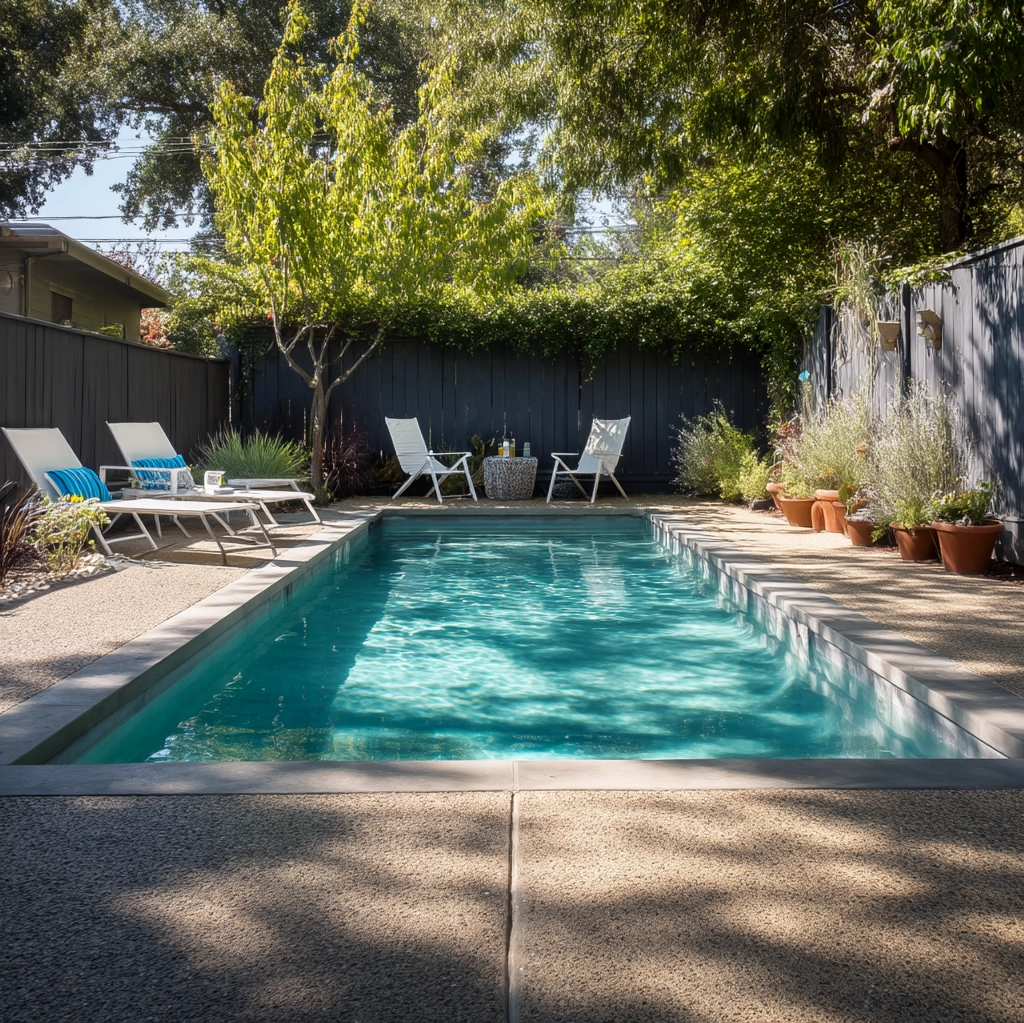
Modern homeowners are embracing concrete pool deck ideas that push beyond traditional gray slabs, discovering how this versatile material can create sophisticated outdoor spaces. One of the most exciting developments is exposed aggregate concrete, where the top layer is removed to reveal the natural stones within the mix. This creates a textured, non-slip surface that's both beautiful and practical, with colors ranging from subtle earth tones to dramatic black and white contrasts. Another innovative approach involves integrating glass or metallic flakes into the concrete mix, which catches sunlight and creates subtle sparkle around the pool perimeter.
Stamped concrete has revolutionized what's possible with concrete pool deck ideas, allowing homeowners to achieve the look of expensive materials at a fraction of the cost. Skilled contractors use specialized stamps to create patterns that mimic natural stone, brick, wood planks, or even custom designs. When combined with color staining techniques, the results can be indistinguishable from the real materials. For contemporary spaces, consider sleek, polished concrete with integrated color that creates a seamless, minimalist look. This approach works particularly well with infinity edge pools or modern architectural designs.
Drainage and safety are crucial considerations in any concrete pool deck design. Modern installations often incorporate subtle slopes and strategically placed drains to prevent water accumulation, while textured finishes provide slip resistance without compromising comfort. For families, rounded edges and smooth transitions between different surface areas can prevent trips and falls. Many homeowners are also adding integrated lighting within their concrete decks—low-voltage LED lights embedded in the surface create beautiful nighttime ambiance while improving safety. These practical enhancements prove that the best concrete pool deck ideas combine beauty with intelligent functionality.
Essential Maintenance Tips for Your Concrete Pool Deck
While concrete pool deck ideas offer exceptional durability, proper maintenance is key to preserving their beauty and functionality over time. The most critical step is regular sealing, which protects the surface from water penetration, UV damage, and chemical exposure from pool treatments. Most experts recommend resealing concrete pool decks every 2-3 years, though high-traffic areas or harsh climates might require more frequent attention. When choosing a sealer, consider both penetrating sealers that protect from within and topical sealers that add sheen and enhance color—some products combine both approaches for maximum protection.
Daily and seasonal care routines can significantly extend the life of your concrete pool deck. Sweep regularly to remove dirt and debris that can grind into the surface, and rinse with clean water to prevent chemical buildup from pool splashes. For deeper cleaning, use a mild detergent and a soft-bristle brush, avoiding harsh chemicals or abrasive tools that could damage the finish. In winter climates, use plastic shovels rather than metal ones for snow removal, and choose ice melt products specifically formulated for concrete surfaces to prevent spalling or surface damage.
Addressing common issues promptly can prevent minor problems from becoming major repairs. Small cracks often appear as concrete naturally expands and contracts with temperature changes—these can usually be filled with concrete crack sealant before they worsen. Stains from leaves, berries, or metal furniture can often be removed with specialized concrete cleaners or poultice treatments. For more comprehensive information on outdoor surface maintenance, check out this excellent resource from Bob Vila's website that covers various materials and techniques. Remember that well-maintained concrete not only looks better but also maintains its slip-resistant properties, ensuring safety around your pool area for years to come.
Budget-Friendly Concrete Pool Deck Ideas That Don't Sacrifice Style
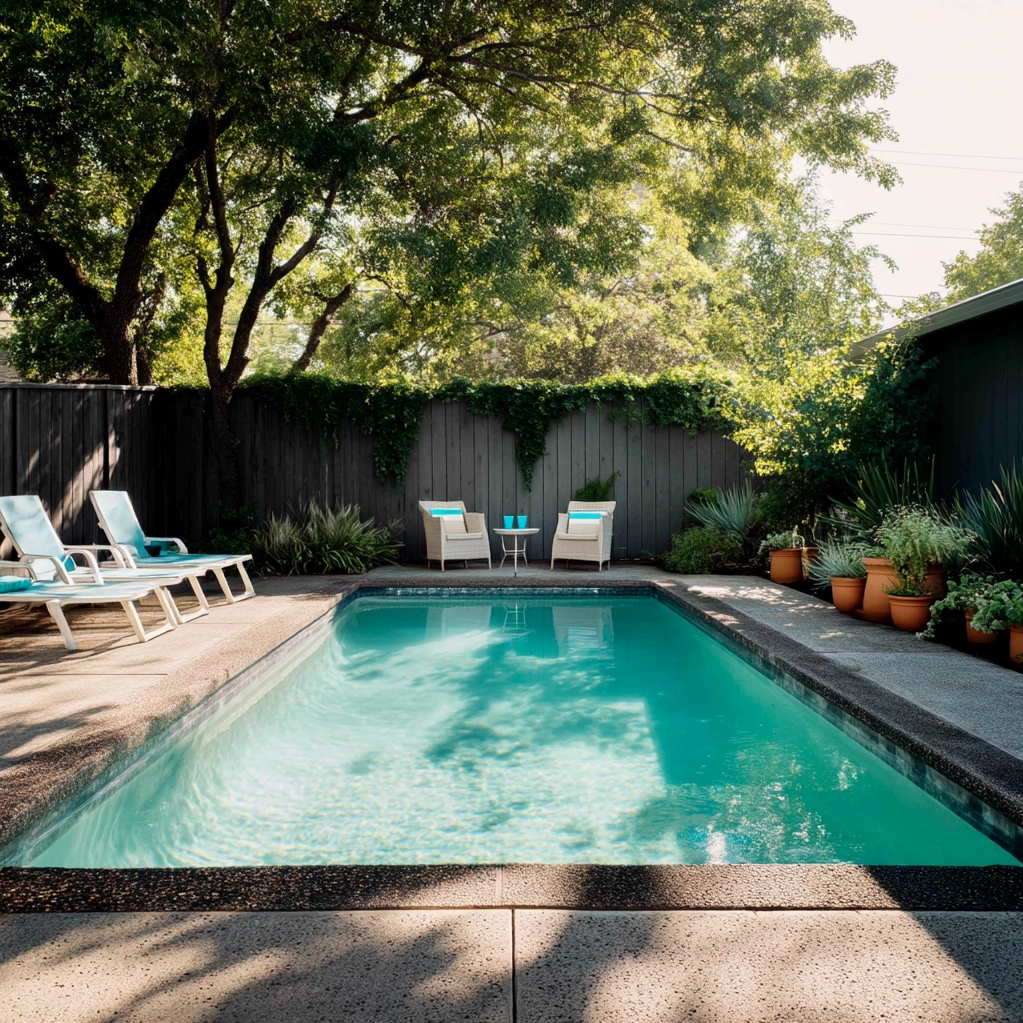
Creating a beautiful pool area doesn't require an unlimited budget—many concrete pool deck ideas deliver high-end looks at reasonable prices. One of the most cost-effective approaches is basic broom-finished concrete with integrated color. The broom finish creates subtle texture for slip resistance, while integral color (mixed throughout the concrete) provides consistent hue that won't wear off. This combination offers durability and style at a lower price point than stamped or polished options. Another budget-friendly strategy involves focusing on strategic areas—creating a concrete border around existing decking or using concrete for the main traffic areas while incorporating less expensive materials elsewhere.
DIY enthusiasts can save significantly by handling certain aspects of concrete pool deck installation themselves. While pouring and finishing large concrete areas requires professional expertise, homeowners can often handle site preparation, form building, and even some decorative finishing techniques. Acid staining, for example, can be applied to existing concrete with proper preparation and safety precautions, transforming dull gray surfaces into beautiful, marbled works of art. Stenciling is another accessible technique—using specialized stencils and overlay products, homeowners can create patterns that mimic more expensive materials without the cost of custom stamps.
Strategic design choices can maximize impact while minimizing expense. Instead of covering the entire pool area with expensive decorative concrete, consider creating a concrete path or patio area adjacent to the pool, using more economical materials for the immediate wet deck area. Incorporating built-in planters or seating areas within the concrete design adds functionality without significantly increasing costs. For inspiration on integrating different materials and creating cohesive outdoor spaces, explore our guide to outdoor living areas that discusses various approaches to backyard design. Remember that even simple concrete pool deck ideas, when well-executed, can create sophisticated spaces that enhance your home's value and your family's enjoyment.
Conclusion
Throughout this exploration of concrete pool deck ideas, we've seen how this versatile material can transform ordinary pool areas into extraordinary outdoor living spaces. From innovative exposed aggregate finishes that provide both beauty and safety to budget-friendly approaches that deliver style without breaking the bank, concrete offers solutions for every taste and circumstance. The six stunning transformations we've discussed demonstrate that with creative thinking and proper execution, concrete pool decks can rival any high-end material in both aesthetics and functionality.
Looking forward, the evolution of concrete technology promises even more exciting possibilities for pool deck design. Advances in coloring techniques, sustainable mix designs, and installation methods continue to expand what's achievable. As homeowners increasingly view their outdoor spaces as extensions of their indoor living areas, the demand for beautiful, durable, and low-maintenance surfaces like concrete will only grow. The integration of smart technology—such as heated concrete surfaces that extend swimming season or embedded lighting systems controlled via smartphone—represents the next frontier in pool deck innovation.
When planning your own concrete pool deck project, remember that success lies in balancing inspiration with practical considerations. Work with experienced contractors who understand both the artistic and technical aspects of concrete installation. Consider how your pool deck will function throughout different seasons and for various activities—entertaining guests, family relaxation, or solo contemplation. Most importantly, view your concrete pool deck not as a finished product but as the foundation for countless memories to come. With proper design and maintenance, your concrete pool area will serve as a beautiful, functional oasis that enhances your home and lifestyle for years to come.
Frequently Asked Questions
Q: How long does a concrete pool deck typically last compared to other materials?
A properly installed and maintained concrete pool deck can last 25-30 years or more, significantly longer than many alternative materials. Wood decking typically requires replacement every 10-15 years due to weathering and rot, while pavers may shift and settle over time, requiring periodic re-leveling. Concrete's durability comes from its monolithic nature—when properly reinforced and installed with appropriate expansion joints, it resists cracking and settling better than segmented materials. The key to longevity is proper installation (including adequate base preparation and reinforcement) combined with regular maintenance like sealing every 2-3 years. Many historic pools from the mid-20th century still feature their original concrete decks, demonstrating the material's exceptional lifespan when cared for properly.
Q: Can concrete pool decks be installed over existing surfaces?
In many cases, yes—concrete can be installed over existing surfaces, but this depends on the condition and type of the current material. For existing concrete that's structurally sound but aesthetically dated, overlay systems (thin layers of polymer-modified concrete) can create beautiful new surfaces without complete demolition. These overlays bond to the existing concrete and can be stamped, stained, or textured to create various looks. However, if the existing surface is unstable, severely cracked, or made of materials that don't bond well with concrete (like asphalt or certain tiles), complete removal is usually necessary. Over wood surfaces, concrete installation is generally not recommended due to differential movement and moisture issues. Always consult with a qualified contractor who can assess your specific situation, as improper installation over unsuitable surfaces can lead to cracking and failure.
Q: Are concrete pool decks slippery when wet?
Modern concrete pool deck ideas specifically address slip resistance through various texturing techniques. Unlike smooth finished concrete, pool decks typically feature broom finishes, exposed aggregate, or stamped patterns that create texture for better traction. Many contractors add non-slip additives to the concrete mix or apply anti-slip coatings during sealing. The key is specifying appropriate texture during design—while highly textured surfaces offer maximum slip resistance, they should be balanced with comfort for bare feet. For areas that get frequently wet, like the immediate pool surround, a medium broom finish or lightly exposed aggregate provides good safety without being uncomfortable. Regular maintenance also affects slipperiness—keeping the surface clean of algae or soap scum and ensuring proper drainage prevents water accumulation that can increase slip hazards. When properly designed and maintained, concrete pool decks offer excellent safety comparable to or better than many other materials.