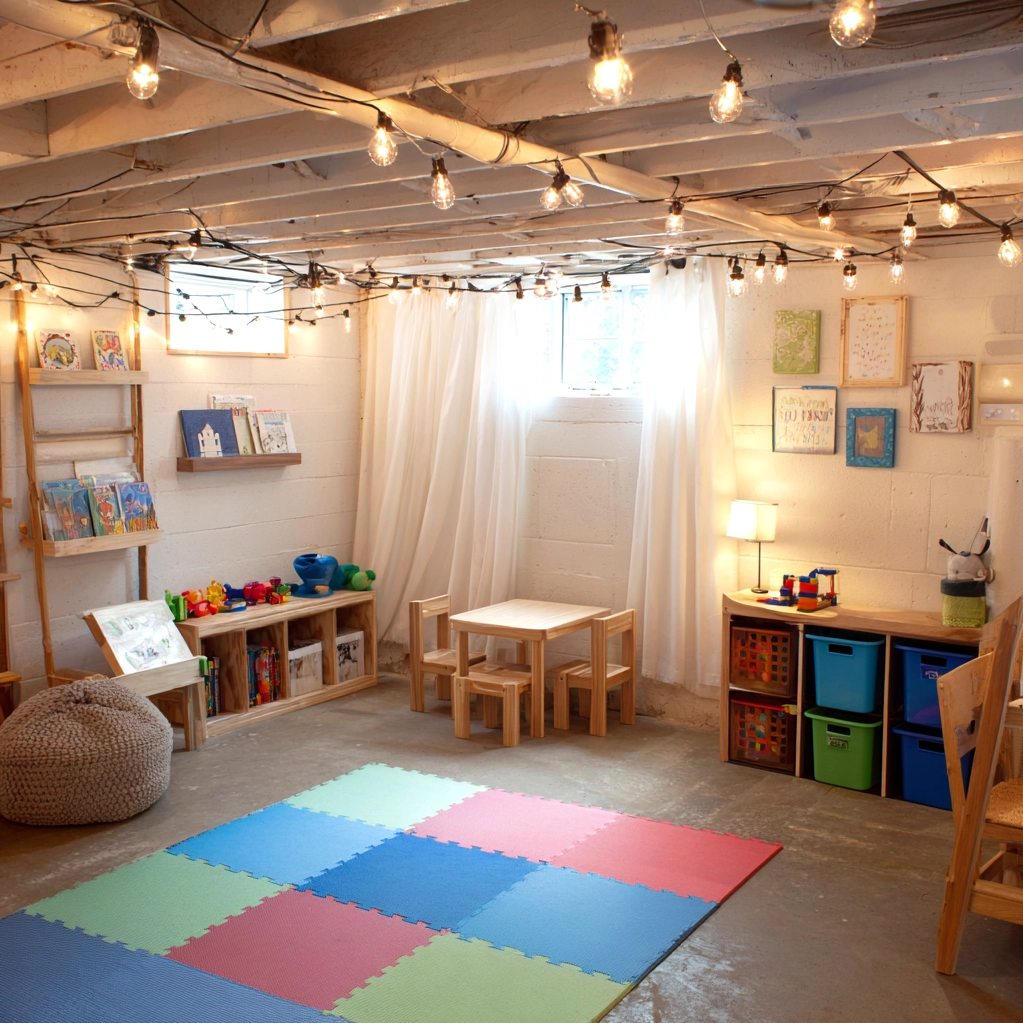
Cozy Unfinished Basement Playroom: Transform Your Space into a Magical Wonderland


Does your home have that underutilized basement space that feels cold, dark, and forgotten? Many homeowners overlook the potential of their unfinished basements, viewing them as nothing more than storage areas or laundry rooms. Yet, with some creativity and thoughtful planning, that raw space can become the most beloved room in your house—a cozy unfinished basement playroom that provides endless joy for children and peace of mind for parents. Creating a playroom in an unfinished basement might seem challenging at first, but it offers unique advantages you won’t find in other parts of your home. The separation from main living areas means kids can be loud and messy without disrupting household routines. The unfinished nature allows for flexibility in design—you can embrace the industrial charm of exposed beams and concrete floors while adding layers of warmth and comfort. This transformation isn’t just about giving children a place to play; it’s about creating a dedicated space where imagination can flourish, where memories are made, and where your home gains valuable square footage that serves a real purpose. A well-designed basement playroom can accommodate everything from arts and crafts stations to reading nooks, from active play zones to quiet corners for building with blocks. By investing time in creating this special space, you’re not just upgrading your home—you’re creating a sanctuary for childhood wonder that will be cherished for years to come.
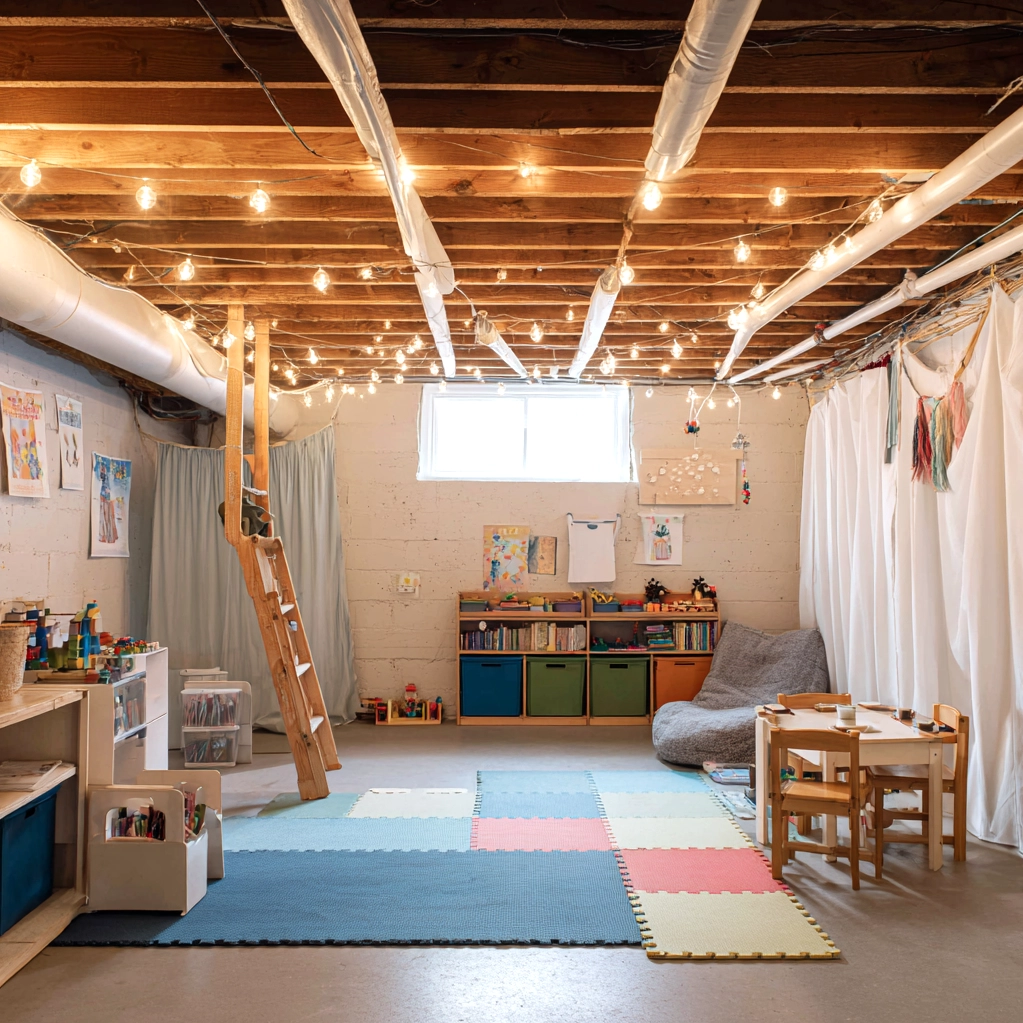
Planning Your Cozy Unfinished Basement Playroom Layout
The foundation of any successful basement transformation begins with thoughtful planning. Before you start buying furniture or decorations, take time to assess your space and consider how it will function as a cozy unfinished basement playroom. Start by addressing basic safety and comfort concerns common to unfinished basements. Check for moisture issues—damp basements need proper waterproofing solutions before any transformation begins. Ensure adequate lighting by combining overhead fixtures with portable lamps to eliminate dark corners. Consider temperature control with space heaters or portable air conditioners depending on your climate, as unfinished basements often lack proper HVAC connections. Once these basics are addressed, think about zoning your space. Divide your basement into distinct areas based on activities. Create an active play zone with open floor space for dancing, jumping, or indoor games. Designate a creative corner for arts and crafts with washable flooring and easy-to-clean surfaces. Establish a quiet reading nook with plush seating and good lighting. For storage, utilize vertical space with shelves mounted on exposed studs or freestanding units that don't require wall mounting. Remember that an unfinished basement gives you flexibility—you can easily run electrical cords along exposed beams for additional outlets or lighting without complex renovations. The key is creating a layout that flows naturally, with clear pathways between zones and safety considerations at every turn. Consider traffic patterns, visibility from different parts of the room, and how children of different ages will interact with the space. With careful planning, your cozy unfinished basement playroom will be both functional and magical.
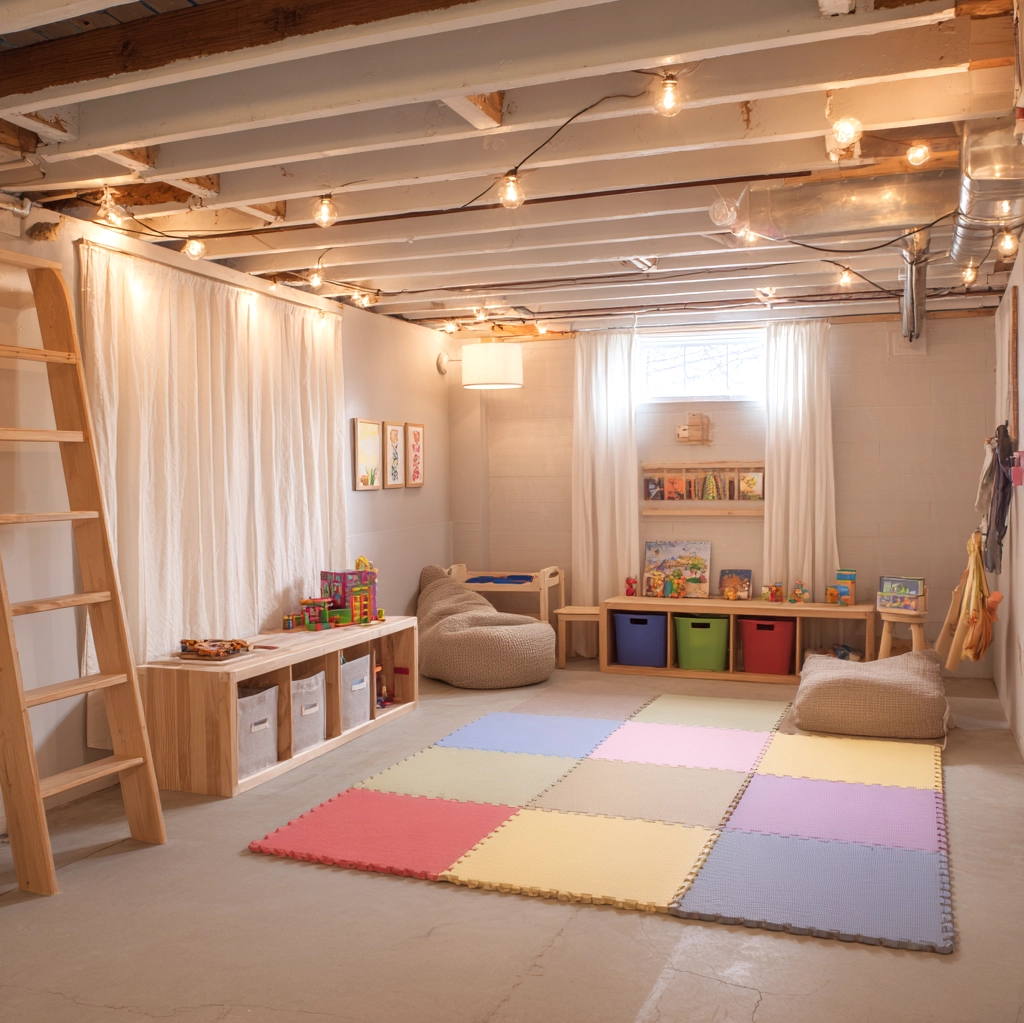
Essential Elements for a Cozy Unfinished Basement Playroom
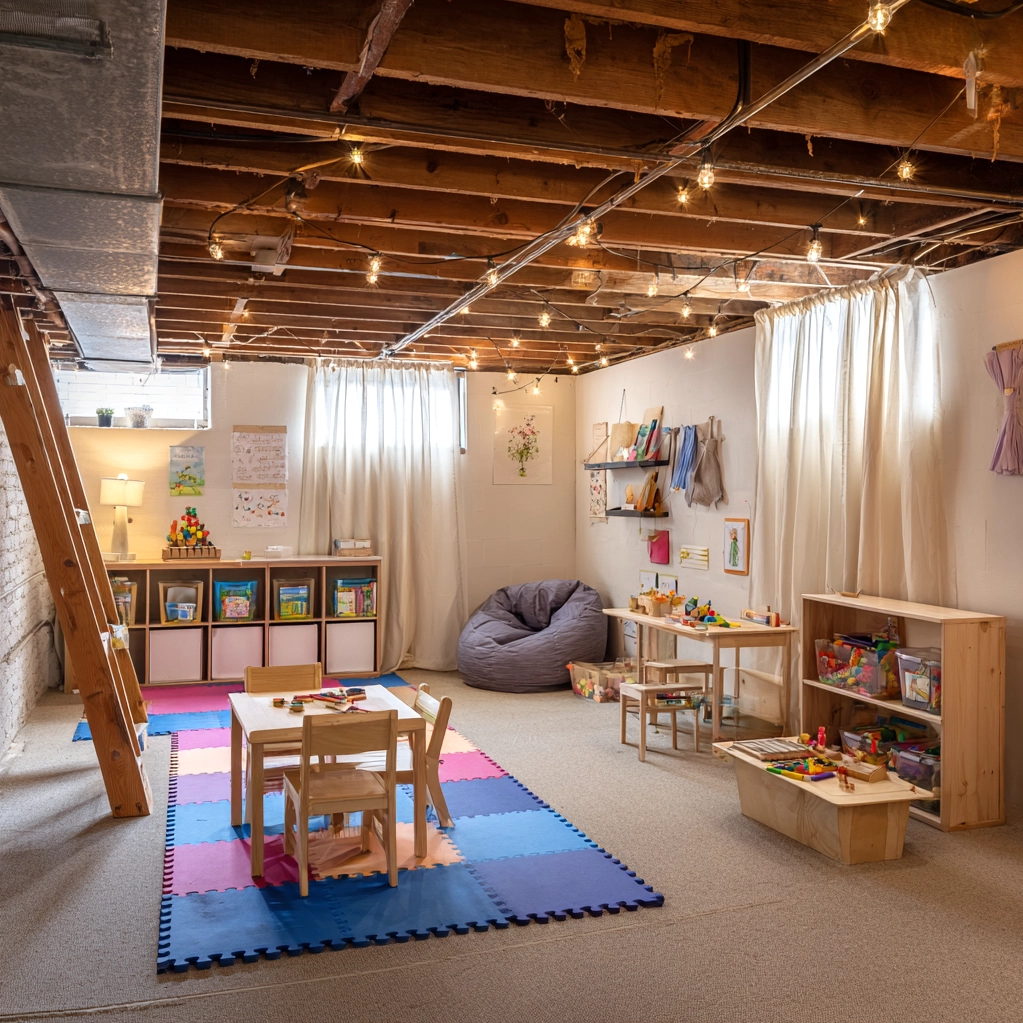
Transforming a raw basement into a welcoming play space requires specific elements that add both comfort and functionality. Start with flooring—the concrete floor common in unfinished basements needs addressing. Large, interlocking foam mats provide cushioning for play while being moisture-resistant and easy to clean. Area rugs made from durable, washable materials add warmth and define different zones within your cozy unfinished basement playroom. For seating, opt for versatile options like bean bags, floor cushions, and small, sturdy chairs that can be easily rearranged. Storage is crucial in any playroom. Open shelving on exposed studs or freestanding cube organizers keep toys accessible while teaching children organizational skills. Label bins with pictures for younger children to encourage clean-up. Lighting transforms the atmosphere dramatically. String lights draped along exposed beams or pipes create a magical glow, while floor lamps and table lamps provide task lighting for specific activities. Don't forget about acoustics—unfinished basements can echo, so add soft elements like fabric wall hangings, plush rugs, and upholstered furniture to absorb sound. For walls, consider temporary solutions that respect the unfinished nature of the space. Fabric panels hung from tension rods or removable wallpaper applied to foam boards mounted between studs add color without permanent commitment. Safety elements like corner protectors on any exposed sharp edges, outlet covers, and secure anchoring for any freestanding shelves complete the transformation. Each element should serve multiple purposes—storage that doubles as seating, lighting that creates ambiance while being functional, flooring that's comfortable yet durable. By thoughtfully selecting these essential elements, you create a cohesive space that feels intentionally designed rather than hastily assembled.
Decorating Your Cozy Unfinished Basement Playroom on a Budget
Creating an inviting play space doesn't require a massive budget—especially when working with an unfinished basement. The raw elements of your basement can become design features rather than obstacles to overcome. Embrace the industrial aesthetic by leaving some pipes and beams exposed, painting them in cheerful colors that complement your decor. Concrete floors can be painted with durable epoxy paints in bright hues or playful patterns. For walls, instead of drywall, consider hanging fabric between studs using curtain rods or creating a gallery wall with children's artwork in inexpensive frames. Thrift stores and online marketplaces are treasure troves for budget-friendly playroom furniture. Look for sturdy wooden tables that can be sanded and painted, bookshelves that need minor repairs, or storage units that can be refreshed with new hardware. DIY projects add personal touches without breaking the bank. Create a reading tent by draping fabric over a simple PVC pipe frame. Make wall art by painting old wooden crates or creating collages from recycled materials. Transform an old ladder into a book display by adding shelves between the rungs. Lighting makes a huge impact for minimal cost. Fairy lights, LED strip lights, and inexpensive paper lanterns can completely transform the atmosphere of your cozy unfinished basement playroom. For storage, repurpose items you already own—clear plastic bins become Lego storage, shoe organizers hung on walls hold art supplies, and wooden crates stack to create bookshelves. Involve your children in the decorating process by letting them choose colors for certain elements or create artwork for the walls. This not only saves money but makes the space feel truly theirs. Remember that the most memorable playrooms aren't the most expensive ones—they're the ones filled with creativity, personal touches, and spaces that encourage imagination to flourish.
Maintaining and Evolving Your Cozy Unfinished Basement Playroom
A successful playroom isn't a static space—it evolves as your children grow and their interests change. Regular maintenance keeps your cozy unfinished basement playroom safe, functional, and inviting. Establish a weekly cleaning routine that includes wiping down surfaces, vacuuming or sweeping floors, and sanitizing frequently touched items. Check for any moisture issues seasonally, especially after heavy rains, to prevent mold or mildew in your basement environment. Rotate toys every few months to keep the space feeling fresh and prevent overwhelm—store some items in labeled bins elsewhere in the basement, then swap them out periodically. As children grow, their play needs change. What once was a crawling area for toddlers might become a homework station for school-aged children. Be prepared to adapt your space accordingly. The flexibility of an unfinished basement makes this evolution easier than in finished rooms. You can easily move furniture, change lighting arrangements, or add new zones without worrying about damaging walls or floors. Consider creating a system for involving children in maintaining their space. Color-coded bins for different types of toys, picture labels for younger children, and clear expectations about clean-up routines foster responsibility. Safety checks should be ongoing—ensure furniture remains stable, electrical cords are secured, and any DIY elements remain in good condition. Seasonal updates keep the space engaging. Add holiday decorations during festive times, change out artwork as children create new pieces, or introduce seasonal activities like indoor gardening projects or winter craft stations. Remember that the unfinished nature of your basement allows for continuous improvement. You might add a chalkboard wall one year, install better lighting the next, or create a more sophisticated art station as skills develop. By viewing your cozy unfinished basement playroom as a living space that grows with your family, you ensure it remains a cherished part of your home for years to come.
Conclusion
Transforming an unfinished basement into a cozy playroom represents one of the most rewarding home projects a family can undertake. This journey from raw, underutilized space to vibrant, functional play area demonstrates how creativity and thoughtful planning can unlock the hidden potential in our homes. A well-designed basement playroom offers benefits that extend far beyond mere square footage—it provides children with a dedicated space where their imaginations can run wild, where they can explore, create, and learn in an environment tailored to their needs. For parents, it offers the gift of contained mess and noise, preserving the tranquility of main living areas while giving children the freedom to play vigorously. The unfinished nature of the space becomes an advantage rather than a limitation, allowing for flexible designs that can evolve as your family grows. From the initial planning stages through decoration and ongoing maintenance, each step builds toward creating a sanctuary that will host countless hours of joyful play and create lasting childhood memories. As you enjoy your new cozy unfinished basement playroom, remember that its true value lies not in perfection but in the laughter it contains, the creativity it inspires, and the family moments it facilitates. Looking forward, consider how this space might continue to serve your family—perhaps evolving into a teen hangout, a hobby room, or a multi-purpose family space as needs change. The foundation you've created offers endless possibilities for future adaptations, ensuring your investment continues to pay dividends in family happiness and home functionality for years to come.
Frequently Asked Questions
Q: How do I address moisture issues in my unfinished basement before creating a playroom?
Moisture control is crucial for any basement space, especially one used by children. Start by identifying the source of moisture—it could be groundwater seepage, condensation, or plumbing leaks. For minor dampness, a dehumidifier running continuously can make a significant difference. Ensure proper drainage around your home's foundation by maintaining gutters and downspouts that direct water away from the house. For more serious issues, consider installing a sump pump or applying waterproofing sealants to walls and floors. Allow the space to dry completely before adding any furnishings or flooring. Test for moisture by taping a plastic sheet to the concrete floor—if condensation forms underneath after 24 hours, you need additional moisture control measures. Addressing moisture proactively protects both your investment in the playroom and your family's health.
Q: What's the best flooring option for an unfinished basement playroom?
For unfinished basements, interlocking foam mats are often the ideal flooring solution. They provide cushioning for falls, are moisture-resistant, easy to clean, and simple to install directly over concrete. Look for mats with at least 1/2-inch thickness for adequate protection. Alternatively, consider rubber flooring tiles, which are durable and provide excellent shock absorption. For added warmth and comfort, layer area rugs made from polypropylene or other synthetic materials that resist mold and mildew over your base flooring. Avoid wall-to-wall carpeting in basements as it can trap moisture and be difficult to clean thoroughly. Whatever flooring you choose, ensure it has a moisture barrier if installing directly on concrete, and select materials that are easy to maintain in a high-traffic play environment.
Q: How can I maximize natural light in a basement playroom with small windows?
Basements often have limited natural light, but several strategies can brighten your space effectively. First, keep window areas clear of obstructions and use light-colored, sheer curtains that allow maximum light penetration while providing privacy. Strategically placed mirrors opposite windows can reflect and amplify available light throughout the room. Choose light paint colors for walls and ceilings—whites, creams, or pale yellows make spaces feel brighter and more open. For artificial lighting, create layers: overhead lighting for general illumination, task lighting for specific activities like reading or crafts, and accent lighting for ambiance. LED lights are energy-efficient and provide bright, clear light. Consider installing light tubes or solar tubes if your budget allows—these devices capture sunlight from your roof and channel it into basement spaces, providing genuine natural light even in window-challenged areas.