Dining Room Decor: Essential Transformative Secrets for Your Home

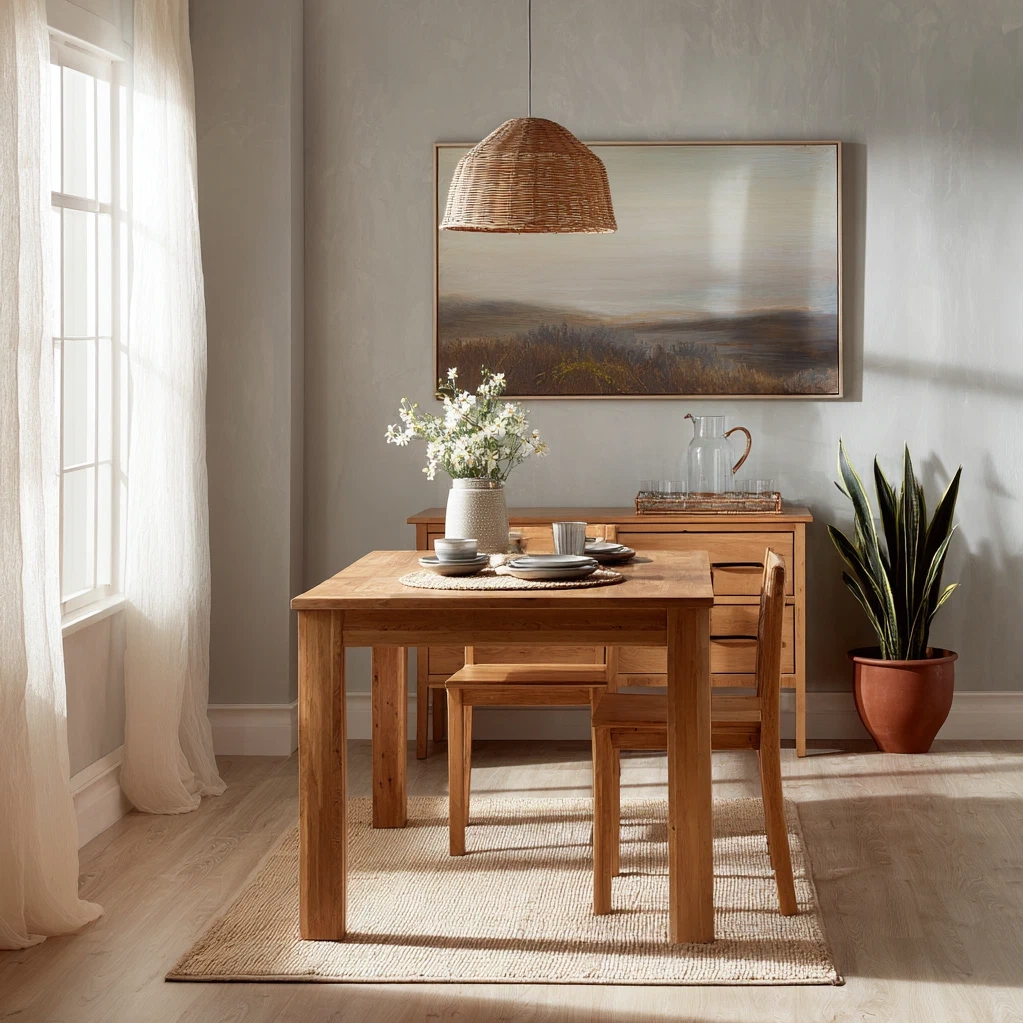
Your dining room is more than just a place to eat—it’s the heart of your home where memories are made, conversations flow, and connections deepen. Whether you’re hosting festive gatherings or enjoying quiet family dinners, the right dining room decor can transform ordinary moments into extraordinary experiences. A well-designed dining space not only enhances the aesthetic appeal of your home but also influences mood, comfort, and functionality. In today’s fast-paced world, creating a welcoming and stylish dining area is essential for fostering togetherness and relaxation. From choosing the perfect table and chairs to selecting lighting and accessories, every element plays a crucial role in shaping the ambiance. Investing time in dining room decor pays off by elevating daily routines and making your home feel more cohesive and inviting. This article will guide you through practical tips and inspiring ideas to help you craft a dining space that reflects your personality and meets your needs. Let’s explore how thoughtful decor choices can turn your dining room into a cherished sanctuary for meals and moments.
Choosing the Perfect Dining Room Decor Furniture
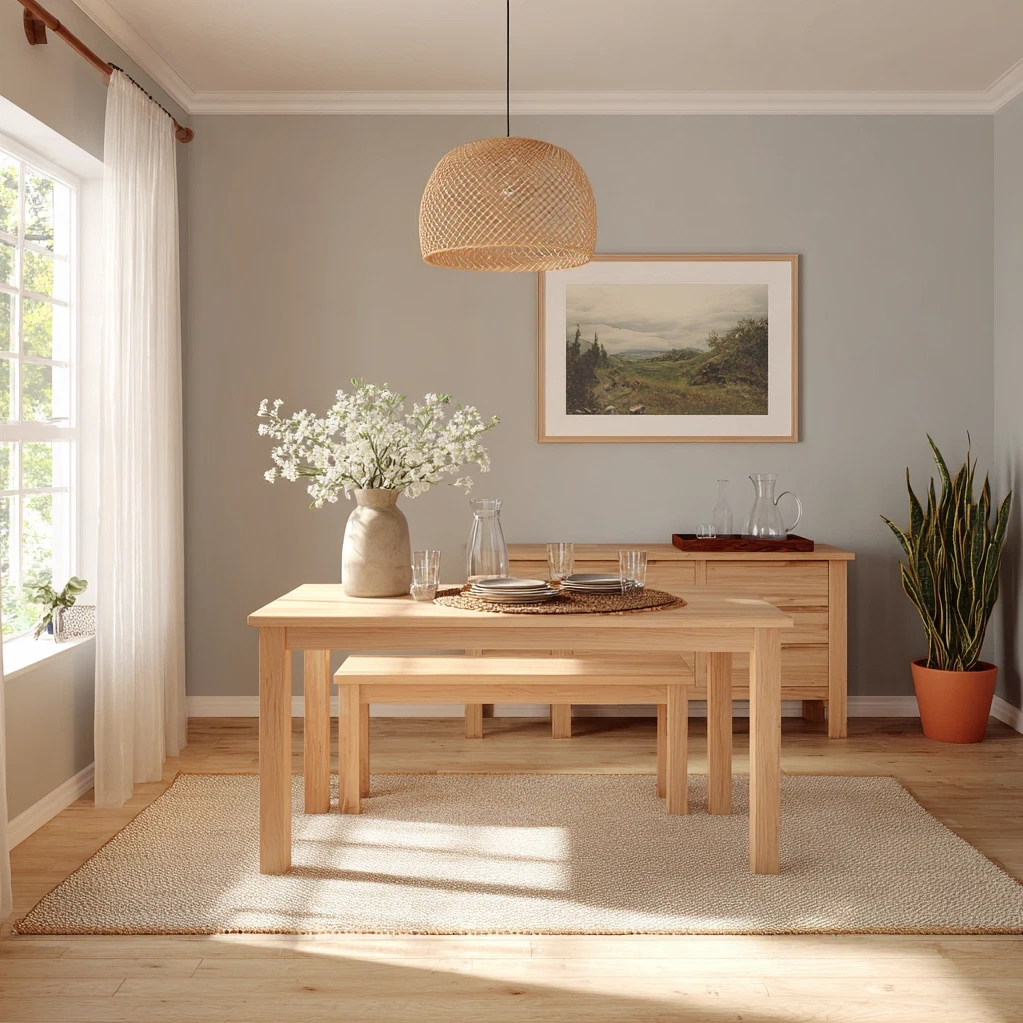
Furniture is the foundation of any dining room decor, setting the tone for style and functionality. Start by selecting a dining table that fits your space and lifestyle. For smaller rooms, consider extendable tables or round designs that maximize flow. Larger areas can accommodate substantial tables with intricate details. Material choices matter too—solid wood offers durability and warmth, while glass or metal creates a modern, airy feel. Pair your table with chairs that balance comfort and aesthetics. Upholstered chairs add softness and color, while wooden or metal frames provide structure. Don’t forget storage pieces like buffets or sideboards, which enhance decor by displaying dishes or hiding clutter. These pieces should complement your table’s style, whether it’s rustic, contemporary, or traditional. When arranging furniture, ensure there’s enough space for movement—aim for at least 36 inches between the table and walls. Lighting above the table, such as a chandelier or pendant, should align with the furniture’s scale. By carefully curating your dining room decor furniture, you create a cohesive and inviting setup that supports both everyday meals and special occasions.
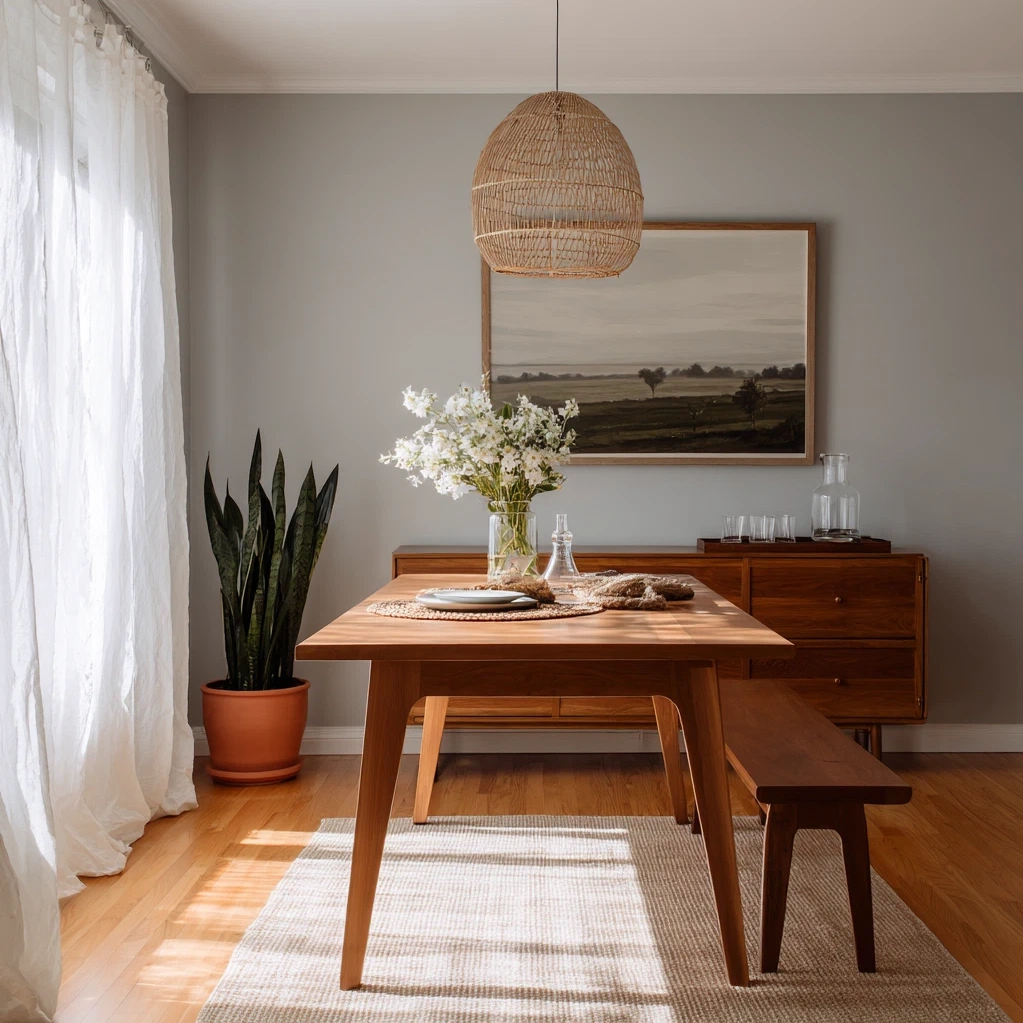
Lighting and Color in Dining Room Decor
Lighting and color are powerful tools in dining room decor, shaping mood and visual appeal. Begin with a layered lighting approach to achieve flexibility and warmth. Overhead fixtures, like dimmable chandeliers or pendant lights, should hang about 30 inches above the table to illuminate meals without glare. Add ambient lighting with wall sconces or recessed lights to soften shadows. Accent lighting, such as candles or LED strips, can highlight artwork or shelves, adding depth. For color schemes, choose hues that reflect your desired atmosphere. Warm tones like terracotta or mustard yellow foster coziness, while cool shades like navy or sage green promote calm. Neutral palettes with beige or gray offer versatility, allowing decor accents to pop. Consider the room’s natural light—north-facing spaces benefit from warm colors to counter cool light, whereas south-facing rooms can handle bolder shades. Textures and finishes also play a role; matte paints reduce glare, while glossy surfaces add shine. Incorporate color through wall paint, upholstery, rugs, and accessories like table runners or art. By balancing lighting and color in your dining room decor, you craft a space that feels both vibrant and restful, perfect for any gathering.
Accessorizing Your Dining Room Decor for Personal Touch
Accessories add the finishing touches to dining room decor, infusing personality and warmth into the space. Start with textiles—a patterned rug anchors the table and defines the area, while curtains in complementary fabrics control light and add softness. Table linens, such as cloth napkins or placemats, introduce color and texture for everyday use or special events. Centerpieces are key focal points; opt for low arrangements like fresh flowers or succulents that don’t obstruct views. For a minimalist look, try a single statement vase or a bowl of fruit. Wall decor, including framed art, mirrors, or shelving, enhances visual interest. Mirrors can make small dining rooms feel larger by reflecting light, while art pieces showcase your style. Functional accessories like serving trays, candle holders, or decorative bowls blend utility with aesthetics. Don’t overlook practical items—a stylish bar cart or wine rack can store essentials while adding flair. When accessorizing, aim for balance to avoid clutter; group items in odd numbers and vary heights for dynamic displays. By thoughtfully selecting accessories, your dining room decor becomes a true reflection of your tastes, creating an inviting atmosphere for meals and conversations.
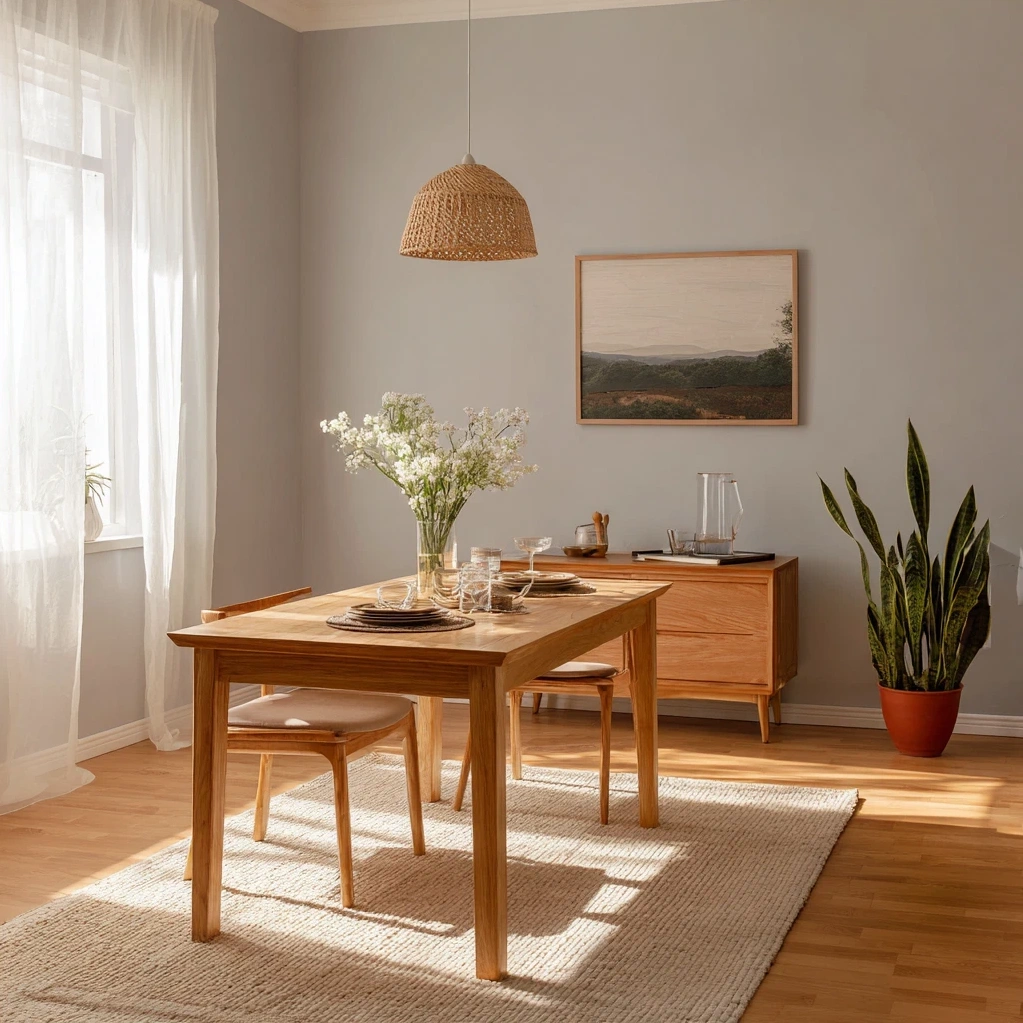
Sustainable Dining Room Decor Ideas
Sustainable dining room decor is a growing trend that combines style with environmental responsibility. Embrace eco-friendly practices by choosing furniture made from reclaimed wood, bamboo, or recycled materials. These options reduce waste and often feature unique, natural textures. Look for certifications like FSC (Forest Stewardship Council) to ensure ethical sourcing. For lighting, switch to energy-efficient LED bulbs and fixtures with sustainable materials like rattan or recycled glass. Incorporate plants into your decor—they purify air and add greenery without synthetic elements. Opt for low-maintenance varieties like snake plants or pothos that thrive indoors. When it comes to textiles, select organic cotton, linen, or hemp for rugs, curtains, and table linens. These materials are biodegradable and produced with fewer chemicals. Decorate with second-hand or vintage pieces, which reduce consumption and add character. Upcycling old furniture with non-toxic paints or stains is another creative way to refresh your space sustainably. Avoid disposable decor items; instead, invest in quality pieces that last. By integrating sustainable dining room decor ideas, you not only create a beautiful and healthy environment but also contribute to a greener planet, making your home a model of conscious living.
Conclusion
In conclusion, dining room decor is a multifaceted endeavor that blends aesthetics, functionality, and personal expression. By focusing on key elements like furniture, lighting, color, and accessories, you can transform your dining area into a space that enhances daily life and special occasions. Sustainable practices further elevate your decor, aligning style with environmental values. Remember, the best dining rooms are those that feel inviting and reflective of your unique tastes—whether through a bold color scheme, thoughtful lighting, or cherished accessories. As you embark on your decor journey, start with small changes and build gradually, ensuring each choice contributes to a cohesive whole. Looking ahead, trends may shift, but the principles of comfort, balance, and sustainability will remain timeless. We encourage you to experiment and enjoy the process, creating a dining room that not only looks stunning but also fosters connection and joy. Share your experiences or photos to inspire others in their home design adventures!
Frequently Asked Questions
Q: What are some budget-friendly dining room decor tips?
Budget-friendly dining room decor can be achieved with simple, creative strategies. Start by repurposing items you already own—paint old chairs or tables for a fresh look, or swap out hardware on cabinets. Shop second-hand stores for unique furniture pieces at lower costs. Use DIY projects like handmade wall art or table centerpieces from natural materials. Focus on affordable accessories like colorful cushions, inexpensive rugs, or thrifted dishware to add personality. Lighting updates, such as changing lamp shades or adding string lights, can make a big impact without breaking the bank. By prioritizing key areas and embracing creativity, you can enhance your dining space economically.
Q: How do I choose the right size dining table for my room?
Choosing the right size dining table involves measuring your room and considering usage. First, measure the dining area’s dimensions, allowing at least 36 inches of clearance around the table for easy movement. For rectangular tables, a standard size is 36 inches wide by 60 inches long, seating 4-6 people. Round tables are great for smaller spaces, with a 48-inch diameter seating 4-6. Consider an extendable table if you host larger groups occasionally. Also, think about the table’s height—standard is 30 inches, paired with chairs 18 inches high. Test the scale by marking the table’s footprint with tape on the floor to visualize fit before purchasing.
Q: Can I mix different styles in dining room decor?
Yes, mixing styles in dining room decor can create a dynamic and personalized look. The key is to maintain balance and cohesion. Start with a dominant style, such as modern or farmhouse, and introduce contrasting elements subtly. For example, pair a sleek, contemporary table with vintage chairs or add rustic accessories to a minimalist setup. Use color palettes or materials to tie pieces together—like matching wood tones or repeating a neutral shade. Avoid overcrowding; limit mixes to 2-3 styles to prevent visual chaos. By blending styles thoughtfully, you can achieve a unique and inviting dining space that reflects your eclectic tastes.