
Hood Wallpapers Aesthetic: 13 Amazing Ways to Transform Your Urban Sanctuary


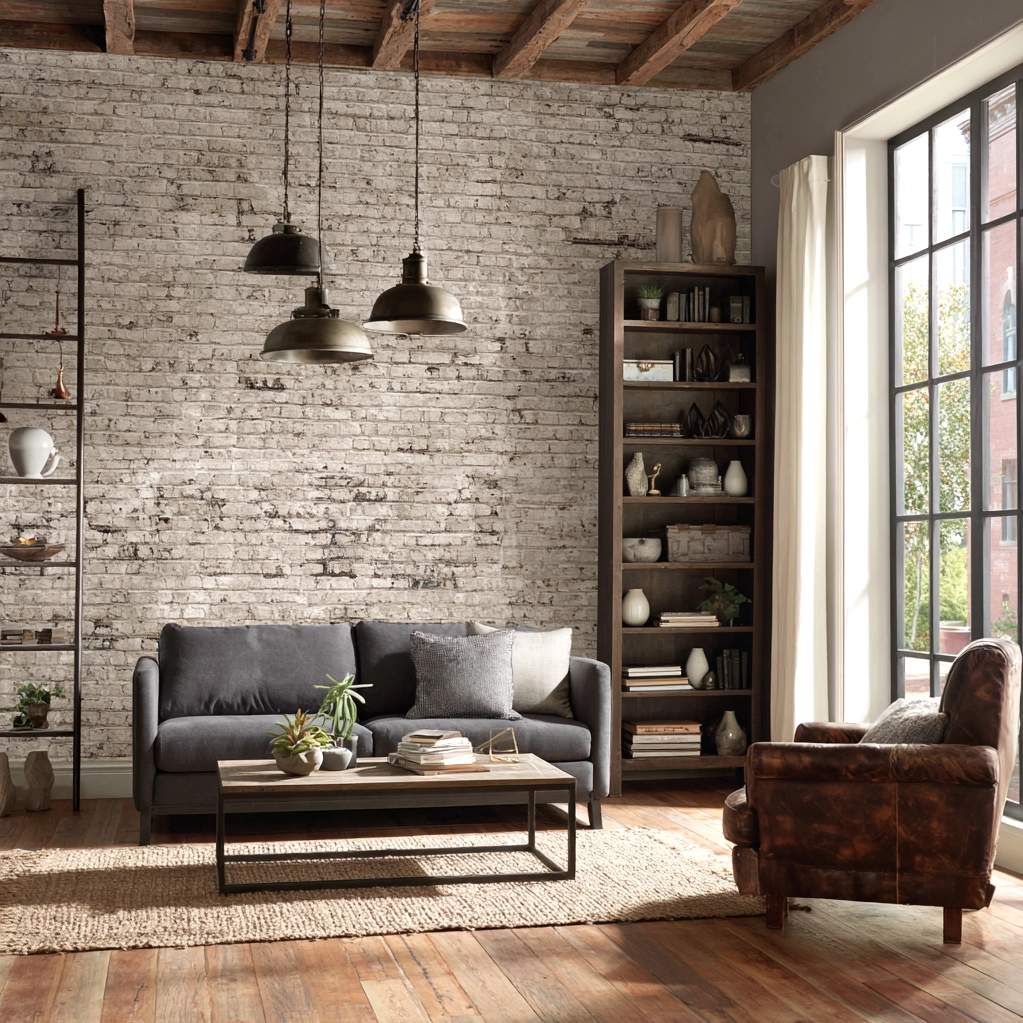
In the bustling world of home decor, hood wallpapers aesthetic has emerged as a powerful trend that speaks to both style and soul. This unique approach to wall covering combines urban grit with artistic expression, creating spaces that feel authentic, personal, and deeply connected to contemporary life. Unlike traditional wallpaper patterns, hood aesthetic wallpapers capture the raw energy, textures, and visual language of urban environments—think weathered brick, street art, industrial elements, and architectural details that tell a story. The importance of this trend goes beyond mere decoration; it’s about creating environments that reflect real-world experiences and personal identities. In our increasingly digital lives, these wallpapers ground us in physical textures and authentic materials, offering visual interest that feels genuine rather than manufactured. For homeowners and renters alike, hood aesthetic wallpapers provide an accessible way to transform bland walls into conversation pieces that celebrate urban culture and artistic expression. Whether you’re looking to create an edgy living room, a creative home office, or a bedroom with character, understanding how to work with this aesthetic can completely change your space’s energy and appeal. The beauty lies in how these designs bridge the gap between industrial roughness and domestic comfort, creating spaces that feel both lived-in and intentionally designed. This guide will explore how to successfully incorporate hood wallpapers aesthetic into various rooms, what to consider when selecting patterns, and how to balance this bold style with your existing decor for harmonious results that don’t overwhelm your senses or your space.
The Essential Elements of Hood Wallpapers Aesthetic
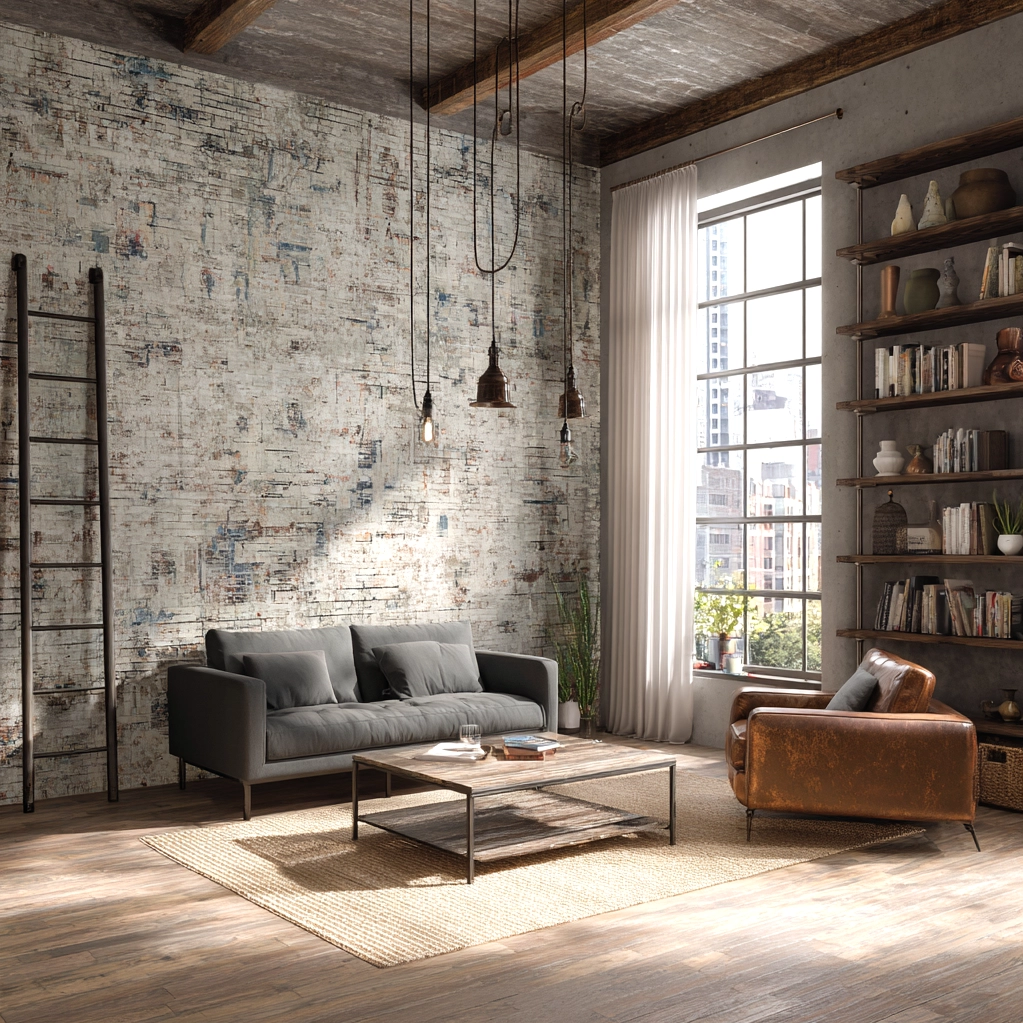
Understanding the core components of hood wallpapers aesthetic is crucial for successful implementation. This style isn't just about slapping any urban image on your walls—it's about capturing specific textures, colors, and visual narratives that create authentic urban atmosphere. First, texture plays a starring role. Look for wallpapers featuring realistic brick, concrete, metal, or weathered wood surfaces that show natural imperfections. These textures add depth and tactile interest to your space, creating visual layers that draw the eye. Second, color palette matters significantly. Hood aesthetic typically embraces muted tones like grays, browns, rust, and faded blacks, often with pops of more vibrant colors reminiscent of street art or urban signage. The key is balance—too much brightness can feel cartoonish rather than authentic. Third, scale and pattern repetition influence how the wallpaper feels in your space. Large-scale murals depicting entire urban scenes can create dramatic focal points, while smaller repeating patterns of graffiti tags or architectural details offer more subtle integration. Fourth, consider the emotional tone. Some hood wallpapers aesthetic designs evoke nostalgia with vintage signage or faded advertisements, while others feel contemporary with sleek industrial elements or abstract interpretations of urban textures. When selecting your wallpaper, think about the story you want to tell and how the specific elements contribute to that narrative. Remember that lighting will interact with these textures differently throughout the day, creating evolving visual interest that keeps your space feeling dynamic rather than static.
Where to Use Hood Aesthetic Wallpapers for Maximum Impact
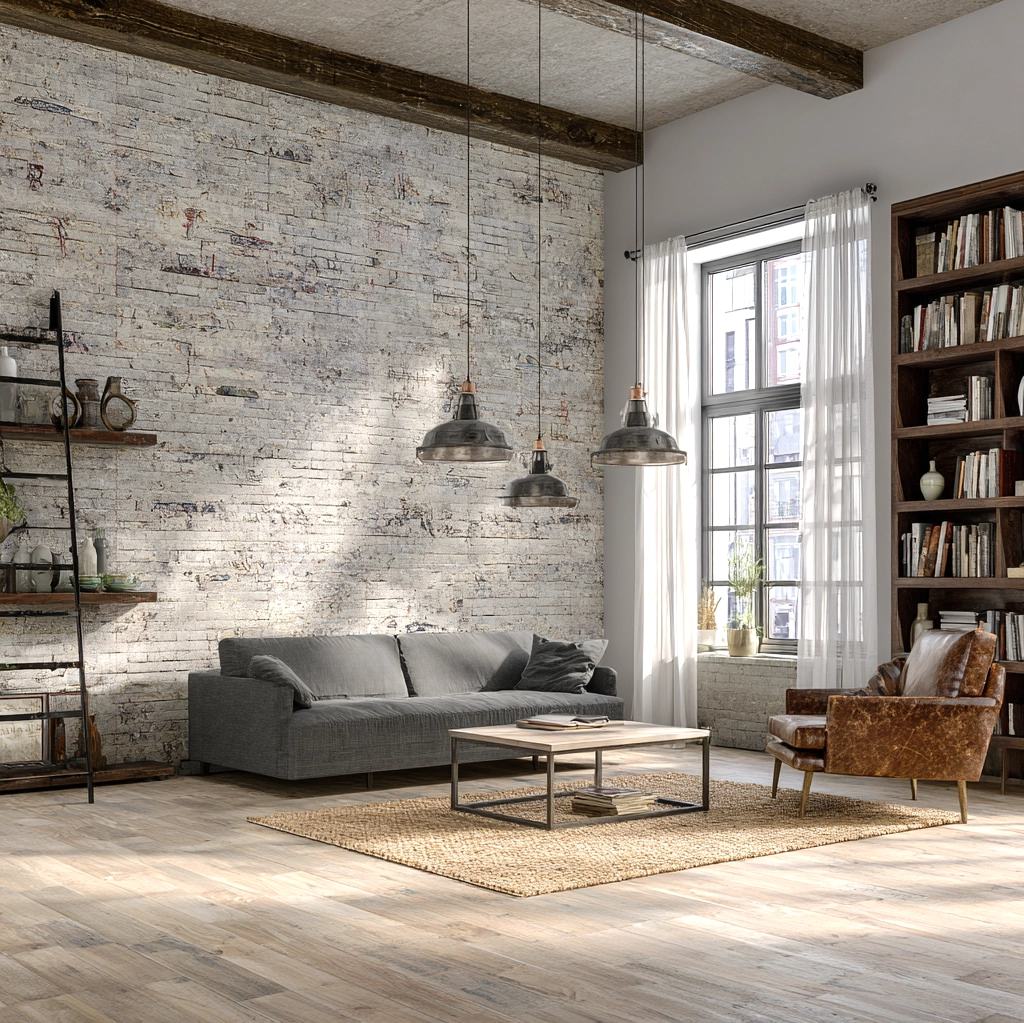
Strategic placement of hood wallpapers aesthetic can transform ordinary rooms into extraordinary spaces. The key is matching the intensity of the design with the function of the room. Living rooms benefit greatly from feature walls behind sofas or entertainment centers. Here, a bold hood aesthetic wallpaper can serve as conversation-starting art without overwhelming the entire space. Consider designs with architectural elements or abstract urban textures that complement your furniture rather than compete with it. Bedrooms offer more intimate opportunities. A hood wallpaper behind the bed creates a dramatic headboard alternative that feels personal and grounding. Opt for softer color variations or more subtle patterns in sleeping areas to maintain tranquility while still expressing urban style. Home offices and creative spaces thrive with full-room applications of hood aesthetic wallpapers. The urban inspiration can stimulate creativity and focus, especially when paired with industrial-style furniture and proper task lighting. Powder rooms and entryways present perfect opportunities for bold statements. These smaller spaces can handle more intense patterns and darker colors that might feel overwhelming in larger areas. When using hood wallpapers in kitchens or dining areas, focus on designs that incorporate industrial elements without food-related imagery for more sophisticated results. Always consider sight lines—how the wallpaper will look from different angles and through doorways. Sample the wallpaper in your actual space before committing, as lighting conditions dramatically affect how textures and colors appear. Remember that hood aesthetic works particularly well in rooms with existing architectural character, as it enhances rather than hides original features.
13 Creative Combinations with Hood Wallpapers Aesthetic
The magic of hood wallpapers aesthetic truly shines when combined thoughtfully with other design elements. Here are thirteen inspiring ways to integrate this trend into cohesive room designs. First, pair industrial brick wallpaper with reclaimed wood furniture for a warm, authentic urban loft feel. The wood tones soften the industrial edges while maintaining the raw aesthetic. Second, combine concrete-textured wallpaper with metallic accents in copper or brass for sophisticated industrial style. The metals add warmth to the cool concrete tones. Third, match graffiti-inspired wallpaper with minimalist furniture for balanced contrast. The clean lines of modern furniture prevent the urban art from feeling chaotic. Fourth, use architectural blueprint wallpapers with vintage lighting fixtures for intellectual urban charm. This combination feels both technical and artistic. Fifth, pair weathered metal wallpaper with leather furniture for masculine, refined spaces. The textures complement each other beautifully. Sixth, combine subway tile patterns with glass and steel elements for clean urban bathrooms. This creates spa-like serenity with urban roots. Seventh, match street sign wallpapers with industrial shelving units for functional, thematic storage solutions. Eighth, use newspaper print wallpapers with mid-century modern furniture for retro urban appeal. Ninth, combine brick pattern wallpaper with velvet textiles for luxurious urban comfort. Tenth, pair industrial pipe designs with concrete floor tiles for cohesive industrial spaces. Eleventh, match urban skyline murals with floor-to-ceiling curtains for dramatic window treatments. Twelfth, use rust-textured wallpaper with live edge wood tables for organic industrial style. Thirteenth, combine warehouse-style wallpapers with track lighting for authentic loft authenticity. Each combination considers texture, color, and function while maintaining the core hood aesthetic principles. The key is balancing the urban edge with elements that create livable, comfortable spaces.

Avoiding Common Mistakes with Hood Aesthetic Wallpapers
While hood wallpapers aesthetic offers incredible design potential, several common pitfalls can undermine your results. First, over-saturation remains the biggest mistake. Using intense urban patterns on every wall creates visual chaos rather than intentional design. Instead, select one or two walls as focal points and keep surrounding surfaces neutral. Second, poor lighting choices can make hood aesthetic spaces feel dark and oppressive. Layer lighting with ambient, task, and accent sources to highlight textures properly. Position lights to graze across wallpapered surfaces, emphasizing their dimensional qualities. Third, ignoring room proportions leads to scaling issues. Large patterns in small rooms can feel overwhelming, while small patterns in expansive spaces might get lost. Measure your walls and request samples to visualize scale before purchasing. Fourth, clashing with existing architecture creates discord. If your home features traditional moldings or ornate details, select hood wallpapers with simpler patterns that complement rather than fight architectural elements. Fifth, forgetting about maintenance concerns practicalities. Textured wallpapers collect more dust and may be harder to clean than smooth surfaces. Consider this in high-traffic areas or homes with pets. Sixth, neglecting color flow between rooms disrupts overall harmony. Even bold hood aesthetic wallpapers should coordinate with adjacent room colors through shared tones or complementary palettes. Seventh, improper installation ruins even the best designs. Hire professionals for complex patterns or textured wallpapers, especially in rooms with irregular angles or architectural features. Eighth, ignoring personal comfort for trendiness leads to regrettable choices. If dark industrial designs feel too intense for your taste, opt for lighter interpretations of hood aesthetic that maintain urban inspiration while feeling more livable. By anticipating these challenges, you can enjoy hood wallpapers aesthetic without common frustrations.
Conclusion
Hood wallpapers aesthetic represents more than just a passing trend—it's a meaningful design movement that brings authentic urban character into our living spaces. Throughout this exploration, we've seen how these wall coverings transform rooms by adding texture, narrative, and personality that mass-produced decor often lacks. The key takeaway is intentionality: successful implementation requires thoughtful consideration of scale, placement, lighting, and complementary elements. As we look toward future home design, hood aesthetic wallpapers will likely evolve beyond literal urban reproductions toward more abstract interpretations that maintain the raw, authentic feel while offering greater versatility. We may see increased integration of sustainable materials and production methods that align with the genuine, unprocessed spirit of this aesthetic. For homeowners ready to embrace this style, start with small applications in powder rooms or accent walls before committing to larger spaces. Remember that the most successful designs balance the bold urban elements with comfortable, livable features that make your space feel like home rather than a gallery installation. The beauty of hood wallpapers aesthetic lies in its ability to tell personal stories through design—whether celebrating your city's architecture, honoring industrial heritage, or simply bringing grounded, textural interest to modern interiors. As you explore this trend, focus on pieces that resonate with your personal history and aesthetic preferences rather than following trends blindly. The result will be spaces that feel genuinely yours, with character that deepens over time rather than dating quickly.
Frequently Asked Questions
Q: What exactly makes wallpaper 'hood aesthetic' versus regular urban-themed wallpaper?
Hood aesthetic wallpapers specifically capture the raw, authentic textures and visual language of urban environments in a way that feels genuine rather than stylized. While regular urban-themed wallpaper might feature clean illustrations of city skylines or cartoonish graffiti, hood aesthetic focuses on realistic textures like weathered brick, peeling paint, concrete imperfections, and actual street art documentation. The difference lies in authenticity—hood aesthetic designs often use photographic elements or highly realistic renderings that show natural wear, aging, and the organic development of urban surfaces over time. These wallpapers prioritize texture, patina, and the 'lived-in' quality of urban spaces rather than idealized representations.
Q: Can hood aesthetic wallpapers work in traditional or farmhouse-style homes?
Absolutely, with careful selection and placement. The key is finding hood aesthetic designs that bridge styles through shared elements. For traditional homes, look for wallpapers featuring architectural details like vintage brick or wrought iron patterns that complement existing moldings and finishes. In farmhouse-style spaces, consider hood aesthetic designs with weathered wood textures, industrial metal patterns, or faded sign imagery that aligns with rustic elements. The trick is balancing intensity—choose softer color palettes and more subtle patterns that whisper rather than shout. Use these wallpapers on single accent walls rather than entire rooms, and pair them with your existing traditional or farmhouse furniture to create interesting tension rather than conflict. Many designers successfully blend these styles by treating hood aesthetic elements as textural layers rather than dominant themes.
Q: How do I maintain and clean textured hood aesthetic wallpapers?
Maintenance requires specific approaches depending on the wallpaper material. For vinyl or washable wallpapers, use a soft sponge or cloth with mild soap and water, gently dabbing rather than rubbing to avoid damaging textures. Always test cleaning methods in an inconspicuous area first. For non-washable paper-based wallpapers, regular dusting with a soft brush attachment on your vacuum cleaner helps prevent buildup. Avoid abrasive cleaners or excessive moisture, which can cause colors to run or textures to flatten. In high-traffic areas, consider applying a protective clear coat specifically designed for wallpaper, though this may slightly alter the texture's appearance. For heavily textured designs, compressed air can help remove dust from crevices without physical contact. Always follow the manufacturer's specific care instructions, as materials vary widely. Proper maintenance preserves the authentic look that makes hood aesthetic wallpapers so appealing.


