Ideas for Fence Plants: Transform Your Boundary into a Breathtaking Paradise

Your fence is more than just a property line—it’s a blank canvas waiting for transformation. With the right plants, you can turn that ordinary barrier into a living masterpiece that enhances privacy, boosts curb appeal, and creates a serene outdoor sanctuary. Whether you’re dealing with a chain-link eyesore or a plain wooden fence, incorporating greenery can soften harsh lines, add texture, and infuse your yard with vibrant color. This guide explores practical and inspiring ideas for fence plants that will elevate your outdoor space from mundane to magnificent. Imagine stepping into your backyard to be greeted by cascading blooms, lush foliage, and the gentle hum of pollinators drawn to your carefully curated vertical garden. From fast-growing vines that create instant privacy to compact shrubs that frame your boundary with elegance, the possibilities are endless. By selecting plants suited to your climate and fence type, you’ll not only beautify your property but also increase its value and create a healthier ecosystem. Let’s dive into how you can transform your fence into the envy of the neighborhood with these creative planting strategies. Whether you’re a seasoned gardener or just starting out, these ideas for fence plants will help you craft a boundary that’s both functional and fabulous.
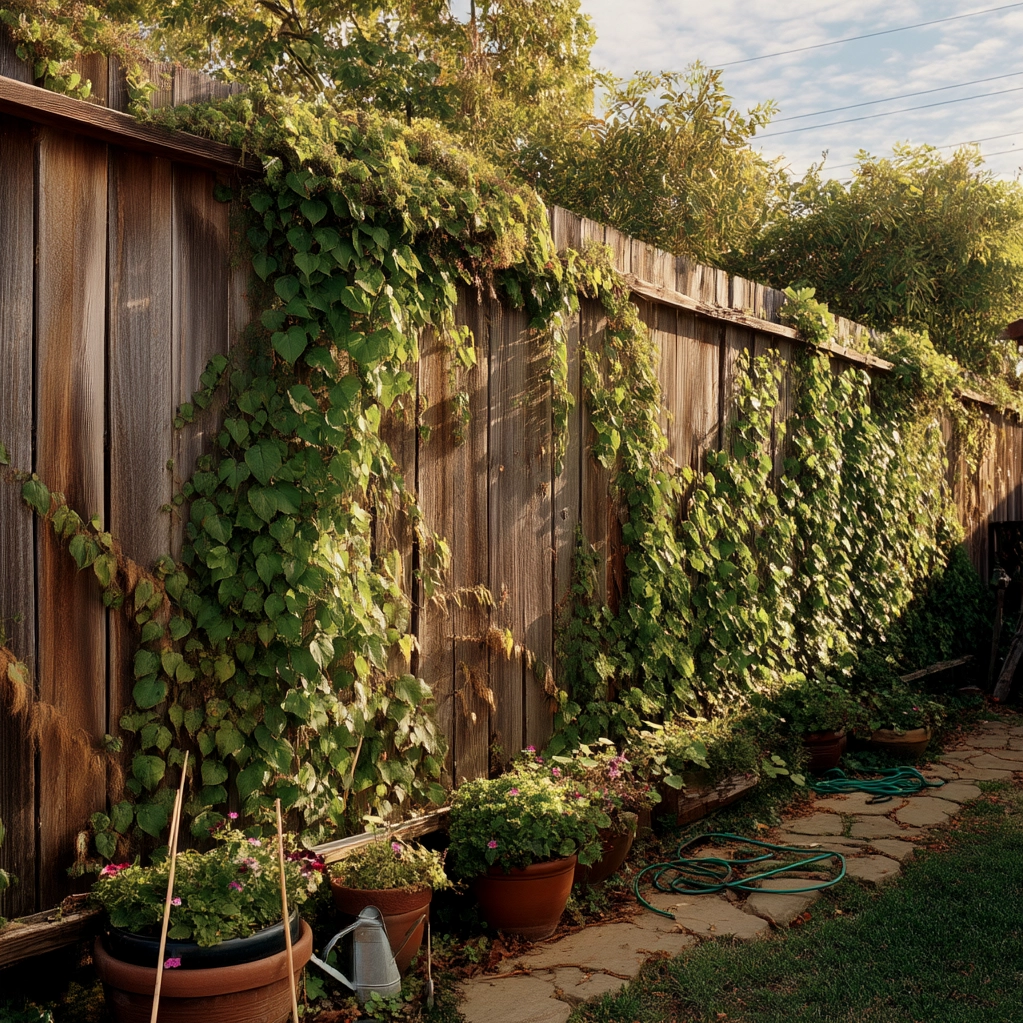
Climbing Vines: Essential Ideas for Fence Plants That Add Height and Drama
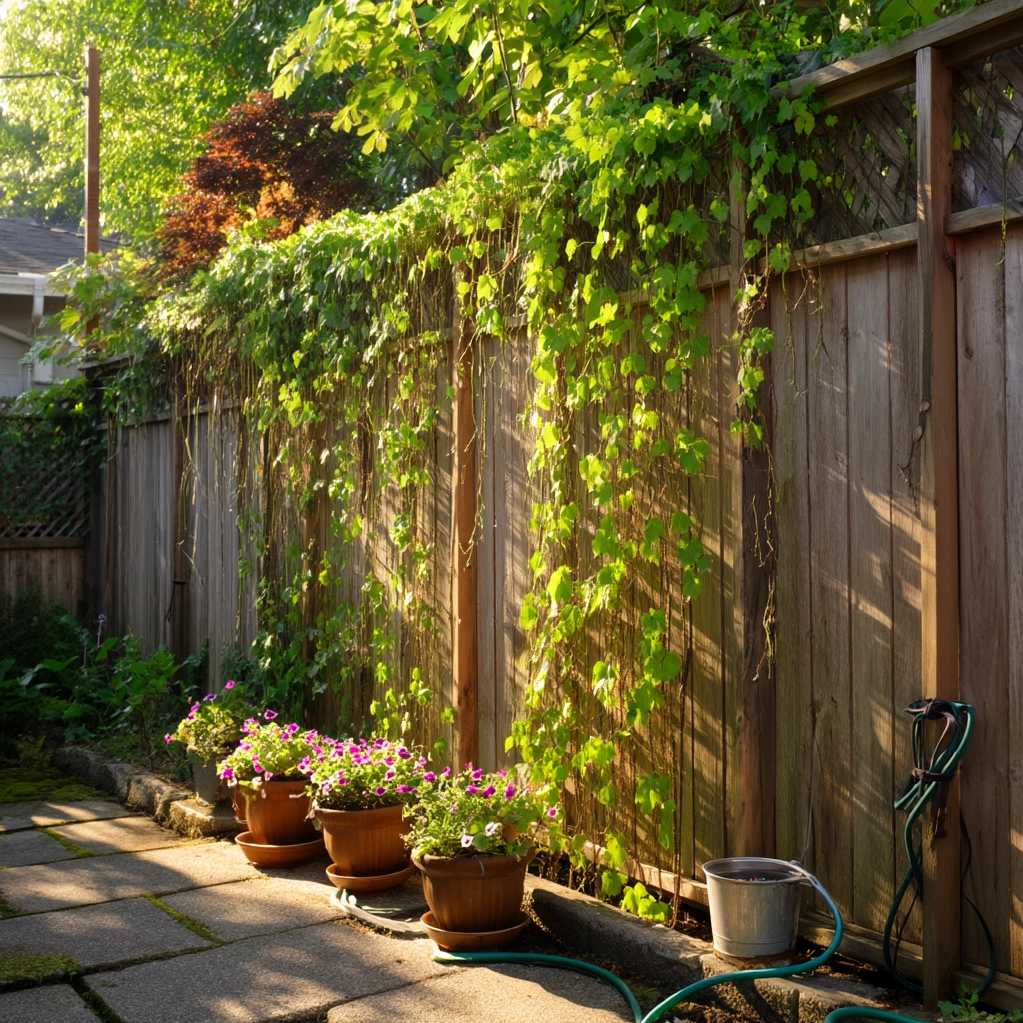
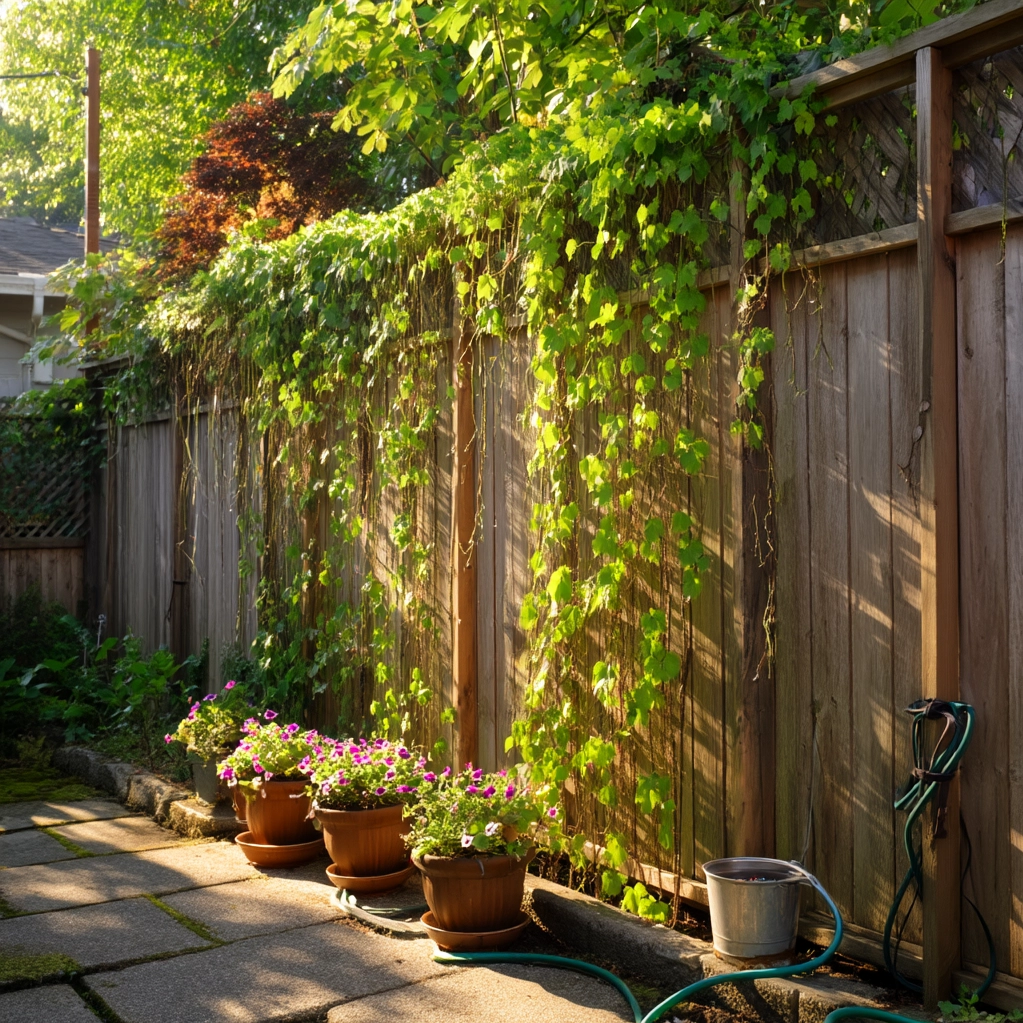
Climbing vines are among the most effective ideas for fence plants when you want to create vertical interest and maximize space. These plants naturally cling to structures, transforming bare fences into lush green walls within a single growing season. For sunny locations, consider fast-growing options like trumpet vine or passionflower, which produce vibrant blooms that attract hummingbirds and butterflies. In shaded areas, English ivy or climbing hydrangea offer year-round foliage that creates a classic, elegant look. When planting vines, ensure your fence can support their weight—sturdy wooden or metal fences work best, while lightweight vinyl might require additional trellis panels. Space plants 2-3 feet apart and train young shoots using soft ties until they establish their own grip. Regular pruning keeps growth manageable and encourages flowering. For edible options, grapevines or kiwi plants provide both beauty and harvest, though they require more maintenance. According to experts at The Spruce, proper vine selection can reduce fence maintenance by protecting materials from weather damage. Remember to consider growth habits: some vines self-cling while others need support, and invasive species should be avoided. With climbing vines, your fence becomes a living tapestry that evolves through the seasons, offering ever-changing beauty and enhanced privacy.
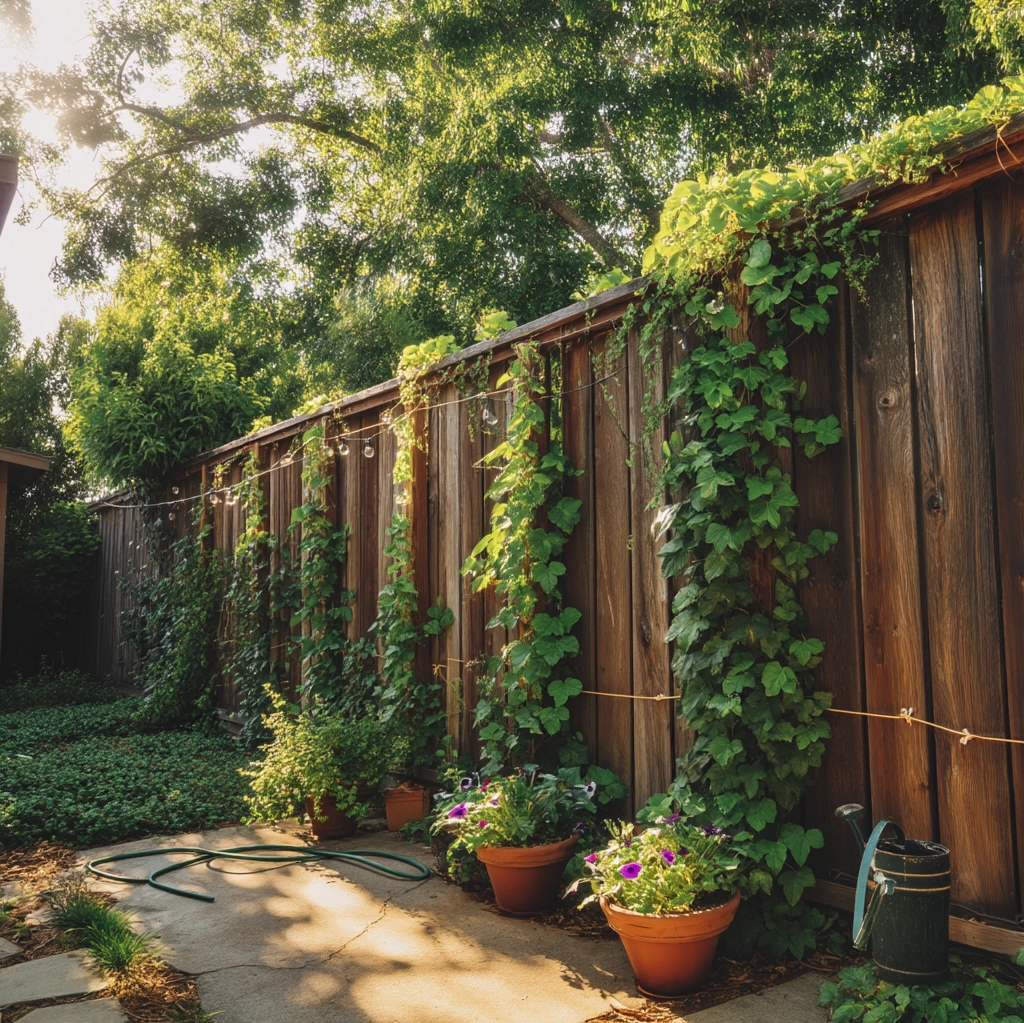
Shrub Borders: Practical Ideas for Fence Plants That Define Your Space
Planting shrubs along your fence line creates structured beauty that defines your outdoor areas while softening hard boundaries. These versatile ideas for fence plants work particularly well with solid privacy fences, where they add layers of texture and color at eye level. Choose evergreen shrubs like boxwood or holly for year-round coverage, or opt for flowering varieties such as hydrangeas and azaleas that provide seasonal drama. For low-maintenance options, dwarf varieties of juniper or spirea stay compact without frequent pruning. When planning your shrub border, consider mature sizes to prevent overcrowding—typically space plants at half their expected width. Create depth by planting taller shrubs against the fence with shorter ones in front, or mix heights for a naturalistic look. Proper soil preparation is crucial: amend with compost and ensure good drainage to prevent root rot. Regular watering during establishment and mulching helps retain moisture and suppress weeds. Shrubs also serve practical purposes beyond aesthetics; they can buffer noise from neighbors, create windbreaks, and provide habitat for beneficial wildlife. For inspiration on pairing plants, check out our guide on creating cohesive garden designs at https://uk.chicaurahome.com/outdoor-design-tips. Whether you prefer formal hedges or casual groupings, shrub borders transform your fence from a mere boundary into an integral part of your landscape design.
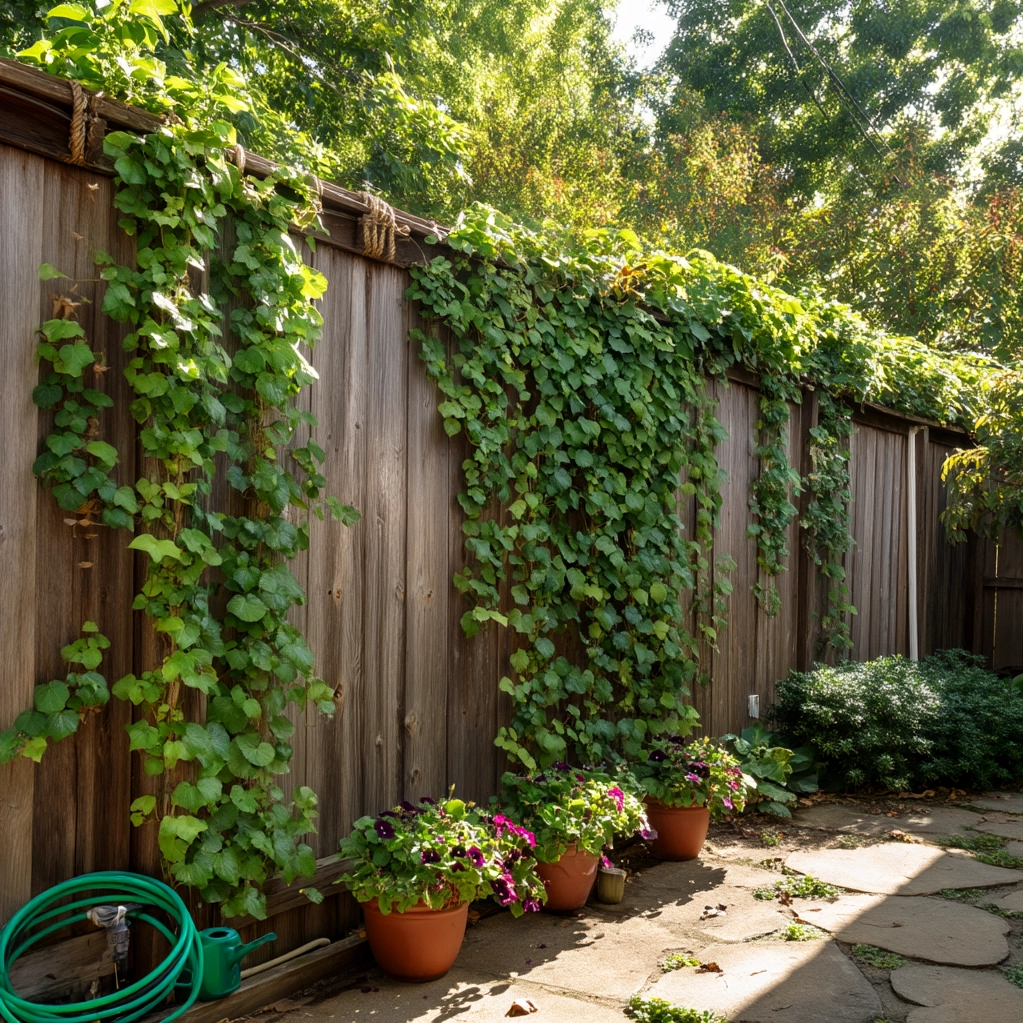
Container Gardens: Flexible Ideas for Fence Plants for Any Setting
Container gardens offer incredibly versatile ideas for fence plants, perfect for renters, small spaces, or areas with poor soil. By hanging pots or placing planters along your fence, you can create vertical gardens that add color and life without permanent planting. Choose containers that complement your fence material—terra cotta pairs well with wood, while sleek metal works with modern vinyl fences. For sunny fences, fill containers with trailing petunias, geraniums, or herbs like rosemary that thrive in vertical spaces. Shaded fences benefit from ferns, impatiens, or coleus that provide vibrant foliage. When arranging containers, vary heights using wall-mounted planters, shelf units, or staggered stands to create visual interest. Ensure proper drainage by selecting pots with holes and using quality potting mix, and consider self-watering containers for low-maintenance care. Container gardens also allow for seasonal changes—swap out annuals for year-round appeal or move plants to protected areas during extreme weather. This approach is particularly useful for decorating chain-link fences, where woven panels or hanging systems can support multiple containers. Regular feeding with balanced fertilizer keeps plants healthy in confined spaces. For more container gardening tips, visit authoritative resources like Better Homes & Gardens. With container gardens, your fence becomes a dynamic display that you can customize easily, making it one of the most adaptable ideas for fence plants available.
Conclusion
Transforming your fence with plants is more than just a landscaping project—it's an opportunity to create a personal oasis that reflects your style and enhances your daily life. Whether you choose climbing vines for dramatic height, shrub borders for structured elegance, or container gardens for flexible beauty, these ideas for fence plants offer solutions for every space and skill level. Remember to select plants suited to your local climate, sunlight conditions, and fence type to ensure long-term success. As you implement these strategies, you'll notice not just visual improvements but practical benefits too: increased privacy, reduced noise, and a thriving ecosystem right in your backyard. Looking ahead, consider incorporating native species to support local wildlife or experimenting with edible plants for a functional harvest. Your fence can evolve with your needs, perhaps starting with simple containers and growing into a lush green wall over time. For ongoing inspiration, explore our outdoor living resources and connect with gardening communities to share experiences. Ultimately, the best fence is one that doesn't just mark a boundary but enriches your entire outdoor experience. Start small, experiment freely, and watch as your fence blossoms into the highlight of your home's exterior.
Frequently Asked Questions
Q: What are the best fast-growing plants for covering a fence quickly?
For rapid coverage, consider climbing vines like morning glory, sweet pea, or Virginia creeper, which can grow several feet in a single season. Annual vines provide quick color but need replanting yearly, while perennials like clematis or jasmine offer lasting coverage with proper care. Ensure your fence can support the weight and provide adequate sunlight and water for fastest growth.
Q: How do I prevent fence damage when planting vines?
To protect your fence, choose non-invasive vines that won't pry apart materials, and install a separate trellis system mounted slightly away from the fence surface. Regular pruning prevents overgrowth that could strain structures, and avoid plants with aggressive root systems near fence posts. For wooden fences, ensure proper sealing and maintenance to resist moisture from climbing plants.
Q: Can I plant along a chain-link fence, and what works best?
Absolutely! Chain-link fences are perfect for climbing plants like ivy, honeysuckle, or climbing roses that can weave through the links. You can also attach planter boxes or hanging baskets directly to the fence for container gardens. Consider adding a mesh panel for additional support if needed, and choose plants that won't rust metal surfaces.