Ideas for Kitchen Peninsulas Attached to Walls: Transform Your Space with Stunning Solutions

If you’re looking to maximize your kitchen’s functionality without committing to a full island, ideas for kitchen peninsulas attached to walls offer the perfect compromise. These versatile extensions create additional counter space, storage, and seating areas while maintaining an open, flowing layout. Whether you’re renovating a small apartment kitchen or redesigning a spacious family home, peninsulas provide a practical solution that enhances both aesthetics and utility. Their attached design makes them particularly suitable for kitchens where a freestanding island might obstruct traffic flow or feel overwhelming.
Kitchen peninsulas serve multiple purposes: they can act as a breakfast bar, a food prep zone, a casual dining spot, or even a room divider between the kitchen and living areas. By extending from an existing wall or cabinetry, they create a natural boundary without closing off the space completely. This makes them ideal for open-plan homes where you want to define different zones while maintaining visual connectivity. The attached nature of these structures also means they often require less floor space than islands, making them a smart choice for narrower kitchens.
When planning your kitchen peninsula, consider how it will integrate with your existing layout. The connection point to the wall creates opportunities for additional storage or appliances, like wine coolers or microwave ovens. Proper planning ensures your peninsula enhances workflow rather than disrupting it. As you explore different ideas for kitchen peninsulas attached to walls, you'll discover how this simple addition can dramatically transform your cooking and entertaining experience. From sleek contemporary designs to cozy traditional styles, there's a peninsula solution for every kitchen vision.

Innovative Storage Ideas for Kitchen Peninsulas Attached to Walls
One of the most valuable aspects of ideas for kitchen peninsulas attached to walls is their potential for creative storage solutions. Unlike freestanding islands that might have storage on all sides, attached peninsulas typically offer storage along the backside facing the kitchen, with the opposite side available for seating. This configuration allows for deep drawers, pull-out shelves, and specialized compartments that keep your kitchen organized. Consider incorporating vertical storage for baking sheets and cutting boards, or create a dedicated spice rack within easy reach of your cooking zone.
When designing storage for your attached kitchen peninsula, think about what items you use most frequently during meal preparation. The side facing the kitchen could house pots and pans, while the seating side might feature shallow cabinets for dinnerware or linens. Open shelving on the end of the peninsula creates display space for decorative items or frequently used cookbooks. For smaller kitchens, consider using the peninsula's connection point to the wall for additional overhead cabinets or floating shelves that maximize vertical space without making the area feel cramped.
Another storage consideration for ideas for kitchen peninsulas attached to walls is appliance integration. Many homeowners choose to incorporate microwaves, wine refrigerators, or small beverage centers into their peninsula design. This keeps these appliances accessible but out of the main kitchen workflow. The National Kitchen & Bath Association offers excellent guidelines on kitchen layout efficiency that can help you plan your peninsula storage effectively. Remember that the depth of your storage will depend on the peninsula's width – typically 24 to 36 inches – so plan accordingly to ensure everything remains functional and accessible.

Design and Layout Ideas for Kitchen Peninsulas Attached to Walls
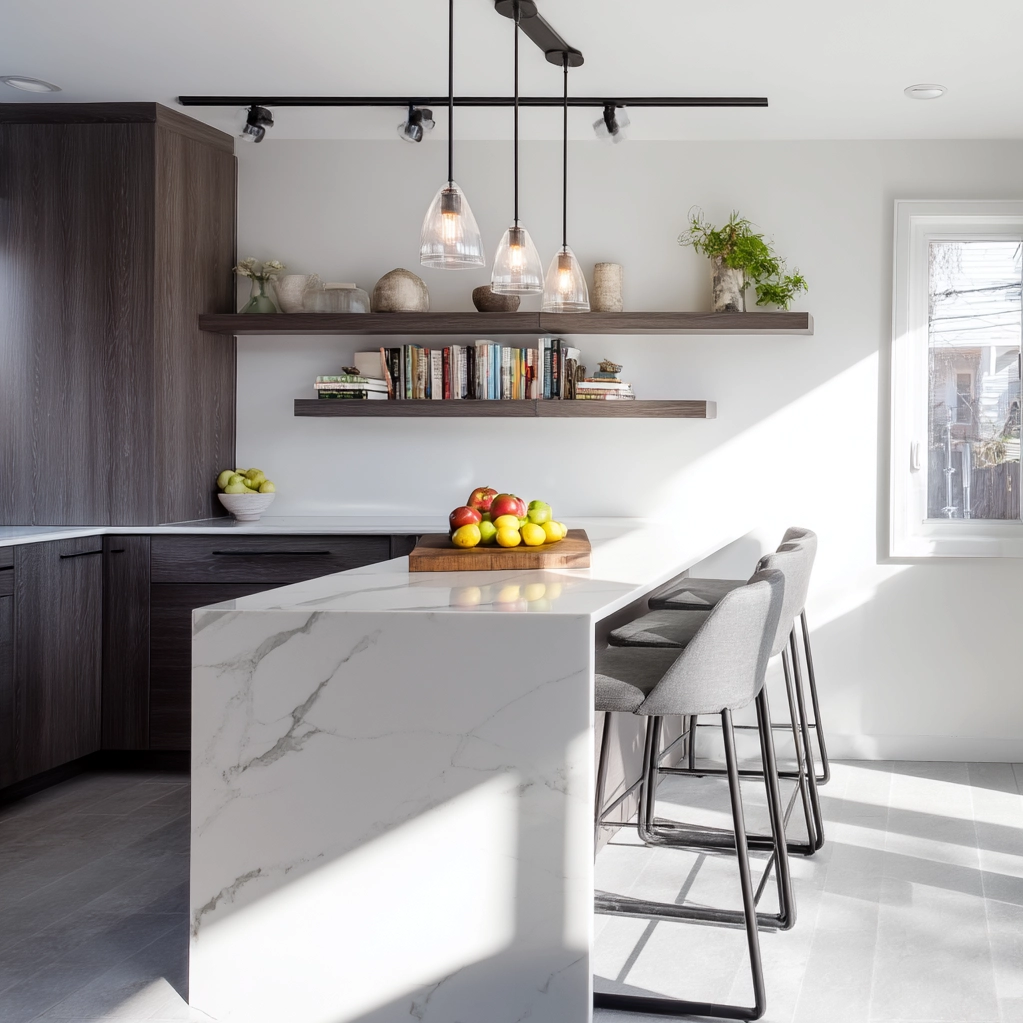
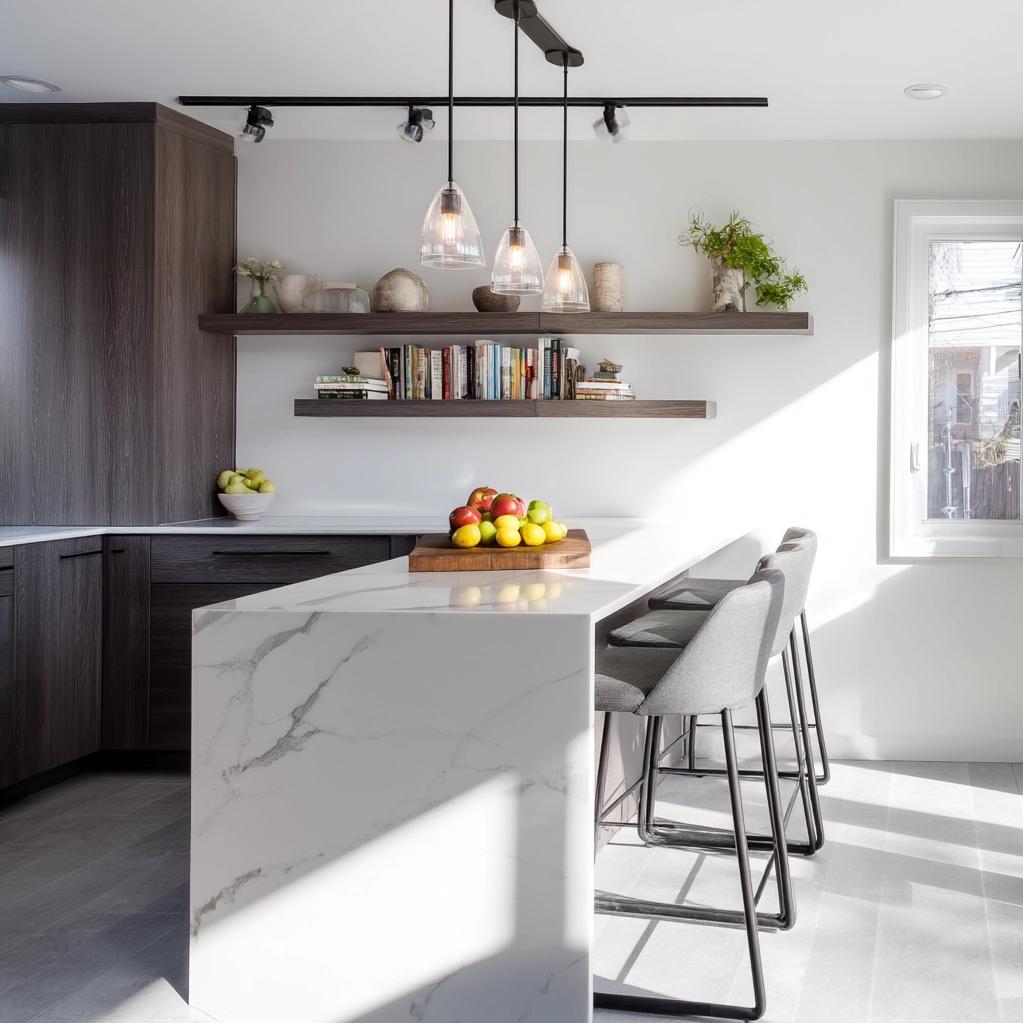
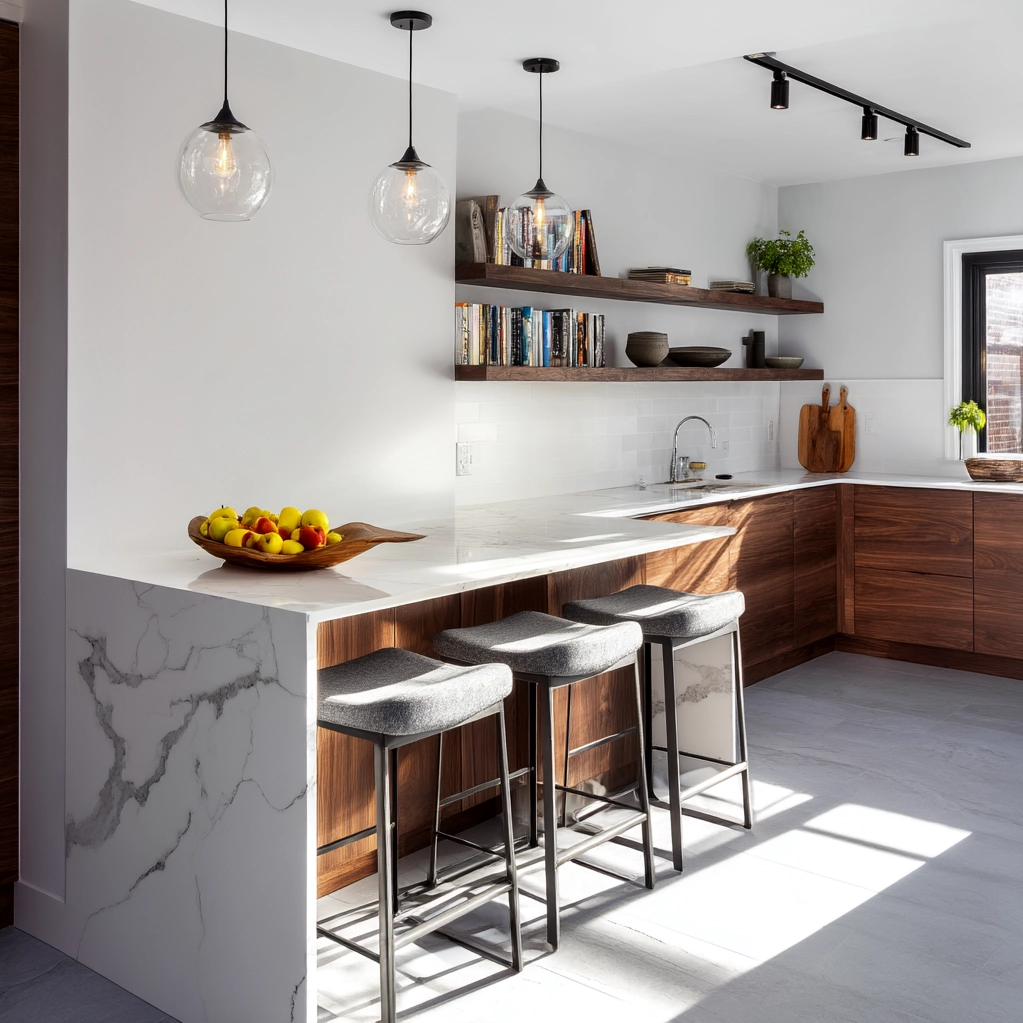
The design possibilities for ideas for kitchen peninsulas attached to walls are nearly endless, allowing you to create a feature that complements your kitchen's style while serving practical needs. For modern kitchens, consider a peninsula with clean lines, waterfall countertops, and minimal hardware. A contrasting countertop material can make the peninsula stand as a design focal point. In traditional spaces, decorative corbels, paneled cabinetry, and carved details can add character to your peninsula. The key is ensuring the design flows naturally from the existing kitchen elements while adding visual interest.
Layout considerations are crucial when implementing ideas for kitchen peninsulas attached to walls. The standard height for a peninsula used as a breakfast bar is 42 inches, while standard counter height is 36 inches. Some homeowners opt for a two-level design with a higher section for seating and a lower section for food preparation. The peninsula's length should be proportional to your kitchen size – typically 4 to 8 feet long for most residential kitchens. Ensure there's adequate clearance around the peninsula: at least 36 inches of walkway space on the kitchen side and 24 inches behind stools on the seating side.
Material selection plays a significant role in your peninsula's appearance and durability. Quartz and granite remain popular for their durability and variety of colors, while butcher block offers warmth and natural appeal. For a truly unique look, consider mixing materials – perhaps a stone countertop with wood cabinetry, or metal accents on the seating side. Lighting above the peninsula is another important design element; pendant lights not only provide task lighting but also help define the space visually. Check out our guide to kitchen lighting at https://uk.chicaurahome.com/kitchen-lighting-essentials for more inspiration on illuminating your peninsula effectively.
Functional Ideas for Kitchen Peninsulas Attached to Walls
Beyond aesthetics, ideas for kitchen peninsulas attached to walls should prioritize functionality to enhance your daily kitchen experience. One of the primary functions is creating additional workspace – essential for homes where multiple people cook simultaneously or for those who enjoy elaborate meal preparation. The peninsula can serve as a dedicated baking station, vegetable prep area, or beverage center. For entertaining, it becomes a perfect buffet setup or cocktail mixing station that keeps guests engaged without crowding the main cooking area.
Seating arrangements represent another functional aspect of ideas for kitchen peninsulas attached to walls. Standard overhang for seating is typically 12 to 15 inches, allowing comfortable legroom for bar stools. Consider the traffic flow when positioning stools – they should tuck completely under the overhang when not in use to maintain clear pathways. For families with children, a peninsula with seating provides a safe spot for kids to do homework or crafts while parents cook, keeping everyone connected. The height of the seating area should accommodate both children and adults comfortably, which is why adjustable stools can be a practical choice.
The peninsula's role as a room divider offers functional benefits in open-plan homes. It can subtly separate the kitchen from living or dining areas without creating visual barriers. This is particularly useful in studio apartments or great room layouts where defining spaces is challenging. Some homeowners incorporate electrical outlets along the seating side of their peninsula for charging devices or powering small appliances. Others add a sink or cooktop to the peninsula, though this requires careful plumbing and ventilation planning. Whatever functions you prioritize, ensure your peninsula enhances rather than hinders the kitchen's workflow triangle between sink, refrigerator, and cooking surface.
Conclusion
Exploring ideas for kitchen peninsulas attached to walls reveals just how transformative this architectural element can be for your home. These versatile structures bridge the gap between full islands and basic counter extensions, offering enhanced functionality without overwhelming your space. Whether you prioritize additional storage, seating, workspace, or all three, a well-designed peninsula can address your kitchen's specific needs while elevating its overall aesthetic. The attached nature of these features makes them particularly suitable for various kitchen layouts, from compact apartments to sprawling open-concept homes.
As you plan your kitchen peninsula, remember that successful implementation requires balancing form and function. Consider how the peninsula will integrate with your existing cabinetry, appliances, and traffic patterns. Think about who will use the space and for what purposes – a family with young children might prioritize different features than empty nesters who entertain frequently. The materials, lighting, and seating you choose should reflect both your practical needs and design preferences. With careful planning, your peninsula can become the heart of your kitchen, serving as a multifunctional hub for cooking, dining, and socializing.
Looking ahead, kitchen design continues to evolve toward more flexible, multifunctional spaces. Peninsulas perfectly align with this trend, offering adaptable solutions that can be customized to changing lifestyles. As smart home technology integrates further into kitchen appliances and systems, peninsulas may increasingly incorporate charging stations, touch-screen controls, or integrated entertainment systems. Whatever the future holds, the fundamental benefits of ideas for kitchen peninsulas attached to walls – creating connection, maximizing space, and enhancing workflow – will remain relevant for years to come. Start your planning today, and transform your kitchen into a more functional, beautiful space that works perfectly for your lifestyle.
Frequently Asked Questions
Q: What's the ideal size for a kitchen peninsula attached to a wall?
The ideal size for a kitchen peninsula depends on your kitchen dimensions and intended use. Generally, peninsulas range from 4 to 8 feet in length and 24 to 36 inches in depth. For seating, allow 24 to 30 inches of width per stool, with at least 15 inches of overhang for comfortable legroom. Leave a minimum of 36 inches of clearance on the kitchen side for walkways and 24 inches behind stools. In smaller kitchens, a peninsula as narrow as 18 inches can work for additional counter space without seating. Always measure your space carefully and consider consulting with a kitchen designer to ensure proper proportions for your specific layout.
Q: Can I add a sink or cooktop to my kitchen peninsula?
Yes, you can incorporate a sink or cooktop into your kitchen peninsula, but this requires careful planning. For sinks, you'll need plumbing access, which may involve running pipes through the floor or from adjacent walls. Cooktops require proper ventilation – typically a downdraft system since overhead hoods might obstruct sightlines in open-plan spaces. Both additions will impact your storage options below the counter. Consider whether these features will enhance your workflow; sometimes placing them in the peninsula creates a more social cooking experience. Always consult with professionals about plumbing, electrical, and ventilation requirements before making these additions to ensure safety and functionality.
Q: How do I choose between a kitchen island and a peninsula?
Choosing between a kitchen island and peninsula depends on your space, layout, and needs. Islands work best in larger, square-shaped kitchens with ample clearance on all sides (typically at least 42-48 inches around). Peninsulas are ideal for narrower or galley kitchens where one side attaches to a wall or existing cabinetry. If your kitchen opens to another room, a peninsula can serve as a natural divider while maintaining visual connection. Islands offer more flexibility in positioning and typically provide storage on all sides, while peninsulas often make better use of wall space for additional cabinets or shelves. Consider your traffic patterns, available space, and how you use your kitchen daily when making this decision.