Ideas for Mood Boards: Transform Your Space with These Incredible Inspiration Techniques

Creating a mood board might seem like a simple decorative exercise, but it’s actually one of the most powerful tools in interior design. These visual collages serve as a roadmap for your creative vision, helping you organize colors, textures, patterns, and materials before committing to any purchases or renovations. Whether you’re planning a complete home makeover or just refreshing a single room, having concrete ideas for mood boards can transform vague inspiration into a cohesive design plan. The beauty of mood boards lies in their flexibility—they can be digital or physical, simple or elaborate, but they all serve the same purpose: to clarify your aesthetic direction and prevent costly design mistakes. Many homeowners jump into decorating without this crucial planning step, only to discover that the paint color they loved online clashes with their furniture in reality, or that the fabric sample they ordered doesn’t match their vision. By investing time in developing ideas for mood boards, you create a visual reference that keeps your project on track and ensures all elements work harmoniously together. This process helps you communicate your vision to family members, contractors, or designers, making collaborative projects smoother and more successful. As you explore different approaches to creating mood boards, you’ll discover that they’re not just about pretty pictures—they’re strategic tools that bridge the gap between inspiration and execution, turning scattered ideas into a beautiful, functional reality.
Digital Ideas for Mood Boards: Modern Tools for Visual Planning
In today's digital age, creating mood boards has never been easier or more accessible. Digital ideas for mood boards offer unparalleled flexibility, allowing you to experiment with different elements without physical limitations. Platforms like Pinterest, Canva, and dedicated design software provide templates and tools specifically for this purpose. These digital solutions let you drag and drop images, adjust colors instantly, and save multiple versions for comparison. One of the greatest advantages of digital mood boards is the ability to incorporate actual product images and links, creating a direct connection between your vision and potential purchases. You can include high-resolution photos of furniture pieces from retailers, paint swatches from brand websites, and fabric samples from textile companies. This approach helps you visualize how different elements from various sources might work together in your actual space. Digital mood boards also facilitate collaboration—you can easily share your board with family members or professionals for feedback, making the design process more inclusive. For those concerned about sustainability, digital boards eliminate paper waste while still providing a comprehensive visual reference. They're also portable; you can access your mood board from any device, making it easy to reference while shopping or meeting with contractors. Whether you're using a simple collage app or professional design software, the key is to organize your digital board with intention, grouping related elements and maintaining a clear visual hierarchy that reflects your design priorities and helps you stay focused on your overall aesthetic goals.
Physical Ideas for Mood Boards: Tactile Inspiration for Hands-On Creators
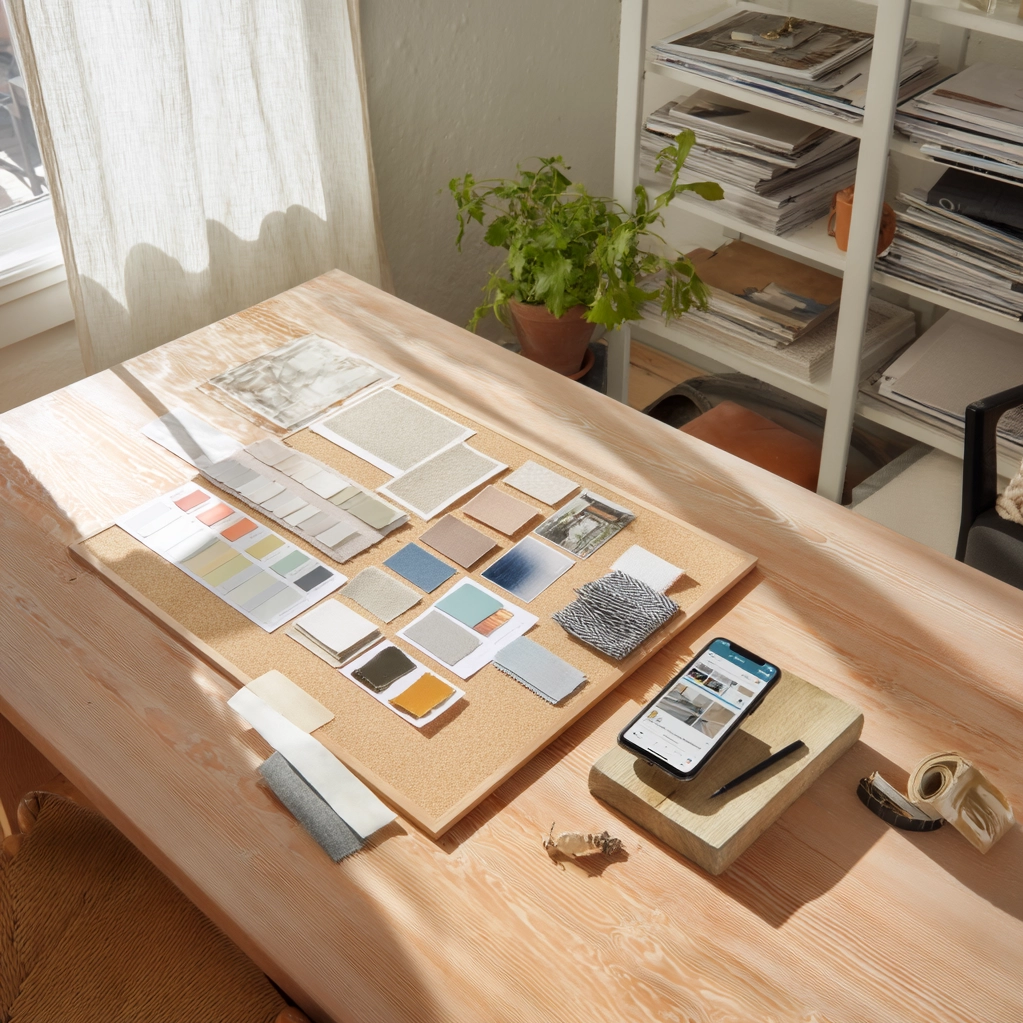
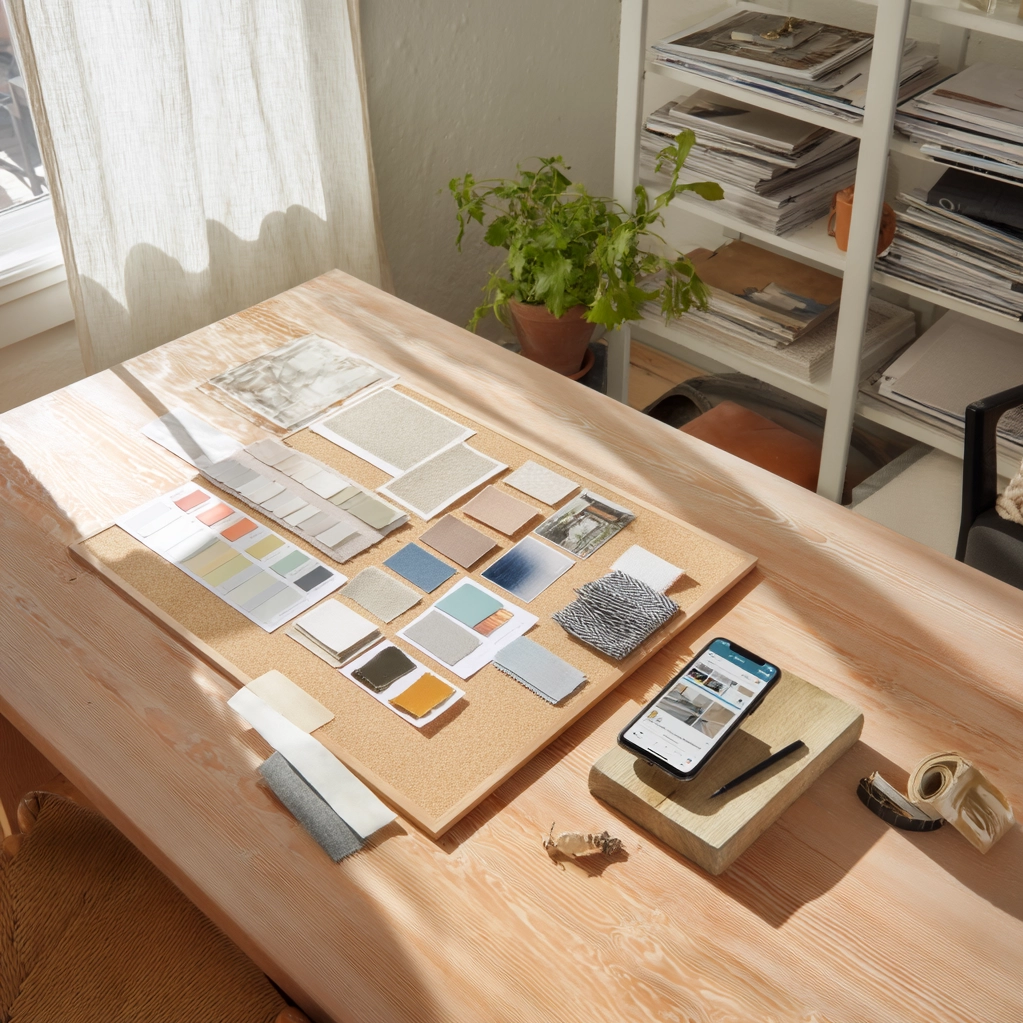
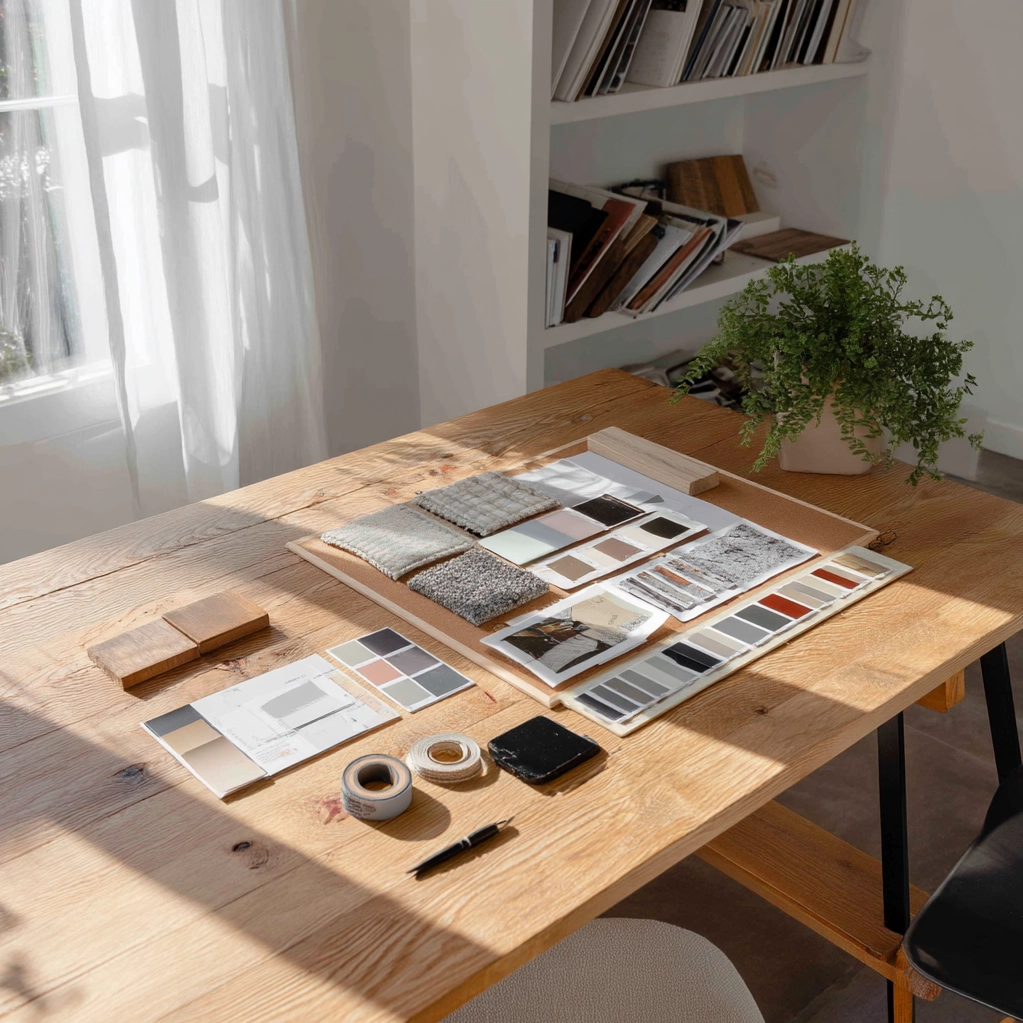
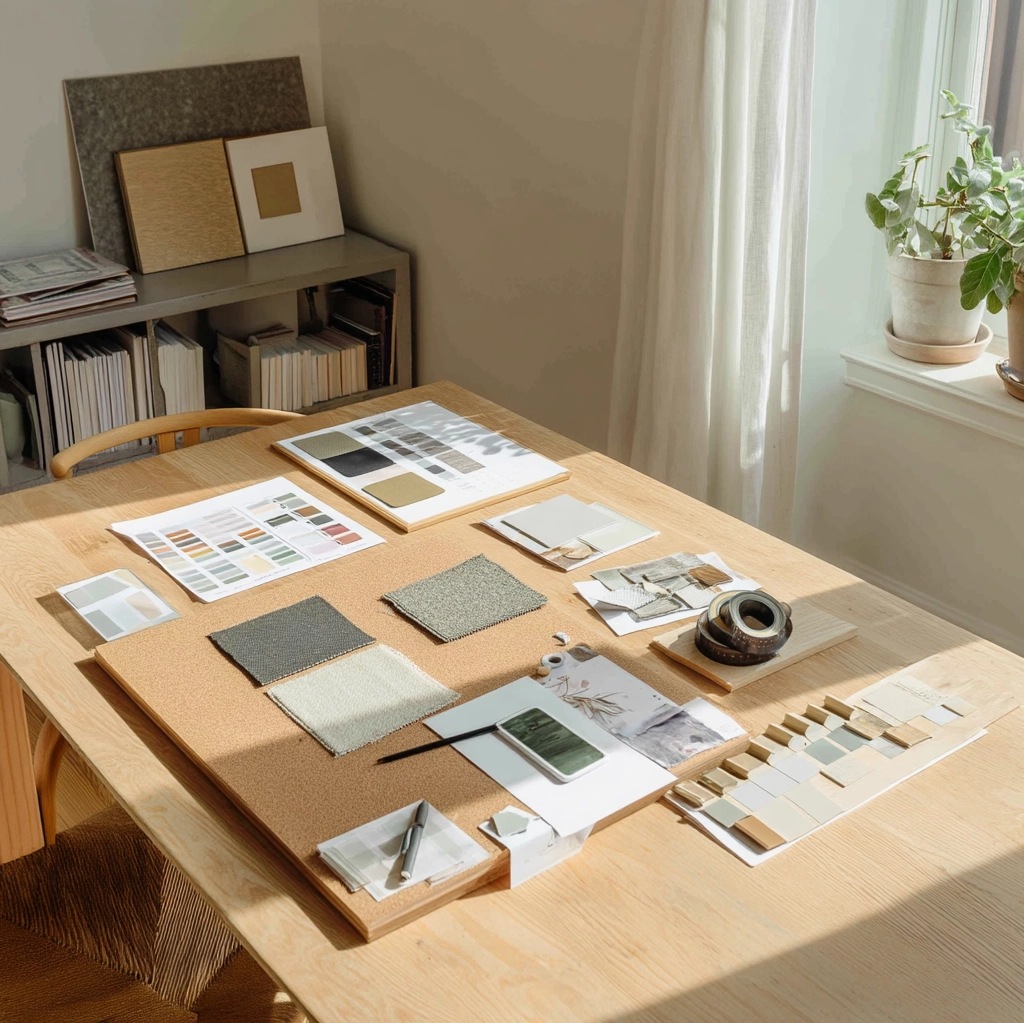
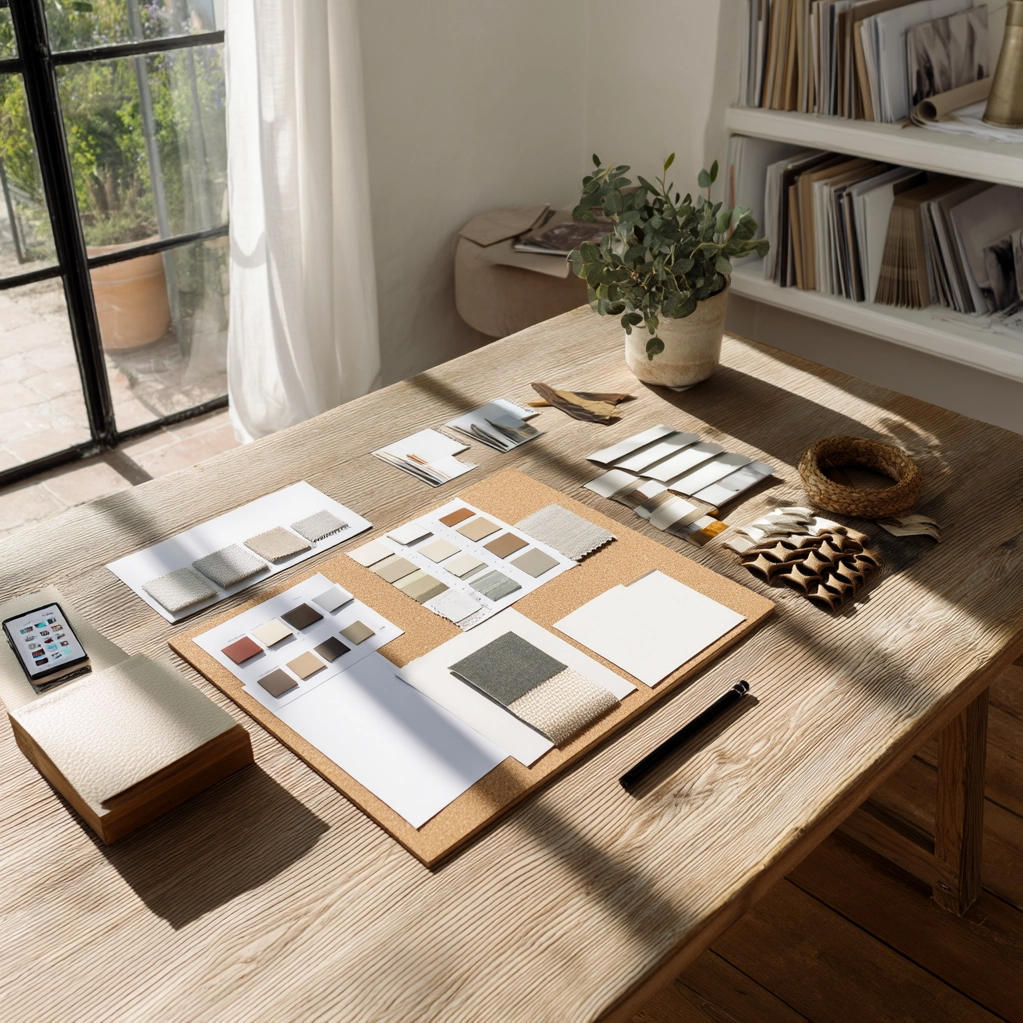
While digital tools offer convenience, physical ideas for mood boards provide a tactile experience that many designers and homeowners find invaluable. Creating a physical mood board allows you to interact with materials directly, feeling textures and seeing colors in natural light—something digital screens can't fully replicate. Start with a large corkboard, foam core, or even a simple piece of cardboard as your base. Collect paint chips from hardware stores, fabric swatches from upholstery shops, and material samples like wood, tile, or stone. Magazine clippings, photographs, and even small three-dimensional objects can add depth to your physical board. The process of arranging and rearranging these elements helps you understand spatial relationships and proportions in a way that digital manipulation sometimes can't capture. Physical mood boards are particularly useful for projects involving multiple textures and materials, as you can layer samples to see how they interact. They also serve as beautiful decorative pieces during the planning phase, keeping your inspiration visible and top-of-mind. For those who enjoy hands-on creativity, the act of physically assembling a mood board can be a meditative and rewarding process that deepens your connection to the design. These boards are especially helpful when working with contractors or shopping in person, as you can bring actual samples with you for direct comparison. Whether you create a single comprehensive board or multiple smaller boards for different rooms, the physical format encourages careful consideration of each element's contribution to the overall design, ensuring that every choice supports your vision for the space.
Creative Ideas for Mood Boards: Beyond Basic Collages
When most people think of mood boards, they imagine flat collages of images and samples, but creative ideas for mood boards can take this concept to exciting new levels. Consider creating thematic boards that tell a story about your space—for example, a 'coastal retreat' board might include not just color swatches and fabric samples, but also found objects like seashells, driftwood, or nautical maps. Another innovative approach is the 'sensory mood board' that incorporates elements appealing to multiple senses: textured fabrics you can touch, scent samples (like lavender sachets for a bedroom), or even small speakers playing ambient sounds that match your desired atmosphere. For larger projects, some designers create 'room-specific' mood boards that include floor plan sketches alongside material samples, helping visualize how elements will work within the actual dimensions of the space. Interactive digital mood boards with clickable elements that reveal additional information or alternative options can make the planning process more dynamic. Some homeowners create 'evolution boards' that show how their design might change over time or with seasons, incorporating removable elements that can be swapped out. For those working with specific design styles, creating 'contrast boards' that juxtapose different elements (like modern and traditional) can help find the perfect balance. These creative approaches to mood boards not only make the planning process more engaging but often lead to more nuanced and personalized designs. They encourage you to think beyond surface aesthetics to consider how your space will feel, function, and evolve, resulting in interiors that truly reflect your personality and lifestyle needs.
Practical Ideas for Mood Boards: Organization and Implementation Strategies
Having great inspiration is only half the battle—practical ideas for mood boards ensure your visual planning translates effectively into real-world results. Start by organizing your board with clear sections: one area for color palettes, another for furniture and large items, sections for textiles and materials, and space for inspirational images that capture the overall vibe. Label each element with relevant details like product names, dimensions, prices, and where to purchase. This transforms your mood board from a pretty collage into an actionable shopping and implementation guide. Create a digital backup of physical boards by photographing them from multiple angles, ensuring you have a reference even if samples get misplaced. For complex projects, consider making separate mood boards for different phases or areas, then create a master board that shows how they connect. Practical mood boards should include budget notes and priority markers—highlight must-have items versus nice-to-have elements to keep spending on track. They should also account for practical considerations like durability, maintenance requirements, and functionality, not just aesthetics. Include measurements and scale references to prevent proportion mistakes when selecting furniture or decor. As noted in Better Homes & Gardens' guide to interior design planning, the most successful mood boards balance inspiration with practicality, serving as both creative springboard and project management tool. By approaching your mood board with this dual purpose, you create a resource that guides you from initial concept through final installation, ensuring your beautiful vision becomes a livable, functional reality that stands the test of time and daily use.
Conclusion
Exploring various ideas for mood boards reveals just how versatile and valuable this design tool can be. Whether you prefer the convenience of digital platforms, the tactile experience of physical boards, or innovative approaches that push beyond traditional collages, the right mood board technique can transform your design process from scattered inspiration to focused execution. These visual planning tools help bridge the gap between imagination and reality, allowing you to experiment with combinations, catch potential conflicts, and refine your vision before making any commitments. The most successful interior designs often begin with well-constructed mood boards that balance creativity with practicality, aesthetics with functionality. As you implement the strategies discussed, remember that your mood board should evolve with your project—update it as you make decisions, add new discoveries, and adjust based on practical considerations. Looking forward, the continued integration of augmented reality and virtual reality tools promises to make mood boarding even more immersive, allowing you to visualize elements within your actual space before purchase. For now, whether you're planning a minor refresh or a major renovation, investing time in developing comprehensive ideas for mood boards will pay dividends in cohesive results and reduced design regrets. Start your next project by visiting https://uk.chicaurahome.com/design-tips for more inspiration, then create a mood board that captures your unique vision—your future beautifully designed space awaits.
Frequently Asked Questions
Q: What are the essential elements to include in a mood board for home design?
A comprehensive home design mood board should include several key elements to be effective. Start with your color palette—include paint swatches, fabric samples, and images that show your chosen colors in different lighting conditions. Add material samples for surfaces like flooring, countertops, and backsplashes. Include furniture images or sketches showing scale and style. Don't forget textiles: upholstery fabrics, curtain materials, rug textures, and pillow covers. Lighting elements are crucial—show fixture styles and consider how they'll affect your color scheme. Finally, include inspirational images that capture the overall mood or aesthetic you're aiming for, whether it's specific room photos, artwork, or natural elements. Organize these elements with clear labels noting product details, sources, and prices to transform your mood board from inspiration to actionable plan.
Q: How can I make my digital mood board more effective than just saving images on Pinterest?
While Pinterest is great for collecting inspiration, a dedicated digital mood board takes your planning to the next level. Use design platforms like Canva, Milanote, or Adobe Spark that offer mood board templates specifically for interior design. Instead of just saving images, actively arrange them to show relationships—group furniture pieces that will occupy the same space, layer materials to see how they interact, and create color blocks that represent your palette. Add annotations explaining why each element works and how it contributes to your overall vision. Include actual product links and prices to create a shopping list. Most importantly, organize your board with intentional hierarchy—make your primary elements largest and most prominent, with supporting elements arranged around them. This creates a cohesive visual story rather than just a collection of pretty pictures, making it easier to evaluate whether all elements work together harmoniously before making purchases.
Q: Can mood boards help with budget planning for home design projects?
Absolutely—mood boards can be powerful budget planning tools when created with financial considerations in mind. Start by researching prices for each element you want to include, then add cost information directly to your board. Use color coding or symbols to indicate priority levels: must-have items versus nice-to-have additions. This visual representation helps you see where most of your budget is allocated and identify potential areas for cost savings. If certain elements prove too expensive, your mood board makes it easy to experiment with alternatives while maintaining your overall aesthetic. Some designers create 'tiered' mood boards showing different versions at various budget levels. By including pricing from the beginning, your mood board becomes both an aesthetic guide and a financial roadmap, helping you make informed decisions that balance your design vision with practical budget constraints, preventing overspending and ensuring you allocate resources to the elements that matter most to your overall vision.