Kitchen Style Design: Stunning Transformation Secrets to Elevate Your Home


Your kitchen is more than just a place to cook—it’s the heart of your home, a space where memories are made, conversations flow, and daily life unfolds. The right kitchen style design can transform this essential room from purely functional to truly inspirational, elevating your entire living experience. Whether you’re planning a full renovation or a simple refresh, understanding how to harness design principles can create a kitchen that reflects your personality while serving your practical needs perfectly. Good kitchen design balances aesthetics with functionality, creating spaces that are both beautiful and efficient. From the layout that determines how you move through the space to the materials that define its character, every element contributes to the overall atmosphere. A well-designed kitchen enhances your daily routine, making cooking more enjoyable and entertaining effortless. It can even increase your home’s value significantly. This article will guide you through key aspects of kitchen style design, helping you create a space that’s not just visually appealing but perfectly tailored to your lifestyle. We’ll explore timeless styles, practical considerations, and creative approaches that can turn any kitchen into your favorite room in the house.
Exploring Timeless Kitchen Style Design Approaches
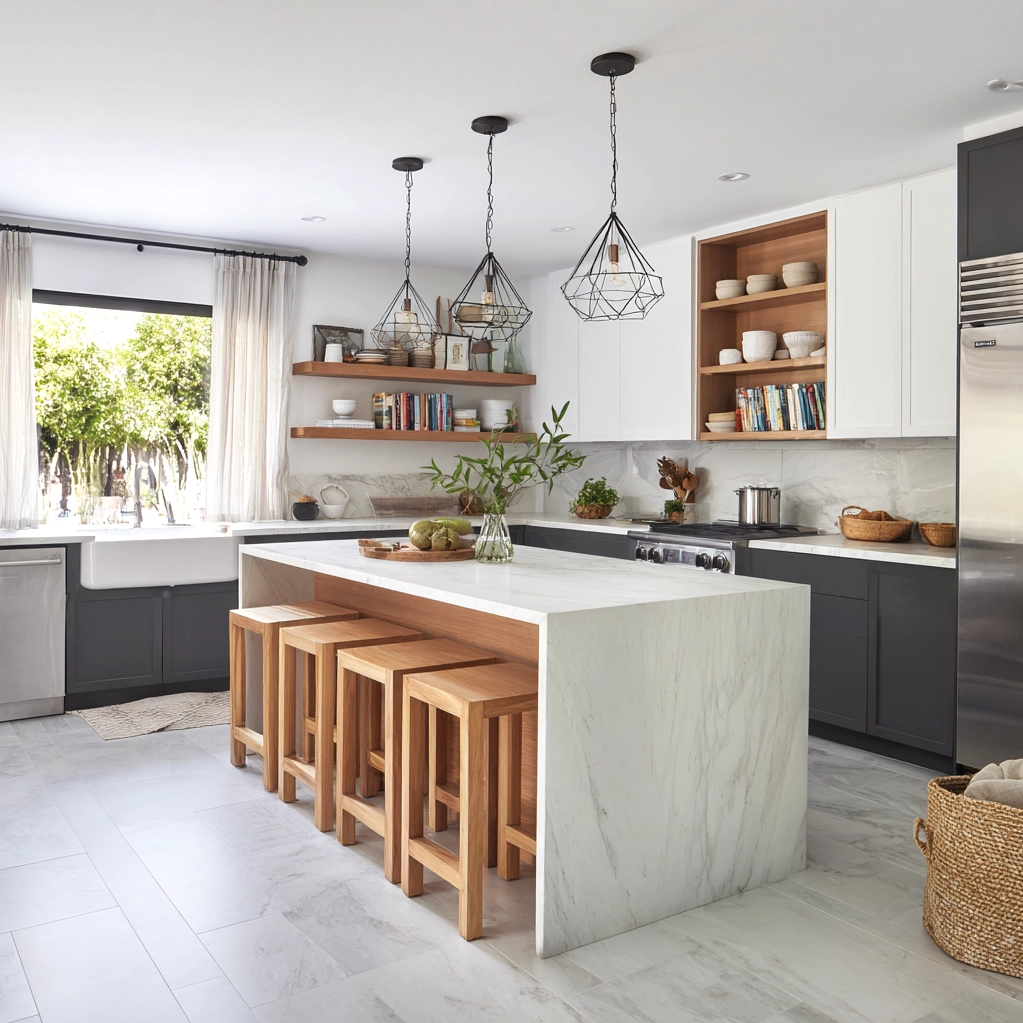
When considering kitchen style design, understanding classic approaches provides a solid foundation for your decisions. Traditional kitchen design often features rich wood cabinetry, decorative moldings, and warm color palettes that create a cozy, welcoming atmosphere. This style emphasizes craftsmanship and detail, with elements like raised-panel doors, corbels, and classic hardware. Modern kitchen design takes a different approach with clean lines, minimal ornamentation, and sleek surfaces. Think flat-panel cabinets, integrated appliances, and monochromatic color schemes that prioritize simplicity and function. Contemporary kitchen style design bridges these approaches, incorporating current trends while maintaining timeless appeal. Transitional kitchens blend traditional warmth with modern simplicity, often featuring shaker-style cabinets, mixed materials, and neutral colors. Industrial kitchen design has gained popularity for its raw, authentic feel with exposed brick, metal accents, and utilitarian lighting. Each style creates a distinct mood and functionality. Your choice should reflect how you use your kitchen and what atmosphere you want to create. A family-oriented kitchen might benefit from traditional warmth, while someone who entertains frequently might prefer modern openness. Consider your lifestyle, the architectural style of your home, and your personal taste when selecting your kitchen style design direction.
Functional Elements in Kitchen Style Design Planning
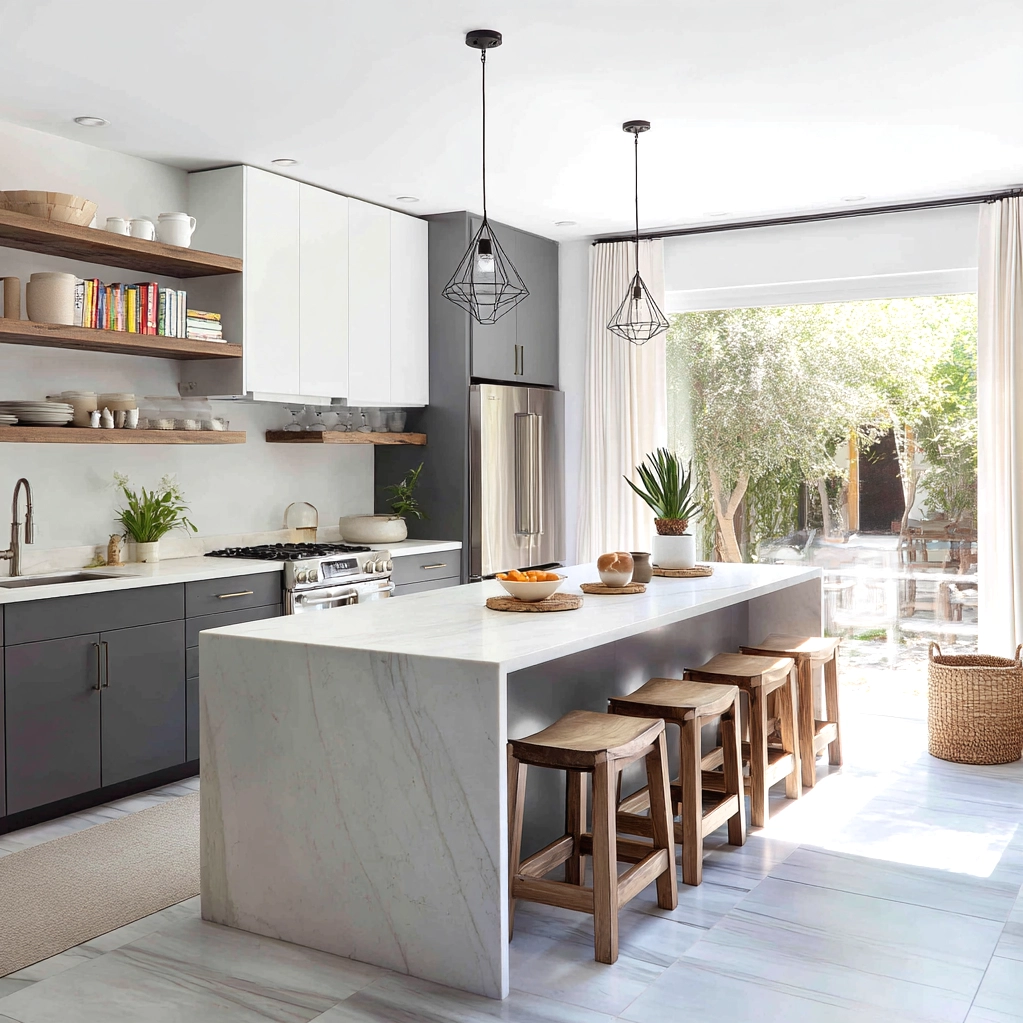
Successful kitchen style design always prioritizes functionality alongside aesthetics. The work triangle—connecting your refrigerator, sink, and stove—remains a fundamental principle for efficient kitchen layout. This concept ensures these three key work areas form an accessible triangle with clear pathways between them. Beyond the triangle, consider workflow zones for preparation, cooking, cleaning, and storage. Smart kitchen style design creates dedicated areas for different tasks, reducing unnecessary movement and making cooking more efficient. Storage solutions are crucial functional elements in any kitchen design. Pull-out shelves, drawer organizers, and vertical storage maximize every inch of space. Consider incorporating specialized storage for items like spices, cutting boards, or small appliances to keep countertops clear. Lighting plays both functional and aesthetic roles in kitchen style design. Layered lighting with ambient, task, and accent lighting ensures your kitchen is both practical and inviting. Under-cabinet lighting illuminates work surfaces, pendant lights define island areas, and recessed lighting provides overall illumination. Materials selection also impacts functionality. Durable countertops like quartz or granite withstand daily use, while easy-to-clean backsplashes maintain hygiene. Flooring should be both attractive and comfortable for standing. Every functional decision in your kitchen style design should support how you actually use the space daily.
Personalizing Your Kitchen Style Design Vision
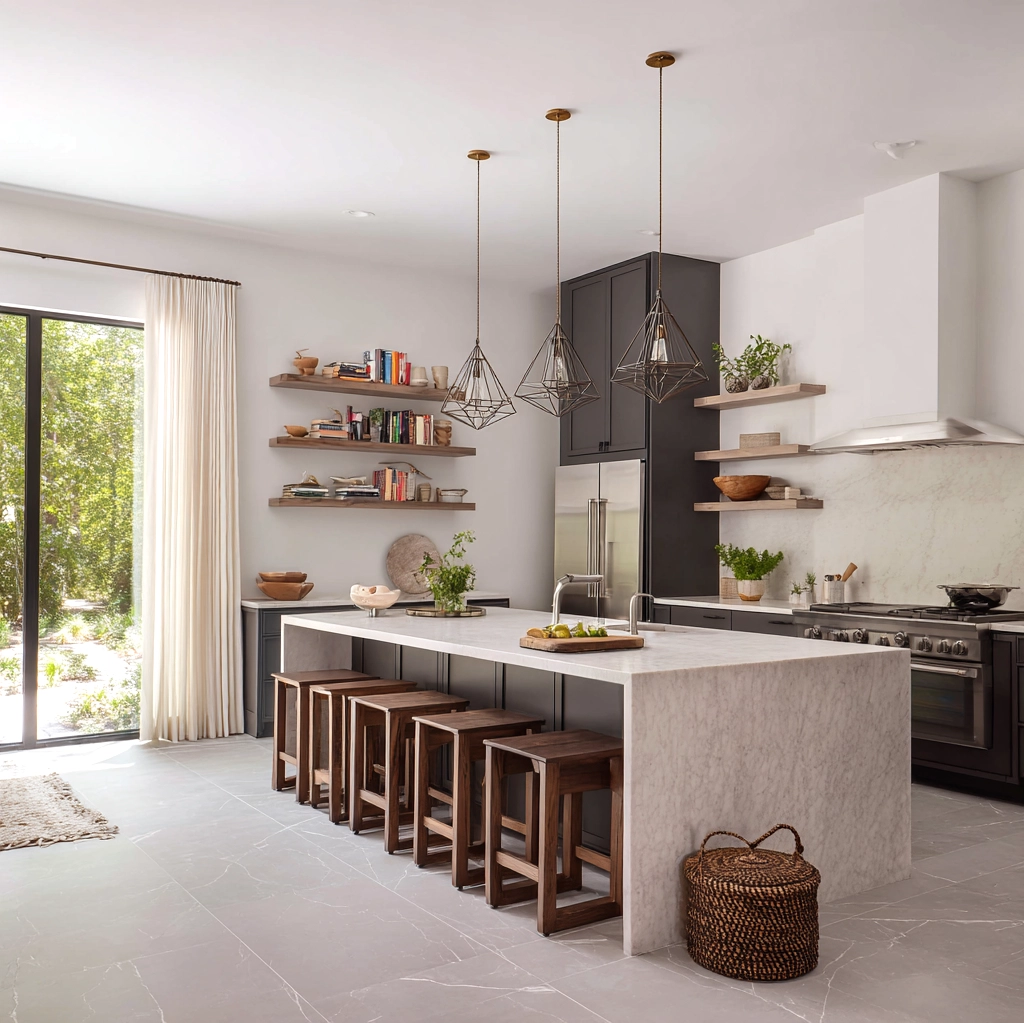
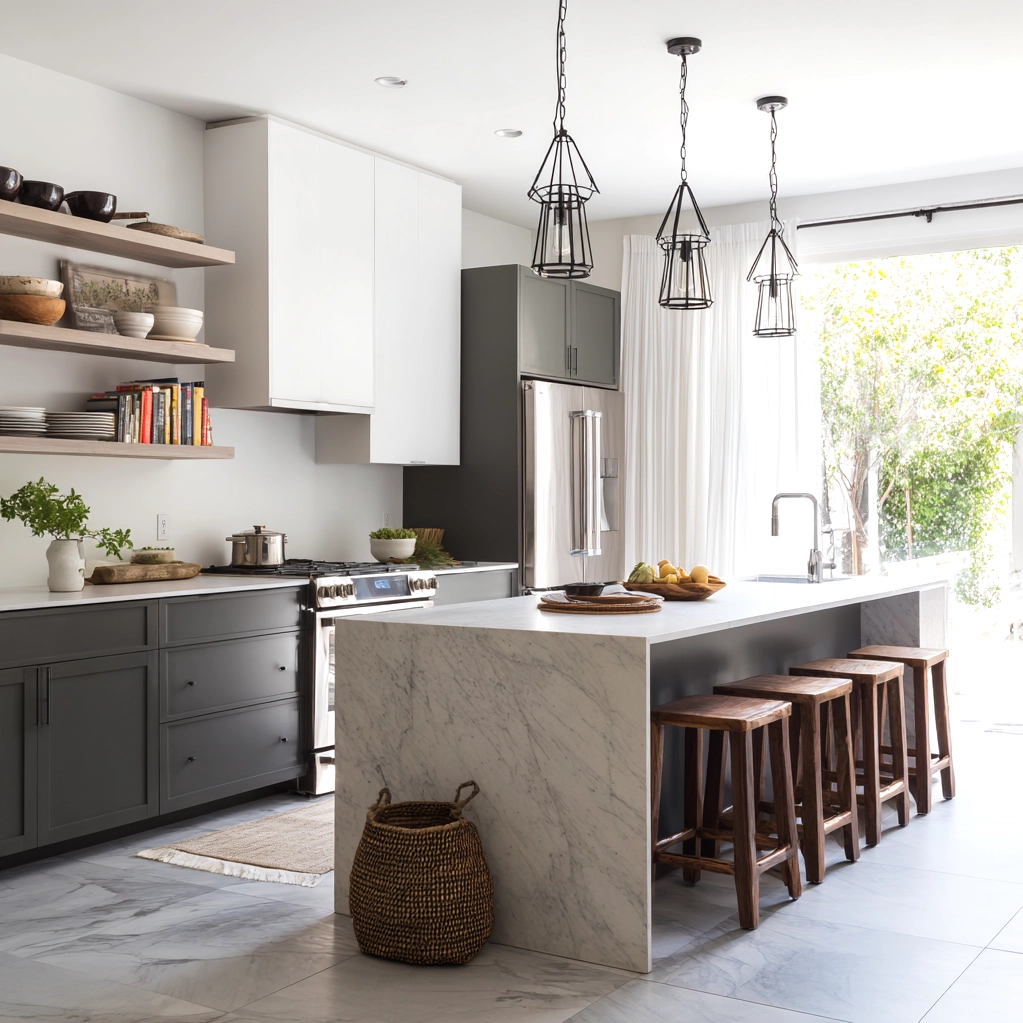
The most successful kitchen style design reflects your unique personality and lifestyle. Color selection offers powerful opportunities for personal expression. While neutral palettes create timeless backdrops, strategic use of color can define your kitchen's character. Consider painting an island in a bold hue, incorporating colorful backsplash tiles, or selecting statement lighting fixtures. Your kitchen style design should tell your story through carefully chosen elements. Texture adds depth and interest to your kitchen design. Mix materials like smooth quartz countertops with rough-hewn wood open shelving, or glossy cabinets with matte-finished hardware. These contrasts create visual richness that makes your kitchen feel curated rather than cookie-cutter. Personal touches transform standard kitchen style design into something uniquely yours. Display collections of beautiful cookware, incorporate family heirlooms, or create a gallery wall of food-related art. Even practical items like cutting boards or utensil crocks can reflect your aesthetic when chosen intentionally. Technology integration represents another aspect of personalized kitchen design. Smart appliances, charging stations, and integrated sound systems can be incorporated seamlessly into your overall kitchen style design. Remember that personalization doesn't mean every element must be custom—sometimes a few well-chosen signature pieces make the strongest statement about who you are and how you live.
Sustainable Practices in Modern Kitchen Style Design
Today's kitchen style design increasingly incorporates sustainability as both an ethical consideration and design element. Eco-friendly materials offer beauty with reduced environmental impact. Bamboo and reclaimed wood provide warm, natural alternatives to traditional hardwoods for cabinetry and flooring. Recycled glass countertops and backsplashes add unique visual interest while diverting materials from landfills. Even large elements like cabinetry can be sourced from manufacturers using sustainable practices and low-VOC finishes. Energy efficiency represents another crucial aspect of sustainable kitchen style design. ENERGY STAR-rated appliances reduce both your carbon footprint and utility bills. LED lighting provides bright illumination with minimal energy consumption. Proper insulation and efficient window placement can maximize natural light while minimizing heating and cooling needs. Water conservation features like low-flow faucets and efficient dishwashers complete the sustainable kitchen picture. Beyond materials and appliances, sustainable kitchen style design considers longevity. Choosing timeless designs over fleeting trends reduces the need for frequent renovations. Durable materials withstand years of use, extending your kitchen's lifespan. Even layout decisions can promote sustainability—creating flexible spaces that adapt to changing needs prevents premature obsolescence. Ultimately, sustainable kitchen design creates healthier spaces for both people and the planet while often saving money in the long term. Your kitchen style design can be both beautiful and responsible, proving that good design and environmental stewardship go hand in hand.
Conclusion
Creating your ideal kitchen requires balancing aesthetics, functionality, and personal expression through thoughtful kitchen style design. By understanding timeless approaches, prioritizing practical elements, incorporating personal touches, and considering sustainability, you can develop a kitchen that serves your needs while reflecting your unique style. Remember that successful kitchen design evolves with your lifestyle—what works for a young family might differ from what suits empty nesters or avid entertainers. The most important consideration is how the space will support your daily life while bringing you joy every time you enter it. As you plan your kitchen transformation, start with how you actually use the space rather than chasing trends. Consider both immediate needs and future possibilities, creating flexible spaces that can adapt as your life changes. Don't be afraid to mix elements from different styles if it creates a space that feels authentically yours. Most importantly, remember that kitchen style design should ultimately make your life easier and more enjoyable. Whether you're undertaking a major renovation or making incremental improvements, each decision contributes to creating a kitchen that's not just beautiful, but truly works for you. The perfect kitchen awaits—one that combines form and function in a space you'll love for years to come.
Frequently Asked Questions
Q: What's the most important factor to consider when planning kitchen style design?
Functionality should always be your primary consideration in kitchen style design. While aesthetics are important, a beautiful kitchen that doesn't work well for your daily routines will quickly become frustrating. Start by analyzing how you actually use your kitchen—do you cook elaborate meals daily, entertain frequently, or need space for family activities? Consider workflow, storage needs, and traffic patterns. The layout should support efficient movement between key areas (refrigerator, sink, stove), and storage should be organized around how you access items. Once you've established a functional foundation, you can layer in aesthetic elements that reflect your personal style. A kitchen that balances both practical needs and visual appeal will serve you best long-term.
Q: How can I update my kitchen style design without a full renovation?
You can significantly refresh your kitchen style design without major construction through strategic updates. Start with cabinet refinishing—painting or refacing cabinets transforms the room's appearance at a fraction of new cabinetry cost. Updating hardware (knobs, pulls, hinges) provides another impactful change. Consider replacing lighting fixtures with more modern options, or adding under-cabinet lighting for both function and ambiance. A new backsplash introduces color, texture, and personality without major disruption. Countertop replacements or resurfacing can update surfaces while maintaining existing cabinetry. Finally, decluttering and reorganizing storage creates cleaner lines and better functionality. Even simple changes like new bar stools, window treatments, or decorative accessories can refresh your kitchen style design. Focus on elements that provide maximum visual impact for minimal investment.
Q: How do I choose between open and closed kitchen style design layouts?
Choosing between open and closed kitchen layouts depends on your lifestyle, home architecture, and personal preferences. Open kitchen style design creates seamless connections to adjacent living and dining areas, promoting social interaction and making spaces feel larger. This layout works well for entertainers, families with children, and those who prefer inclusive cooking experiences. However, open plans offer less wall space for cabinetry and can spread cooking odors and noise throughout living areas. Closed kitchen design provides defined boundaries, containing mess and smells while offering more wall space for storage and appliances. This traditional approach suits those who prefer focused cooking environments or have formal entertaining styles. Many contemporary kitchens blend both approaches with partially open designs using islands, half-walls, or glass elements. Consider how you use your kitchen, your entertaining style, noise tolerance, and storage needs when deciding. Your kitchen style design should support how you live rather than simply following trends.