
Landscape Design Ideas: Transform Your Outdoor Space with Stunning, Easy-to-Implement Concepts

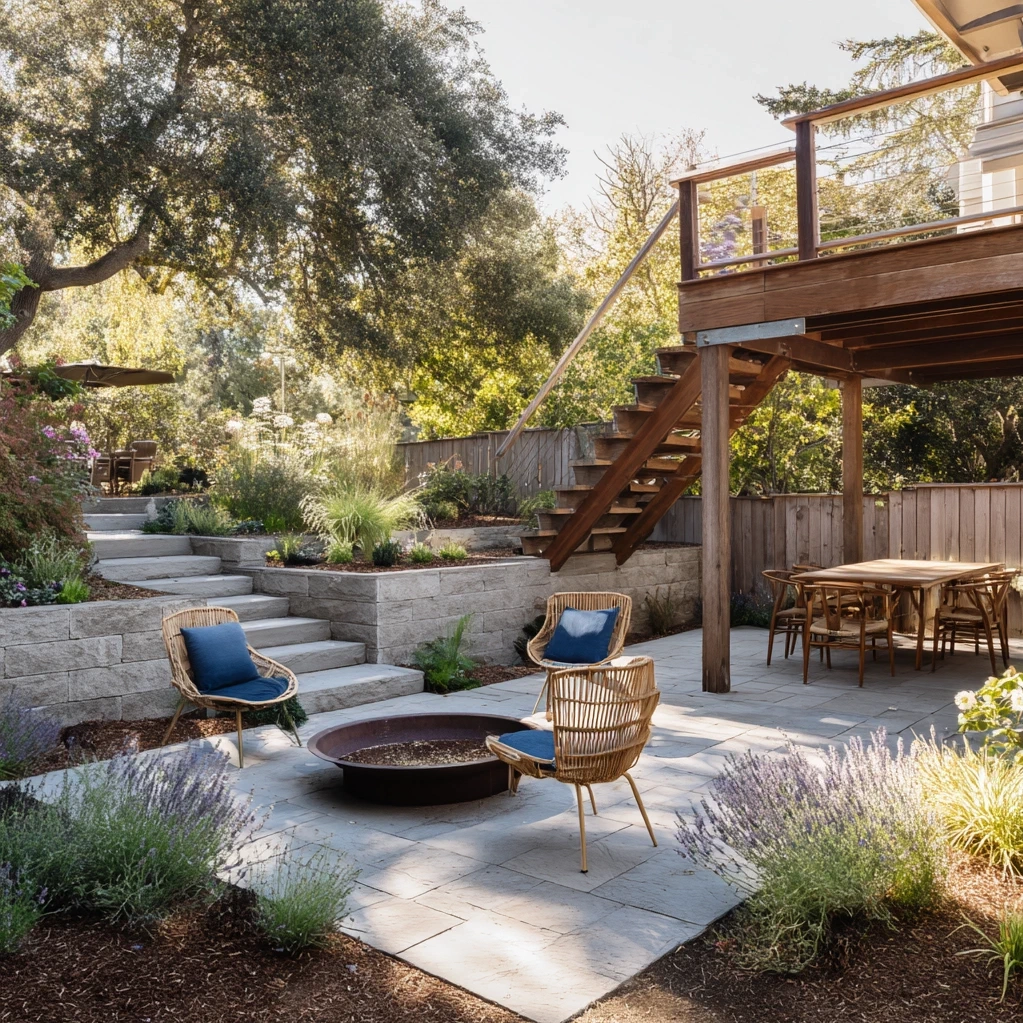
Your outdoor space is more than just a yard—it’s an extension of your home, a canvas for creativity, and a sanctuary for relaxation. Landscape design ideas hold the power to transform ordinary outdoor areas into breathtaking retreats that enhance your quality of life and increase your property’s value. Whether you have a sprawling backyard or a cozy urban patio, thoughtful landscaping can create harmony between nature and your living environment. The right design doesn’t just look beautiful; it functions beautifully too, providing spaces for entertainment, solitude, gardening, and play. Many homeowners feel overwhelmed by the prospect of redesigning their outdoor spaces, fearing high costs or complex maintenance. But the truth is, effective landscape design can be approached in manageable phases, with solutions that work for various budgets and skill levels. From simple container gardens to elaborate multi-level terraces, there are landscape design ideas to suit every taste and space. This article will guide you through inspiring concepts that balance aesthetics with practicality. We’ll explore how to assess your current space, choose plants and materials wisely, and create layouts that serve your lifestyle. By the end, you’ll understand why investing time in planning your landscape yields returns in beauty, functionality, and personal satisfaction. Let’s turn your outdoor dreams into reality with smart, sustainable design approaches.
Essential Landscape Design Ideas for Small Urban Spaces
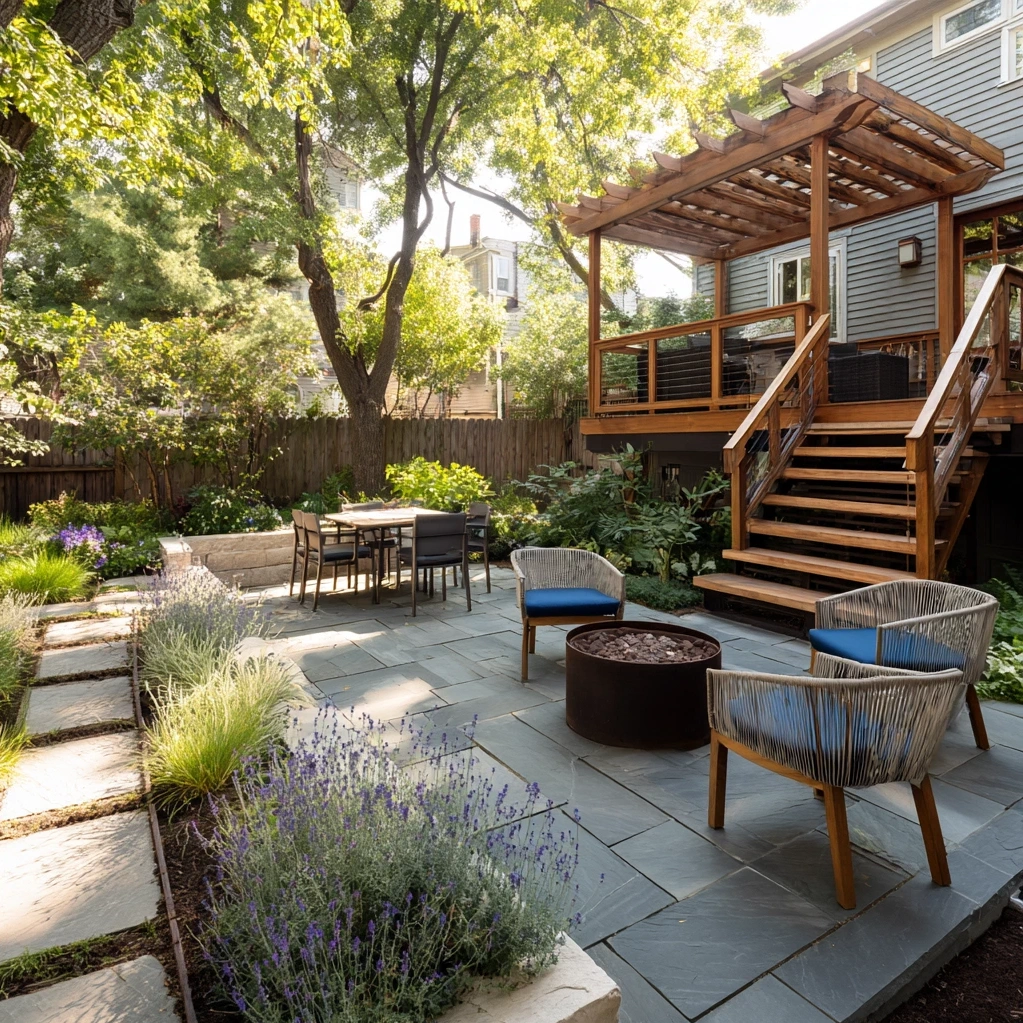
Small urban spaces present unique challenges but also offer incredible opportunities for creative landscape design ideas. The key is to maximize every square foot while maintaining a sense of openness and flow. Start by defining clear zones for different functions—perhaps a compact dining area, a vertical garden wall, and a small seating nook. Use multi-level elements to add dimension without consuming precious floor space. Consider raised planters or tiered containers that allow you to grow herbs, flowers, or even small vegetables vertically. Choose plants that serve multiple purposes: evergreens for year-round structure, flowering perennials for seasonal color, and edible plants for both beauty and utility. Lighting plays a crucial role in small spaces; strategic placement of solar-powered lights can make your area feel larger and more inviting after dark. Incorporate mirrors or reflective surfaces to create illusions of depth. Water features, like tabletop fountains, add soothing sounds without requiring much room. When selecting materials, opt for consistency—using the same paving stones or decking throughout creates visual continuity. Remember that in tight spaces, every element should earn its place. Avoid clutter by choosing furniture that folds or stacks when not in use. These landscape design ideas prove that limited square footage doesn't mean limited potential. With smart planning, even the smallest balcony or courtyard can become a lush, functional oasis.
Sustainable Landscape Design Ideas for Eco-Friendly Gardens
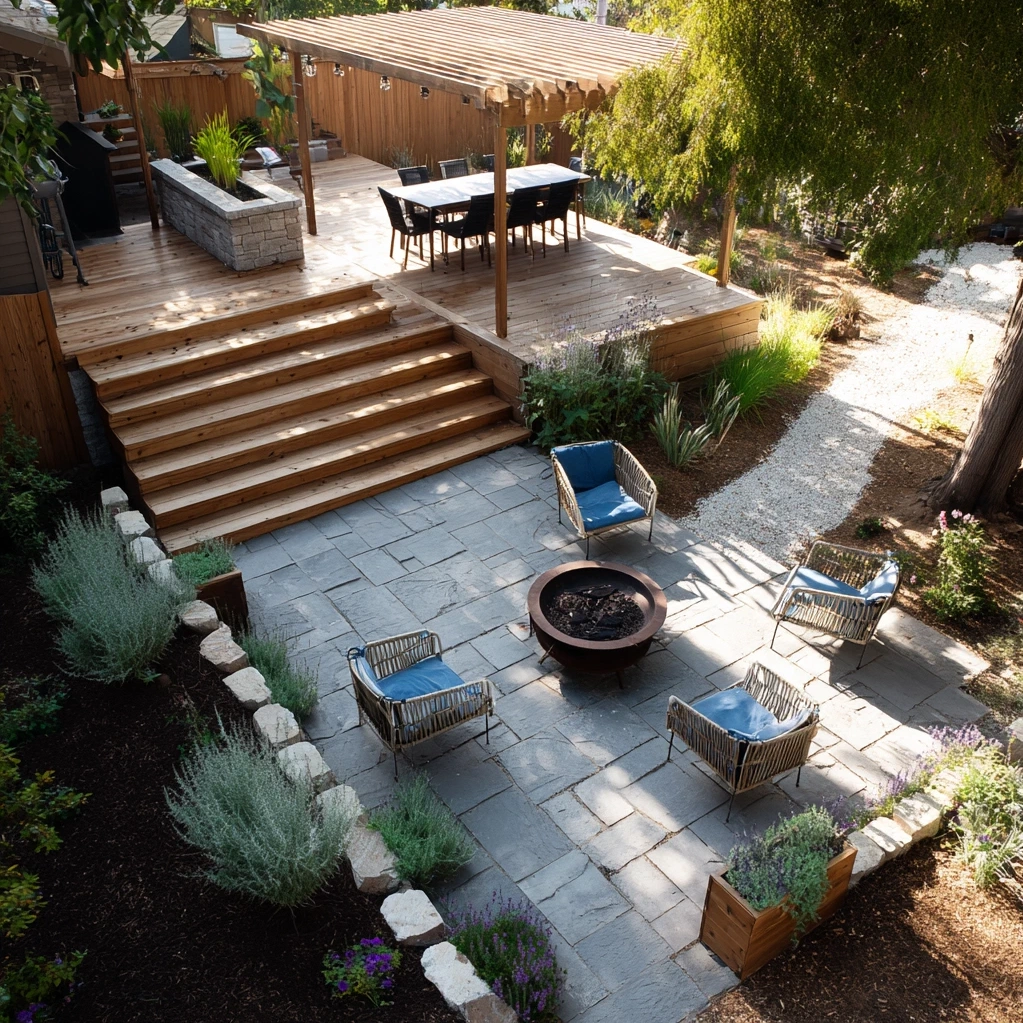
Sustainable landscape design ideas focus on creating beautiful outdoor spaces that work in harmony with the environment. These approaches conserve resources, support local ecosystems, and reduce maintenance over time. Begin by choosing native plants adapted to your region's climate and soil conditions. Native species typically require less water, fewer fertilizers, and minimal pesticides, making them both eco-friendly and cost-effective. Incorporate drought-tolerant plants like succulents, lavender, or ornamental grasses to reduce irrigation needs. Consider installing a rainwater harvesting system to collect water for your garden. Permeable paving materials allow rainwater to seep into the ground, reducing runoff and replenishing groundwater. Create habitat zones by including bird feeders, bee hotels, or butterfly gardens—these elements support pollinators and add dynamic life to your space. Composting kitchen scraps and yard waste provides nutrient-rich soil amendments without chemical fertilizers. Group plants with similar water and sunlight needs together to optimize irrigation efficiency. Use organic mulches like wood chips or straw to retain moisture, suppress weeds, and improve soil health. Solar-powered lighting eliminates the need for electrical wiring while providing ambient illumination. These sustainable landscape design ideas not only benefit the planet but also create resilient gardens that thrive with minimal intervention. By working with nature rather than against it, you'll enjoy a vibrant outdoor space that feels both intentional and effortless.
Low-Maintenance Landscape Design Ideas for Busy Homeowners
For busy homeowners, landscape design ideas should prioritize beauty without demanding constant attention. Low-maintenance designs focus on strategic plant selection, efficient layouts, and durable materials that withstand the elements with minimal upkeep. Start by reducing lawn areas, which typically require frequent mowing, watering, and fertilizing. Replace grass with ground covers like creeping thyme or moss, or create decorative gravel or mulch beds interspersed with hardy perennials. Choose plants known for their resilience—ornamental grasses, sedums, and certain shrubs like boxwood or juniper offer structure with little care. Incorporate hardscape elements such as patios, pathways, or decking that provide functional spaces without living maintenance. Use drip irrigation systems on timers to deliver water directly to plant roots, minimizing waste and effort. Select materials that age gracefully; natural stone, composite decking, and powder-coated metals require less maintenance than wood or painted surfaces. Design with clear edges between planting beds and pathways to make trimming and cleanup easier. Limit annual plantings that need seasonal replacement, favoring perennials that return year after year. Consider artificial turf for areas where you want the look of grass without the maintenance. These landscape design ideas create inviting outdoor spaces that enhance your home's appeal while respecting your time constraints. A well-planned low-maintenance garden allows you to enjoy your outdoor sanctuary rather than constantly working in it.
Seasonal Landscape Design Ideas for Year-Round Visual Interest
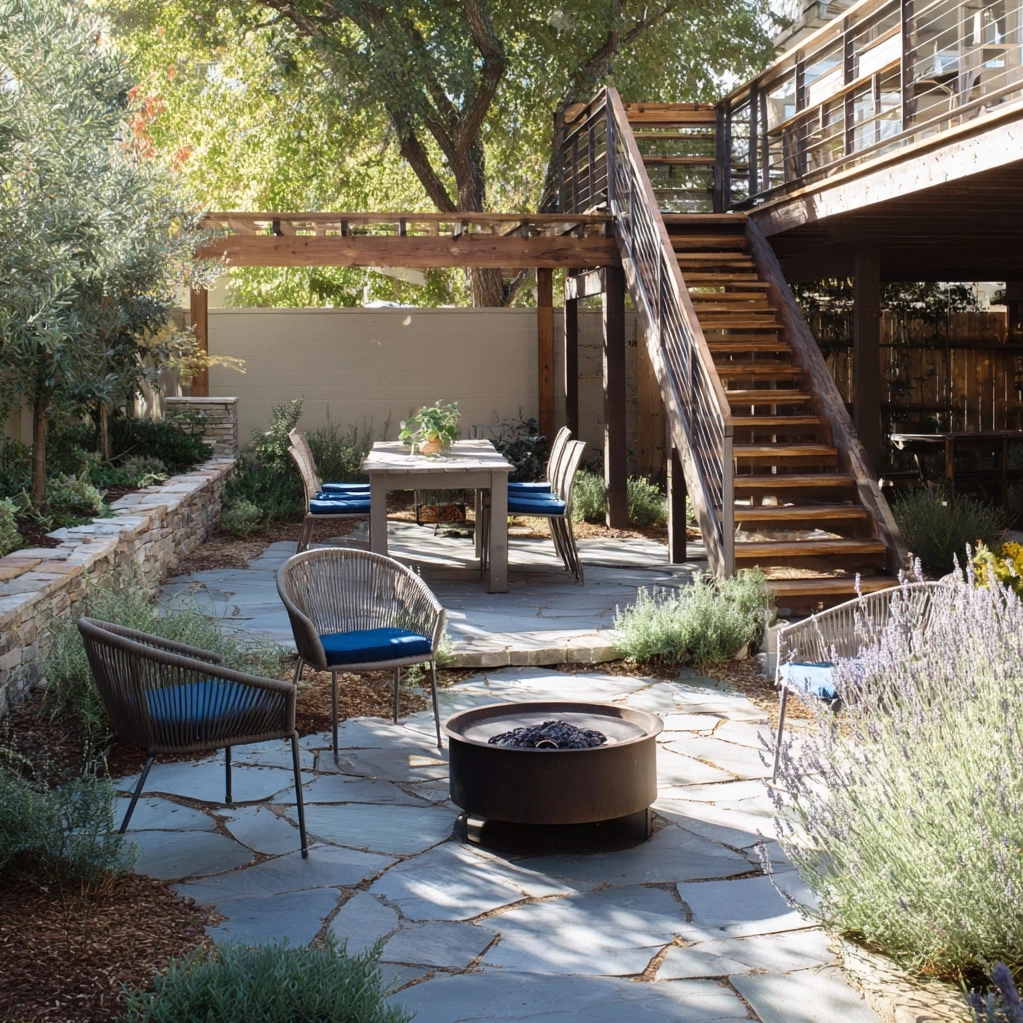
Creating a landscape that offers visual interest throughout the year requires thoughtful planning and seasonal landscape design ideas. The goal is to ensure your outdoor space remains engaging across all seasons, not just during peak bloom periods. Start by selecting plants with varied bloom times, ensuring something is always flowering from spring through fall. Incorporate evergreens like pine, spruce, or holly to provide structure and color during winter months. Choose trees and shrubs with interesting bark, such as birch or red twig dogwood, that stand out against snowy backgrounds. Add plants with winter berries to feed birds and add pops of color. Plan for fall interest with trees that offer brilliant foliage, like maples or oaks, and perennials with seed heads that provide texture. Spring bulbs like tulips and daffodils offer early color after winter's dormancy. Summer-blooming perennials and annuals keep the display vibrant during warmer months. Incorporate hardscape elements that look attractive year-round—stone walls, decorative fences, or water features add permanent structure. Use containers that can be refreshed seasonally with different plant combinations. Consider adding features like fire pits or heated seating areas to extend usability into cooler months. Lighting becomes especially important in winter, highlighting architectural plants and pathways. These seasonal landscape design ideas ensure your garden evolves beautifully through the year, offering new discoveries with each changing season. By planning for all four seasons, you create a dynamic outdoor space that never feels stagnant or neglected.
Conclusion
Landscape design ideas offer endless possibilities for transforming your outdoor spaces into functional, beautiful extensions of your home. Whether you're working with a small urban plot or a sprawling suburban yard, the principles of thoughtful planning, appropriate plant selection, and sustainable practices apply universally. We've explored how to maximize limited spaces, create eco-friendly gardens, design for low maintenance, and ensure year-round interest—all approaches that balance aesthetics with practicality. Remember that successful landscaping begins with understanding your specific site conditions, climate, and personal needs. Don't feel pressured to implement everything at once; even small changes can make significant impacts. Start with a focal point, like a new planting bed or seating area, and expand gradually as your budget and time allow. The most rewarding landscapes often evolve over several seasons, reflecting your growing experience and changing preferences. As you move forward, consider how your outdoor space can serve multiple purposes—entertaining guests, growing food, providing wildlife habitat, or simply offering a peaceful retreat. The future of landscaping continues to embrace sustainability, technology integration, and adaptable designs that respond to changing climates. By applying these landscape design ideas with creativity and care, you'll create an outdoor sanctuary that brings joy and value for years to come. Your dream garden awaits—begin with a vision, proceed with patience, and watch your landscape flourish.
Frequently Asked Questions
Q: What are the first steps in implementing landscape design ideas for a beginner?
Begin by assessing your space thoroughly. Measure your yard, note sunlight patterns throughout the day, identify soil type, and observe drainage issues. Create a rough sketch of existing features like trees, structures, and utilities. Next, define your goals: Do you need entertainment areas, play spaces, vegetable gardens, or quiet retreats? Research plants suited to your climate and soil. Start with simple projects like creating a focal point with a tree or building a small patio. Many beginners find success by tackling one area per season, allowing them to learn and adjust as they go.
Q: How can I incorporate landscape design ideas on a tight budget?
Budget-friendly landscape design ideas focus on phased approaches and smart resource use. Begin with inexpensive improvements like defining edges with mulch or gravel. Propagate plants from cuttings or divisions from friends' gardens. Shop end-of-season sales for perennials and trees. Use reclaimed materials for paths or borders—broken concrete, bricks, or stones can create charming hardscape features. Concentrate on high-impact areas visible from your home's main windows. DIY projects like building raised beds or installing drip irrigation can save significant costs. Remember that healthy soil is foundational; invest in compost and organic amendments rather than expensive plants that might struggle in poor conditions.
Q: What are common mistakes to avoid when implementing landscape design ideas?
Common mistakes include neglecting proper planning, choosing plants unsuitable for your climate, ignoring mature sizes of plants, and forgetting about maintenance requirements. Avoid planting trees too close to structures or utilities where roots may cause damage. Don't create designs that require excessive watering in drought-prone areas. Resist the temptation to overcrowd plants; they need space to grow to their full potential. Another frequent error is failing to consider year-round interest, resulting in gardens that look vibrant only during certain seasons. Always check local regulations regarding fence heights, tree removal, or water features before beginning projects to avoid costly corrections later.
