
Large Deck Furniture Layout Ideas: 4 Essential Strategies for Perfect Outdoor Living


Transforming a large deck into a functional, inviting outdoor living space requires thoughtful furniture arrangement that goes beyond simply filling the area with pieces. A well-planned large deck furniture layout can dramatically enhance how you use your outdoor space, creating distinct zones for dining, lounging, and entertaining while ensuring smooth traffic flow and visual harmony. Many homeowners with spacious decks struggle with making the area feel cohesive rather than scattered or empty. This challenge becomes more pronounced when trying to balance different activities—from intimate family dinners to larger social gatherings—without the space feeling cluttered or disjointed. The right layout transforms your deck from a simple extension of your home into a true outdoor sanctuary that maximizes enjoyment throughout the seasons. Proper arrangement considers furniture scale, material durability, and the relationship between different functional areas. By implementing strategic large deck furniture layout ideas, you can create an outdoor environment that feels intentionally designed rather than accidentally assembled. This approach not only improves aesthetics but also enhances practicality, making your deck more usable for various occasions. Whether you’re starting with a blank slate or looking to refresh an existing setup, understanding layout principles will help you create a space that truly reflects your lifestyle and maximizes your investment in outdoor living.
Zone-Based Layout Strategies for Large Deck Furniture Arrangement
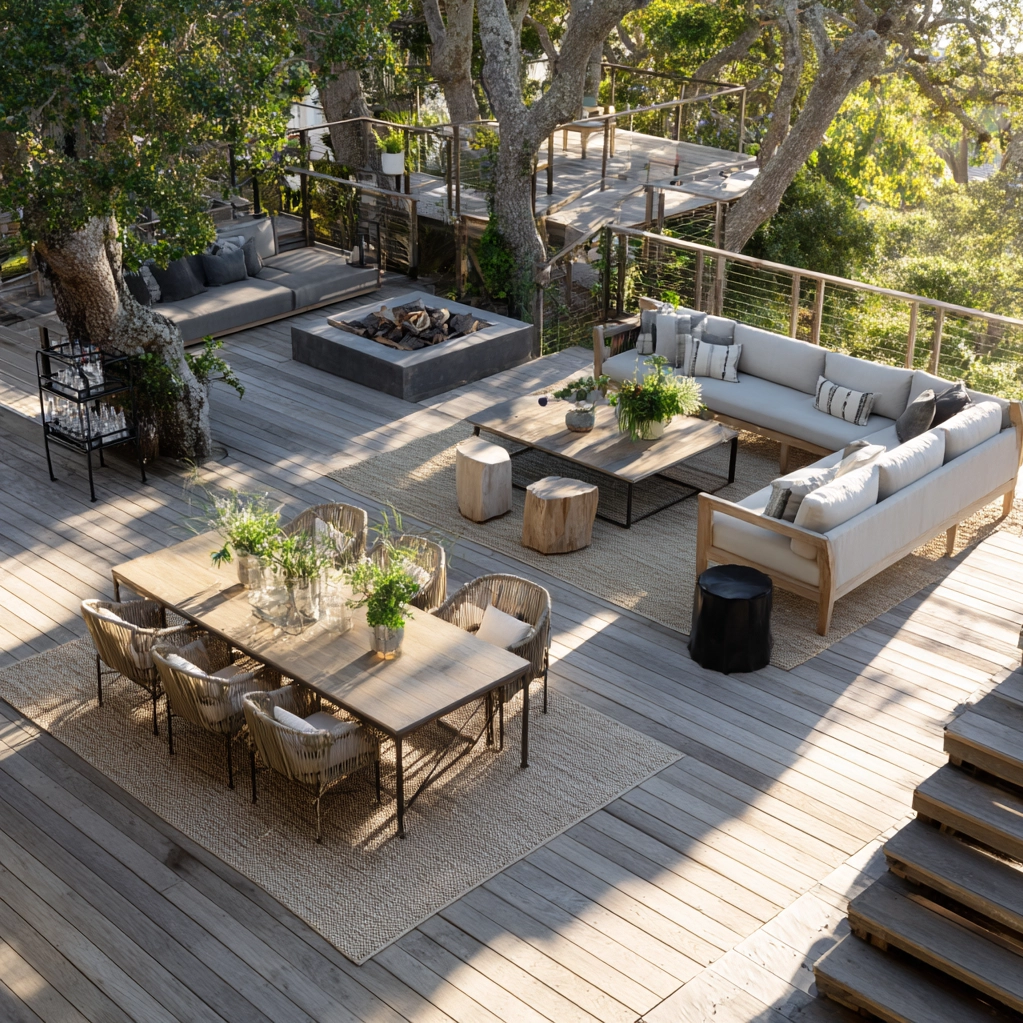
Creating distinct functional zones is one of the most effective large deck furniture layout ideas for maximizing usability in spacious outdoor areas. Instead of treating your deck as one homogeneous space, divide it into purposeful areas that serve different activities. Consider establishing three to four primary zones: a dining area for meals, a lounging section for relaxation, a conversation space for socializing, and possibly a cooking or bar area if you entertain frequently. Each zone should have clear boundaries defined by furniture placement, area rugs, or subtle changes in decking patterns. For dining zones, position tables and chairs away from high-traffic paths and consider proximity to indoor kitchens or outdoor cooking stations. Lounging areas work well with comfortable seating arrangements oriented toward views or focal points like fire pits or water features. When planning your zones, maintain visual connections between areas to preserve a sense of unity. Use complementary furniture styles and consistent materials to tie the spaces together while allowing each zone to have its own character. Leave adequate walkways—at least 3 feet wide—between zones to ensure comfortable movement. Consider the sun's path throughout the day when positioning different zones; place dining areas where they'll receive morning light for breakfast and lounging areas where they'll have afternoon shade. This strategic approach to large deck furniture layout creates a multifunctional space that accommodates various activities without feeling cluttered or confusing.
Furniture Selection and Scaling for Large Deck Layouts
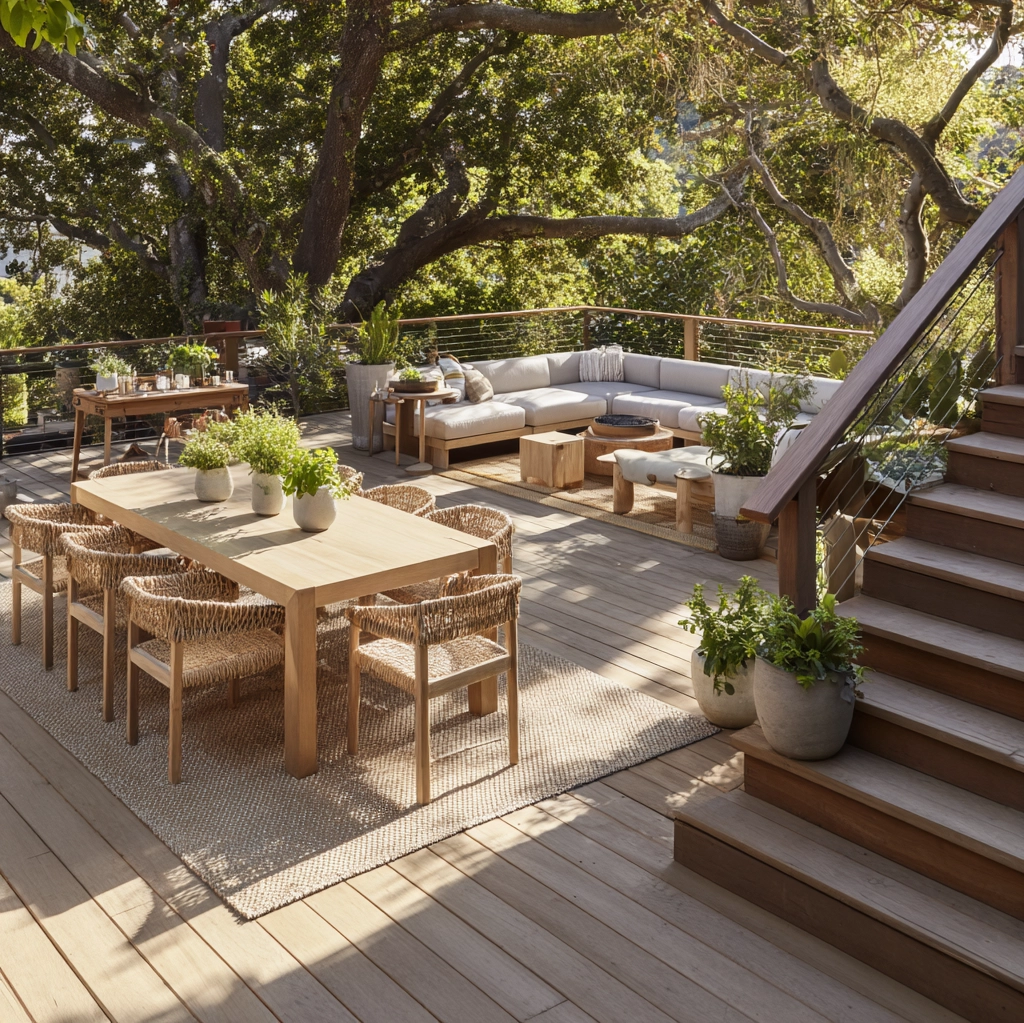
Choosing appropriately scaled furniture is crucial when implementing large deck furniture layout ideas. Oversized decks require furniture that can hold its own in the space without appearing lost or insignificant. Look for substantial pieces with visual weight—sectional sofas with deep cushions, dining tables that seat eight or more, or statement pieces like daybeds or oversized armchairs. Modular furniture offers particular advantages for large decks, as you can rearrange components to suit different occasions and zone configurations. When selecting materials, prioritize durability for outdoor conditions while considering how textures and colors will work with your deck's surface and surrounding landscape. Darker furniture tends to recede visually, while lighter pieces stand out more prominently—use this to your advantage when creating focal points. Don't forget vertical elements: tall planters, trellises, or outdoor screens can help define spaces and add visual interest at different heights. For dining areas, ensure tables are proportional to the space—a table that's too small will look awkward, while one that's too large can impede movement. Consider round tables for better traffic flow in corners or transitional areas. In lounging zones, create intimate conversation groupings with furniture arranged in U-shapes or L-configurations rather than lining pieces against walls. Leave adequate space between furniture groupings—about 18-24 inches—to maintain comfortable access while preserving the sense of separate zones. Remember that cushions and textiles add color and softness while helping to define different areas within your large deck furniture layout.
Traffic Flow and Accessibility in Large Deck Furniture Arrangements
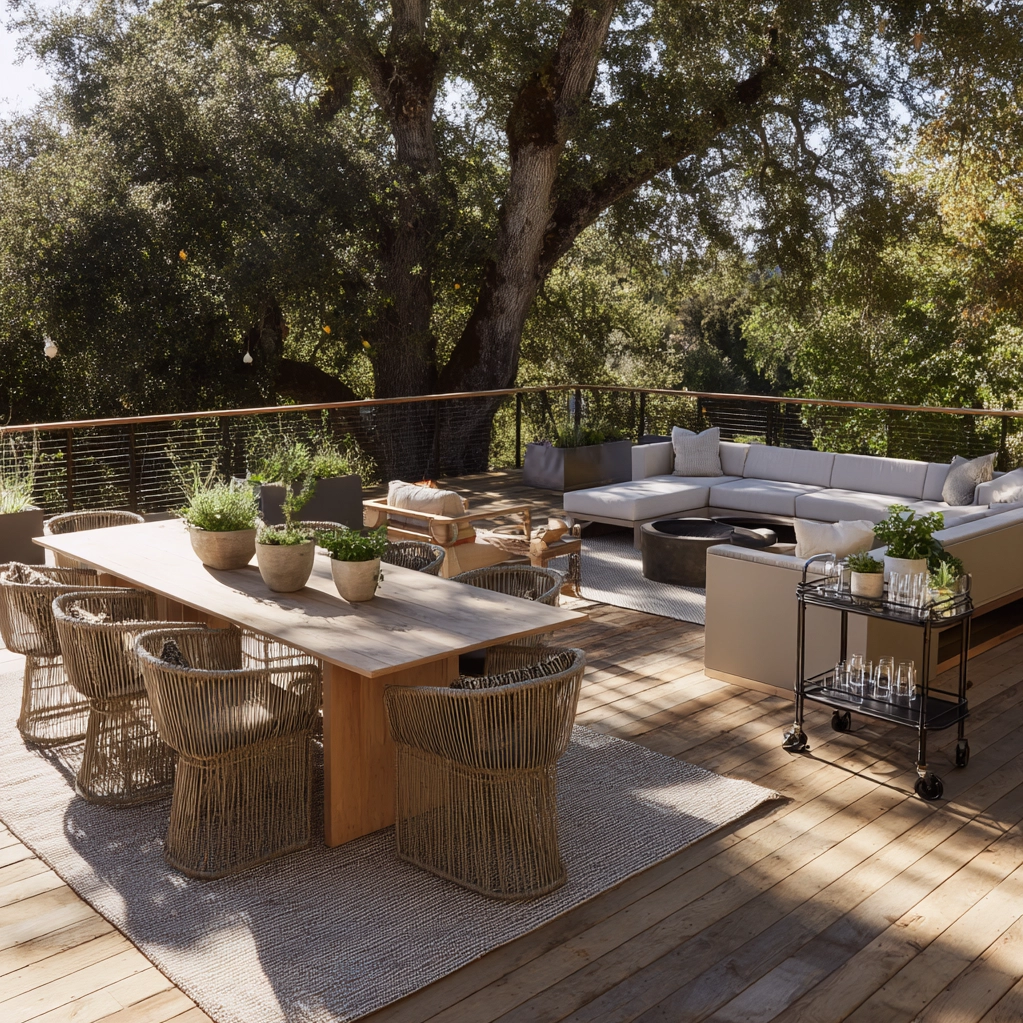
Maintaining smooth traffic flow is essential when executing large deck furniture layout ideas, as poor circulation can make even the most beautiful deck feel frustrating to use. Start by identifying primary pathways—typically from indoor access points to key outdoor features like grills, stairs, or views. These main routes should remain clear of furniture obstacles, with at least 4 feet of unobstructed width for comfortable passage. Secondary pathways between different functional zones should measure 3 feet minimum. Consider how people will naturally move through the space during gatherings; furniture arrangements should facilitate rather than hinder this movement. Create natural stopping points along pathways with small side tables or benches where people can pause without blocking traffic. Pay special attention to areas around doors and stairs, keeping these transition zones completely clear of furniture to prevent accidents and ensure easy access. When arranging seating areas, position furniture so people can enter and exit conversations without disturbing others—avoid arrangements where someone must climb over furniture to join or leave a group. For decks with multiple levels, ensure furniture placement doesn't obscure sightlines to steps or changes in elevation. If your large deck furniture layout includes a dining area near a cooking station, create a dedicated serving path that doesn't intersect with primary traffic routes. Regularly test your layout by walking through imagined scenarios—carrying food from kitchen to table, moving between conversation groups, or accessing storage areas. This practical approach ensures your large deck remains both beautiful and functional for everyday use and entertaining.
Seasonal Flexibility and Storage Considerations for Large Deck Layouts
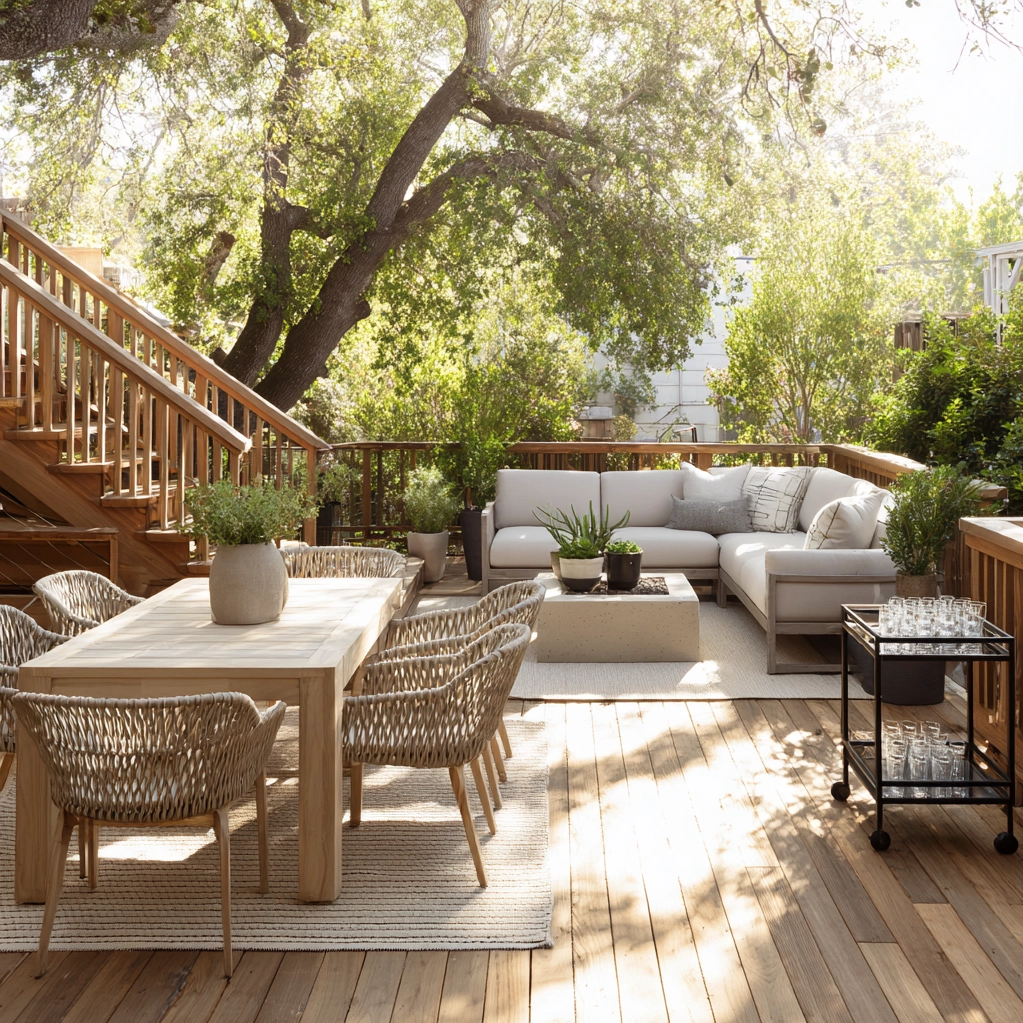
Designing for seasonal changes is a smart aspect of large deck furniture layout ideas that extends usability throughout the year. Your layout should accommodate different configurations for various seasons and weather conditions. In warmer months, you might want furniture arranged to catch breezes and maximize shade, while cooler seasons might call for groupings around heat sources like fire pits or outdoor heaters. Consider furniture with removable cushions that can be stored during rainy seasons or winter months, and plan your layout with storage access in mind. Built-in benches with lift-up seats offer hidden storage for cushions and accessories, keeping your deck tidy while maintaining seating options. For areas with harsh winters, design your large deck furniture layout to accommodate easy furniture movement—either to protected storage or consolidated groupings that can be covered with weatherproof tarps. Lightweight yet durable materials like aluminum or treated wicker make seasonal rearrangements more manageable. Create multipurpose zones that can serve different functions as seasons change: a dining area might transform into a game space with movable tables, while a lounging zone could accommodate additional seating for holiday gatherings. Consider incorporating flexible elements like rolling bar carts or lightweight side tables that can be repositioned as needed. When planning your large deck furniture layout, leave clear access to storage areas, whether that's an outdoor shed, garage, or dedicated deck boxes. This foresight ensures you can protect your investment during off-seasons while maintaining a clean, organized appearance. By building flexibility into your initial layout plan, you create a deck that adapts to your changing needs throughout the year.
Conclusion
Creating an effective large deck furniture layout transforms your outdoor space from merely functional to truly exceptional. By implementing zone-based strategies, selecting appropriately scaled furniture, maintaining smooth traffic flow, and building in seasonal flexibility, you can design a deck that maximizes both beauty and usability. Remember that the best layouts balance aesthetic appeal with practical considerations—creating visual harmony while ensuring comfortable movement and access. Your large deck should feel like a natural extension of your indoor living spaces, with furniture arrangements that invite relaxation, conversation, and enjoyment of the outdoors. As you refine your layout, consider how different arrangements might serve various occasions, from quiet morning coffees to lively evening gatherings. Don't be afraid to experiment with temporary configurations before committing to permanent placements. The most successful large deck furniture layouts evolve over time as you discover how you actually use the space. Look for opportunities to incorporate vertical elements, lighting, and natural features that enhance your chosen arrangement. Ultimately, thoughtful planning pays dividends in increased enjoyment and functionality. Whether you're starting fresh or optimizing an existing setup, these strategies will help you create an outdoor living area that feels intentional, inviting, and perfectly suited to your lifestyle. Your deck can become your favorite room—one without walls but filled with possibilities.
Frequently Asked Questions
Q: How much space should I leave between furniture pieces on a large deck?
Adequate spacing is crucial for both comfort and traffic flow. For main walking paths, leave at least 4 feet of clear space. Between different furniture groupings or zones, maintain 3 feet minimum. Within seating areas, allow 18-24 inches between chairs and sofas for comfortable movement. Around dining tables, ensure 3 feet of clearance on all sides when chairs are pulled out. These measurements prevent a cluttered feeling while ensuring easy access throughout your large deck furniture layout.
Q: What furniture materials work best for large outdoor decks?
Durable, weather-resistant materials are essential for large decks. Teak and other dense hardwoods offer natural weather resistance and substantial visual presence. Powder-coated aluminum provides lightweight durability with minimal maintenance. Synthetic wickers and rattans withstand sun and moisture while offering comfortable textures. For cushions, look for quick-dry foam and solution-dyed acrylic fabrics that resist fading. Consider furniture weight too—heavier pieces stay secure in windy conditions, while lighter modular options offer layout flexibility. Always choose materials suited to your climate and maintenance preferences.
Q: How can I make my large deck feel cozy rather than empty?
Create intimacy through strategic furniture placement and layered elements. Use area rugs to define zones and add warmth underfoot. Incorporate vertical elements like tall planters, trellises, or outdoor curtains to break up vast horizontal spaces. Arrange furniture in conversational groupings rather than spreading pieces evenly. Add lighting at multiple levels—overhead string lights, table lamps, and pathway lighting—to create inviting ambiance after dark. Use cushions, throws, and outdoor pillows to add color and texture. Consider partial screening with lattice or plants to create sheltered nooks within your larger space.

