LED Lighting Ideas: Transform Your Space with Stunning Smart Solutions

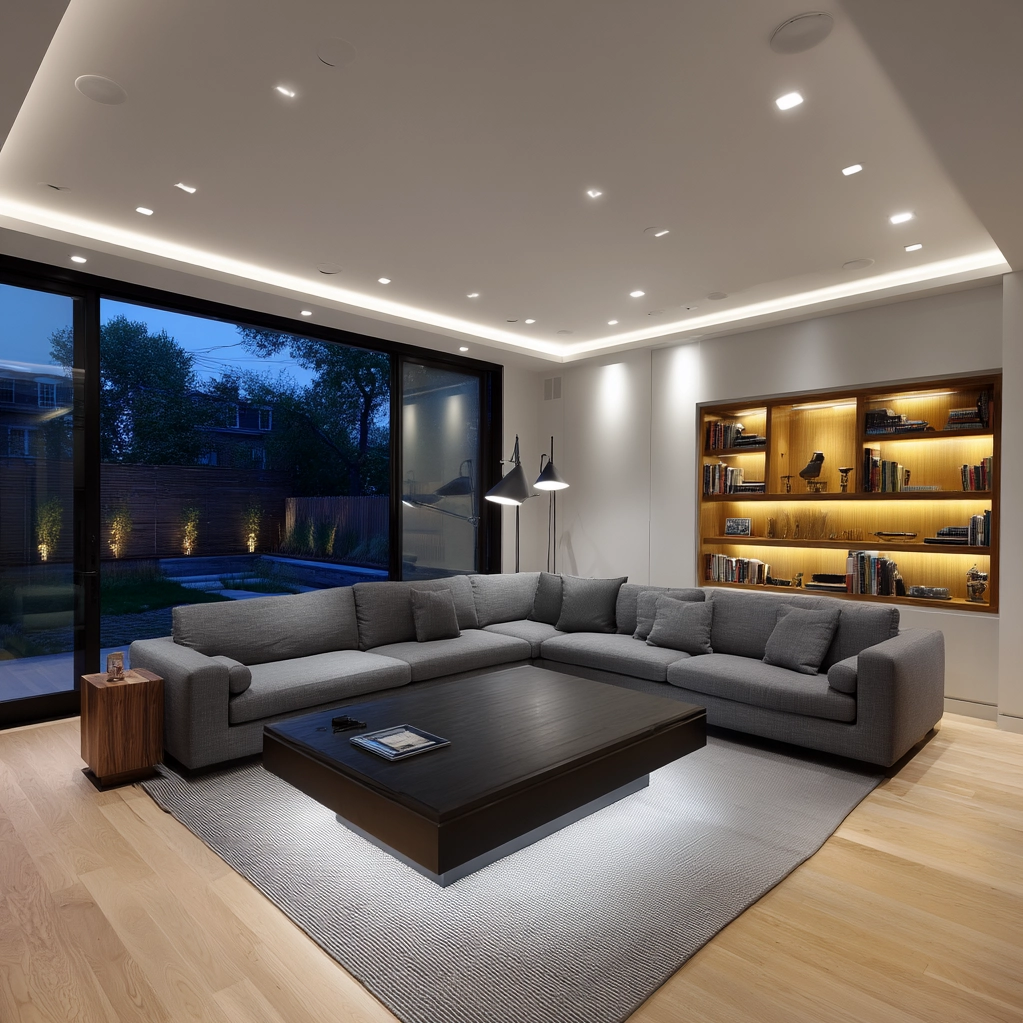
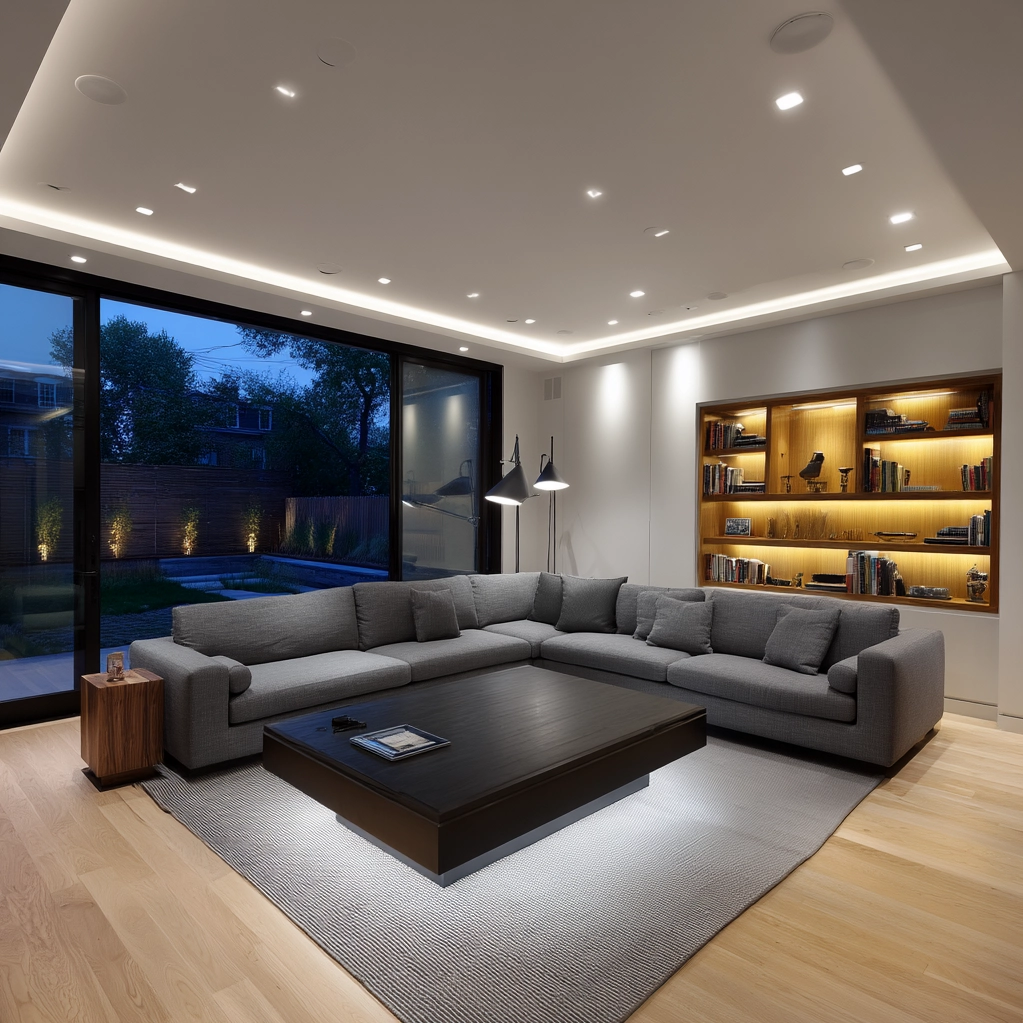
In the ever-evolving world of home design, lighting has emerged as one of the most powerful tools for creating ambiance, enhancing functionality, and expressing personal style. While traditional lighting options have served us well for decades, LED technology has revolutionized how we illuminate our spaces, offering unprecedented versatility, energy efficiency, and creative potential. LED lighting ideas aren’t just about replacing old bulbs—they’re about reimagining what’s possible in your home. From subtle accent lighting that highlights architectural features to bold statement pieces that become focal points themselves, LED solutions provide endless opportunities to transform ordinary rooms into extraordinary environments. The importance of thoughtful lighting design cannot be overstated; it affects everything from our mood and productivity to how we perceive colors and textures in our surroundings. As energy costs continue to rise and environmental concerns grow, LED technology offers both practical and aesthetic benefits that make it an essential consideration for any home improvement project. Whether you’re planning a complete renovation or simply looking to refresh a single room, understanding the potential of LED lighting is the first step toward creating spaces that truly reflect your vision and enhance your daily life. The journey toward better lighting begins with exploring the diverse range of LED lighting ideas available today and understanding how to implement them effectively in your unique space.
Innovative LED Lighting Ideas for Modern Interiors
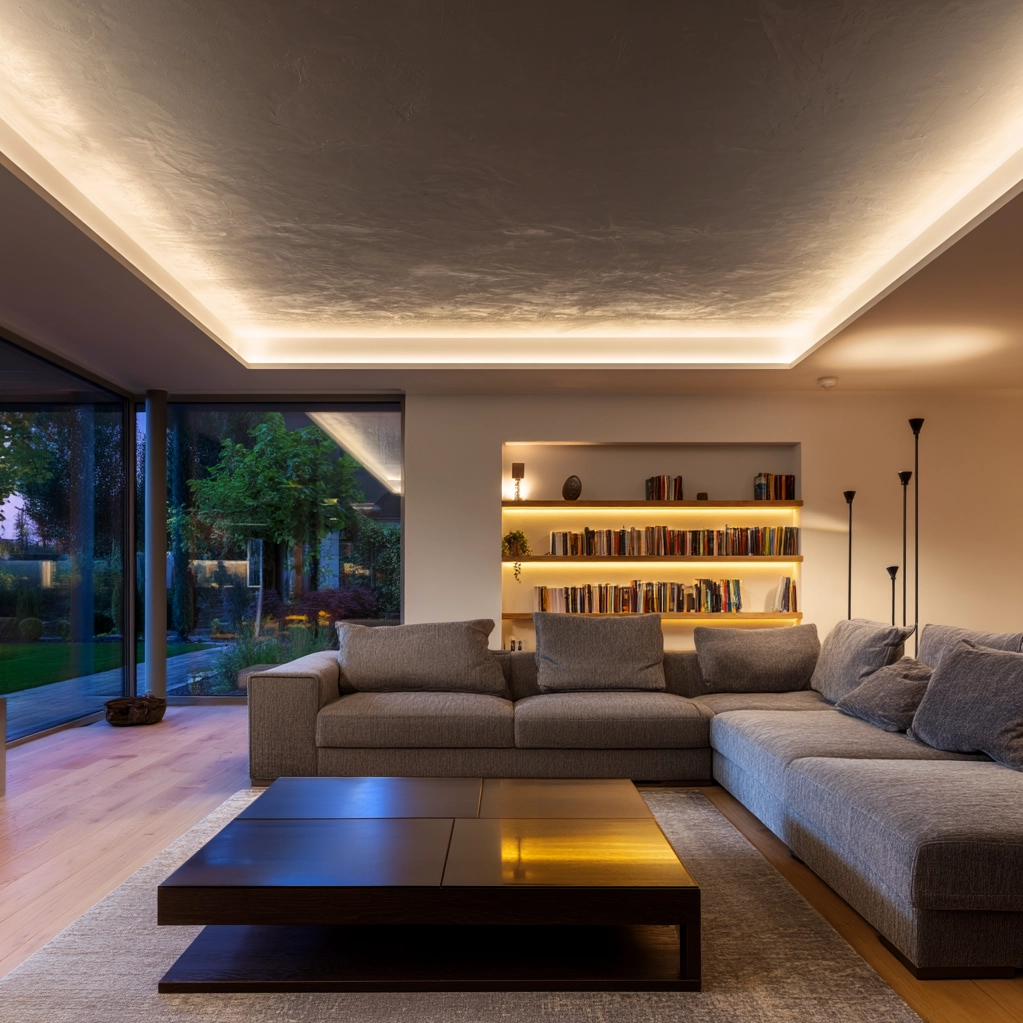
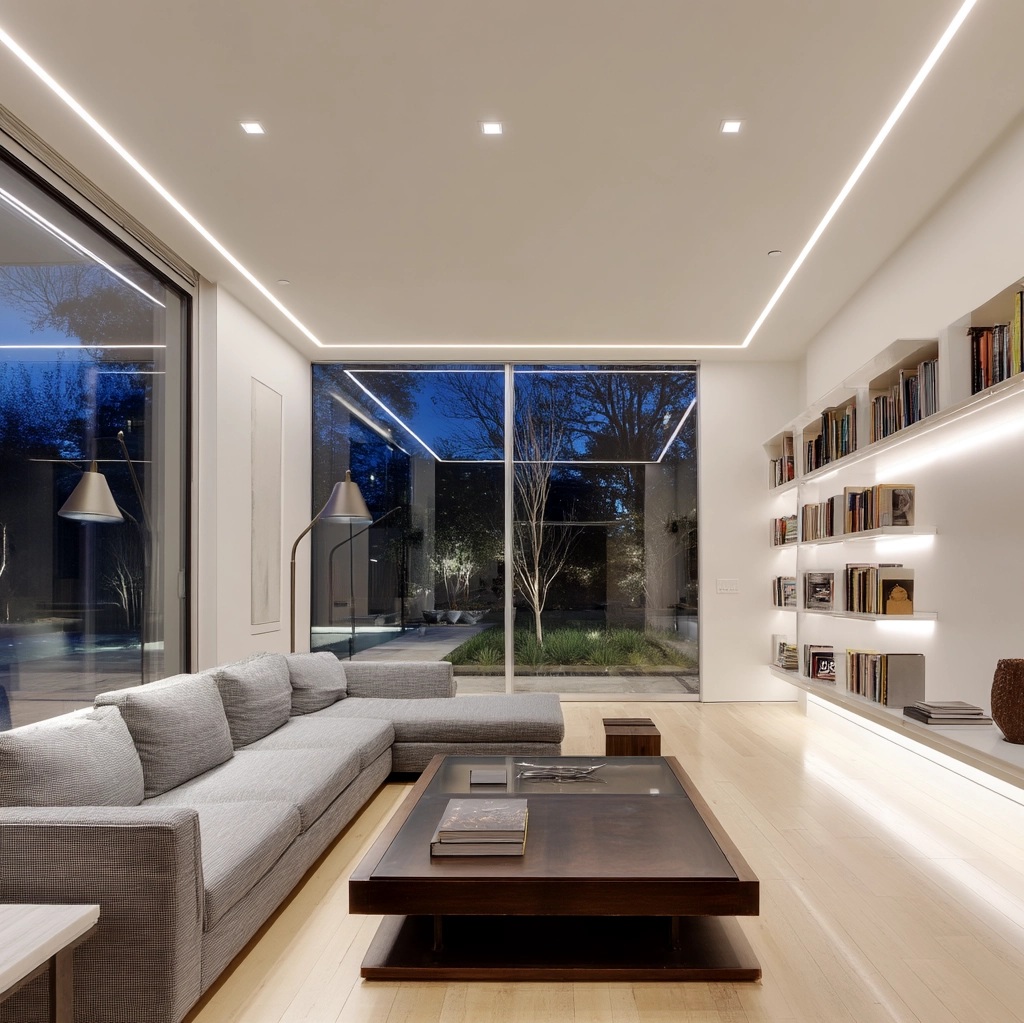
When it comes to transforming modern interiors, LED lighting ideas offer unparalleled creative freedom. One of the most popular approaches involves using LED strip lighting to create custom illumination that follows the contours of your space. These flexible strips can be installed under cabinets to provide task lighting in kitchens, along stair treads for safety and visual appeal, or behind televisions and media consoles to reduce eye strain and create a cinematic atmosphere. Another innovative approach involves using LED panel lights to replace traditional ceiling fixtures, offering uniform, shadow-free illumination that's perfect for home offices and reading nooks. For those seeking dramatic effects, consider installing LED track lighting systems that allow you to direct light precisely where it's needed, whether highlighting artwork, illuminating work surfaces, or creating layered lighting schemes that can be adjusted throughout the day. Smart LED systems take these possibilities even further, enabling you to control color temperature, brightness, and even color hues from your smartphone or through voice commands. This technology allows you to create preset scenes for different activities—think warm, dim lighting for movie nights or bright, cool light for morning productivity. Don't overlook the potential of LED lighting ideas in unexpected places; consider installing waterproof LED strips in bathroom niches, using LED puck lights inside closets and pantries, or incorporating LED rope lights along bookshelves to showcase your collection. The key to successful implementation is planning your layout carefully, considering both functional needs and aesthetic goals. Remember that LED lighting ideas work best when they're integrated into your overall design scheme rather than added as an afterthought. For more inspiration on integrating lighting with your decor, check out this comprehensive guide from Architectural Digest that explores how top designers use lighting to transform spaces.
Energy-Efficient LED Lighting Ideas for Every Budget
One of the most compelling aspects of LED technology is its accessibility—there are LED lighting ideas to suit every budget while delivering significant energy savings. For those starting small, simple LED bulb replacements offer immediate benefits; swapping out traditional incandescent bulbs with LED equivalents can reduce energy consumption by up to 80% while providing the same or better light quality. These bulbs come in various color temperatures, from warm white (2700K-3000K) that creates cozy atmospheres to daylight white (5000K-6500K) that's ideal for task-oriented spaces. Moving beyond basic replacements, consider investing in LED fixtures designed specifically for energy efficiency, such as recessed downlights with integrated LED technology or LED pendant lights that combine style with sustainability. For mid-range budgets, smart LED systems provide excellent value by allowing you to automate lighting schedules, adjust brightness remotely, and monitor energy usage through accompanying apps. These systems often pay for themselves through reduced electricity bills while offering convenience features that enhance daily living. Higher-budget LED lighting ideas might include custom installations like LED cove lighting that runs along ceiling perimeters, creating indirect illumination that makes rooms feel larger and more inviting. Another premium option involves tunable white LED systems that mimic natural daylight patterns, gradually shifting from cool to warm tones throughout the day to support circadian rhythms. Regardless of your budget, it's important to consider not just the initial cost but the long-term savings; LED lights typically last 25 times longer than traditional bulbs, meaning fewer replacements and maintenance over time. When planning your LED lighting ideas, calculate both the upfront investment and the projected energy savings to make informed decisions that align with your financial goals. For budget-friendly inspiration, explore our collection of affordable LED solutions at https://uk.chicaurahome.com/lighting-fixtures that combine quality with value.

Creative LED Lighting Ideas for Outdoor Spaces
Extending your living space outdoors requires thoughtful illumination, and LED lighting ideas offer perfect solutions for creating inviting, functional exterior environments. Start with practical considerations like safety and navigation; LED path lights along walkways and driveways provide clear guidance while adding visual interest to your landscape. These come in various styles, from minimalist stake lights to decorative lantern-style fixtures that complement your home's architecture. For entertaining areas, consider stringing LED fairy lights across patio ceilings or wrapping them around trees and pergolas to create magical evening atmospheres. LED spotlights and floodlights are excellent for highlighting architectural features, mature trees, or garden sculptures, adding depth and dimension to your outdoor space after dark. Waterproof LED strip lighting can transform pools, fountains, and ponds into shimmering focal points, while submersible LED lights add drama to water features. Don't forget functional areas like outdoor kitchens and dining spaces; under-counter LED lighting makes food preparation safer and more enjoyable, while dimmable overhead LED fixtures allow you to adjust ambiance as the evening progresses. For those with limited outdoor space, vertical LED lighting ideas can work wonders; install wall-mounted LED sconces that provide both illumination and decorative appeal, or use LED uplights to wash walls with soft, inviting light. Smart outdoor LED systems offer additional benefits, allowing you to control lighting from indoors, set schedules based on sunset times, and even integrate with security systems. When planning your outdoor LED lighting ideas, consider both the visual impact and practical requirements like weather resistance, IP ratings for water and dust protection, and proper installation to ensure longevity. Layering different types of LED lighting—ambient, task, and accent—creates the most compelling results, transforming ordinary yards into extraordinary outdoor living spaces that can be enjoyed well into the night.
Conclusion
As we've explored throughout this article, LED lighting ideas represent far more than just technological advancement—they're a fundamental shift in how we approach home illumination and design. From energy-efficient solutions that reduce environmental impact to creative applications that transform ordinary spaces into personalized sanctuaries, LED technology offers something for every homeowner, designer, and DIY enthusiast. The key takeaway is that successful lighting design requires thoughtful consideration of both function and aesthetics; it's about creating layers of light that serve practical needs while enhancing the emotional experience of your space. As LED technology continues to evolve, we can expect even more innovative possibilities, from improved color rendering that makes artworks and fabrics appear more vibrant to increasingly intuitive smart systems that anticipate our needs. Looking ahead, the integration of LED lighting with other smart home technologies will likely become more seamless, allowing for holistic environments that adjust lighting, temperature, and even sound based on our preferences and routines. For those ready to embark on their lighting journey, the best approach is to start with a single room or area, experiment with different LED lighting ideas, and gradually expand your vision as you become more comfortable with the technology and its potential. Remember that lighting is never static—it should evolve with your needs, preferences, and the changing seasons. By embracing LED solutions today, you're not just upgrading your home's illumination; you're investing in a more sustainable, adaptable, and beautiful living environment for years to come. The future of home lighting is bright, efficient, and incredibly creative—and it's waiting for you to explore.
Frequently Asked Questions
Q: What are the main advantages of LED lighting compared to traditional options?
LED lighting offers several significant advantages over traditional lighting options. First and foremost, LEDs are dramatically more energy-efficient, using up to 80% less electricity than incandescent bulbs and lasting 25 times longer, which translates to substantial savings on utility bills and replacement costs. They also produce very little heat, making them safer and reducing cooling costs in warm climates. From a design perspective, LEDs offer superior versatility with options for dimming, color temperature adjustment, and even full RGB color changing in some models. They provide instant full brightness without warm-up time and are available in a wide range of shapes and sizes to fit virtually any fixture. Environmentally, LEDs contain no mercury or other hazardous materials and their long lifespan means less waste in landfills. For creative applications, their small size and low voltage requirements allow for innovative installations that would be impossible with traditional lighting technologies.
Q: How do I choose the right color temperature for different rooms?
Selecting the appropriate color temperature is crucial for creating the desired atmosphere in each room. Color temperature is measured in Kelvin (K), with lower numbers representing warmer, yellower light and higher numbers indicating cooler, bluer light. For living rooms, bedrooms, and dining areas where relaxation and comfort are priorities, opt for warm white LEDs in the 2700K-3000K range—this mimics the cozy glow of traditional incandescent bulbs. In kitchens, bathrooms, and home offices where task performance is important, choose cool white or daylight LEDs between 3500K-5000K, as these provide brighter, more alert-making illumination that improves visibility. For art studios, workshops, or areas where color accuracy matters, consider 5000K-6500K daylight LEDs that most closely resemble natural sunlight. Many smart LED systems now offer tunable white technology that allows you to adjust color temperature throughout the day, following natural circadian rhythms. When planning your LED lighting ideas, consider layering different color temperatures within the same space—for example, using warm ambient lighting with cooler task lighting—to create balanced, functional environments.
Q: Can I install LED lighting myself, or should I hire a professional?
The answer depends on the complexity of your LED lighting ideas and your comfort level with electrical work. Many basic LED installations are DIY-friendly, especially plug-and-play systems like LED strip lights with adhesive backing, standalone LED lamps, and simple bulb replacements. These typically require no special wiring and come with clear instructions. However, more complex installations—such as hardwired LED fixtures, recessed lighting, outdoor electrical work, or integrated smart systems—generally require professional installation by a licensed electrician. This ensures compliance with local building codes, proper wiring for safety, and optimal performance of your lighting system. Even if you're comfortable with basic electrical work, consider consulting a professional for any installation involving main power lines, outdoor environments, or whole-house systems. Many lighting suppliers offer installation services or can recommend qualified contractors. A good rule of thumb: if the installation requires modifying your home's electrical system or involves areas with moisture (like bathrooms or outdoors), professional installation is recommended. For simpler projects, numerous online tutorials and manufacturer resources can guide you through the process safely.