Modern Embroidery Ideas: Transformative Techniques for Stunning Home Decor


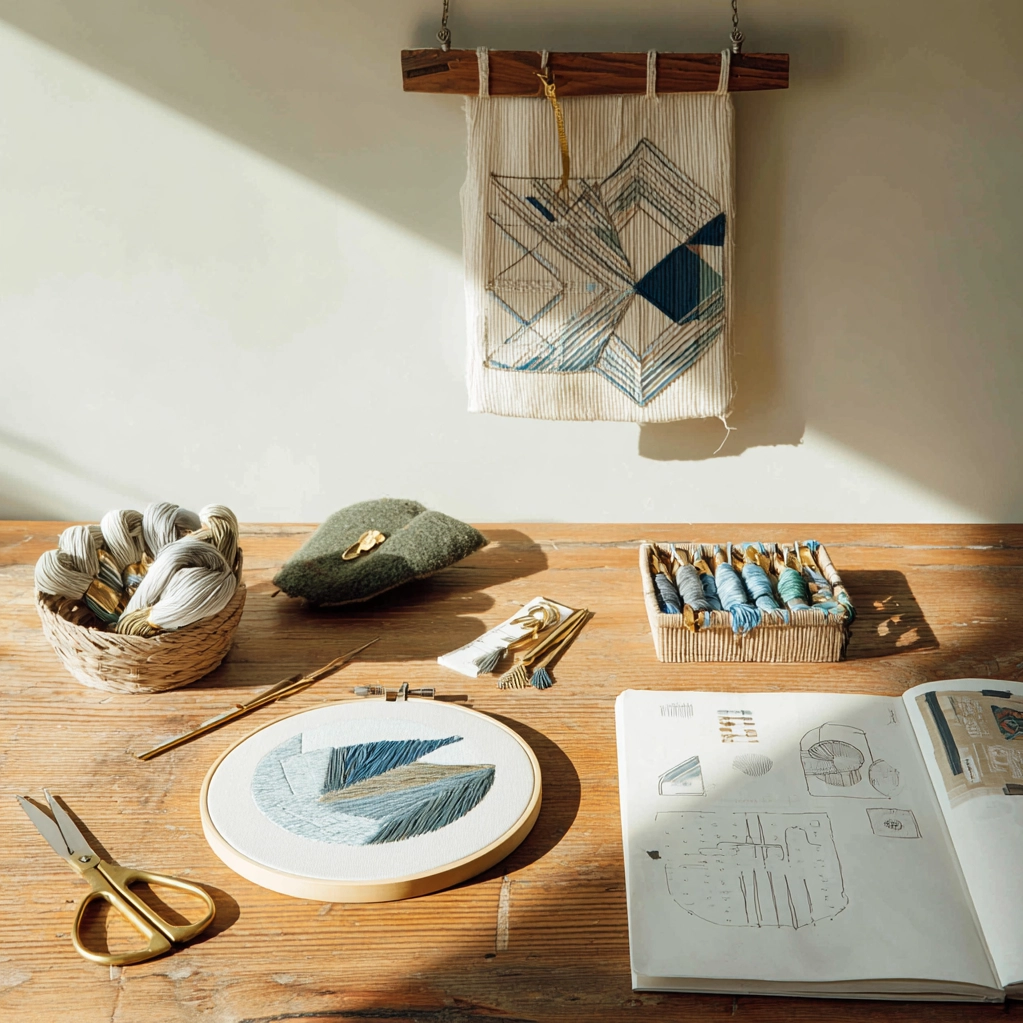
Embroidery has evolved far beyond traditional floral patterns and cross-stitched samplers. Today, modern embroidery ideas are revolutionizing home decor, offering fresh, creative ways to personalize living spaces with texture, color, and artistic expression. This ancient craft has been reborn through contemporary techniques that blend traditional skills with innovative designs, making it accessible to beginners and experienced stitchers alike. The importance of modern embroidery in home design cannot be overstated—it provides a unique opportunity to create one-of-a-kind pieces that reflect personal style while adding warmth and character to any room. Whether you’re looking to update your bedroom, living area, or even outdoor spaces, embroidery offers versatile solutions that combine craftsmanship with modern aesthetics. Unlike mass-produced decor items, embroidered pieces tell stories through every stitch, creating emotional connections with your surroundings. They can transform ordinary household items into extraordinary focal points, from pillows and wall hangings to table linens and curtains. Modern embroidery ideas encourage experimentation with materials, colors, and techniques, allowing you to break free from conventional patterns and explore your creativity. This resurgence of interest in handcrafted decor aligns perfectly with the growing desire for sustainable, meaningful home furnishings that stand the test of time. By embracing modern embroidery, you’re not just decorating your home—you’re curating a personal gallery of handmade art that evolves with your tastes and experiences. The tactile nature of embroidered textiles adds dimension and comfort to spaces, creating inviting environments that feel both stylish and authentic.
Contemporary Wall Art with Modern Embroidery Ideas
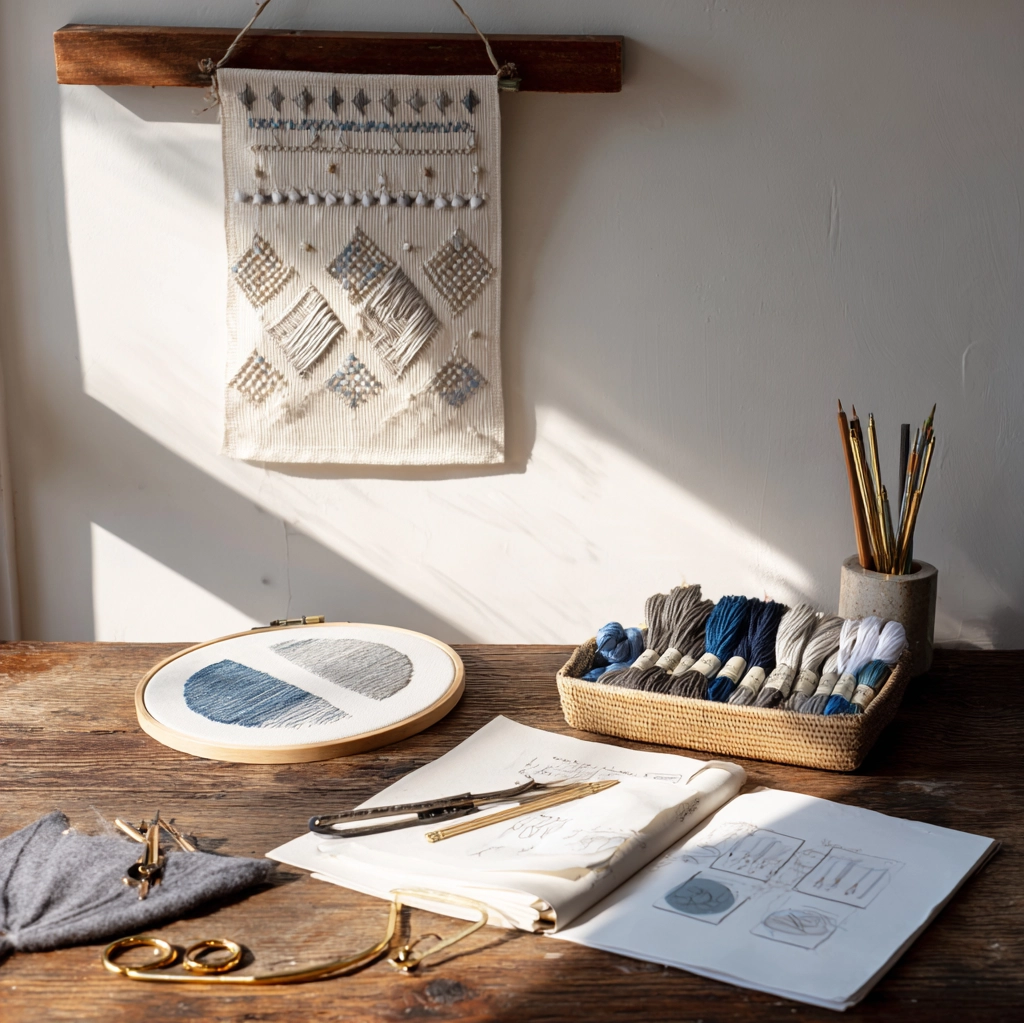
Modern embroidery ideas have transformed wall decor from predictable prints to dynamic textile art that adds texture and personality to any space. Contemporary embroidered wall hangings go beyond traditional hoops, incorporating mixed media, abstract designs, and three-dimensional elements that create visual interest. Artists are experimenting with unconventional materials like metallic threads, wool roving, and even recycled fabrics to craft pieces that range from minimalist geometric patterns to elaborate landscape scenes. These textile artworks serve as stunning focal points in living rooms, bedrooms, and hallways, bringing warmth and tactile appeal that canvas prints simply cannot match. The beauty of modern embroidery wall art lies in its versatility—you can create pieces that complement any decor style, from Scandinavian minimalism to eclectic bohemian. Many contemporary embroiderers are incorporating negative space and asymmetrical designs that feel fresh and current. Techniques like stumpwork (raised embroidery) add sculptural quality, while thread painting creates photorealistic effects that blur the line between embroidery and fine art. For those new to this approach, starting with simple abstract designs using a limited color palette can yield striking results. Modern embroidery ideas for wall art also include functional pieces like embroidered tapestries that double as room dividers or embroidered maps that add personal significance to decor. The process of creating wall art through embroidery becomes a meditative practice, resulting in pieces that carry both artistic value and emotional resonance. These handmade creations often become conversation starters, inviting guests to appreciate the craftsmanship and story behind each stitch. Whether you choose to display a single large piece or create a gallery wall of smaller embroidered artworks, this approach to wall decor offers endless possibilities for personal expression.
Functional Home Items Enhanced by Modern Embroidery Ideas
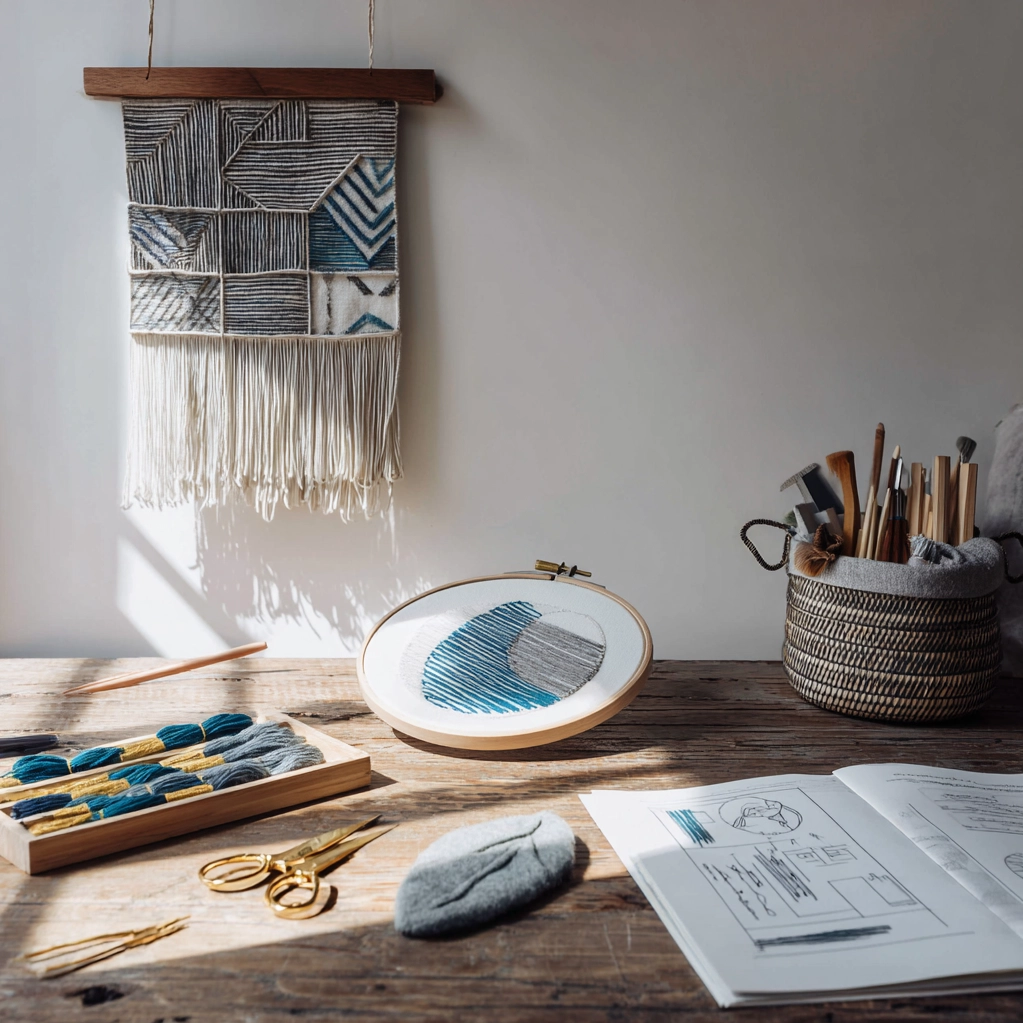
Modern embroidery ideas extend beautifully to functional home items, transforming everyday objects into personalized works of art. From pillow covers and table runners to lampshades and storage baskets, embroidery adds custom touches that elevate ordinary household items into special decor pieces. Contemporary embroiderers are reimagining traditional applications, creating cohesive collections that tie rooms together through consistent design elements and color stories. For example, a set of embroidered napkins and placemats can establish a distinctive tablescape, while embroidered cushion covers can refresh living room seating with minimal expense. Modern embroidery techniques allow for durable finishes that withstand regular use and washing, making these functional pieces both beautiful and practical. Many crafters are experimenting with combining embroidery with other textile arts like patchwork or appliqué to create multidimensional effects on items like throw blankets and curtain panels. The trend toward sustainable living has also inspired modern embroidery ideas that involve upcycling—adding embroidered details to existing items like denim jackets transformed into pillow covers or vintage linens revived with contemporary stitching. Functional embroidery projects often incorporate smart design choices, such as using thicker threads for items that will experience more wear or choosing colorfast materials for frequently laundered pieces. Beyond soft furnishings, modern embroidery ideas are appearing on unexpected surfaces like leather journal covers, wooden boxes with embroidered lids, and even lampshades with delicate threadwork that casts beautiful shadows when illuminated. These projects demonstrate how embroidery can integrate seamlessly into daily life, creating home environments where beauty and utility coexist harmoniously. The satisfaction of using handmade embroidered items daily adds a layer of personal connection to domestic routines, turning ordinary moments into opportunities to appreciate craftsmanship.
Innovative Techniques Defining Modern Embroidery Ideas
The evolution of modern embroidery ideas is driven by innovative techniques that push the boundaries of traditional needlework. Contemporary embroiderers are blending digital design with hand stitching, using software to create complex patterns that are then executed with precision. Techniques like thread sketching—using single strands to create detailed drawings with thread—allow for unprecedented realism and expression. Another groundbreaking approach is combining embroidery with other media, such as painting backgrounds with watercolors before adding stitched elements, or incorporating beads, sequins, and found objects into textile compositions. Modern embroidery ideas often feature experimental stitches that create unique textures, from dense French knots that mimic foliage to long, flowing stitches that suggest movement. The rise of embroidery on unconventional fabrics has opened new creative avenues, with artists stitching on everything from transparent organza to sturdy denim and even paper. Three-dimensional embroidery techniques, where stitches build up from the fabric surface, create sculptural effects that challenge perceptions of embroidery as a flat art form. Many contemporary artists are exploring the concept of "visible mending" through embroidery, turning repairs into decorative features that celebrate imperfection and sustainability. Modern embroidery ideas also embrace technology through the use of LED threads that illuminate designs or conductive thread that creates interactive textile circuits. These innovations make embroidery more accessible through online tutorials and digital pattern sharing, while maintaining the handmade quality that makes each piece unique. The technical experimentation in modern embroidery doesn't abandon traditional skills but rather builds upon them, creating a rich dialogue between heritage crafts and contemporary art practices. This technical evolution ensures that modern embroidery remains relevant and exciting, attracting new generations to the craft while honoring its historical roots.
Color and Composition in Modern Embroidery Ideas
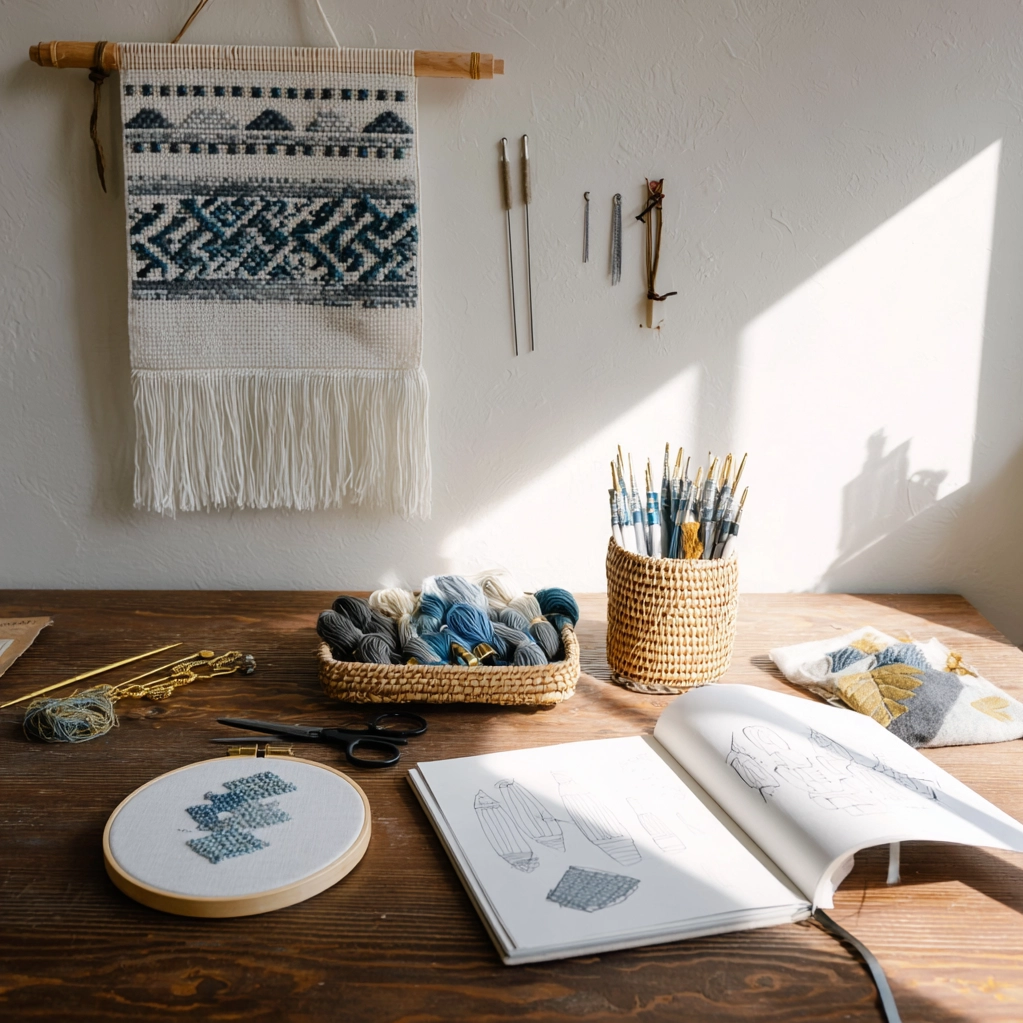
Color theory and compositional principles play crucial roles in successful modern embroidery ideas, distinguishing contemporary pieces from traditional works. Today's embroiderers are moving beyond predictable color palettes, embracing bold combinations, monochromatic schemes, and unexpected contrasts that create visual impact. Modern embroidery often features carefully considered color gradients, where threads transition smoothly from one hue to another, creating depth and movement within designs. Composition in contemporary embroidery breaks from symmetrical, centered arrangements, favoring asymmetrical balance, intentional negative space, and dynamic layouts that guide the viewer's eye across the piece. Many artists are applying principles from graphic design and fine art to their embroidery, considering elements like focal points, visual weight, and rhythm in their stitching plans. Modern embroidery ideas frequently incorporate the surrounding space as part of the composition—for example, leaving large areas of fabric unstitched to create breathing room or using the fabric color as an active design element. Color choices in modern embroidery often reflect current interior design trends, with earthy neutrals, muted pastels, and vibrant accent colors appearing in home decor pieces. The strategic use of metallic threads adds subtle shimmer without overwhelming designs, while variegated threads create natural-looking color transitions within single stitches. Modern embroiderers are also exploring color psychology, selecting palettes that evoke specific moods or complement room functions—calming blues for bedrooms, energizing yellows for kitchens, or sophisticated neutrals for living areas. Compositional techniques like scale variation, where some elements are exaggerated while others are minimized, create interest and hierarchy in embroidered pieces. These considerations transform embroidery from mere decoration to intentional design, ensuring that each piece contributes thoughtfully to its environment. The attention to color and composition in modern embroidery ideas demonstrates how this craft has matured into a sophisticated design discipline, capable of creating pieces that stand alongside other fine arts in their visual sophistication and emotional resonance.
Conclusion
Modern embroidery ideas have revitalized this ancient craft, transforming it into a dynamic medium for contemporary home decor and personal expression. Throughout this exploration, we've seen how embroidery evolves from traditional patterns to innovative art forms that enhance walls, functional items, and living spaces with texture, color, and meaning. The techniques and approaches discussed demonstrate embroidery's remarkable versatility—its ability to bridge heritage craftsmanship with modern design sensibilities. As we move forward, embroidery will continue to evolve, likely incorporating more sustainable practices, digital integration, and collaborative community projects. The future of modern embroidery promises even greater innovation while maintaining the handmade quality that makes each piece special. For those inspired to begin their embroidery journey, start with small projects that align with your personal style and home decor needs. Remember that modern embroidery values creativity over perfection, encouraging experimentation and personal expression. As you develop your skills, you'll discover how this meditative practice not only beautifies your home but also provides a meaningful creative outlet. The growing community of contemporary embroiderers, both online and locally, offers support and inspiration for crafters at all levels. Modern embroidery ideas will undoubtedly continue to influence interior design trends, offering sustainable alternatives to mass-produced decor while fostering connections between makers, their homes, and their communities. Whether you're stitching your first sampler or creating an elaborate textile installation, each embroidered piece contributes to a home environment that reflects thoughtfulness, craftsmanship, and personal history.
Frequently Asked Questions
Q: What are the best fabrics for beginners trying modern embroidery ideas?
For beginners exploring modern embroidery ideas, start with medium-weight cotton or linen fabrics. These materials have enough stability to hold stitches without excessive stretching and provide good visibility for your needlework. Cotton fabrics like quilting cotton or canvas offer smooth surfaces that make stitching easier, while linen adds beautiful texture to finished pieces. Avoid fabrics that are too slippery, stretchy, or thick when beginning. Many modern embroiderers also recommend using cotton embroidery floss (stranded cotton) as it separates easily for different thicknesses and comes in endless colors. Pre-made embroidery kits often include suitable fabric and are excellent starting points. As you gain confidence, you can experiment with unconventional fabrics like denim, felt, or even paper for specific modern embroidery projects.
Q: How can I incorporate modern embroidery ideas into a minimalist home decor style?
Modern embroidery ideas can beautifully complement minimalist decor through careful design choices. Focus on monochromatic color schemes using neutral threads on neutral fabrics, creating subtle texture without visual clutter. Choose simple geometric patterns or abstract designs with plenty of negative space rather than dense, detailed imagery. Consider embroidery as accent pieces rather than overwhelming focal points—a single embroidered pillow on a sofa or a small wall hanging in an entryway. Use embroidery to add tactile interest to minimalist spaces through textural stitches like French knots or running stitches in repetitive patterns. Modern embroidery for minimalist homes often works best when it serves a dual purpose, such as an embroidered table runner that adds design interest while protecting surfaces. Keep designs clean and intentional, aligning with the minimalist principle of 'less is more' while still enjoying the handmade quality that embroidery provides.
Q: What basic supplies do I need to start experimenting with modern embroidery ideas?
To begin exploring modern embroidery ideas, you'll need several essential supplies. Start with embroidery hoops in various sizes to hold fabric taut while stitching. Choose a selection of embroidery needles with different eye sizes for various thread thicknesses. Quality embroidery floss in colors that inspire you forms the foundation of your projects. Fabric scissors specifically for cutting thread and fabric will give clean cuts without fraying. A water-soluble fabric marker or tailor's chalk helps transfer designs onto fabric. While traditional embroidery patterns work, many modern embroiderers create their own designs using simple drawing tools. Optional but helpful additions include a needle threader for fine threads, embroidery scissors with curved blades for precise cutting, and a storage system to keep supplies organized. As you progress, you might add specialty threads, beads, or unusual fabrics to expand your modern embroidery possibilities. Remember that starting with a few quality basics is better than overwhelming yourself with too many supplies initially.