Modern Office Decor: Transform Your Workspace with Stunning, Productive Designs

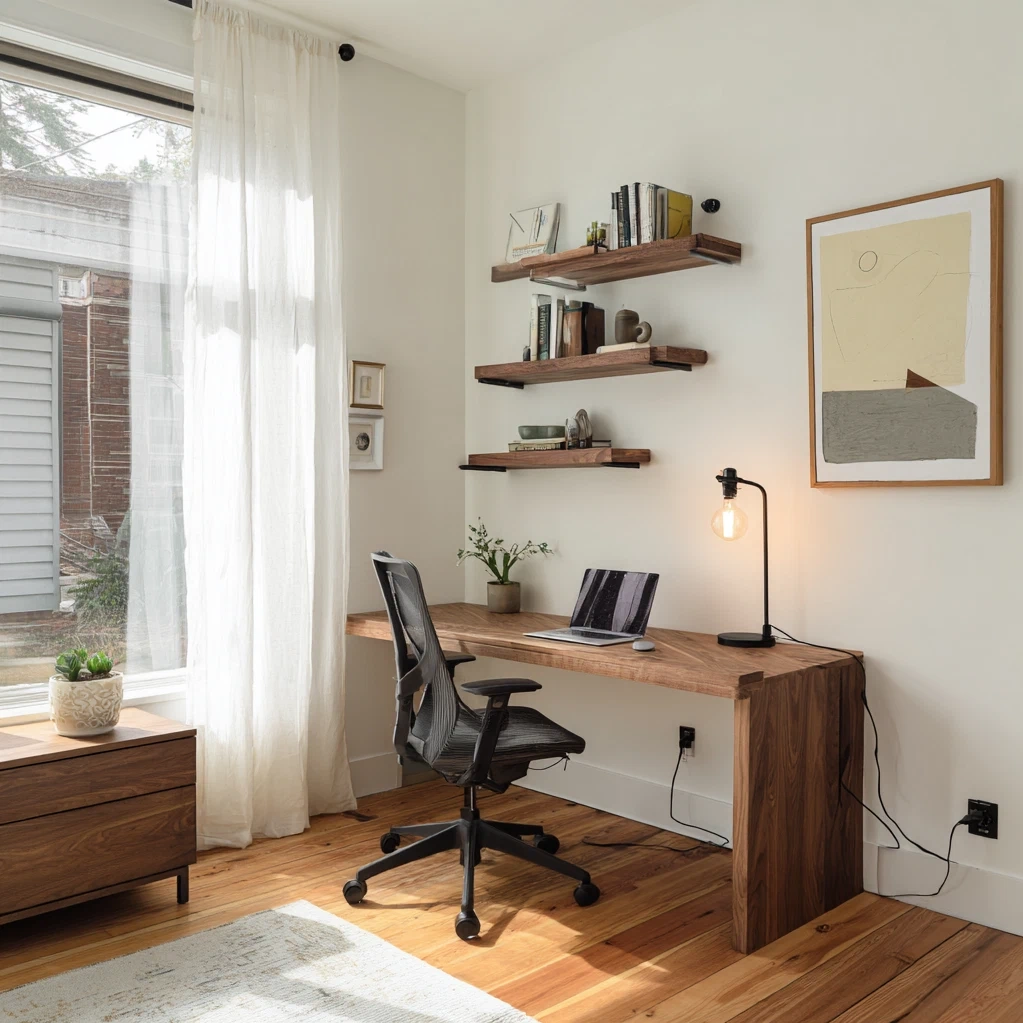
Modern office decor isn’t just about aesthetics—it’s a powerful tool that transforms how we work, think, and feel in our professional spaces. In today’s world where many of us spend significant hours at our desks, the environment around us plays a crucial role in productivity, creativity, and overall well-being. Gone are the days of sterile, uniform cubicles that drain energy and inspiration. Contemporary workspaces embrace clean lines, thoughtful design, and functional beauty to create environments that truly support our work lives. The importance of this topic extends beyond mere decoration. Studies consistently show that well-designed workspaces can boost productivity by up to 20%, reduce stress, and enhance employee satisfaction. Whether you’re designing a corporate headquarters, a home office, or a co-working space, modern office decor principles offer practical solutions for today’s working world. This movement toward intentional workspace design recognizes that our surroundings directly impact our cognitive functions, mood, and work quality. From ergonomic furniture to intelligent lighting systems, every element serves both practical and psychological purposes. The rise of remote work has made this even more relevant, as professionals seek to create productive environments within their own homes. Understanding modern office decor means understanding how space, color, texture, and light work together to create optimal working conditions. It’s about balancing functionality with inspiration, creating spaces that are both efficient and enjoyable to inhabit. This isn’t just interior design—it’s workplace psychology made visible through thoughtful arrangement and selection of elements that support our professional lives.
Essential Elements of Modern Office Decor
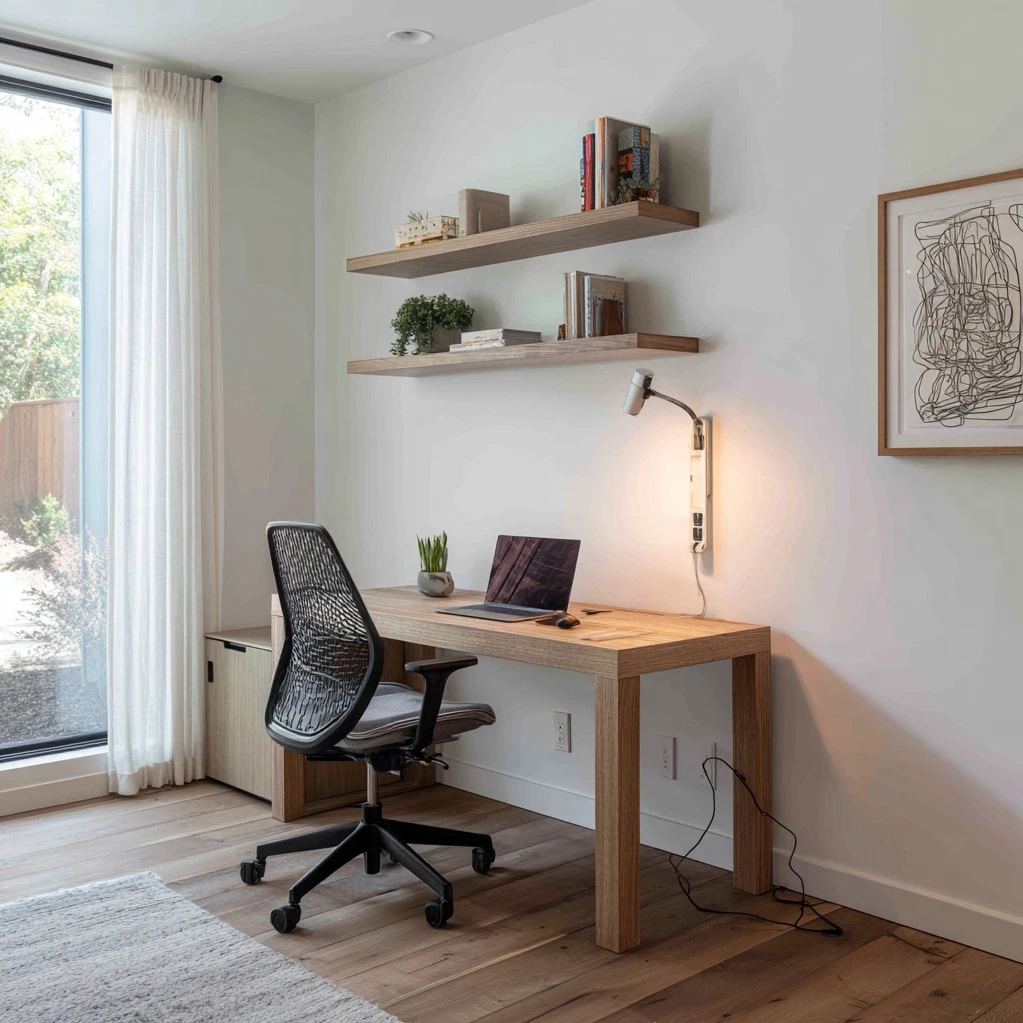
Modern office decor revolves around several key principles that distinguish it from traditional office design. First and foremost is minimalism—not empty spaces, but carefully curated environments where every item serves a purpose. This means clean lines, uncluttered surfaces, and intentional placement of furniture and accessories. Neutral color palettes with strategic pops of color create calm, focused environments while maintaining visual interest. Think whites, grays, and natural wood tones accented with blues, greens, or muted yellows that stimulate creativity without overwhelming the senses. Ergonomic design is non-negotiable in modern office decor. This goes beyond comfortable chairs to include adjustable standing desks, proper monitor placement, and keyboard positioning that supports natural body alignment. Smart storage solutions keep workspaces organized and efficient, with everything having its designated place. Natural elements play a crucial role in contemporary office design. Incorporating plants, natural light, and organic materials like wood and stone creates connection with the outdoors, reducing stress and improving air quality. Technology integration must be seamless and unobtrusive, with wireless capabilities and hidden cable management maintaining the clean aesthetic. Lighting deserves special attention in modern office decor, combining natural light with layered artificial lighting that can be adjusted throughout the day. Task lighting, ambient lighting, and accent lighting work together to reduce eye strain and create the right mood for different types of work. Acoustics matter too, with sound-absorbing materials and strategic layout helping to manage noise in open or shared workspaces. Each element in modern office decor contributes to creating spaces that are not just beautiful, but truly functional and supportive of the work happening within them.
Choosing Furniture for Modern Office Decor
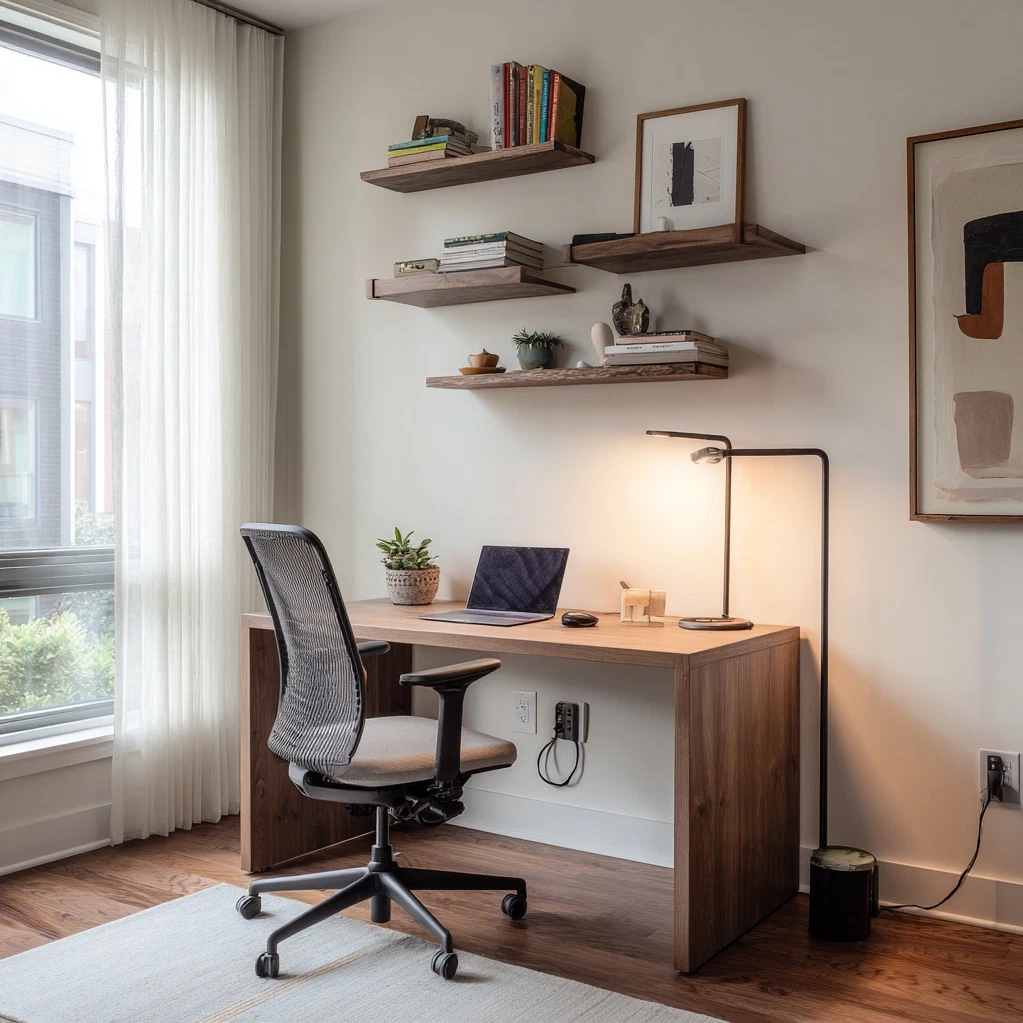
Selecting the right furniture is fundamental to successful modern office decor. The furniture you choose sets the tone for the entire space and directly impacts productivity and comfort. Start with the desk—the centerpiece of any workspace. Modern office decor favors desks with clean lines, often featuring minimalist designs in materials like metal, glass, or sustainably sourced wood. Adjustable height desks have become increasingly popular, allowing users to alternate between sitting and standing positions throughout the day. The chair is equally important, with ergonomic designs that provide proper lumbar support, adjustable armrests, and breathable materials. Look for chairs that combine aesthetic appeal with practical comfort, often featuring mesh backs and supportive cushions. Storage solutions in modern office decor should be both functional and visually appealing. Floating shelves, minimalist bookcases, and concealed storage units keep essentials accessible while maintaining clean lines. Multi-functional furniture is particularly valuable in smaller spaces, with pieces that serve multiple purposes without sacrificing style. When arranging furniture, consider the flow of movement and natural light. Position desks to take advantage of windows while avoiding glare on computer screens. Create distinct zones within the office for different types of work—focused individual work, collaborative meetings, and relaxation breaks. Modular furniture systems offer flexibility, allowing spaces to be reconfigured as needs change. Materials matter in modern office decor furniture selection. Natural wood brings warmth, metal adds industrial edge, and glass creates lightness and transparency. Mixing materials adds depth and interest while maintaining cohesion through consistent color palettes and design lines. Consider the scale of furniture relative to your space—oversized pieces can overwhelm small offices, while furniture that's too small can make large spaces feel empty. Invest in quality pieces that will withstand daily use while maintaining their aesthetic appeal. Remember that in modern office decor, every piece of furniture should contribute to both the visual harmony and practical functionality of the space.
Color Psychology in Modern Office Decor
Color plays a powerful psychological role in modern office decor, influencing mood, productivity, and creativity in subtle but significant ways. Understanding color psychology helps create workspaces that support specific types of work and desired emotional states. Neutral colors form the foundation of most modern office decor schemes. Whites, grays, and beiges create calm, focused environments that reduce visual clutter and mental fatigue. These backgrounds allow other elements—like furniture, art, and plants—to stand out without overwhelming the senses. Blue is particularly effective in office settings, promoting calm, focus, and productivity. Lighter blues work well for creative spaces, while deeper blues suit analytical work environments. Green, associated with nature and balance, reduces eye strain and creates a restorative atmosphere—perfect for long working hours. Yellow stimulates creativity and optimism but should be used sparingly as accents rather than dominant colors, as too much can cause anxiety. When incorporating color into modern office decor, consider the type of work being done. Creative fields might benefit from warmer tones that stimulate imagination, while analytical work often pairs better with cooler, more focused color schemes. The strategic use of accent colors can define different zones within an office—using one color for collaborative areas and another for focused workstations. Natural wood tones bring warmth to modern office decor while maintaining the clean aesthetic. These organic elements ground the space and create connection with the natural world. Paint finishes matter too—matte surfaces reduce glare, while semi-gloss can add subtle reflection in darker areas. Remember that lighting affects how colors appear. Test paint samples under the actual lighting conditions of your workspace before committing. In open-plan offices, consistent color schemes create visual continuity, while strategic color blocking can define different functional areas. The psychology of color in modern office decor extends beyond walls to furniture, accessories, and even technology. A coordinated color scheme creates harmony, while thoughtful contrast adds visual interest and helps different functional areas stand out. Ultimately, the right color choices in modern office decor create environments that not only look good but actively support the work and well-being of those using the space.
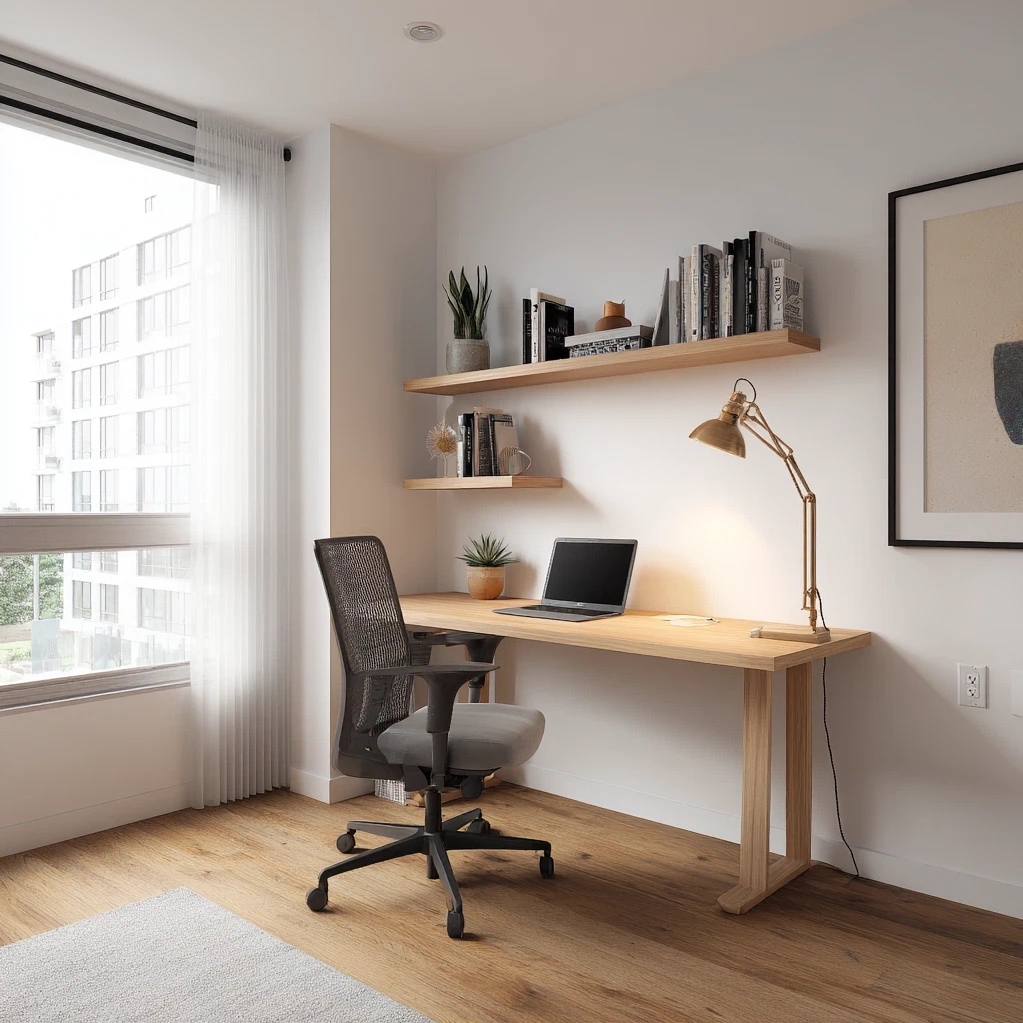
Lighting Solutions for Modern Office Decor
Proper lighting is essential in modern office decor, affecting everything from productivity and eye health to mood and aesthetic appeal. A well-designed lighting scheme combines multiple sources to create adaptable, comfortable environments for different types of work. Natural light should be maximized whenever possible in modern office decor. Position workstations near windows to take advantage of daylight, which regulates circadian rhythms and reduces reliance on artificial lighting. Use sheer curtains or adjustable blinds to control glare and direct sunlight that can cause eye strain or overheating. When natural light isn't sufficient, layered artificial lighting creates the most effective modern office decor environments. Start with ambient lighting that provides overall illumination—recessed ceiling lights or flush-mounted fixtures work well for this purpose. Task lighting is crucial for specific work areas, with adjustable desk lamps that provide focused light without creating harsh shadows or glare. LED technology has revolutionized modern office decor lighting, offering energy efficiency, long lifespan, and excellent color rendering. Choose LED bulbs with color temperatures appropriate for different times of day—cooler whites (5000-6500K) for morning focus, warmer tones (2700-3000K) for afternoon relaxation. Dimmer switches allow adjustment of light intensity based on tasks and time of day. Accent lighting adds depth and interest to modern office decor. Use it to highlight architectural features, artwork, or plants. LED strip lights under shelves or behind monitors can reduce eye strain by providing indirect illumination that contrasts with bright screens. Consider the direction and quality of light in your modern office decor planning. Direct lighting creates strong shadows and can cause glare, while indirect or diffused lighting provides softer, more even illumination. Position lights to avoid reflections on computer screens and shiny surfaces. Smart lighting systems represent the cutting edge of modern office decor, allowing automated adjustments based on time of day, natural light levels, or specific activities. These systems can be programmed to gradually brighten in the morning, maintain optimal levels throughout the day, and soften in the evening. Proper lighting placement in modern office decor considers both function and aesthetics. Lights should be positioned to avoid casting shadows on work surfaces while creating visual interest through varying intensities and directions. Remember that lighting affects how colors appear—test your complete decor scheme under the actual lighting conditions it will experience daily. A thoughtfully designed lighting plan transforms modern office decor from merely attractive to truly functional, creating spaces that support both visual comfort and peak performance throughout the workday.
Conclusion
Modern office decor represents a fundamental shift in how we think about workspaces—from purely functional areas to environments that actively support productivity, creativity, and well-being. By embracing clean lines, intentional design, and thoughtful integration of elements like color, lighting, and ergonomic furniture, we create spaces that don't just look good but actually enhance how we work. The principles discussed here—from minimalist aesthetics to strategic color psychology and layered lighting—work together to transform ordinary offices into inspiring, efficient environments. As we move forward, the evolution of modern office decor will likely continue to balance technological integration with human-centered design. The future points toward even more personalized workspaces that adapt to individual needs and preferences, with smart systems that adjust lighting, temperature, and even layout based on the task at hand. Sustainability will play an increasingly important role, with eco-friendly materials and energy-efficient solutions becoming standard rather than exceptional. For those looking to implement modern office decor principles, start with the fundamentals: declutter your space, invest in quality ergonomic furniture, maximize natural light, and create a color scheme that supports your specific work needs. Remember that small changes can make significant differences—adding a plant, adjusting your lighting, or reorganizing your workspace according to modern principles can dramatically improve both aesthetics and functionality. The true power of modern office decor lies in its ability to create environments where people don't just work, but thrive. By applying these principles, you're not just decorating a space—you're investing in better work, better ideas, and better days. Whether designing a corporate headquarters or a home office, these approaches create spaces that look contemporary while functioning brilliantly for today's diverse work needs.
Frequently Asked Questions
Q: What are the most important elements to include in modern office decor?
The most crucial elements in modern office decor include ergonomic furniture for comfort and health, proper lighting that combines natural and artificial sources, a cohesive color scheme using neutral bases with strategic accents, smart storage solutions to maintain organization, and natural elements like plants to improve air quality and reduce stress. Technology integration should be seamless, with wireless capabilities and hidden cable management. Acoustics also matter, especially in open spaces, with sound-absorbing materials helping manage noise. Each element should serve both aesthetic and functional purposes, creating spaces that are beautiful while supporting productivity and well-being.
Q: How can I incorporate modern office decor in a small home office space?
Small spaces benefit greatly from modern office decor principles. Start with multi-functional furniture like a desk that includes storage or can fold away when not in use. Use vertical space with floating shelves and wall-mounted organizers to keep surfaces clear. Choose a light color palette to make the space feel larger and more open. Mirrors can create the illusion of more space while reflecting light. Select furniture with slim profiles and clean lines—avoid bulky pieces that overwhelm the area. Implement smart storage solutions that keep everything organized and accessible. Use lighting strategically, with task lighting at work areas and ambient lighting that doesn't take up valuable surface space. Remember that in small spaces, every item should earn its place through both function and aesthetic contribution.
Q: What colors work best for modern office decor to boost productivity?
For productivity-focused modern office decor, blue is particularly effective as it promotes calm and concentration. Light to medium blues work well for creative tasks, while deeper blues suit analytical work. Green reduces eye strain and creates balance—perfect for long working hours. Neutral colors like white, gray, and beige form excellent bases that reduce visual clutter and mental fatigue. Use these as your primary colors, then add strategic accents. Yellow can stimulate creativity but should be limited to small accents. Avoid overly bright or intense colors that can cause distraction or anxiety. Natural wood tones bring warmth without sacrificing the modern aesthetic. Consider the specific type of work being done when choosing your color scheme, and test colors under your actual lighting conditions before committing.