
Mud Kitchen for Kids: The Ultimate Creative Playground That Transforms Outdoor Fun

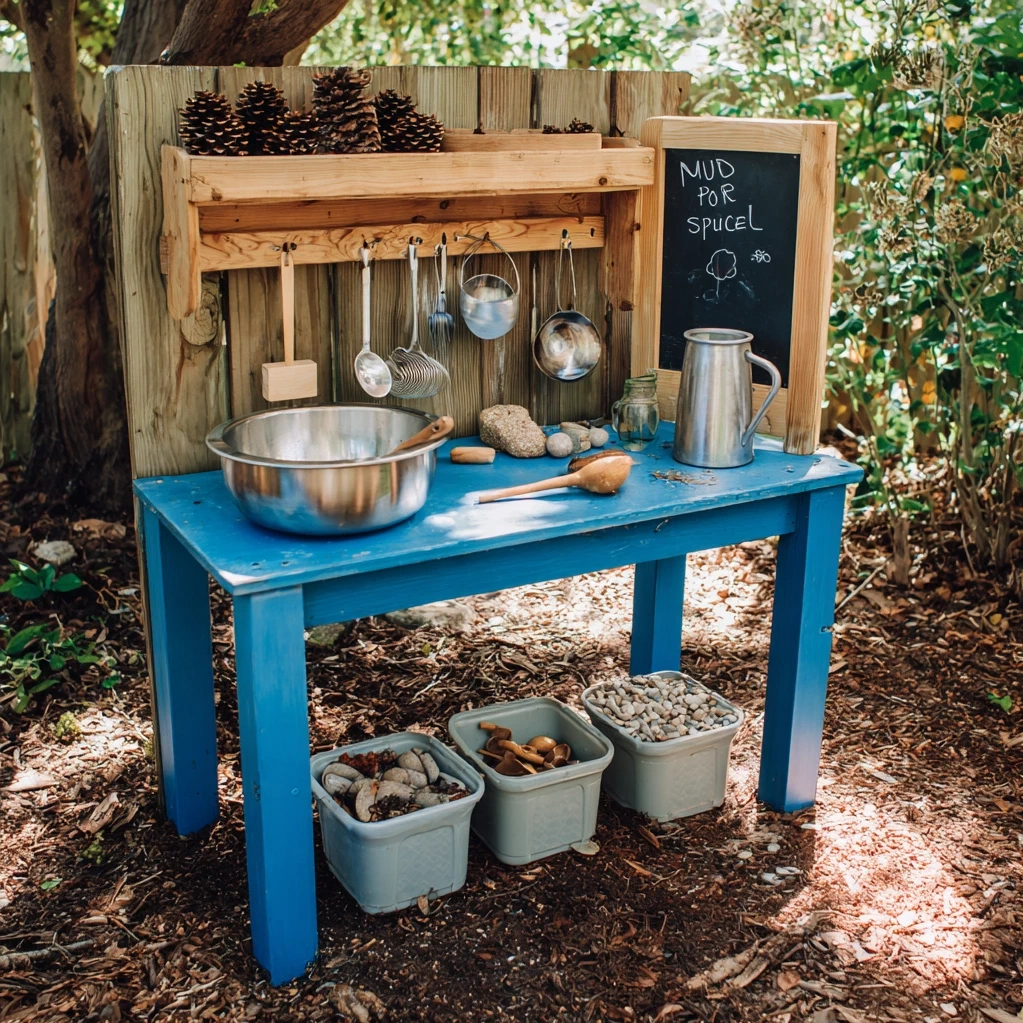
Imagine your children spending hours immersed in imaginative play, their faces lit up with joy as they create ‘mud pies,’ ‘leaf soup,’ and ‘flower salads.’ A mud kitchen for kids is not just another backyard toy—it’s a transformative play space that unlocks creativity, encourages sensory exploration, and connects children with nature in ways that modern digital devices simply cannot match. In today’s fast-paced world, where screen time often dominates childhood, a mud kitchen offers a refreshing return to hands-on, open-ended play that nurtures essential developmental skills. From boosting fine motor abilities through scooping and pouring to fostering social interaction as kids collaborate on culinary ‘masterpieces,’ this simple outdoor setup provides countless benefits. Parents who invest in a mud kitchen often report their children becoming more engaged, curious, and resilient. The tactile experience of working with natural materials like soil, water, and leaves stimulates the senses while teaching valuable lessons about the environment. Best of all, creating a mud kitchen for kids doesn’t require expensive equipment or elaborate designs—it can be as simple as repurposing old pots and pans on a sturdy table. This article will guide you through everything you need to know to build or buy the perfect mud kitchen that will keep your children entertained for years to come, turning your backyard into a hub of creativity and discovery.
Why Every Family Needs a Mud Kitchen for Kids
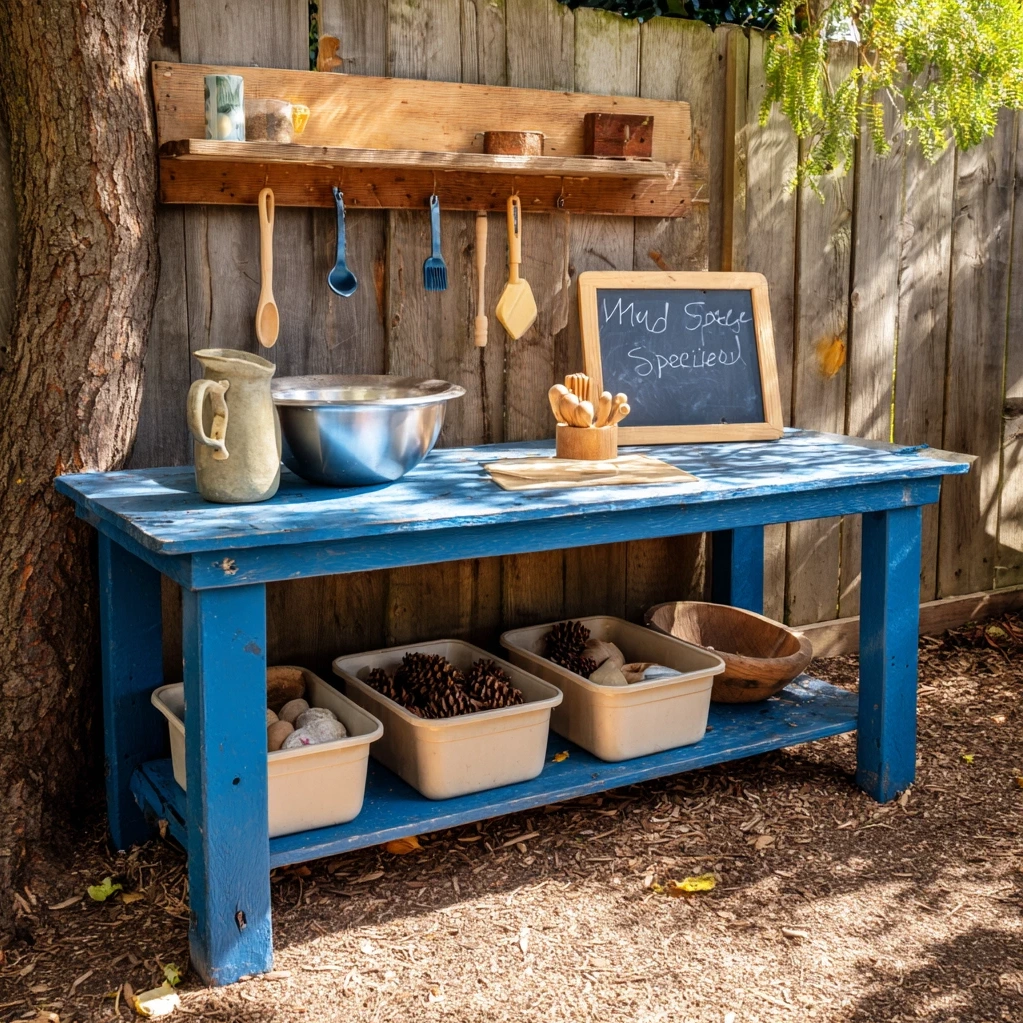
A mud kitchen for kids is more than just a fun outdoor activity—it's a powerful tool for childhood development. Children naturally gravitate toward messy play, and a dedicated mud kitchen channel this inclination into productive learning experiences. When kids engage with mud, water, and natural materials, they develop crucial fine motor skills through actions like stirring, pouring, and molding. These activities strengthen hand muscles and improve coordination, which supports later writing and drawing abilities. Sensory play in a mud kitchen also helps children process information from their environment, reducing anxiety and promoting calm focus. Many parents notice that after playing in their mud kitchen, kids are more relaxed and better able to concentrate on other tasks. The open-ended nature of mud kitchen play encourages problem-solving and creativity. Unlike structured toys with predetermined outcomes, a mud kitchen for kids allows children to invent their own recipes, create imaginary scenarios, and experiment freely. This fosters cognitive flexibility and innovative thinking. Socially, mud kitchens become natural gathering spots where children practice communication, negotiation, and teamwork as they decide who will be the 'chef' and who will gather ingredients. These interactions build empathy and cooperation skills that serve them well beyond the backyard. From an educational perspective, a mud kitchen introduces basic scientific concepts like mixing, measuring, and observing changes in materials. Children learn about cause and effect when they add water to dirt, and they begin to understand natural cycles as they incorporate leaves, flowers, and other organic materials into their creations.
Designing the Perfect Mud Kitchen for Kids
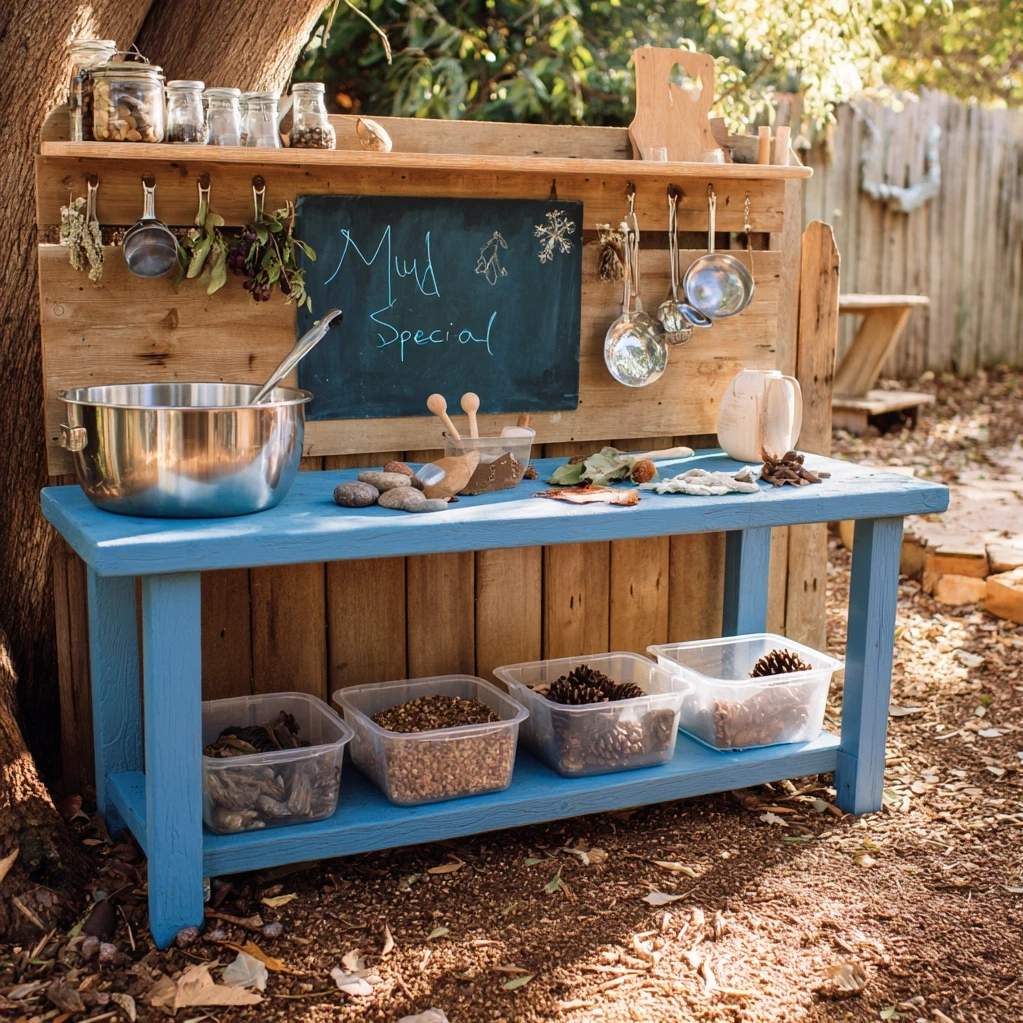
Creating an ideal mud kitchen for kids involves balancing functionality, safety, and creativity. The foundation is a sturdy workspace at child height—typically between 24 to 30 inches tall—with enough surface area for multiple 'chefs' to work comfortably. Many families repurpose old furniture like wooden desks, cabinets, or tables, which adds character while being environmentally friendly. Waterproof materials are essential since the kitchen will be exposed to moisture. Marine-grade plywood, cedar, or pressure-treated lumber work well for the structure, while stainless steel bowls and utensils resist rust. A successful mud kitchen for kids should include several key zones: a preparation area with mixing bowls and tools, a 'sink' section with water access, storage for utensils and ingredients, and display spaces for finished creations. Incorporating natural elements enhances the experience. Consider adding a small herb garden nearby where children can pick mint or basil for their mud recipes, or include a designated 'ingredient station' with baskets for collecting leaves, pinecones, and flowers. Safety features are paramount. Ensure all surfaces are smooth and free of splinters, and avoid sharp edges on any repurposed furniture. If you're building from scratch, secure the structure firmly to prevent tipping. For water access, a simple bucket with a spigot or a garden hose attachment works perfectly—just supervise young children to prevent water waste. Storage solutions keep the space organized. Hang ladles and spoons from hooks, use waterproof bins for utensils, and include shelves for 'special ingredients' like colorful stones or shells. Personalization makes the mud kitchen for kids truly special. Let children help paint the surface with waterproof paint, add chalkboard panels for writing menus, or include small signs labeling different stations. These touches increase ownership and engagement.
Essential Accessories for Your Mud Kitchen for Kids
Equipping your mud kitchen for kids with the right accessories transforms it from a simple play area into an immersive imaginative world. Start with durable, child-sized utensils that can withstand outdoor use. Stainless steel or sturdy plastic bowls, mixing spoons, ladles, and whisks allow children to engage in realistic cooking activities. Avoid breakable ceramic or glass items for safety. Measuring cups and spoons introduce basic math concepts as kids experiment with quantities and proportions. Sieves and colanders add another dimension to sensory play, letting children explore textures as they strain mud or sift sand. Natural materials become the 'ingredients' that bring the mud kitchen to life. Keep baskets or bins filled with pinecones, smooth stones, fallen leaves, flower petals, and twigs that children can incorporate into their creations. These elements connect play to the natural environment and change with the seasons, keeping the experience fresh. Water management tools are crucial for a functional mud kitchen for kids. A large bucket with a lid serves as a water source, while smaller containers allow for controlled pouring. Consider adding a funnel or simple water pump for more advanced play. Storage solutions keep everything accessible yet organized. Waterproof bins with lids protect utensils from weather when not in use, while hooks or racks keep frequently used items within easy reach. For added realism, include play food items made from wood or sturdy plastic that won't degrade outdoors. Mini pots and pans that can actually be used with mud enhance the authentic cooking experience. Don't forget cleanup tools—small brooms, dustpans, and sponges teach responsibility as children maintain their play space. Finally, consider decorative elements that spark imagination. A small chalkboard for writing daily specials, pretend recipe cards, or handmade signs labeling different stations (like 'Mud Pie Station' or 'Leaf Salad Bar') add personality to the mud kitchen for kids. These accessories don't need to be expensive—thrift stores and garage sales often yield perfect items that can be sanitized and repurposed for mud kitchen use.
Maintaining and Evolving Your Mud Kitchen for Kids
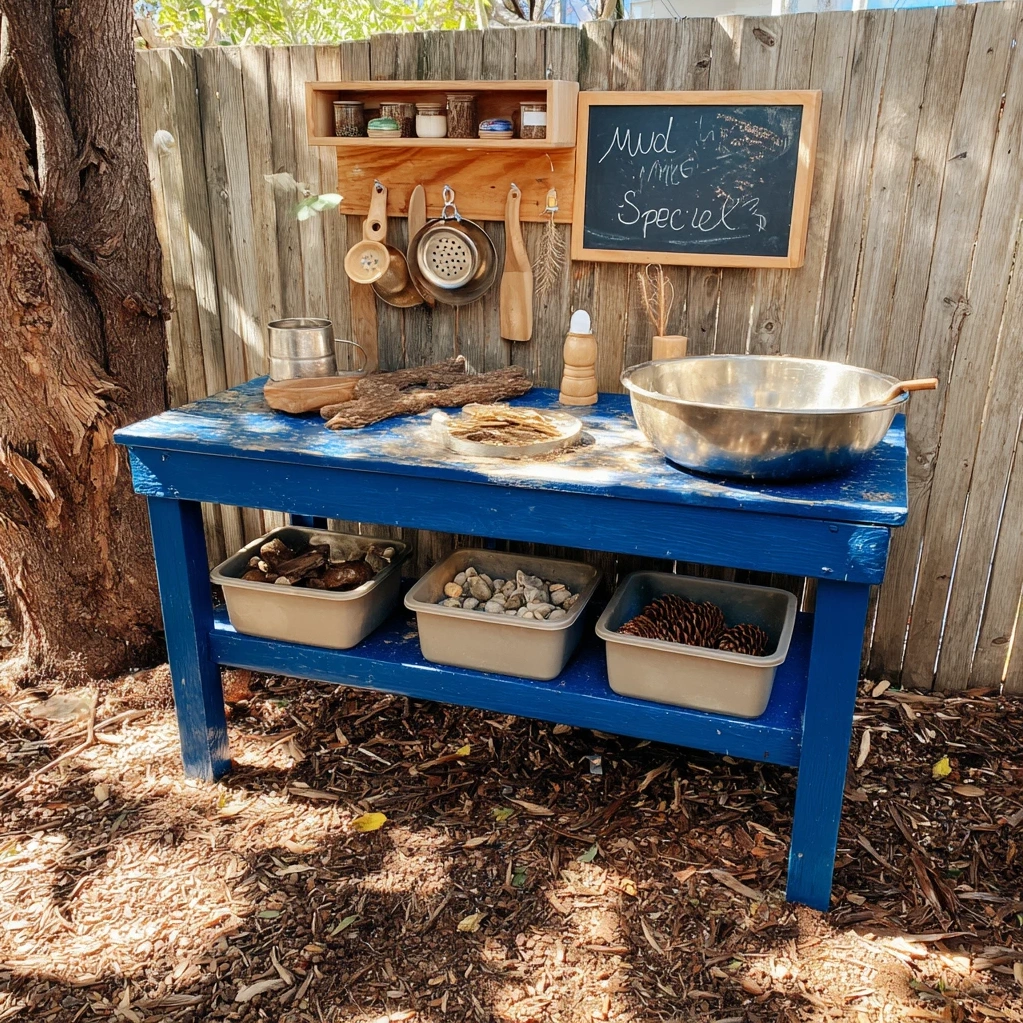
A well-maintained mud kitchen for kids provides lasting enjoyment and adapts as children grow. Regular upkeep ensures safety and extends the life of your investment. After each play session, encourage children to participate in cleaning by rinsing utensils and returning them to storage. This builds responsibility while preventing tools from being left to weather. Weekly, check the structure for stability, especially after heavy rain or wind. Tighten any loose screws and sand down rough spots that might develop on wooden surfaces. Seasonal maintenance keeps the mud kitchen for kids functional year-round. In colder climates, drain water containers before freezing temperatures arrive to prevent cracking. Store delicate accessories indoors during winter months if they might be damaged by ice or snow. In spring, give the entire structure a thorough cleaning with mild soap and water, and reapply waterproof sealant to wooden surfaces if needed. As children mature, their mud kitchen play will naturally evolve. Younger children might focus on simple pouring and mixing, while older kids create elaborate recipes with multiple steps. You can support this development by gradually introducing more complex tools—measuring scales for weighing ingredients, timers for 'baking' mud creations in the sun, or journals for recording favorite recipes. The mud kitchen for kids can also integrate with other outdoor activities. Position it near a sandbox or water table to create a comprehensive sensory play area. Add a small greenhouse or planting bed where children can grow actual herbs or vegetables to incorporate into their play. Consider creating themed play sessions—perhaps a 'restaurant day' where children prepare mud meals for stuffed animal customers, or a 'science lab' where they experiment with different soil and water ratios. These variations keep the mud kitchen engaging over multiple years. Documenting the journey through photos or a simple scrapbook helps children reflect on their creations and builds cherished family memories. Ultimately, maintaining and evolving your mud kitchen for kids demonstrates that creative, hands-on play remains valuable throughout childhood, adapting alongside your growing child.
Conclusion
A mud kitchen for kids represents one of the most valuable investments you can make in your child's development and your family's outdoor living space. Far from being just another toy, it serves as a dynamic learning environment where imagination flourishes, skills develop naturally, and connections to the natural world strengthen. Throughout this article, we've explored how a simple setup with basic materials can transform ordinary backyard time into extraordinary creative adventures. The benefits extend beyond the immediate joy of messy play—children who engage regularly with mud kitchens demonstrate improved fine motor control, enhanced problem-solving abilities, better social skills, and increased environmental awareness. These advantages create lasting impacts that support academic learning and emotional resilience. As you implement the ideas shared here, remember that perfection isn't the goal. Your mud kitchen for kids will evolve organically based on your children's interests and your available space. Whether you purchase a ready-made unit or build one from recycled materials, the most important element is providing that dedicated space where creativity can flow freely. Looking forward, consider how your mud kitchen might grow with your family. Perhaps it will become the centerpiece of larger outdoor renovations, or maybe it will inspire community mud kitchen projects at local parks or schools. The principles of open-ended, sensory-rich play apply to learners of all ages. As technology continues to shape childhood, maintaining these hands-on experiences becomes increasingly vital. Start simple, observe what captures your children's imagination, and let their interests guide the evolution of your mud kitchen. The memories created there—of collaboration, discovery, and pure joy—will become treasures that last long after the mud has washed away.
Frequently Asked Questions
Q: What age is appropriate for a mud kitchen for kids?
Mud kitchens are wonderfully versatile and can engage children from toddlerhood through elementary school years. Most children show interest starting around 18-24 months, when they begin enjoying sensory play and simple pouring activities. At this young age, supervision is essential to ensure safe exploration. Preschoolers (ages 3-5) typically get the most comprehensive benefits as they engage in more complex imaginative play and social interaction. School-aged children (6-10 years) continue to enjoy mud kitchens, often incorporating more elaborate recipes, measurement concepts, and storytelling elements. The key is adjusting the complexity of tools and activities to match developmental stages. Even older children may return to mud kitchen play during creative moments or when supervising younger siblings. Essentially, any child who enjoys tactile, open-ended play can benefit from a mud kitchen.
Q: How do I keep the mud kitchen area clean and controlled?
Managing the mess of a mud kitchen for kids is easier than many parents expect. Establish clear boundaries by placing the kitchen on a defined surface like gravel, bark chips, or patio stones that contain the mud. This prevents it from spreading across your entire yard. Create a simple cleanup routine with your children—provide a bucket of clean water and towels for washing hands and tools after play. Designate specific 'mud only' utensils that stay outdoors, avoiding tracking dirt inside. For the kitchen structure itself, choose materials that withstand weather and are easy to rinse. A yearly maintenance check and cleaning keep everything in good condition. Most importantly, embrace that some mess is inherent to the experience—it's part of the learning and fun. The benefits far outweigh temporary cleanup efforts.
Q: Can I create a mud kitchen for kids if I have limited outdoor space?
Absolutely! Mud kitchens adapt beautifully to small spaces. For balconies, patios, or tiny yards, consider a compact tabletop version using a sturdy waterproof cart or small bench. Use contained water sources like spill-proof containers to minimize cleanup. Vertical storage with hooks and shelves maximizes limited floor space. Even an indoor mud kitchen is possible with proper preparation—use a large plastic bin as the 'mud station' on a tarp-covered floor, with easy-to-clean surfaces nearby. The principles remain the same: provide containers for mixing, natural materials for ingredients, and tools for manipulation. Small-space mud kitchens might focus more on dry materials like sand, cornmeal, or birdseed mixed with minimal water. Creativity in space utilization often leads to innovative designs that work perfectly for urban families.