Nursery Room Decor Inspiration: Magical Designs for Serene Spaces


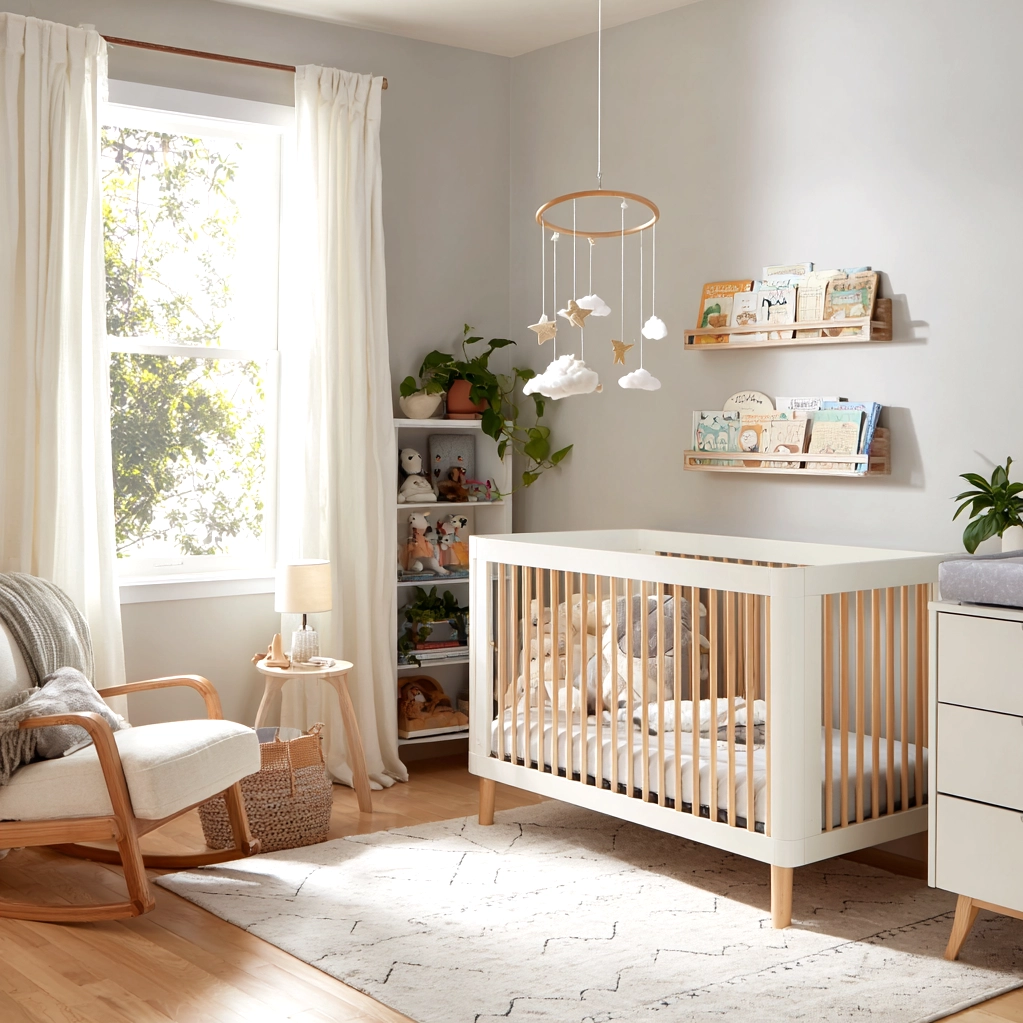
Creating a nursery is one of the most joyful experiences for expecting parents. This special room serves as your baby’s first sanctuary—a place for rest, growth, and bonding. Nursery room decor inspiration transforms this practical space into a haven of comfort and imagination. The right design choices can promote better sleep, stimulate development, and reflect your family’s personality. Many parents feel overwhelmed by the countless options available. From color schemes to furniture layouts, the decisions can seem endless. Yet, with thoughtful planning, you can create a room that’s both beautiful and functional. A well-designed nursery adapts as your child grows. It accommodates late-night feedings, playful afternoons, and eventual toddler exploration. Safety remains paramount in every design choice. Soft materials, secure furniture, and proper lighting all contribute to a secure environment. This article will guide you through essential elements of nursery decor. We’ll explore themes that spark wonder, practical solutions for small spaces, and sustainable options for eco-conscious families. Your nursery should be a reflection of love and care. Let these ideas inspire you to craft a space where memories begin.
Nursery Room Decor Inspiration: Choosing Themes That Grow With Your Child
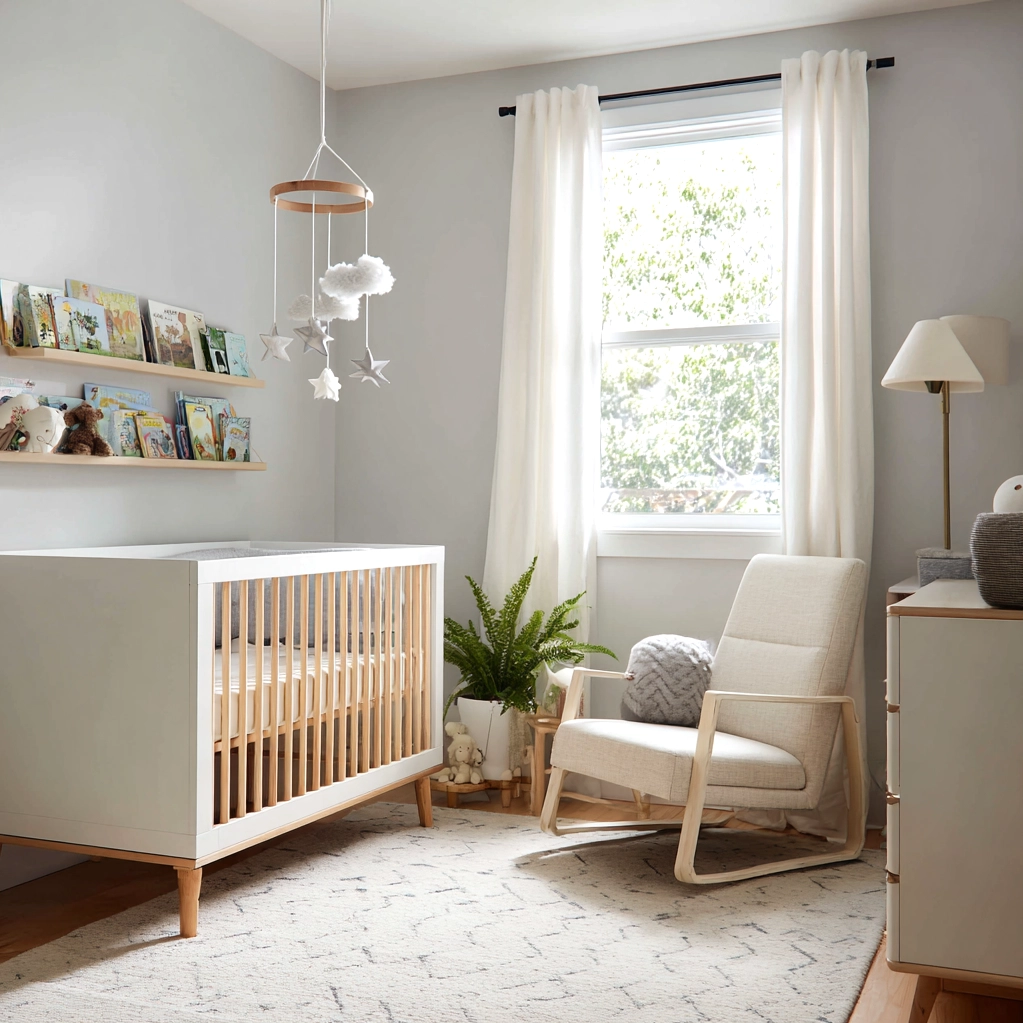
Selecting a theme provides a cohesive foundation for your nursery design. Nursery room decor inspiration often begins with a concept that speaks to your family's values and aesthetics. Popular themes include nature-inspired designs with forest animals and botanical prints. These create calming environments that connect children to the natural world. Celestial themes featuring stars, moons, and galaxies foster wonder and imagination. Neutral themes with soft grays, creams, and whites offer timeless elegance. They allow for easy updates as your child develops preferences. When choosing a theme, consider longevity. Opt for elements that can evolve rather than rigid character themes your child might outgrow quickly. Wall decals, removable wallpaper, and themed bedding make updating simple. Incorporate the theme subtly through accent pieces rather than overwhelming the space. A nature theme might feature a tree-shaped bookshelf and leaf-patterned curtains. A celestial theme could include star-shaped night lights and moon phase art. Remember that themes should enhance rather than dominate. The room should feel harmonious and restful. Mix textures like soft rugs, knitted blankets, and smooth wood surfaces. These elements add depth and tactile interest. Your chosen theme should create a soothing atmosphere that supports sleep and relaxation. It should also spark curiosity during waking hours. With careful selection, your theme will provide nursery room decor inspiration that lasts for years.
Practical Nursery Room Decor Inspiration for Small Spaces
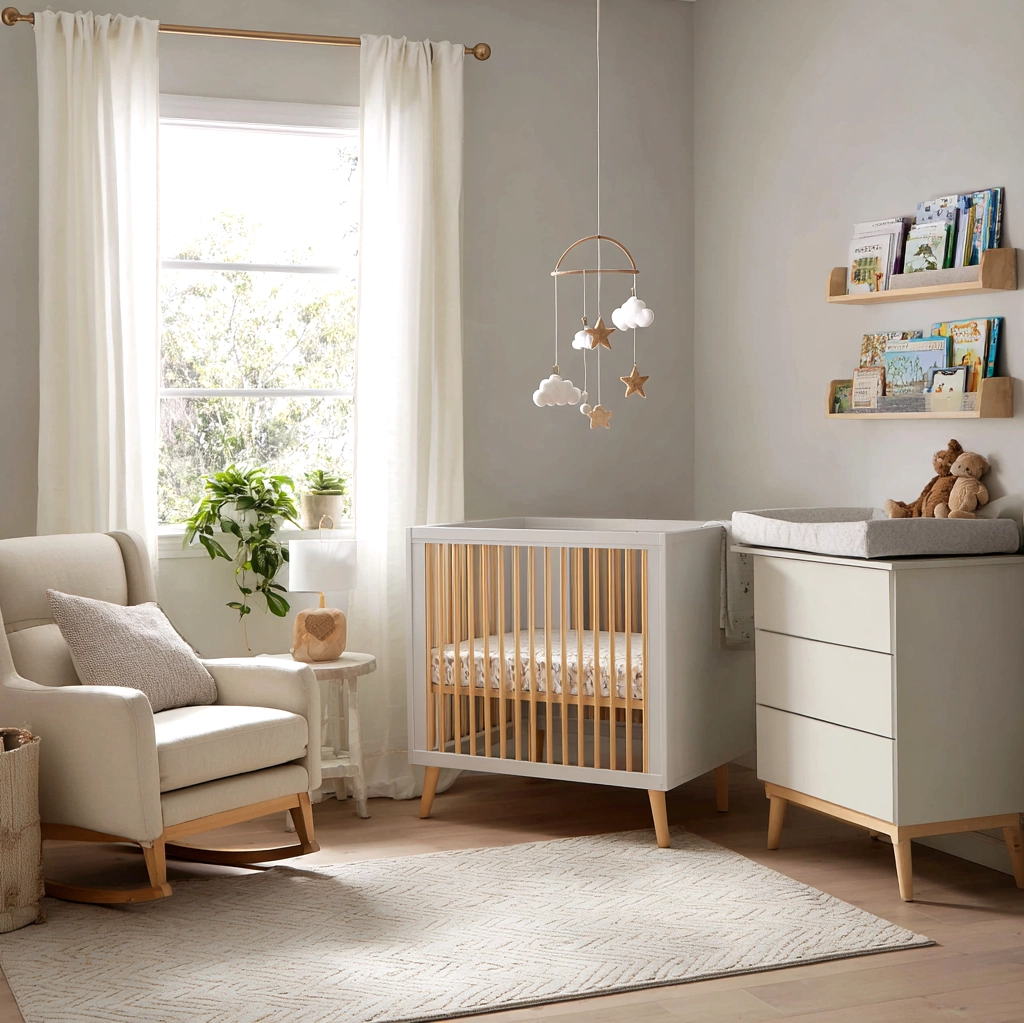
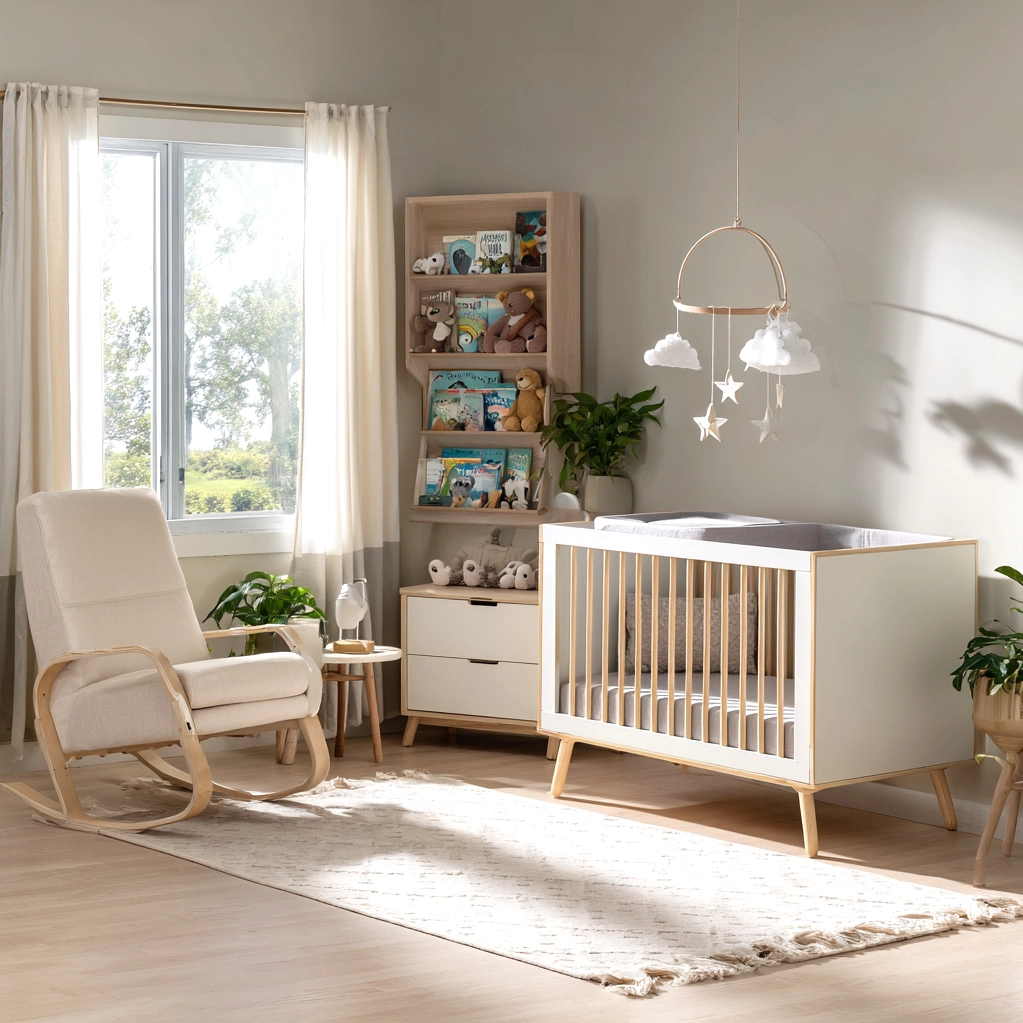
Not every family has a spacious room dedicated to nursery purposes. Practical nursery room decor inspiration focuses on maximizing functionality in compact areas. Start by measuring your space accurately. This helps you select appropriately sized furniture. Opt for multi-functional pieces like convertible cribs that transform into toddler beds. Changing tables with built-in storage save valuable floor space. Vertical storage solutions make excellent use of wall areas. Floating shelves display books and toys without consuming square footage. Wall-mounted organizers keep diapers and supplies within easy reach. Light colors visually expand small rooms. Soft pastels, whites, and light grays reflect natural light beautifully. Mirrors strategically placed can create the illusion of more space. Choose furniture with legs rather than solid bases. This creates an airy feel and makes cleaning easier. Compact gliders or rocking chairs provide comfort without dominating the room. Foldable options can be stored when not in use. Smart lighting enhances small nurseries. Dimmable overhead lights adjust for different activities. Night lights with motion sensors offer gentle illumination for nighttime checks. Window treatments should maximize natural light during daytime hours. Blackout curtains or shades ensure darkness for sleep. Every item in a small nursery should serve multiple purposes. Storage ottomans provide seating and hide clutter. Baskets under the crib store extra blankets and sheets. With thoughtful planning, even the smallest room can become a functional, beautiful nursery.
Sustainable Nursery Room Decor Inspiration for Eco-Conscious Families
Many parents today seek environmentally responsible options for their nurseries. Sustainable nursery room decor inspiration combines beautiful design with ecological consciousness. Start by selecting non-toxic, low-VOC paints for walls and furniture. These improve indoor air quality and reduce chemical exposure. Look for furniture made from sustainably sourced wood or bamboo. These materials are renewable and often more durable than particleboard alternatives. Second-hand and vintage pieces add character while reducing waste. Thoroughly inspect pre-owned items for safety and stability. Organic textiles make excellent choices for bedding and window treatments. Cotton, linen, and wool grown without harmful pesticides benefit both your baby and the planet. These natural fibers breathe well and feel gentle against sensitive skin. Energy-efficient lighting reduces your environmental footprint. LED bulbs last longer and use less electricity than traditional options. Solar-powered night lights provide soft illumination without plug-in power. Decorative elements can also support sustainability. Plants improve air quality and add natural beauty. Choose child-safe varieties like spider plants or Boston ferns. DIY projects using recycled materials personalize the space creatively. Frame botanical prints from seed catalogs or create mobiles from fallen branches. When selecting toys and accessories, prioritize quality over quantity. Well-made wooden toys last for years and can be passed down to siblings. Avoid plastic items that might end up landfills quickly. Sustainable choices often save money in the long run through durability and efficiency. They also teach valuable lessons about responsible living from the earliest days.
Conclusion
Nursery design represents a beautiful intersection of practicality and creativity. The nursery room decor inspiration shared here provides starting points for your unique space. Remember that the most successful nurseries balance aesthetics with functionality. They create environments where babies feel secure and parents feel comfortable. Your nursery will evolve alongside your child. What begins as a soothing sleep sanctuary transforms into a playful exploration zone. Choose elements that can adapt to these changing needs. Convertible furniture, neutral backdrops, and modular storage support this evolution. Safety should always guide your decisions. Secure furniture to walls, choose cordless window treatments, and select non-toxic materials. These precautions create peace of mind alongside visual appeal. Don't feel pressured to complete everything before your baby arrives. The nursery can develop gradually as you discover what works best for your family. Personal touches make the space truly special. Handmade items, family photos, and meaningful artwork add layers of love. Ultimately, your nursery reflects the care you're putting into this new chapter. It's where countless precious moments will unfold. Trust your instincts as you create this nurturing environment. The perfect nursery isn't about following trends—it's about crafting a space filled with warmth, safety, and joy.
Frequently Asked Questions
Q: When should I start decorating the nursery?
Most parents begin planning their nursery during the second trimester, when energy levels are typically higher and the pregnancy feels more established. Starting around 20-24 weeks gives you ample time to research, purchase items, and complete the room before the third trimester when mobility might decrease. However, every pregnancy is different—some parents prefer to wait until after the baby shower to see what items they receive. The key is to avoid last-minute stress by giving yourself at least 6-8 weeks before your due date to complete major projects like painting, furniture assembly, and safety checks.
Q: What are the most important safety considerations for nursery decor?
Safety should be your top priority when decorating a nursery. Always secure heavy furniture like dressers and bookshelves to wall studs using anti-tip brackets to prevent tipping. Choose cordless window treatments or keep cords completely out of reach to avoid strangulation hazards. Ensure the crib meets current safety standards with slats no more than 2-3/8 inches apart and no drop sides. Keep the crib free of pillows, blankets, and stuffed animals during sleep to reduce SIDS risk. Install working smoke and carbon monoxide detectors in or near the room. Use outlet covers on all electrical outlets and anchor rugs to prevent slipping. Regularly check for recalled items and maintain clear pathways for nighttime access.
Q: How can I make the nursery adaptable as my child grows?
Creating an adaptable nursery starts with selecting convertible furniture. Cribs that transform into toddler beds extend usability for several years. Dressers with removable changing toppers become standard storage pieces. Choose neutral wall colors that work with various themes as your child's interests develop. Use removable wall decals instead of permanent murals for easy updates. Invest in quality storage systems with adjustable shelves that accommodate changing needs. Select artwork that grows with your child—abstract prints or nature scenes work well from infancy through childhood. Leave some wall space empty for your child's future artwork display. Consider furniture placement that allows for play areas as mobility increases. These strategies help your nursery evolve seamlessly through different developmental stages.