
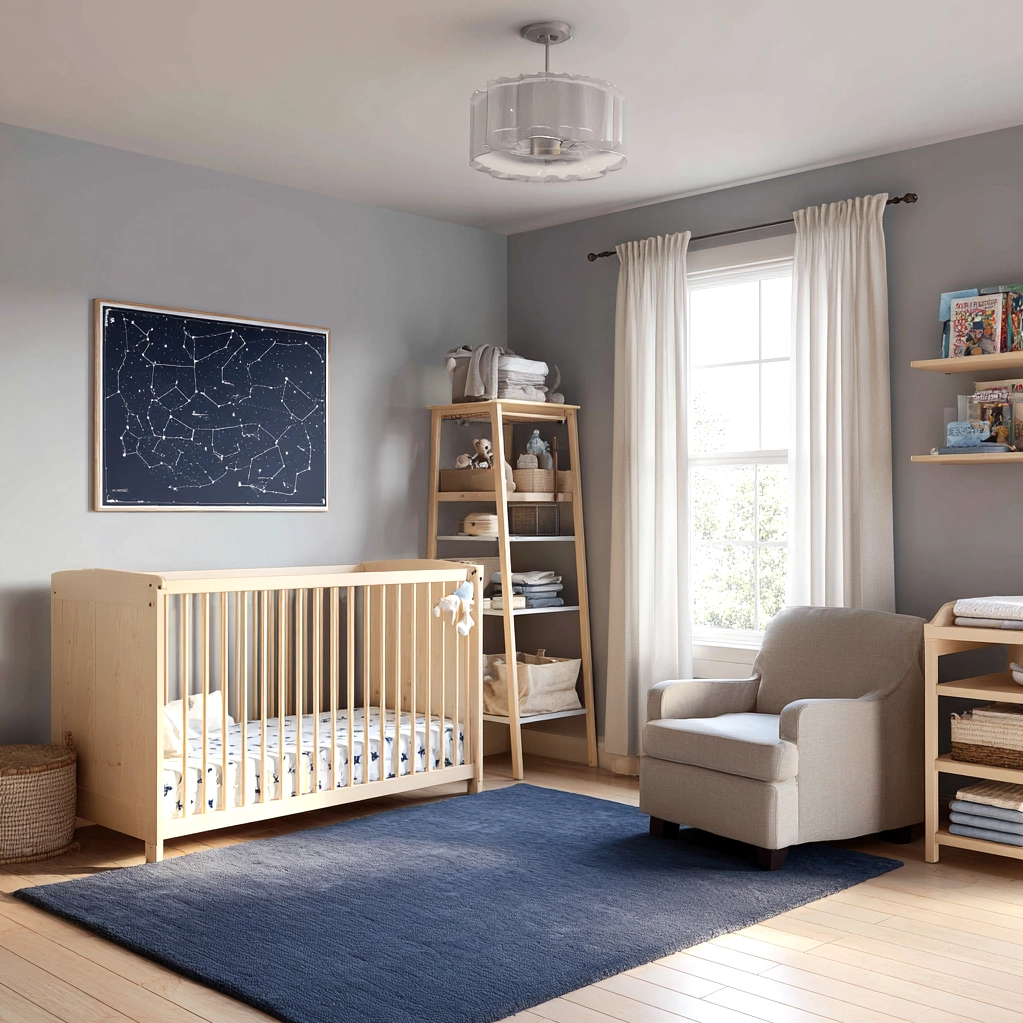
Nursery Room Decoration: Transform Your Space with Magical, Safe Designs


Creating the perfect nursery room decoration is one of the most exciting and meaningful projects for expecting parents. This special space isn’t just about paint colors and furniture placement—it’s about crafting a sanctuary that nurtures your baby’s development while reflecting your family’s unique style and values. A well-designed nursery serves multiple purposes: it provides a safe environment for your little one to sleep and play, offers practical storage solutions for all those baby essentials, and creates a calming atmosphere that benefits both baby and parents during those precious early months. The importance of thoughtful nursery room decoration extends beyond aesthetics. Research shows that a carefully planned environment can support infant development through sensory stimulation, promote better sleep patterns with appropriate lighting and temperature control, and establish routines through designated areas for feeding, changing, and playing. Every element you choose—from the crib safety features to the softness of the rug—contributes to your baby’s well-being and your peace of mind. This process allows you to express creativity while preparing for one of life’s most beautiful transitions. Whether you’re working with a spacious room or a cozy corner, the principles of good nursery design remain the same: prioritize safety, consider functionality, and infuse the space with warmth and personality. As you embark on this journey, remember that the most successful nursery room decoration balances practical needs with emotional resonance, creating a space that grows with your child while preserving those early memories.
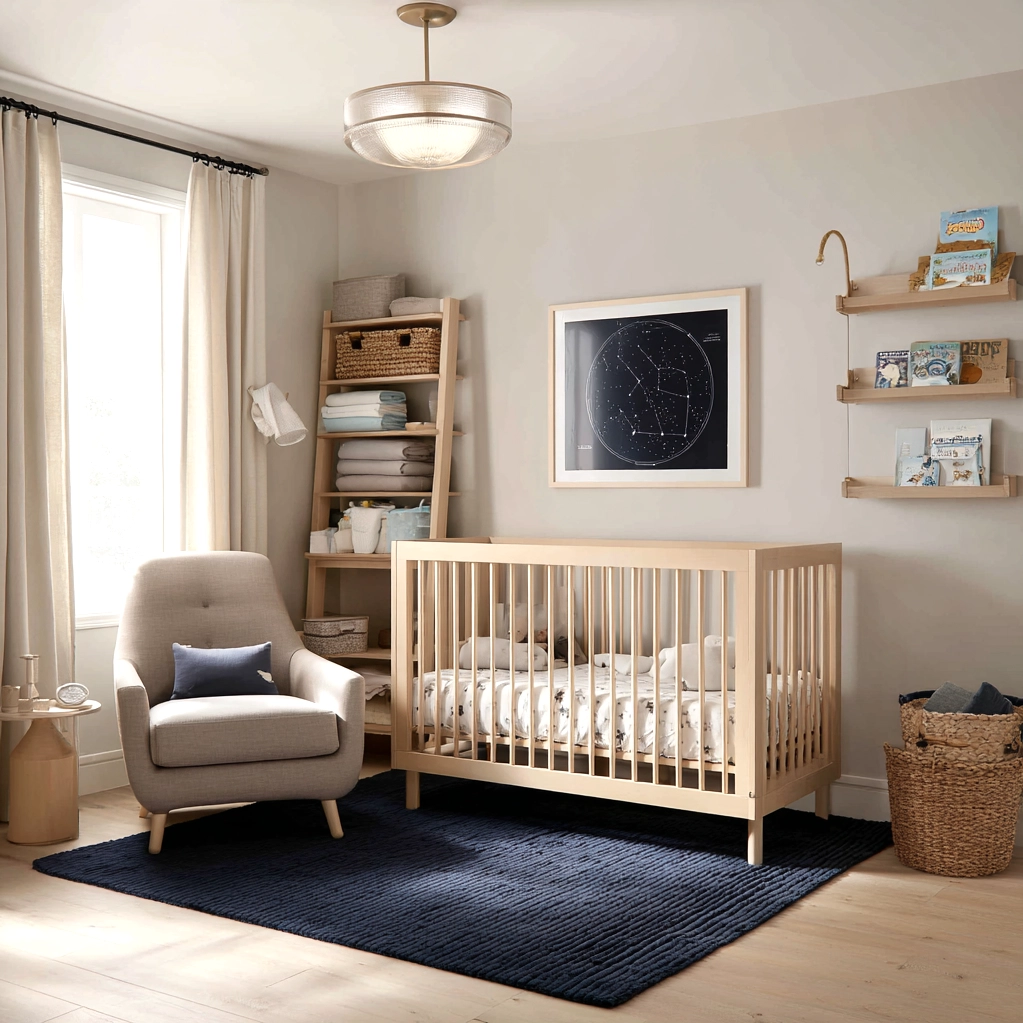
Essential Nursery Room Decoration Planning Strategies
Successful nursery room decoration begins with thoughtful planning that considers both immediate needs and future growth. Start by measuring your space carefully and creating a simple floor plan. This helps you visualize furniture placement before making any purchases. Focus on creating distinct zones within the nursery: a sleeping area centered around the crib, a feeding station with comfortable seating, a changing area with all necessary supplies within arm's reach, and a play zone that can evolve as your baby grows. Consider traffic flow patterns—you'll want clear pathways, especially when carrying a sleeping infant or navigating in dim lighting. When planning your nursery room decoration, think about how the space will function at different times of day and night. Incorporate blackout curtains or shades for nap times while allowing for natural light during play periods. Plan electrical outlets strategically for night lights, baby monitors, and humidifiers. Storage planning is crucial in nursery room decoration—calculate how much space you'll need for clothing in various sizes, diapering supplies, toys, and books. Built-in shelving, closet organizers, and multi-functional furniture can maximize even small spaces. Consider the room's orientation and natural light when choosing color schemes. North-facing rooms benefit from warm tones, while south-facing spaces can handle cooler palettes. Your nursery room decoration plan should also account for safety standards: ensure furniture meets current regulations, plan for cordless window treatments, and consider non-slip flooring options. By investing time in comprehensive planning, you create a foundation for a nursery that's both beautiful and brilliantly functional.
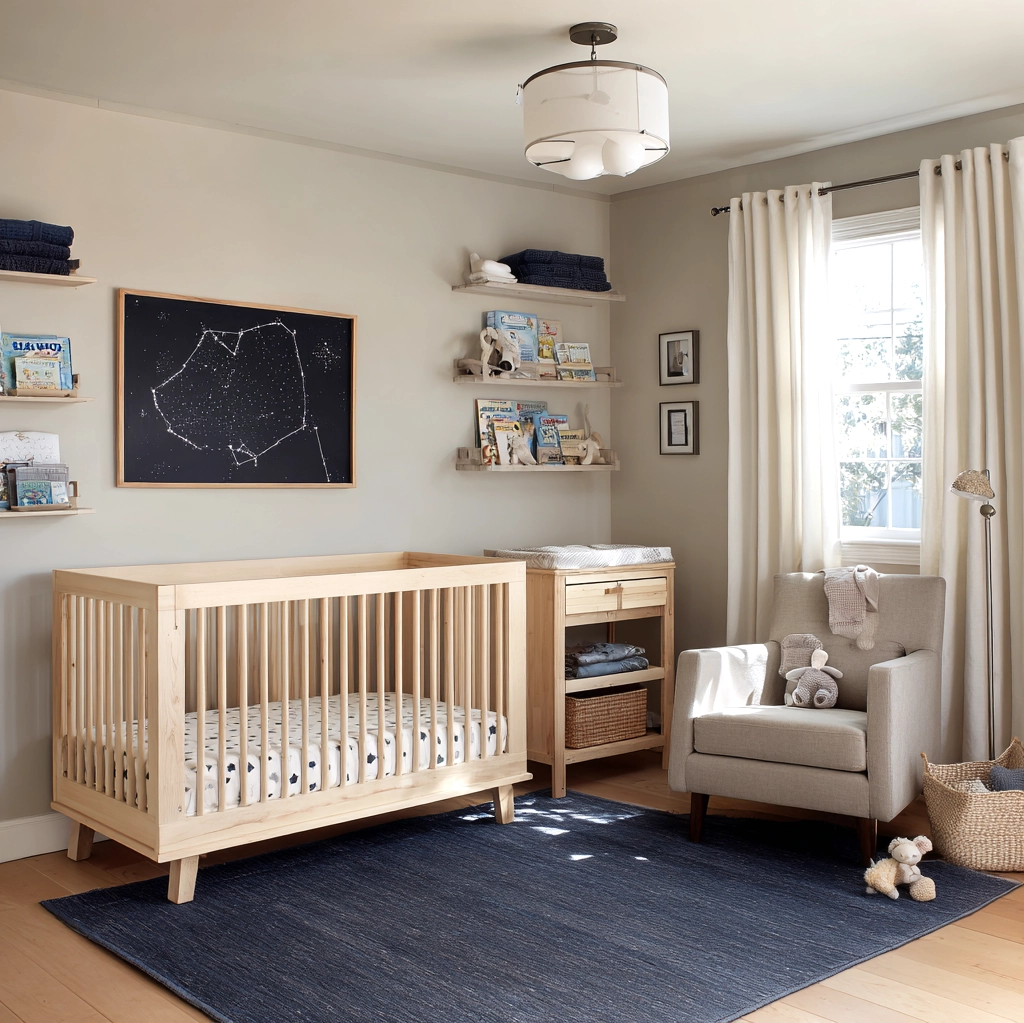
Safety-First Nursery Room Decoration Principles
Safety is the non-negotiable foundation of any nursery room decoration project. Begin with the crib, ensuring it meets current safety standards with slats no more than 2-3/8 inches apart and a firm, snug-fitting mattress. Position the crib away from windows, heaters, and blind cords to prevent hazards. When selecting furniture for your nursery room decoration, choose pieces with rounded corners or add corner guards to prevent injuries. Secure all heavy furniture like dressers and bookcases to wall studs using anti-tip brackets—this prevents dangerous tipping accidents as children begin to pull themselves up. Electrical safety is crucial in nursery room decoration. Use outlet covers on all unused electrical outlets and consider installing tamper-resistant receptacles. Keep cords from lamps, monitors, and other electronics neatly secured and out of reach. Window safety deserves special attention in nursery room decoration: install window guards or stops on all windows above the first floor, and ensure window coverings are cordless to prevent strangulation risks. Flooring choices impact safety significantly—opt for non-toxic, slip-resistant surfaces that provide cushioning for falls. Avoid area rugs that can bunch up or slide, creating tripping hazards. In your nursery room decoration, consider air quality by choosing low-VOC paints, finishes, and materials. Ensure proper ventilation and maintain consistent room temperature between 68-72°F. Lighting safety involves using night lights with cool-touch bulbs and ensuring main lighting doesn't create glare that could startle a waking infant. Regularly inspect your nursery room decoration for potential hazards as your baby grows and becomes more mobile. Remember that the safest nursery room decoration prioritizes simplicity—avoid overcrowding with decorations that could fall or create dust collection points. Every safety measure you incorporate brings peace of mind, allowing you to focus on enjoying precious moments with your little one.
Creative Nursery Room Decoration Themes and Personalization
While safety and functionality form the foundation, creative themes and personal touches transform nursery room decoration from practical to magical. The key is selecting a theme that resonates with your family while allowing flexibility as your child grows. Popular nursery room decoration themes include nature-inspired designs featuring woodland creatures, botanical prints, and organic textures; celestial themes with stars, moons, and soft galaxy colors; classic literary themes drawing from beloved children's books; or minimalist Scandinavian designs emphasizing clean lines and natural materials. When implementing your nursery room decoration theme, start with a cohesive color palette of 3-5 colors that includes both calming neutrals and stimulating accents. Wall treatments offer excellent opportunities for creative nursery room decoration—consider removable wallpaper featuring your theme's patterns, a subtle mural, or a carefully placed decal collection. Personalization elevates nursery room decoration from generic to meaningful. Incorporate family elements like a quilt made from meaningful fabrics, framed family photos at baby's eye level, or artwork created by older siblings. Many parents include a special shelf for sentimental items received during pregnancy. Functional items can double as decorative elements in clever nursery room decoration—storage baskets in theme-coordinating colors, a mobile that complements your color scheme, or curtains with subtle pattern references. Lighting plays a crucial role in thematic nursery room decoration: consider a pendant light shaped like a cloud for sky themes or woven rattan fixtures for bohemian designs. Don't forget tactile elements in your nursery room decoration—different textures in blankets, rugs, and wall hangings add sensory interest. The most successful nursery room decoration themes leave room for evolution. Choose elements that can easily adapt as your child develops preferences—swap out wall art more easily than repainting entire walls, and select furniture in neutral tones that work with multiple themes. Your creative nursery room decoration should tell your family's story while providing visual interest that stimulates your baby's developing senses.
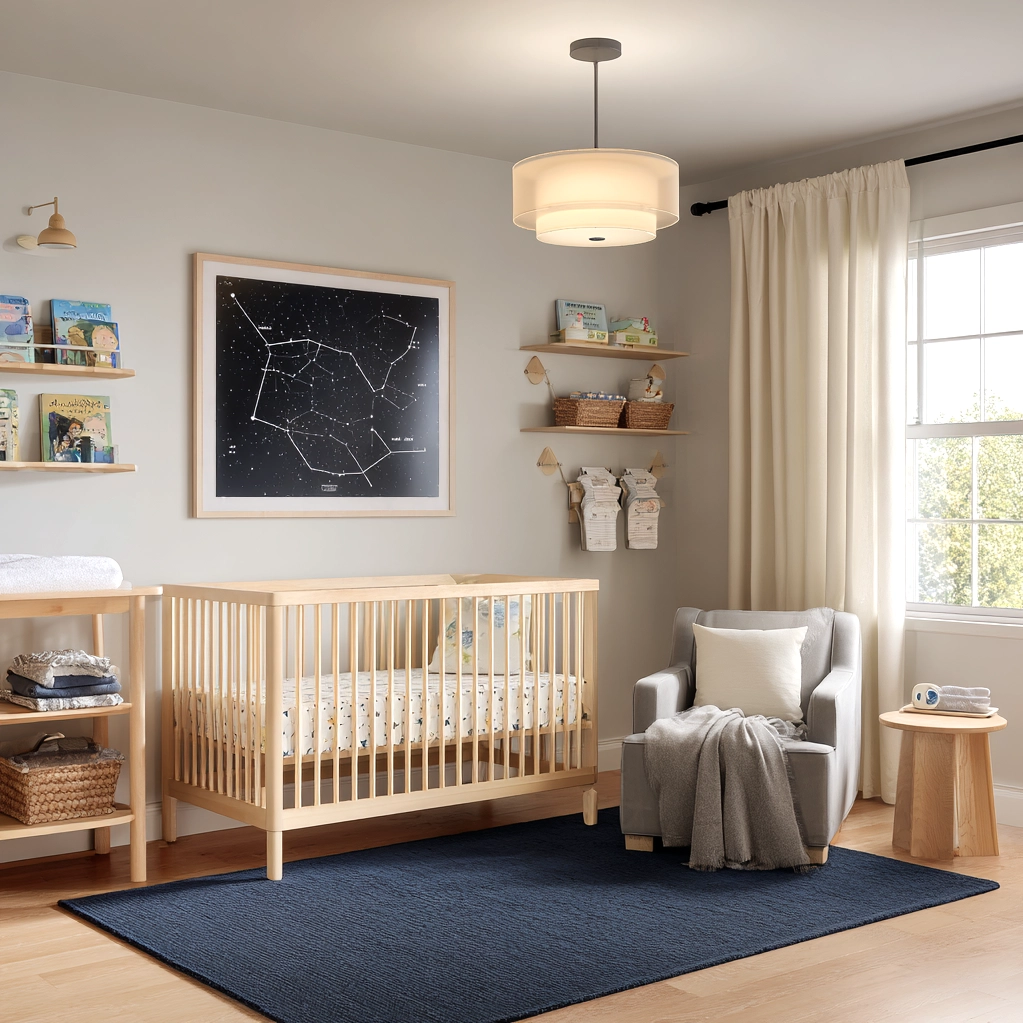
Budget-Friendly Nursery Room Decoration Solutions
Creating a beautiful nursery room decoration doesn't require a massive budget—with creativity and strategic planning, you can design a stunning space that prioritizes safety and style without financial stress. Begin your budget-friendly nursery room decoration by identifying which items warrant investment and where you can save. Splurge on key safety items like the crib and car seat, but consider budget options for decorative elements. Secondhand and hand-me-down furniture can form an excellent foundation for nursery room decoration when properly inspected for safety and given fresh paint or new hardware. Many communities have baby gear resale shops offering quality items at significant discounts. DIY projects offer tremendous value in nursery room decoration. Simple painting techniques like stripes, ombre effects, or stenciling can transform plain walls. Create custom artwork using inexpensive canvases and acrylic paints, or frame beautiful fabric swatches as textile art. Repurpose furniture you already own—a standard dresser becomes a perfect changing table with the addition of a secured changing pad. When shopping for new items in your nursery room decoration project, prioritize multi-functional pieces. A glider that converts to regular seating, storage ottomans that provide both seating and toy organization, or a crib that transitions to a toddler bed all offer extended value. Window treatments in nursery room decoration can be surprisingly affordable—simple curtain panels paired with blackout liners often cost less than custom shades. For flooring, large area rugs define spaces more economically than wall-to-wall carpeting. Organizational elements in budget nursery room decoration can be both inexpensive and attractive: labeled baskets from discount stores, painted mason jars for small items, or open shelving made from basic lumber. Lighting in economical nursery room decoration might include affordable plug-in sconces or strategically placed floor lamps rather than expensive overhead installations. The most satisfying budget nursery room decoration often incorporates handmade elements—a mobile crafted from origami or felt, a growth chart painted directly on the wall, or personalized name art using wooden letters from a craft store. Remember that the most memorable nursery room decoration elements often cost very little: a special blanket knitted by a grandparent, a favorite childhood book displayed prominently, or a collection of family photos in simple frames. By focusing on creativity rather than cost, you can create nursery room decoration that feels both luxurious and personally meaningful.
Conclusion
Nursery room decoration represents far more than mere interior design—it's an act of love and preparation that sets the stage for your child's earliest experiences. Throughout this journey, we've explored how thoughtful planning creates functional zones, how safety considerations form the essential foundation, how creative themes add personality and stimulation, and how budget-friendly approaches make beautiful design accessible to all families. The most successful nursery room decoration balances these elements harmoniously, creating a space that serves practical needs while nurturing emotional connections. As you implement these principles, remember that flexibility is key. Your baby's needs will evolve rapidly during the first year, and the most adaptable nursery room decoration accommodates these changes gracefully. Consider choosing elements that can grow with your child—convertible furniture, adjustable shelving, and artwork that transitions from infant stimulation to toddler engagement. The future of nursery room decoration continues to embrace sustainability, with more parents seeking eco-friendly materials, non-toxic finishes, and items made to last through multiple children. Smart technology integration is becoming more common, with voice-controlled lighting, temperature monitoring systems, and advanced air purification. However, the heart of nursery room decoration remains timeless: creating a safe, loving environment where your child feels secure and cherished. As you complete your nursery room decoration project, take a moment to appreciate this special preparation time. Each choice you've made—from the crib mattress firmness to the color of the walls—represents your care and anticipation. This thoughtfully decorated nursery will witness countless precious moments: late-night feedings, morning play sessions, and the quiet wonder of watching your baby discover their world. May your nursery room decoration bring you joy in the creating and comfort in the using, forming the beautiful backdrop for your family's newest chapter.
Frequently Asked Questions
Q: What is the most important factor to consider in nursery room decoration?
Safety is absolutely the most critical factor in nursery room decoration. Every design decision should prioritize your baby's wellbeing above aesthetics or trends. This includes selecting furniture that meets current safety standards, securing all heavy items to walls, ensuring proper crib placement away from hazards, choosing cordless window treatments, using non-toxic materials, and maintaining clear pathways. While beautiful design enhances the space, safety forms the essential foundation that allows you to enjoy the nursery with peace of mind. Regular safety checks as your baby grows are also crucial, since new mobility brings new potential hazards.
Q: How can I create a gender-neutral nursery room decoration that still feels special?
Gender-neutral nursery room decoration offers wonderful creative opportunities beyond traditional pink or blue schemes. Focus on themes that celebrate childhood rather than gender: consider nature-inspired designs with greens, yellows, and earth tones; celestial themes with deep blues, purples, and metallics; or classic literary motifs. Incorporate texture through woven baskets, knitted blankets, and natural wood elements to add warmth. Personalization makes gender-neutral nursery room decoration feel special—include family heirlooms, meaningful artwork, or handmade items. Many parents choose a color palette of 3-4 coordinating colors rather than a single dominant hue. Remember that gender-neutral doesn't mean boring—bold patterns, interesting shapes, and varied materials create visual interest without gender associations.
Q: When should I start planning my nursery room decoration during pregnancy?
Most experts recommend beginning nursery room decoration planning during the second trimester, typically around 20-24 weeks. This timing allows you to proceed with energy before the third trimester when mobility often decreases, while still having ample time to complete projects before your due date. Start with the planning phase: measure your space, research safety standards, and establish a budget. Major furniture purchases and any renovation work should ideally be completed by 34-36 weeks. Leave smaller decorative elements and personal touches for the final weeks when you can enjoy the creative process without pressure. Some parents prefer to have the nursery completely ready by 32 weeks, while others leave a few special projects for the final month. Consider your own energy levels and any potential for early arrival when creating your nursery room decoration timeline.

