Open House Ideas for Seniors: Inspiring Strategies for Joyful Accessibility

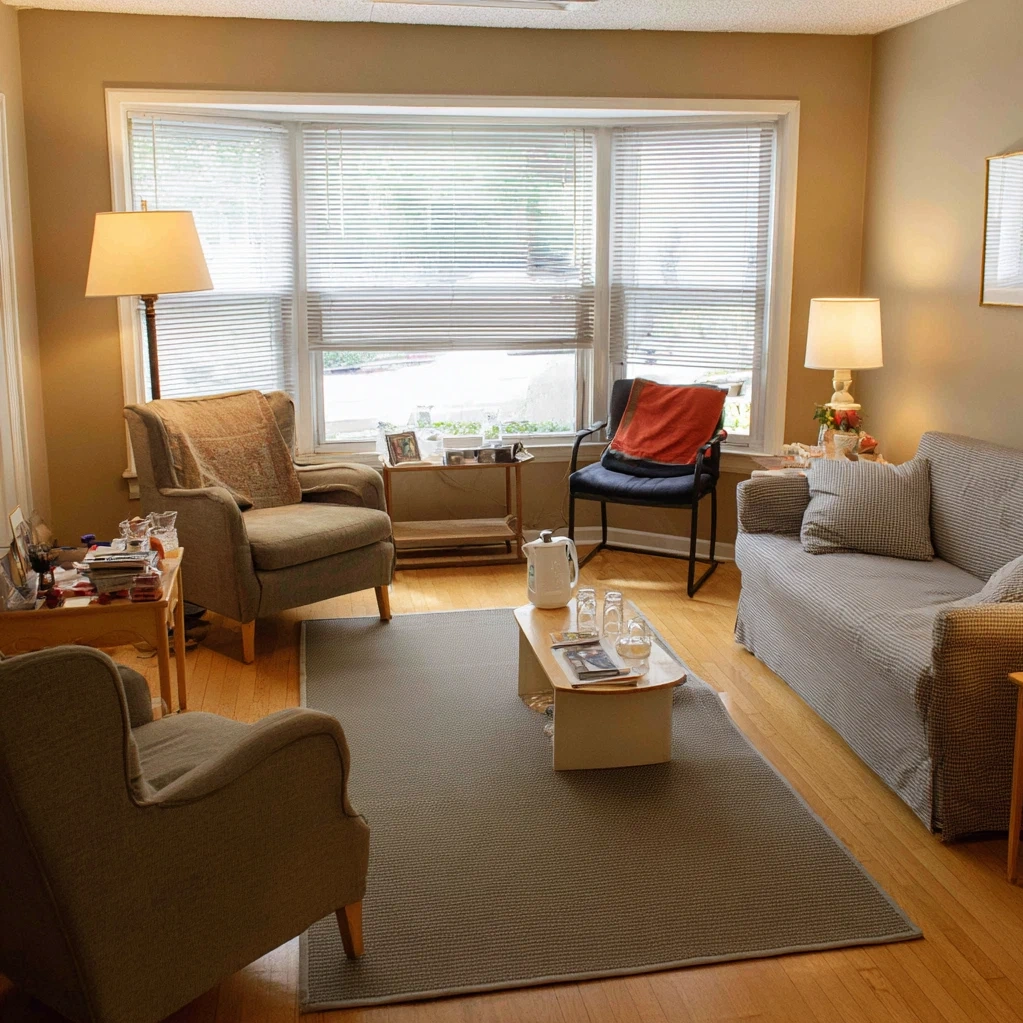
Hosting an open house for seniors requires thoughtful planning that goes beyond standard home staging. As our population ages, creating welcoming environments that accommodate mobility, sensory, and cognitive needs becomes increasingly important. These gatherings offer invaluable opportunities for social connection, family bonding, and community engagement—elements crucial for senior wellbeing. Whether you’re a family member planning a multigenerational event, a retirement community organizer, or a senior looking to host friends, implementing smart open house ideas for seniors can transform ordinary gatherings into memorable, accessible experiences that everyone can enjoy without barriers or discomfort. The right approach considers everything from physical safety to emotional comfort, ensuring that all guests—regardless of age or ability—feel genuinely welcomed. Thoughtful preparation shows respect for seniors’ needs while creating spaces where meaningful conversations and connections can flourish naturally. This attention to detail not only makes events more enjoyable but also demonstrates genuine care for senior participants, fostering an atmosphere of inclusion and appreciation. By focusing on accessibility, comfort, and engagement, your open house can become a model for how to host successful gatherings that honor and accommodate our older loved ones.
Essential Safety Modifications for Senior-Friendly Open House Ideas
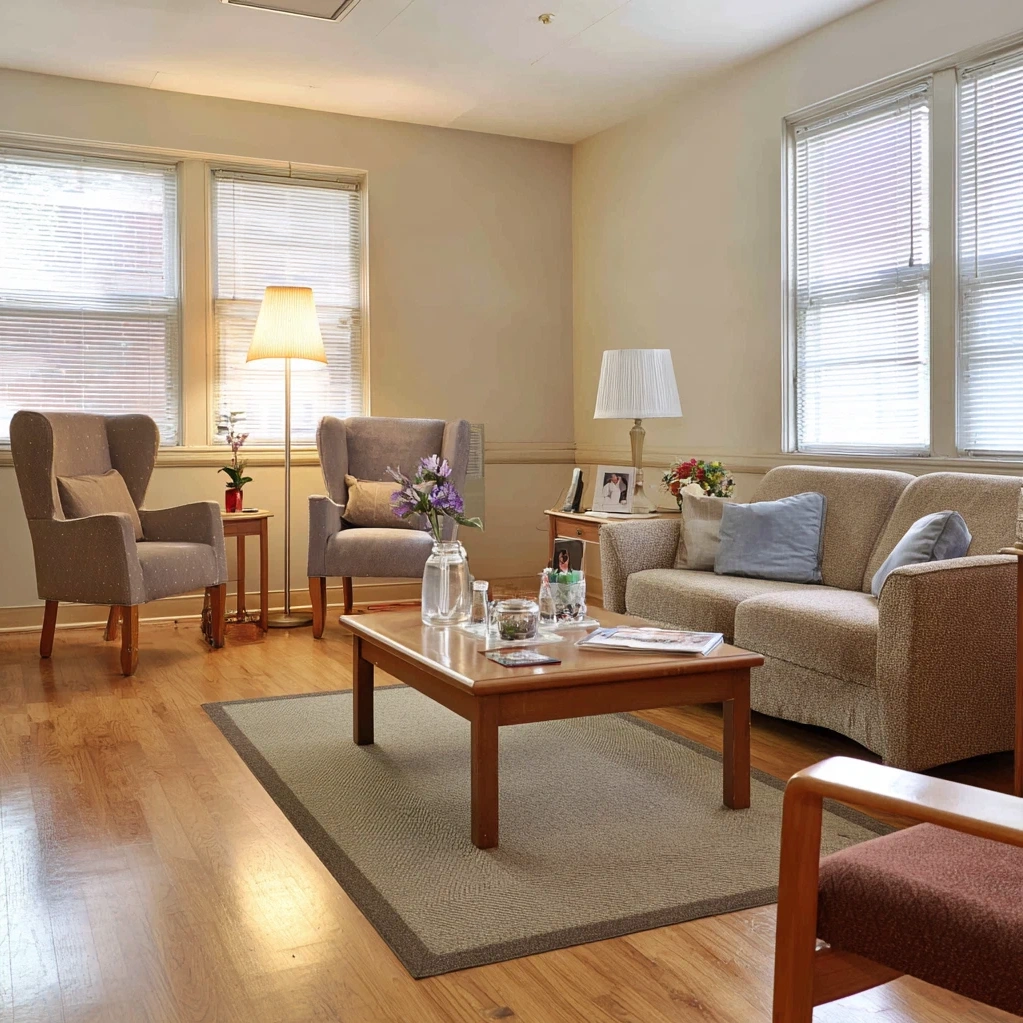
When planning open house ideas for seniors, safety considerations should always come first. Begin by assessing potential hazards that might not concern younger guests but pose real risks to older adults. Clear pathways of at least 36 inches wide allow comfortable navigation for walkers and wheelchairs. Secure loose rugs with non-slip backing or remove them entirely to prevent tripping accidents. Ensure all areas have adequate lighting—particularly transition spaces between rooms and stairways where falls frequently occur. Install temporary grab bars in bathrooms if permanent ones aren't available, using sturdy suction cup models that provide reliable support. Place non-slip mats in potentially wet areas like kitchens and entryways. Consider temperature control carefully, as seniors often have different thermal comfort needs; maintain indoor temperatures between 68-74°F with minimal drafts. Position seating strategically throughout the space so guests can rest frequently without having to walk long distances. Create clear emergency exit routes and ensure all guests know where to find first aid supplies. These practical modifications form the foundation of successful open house ideas for seniors, creating environments where older adults can participate confidently without worrying about their physical safety.
Accessible Layouts and Seating Arrangements: Core Open House Ideas for Seniors
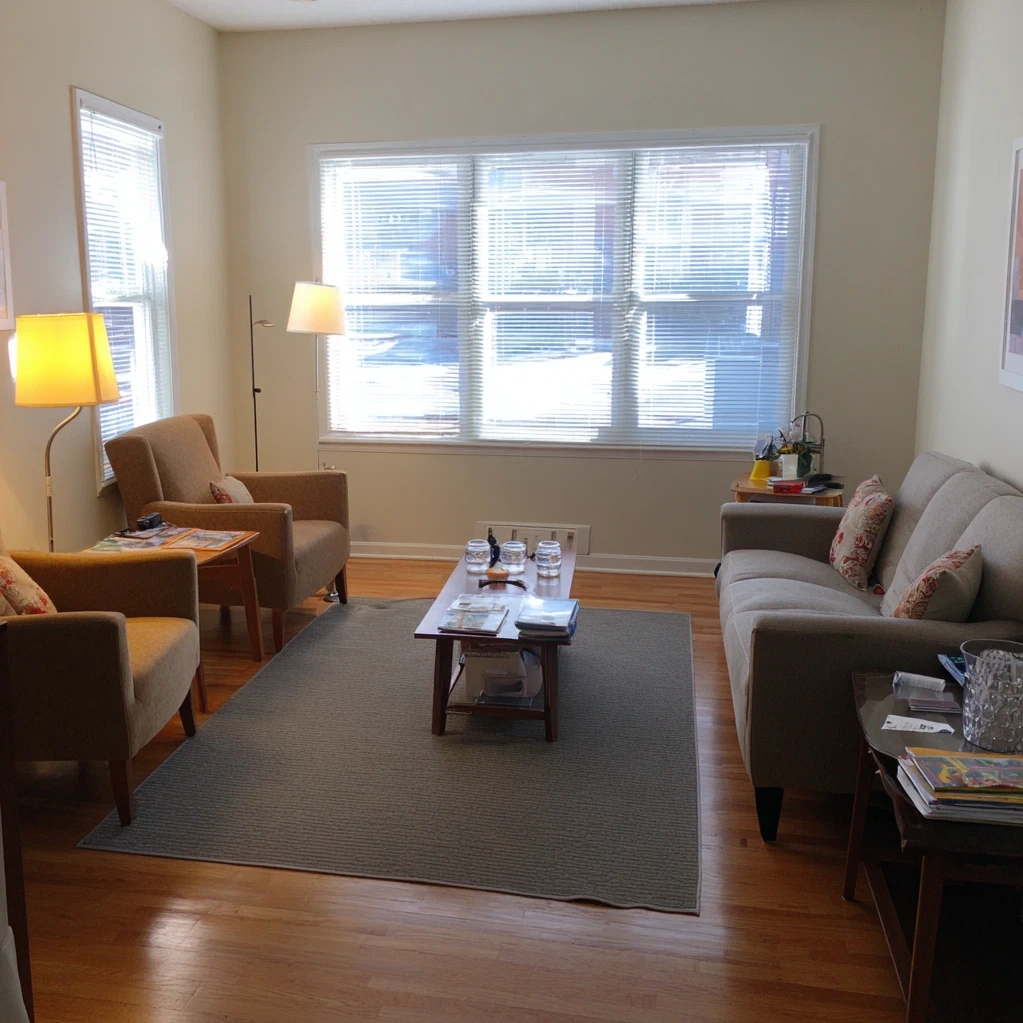
Thoughtful spatial design represents a crucial element in effective open house ideas for seniors. Create multiple conversation areas with varied seating heights—some traditional chairs, some with higher seats that are easier to rise from, and perhaps a sturdy bench or two. Arrange furniture to facilitate easy movement while encouraging social interaction. Position seating in clusters rather than lining walls, which encourages engagement while maintaining clear pathways. Include tables at appropriate heights throughout gathering areas where guests can rest drinks or plates without bending or reaching excessively. For standing events, provide ample sturdy chairs along walls and in corners where seniors can take breaks without feeling conspicuous. Consider creating a quiet zone slightly removed from the main activity area—a space with comfortable seating where guests can retreat if they need a break from noise or stimulation. Ensure all frequently used items like refreshments, restrooms, and entertainment are easily accessible without navigating through crowded areas. These layout considerations transform standard open house ideas for seniors into genuinely inclusive experiences that accommodate varying mobility levels while promoting social connection. The goal is to create spaces that feel naturally accessible rather than medically adapted, maintaining the festive atmosphere while ensuring practical comfort for all participants.
Sensory Considerations in Open House Ideas for Seniors
Senior-friendly gatherings require attention to sensory elements that younger hosts might overlook. When developing open house ideas for seniors, consider how lighting, sound, and visual stimulation affect older guests. Avoid harsh overhead lighting that creates glare; instead, use multiple soft light sources like table lamps and floor lamps to create warm, evenly distributed illumination. Minimize background noise by choosing soft instrumental music at low volume and positioning speakers away from main conversation areas. Reduce visual clutter that can cause confusion or distraction—keep decorations simple and meaningful rather than overwhelming. Choose contrasting colors between floors, walls, and furniture to help guests with vision challenges navigate spaces more easily. For outdoor open house ideas for seniors, provide shaded areas to protect from sun glare and consider the time of day to avoid temperature extremes. Offer seating options with different textures and support levels to accommodate various sensory preferences. These sensory adjustments make open house ideas for seniors more comfortable for those with hearing, vision, or cognitive changes, creating environments where all guests can participate fully without sensory overload. The result is gatherings that feel welcoming rather than overwhelming, allowing seniors to engage at their own comfort level.
Engaging Activities and Social Strategies for Open House Ideas for Seniors
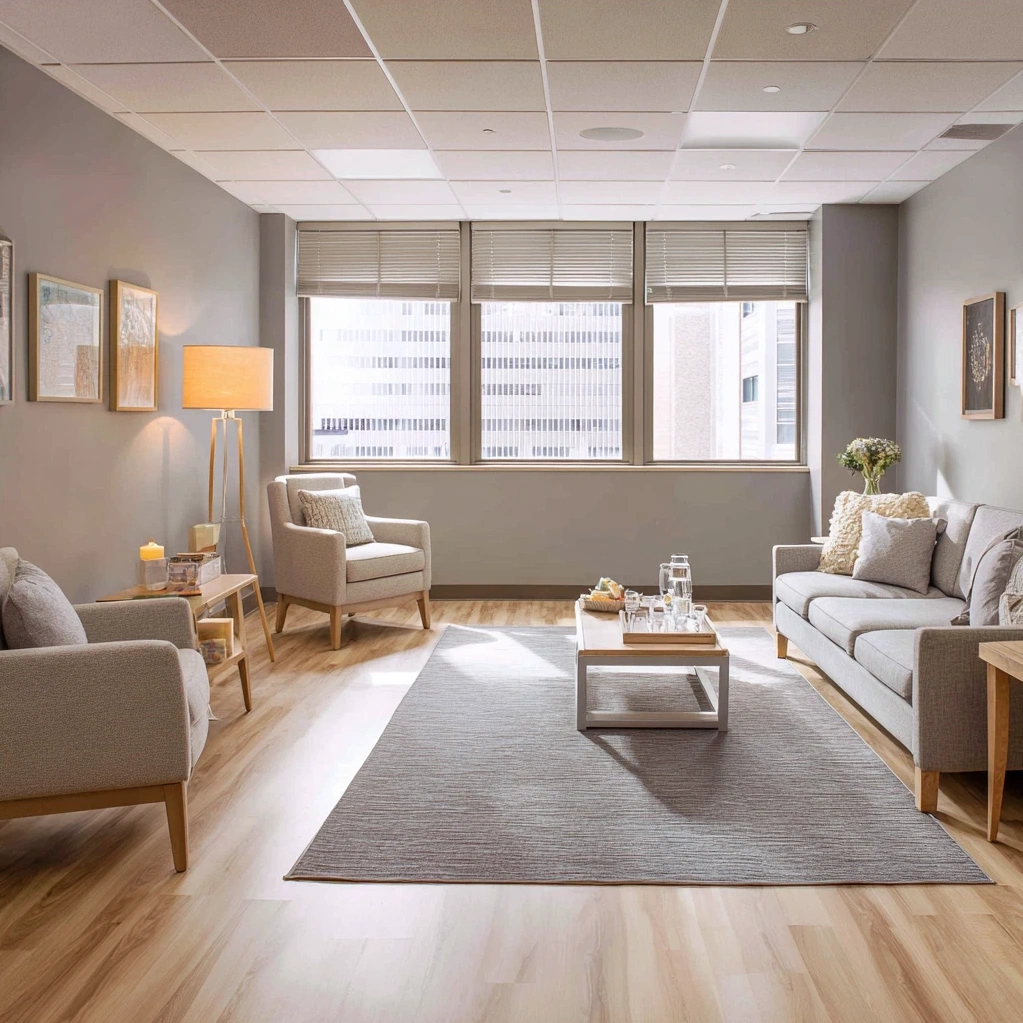
Beyond physical accommodations, successful open house ideas for seniors incorporate thoughtful social planning. Create conversation starters throughout the space—photo albums of family history, interesting collectibles with stories, or simple games that encourage interaction without pressure. Plan activities that accommodate various ability levels, such as gentle gardening demonstrations, simple craft stations with large-handled tools, or music appreciation areas with comfortable seating. When planning refreshments for open house ideas for seniors, offer options that consider common dietary restrictions and dental concerns—soft foods, smaller portions, and clear labeling of ingredients. Provide beverages in easy-to-hold containers that minimize spill risks. Consider timing carefully; shorter events (2-3 hours) often work better than marathon gatherings, and afternoon timing typically suits senior circadian rhythms better than evening events. Designate specific hosts or family members to circulate and facilitate introductions, helping seniors connect with other guests without feeling isolated. These social elements transform basic open house ideas for seniors into meaningful experiences that prioritize connection over mere attendance. The most successful gatherings create natural opportunities for interaction while respecting individual preferences for engagement level, resulting in events that seniors genuinely enjoy rather than simply endure.
Conclusion
Implementing thoughtful open house ideas for seniors creates more than just accessible gatherings—it builds inclusive communities where every generation feels valued and comfortable. By combining safety modifications, accessible layouts, sensory considerations, and engaging social strategies, hosts can transform ordinary events into welcoming experiences that honor seniors' needs while maintaining festive atmospheres. The most successful approaches blend practical accommodations with genuine hospitality, creating spaces where older adults can participate fully without drawing attention to their limitations. As our population continues to age, these considerations become increasingly relevant not just for family gatherings but for community events, religious functions, and social occasions of all types. Looking forward, the principles behind effective open house ideas for seniors—accessibility, inclusion, and thoughtful design—represent valuable approaches for all intergenerational gatherings. By prioritizing these elements today, we create templates for more inclusive social spaces tomorrow. The ultimate goal isn't merely accommodation but celebration—creating environments where seniors feel not just included but genuinely welcomed as integral participants in our shared social fabric. Start small with your next gathering, implement one or two of these strategies, and observe how thoughtful adjustments can significantly enhance the experience for your older guests while improving the event for everyone.
Frequently Asked Questions
Q: What are the most important safety considerations for open house events with senior guests?
The top safety priorities include clear, wide pathways free of tripping hazards, adequate lighting throughout all areas (especially transitions between spaces), secure flooring with non-slip surfaces, accessible seating at regular intervals, and temperature control within comfortable ranges. Always ensure emergency exits remain unobstructed and that someone present knows basic first aid. For bathroom safety, consider temporary grab bars and non-slip mats even if you don't have permanent accessibility features installed.
Q: How can I make my open house more engaging for seniors without being condescending?
Focus on activities that respect seniors' experiences and capabilities while accommodating physical limitations. Conversation starters based on shared history or interests work well, as do hands-on activities with adaptive tools. The key is offering options rather than requirements—some guests may prefer quiet conversation while others enjoy more active participation. Always provide comfortable seating near activities so seniors can engage without standing for extended periods. Most importantly, involve seniors in planning when possible to ensure activities genuinely interest them.
Q: What timing works best for open house events involving senior guests?
Afternoon gatherings typically work best, ideally between 1-4 PM when energy levels tend to be higher. Keep events to 2-3 hours maximum to prevent fatigue. Avoid evening events when vision challenges increase and circadian rhythms favor earlier retirement. If hosting during meal times, consider earlier dining hours than you might choose for younger crowds. Always communicate clear start and end times so seniors can plan accordingly, and respect these timelines once established.