Pastel Spring Colors: The Ultimate Guide to Transform Your Home with Joyful Hues

As winter fades and nature awakens, there’s an irresistible urge to refresh our living spaces with the soft, joyful hues of the season. Pastel spring colors offer more than just aesthetic appeal—they create an emotional connection to renewal and optimism that can transform any home into a sanctuary of calm and cheer. These gentle shades—think soft lavender, mint green, powder blue, and blush pink—have the remarkable ability to brighten rooms without overwhelming them, making them perfect for creating inviting spaces that feel both fresh and timeless. The importance of incorporating these colors goes beyond mere decoration; it’s about embracing a mindset of growth and positivity. In a world that can feel chaotic, surrounding ourselves with these soothing tones provides psychological benefits, reducing stress and promoting relaxation. Whether you’re looking to make a dramatic change or just add subtle touches, understanding how to work with pastel spring colors can elevate your home’s atmosphere. This article will guide you through practical ways to integrate these hues into your decor, helping you create spaces that feel alive with the spirit of the season. From selecting the right shades to combining them effectively, you’ll discover how pastel spring colors can bring harmony and joy to every corner of your home.
Choosing the Perfect Pastel Spring Colors for Your Space
Selecting the right pastel spring colors for your home requires thoughtful consideration of your existing decor and personal preferences. These soft hues work beautifully in various settings, but each shade brings its own unique mood and effect. Start by assessing your room's natural light—north-facing spaces benefit from warmer pastels like peach or butter yellow, while south-facing rooms can handle cooler tones like mint or lavender. Consider the room's function too; calming pastel blues and greens are ideal for bedrooms and bathrooms, while cheerful pinks and yellows work well in living areas and kitchens. Don't be afraid to mix multiple pastel spring colors within a single space. The key is maintaining balance through a cohesive palette. Choose one dominant color and use others as accents to prevent visual chaos. For example, you might paint walls in soft sage green while incorporating blush pink through throw pillows and artwork. Remember that pastels work exceptionally well with neutral backdrops. White, beige, or light gray walls allow pastel spring colors to shine without competing. If you're hesitant about committing to wall paint, start with accessories like curtains, rugs, or decorative objects. These smaller elements let you experiment with different shades before making larger investments. Ultimately, the perfect pastel spring colors should reflect your personality while creating the atmosphere you desire—whether that's serene and restful or bright and energetic.
Incorporating Pastel Spring Colors Through Textiles and Accessories
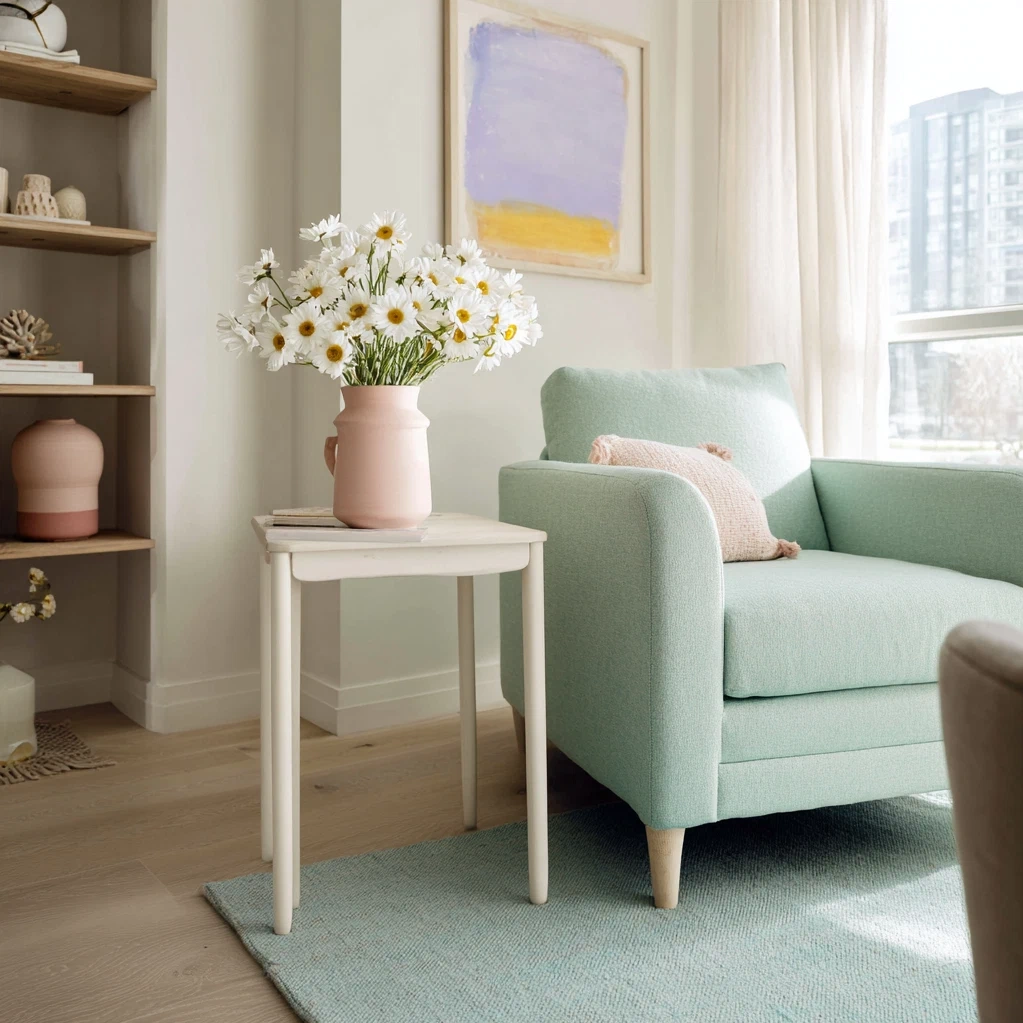
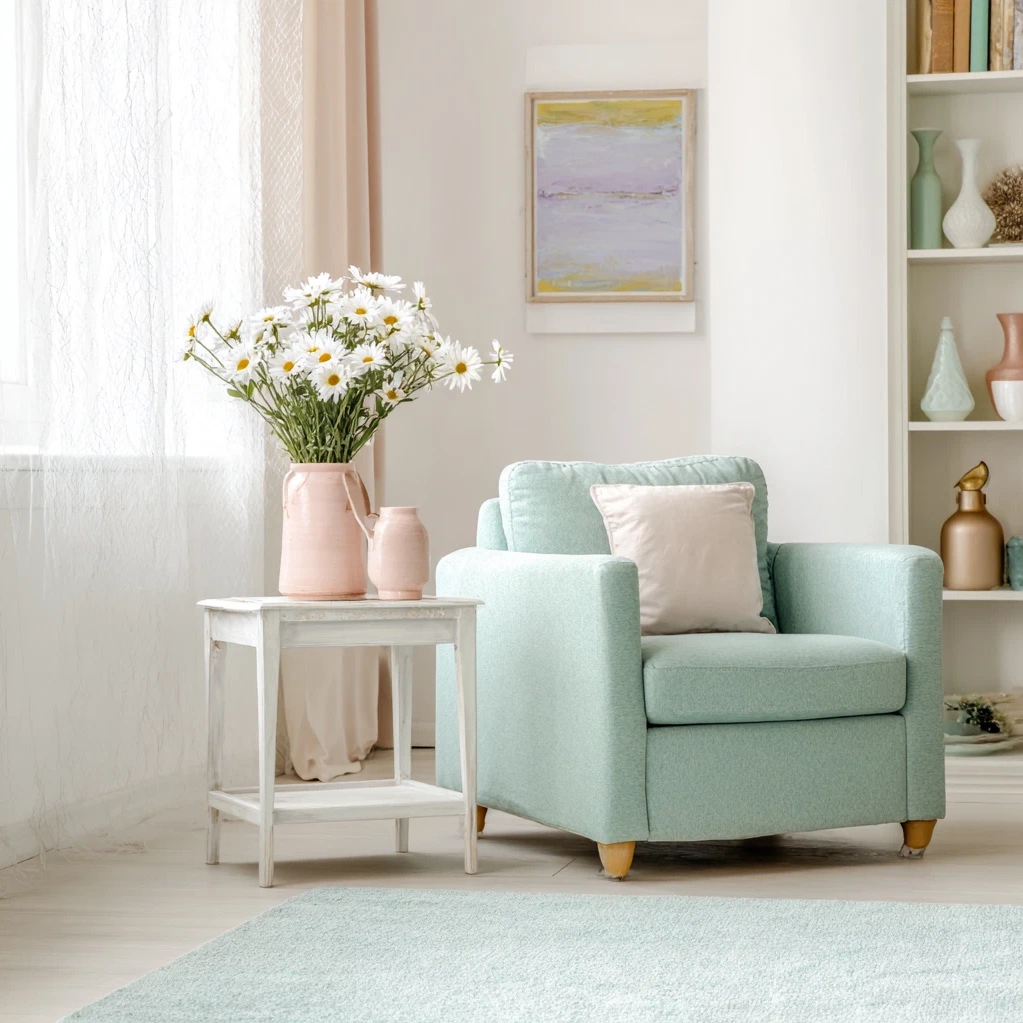
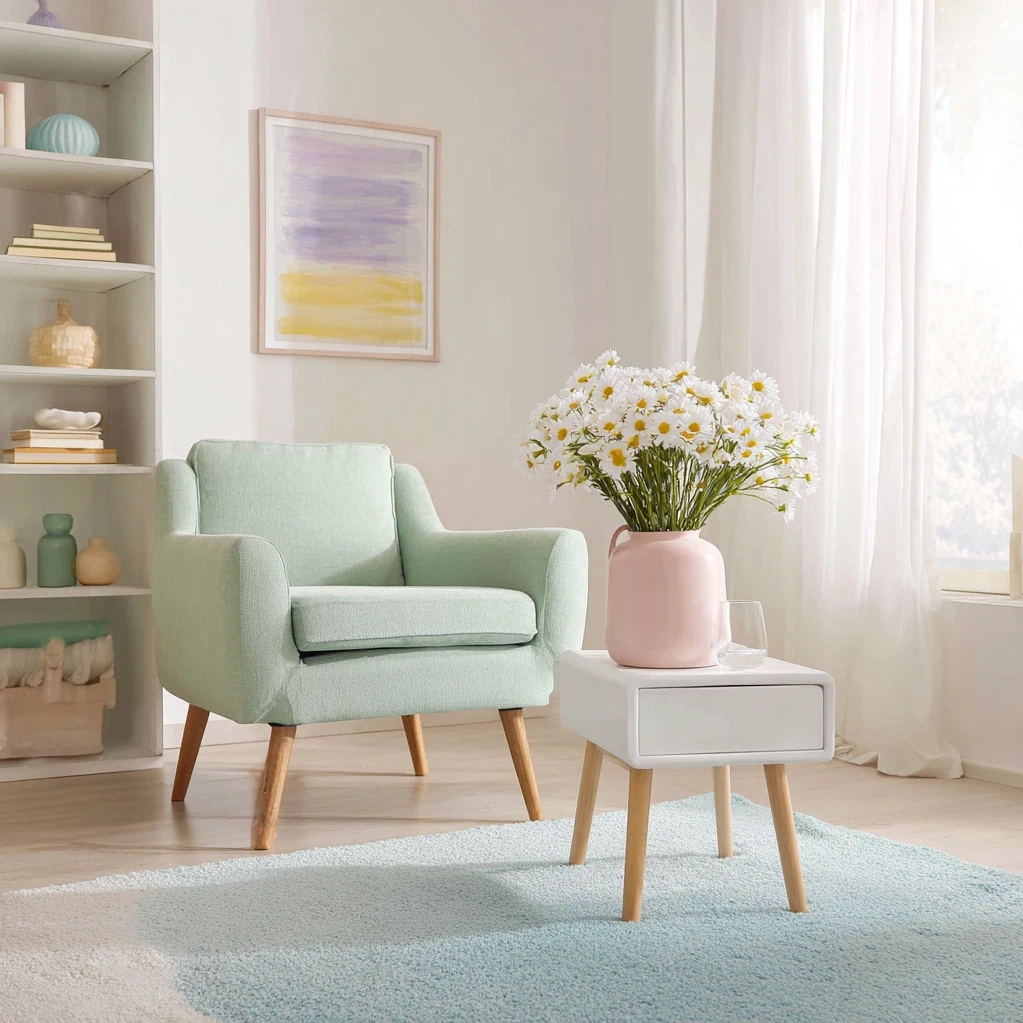
One of the easiest and most effective ways to introduce pastel spring colors into your home is through textiles and accessories. These elements offer flexibility and can be changed with the seasons, allowing you to refresh your space without major renovations. Begin with larger textile items that have significant visual impact. Area rugs in soft pastel shades can anchor a room while adding warmth and texture. Look for rugs in pale blue, lavender, or mint green—these colors work beautifully with various decor styles from modern to traditional. Window treatments are another excellent opportunity. Sheer curtains in blush pink or butter yellow filter light beautifully, creating a soft, ethereal glow. For more substantial coverage, consider linen drapes in subtle pastel hues. Don't overlook bedding and throw pillows as vehicles for pastel spring colors. A duvet cover in powder blue or a collection of pillows in varying pastel shades can completely transform a bedroom's atmosphere. Mix textures like velvet, cotton, and linen to add depth and interest. When it comes to accessories, think beyond the obvious. Vases, picture frames, and decorative bowls in pastel spring colors add subtle touches of color throughout your space. Consider grouping several accessories in complementary shades for greater impact. For example, arrange ceramic pieces in varying tones of green and blue on a shelf or mantel. Remember that accessories don't need to match perfectly—in fact, slight variations in tone create a more organic, collected look. The beauty of using textiles and accessories to incorporate pastel spring colors lies in their versatility. You can easily swap items as your preferences change or as different seasons arrive, keeping your home feeling fresh and current.
Creating Harmonious Combinations with Pastel Spring Colors
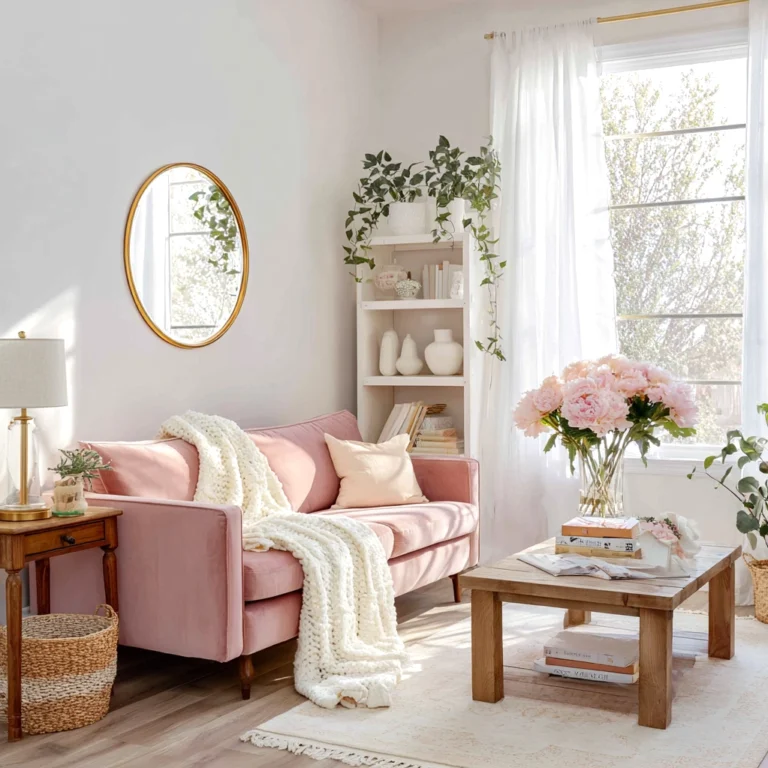
Mastering the art of combining pastel spring colors is essential for creating cohesive, visually pleasing spaces. These soft hues naturally complement each other, but thoughtful pairing enhances their beauty and prevents a washed-out appearance. Start by understanding basic color theory as it applies to pastels. Analogous combinations—colors next to each other on the color wheel—create serene, harmonious looks. Pair lavender with soft blue or mint green with pale yellow for effortless elegance. Complementary combinations—colors opposite each other—add subtle contrast and energy. Try blush pink with mint green or butter yellow with lavender. When working with multiple pastel spring colors, establish a clear hierarchy. Choose one color as your primary shade, use a second as a secondary accent, and incorporate a third sparingly for pops of interest. This prevents visual competition and creates rhythm throughout the space. Consider incorporating metallic elements to elevate pastel combinations. Gold, brass, or copper accents add warmth and sophistication to soft color palettes. A gold-framed mirror against a pale blue wall or brass drawer pulls in a mint green kitchen create beautiful contrasts. Don't forget about texture when combining pastel spring colors. Smooth surfaces like painted walls or ceramic vases pair beautifully with textured elements like woven baskets, knit throws, or natural wood. This interplay of textures prevents pastel schemes from feeling flat or one-dimensional. For those who prefer a more subtle approach, consider monochromatic combinations using varying tones of a single pastel. Different shades of blue, for example, can create depth and interest without introducing additional colors. Remember that white space is your ally when working with pastel spring colors. Allow areas of neutral background to let the colors breathe and shine. With practice, you'll develop an intuitive sense for creating beautiful, balanced combinations that make your home feel fresh and inviting.
Maintaining Balance with Pastel Spring Colors Throughout the Year
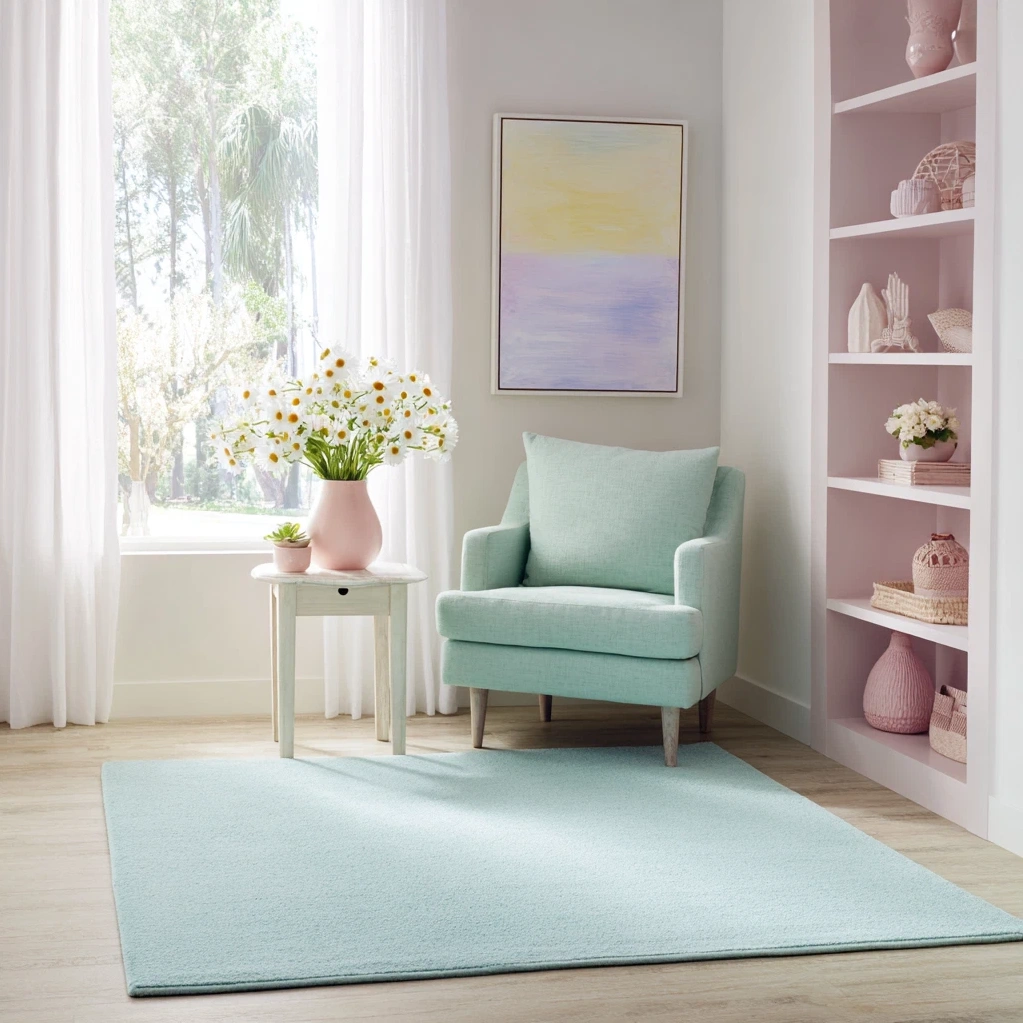
While pastel spring colors feel particularly appropriate during warmer months, they can work beautifully year-round with thoughtful implementation. The key to maintaining balance is creating a foundation that supports seasonal transitions without requiring complete redecorating. Begin with a neutral base that allows pastel spring colors to take center stage when desired. Walls in white, light gray, or beige provide a clean canvas that complements pastels in any season. Invest in quality furniture in natural materials like wood, rattan, or linen—these elements ground pastel schemes and prevent them from feeling too fleeting. As seasons change, you can adjust the intensity and placement of your pastel spring colors. During spring and summer, embrace lighter, brighter pastels throughout your space. In fall and winter, consider deeper, more saturated versions of the same hues or focus pastels in specific areas rather than entire rooms. For example, maintain pastel bedding year-round but switch to richer colored curtains during cooler months. Another strategy involves using pastel spring colors as accents against seasonal backdrops. In winter, pastel decorative objects pop beautifully against darker, cozier elements like wool throws or velvet cushions. This approach keeps your space feeling current while maintaining continuity with your preferred color palette. Consider the psychological aspects of color as seasons change. Pastel blues and greens maintain their calming properties year-round, making them excellent choices for bedrooms and workspaces regardless of the weather outside. Warmer pastels like peach and butter yellow can combat winter grays with their cheerful presence. Finally, remember that lighting plays a crucial role in how pastel spring colors appear throughout the year. Adjust artificial lighting to complement natural light changes—warmer bulbs in winter can enhance pastel tones, while cooler bulbs in summer prevent them from appearing too warm. With these strategies, you can enjoy the beauty of pastel spring colors while creating a home that feels balanced and welcoming in every season.
Conclusion
Pastel spring colors offer a versatile, emotionally uplifting approach to home decor that transcends seasonal trends. By thoughtfully selecting shades that resonate with your personal style and your home's architecture, you can create spaces that feel both fresh and timeless. The journey of incorporating these gentle hues begins with understanding their psychological impact—how soft blues promote calm, cheerful pinks inspire joy, and mint greens connect us to nature's renewal. As we've explored, successful implementation involves more than just choosing pretty colors; it requires consideration of lighting, texture, balance, and seasonal adaptability. The true magic of pastel spring colors lies in their ability to transform ordinary rooms into sanctuaries of peace and optimism. Whether you start with small accessories or commit to painting entire walls, each step brings you closer to a home that reflects the hopeful spirit of spring year-round. Looking forward, consider how these colors might evolve in your space. As design trends shift, pastels maintain their classic appeal while adapting to new contexts. Future innovations in paint technology and sustainable textiles will likely offer even more ways to incorporate these hues responsibly. For now, embrace the opportunity to experiment—mix shades you love, play with different combinations, and notice how these colors affect your mood and daily experience. Remember that creating a beautiful home with pastel spring colors is an ongoing process rather than a one-time project. Allow your preferences to develop naturally, adding and adjusting elements as your life and style evolve. The result will be a living space that not only looks beautiful but truly feels like home—a place of comfort, inspiration, and renewed energy with each changing season.
Frequently Asked Questions
Q: Can pastel spring colors work in rooms with limited natural light?
Absolutely. Pastel spring colors can work beautifully in rooms with limited natural light when chosen carefully. Opt for warmer pastel shades like soft peach, butter yellow, or blush pink, which reflect available light more effectively than cooler tones. These hues create a cozy, inviting atmosphere rather than appearing washed out. Enhance their effect by incorporating reflective surfaces like mirrors, metallic accents, or glossy finishes that bounce light around the room. Avoid dark furniture that absorbs light, and consider layering multiple light sources—overhead fixtures, table lamps, and sconces—to create a bright, evenly lit space. With these strategies, even north-facing or basement rooms can enjoy the uplifting qualities of pastel spring colors.
Q: How do I prevent pastel spring colors from looking too childish or nursery-like?
Preventing pastel spring colors from appearing too juvenile involves sophisticated application and balancing elements. First, choose more muted, sophisticated pastel shades—think dusty rose rather than bright pink, or sage green instead of mint. These subtle variations feel more adult and refined. Second, pair pastels with mature materials and textures. Combine soft colors with natural wood, brushed metals, marble, or leather to add depth and sophistication. Third, maintain a clean, uncluttered aesthetic. Too many pastel items in one space can feel overwhelming; instead, use them as accents against neutral backdrops. Fourth, incorporate geometric patterns or abstract art featuring pastel colors rather than literal, whimsical designs. Finally, consider the room's function—pastels work particularly well in bedrooms, bathrooms, and living areas when balanced with darker or richer accent colors. With these approaches, pastel spring colors can create elegant, timeless spaces suitable for any adult home.
Q: What are the best ways to incorporate pastel spring colors in a rental home where I can't paint walls?
Renting doesn't limit your ability to enjoy pastel spring colors—it simply requires creative approaches. Focus on removable, non-permanent elements that make significant visual impact. Large area rugs in pastel shades can define spaces and add color without touching walls. Window treatments like curtains or removable shades offer another excellent opportunity. Choose sheers in soft pastel hues that filter light beautifully. Furniture can also introduce color—consider a pastel-colored sofa, armchair, or bookshelf. If purchasing large colored furniture isn't feasible, use slipcovers or throws to transform existing pieces. Wall decor provides numerous possibilities: create gallery walls with pastel-framed art, hang tapestries or fabric panels, or use removable wallpaper on accent walls (check with your landlord first). Don't overlook smaller accessories like throw pillows, blankets, vases, and decorative objects that collectively create a pastel palette. Temporary solutions like washi tape or removable decals can add subtle color accents to walls or furniture. Finally, consider lighting—lamps with pastel-colored shades or smart bulbs that cast soft colored light can dramatically change a room's atmosphere. With these approaches, you can fully embrace pastel spring colors while maintaining your rental's original condition.