Small Entryway Ideas: Genius Transformations That Will Amaze You

Your entryway is more than just a transitional space—it’s the first impression your home makes and a crucial zone that sets the tone for your entire living experience. Yet, for many homeowners, small entryways can feel like frustrating bottlenecks, crammed with coats, shoes, and clutter that seem impossible to organize. This challenge is surprisingly common in apartments, older homes, and modern minimalist designs where square footage is at a premium. But here’s the exciting truth: a compact entryway doesn’t have to mean chaos or compromise. With clever small entryway ideas, you can transform even the tiniest foyer into a functional, stylish, and welcoming gateway. Think about how you use this space daily—dropping keys, storing bags, greeting guests, or simply taking a breath after a long day. A well-designed small entryway streamlines these routines while reflecting your personal style. This article will guide you through practical, inspiring solutions that maximize every inch, turning limitations into opportunities for creativity. Whether you’re dealing with a narrow hallway, a corner nook, or a truly minuscule alcove, these approaches will help you create an organized, beautiful entry that works hard without feeling crowded. Let’s explore how smart design choices can make your small entryway not just functional, but truly fabulous.
Smart Storage Solutions for Small Entryway Ideas
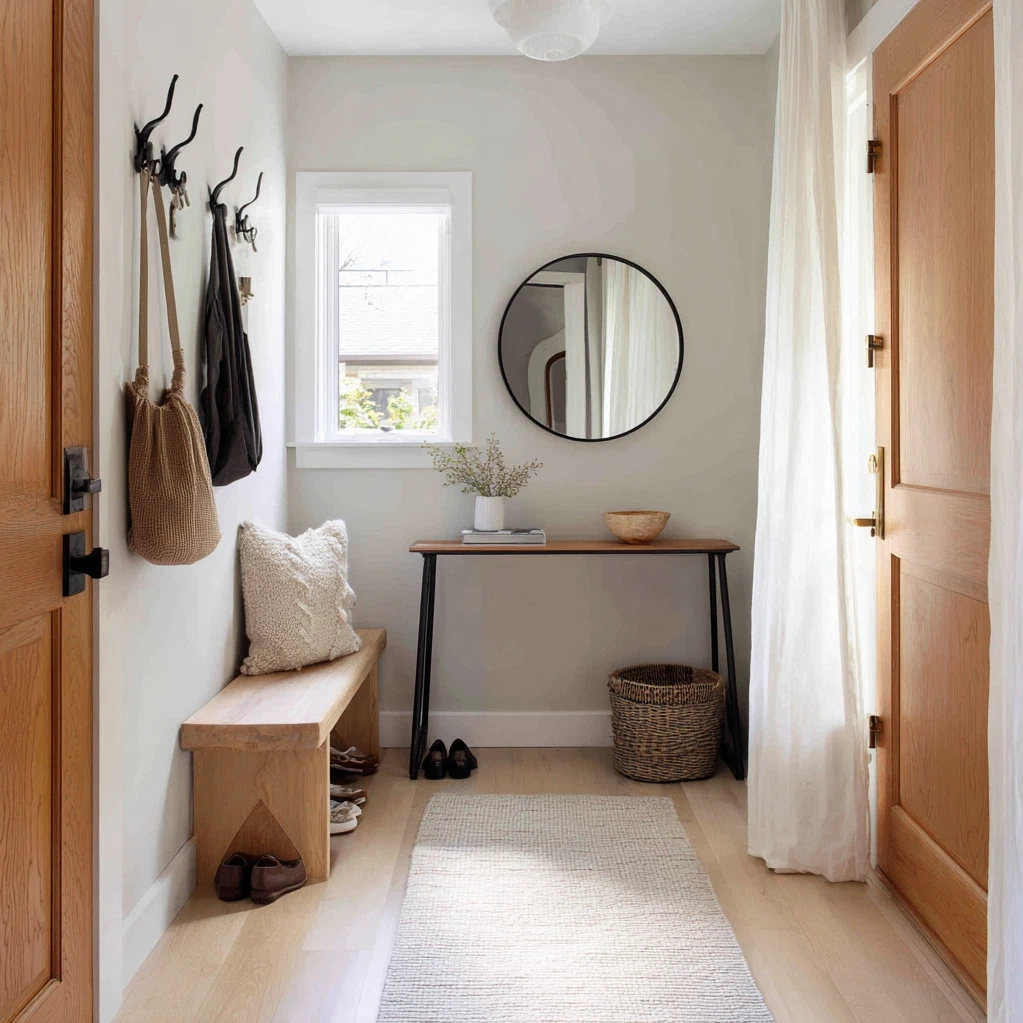
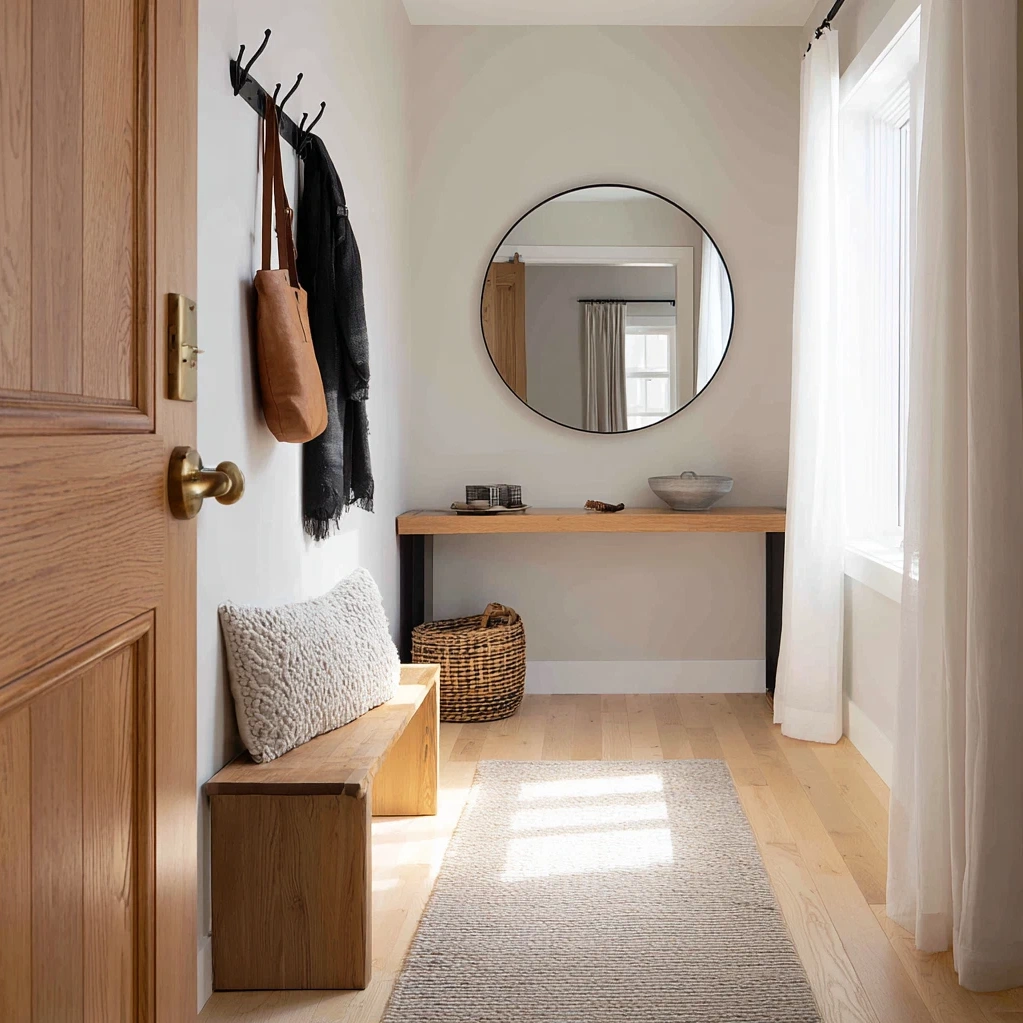
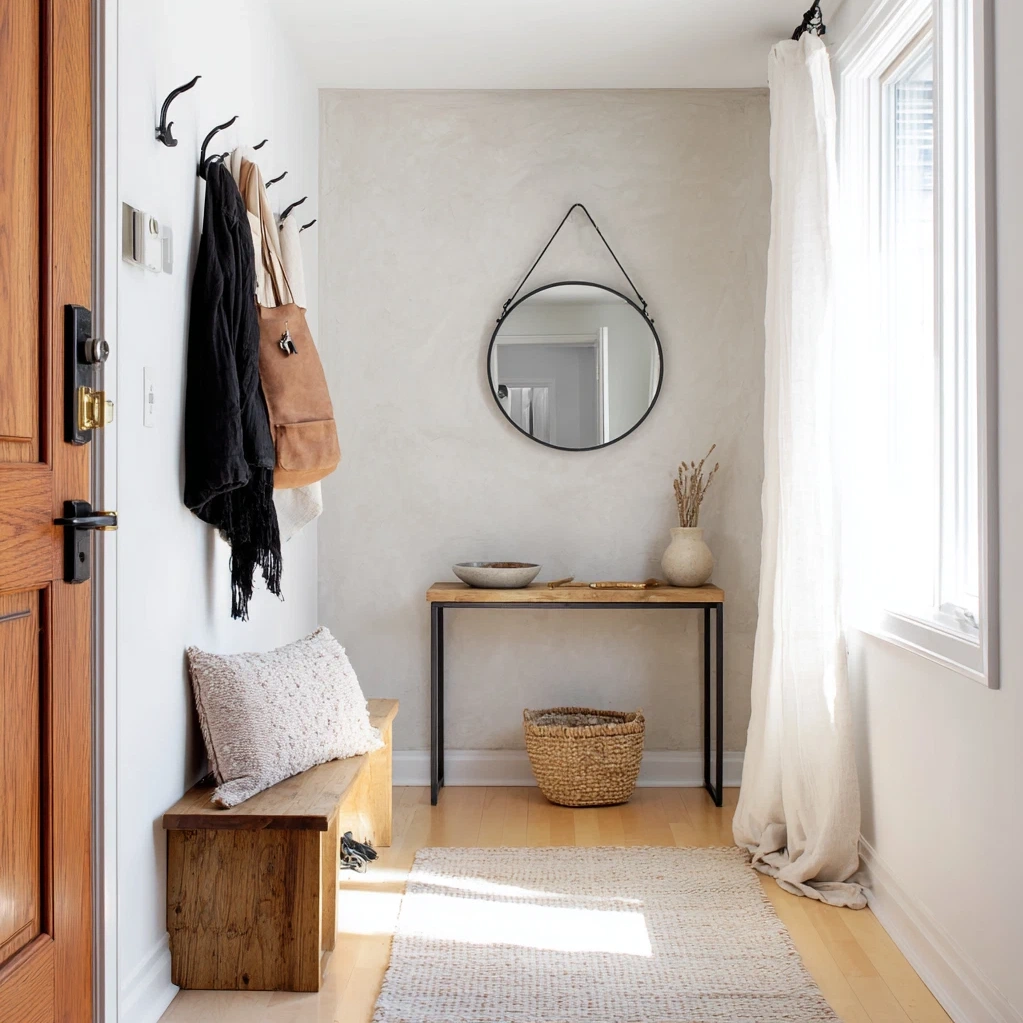
When space is limited, innovative storage becomes your best friend. The key is to think vertically and multi-functionally. Start by assessing what you actually need to store in your entryway—typically shoes, coats, bags, keys, and mail. For shoes, consider slim vertical racks that tuck against the wall or floating shelves with built-in cubbies. A bench with hidden storage underneath provides seating while concealing seasonal items. Wall-mounted hooks are game-changers for small entryway ideas; they keep coats and bags off the floor without consuming precious square footage. Choose hooks in a cohesive finish that complements your decor, and stagger them at different heights to maximize use. For smaller items like keys and sunglasses, install a shallow floating shelf with small baskets or a wall-mounted organizer with compartments. Mirrors with built-in shelves offer both functionality and the illusion of space. Another brilliant tactic is to use the back of the door. An over-the-door organizer with pockets can hold scarves, gloves, and mail neatly out of sight. If your entryway includes a closet, optimize it with double-hanging rods, shelf dividers, and door-mounted racks. For truly tight spaces, consider a narrow console table with drawers or a wall-mounted drop-leaf table that folds down when needed. The goal is to keep the floor as clear as possible, creating an open, airy feel. Choose furniture with legs to enhance this lightness. Materials matter too—light-colored woods, glass, and metallic finishes reflect light and feel less imposing. Remember, every piece should serve at least two purposes in your small entryway ideas.
Design Tricks to Expand Your Small Entryway
Visual perception plays a huge role in how spacious your entryway feels. Clever design choices can make a compact area appear larger and more inviting. Start with color: light, neutral palettes like soft whites, pale grays, or creamy beiges reflect light and create an open atmosphere. If you love color, use it strategically—perhaps a bold accent wall at the far end to draw the eye deeper, or colorful accessories that pop against a neutral backdrop. Mirrors are arguably the most effective tool in small entryway ideas. A large mirror placed opposite a light source doubles the visual space and brightens the area. Consider a mirror with an interesting frame that adds personality without bulk. Lighting is equally crucial. Layer different light sources: overhead fixtures for general illumination, wall sconces for ambient glow, and a small table lamp on a console for warmth. Avoid dark, heavy fixtures that dominate the space. Scale your furniture appropriately; a narrow console table is better than a wide one, and a slim bench beats a bulky chair. Incorporate reflective surfaces beyond mirrors—think glass tabletops, metallic accents, or glossy paint finishes. Vertical lines can heighten the space; use tall, slender decor items or artwork hung in a vertical arrangement. Keep the floor clear with rugs that define the area without overwhelming it; a runner can elongate a narrow entryway. Plants add life without clutter—choose tall, slender varieties like snake plants or hang small pots. These small entryway ideas work together to trick the eye, making your compact foyer feel organized, intentional, and surprisingly spacious.
Essential Elements for Functional Small Entryway Ideas
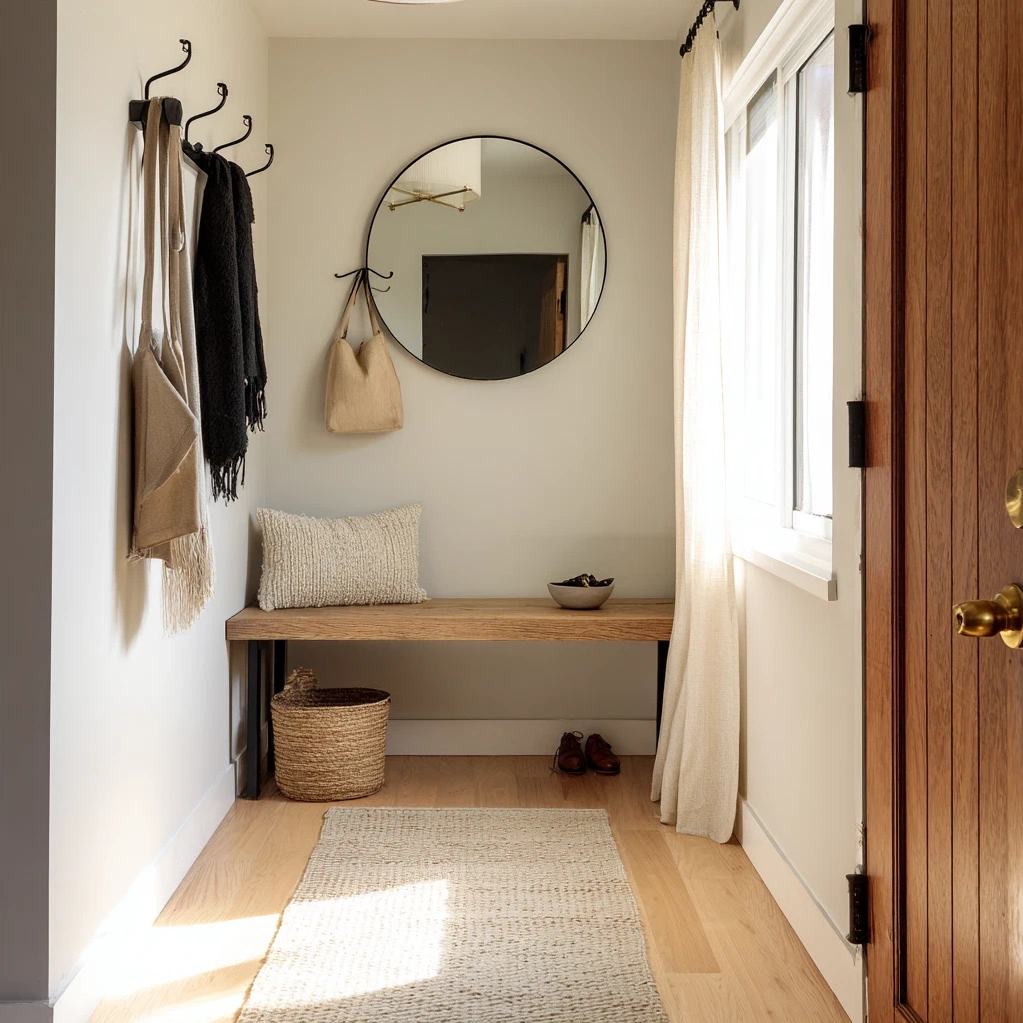
Beyond storage and aesthetics, a truly successful small entryway must function seamlessly for daily life. Start by defining clear zones within the space, even if it's just a few square feet. Designate areas for dropping items (like a tray for keys), seating (even a small stool), and storage. A landing spot for daily essentials prevents clutter from spreading. This could be a shallow bowl on a console, a wall-mounted catch-all, or a designated drawer. Seating is important for putting on shoes; if a full bench isn't feasible, a fold-down stool or a sturdy ottoman that doubles as storage works beautifully. Consider traffic flow: ensure there's enough room to move through comfortably, especially if multiple people use the entryway. For families, incorporate personalized touches like labeled bins or hooks for each member to streamline routines. Weather-resistant mats or trays near the door handle dirt and moisture, keeping the rest of your home cleaner. In small entryway ideas, every detail counts—choose hardware that's both stylish and durable, like sturdy hooks and smooth drawer pulls. Incorporate a bit of personality with art, a vase of fresh flowers, or a favorite photograph; this makes the space feel welcoming rather than purely utilitarian. If space allows, a small mirror for last-minute checks is practical. Think about seasonal adjustments: have a basket for summer hats or winter gloves that you can swap out. The goal is to create a system that works effortlessly, reducing stress as you come and go. By focusing on these functional elements, your small entryway becomes a well-oiled machine that enhances daily life rather than complicating it.
Conclusion
Transforming a small entryway is less about the square footage you have and more about how creatively you use it. Throughout this article, we've explored smart storage solutions that maximize vertical space, design tricks that visually expand the area, and essential functional elements that make daily routines smoother. These small entryway ideas prove that limitations can spark innovation, leading to spaces that are not only practical but also personally expressive. Remember, the best approach starts with assessing your specific needs—what you store, how you move, and what style makes you feel at home. Don't be afraid to mix and match these strategies; perhaps combine a mirror with built-in shelves, use a light color palette with bold accents, and incorporate multi-functional furniture. As homes continue to evolve, especially in urban areas where space is precious, the importance of well-designed entryways will only grow. Looking ahead, consider sustainable materials and smart home integrations, like keyless entry systems that reduce clutter. Start small if needed—even adding a few hooks or a mirror can make a significant difference. Your entryway sets the stage for your home, and with these ideas, you can ensure it's a stage worth stepping onto. Embrace the challenge, and let your small entryway become a testament to thoughtful, joyful design.
Frequently Asked Questions
Q: What are the best furniture pieces for a very narrow entryway?
For narrow entryways, opt for slim, vertical pieces that don't protrude into the walkway. A console table with a depth of 12 inches or less is ideal, preferably with drawers or shelves for storage. Wall-mounted options, like floating shelves or a fold-down table, save floor space entirely. A bench that's no wider than 18 inches can provide seating without obstruction. Look for furniture with legs to create an airy feel, and consider pieces in light colors or reflective materials to enhance the sense of space.
Q: How can I add personality to my small entryway without making it look cluttered?
Adding personality is all about selective, meaningful touches. Choose one or two statement pieces, like a vibrant piece of art, a unique mirror frame, or a decorative vase. Use textiles, such as a patterned runner rug or a textured throw on a bench, to inject color and warmth. Personal items like a favorite photograph in a simple frame or a small collection of travel souvenirs on a shelf can make the space feel yours. Keep accessories minimal and cohesive—stick to a color palette and avoid too many small knick-knacks that can create visual chaos.
Q: Is it possible to have a coat closet in a small entryway, and how should I organize it?
Yes, even a small coat closet can be highly functional with proper organization. Start by using double-hanging rods to maximize vertical space—one higher for longer coats and one lower for jackets. Install shelves above the rods for bags or bins. Use the inside of the door for additional storage with hooks or an over-the-door organizer for hats, scarves, and gloves. Clear bins or labeled baskets help keep items sorted and accessible. Regularly edit the contents to avoid overcrowding, storing off-season items elsewhere. Good lighting inside the closet, like a battery-operated LED light, makes it easier to see and keep organized.