
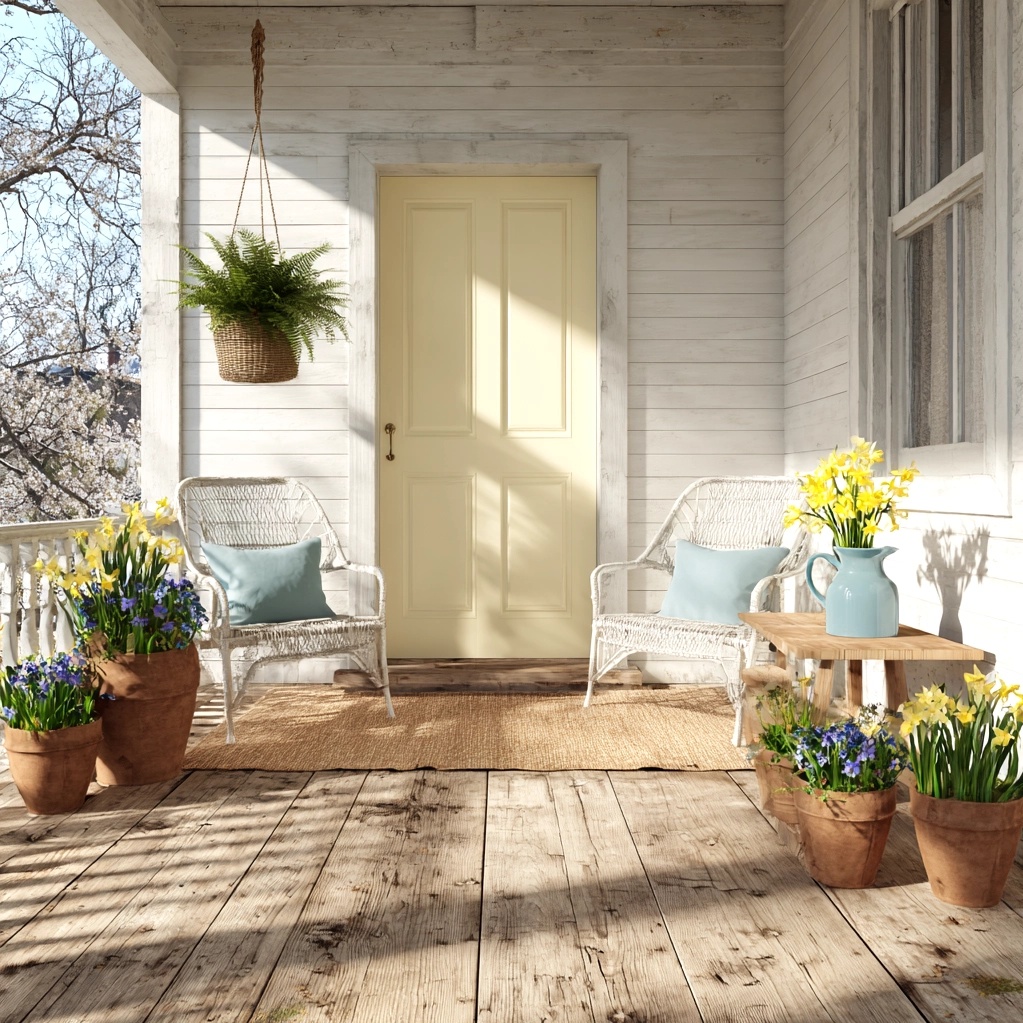
Spring Front Porch: Transform Your Space with 3 Essential Design Secrets


There’s something truly magical about a spring front porch. As the last traces of winter fade away, this transitional space becomes the heart of your home’s exterior—a welcoming threshold that sets the tone for the entire season. A thoughtfully designed spring front porch isn’t just about aesthetics; it’s about creating an inviting atmosphere that celebrates renewal, connection with nature, and the simple joy of outdoor living. For many homeowners, the front porch serves as the first impression visitors have of their home, making it a crucial element in curb appeal and neighborhood charm. Beyond appearances, a well-appointed porch becomes an extension of your living space—a place to enjoy morning coffee, watch spring showers, or simply relax as the world awakens from winter’s slumber. The beauty of spring porch design lies in its accessibility; you don’t need a massive budget or professional help to create a space that feels fresh and inviting. With strategic choices in color, texture, and arrangement, you can transform even the simplest porch into a seasonal sanctuary that reflects your personal style while embracing the vibrant energy of spring. This transformation goes beyond mere decoration—it’s about creating moments of joy and connection right at your doorstep.
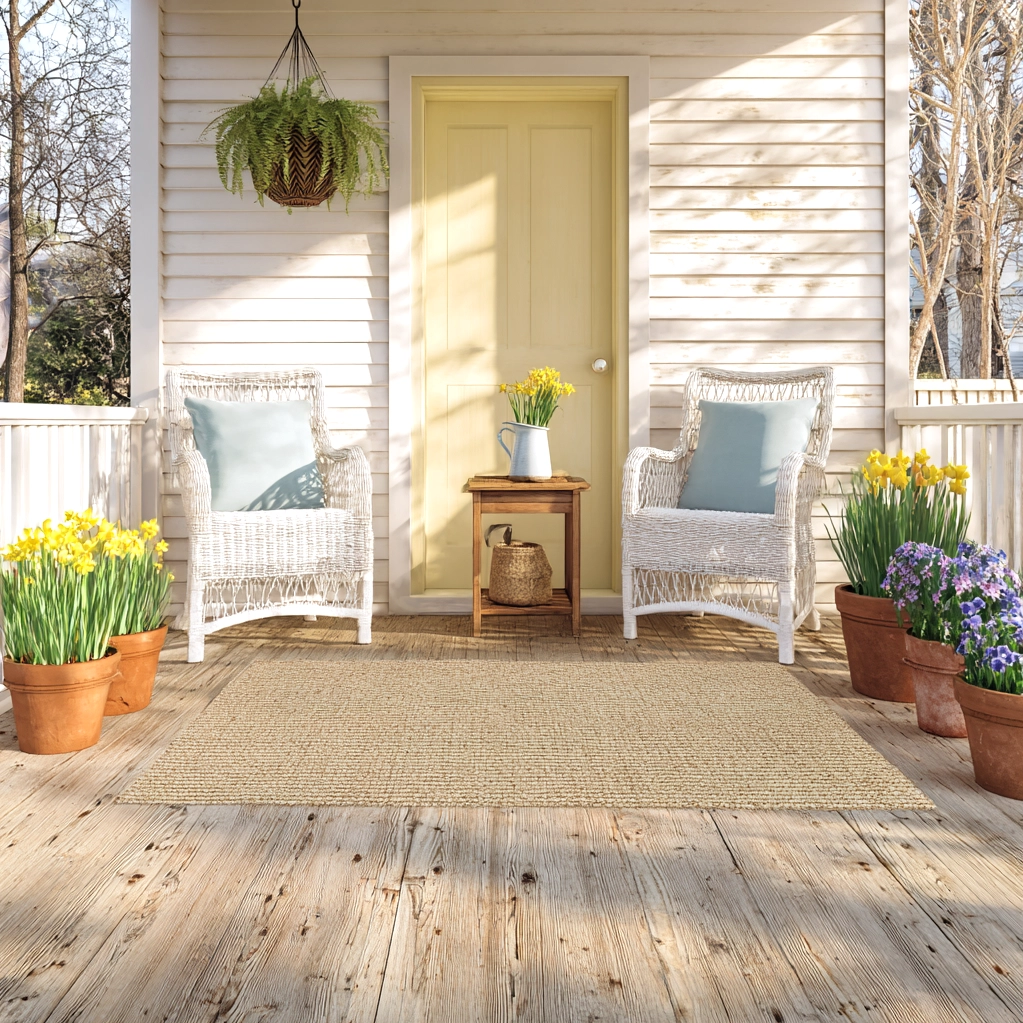
Spring Front Porch Color Palettes That Capture the Season
Choosing the right color scheme is the foundation of any successful spring front porch design. Spring brings a unique palette that differs from both winter's neutrals and summer's bold hues. Think soft pastels like mint green, lavender, and pale yellow that echo early blossoms, balanced with crisp whites and natural wood tones. These colors work together to create a fresh, airy feeling that welcomes the season without overwhelming the senses. When selecting colors, consider your home's existing exterior and architectural style. A white clapboard house might benefit from robin's egg blue accents, while a brick home could be enhanced with soft sage greens. Don't forget about texture—incorporating different materials like woven baskets, ceramic pots, and linen cushions adds depth to your color story. For furniture, weather-resistant pieces in natural finishes or light stains complement spring colors beautifully. Painted wooden rocking chairs in soft blue or green can become focal points, while neutral wicker furniture allows colorful cushions to shine. Remember that spring colors should feel transitional; they bridge the gap between winter's starkness and summer's intensity. Consider using color in layers: start with a neutral base (like a gray door or natural fiber rug), add medium tones through furniture, and finish with bright accents in smaller accessories. This approach creates visual interest while maintaining harmony. Most importantly, choose colors that make you happy—your spring front porch should reflect your personal joy in the season's arrival.
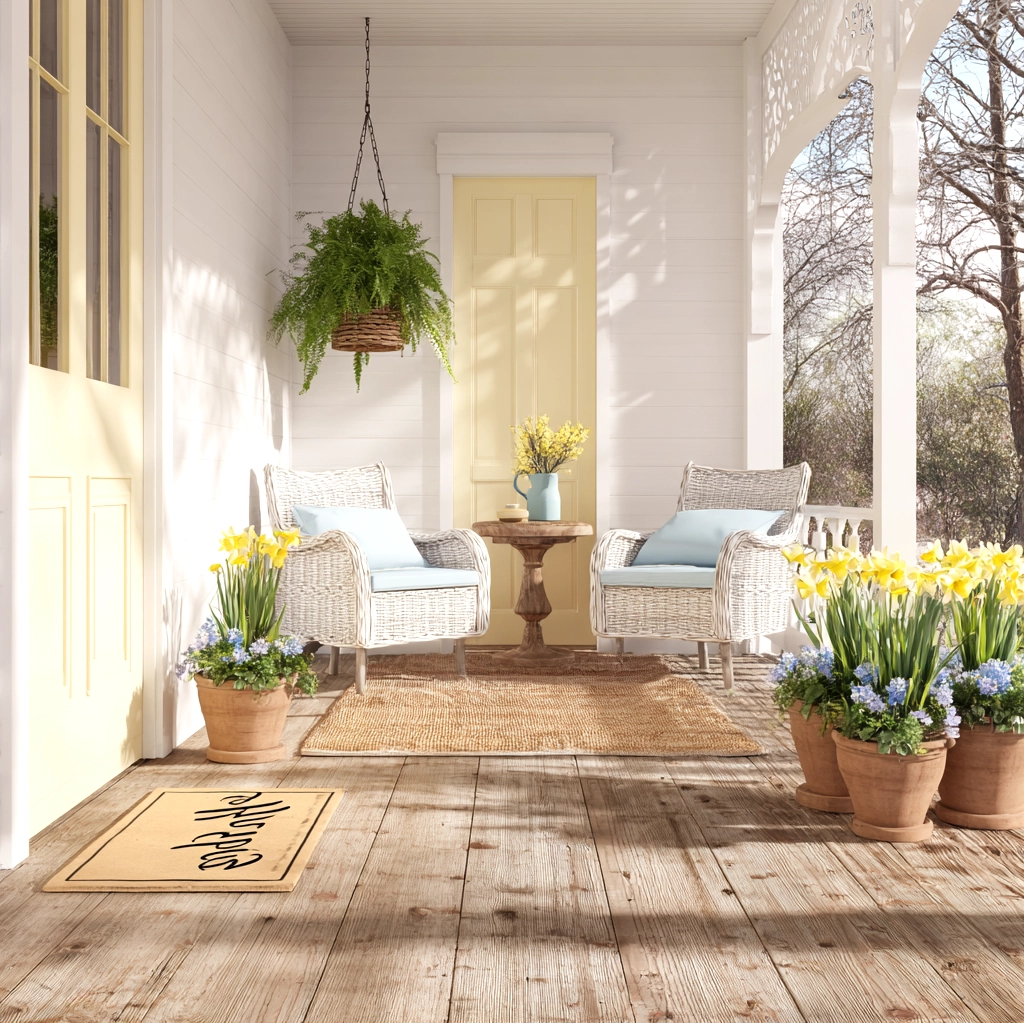
Essential Spring Front Porch Furniture and Layout Strategies
The right furniture arrangement can transform your spring front porch from a pass-through space to a genuine outdoor room. Start by considering how you want to use the space. Do you envision quiet mornings with coffee, casual conversations with neighbors, or perhaps a spot for reading in the afternoon sun? Your intended use should guide your furniture choices. For smaller porches, a compact bistro set or a single comfortable chair with a side table might be perfect. Larger spaces can accommodate seating groups with two chairs facing each other across a small table, or even a porch swing if structural supports allow. When arranging furniture, create clear pathways—you should be able to move comfortably from the door to the steps without obstacle. Position seating to take advantage of pleasant views, whether that's your blooming garden or the neighborhood activity. Spring weather can be unpredictable, so consider versatile pieces that can handle both sunny days and occasional showers. All-weather wicker, teak, and powder-coated metal furniture offer durability while maintaining style. Add comfort with weather-resistant cushions in spring-appropriate fabrics like Sunbrella or outdoor-rated linen. Don't forget about vertical space: wall-mounted shelves or hanging planters can add function without sacrificing floor area. For those with very limited space, foldable furniture that can be stored when not in use provides flexibility. The key to successful spring front porch furniture is balance between comfort and practicality. Every piece should serve a purpose while contributing to the overall aesthetic. As you arrange your furniture, test the flow by actually sitting in different spots—ensure there's enough room to move comfortably and that the arrangement feels inviting rather than cramped.
Spring Front Porch Plants and Decor That Welcome the Season
Plants are the soul of any spring front porch, bringing life, color, and fragrance to your outdoor space. The selection process should consider both aesthetics and practicality. Start with containers that complement your overall design—terra cotta pots for a rustic feel, glazed ceramics for pops of color, or modern fiberglass planters for clean lines. When choosing plants, consider the light conditions on your porch. North-facing porches might require shade-tolerant plants like ferns, impatiens, or begonias, while south-facing spaces can handle sun-loving annuals like petunias, geraniums, or marigolds. For height and structure, incorporate small shrubs or ornamental grasses in larger containers. Hanging baskets filled with trailing plants like ivy, sweet potato vine, or million bells add vertical interest. Beyond flowers, consider herbs like lavender, rosemary, or mint that offer fragrance and can be used in cooking. When arranging plants, create layers of height for visual interest—place taller plants at the back or sides, medium-height specimens in the middle, and trailing plants at the edges. Group odd numbers of pots together for a more natural look. Complement your living elements with carefully chosen decor items. A seasonal wreath on the door sets a welcoming tone, while outdoor-rated pillows and throws add comfort and color. Don't overlook practical elements like a durable doormat that catches spring mud or attractive storage for gardening tools. Lighting is especially important as days grow longer—solar-powered lanterns or string lights can extend porch enjoyment into the evening. Remember that less is often more; avoid clutter by selecting a few meaningful pieces that enhance rather than overwhelm your space. Your decor should celebrate spring's renewal while creating a cohesive, inviting atmosphere.
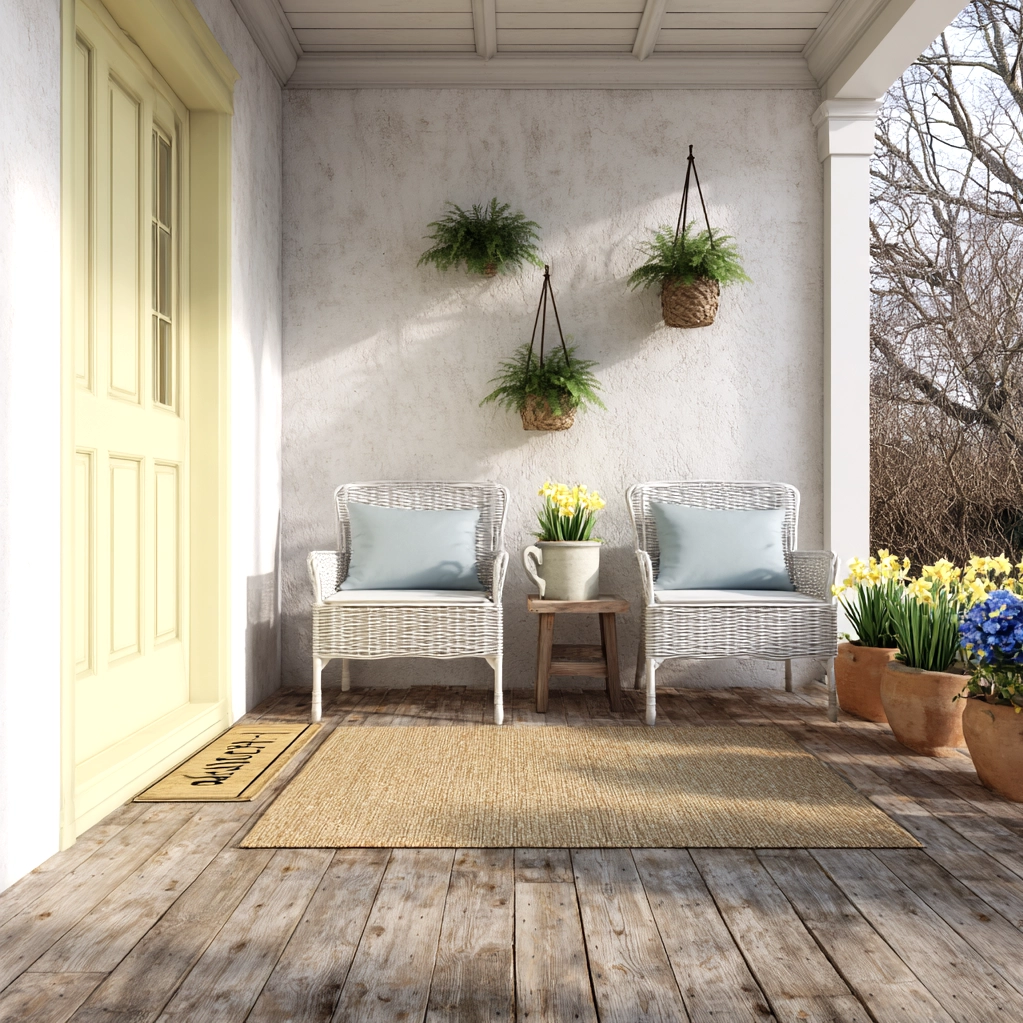
Maintaining Your Spring Front Porch Through Changing Weather
A beautiful spring front porch requires ongoing care to remain inviting throughout the season's variable conditions. Spring weather brings its own challenges—sudden showers, fluctuating temperatures, and increasing pollen—but with proper maintenance strategies, your porch can stay fresh and functional. Start with a solid cleaning routine. Early in the season, give everything a thorough wash: sweep away winter debris, wash windows and screens, scrub furniture, and clean light fixtures. For wood surfaces, check for any needed repairs or fresh sealant. As the season progresses, establish a weekly maintenance schedule that includes sweeping the floor, wiping down furniture, and deadheading flowers to encourage continued blooming. Pay special attention to drainage—ensure water flows away from your porch to prevent mildew and rot. For fabric elements like cushions and pillows, choose materials specifically designed for outdoor use that resist moisture and fading. When not in use during heavy rain, consider storing cushions in waterproof containers or bringing them indoors. Plant care is equally important. Establish a consistent watering schedule, adjusting based on rainfall and temperature. Container plants typically need more frequent watering than in-ground plantings. Fertilize according to plant needs, usually every two to four weeks during active growth periods. Watch for pests like aphids or spider mites, addressing issues early with appropriate treatments. As temperatures rise toward summer, consider adding shade elements like a retractable awning or umbrella to protect both plants and seating areas from intense afternoon sun. Regular maintenance not only preserves your investment but also allows you to enjoy your spring front porch to its fullest. By addressing small issues promptly, you prevent larger problems and ensure your porch remains a welcoming retreat throughout the entire season.
Conclusion
Creating a beautiful spring front porch is about more than just seasonal decoration—it's about crafting an inviting space that celebrates renewal and enhances daily living. From selecting the perfect color palette that captures spring's essence to arranging furniture that encourages relaxation and connection, each element contributes to a cohesive whole. The plants you choose breathe life into your design, while thoughtful maintenance ensures your porch remains welcoming through spring's changing weather. Remember that the most successful porches reflect personal style while embracing practical considerations like comfort, durability, and functionality. As you implement these ideas, don't be afraid to experiment and make the space your own. Perhaps start with one area—refresh your seating arrangement, add a few containers of blooming flowers, or introduce a new color through cushions and accessories. Small changes can have significant impact. Looking forward, consider how your spring porch design might evolve. Could certain elements transition into summer with minimal adjustment? Might you incorporate more native plants next year to support local pollinators? Your porch is a dynamic space that can grow and change with the seasons and with your own preferences. Ultimately, the goal is to create a threshold that brings you joy every time you approach your home—a spring front porch that welcomes not just visitors, but the season itself.
Frequently Asked Questions
Q: What are the best plants for a spring front porch that gets partial sun?
For a spring front porch with partial sun (receiving 3-6 hours of direct sunlight daily), excellent plant choices include pansies, violas, and primroses for early spring color. As temperatures warm, consider begonias, impatiens, or coleus for continuous blooms and foliage interest. Herbs like parsley, chives, and mint also thrive in partial sun while adding fragrance and utility. For vertical interest, fuchsias in hanging baskets perform well. Always check specific variety requirements, as some plants labeled for partial sun may prefer morning over afternoon exposure. Rotate containers occasionally to ensure even growth.
Q: How can I make my small spring front porch feel more spacious?
To maximize a small spring front porch, focus on vertical space and multi-functional pieces. Use wall-mounted shelves or hanging planters instead of floor-standing containers. Choose furniture with slim profiles and light colors—a transparent acrylic chair or a bench with open design creates visual openness. Mirrors (outdoor-rated) can create illusion of depth. Stick to a cohesive color palette to avoid visual clutter. Foldable or stackable furniture offers flexibility. Finally, keep pathways clear; even a few inches of extra walking space makes a small porch feel significantly larger and more functional.
Q: What's the most durable material for spring porch furniture that experiences variable weather?
For spring porch furniture facing variable weather, powder-coated aluminum offers exceptional durability. It resists rust, won't warp or crack, and requires minimal maintenance—just occasional cleaning. Synthetic wicker (typically polyethylene over aluminum frame) is another excellent choice, providing traditional aesthetics with modern durability. Teak is naturally weather-resistant but requires more maintenance to maintain its color. For cushions, Sunbrella fabric is industry-standard for outdoor use, resisting fading, mildew, and stains. Avoid untreated wood or iron in damp spring conditions, as they may deteriorate quickly. Regardless of material, furniture covers during extended wet periods extend lifespan significantly.