Spring Green Centerpieces: Stunning Transformations for Your Home Decor

Spring green centerpieces represent more than just floral arrangements—they are vibrant expressions of renewal and life that can transform any living space. As winter fades and nature awakens, incorporating fresh green elements into your home decor becomes a powerful way to connect with the changing seasons. These centerpieces serve as focal points that refresh your environment, lifting moods and creating inviting atmospheres for family gatherings or quiet moments of reflection. The beauty of spring green lies in its versatility. From minimalist arrangements that whisper sophistication to lush displays that shout celebration, these natural elements adapt to any decor style. Unlike permanent fixtures that remain static throughout the year, seasonal centerpieces allow you to participate actively in nature’s cycles, bringing the outdoors inside in meaningful ways. This connection to living materials offers therapeutic benefits too—studies show that exposure to greenery reduces stress and improves mental clarity. As we explore spring green centerpieces, we’ll discover how these living artworks can enhance your dining table, coffee table, or entryway while reflecting your personal aesthetic. Whether you’re hosting spring gatherings or simply want to brighten your daily routine, these arrangements offer accessible beauty that evolves with the season. Their temporary nature encourages creativity without long-term commitment, making them perfect for those who love to refresh their spaces regularly. Let’s dive into the world of spring-inspired decor that brings life and color into every corner of your home.
Essential Elements for Captivating Spring Green Centerpieces
Creating memorable spring green centerpieces begins with understanding the fundamental components that make these arrangements shine. The foundation lies in selecting the right green materials—fresh foliage like eucalyptus, ferns, or olive branches provide lasting structure and texture. These elements serve as the backbone of your arrangement, offering varied shapes and shades that create visual interest. Pair these with seasonal flowers in complementary colors; think white tulips, yellow daffodils, or pale pink ranunculus that pop against the green backdrop. Vessel selection dramatically impacts your final presentation. Consider clear glass containers that showcase water and stems for a modern look, or opt for ceramic pots, woven baskets, or vintage pitchers that add character. The container should complement rather than compete with your botanical elements. Height variation creates dynamic arrangements—include tall stems for vertical interest balanced with lower elements that fill space. Don't overlook filler materials like baby's breath or delicate grasses that add airy movement. For longevity, proper preparation is key. Cut stems at angles for better water absorption, remove submerged leaves to prevent bacterial growth, and change water every two days. Consider incorporating non-perishable elements like preserved moss or dried seed pods for mixed-media interest. These textural additions extend your arrangement's lifespan while maintaining the spring green theme. Remember that negative space matters too—overcrowded arrangements can appear chaotic, while strategic emptiness allows each element to shine. Your spring green centerpiece should tell a cohesive story, with each component working harmoniously to celebrate the season's renewal.
Designing Spring Green Centerpieces for Different Home Spaces
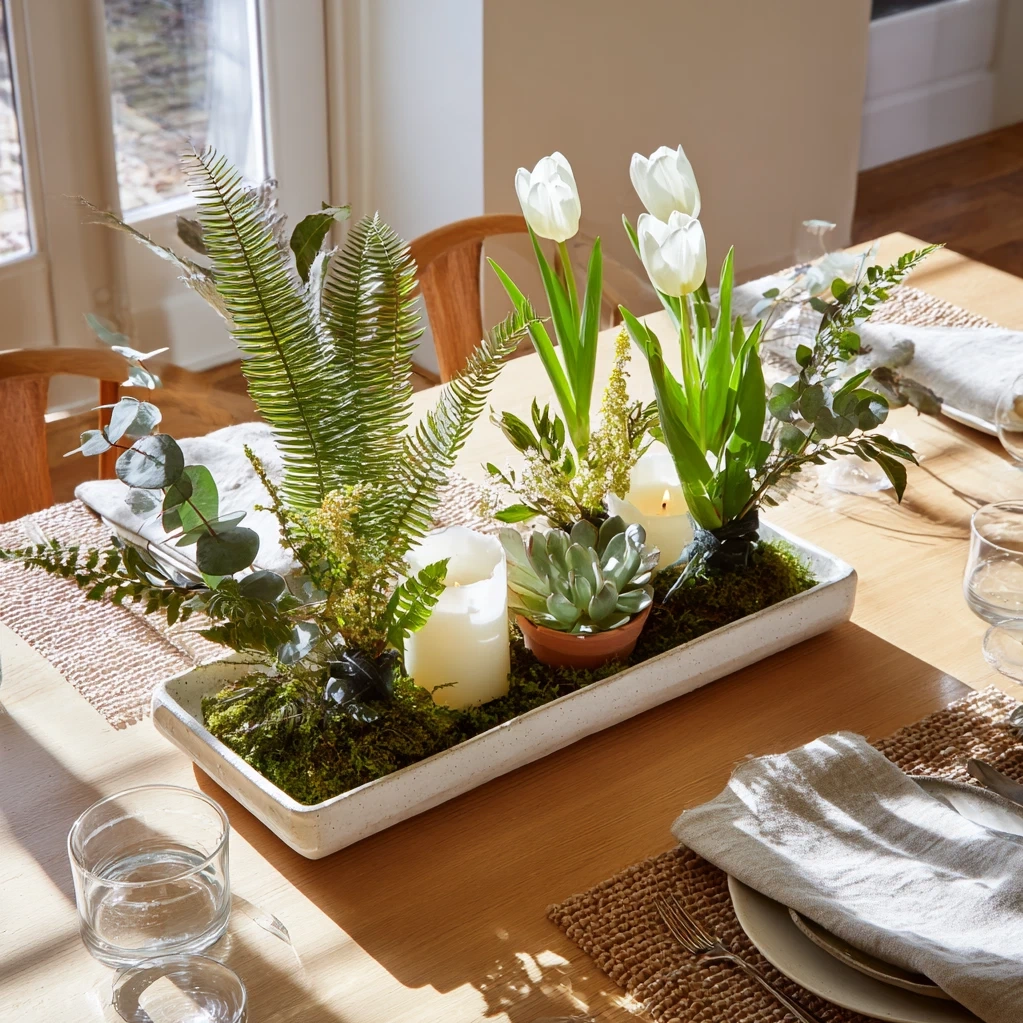
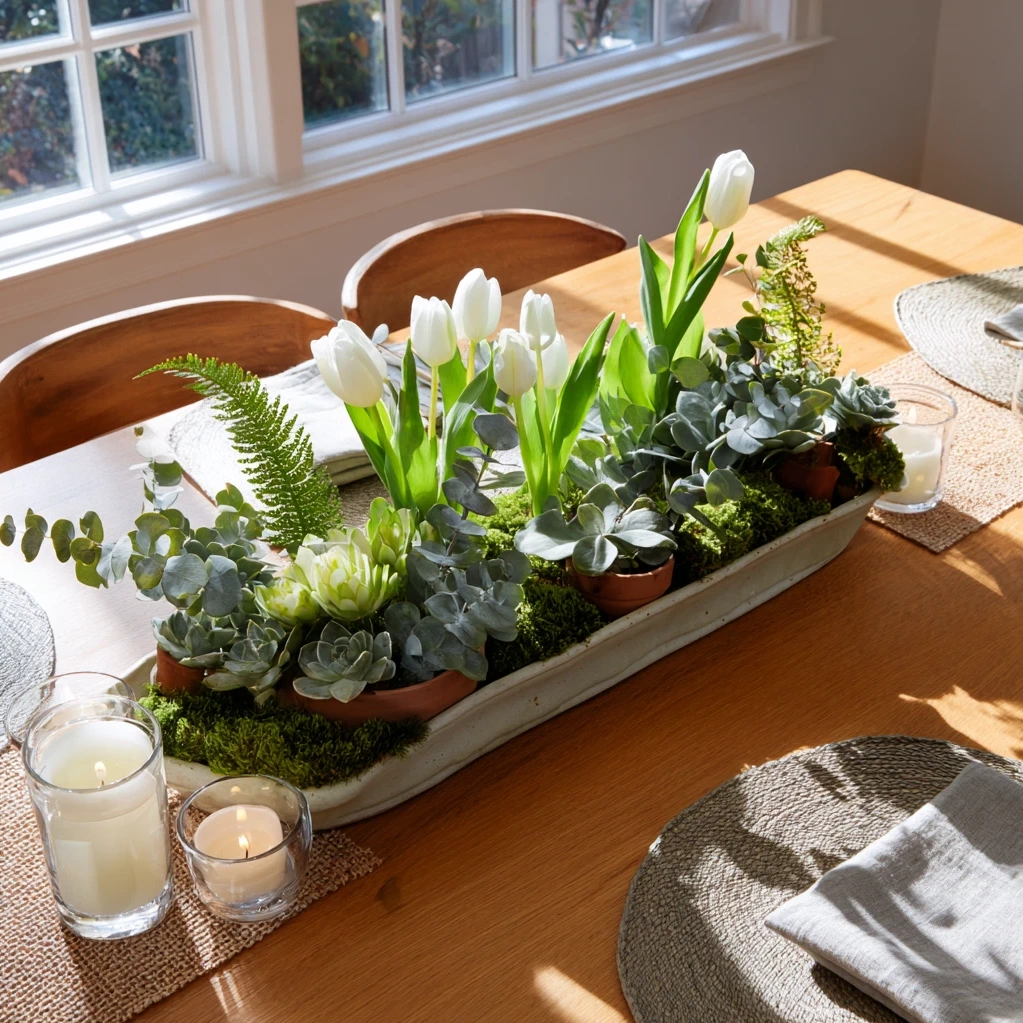
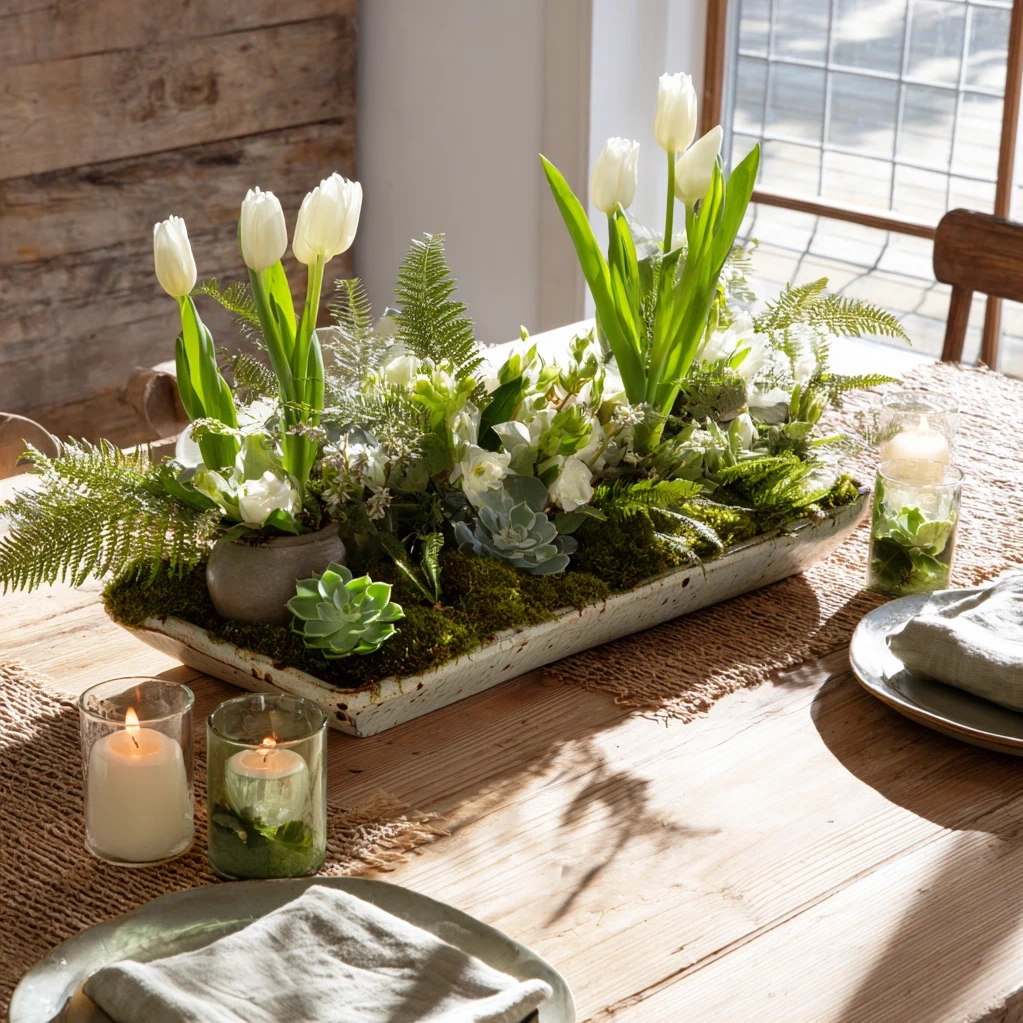
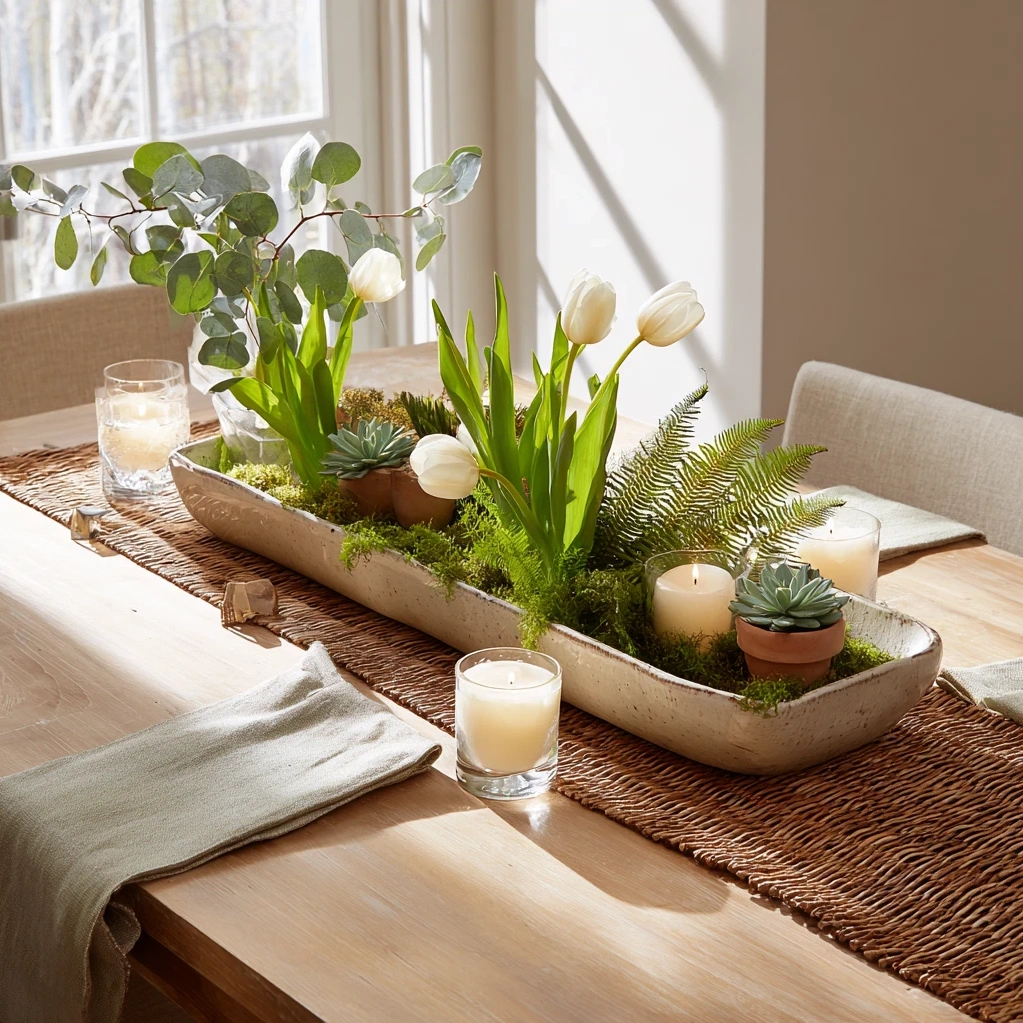
Spring green centerpieces adapt beautifully to various areas of your home, each requiring different considerations for maximum impact. For dining tables, create low-profile arrangements that won't obstruct conversation views. A long, linear design running down the table's center works wonderfully, incorporating candles or small decorative objects alongside greenery. Ensure the height stays below eye level when seated. Coffee tables demand more compact designs that leave room for books and drinks. Consider shallow bowls or trays filled with moss, succulents, and small flowering plants—these create lush mini-gardens that invite closer inspection. Entryway consoles welcome guests with taller arrangements that make immediate impressions. Here, you can use statement vessels and dramatic height variations since sightlines aren't restricted. Mix different green tones and textures for depth, perhaps adding a trailing element like ivy that softens edges. Kitchen islands benefit from functional yet beautiful arrangements—herb gardens in attractive pots serve dual purposes as both decor and cooking ingredients. Rosemary, thyme, and mint in terra cotta pots create practical spring green centerpieces that engage multiple senses. Bedroom nightstands call for simple elegance—a single stem in a bud vase or small succulent arrangement provides calming greenery without overwhelming the space. For outdoor patios, weather-resistant containers filled with hardy ferns and seasonal blooms extend your spring theme outside. Each space's lighting conditions also influence plant choices—shade-tolerant plants like hostas work well in dimmer areas, while sun-loving herbs thrive near windows. Consider traffic flow too; high-traffic areas need sturdier arrangements less likely to be disturbed. By tailoring your spring green centerpieces to specific locations, you create cohesive decor that enhances each room's function while celebrating seasonal beauty.
Sustainable Practices for Eco-Friendly Spring Green Centerpieces
As we embrace spring green centerpieces, incorporating sustainable practices ensures our decor choices honor the environment we're celebrating. Begin with sourcing—choose locally grown flowers and foliage to reduce transportation emissions and support regional growers. Farmers markets often offer seasonal selections at peak freshness. Consider foraging responsibly from your own garden or permitted areas, taking only what won't harm plant health. When selecting materials, prioritize native species that require fewer resources and support local ecosystems. These plants naturally thrive in your climate, lasting longer in arrangements. Avoid invasive species that could spread if disposed improperly. For containers, repurpose household items—mason jars, teacups, or vintage tins add charm while reducing waste. Thrift stores offer unique vessels that give new life to discarded objects. Water conservation matters too; use collected rainwater for arrangements when possible, and consider water-absorbing floral foam alternatives like chicken wire or reusable flower frogs. These create structure without environmental harm. After your spring green centerpieces complete their display, compost organic materials to return nutrients to the soil. Remove any non-biodegradable elements like wire or foam first. For longer-lasting arrangements, explore preservation techniques—air-drying flowers maintains their beauty for months while reducing the need for fresh replacements. When purchasing new items, choose quality over quantity; investing in durable containers you'll reuse for years minimizes consumption. Educate yourself about seasonal availability—spring offers specific blooms at their natural peak, reducing the energy required for greenhouse cultivation. By making mindful choices throughout the creation and disposal process, your spring green centerpieces become not just beautiful decor but statements of environmental stewardship that align with the season's themes of renewal and growth.
Maintaining the Freshness of Your Spring Green Centerpieces
Proper care extends the vibrant life of your spring green centerpieces, allowing you to enjoy their beauty throughout the season. Start with fresh materials—purchase or cut greens early in the day when plants are most hydrated. Look for firm stems and perky leaves without brown edges. Once home, recut stems underwater to prevent air bubbles that block water uptake. Use sharp, clean shears for smooth cuts that maximize absorption. Remove any leaves that would sit below the waterline, as submerged foliage decays quickly and clouds water. Choose room-temperature water rather than cold, as extreme temperatures shock delicate plants. Add floral preservative to inhibit bacterial growth; you can make a homemade version using one teaspoon sugar, one teaspoon bleach, and two teaspoons lemon juice per quart of water. These ingredients provide nutrients, disinfect, and balance pH. Placement significantly affects longevity—keep spring green centerpieces away from direct sunlight, heating vents, and ripening fruit, which emits ethylene gas that accelerates wilting. Cooler spots generally prolong freshness, though avoid drastic temperature fluctuations. Regular maintenance makes a difference—change water completely every two to three days, recutting stems slightly each time. Remove fading elements promptly to prevent decay from spreading. For woody stems like branches, gently crush or split ends to increase surface area for drinking. Mist arrangements lightly with water to maintain humidity, especially in dry indoor environments. Different materials have varying needs—succulents require minimal water, while delicate ferns need consistent moisture. Observe your arrangement daily, adjusting care as needed. If certain elements fade faster, replace them individually rather than discarding the entire piece. With attentive care, your spring green centerpieces can remain fresh for one to two weeks, sometimes longer with hardy materials. This maintenance routine becomes a mindful practice that deepens your connection to the natural elements brightening your home.
Conclusion
Spring green centerpieces offer far more than temporary decoration—they provide dynamic, living connections to nature's seasonal rhythms that enhance our daily environments. Throughout this exploration, we've discovered how these arrangements transform spaces through thoughtful design, sustainable practices, and proper care. The versatility of green elements allows creativity to flourish while maintaining cohesive seasonal themes. As you implement these ideas, remember that perfection matters less than personal expression. Your spring green centerpieces should reflect your unique style and the specific character of your home. Don't hesitate to experiment with unconventional containers or unexpected plant combinations—sometimes the most striking arrangements emerge from playful experimentation. Looking forward, consider how these principles can extend beyond spring. The skills you develop in creating seasonal centerpieces translate to year-round decor, allowing you to celebrate each season's distinctive beauty. Summer might bring vibrant florals, autumn rich foliage, and winter evergreen arrangements. This cyclical approach to home decor keeps your spaces feeling fresh and connected to the natural world. For those seeking ongoing inspiration, establish a seasonal ritual—perhaps monthly visits to local growers or regular foraging walks. These practices deepen appreciation for nature's offerings while ensuring a steady supply of materials. Share your creations with others too; a small spring green centerpiece makes a thoughtful gift that spreads seasonal cheer. Ultimately, these living arrangements remind us of nature's resilience and beauty, offering daily moments of tranquility in our busy lives. As spring unfolds, let your home bloom with the vibrant energy of thoughtfully crafted green centerpieces.
Frequently Asked Questions
Q: How long do spring green centerpieces typically last?
With proper care, most spring green centerpieces maintain their freshness for 7 to 14 days. This varies based on materials—hardy greens like eucalyptus or succulents can last two weeks or longer, while delicate flowers may fade sooner. Factors affecting longevity include water quality, temperature, and initial plant freshness. Regular maintenance like changing water every few days and removing wilting elements significantly extends their life. For longer-lasting displays, consider incorporating preserved or dried elements alongside fresh materials.
Q: Can I create spring green centerpieces on a budget?
Absolutely! Budget-friendly options abound for spring green centerpieces. Start by foraging materials from your garden or neighborhood (with permission)—clippings from shrubs, wild grasses, or fallen branches cost nothing. Thrift stores offer unique containers at low prices. Grocery stores often sell affordable greens like parsley or rosemary that work beautifully in arrangements. Focus on greenery rather than expensive flowers—lush foliage creates impressive impact. Repurpose household items as vessels, and use simple materials like river rocks or pinecones as decorative accents. Seasonal sales at garden centers provide opportunities for economical purchases.
Q: What are some pet-safe plants for spring green centerpieces?
Many common spring greens are safe for homes with pets. Spider plants, Boston ferns, and African violets make excellent non-toxic options. Herbs like rosemary, thyme, and sage are generally safe and add fragrance. Avoid potentially toxic plants like lilies, tulips (bulbs are toxic), or certain ferns if pets might nibble. Always research specific plants using reliable sources like the ASPCA database. For added safety, place arrangements where pets can't access them, or use hanging containers. If unsure, opt for artificial greens made from safe materials—high-quality options look remarkably realistic while eliminating risk.