
Swing Set Plans: Essential Guides for Creating Perfect Backyard Fun

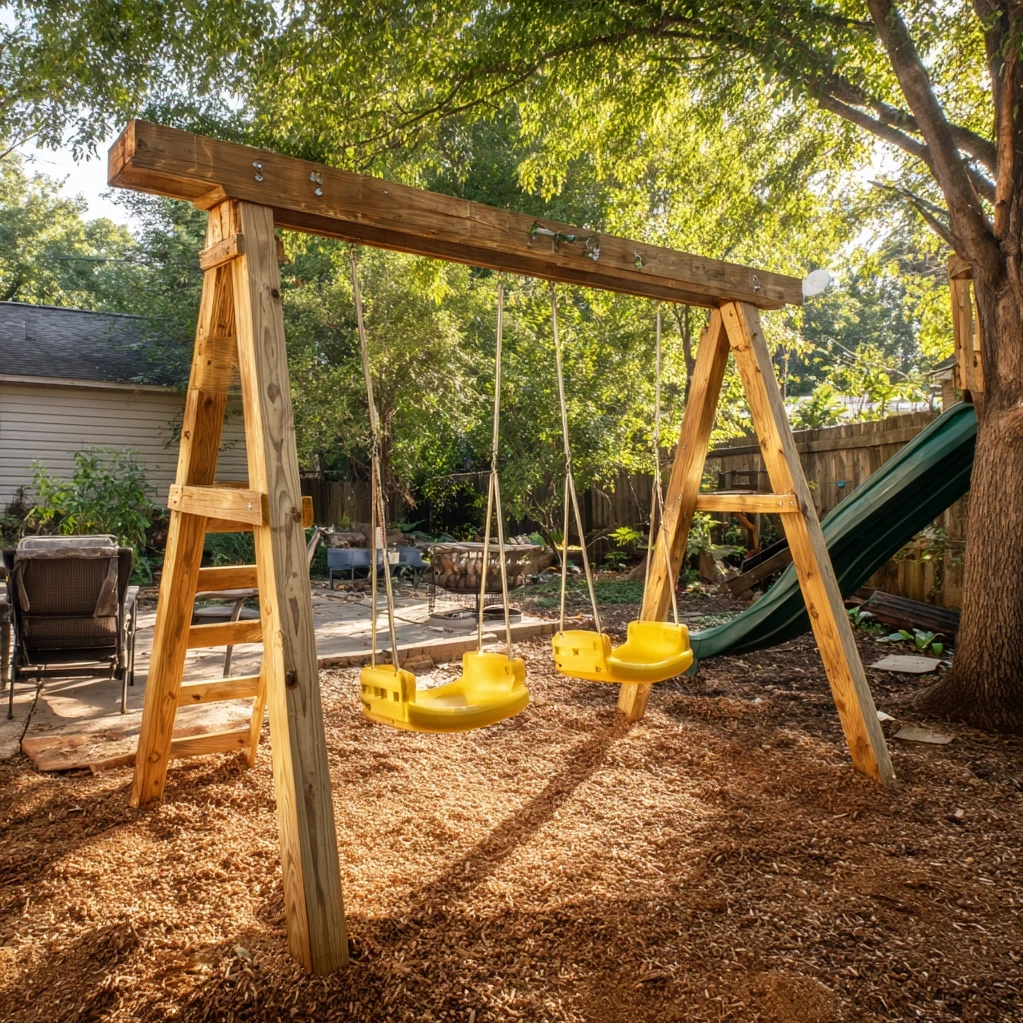
Creating a backyard swing set is more than just assembling a play structure—it’s about building cherished memories that last a lifetime. With proper swing set plans, you can transform your outdoor space into a safe, engaging environment where children’s imaginations soar. Whether you’re a seasoned DIY enthusiast or a first-time builder, having comprehensive plans is crucial for ensuring structural integrity, safety compliance, and long-term durability. These blueprints serve as your roadmap, guiding every measurement, material choice, and assembly step. Without them, you risk creating unstable structures that could pose safety hazards or fail to withstand weather elements. Quality swing set plans account for everything from load-bearing capacities and proper anchoring to age-appropriate features and maintenance requirements. They help you choose the right materials—whether pressure-treated lumber, cedar, or metal—and provide detailed instructions for creating everything from simple A-frame swings to elaborate play systems with multiple components. Investing time in finding or creating thorough plans means investing in years of joyful play and family bonding. The right plans turn what could be an overwhelming project into a manageable, rewarding experience that brings your backyard to life with laughter and activity.
Choosing the Right Swing Set Plans for Your Space
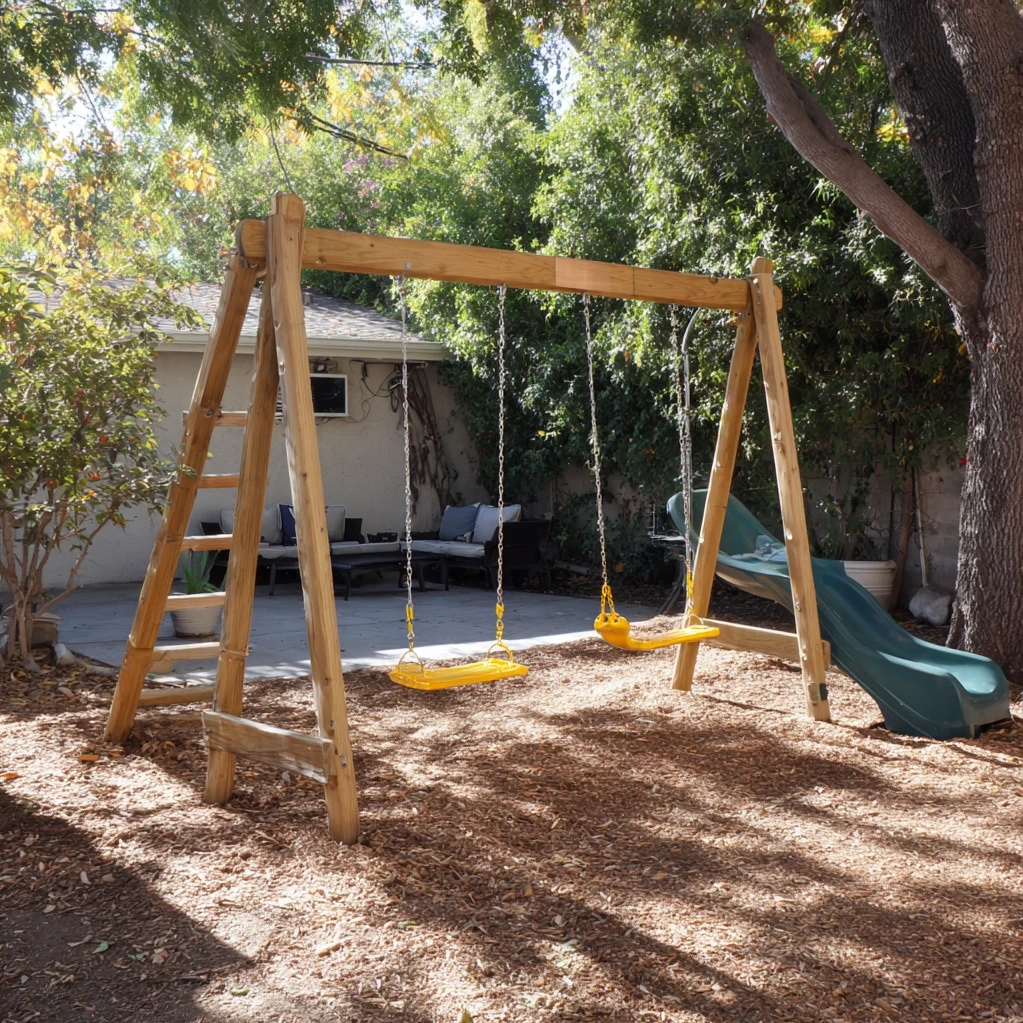
Selecting appropriate swing set plans begins with assessing your available space and intended use. Measure your backyard carefully, noting dimensions, slope variations, and any obstacles like trees or utility lines. Standard swing sets typically require a clearance area of at least 6 feet on all sides and overhead, but more elaborate designs may need additional space. Consider the age range of children who will use the structure—plans for toddlers differ significantly from those for elementary-aged children in terms of height, swing types, and safety features. Look for plans that specify proper ground preparation, whether you're installing on grass, mulch, or specialized playground surfaces. The best swing set plans include detailed material lists with exact quantities and specifications, helping you avoid last-minute hardware store trips. They should also provide clear illustrations or diagrams showing component relationships and assembly sequences. Pay attention to plans that include safety guidelines from organizations like the Consumer Product Safety Commission, particularly regarding hardware choices, structural connections, and fall zone requirements. Consider whether you want plans for a basic swing set or more complex designs incorporating slides, climbing walls, or playhouses. Some plans offer modular options, allowing you to add components later as children grow or interests change. Always verify that plans include proper anchoring instructions for your soil type—whether using concrete footings, ground anchors, or other stabilization methods suitable for your climate and ground conditions.
Essential Components in Quality Swing Set Plans
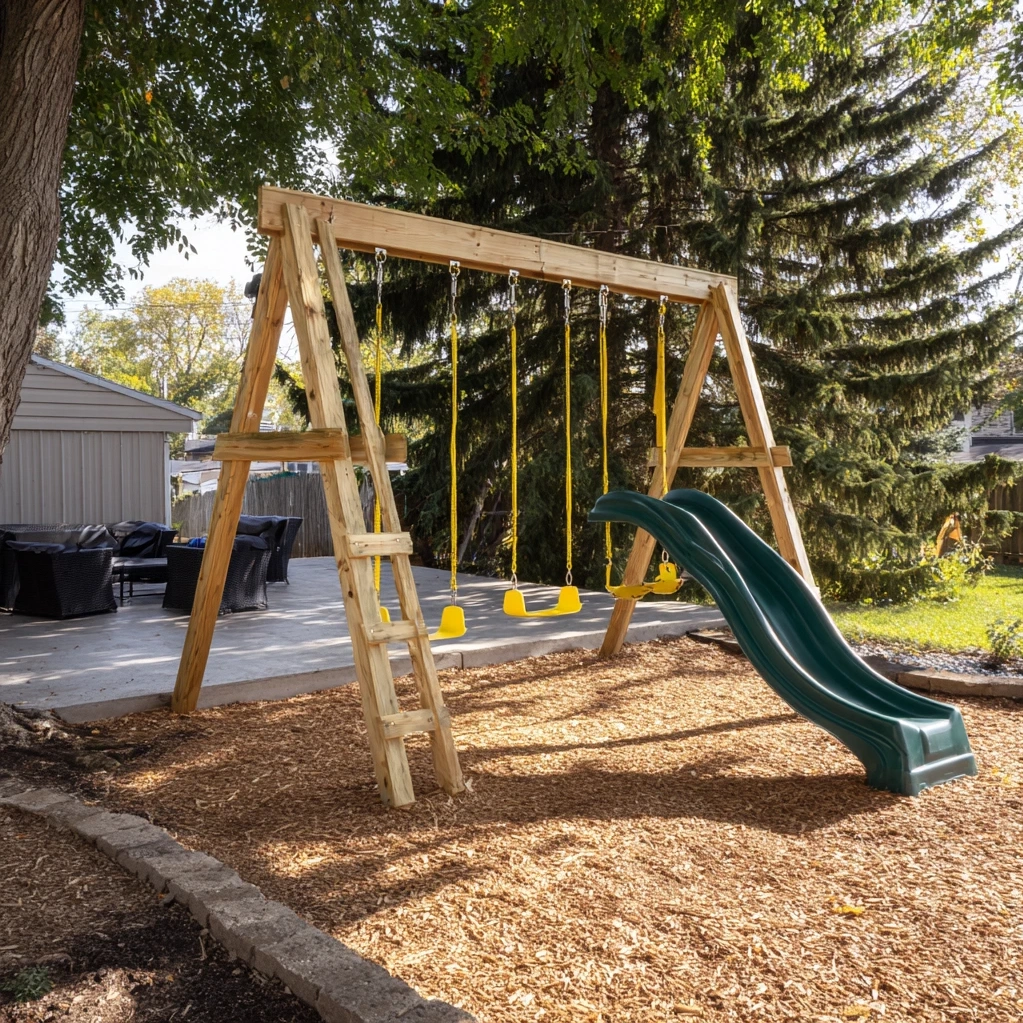
Comprehensive swing set plans should detail every structural element with precision and clarity. The foundation section must specify proper post sizing, typically using 4×4 or 6×6 pressure-treated lumber for main supports, with clear instructions for setting posts at correct depths—usually 24-36 inches depending on soil stability and structure height. Look for plans that include exact measurements for crossbeam placement and bracing, as these elements determine swing spacing and overall stability. Quality plans provide specific hardware requirements, listing galvanized or stainless steel bolts, lag screws, and connectors resistant to corrosion. They should detail proper swing hanger installation, specifying heavy-duty models with sealed bearings for smooth motion and minimal maintenance. Rope or chain specifications are equally important—plans should indicate appropriate diameters, materials, and attachment methods that prevent fraying or pinching hazards. For elevated platforms or decks, plans must include detailed railing and guardrail specifications with proper spacing to prevent head entrapment while ensuring easy access via ladders or stairs with appropriate step heights and handholds. Additional safety features like rounded edges, smooth surfaces, and protective caps on bolts should be clearly indicated. The best swing set plans also include maintenance guidelines, suggesting regular inspection points and seasonal care routines. They might recommend specific wood treatments or paints suitable for outdoor exposure while maintaining safety standards. Look for plans that address potential weather challenges in your region, whether suggesting reinforced joints for windy areas or drainage considerations for rainy climates. Proper plans transform theoretical designs into practical, buildable structures that stand the test of time and play.
Customizing Swing Set Plans for Unique Backyard Needs
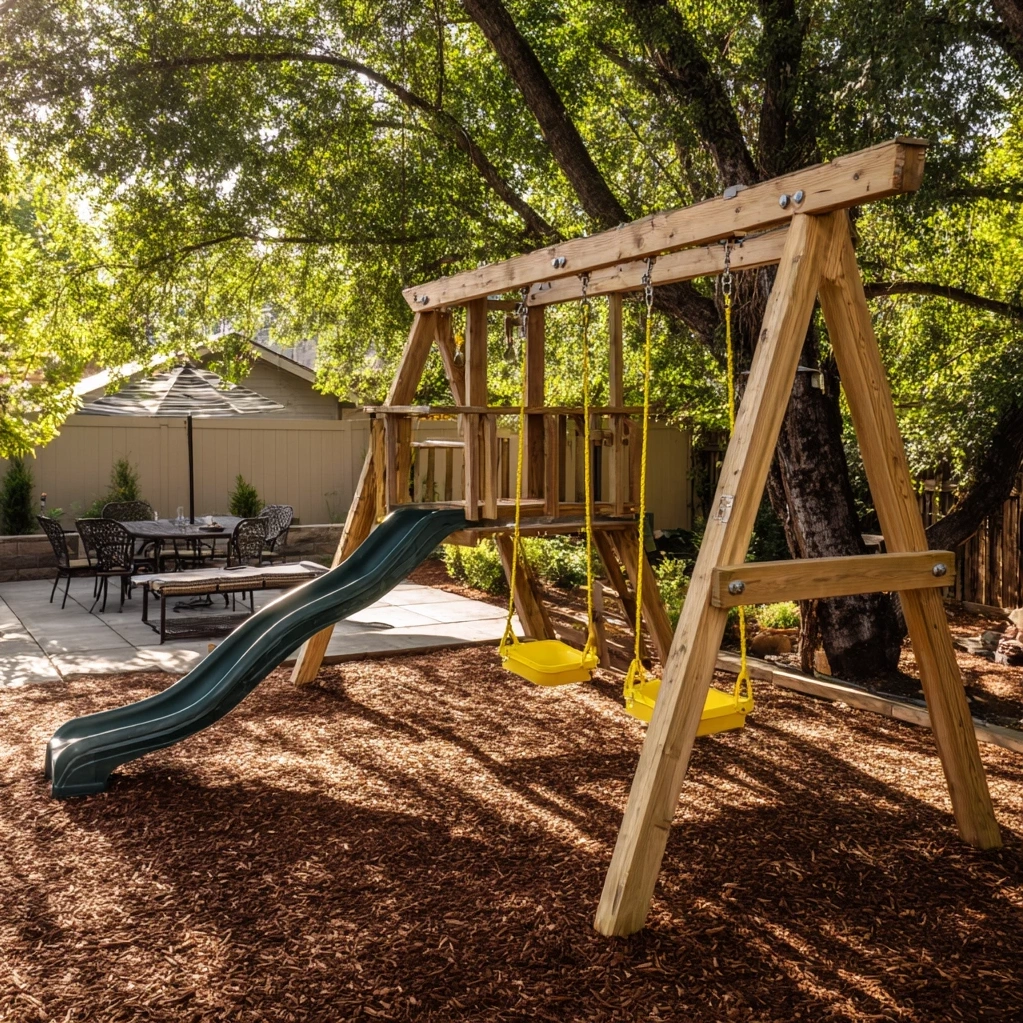
While pre-designed swing set plans provide excellent starting points, customization allows you to create the perfect play space for your family's specific needs. Begin by identifying which standard plan elements work for your situation, then consider modifications that enhance functionality or aesthetics. For smaller yards, look for plans designed with vertical rather than horizontal orientation, incorporating features like rock walls or overhead ladders to maximize play value in limited space. If you have multiple children with different ages and abilities, seek plans that allow for adjustable components—swings at varying heights, removable toddler seats, or convertible play areas. Consider integrating natural elements into your swing set plans, such as building around existing trees (with proper protective barriers) or incorporating natural wood finishes that blend with your landscape. Customization might involve adding accessibility features for children with different mobility needs, like wider platforms, lower entry points, or sensory play panels. Some families prefer plans that incorporate educational elements, such as chalkboard walls, weather stations, or nature observation areas built into the structure. If storage is a concern, look for plans that include built-in compartments for outdoor toys or seasonal accessories. Remember that customizations should maintain structural integrity—never modify load-bearing elements without understanding engineering implications. The best approach involves consulting original plan specifications and making incremental adjustments that preserve safety margins. Document any modifications thoroughly for future reference and maintenance. Custom swing set plans transform generic structures into personalized play environments that reflect your family's interests while maintaining all essential safety and durability standards.
Conclusion
Investing time in thorough swing set plans pays dividends in safety, durability, and enjoyment for years to come. These detailed blueprints transform what could be a daunting construction project into an achievable, rewarding endeavor that brings lasting value to your outdoor space. By carefully selecting plans suited to your space, needs, and skill level, you create more than just a play structure—you build a centerpiece for childhood memories and family gatherings. The process of following well-designed plans teaches valuable skills while ensuring every bolt, beam, and swing meets rigorous safety standards. As you complete your project, remember that proper installation and ongoing maintenance are just as important as the initial construction. Regular inspections, seasonal adjustments, and timely repairs will extend your swing set's lifespan while keeping playtime safe and enjoyable. Looking forward, consider how your swing set might evolve with your family—perhaps adding accessories as children grow or incorporating new play elements as interests develop. The foundation you build today with quality plans can support years of imaginative play and outdoor activity. Whether you're creating a simple swing for toddler giggles or an elaborate playscape for adventurous elementary schoolers, the right plans make all the difference between a temporary structure and a lasting backyard treasure.
Frequently Asked Questions
Q: What materials do I need for basic swing set plans?
Basic swing set plans typically require pressure-treated lumber (4×4 or 6×6 posts, 2×6 or 2×8 crossbeams), galvanized or stainless steel hardware (bolts, lag screws, swing hangers), swing seats (plastic or wood), and chains or ropes with proper attachments. You'll also need concrete for footings (if specified), post-hole digger, level, saw, drill, wrench set, and safety equipment. Specific quantities depend on your chosen plans—always follow material lists exactly to ensure structural integrity. Many plans recommend cedar or redwood as premium alternatives to pressure-treated wood for their natural resistance to decay and insects.
Q: How much space do swing set plans typically require?
Swing set plans generally require a clearance area extending at least 6 feet in all directions from the structure's edges, with additional overhead clearance of 8-10 feet for swings in motion. For a basic two-swing set, plan for approximately 15×15 feet of dedicated space. More elaborate designs with slides or multiple components may need 20×20 feet or larger areas. Always check your specific plans for exact dimensions and consider the 'fall zone'—the area where children might land if they fall—which should be covered with appropriate impact-absorbing material like wood chips, sand, or rubber mulch at least 9-12 inches deep.
Q: Can I modify swing set plans for different ages of children?
Yes, many swing set plans are designed with adaptability in mind. For younger children, you can modify plans by lowering swing heights, adding toddler bucket seats with full harnesses, reducing platform heights, and incorporating more handholds. For older children, plans might be adjusted with higher swings, more challenging climbing elements, or wider decks for social play. Always maintain safety standards when modifying—keep swing spacing at least 20 inches apart, ensure proper weight ratings for all components, and maintain structural integrity by consulting engineering principles or professional advice for significant changes. Some plans offer modular designs specifically for easy age-based adjustments.
