
Thali Decoration Ideas: Incredible Ways to Elevate Your Celebrations


Thali decoration ideas have transformed from simple rituals into breathtaking artistic expressions that captivate the senses and honor cultural traditions. The thali, a traditional Indian ceremonial plate, serves as the centerpiece of countless celebrations—from weddings and festivals to religious ceremonies and family gatherings. Its decoration isn’t merely about aesthetics; it’s a powerful form of storytelling that conveys blessings, prosperity, and cultural heritage through carefully chosen elements and arrangements. The art of thali decoration holds immense importance in South Asian cultures, where each component carries symbolic meaning and spiritual significance. Rice represents abundance, turmeric symbolizes purity, betel leaves signify longevity, and flowers embody beauty and devotion. When these elements come together in harmonious decoration, they create more than just a beautiful display—they become a tangible expression of blessings and good wishes for the occasion. In today’s world, where traditions often intersect with modern aesthetics, thali decoration ideas have evolved to incorporate contemporary styles while preserving their sacred essence. This evolution allows families to maintain cultural connections while expressing personal creativity, making each decorated thali a unique masterpiece that reflects both heritage and individuality. As you explore thali decoration ideas, remember that you’re participating in a centuries-old tradition that connects generations and celebrates life’s most precious moments with beauty, intention, and reverence.
Traditional Thali Decoration Ideas for Cultural Celebrations
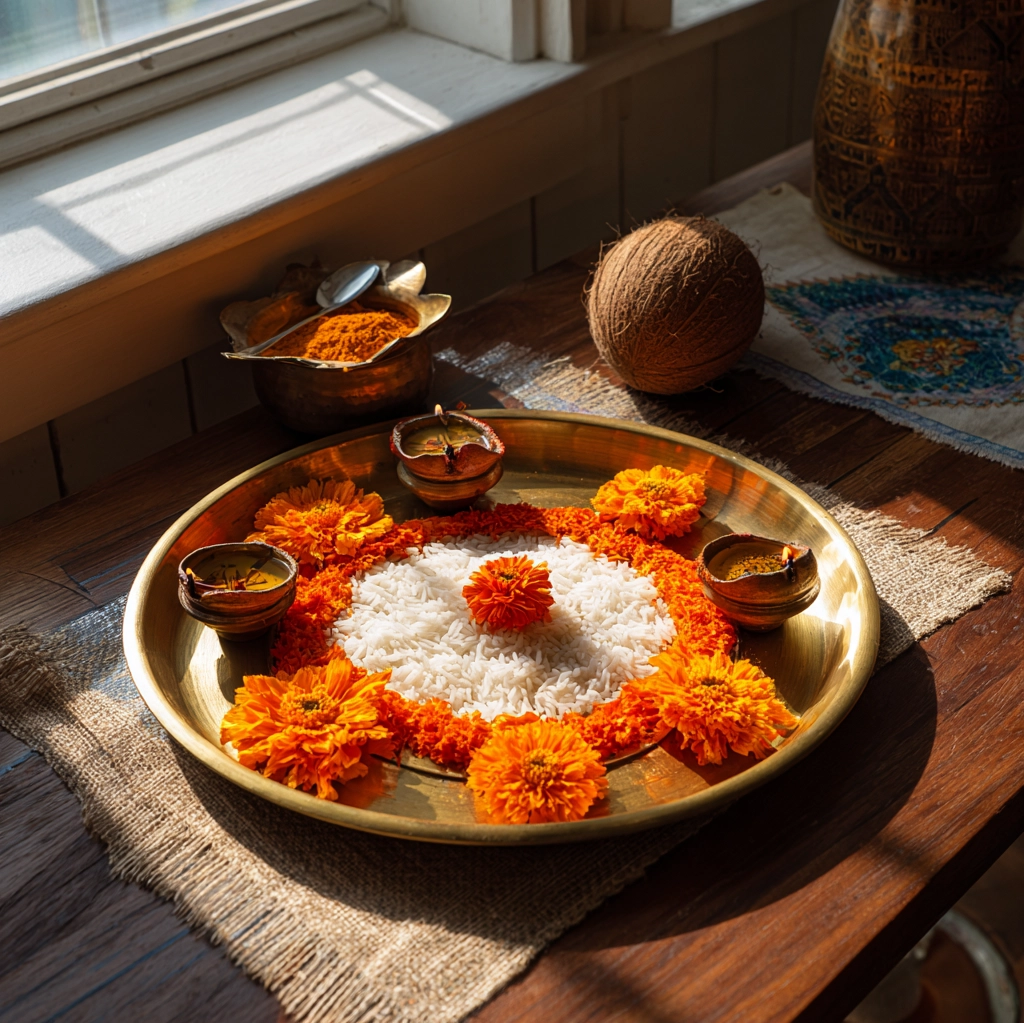
Traditional thali decoration ideas form the foundation of authentic cultural celebrations, offering timeless beauty that honors centuries-old practices. These decorations typically feature natural elements arranged in specific patterns that carry deep symbolic meaning. Begin with a clean, polished metal or terracotta thali as your base—copper, brass, or silver plates work beautifully for traditional settings. Create a symmetrical layout by placing a small mound of raw rice or turmeric at the center, representing prosperity and purity. Surround this with fresh flower petals, particularly marigolds or roses, arranged in concentric circles or geometric patterns. Add betel leaves, coconut pieces, and small diyas (oil lamps) to complete the traditional elements. For festival celebrations like Diwali or Pongal, incorporate seasonal fruits, sweets, and grains that represent abundance. The key to successful traditional thali decoration ideas lies in maintaining balance and symbolism—each element should have purpose and meaning. Consider using natural dyes like turmeric or kumkum to create intricate rangoli patterns directly on the thali surface. This approach connects the decoration to traditional floor art while creating a cohesive visual experience. Traditional thali decoration ideas also emphasize the use of specific numbers—like arranging items in odd numbers for auspicious occasions or creating patterns based on sacred geometry. These details might seem subtle but they significantly enhance the spiritual and cultural authenticity of your decoration. As you implement these traditional thali decoration ideas, focus on quality materials and careful arrangement. Freshness matters—use crisp leaves, vibrant flowers, and clean grains to convey respect for the tradition. The result will be a stunning thali that not only looks beautiful but also carries the weight and blessing of cultural heritage, making your celebration truly meaningful and memorable for all participants.
Modern Thali Decoration Ideas for Contemporary Events
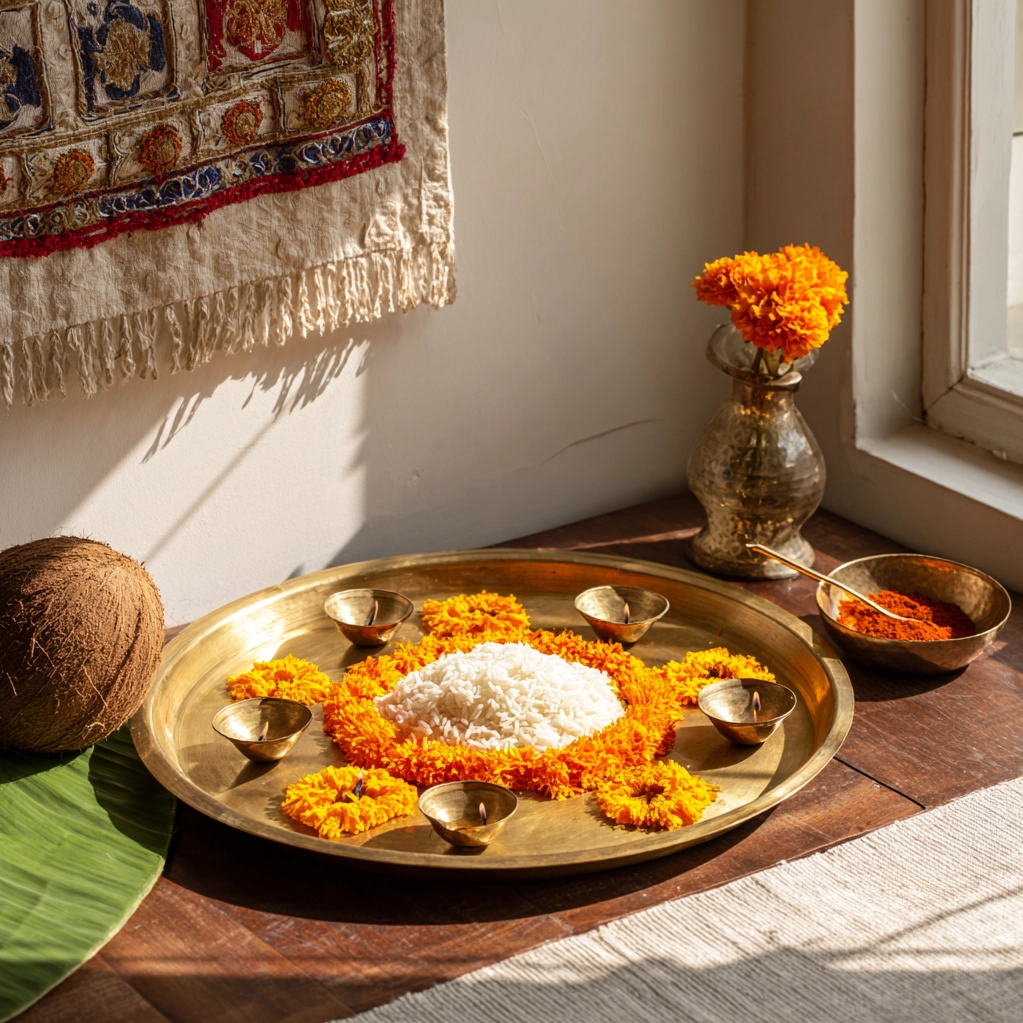
Modern thali decoration ideas blend traditional elements with contemporary aesthetics, creating stunning displays perfect for today's celebrations. These innovative approaches maintain cultural significance while embracing current design trends and personal expression. Start by selecting non-traditional thali materials—clear acrylic plates, minimalist ceramic dishes, or even wooden boards can provide fresh foundations for your decoration. Instead of traditional symmetrical arrangements, consider asymmetrical designs that create visual interest and movement. Incorporate modern elements like succulents, air plants, or decorative stones alongside traditional flowers and grains. Color plays a crucial role in modern thali decoration ideas—experiment with monochromatic schemes, pastel palettes, or bold contrasting colors that reflect the event's theme or personal style. For wedding thalis, consider incorporating metallic accents through gold leaf, copper wire arrangements, or silver-dipped leaves. These elements add sophistication while maintaining traditional metallic connections. Modern thali decoration ideas also embrace minimalism—sometimes less truly is more. A single perfect flower, a carefully placed candle, and a small arrangement of grains can create powerful, elegant statements. This approach works particularly well for intimate gatherings or contemporary home ceremonies. Another innovative approach involves thematic thali decoration ideas—creating plates that tell specific stories or represent particular concepts. A travel-themed thali might include small souvenirs and maps alongside traditional elements, while a literary-themed thali could incorporate book pages and quill pens. These personalized touches make the decoration uniquely meaningful. Modern thali decoration ideas also consider practicality—creating arrangements that are easy to transport, durable for outdoor events, or designed for specific serving functions. By thoughtfully combining tradition with innovation, you can create thali decorations that honor heritage while expressing contemporary creativity, making your celebrations both culturally rich and visually stunning.
Seasonal Thali Decoration Ideas Throughout the Year
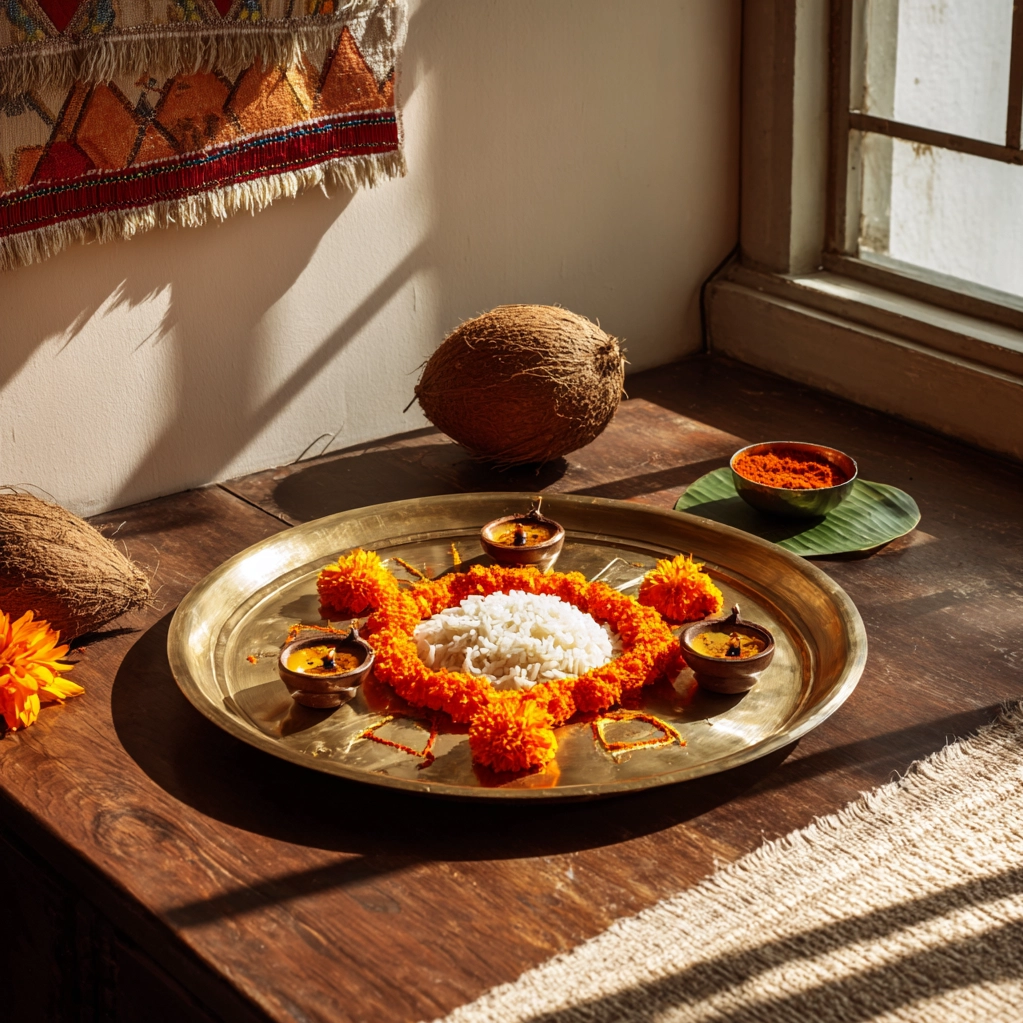
Seasonal thali decoration ideas allow you to celebrate nature's cycles while keeping your ceremonial plates fresh and relevant throughout the year. Each season offers unique materials, colors, and themes that can inspire beautiful, timely decorations. During spring, focus on renewal and growth with pastel flowers like cherry blossoms, fresh green leaves, and sprouted grains. Create thali decoration ideas that incorporate delicate buds, light-colored fabrics, and airy arrangements that capture spring's gentle energy. Summer brings vibrant energy perfect for bold thali decoration ideas. Use bright marigolds, sunflowers, and tropical leaves in rich, saturated colors. Incorporate summer fruits like mangoes, berries, or citrus slices as decorative elements that also serve as offerings. The warmth of the season invites open, abundant arrangements that reflect nature's generosity. Autumn thali decoration ideas embrace harvest themes and warm earth tones. Dried leaves, wheat stalks, pomegranates, and nuts create beautiful textures and colors. Consider incorporating cinnamon sticks, cloves, and other spices that evoke the season's comforting scents. These elements work particularly well for harvest festivals and thanksgiving celebrations. Winter thali decoration ideas focus on light and warmth during darker months. Evergreen branches, pine cones, and white flowers create elegant winter arrangements. Incorporate candles, metallic accents, and reflective surfaces to maximize light during shorter days. For winter festivals, consider creating thali decoration ideas that incorporate traditional winter symbols alongside cultural elements. Beyond the four seasons, consider creating thali decoration ideas for specific seasonal festivals—colorful arrangements for Holi, light-focused designs for Diwali, or harvest displays for Pongal. Seasonal thali decoration ideas also allow you to work with locally available, fresh materials, making your decorations sustainable and connected to your immediate environment. By rotating seasonal themes, you keep your thali decorations feeling fresh and meaningful throughout the year while celebrating nature's beautiful transitions.
Conclusion
Thali decoration ideas represent a beautiful intersection of art, culture, and spirituality that continues to evolve while maintaining deep traditional roots. Throughout this exploration, we've seen how these ceremonial plates transform from simple vessels into meaningful expressions of celebration, whether through traditional arrangements that honor centuries of practice, modern interpretations that reflect contemporary aesthetics, or seasonal variations that connect us to nature's rhythms. The true power of thali decoration ideas lies in their ability to communicate blessings, tell stories, and create memorable experiences through carefully chosen elements and thoughtful arrangement. As you implement these ideas, remember that authenticity matters more than perfection—each thali should reflect your unique intentions and cultural understanding. Looking forward, thali decoration ideas will continue to evolve as new materials, design trends, and cultural exchanges influence traditional practices. However, the core principles of symbolism, balance, and reverence will undoubtedly remain central to this beautiful art form. For those beginning their thali decoration journey, start simple with a few meaningful elements and build your confidence gradually. Observe how different arrangements feel during ceremonies and adjust based on what resonates most deeply with your traditions and personal style. Most importantly, approach thali decoration as a joyful creative practice rather than a stressful obligation. Whether you're preparing for a grand wedding or a simple home ceremony, your decorated thali will serve as a beautiful focal point that enhances the spiritual and emotional significance of the occasion. As this tradition continues to flourish across generations and cultures, may your thali decoration ideas bring beauty, meaning, and connection to every celebration you create.
Frequently Asked Questions
Q: What are the essential elements for traditional thali decoration?
Traditional thali decoration typically includes several essential elements that carry cultural and spiritual significance. The foundation is a clean metal or clay plate, often made of copper, brass, or silver for auspicious occasions. Central elements usually include raw rice or turmeric powder, representing prosperity and purity. Fresh flowers, particularly marigolds or roses, provide beauty and devotion. Betel leaves symbolize longevity, while coconut pieces represent completeness. Small diyas (oil lamps) bring light and positivity. Sweets like laddu or fruits may be included as offerings. Additional elements might include kumkum powder for blessings, coins for wealth, and specific grains or pulses relevant to the ceremony. The arrangement follows traditional patterns, often symmetrical, with each item placed intentionally according to cultural practices. These elements work together to create a balanced, meaningful display that honors tradition while serving its ceremonial purpose.
Q: How can I make thali decorations last longer for multi-day events?
Making thali decorations durable for multi-day events requires strategic planning and material choices. Start with a stable base—choose sturdy plates and secure decorative elements properly using floral foam, clay, or double-sided tape for heavier items. For flowers, select varieties known for longevity like orchids, carnations, or chrysanthemums, and treat them with flower preservative. Consider using high-quality artificial flowers for elements that need to maintain perfect appearance throughout the event. For natural elements that might wilt, have replacement materials ready for quick refreshment between ceremonies. Protect delicate arrangements with clear acrylic covers that allow visibility while preventing damage. Use dried elements like grains, seeds, or preserved leaves for parts of the decoration that won't be consumed. For outdoor events, consider weather protection and secure all elements against wind or movement. Create modular designs where certain components can be easily replaced without disturbing the entire arrangement. Proper storage between events—keeping thalis in cool, dry places—also extends their lifespan. With careful planning, you can create beautiful thali decorations that maintain their appearance and significance throughout multi-day celebrations.
Q: Can I incorporate personal or non-traditional items into thali decoration?
Absolutely! Incorporating personal or non-traditional items into thali decoration adds unique meaning while respecting cultural foundations. The key is balancing innovation with tradition. Start by understanding the core symbolic elements required for your specific ceremony, then creatively incorporate personal touches around these essentials. For example, if you're creating a wedding thali, you might include small tokens representing the couple's shared interests—like miniature books for literary lovers or tiny travel souvenirs for adventurous pairs. Non-traditional materials can be introduced thoughtfully: clear acrylic for modern aesthetics, sustainable bamboo for eco-conscious celebrations, or personalized ceramics for unique bases. Colors can reflect personal preferences while maintaining appropriate cultural meanings. Even arrangement styles can be personalized—asymmetrical designs for contemporary tastes or thematic patterns that tell personal stories. When incorporating non-traditional items, consider their symbolic compatibility with the ceremony's purpose. A family heirloom, for instance, might beautifully represent continuity alongside traditional elements. The most successful personalized thali decorations maintain clear connections to tradition while expressing individual creativity, creating meaningful displays that honor both heritage and personal identity.